Spices
Annatto (Achiote)
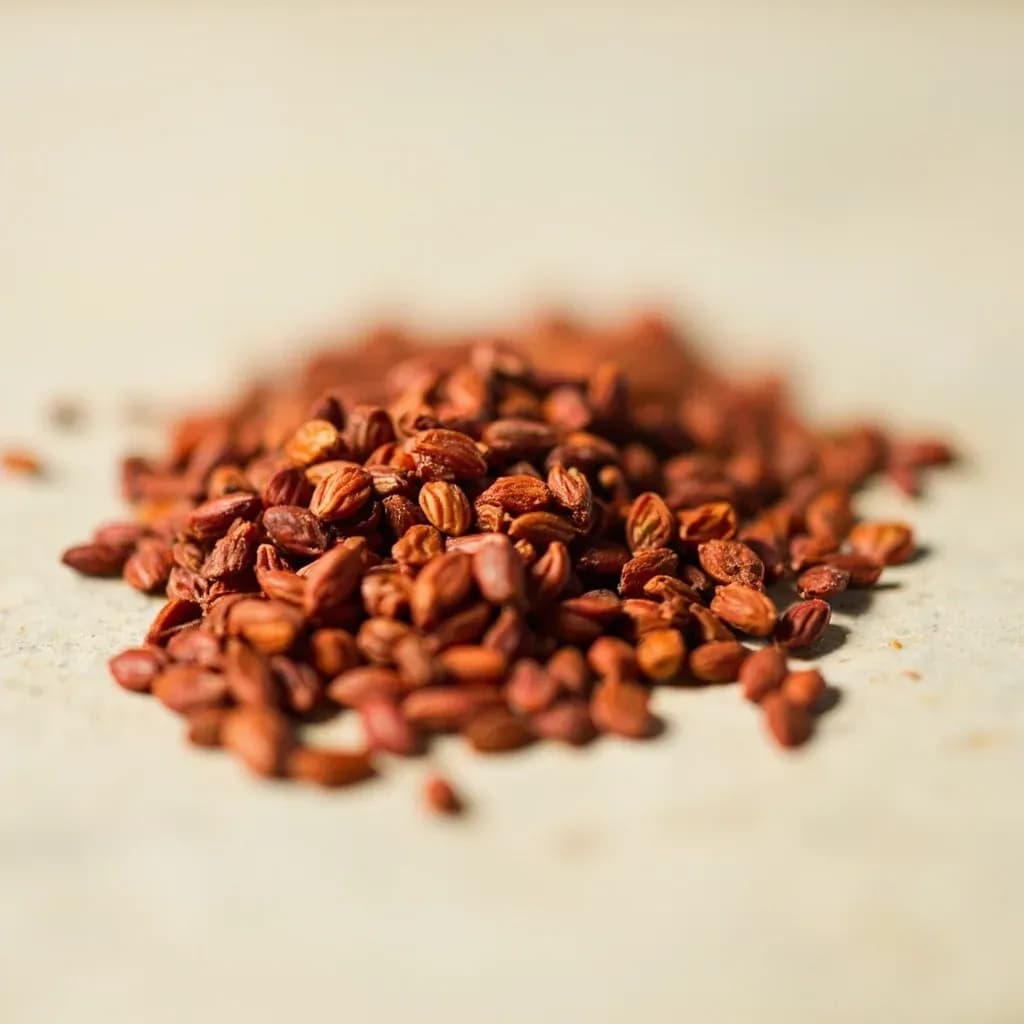
Brick-red seed prized for golden-orange color and subtle earthy flavor in Latin cooking.
Annatto is the rust-red seed of the achiote tree, used chiefly as a natural colorant that turns oils, rice and stews a warm golden-orange. It carries a mild, peppery, slightly nutty flavor and appears across Latin American, Caribbean and Filipino cuisines. Cooks steep the seeds in warm oil or use ground annatto in rubs and pastes.
Annatto, known as achiote across Latin America, consists of the small, triangular seeds of the Bixa orellana tree, each seed coated in a waxy red-orange aril containing the pigment bixin. Indigenous Mesoamericans prized annatto long before European contact—using it as body paint, sunscreen, and insect repellent—and it remains central to the cooking traditions of Mexico, Central America, the Caribbean, and Brazil. The spice takes its name from the Caribbean indigenous word 'achiote,' reflecting its deep roots in pre-Columbian cuisine.
What makes annatto indispensable is its dual nature: it imparts a range of colors from golden-yellow to deep brick-red depending on preparation, while contributing only the faintest, most unobtrusive flavor—mildly earthy, faintly peppery, with a whisper of nuttiness. Unlike saffron, which dominates a dish with its floral aroma, or paprika, which adds distinctive spice notes, annatto functions as a quiet transformer of appearance. This makes it extraordinarily versatile: it can color rice, marinate meat, season tamales, and tint cheeses without demanding attention on the palate.
Understanding the chemistry unlocks better results in the kitchen. Annatto contains two primary pigment compounds—bixin, which dissolves in fat and produces orange-red hues, and norbixin, which is water-soluble and yields yellow tones. Knowing which compound you are extracting determines your technique: reach for oil or fat to achieve orange-red coloration; use water or acid for yellow. This distinction explains why annatto behaves so differently in a sofrito than in a marination, and why your extraction method matters as much as the quantity you use.
- Measured in
- g
- Storage
- Pantry
Types & varieties
Most widely available form; small, triangular, reddish-brown seeds with a waxy coating. Requires toasting and grinding to release color and aroma effectively.
Ground seeds, often blended with cumin, oregano, or other spices. Convenient for immediate use but loses potency faster than whole seeds; check for freshness.
Ground annatto combined with vinegar or citrus juice, garlic, cumin, and oregano. The traditional Yucatecan preparation for marinating pork, chicken, or fish; press into a brick-shaped block or roll into logs.
Seeds steeped in hot lard or vegetable oil to extract the fat-soluble bixin pigment. Functions as both a cooking fat and a built-in colorant for frying and sautéing.
The Extraction Principle
Annatto's behavior in the kitchen depends entirely on whether you extract bixin or norbixin. Bixin, the fat-soluble compound, gives annatto its characteristic orange-red color and is your target when frying rice, searing meat, or making recados. Heat the seeds in oil or fat—never water—to release this compound. Norbixin, the water-soluble sibling, produces a softer yellow and is extracted when you simmer seeds in liquid; this is less common in everyday cooking but useful for staining broths or grains without adding fat. Most recipes that call for annatto are after bixin, which is why annatto oil and paste are so effective: they deliver the pigment in a fat medium, ready for the dish to absorb.
- Heat annatto in fat to extract bixin (orange-red color)
- Simmer in water or acid to extract norbixin (yellow color)
- Paste and oil forms already deliver bixin in a usable medium
- Cold extraction yields weaker color; gentle heat accelerates pigment release
Achiote in Mexican Regional Cooking
Yucatecan cuisine elevates annatto to a foundational role through recados—the region's characteristic dry rubs and pastes. Recado rojo combines annatto with garlic, cumin, oregano, vinegar or citrus, and sometimes black pepper, creating a paste that historically was pressed into hollowed logs of hardwood and smoked for preservation. Today it flavors cochinita pibil (pit-roasted pork), pollo pibil, and tamales. The neighboring Mexican states of Oaxaca and Veracruz use annatto differently: in Oaxacan mole rojo, it contributes the characteristic reddish-brown cast alongside dried chiles and chocolate, while Veracruz-style fish dishes rely on annatto oil for both color and the subtle flavor foundation beneath fresh herbs and citrus. Understanding these regional differences helps you choose the right form and application.
- Yucatecan recados use annatto paste with acid and spices for pork and chicken
- Oaxacan mole rojo incorporates annatto for color depth, not dominance
- Veracruz fish preparations favor annatto oil over paste
Common uses
Tips & pitfalls
- Toast whole seeds briefly in a dry skillet over medium heat for 30–60 seconds until fragrant and slightly darker—this activates the pigments and intensifies both color and aroma. Watch carefully; they burn quickly once toasted.
- Always use fat as your extraction medium for orange-red results. A tablespoon of oil or butter in the pan is sufficient for most applications; the annatto will dissolve and coat the fat, ready to color whatever you cook in it.
- Add ground annatto early in the cooking process. Unlike heat-sensitive spices, annatto benefits from time in the pot—the color compounds have opportunity to dissolve and bind to food molecules rather than sitting in the oil.
- Start with less than you think you need. The color concentrates rapidly, especially in liquid dishes, and an over-colored pot of rice or beans looks jarring even if the flavor is fine. You can always add more; removing color is impossible.
- When making achiote paste from scratch, include an acid (lime juice or white vinegar). The acidity helps distribute the pigments evenly through the paste and prevents them from clumping; this also tenderizes meat more effectively when used as a marinade.
- Store whole seeds in an airtight container in a cool, dark place—light degrades the pigments over time. Properly stored, they remain potent for up to two years; ground powder degrades within months and loses punch.
- Grind seeds as needed for maximum potency. A dedicated spice grinder works well; process 2–3 tablespoons at a time and sift to remove any remaining grit before using in dry rubs or pastes.
- If your annatto has been sitting for over a year, test it before using in a dish where color is critical. Bloom a small amount in hot oil; if the color is weak or muddy, discard and purchase fresh.
Nutrition
Energy
372 kJ · per 100 g
Where the calories come from
Protein
4.1g
8% DV
Carbs
17.3g
6% DV
Fat
0.5g
1% DV
Sodium
1mg
0% DV
Source · USDA FoodData Central · approx. Seeds, lotus seeds, raw
View on FDC →In the shops
Matched grocery products
No matched grocery products for Annatto (Achiote) yet.
Good to know
- Scientific Name
- Bixa orellana
- Origin
- Tropical Central and South America; cultivated by Mesoamerican civilizations before European contact
- Plant Part
- Seeds of the annatto tree, each coated in a red-orange waxy aril containing the pigment bixin
- Primary Compounds
- Bixin (fat-soluble, orange-red) and norbixin (water-soluble, yellow)
- Flavor Profile
- Subtle; mildly earthy, faintly peppery, with a hint of nuttiness; does not dominate dishes
- Common Forms
- Whole seeds, ground powder, paste (recado rojo), infused oil (manteca de achiote)
- Shelf Life
- Whole seeds: 1–2 years sealed and cool; ground or paste: 6–12 months
- Safety
- One of the safest natural food colorants; designated E160b; widely approved in North America and Europe
Substitutes
- Paprika (sweet or smoked) — Provides a similar brick-red color but contributes a distinct paprika flavor—earthy, sometimes smoky—which will alter your dish's taste profile. Use sparingly if substituting for color only.
- Turmeric — Yields a bright yellow-orange color and is more potent than annatto; use roughly half the amount called for. The flavor is earthier and slightly bitter, so taste and adjust carefully.
- Saffron — The classic golden coloring for rice dishes and soups. Expensive but neutral in flavor when used properly; always steep in warm liquid for 10–15 minutes before adding to dishes to bloom the color fully.
- Annatto-Based Food Color — Commercial dyes use the same bixin compound extracted from annatto and work purely for color. Appropriate when flavor compatibility is not a concern, such as coloring butter, oils, or confectionery.
Pairs with
Also called
annatto-seed · achiote · ground-annatto · colorau · urucum
Appears in these dishes
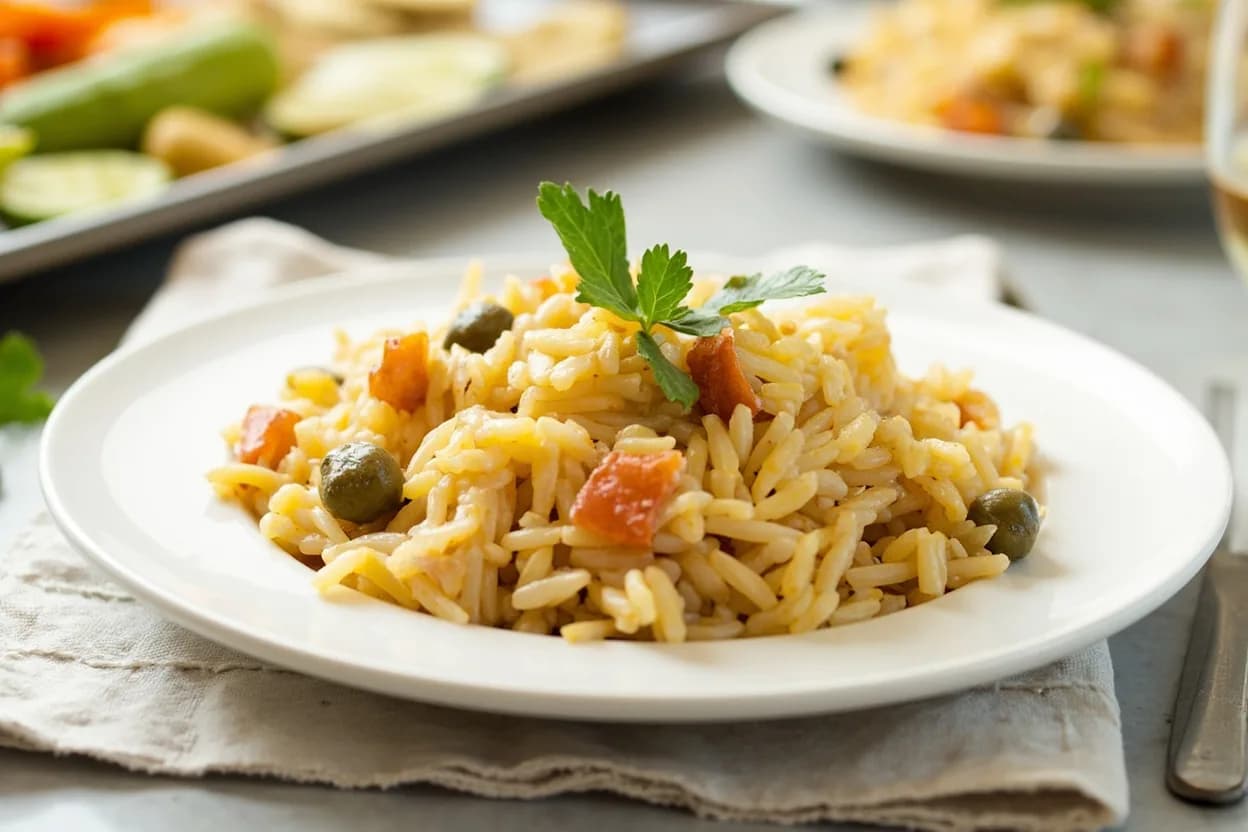
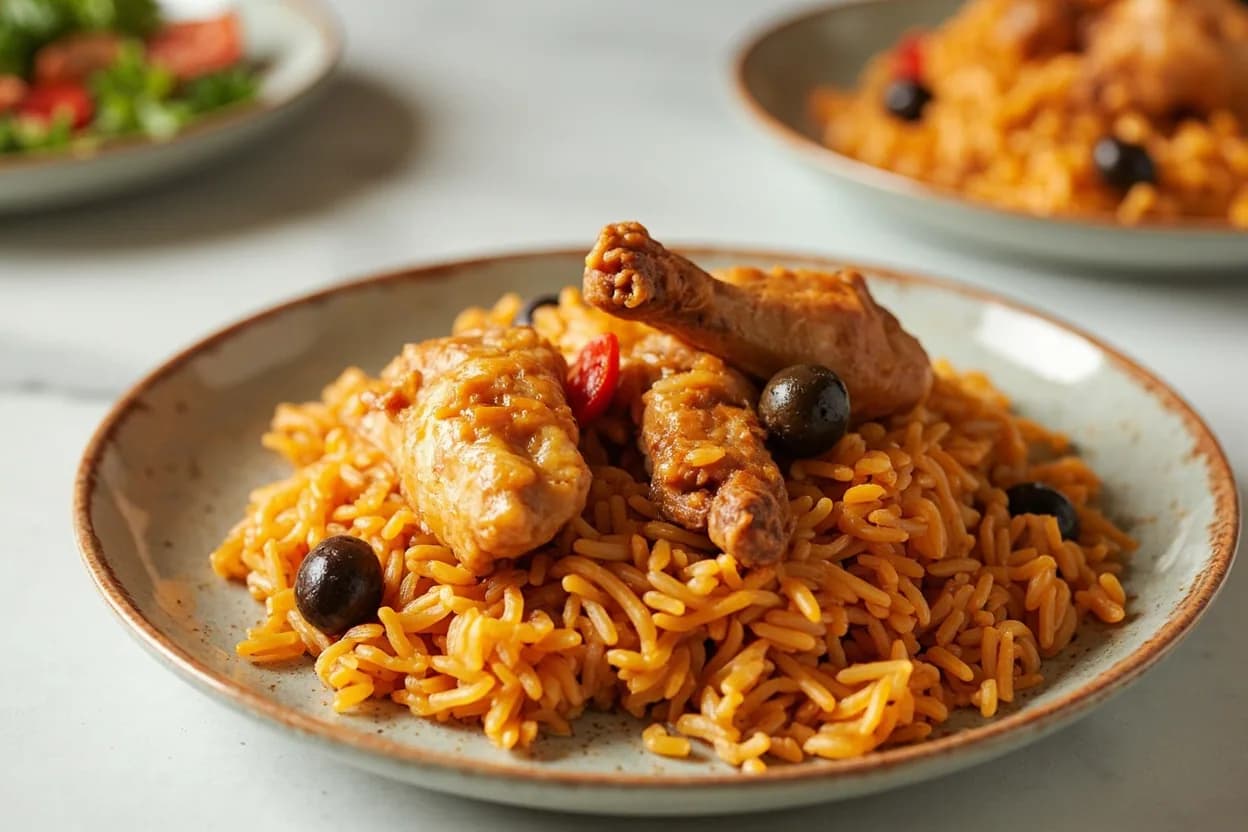
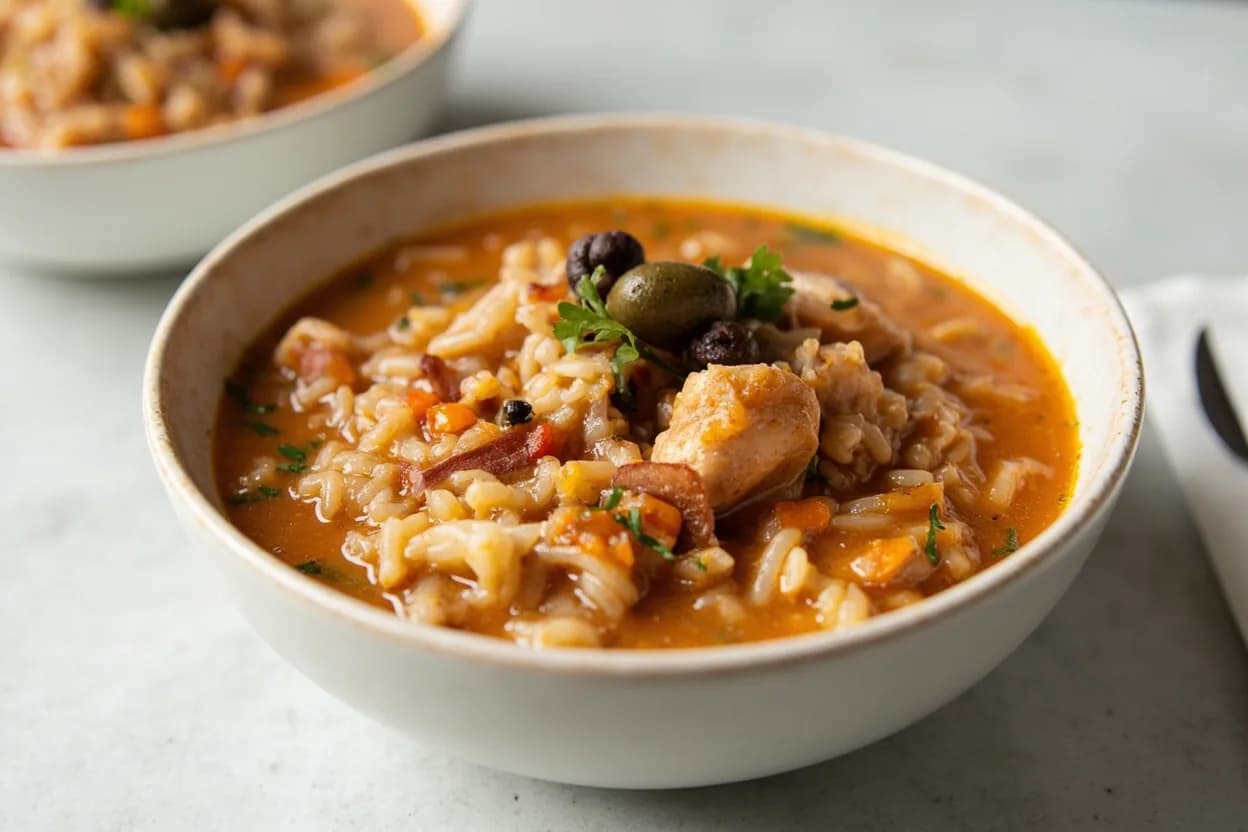
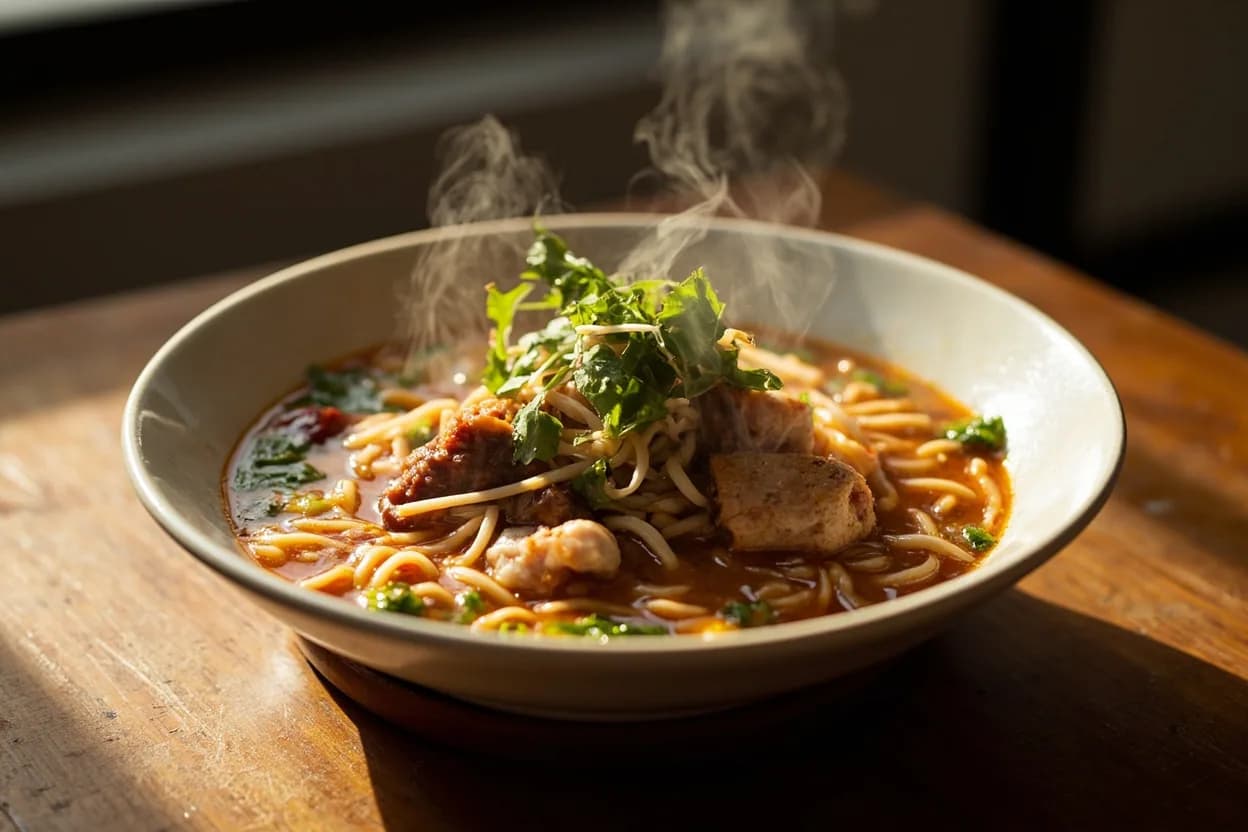
Related
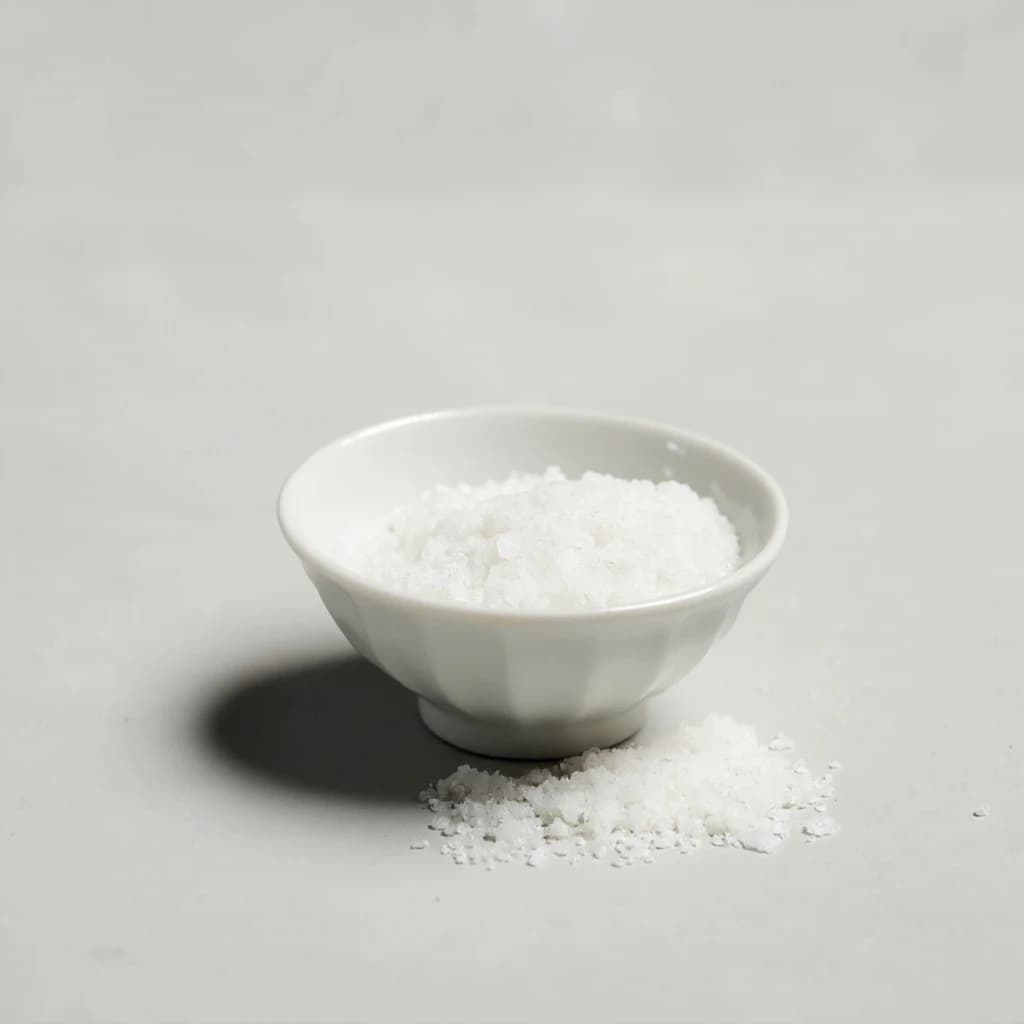
Salt
The one seasoning that makes everything else taste like itself

Black Pepper
Pungent, woody heat — best cracked fresh over anything savory
Amchur
Dried unripe mango ground to a tart, fruity souring powder
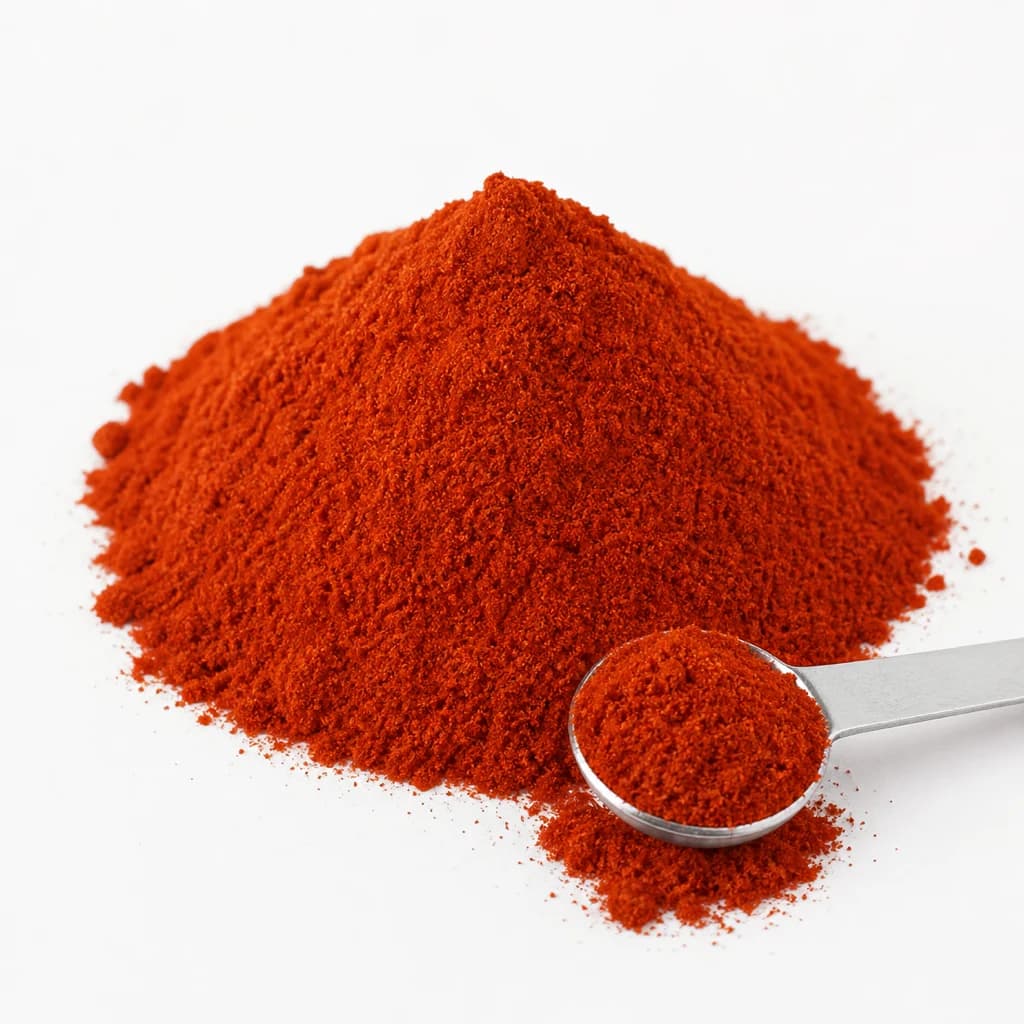
Paprika
Sweet, vivid ground pepper for color and gentle warmth
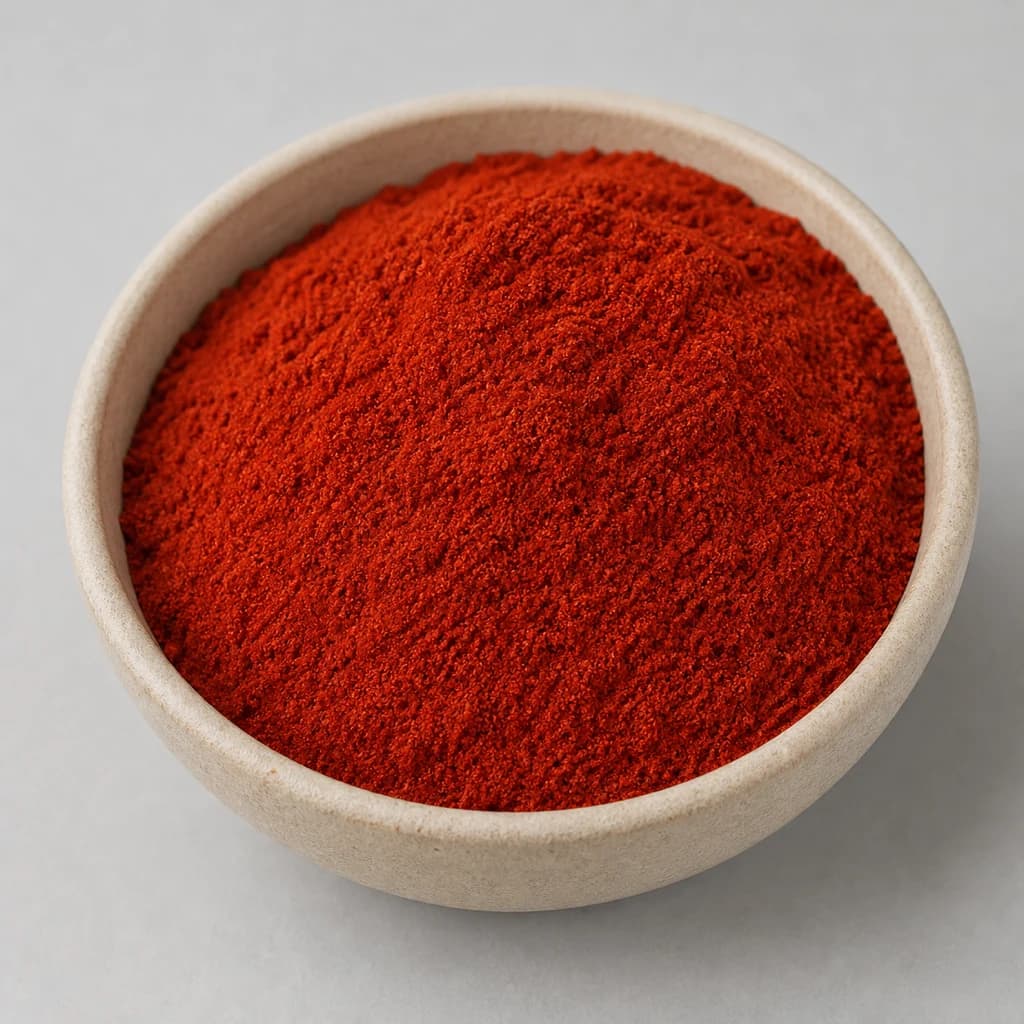
Smoked Paprika
Deep, smoky ground pepper for a campfire warmth
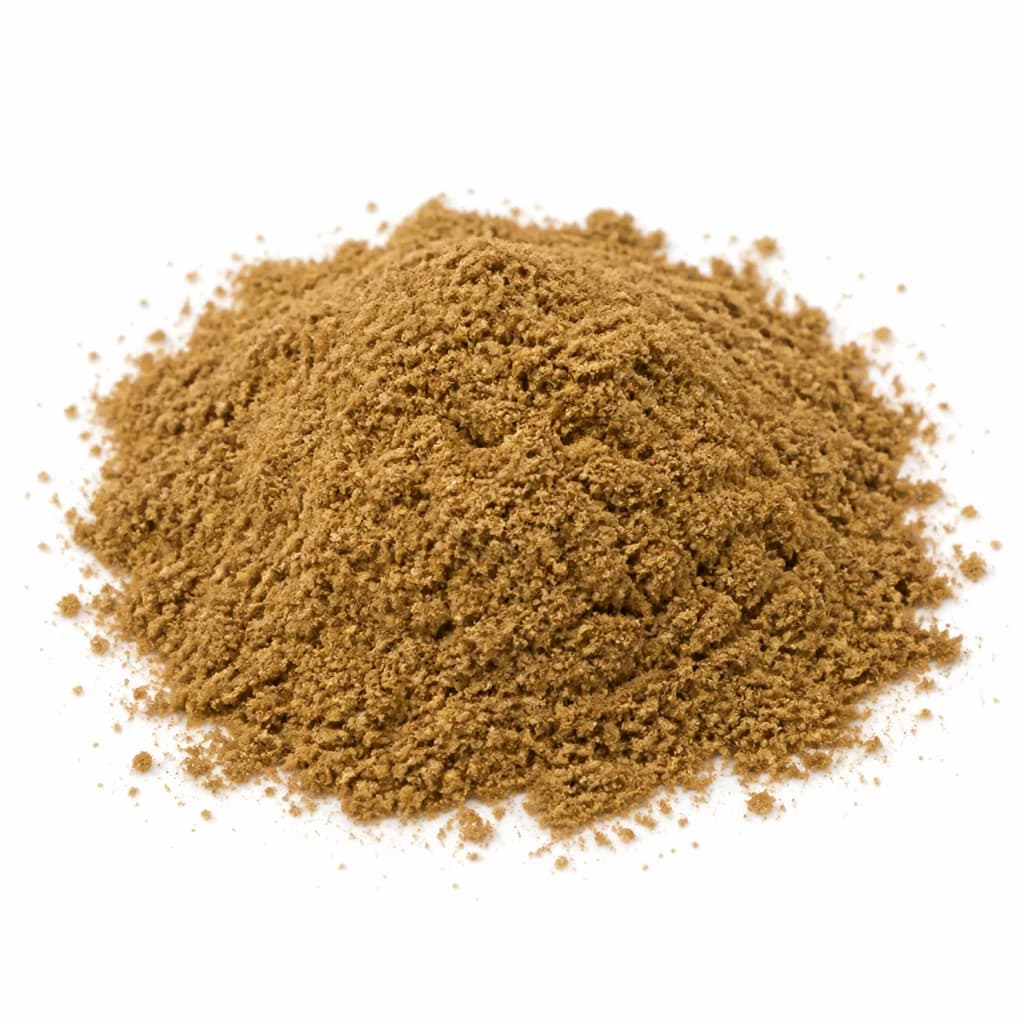
Cumin
Warm, earthy spice central to curries, chili, and tacos
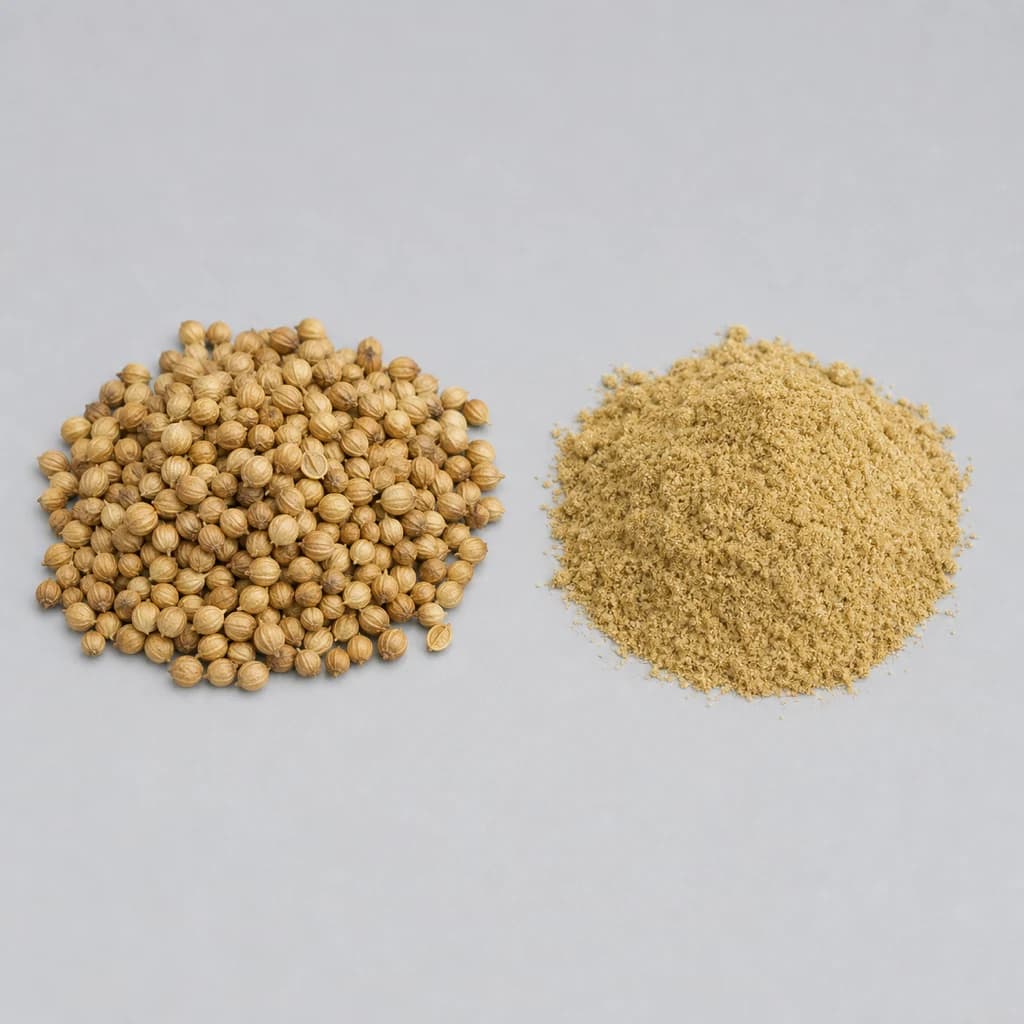
Coriander Seed
Citrusy, warm seed for curries, pickles, and rubs
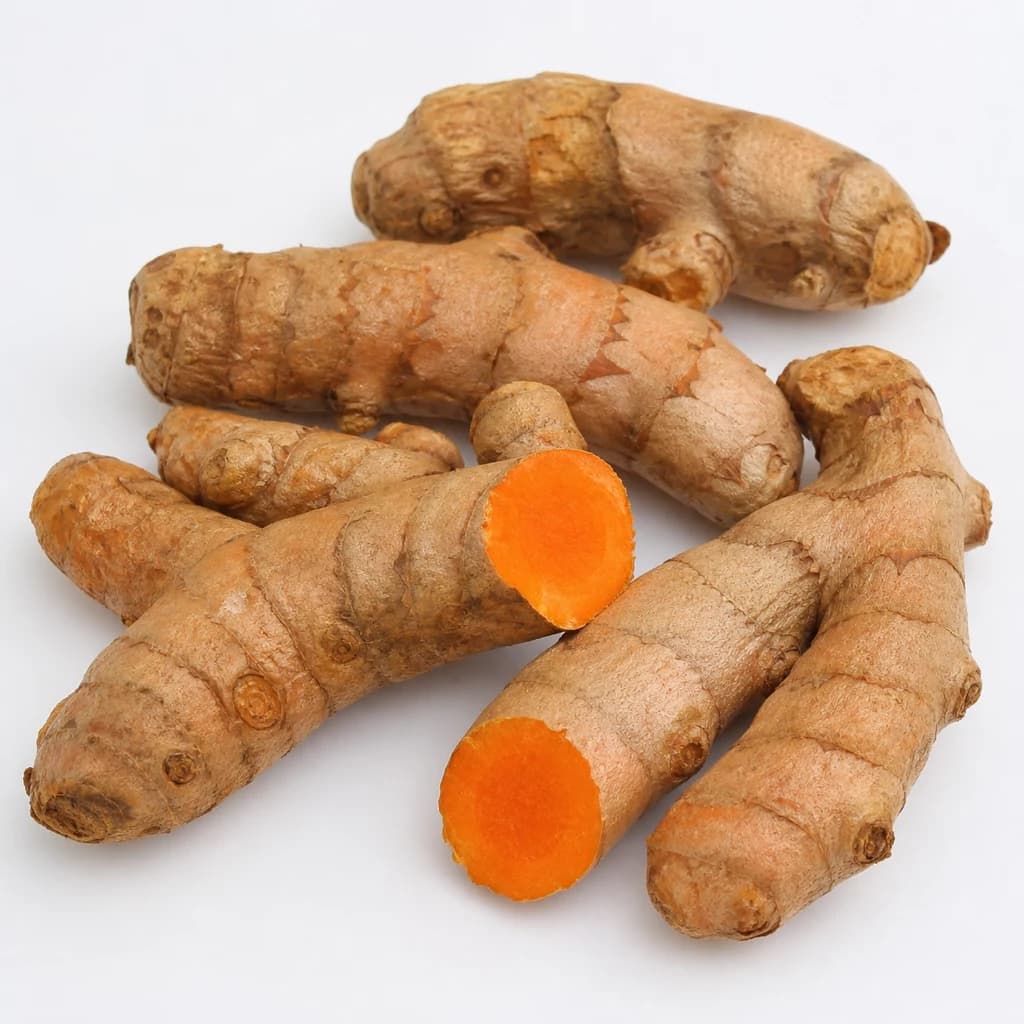
Turmeric
Golden, earthy spice for curries, rice, and color