Produce
Yellow Corn
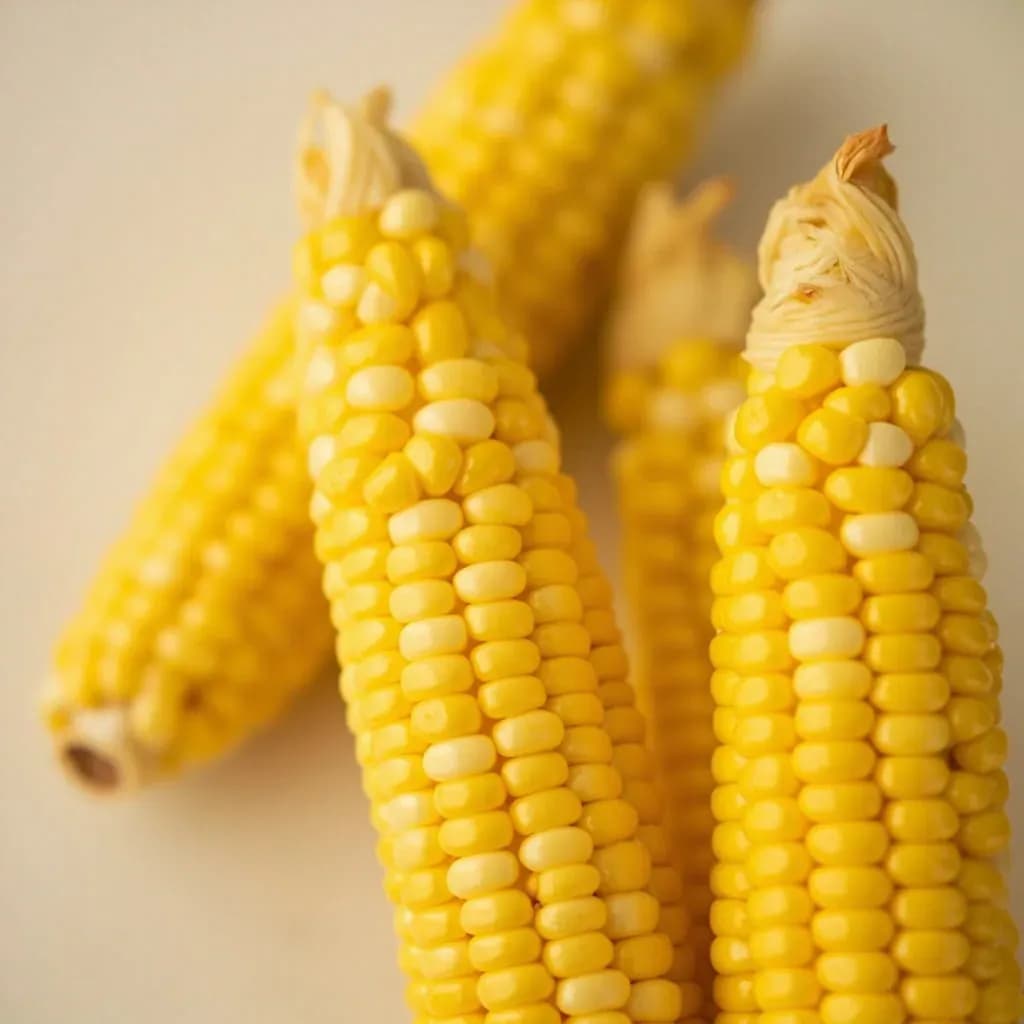
Sweet golden corn eaten on the cob, off the cob, or milled into meal.
Yellow corn refers to the golden-kerneled maize used both as a fresh vegetable and as a grain. Sweet varieties are boiled, grilled, or cut for salads and soups, while field corn is dried and ground into cornmeal, masa, and grits. The kernels are starchy-sweet and a global dietary staple.
Yellow corn is a sweet, versatile vegetable harvested from the ears of Zea mays plants, distinguished by its golden kernels rich in the carotenoid pigments lutein and zeaxanthin. While corn has been a cornerstone of Mesoamerican agriculture for nearly 9,000 years, today's sweet corn varieties (Zea mays var. saccharata) are bred specifically for fresh eating, offering a tender texture and pronounced sweetness that field corn and popcorn simply cannot match. The sugar in sweet corn converts to starch with startling speed—up to 25% loss within 24 hours at room temperature—which is why buying and cooking corn the same day, or understanding proper storage, is essential to experiencing its full sweetness and texture. Beyond fresh eating, dried yellow field corn requires nixtamalization or grinding to become the foundation for masa, cornmeal, polenta, and hominy, making yellow corn one of the most versatile ingredients in any kitchen, spanning everything from summer barbecues to traditional Mexican tortillas to winter comfort foods.
The flavor profile of yellow corn centers on its natural sweetness, with a subtle vegetal quality that varies dramatically by variety and freshness. Fresh, properly cooked sweet corn tastes bright and almost milky; the kernels should burst with juice when bitten. Older corn tastes starchy and flat by comparison, regardless of how skilled the cook. When corn is dried and ground into meal, the flavor deepens into something more earthy and nutty—polenta and cornbread made from freshly ground meal taste remarkably different from the stale commercial products most Americans know. Understanding this spectrum from fresh to dried, from sweet to starchy, is key to using yellow corn to its full potential.
Yellow corn's role in global cuisine cannot be overstated. It anchors Southern American cooking through cornbread and hush puppies, forms the backbone of Mexican cuisine through nixtamalized hominy and masa, and appears in dishes from Brazilian pao de queijo to Italian polenta to Native American succotash. This breadth means that mastering yellow corn means mastering techniques ranging from quick-blanching fresh ears to the multi-day process of nixtamalization—a range few other ingredients demand.
- Measured in
- g
- Storage
- Fridge
Types & varieties
Heirloom variety introduced 1902; small to medium ears with old-fashioned corn flavor widely considered the benchmark for sweet corn taste
Homozygous recessive (sh2) supersweet variety; bright yellow kernels with exceptional sweetness and good holding ability after picking
Homozygous recessive supersweet; large ears, deep yellow color, strong disease resistance; holds sweetness well in the field
Heterozygous (su) sweet corn with tender kernels; popular for home gardens; bright yellow with good corn flavor
Standard heterozygous sweet corn developed in the 1930s; widely grown commercially; balanced sweetness and traditional corn flavor
Synergistic (se) enhanced-sweetness type; holds eating quality well in cool conditions; excellent choice for northern growers
Selecting the Best Ears
The single most important factor in great corn flavor is freshness at the point of purchase. Look for bright green, tightly fitting husks that feel damp to the touch—dry, pale, or loose husks indicate age. The silk at the tip should be moist and pale gold; brown, dried, or brittle silk is a reliable sign the corn has been sitting too long. When you press a kernel with your thumb, it should spurt milky white liquid—watery fluid means the kernel is still immature, while thick paste-like fluid indicates overripe, starchy corn. Pass on those ears. For the sweetest corn, buy directly from a farm stand where you know the picking date, or shop farmers market first thing in the morning. Supermarket corn, while acceptable, is typically 2–4 days post-harvest by the time it reaches your cart.
- Bright green, tightly fitting husks indicate freshness
- Moist pale gold silk is a freshness marker; avoid brown dried silk
- Test kernel pressure: milky white liquid squirts from fresh corn
- Buy from farm stands or farmers markets for shortest time-to-table
Processing Dried Yellow Corn for Masa and Cornmeal
Dried yellow field corn requires processing before it becomes edible. For cornmeal and polenta, simply grind the dried kernels in a grain mill to your desired coarseness—fresh-ground meal has noticeably brighter, nuttier flavor than commercial products. For nixtamal, the alkaline processing that makes corn digestible and creates the basis for masa, combine dried corn kernels with food-grade calcium hydroxide (pickling lime) or wood ash dissolved in water, bring to a boil, and simmer for 20–30 minutes until the hulls loosen. Let soak overnight, then rinse thoroughly, rubbing off the loosened hulls and germ. The resulting hominy can be ground wet for masa tortillas or cooked whole in soups like pozole and menudo. The calcium from the lime also makes the corn's niacin bioavailable, preventing pellagra—a historical consequence of corn-heavy diets without nixtamalization.
- For cornmeal: grind dried kernels to desired texture in a grain mill
- For nixtamal: cook dried corn in alkaline solution (lime or wood ash water)
- Simmer 20–30 minutes, then soak overnight before rinsing off hulls
- Nixtamalized hominy is essential for authentic tortillas, tamales, and pozole
Common uses
Tips & pitfalls
- Select ears with bright green, tightly fitting husks and moist pale gold silk; avoid brown or dried silk, which indicates age
- Buy corn the day you intend to cook it, or at minimum refrigerate immediately in a plastic bag to slow sugar-to-starch conversion
- Do not shuck corn until ready to cook; the husks protect the delicate sugars from oxidation and moisture loss
- Bring a large pot of water to a rolling boil before adding corn; adding corn to cold water and heating together produces tougher, less sweet kernels
- Cook corn for the minimum time—fresh ears need only 3 to 5 minutes of boiling; overcooking yields mushy, muted-tasting kernels
- Add salt only after cooking; salt added early toughens the corn bran and draws out sweetness prematurely
- For grilling, peel back husks, remove silk, replace husks as a handle for turning, and grill over medium-high heat until charred in spots, about 12 to 15 minutes total
- When cutting kernels from the cob, use a shallow bowl and work in circles; a bundt pan or tube pan works well as a stable base for standing the cob upright
- Microwaving corn still in the husk for 3 to 4 minutes is an effective hands-off cooking method that yields steamed, evenly cooked corn
- Reserve corn cobs after cooking or cutting for making corn stock; simmer scraps with aromatics for 30 minutes to extract sweetness into a base for chowders
Nutrition
Energy
360 kJ · per 100 g
Where the calories come from
Protein
3.3g
7% DV
Carbs
18.7g
7% DV
Fat
1.4g
2% DV
Fiber
2g
7% DV
Sugars
6.3g
of which
Sodium
15mg
1% DV
Source · USDA FoodData Central · Corn, sweet, yellow, raw
View on FDC →In the shops
Matched grocery products
 €1.55
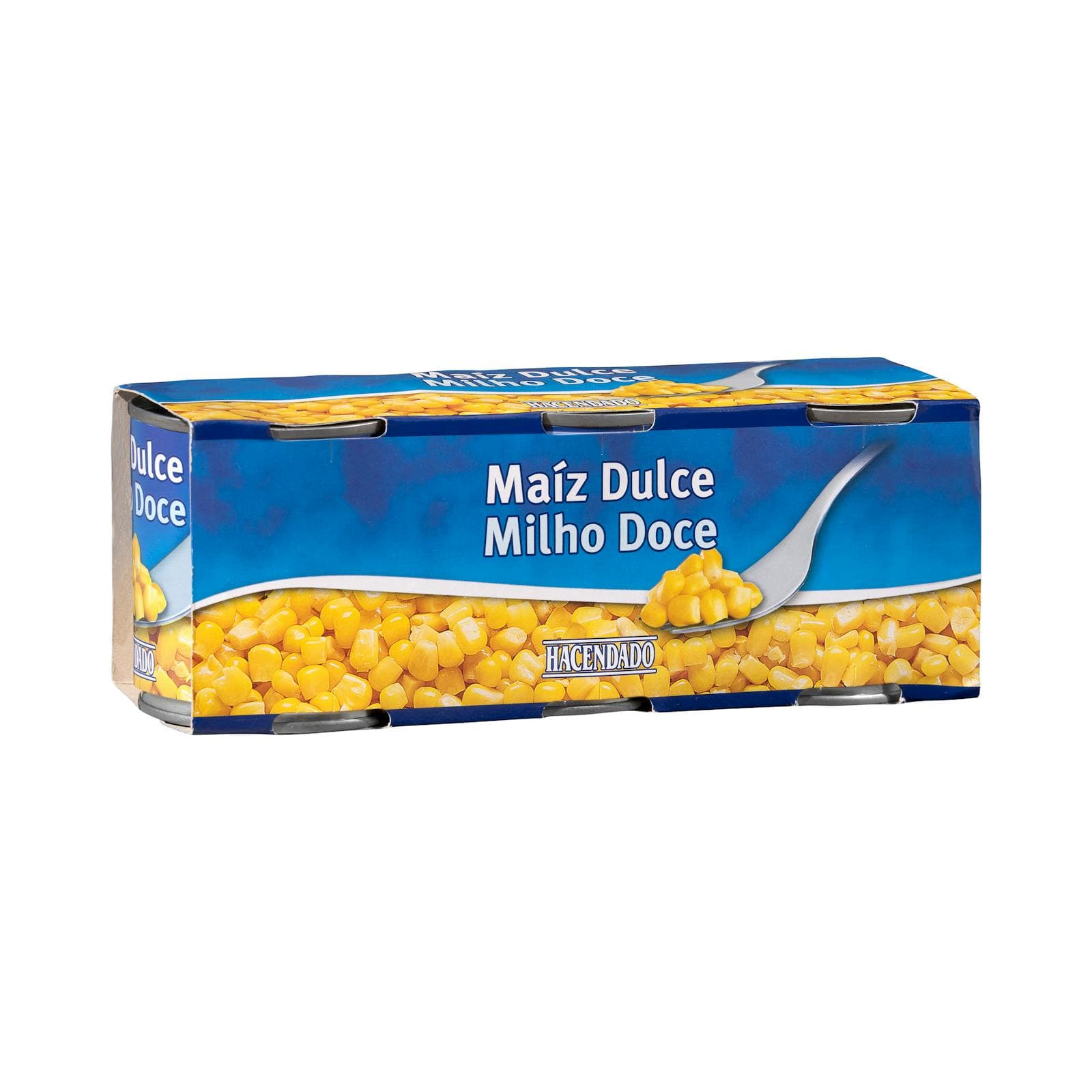
€1.55Sweet Corn
Hacendado · 450 g · Mercadona
 €1.59
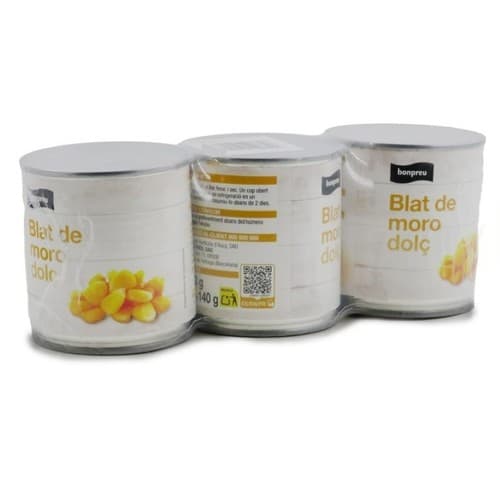
€1.59Sweet Corn Bonpreu
BONPREU · kg · Bonpreu
 €2.49
€2.49Sweet Corn Bonpreu
BONPREU · kg · Bonpreu
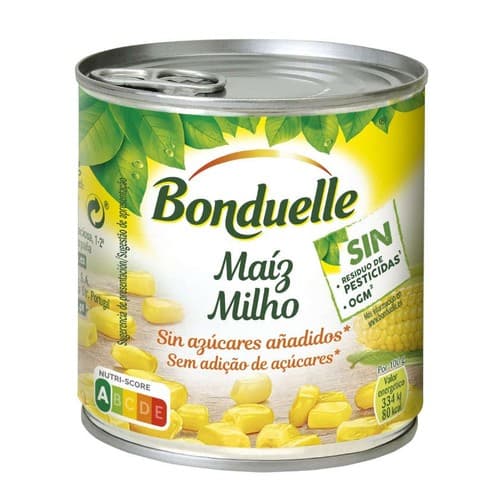 €1.99
€1.99Bonduelle Sweet Corn
BONDUELLE · kg · Bonpreu
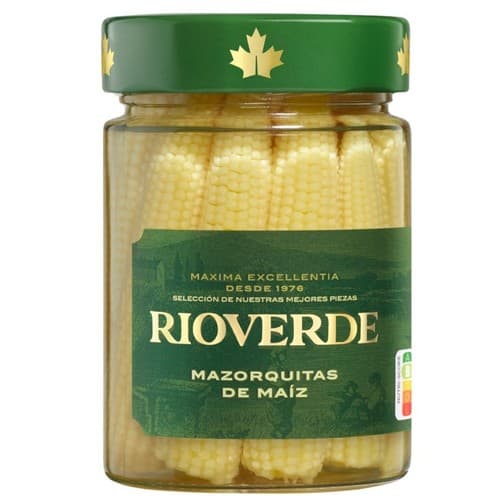 €2.99
€2.99Pickled Corn Kernels
RIOVERDE · kg · Bonpreu
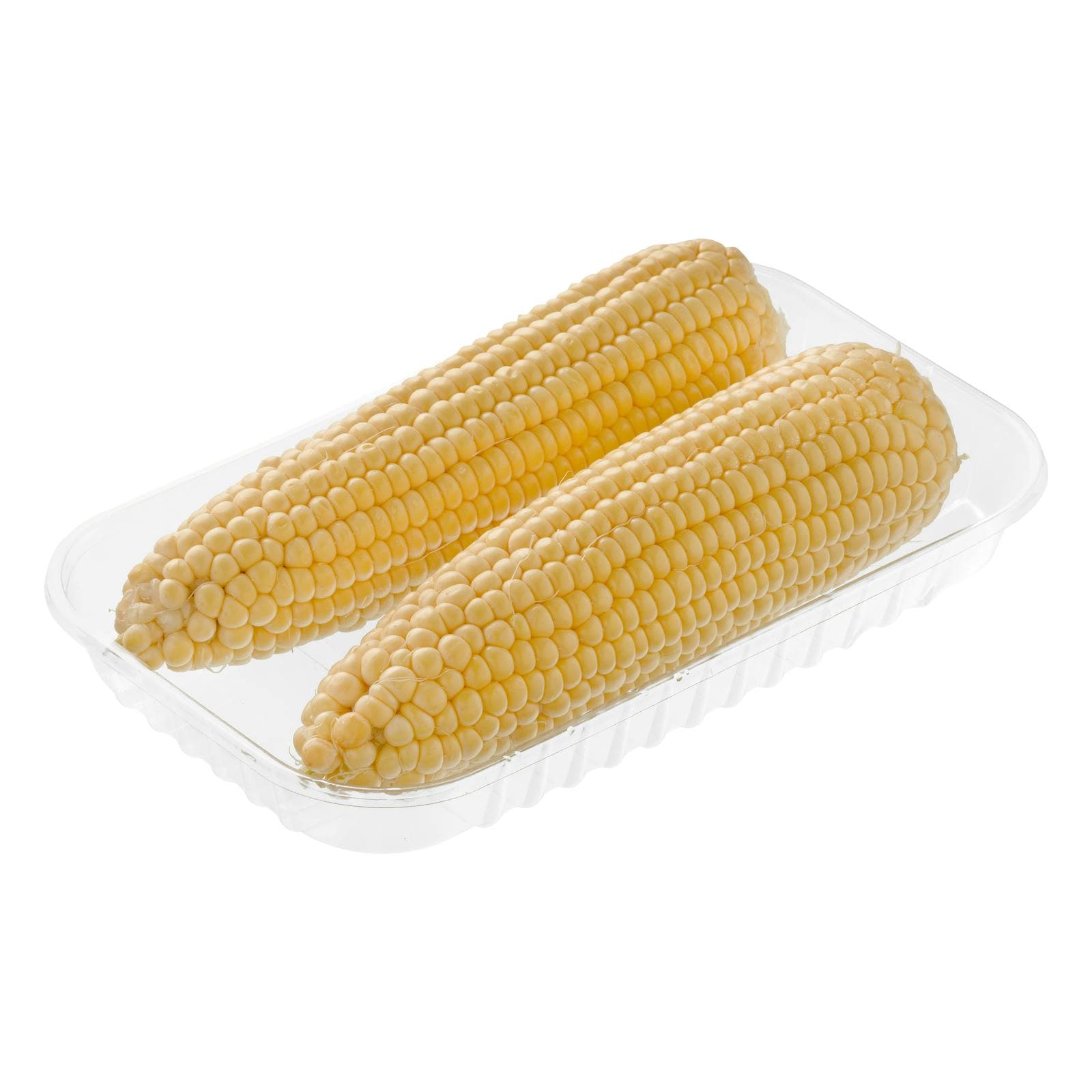 €3.15
€3.15Sweet Corn on the Cob
2 ud · Mercadona
Good to know
- Scientific Name
- Zea mays (indentata cultivar group for field corn; saccharata for sweet corn)
- Origin
- Domesticated in Mexico approximately 9,000 years ago
- Peak Season
- June through September in Northern Hemisphere; year-round in warm climates
- Sugar Conversion
- Sweetness decreases 25% within 24 hours at room temperature after picking
- Per Ear Yield
- Approximately 3/4 to 1 cup kernels when cut from cob
- Shelf Life
- Refrigerate unhusked; use within 1–2 days for optimal sweetness; frozen corn keeps 8–12 months
- Key Nutritional Compounds
- Lutein and zeaxanthin (eye health), dietary fiber, B vitamins, folate
- Primary Classifications
- Sweet corn (fresh eating), Field corn (dried for meal/starch), Popcorn (distinct hard-starch type)
Substitutes
- White Sweet Corn — Substitute directly in equal amounts; slightly milder in corn flavor but similar sweetness and texture
- Frozen Corn (thawed) — Acceptable for cooked applications; lacks fresh corn brightness and crunch; do not use for raw preparations
- Canned Corn (drained) — Cooked through; noticeably softer texture and diminished sweetness; suitable for soups and casseroles but not as a fresh side dish
- Hominy (canned, drained) — For cooked preparations like chowders or Mexican dishes where corn puree is called for; distinctly different texture and mild alkaline flavor
Pairs with
Also called
Maize · Sweet Corn
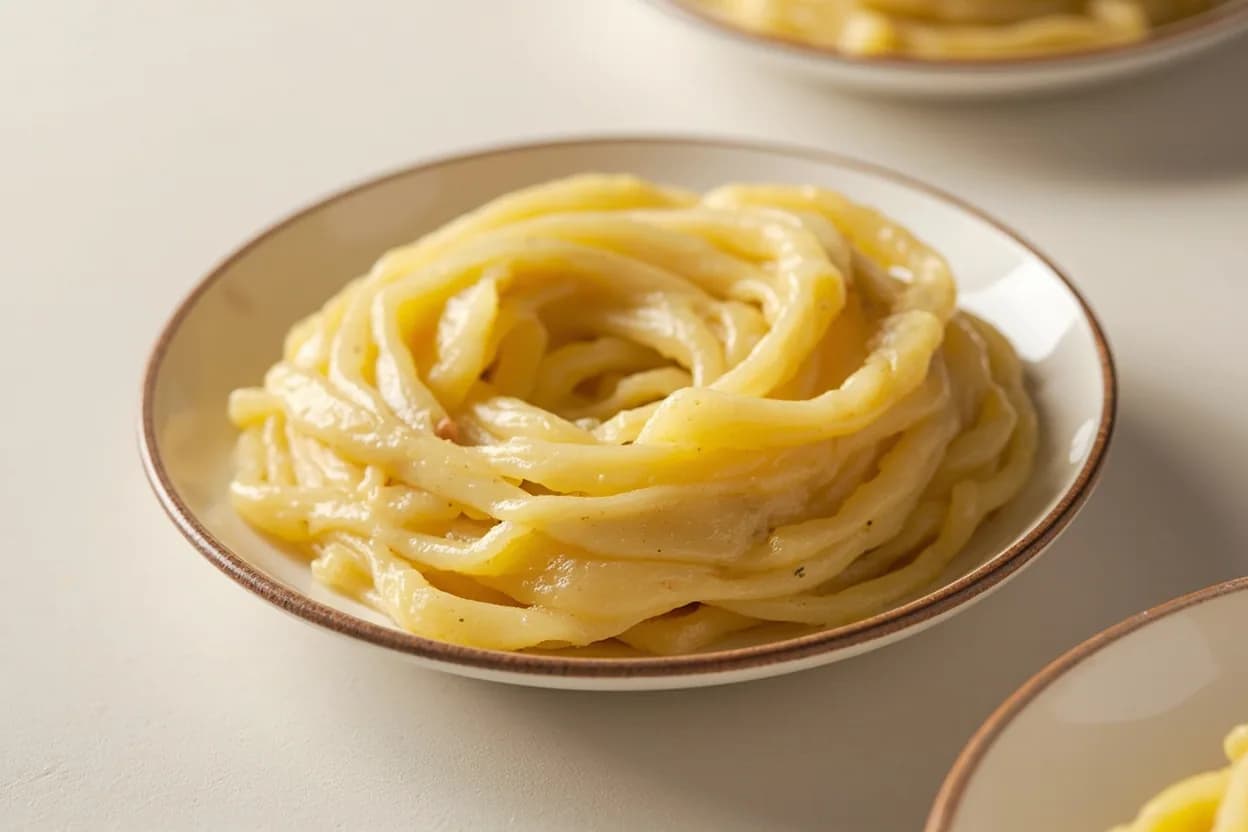
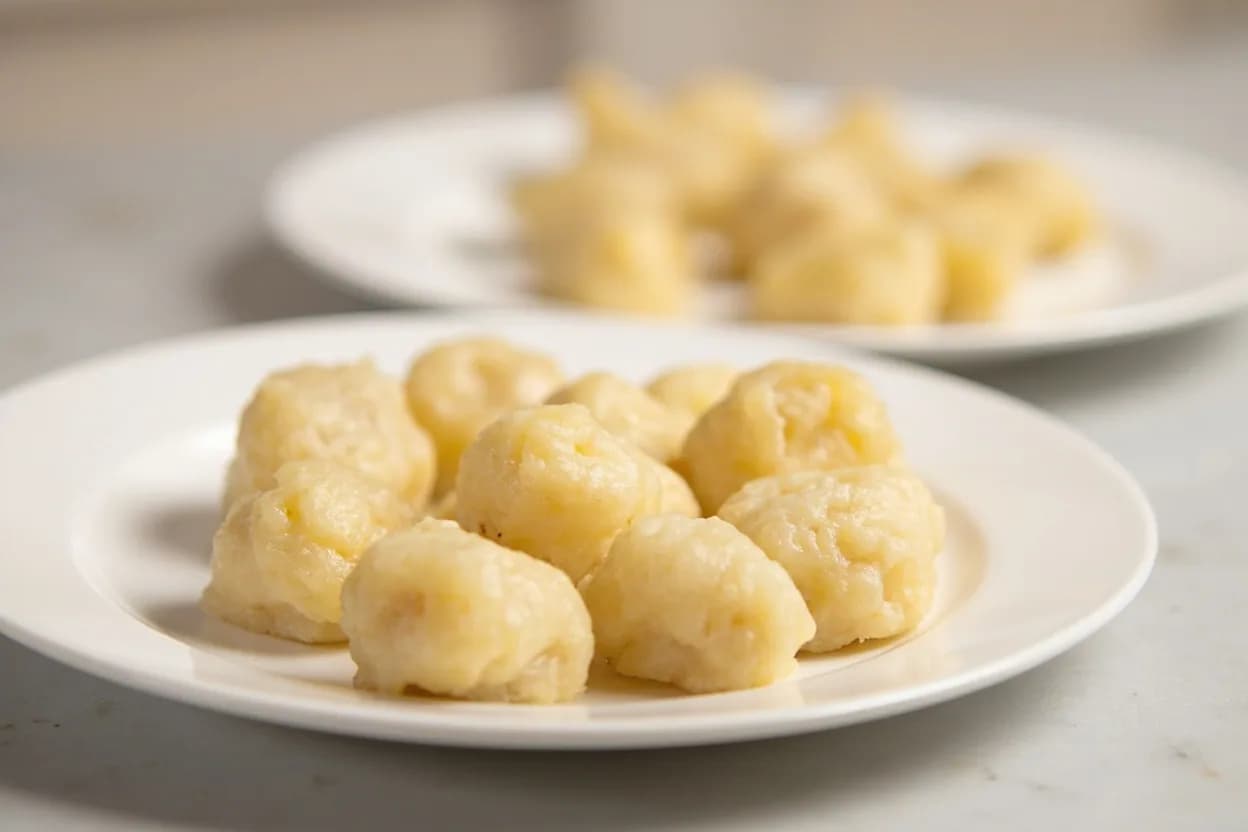
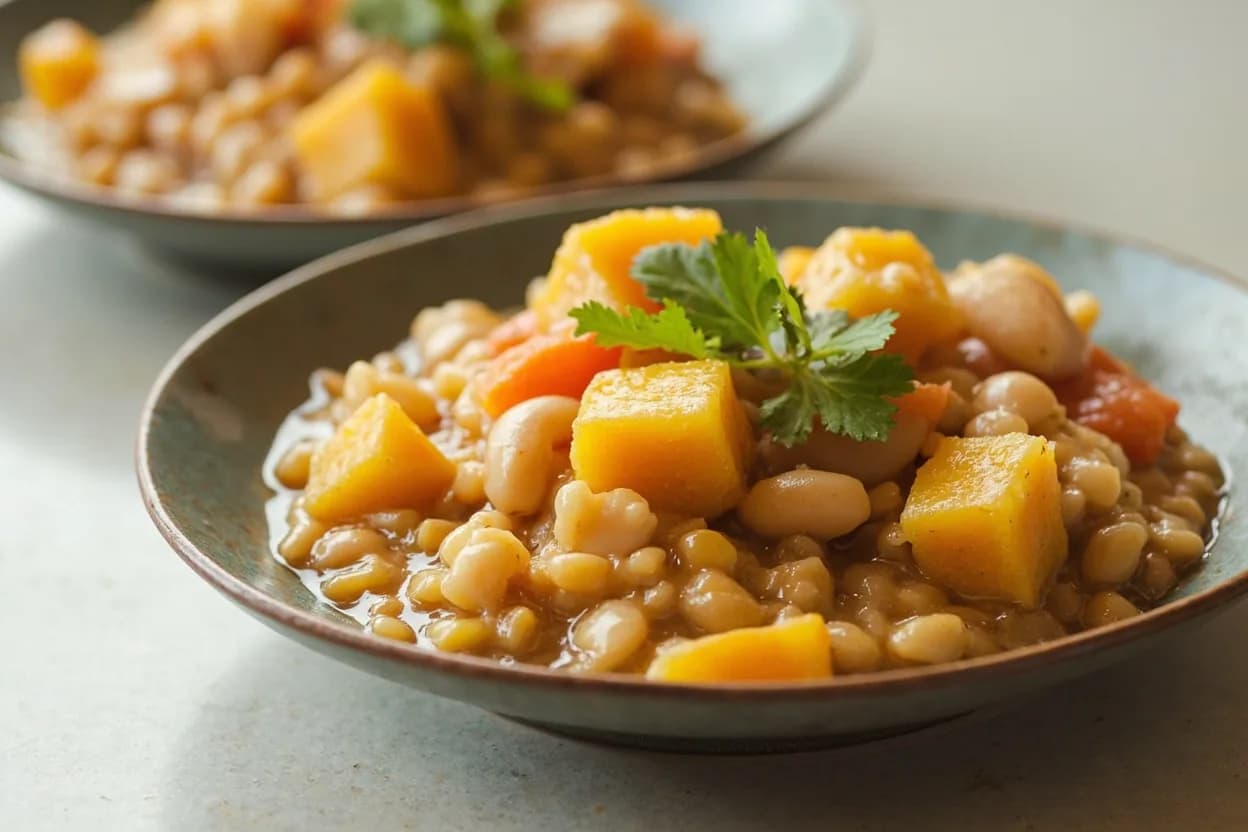
Appears in these dishes
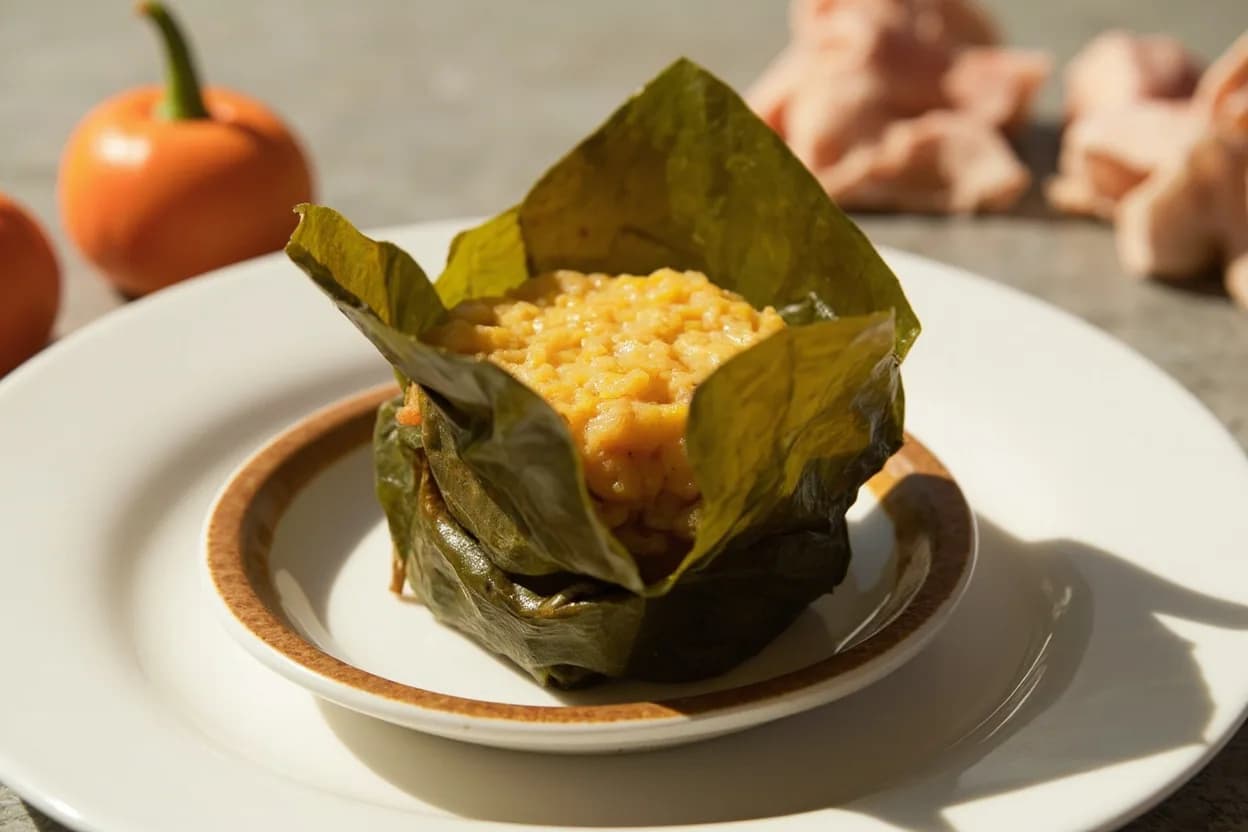
Related
Tomato
Juicy, sun-sweet fruit for sauces, salads, and slow-cooked depth
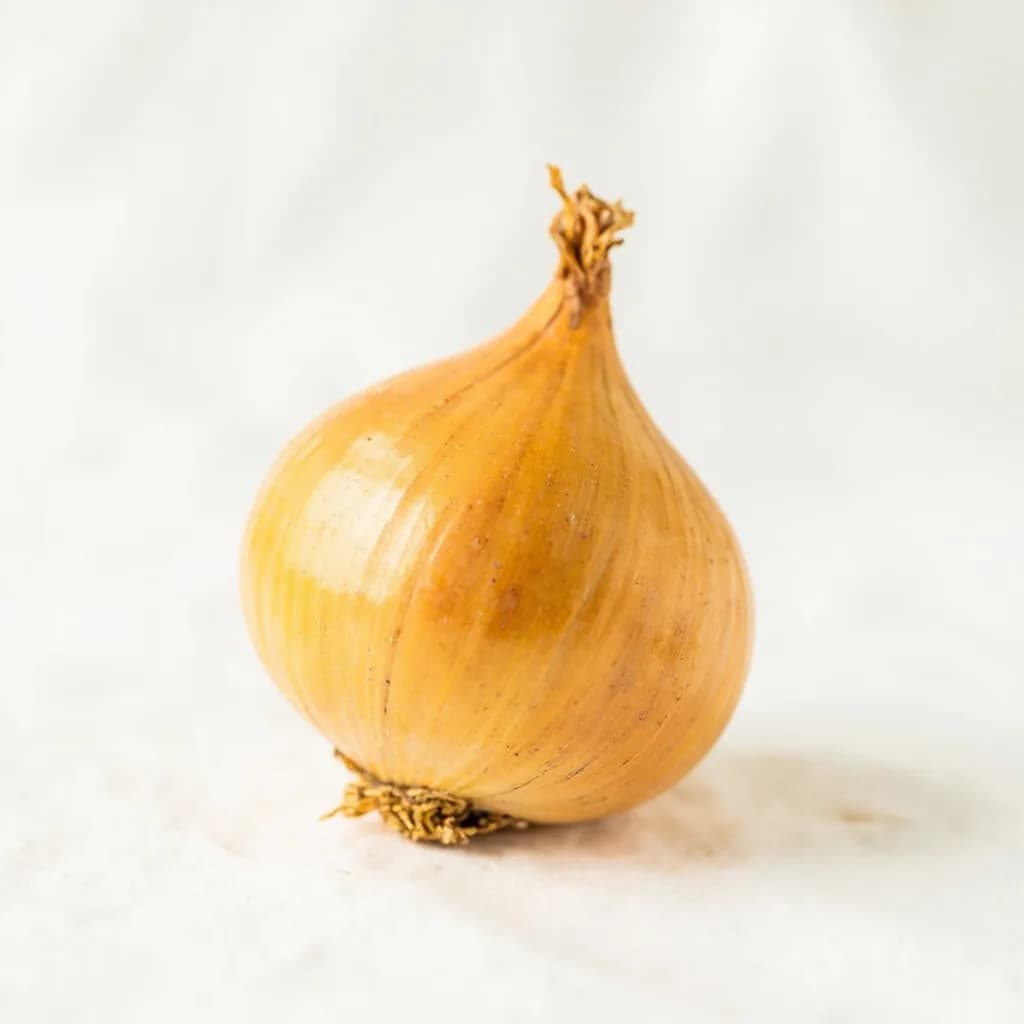
Yellow Onion
The aromatic backbone of soups, sofritos, and braises
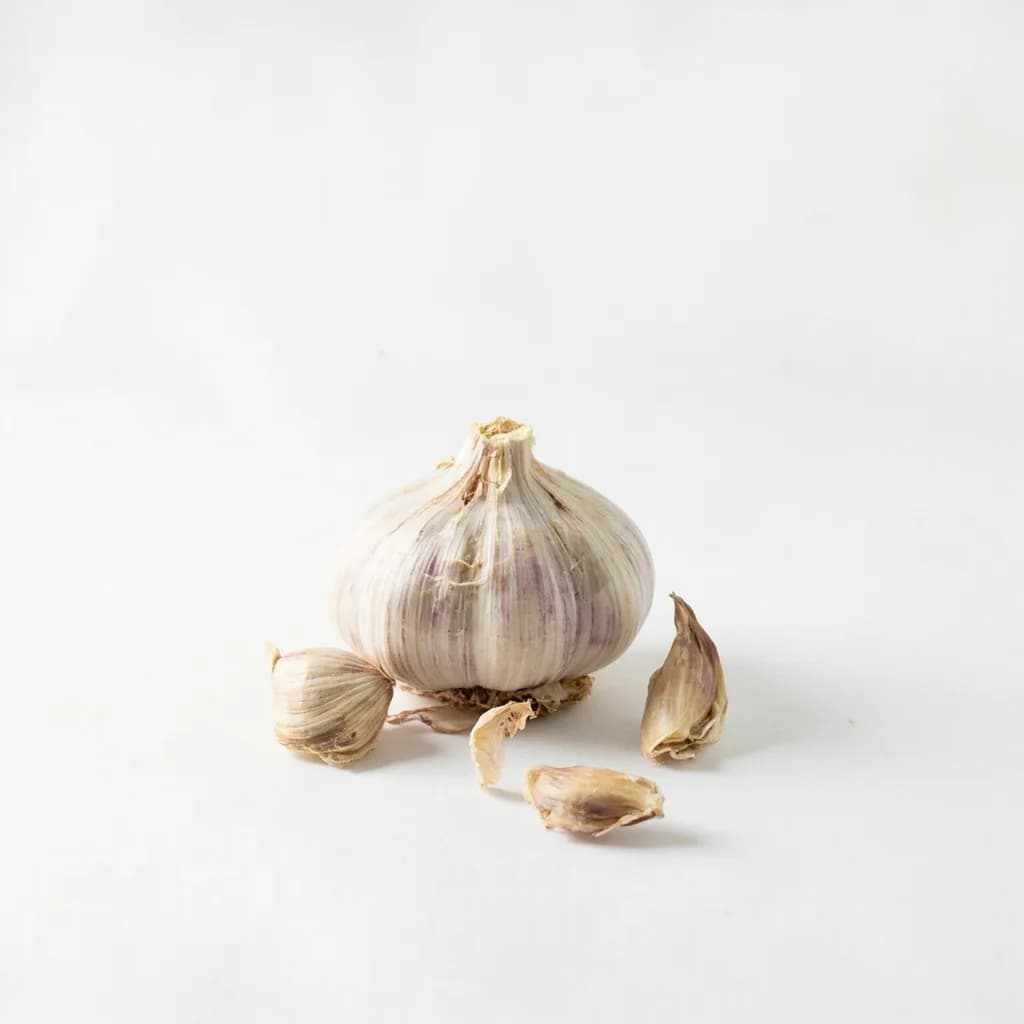
Garlic
Pungent cloves that perfume nearly every savory dish
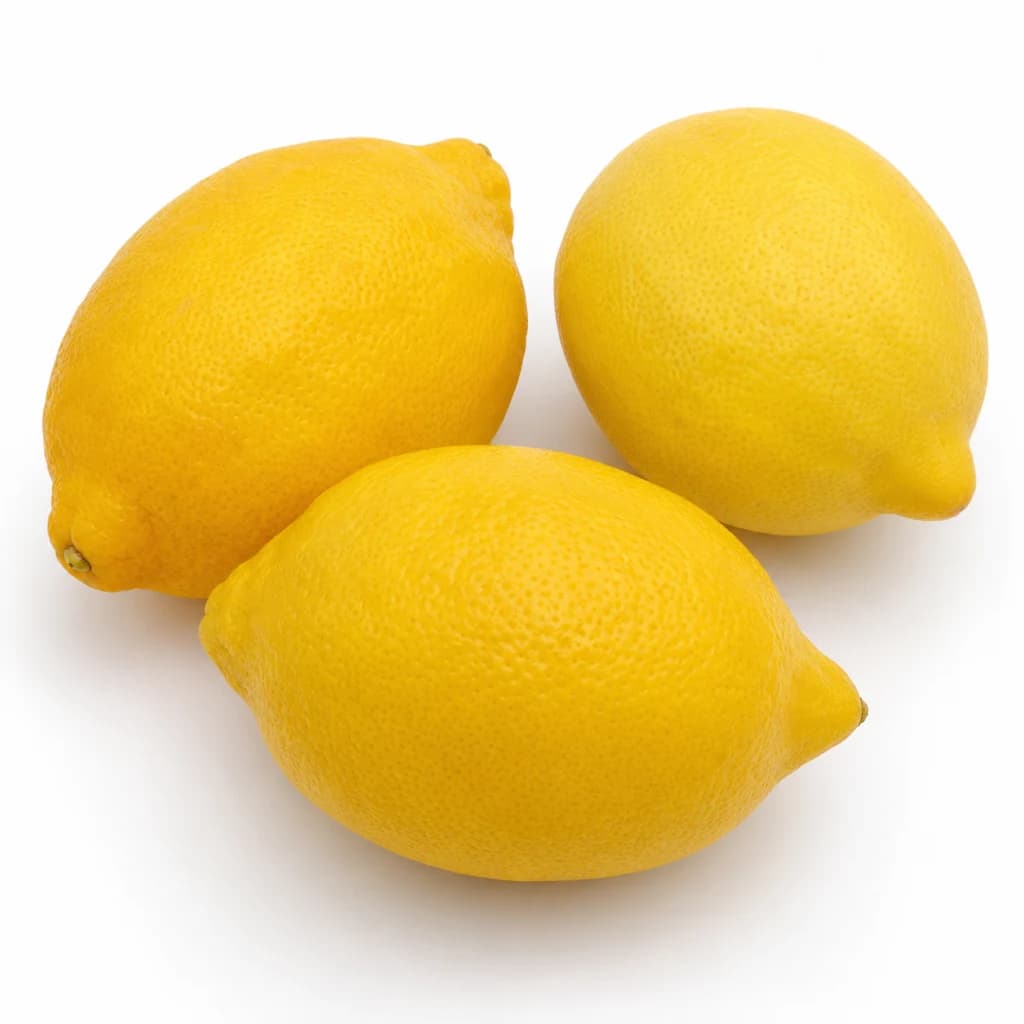
Lemon
Bright, acidic citrus that wakes up almost any dish
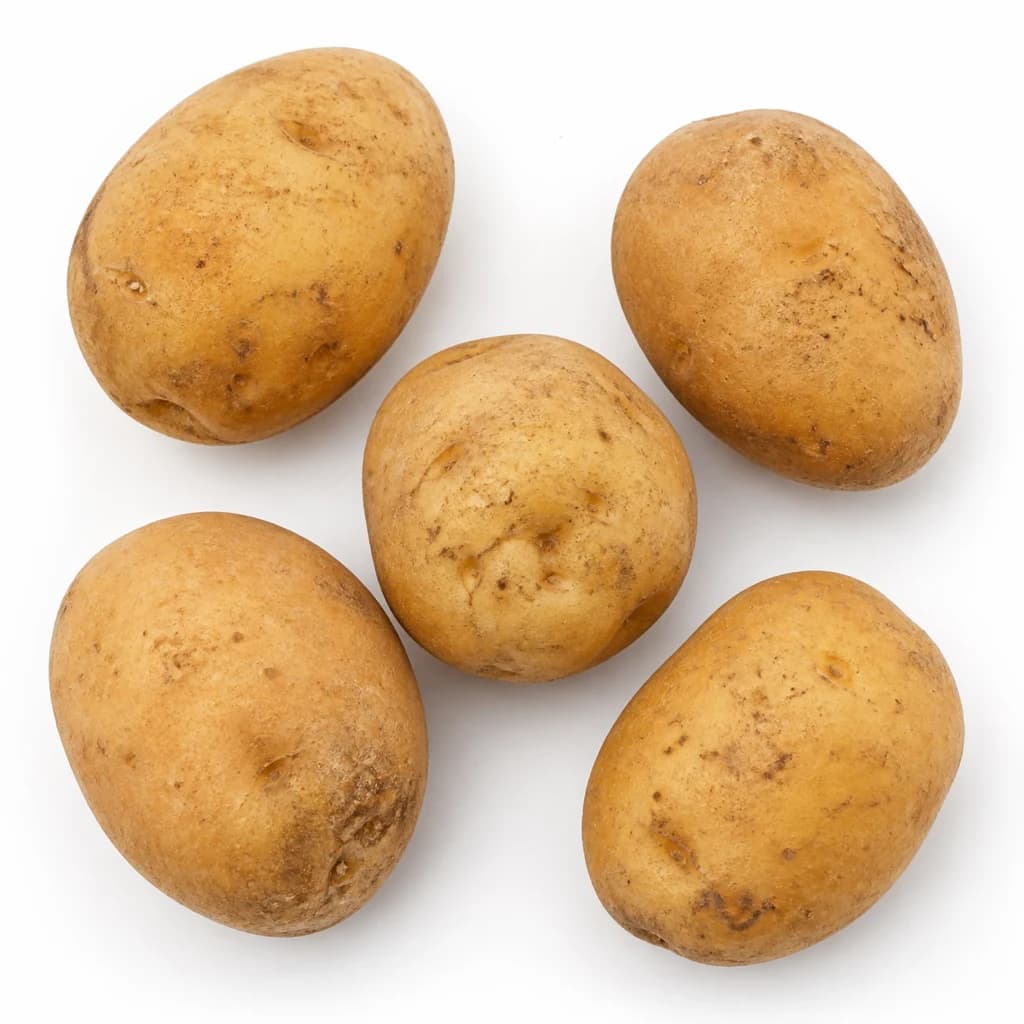
Potato
Humble, hearty staple — roast, mash, fry, or boil
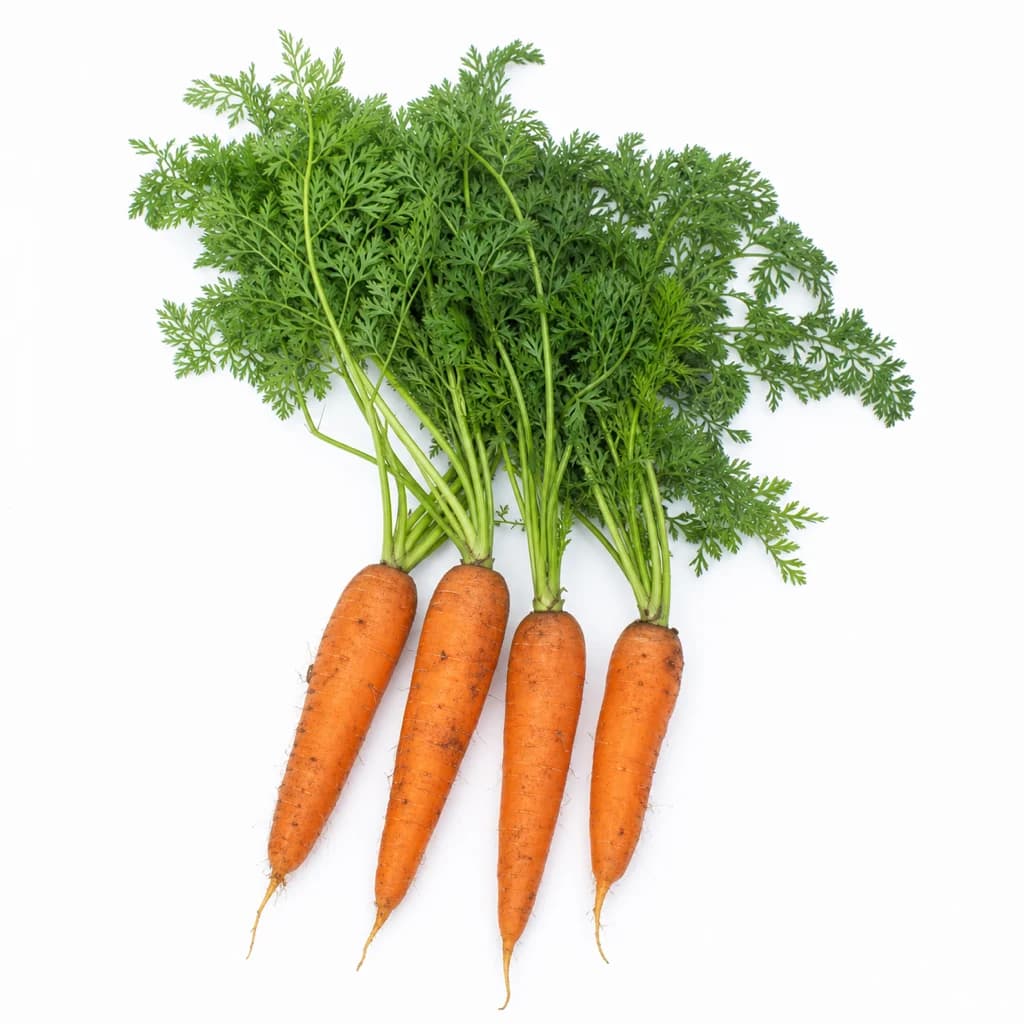
Carrot
Sweet, crunchy root — raw, roasted, or the base of a sofrito
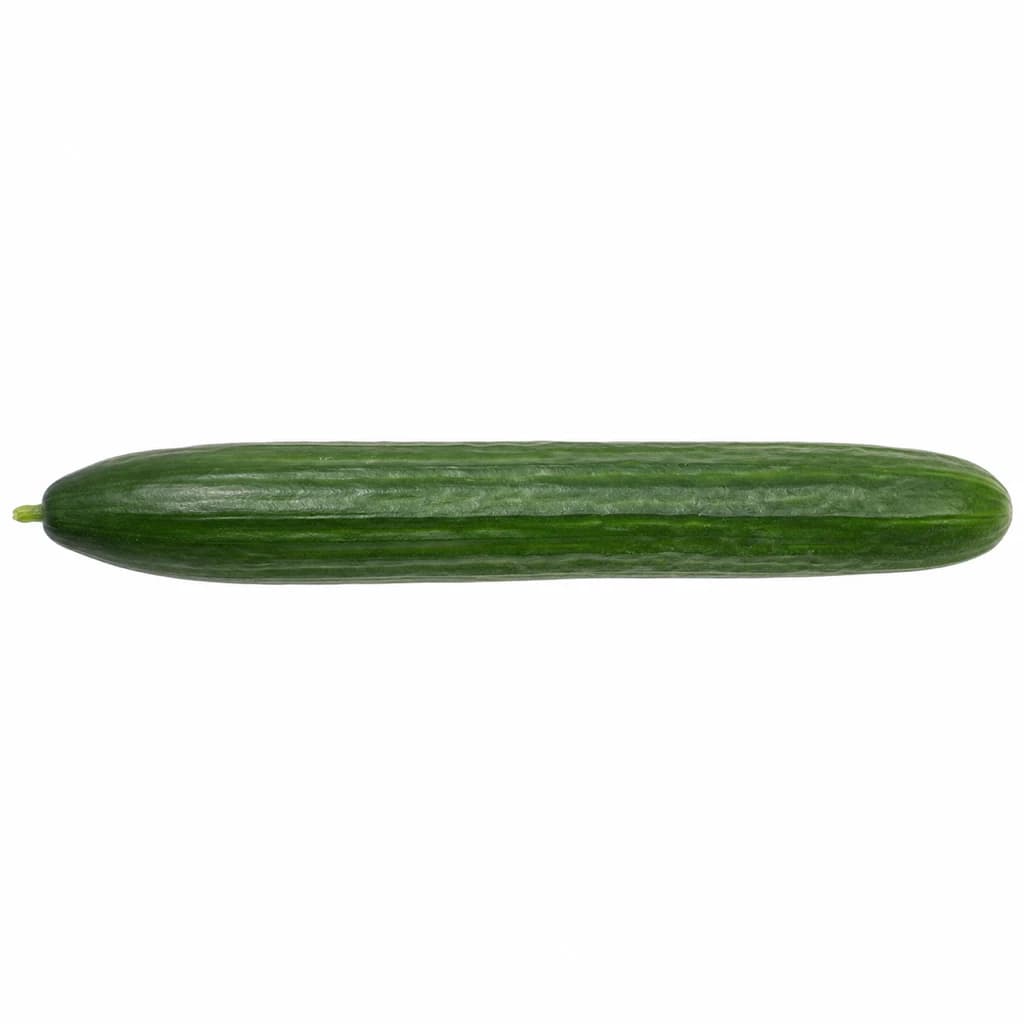
Cucumber
Cool, crisp, and watery — for salads, pickles, and tzatziki

Lettuce
Crisp leaves for salads, wraps, and a fresh crunch