Grains & Rice
Flint Corn
Hard-shelled, colorful corn used for polenta, hominy, and popping.
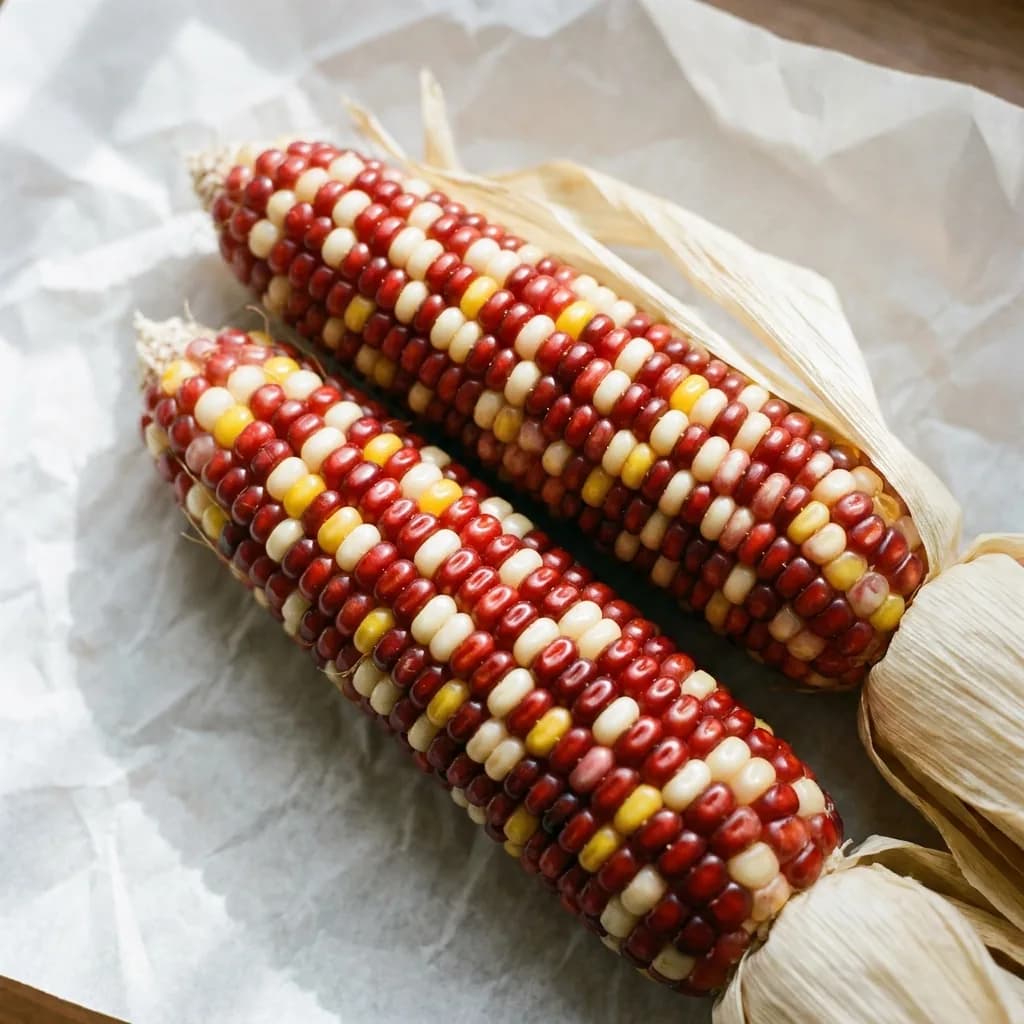
Flint corn has a hard outer shell and dense, glassy kernels in colors ranging from white to deep red and blue. Its low soft-starch content makes it resistant to spoilage and ideal for grinding into polenta and cornmeal, nixtamalizing into hominy, or popping. It is also the classic ornamental 'Indian corn'.
Flint corn (Zea mays indurata) is one of the four major cultivated types of maize, distinguished by its exceptionally hard, vitreous (glassy) endosperm that forms a thick outer layer around a small soft center. This dense kernel structure gives flint corn remarkable durability—the hard shell resists insect damage, moisture infiltration, and spoilage, which is why Indigenous cultivators across the Americas developed dozens of named varieties optimized for long-term storage. Unlike the soft-starch dominant dent corn that dominates modern American agriculture, flint corn holds its shape during cooking and produces a firm, satisfying texture in finished dishes.
The culinary importance of flint corn lies in what that hard shell makes possible. When ground coarse, it creates the firm, slightly chewy polenta that Italian cooks prize; when treated with alkali in the nixtamalization process, the hull softens and the kernel expands into the plump hominy that forms the basis of tortillas, tamales, and pupusas throughout Latin America. Certain hard-kerneled varieties pop more reliably than softer corns, giving us popcorn. The color spectrum—from white through yellow, red, blue, purple, and black—isn't merely ornamental; these pigments indicate different flavonoid and antioxidant profiles, and traditional preparations often pair specific colors with specific dishes.
What many cooks don't realize is that the colorful "Indian corn" sold as autumn decoration is often too dry and starchy for ideal eating. Food-grade culinary flint corn varieties have been selected for higher moisture content and better texture. When purchasing flint corn for the kitchen, seek suppliers who market specifically for eating rather than ornament. Ground flint cornmeal should be used within two weeks or frozen, as the higher oil content causes faster rancidity than softer corn varieties.
- Measured in
- g
- Storage
- Pantry
Types & varieties
Common in South America; notably used for Chilean Cazuela and Andean dishes; deep blue color, firm texture
Widely grown in Central America and the Caribbean; used for tortillas and arepas; mildest flavor
Traditional in New England and Northeastern US; often used for johnnycakes and cornbread; sweet, robust flavor
Used in traditional Mexican and Southwestern US cuisine; earthier than yellow varieties
Used in Oaxacan cuisine; distinctive smoky, earthy flavor; key ingredient in black bean and corn dishes
Italian heirloom variety; prized for polenta; brick-red color, complex flavor
Traditional ornamental flint variety; technically edible but often too dry for ideal culinary use; historically important to Eastern Woodlands tribes
Nixtamalization: The Alkali Treatment
Nixtamalization is the process that transforms flint corn from a simple grinding crop into the foundation of Latin American cuisine. By cooking kernels in an alkaline solution—traditionally food-grade lime (cal) or wood ash lye—the corn hull softens and the kernel expands into the plump, pearly hominy used for masa. This process does more than change texture: it loosens the hull for easy removal, increases available niacin (preventing pellagra), makes lysine more accessible for protein synthesis, and imparts the distinctive cooked-corn aroma that defines fresh tortillas. Modern cooks use food-grade pickling lime or commercial masa harina as starting points. Never use household cleaning lye, which contains unsafe additives. The nixtamalized corn can be ground wet into fresh masa or dried and ground for longer storage.
- Use 1 tablespoon food-grade lime per 2 pounds of dried corn
- Simmer corn in lime water for 20-30 minutes until hulls loosen
- Let soak off-heat for 8-12 hours, then rinse thoroughly, rubbing to remove hulls
- Ground wet nixtamal makes fresh masa; dried and ground, it becomes masa flour
Why Flint Corn for Polenta
Italian polenta tradition demands flint or semi-flint cornmeal. The hard endosperm releases starch more slowly during cooking, creating a denser, more cohesive structure that holds its shape when sliced and fried. Dent cornmeal, by contrast, breaks down more readily into soft, porridge-like textures—fine for American-style breakfast grits, but disappointing when you want polenta that can rest, set, and be grilled. For authentic northern Italian polenta, seek out Floriani red flint or imported Italian varieties. Coarse grinding (1-2 passes through a grain mill) preserves the firm texture; finer grinding produces smoother polenta better suited to creamy preparations like Venetian style.
- Look for Italian-imported varieties or Floriani Red Flint for authentic results
- Grind from whole kernels for freshest flavor; store-bought ground meal loses potency
- Traditional polenta calls for 4:1 liquid to corn ratio by volume, simmered 45-60 minutes
- Properly cooked flint polenta holds a wooden spoon upright and can be sliced after resting
Common uses
Tips & pitfalls
- Soak whole or coarsely ground flint corn overnight before cooking to reduce simmer time by half
- For smooth polenta, grind twice through a fine mill; for rustic texture, grind once coarse
- Do not rush the cooking process—flint corn's hard endosperm requires sustained gentle heat to fully hydrate and soften
- Store whole kernels in airtight containers in a cool, dry place; properly stored, they last 2+ years without significant quality loss
- Refrigerate or freeze freshly ground meal within 2 weeks to prevent rancidity (flint corn's high oil content makes it susceptible)
- When making hominy, use food-grade lime (cal) or wood ash lye to nixtamalize—household cleaning lye is not food-safe
- For popcorn, ensure kernels are completely dry (less than 14% moisture); commercial popcorn varieties are specifically bred flint corn
- Avoid high heat when cooking polenta—aggressive boiling creates uneven texture and sticking
- Don't mistake decorative Indian corn for culinary flint corn; seek food-grade varieties bred for eating, which have higher moisture and better texture
- When substituting dent cornmeal, add 10-15% less liquid and expect a softer final texture
Nutrition
Energy
360 kJ · per 100 g
Where the calories come from
Protein
3.2g
6% DV
Carbs
19g
7% DV
Fat
1.2g
2% DV
Fiber
2.7g
10% DV
Sugars
3.2g
of which
Sodium
15mg
1% DV
Source · USDA FoodData Central · approx. Corn, sweet, white, raw
View on FDC →In the shops
Matched grocery products
 €1.55
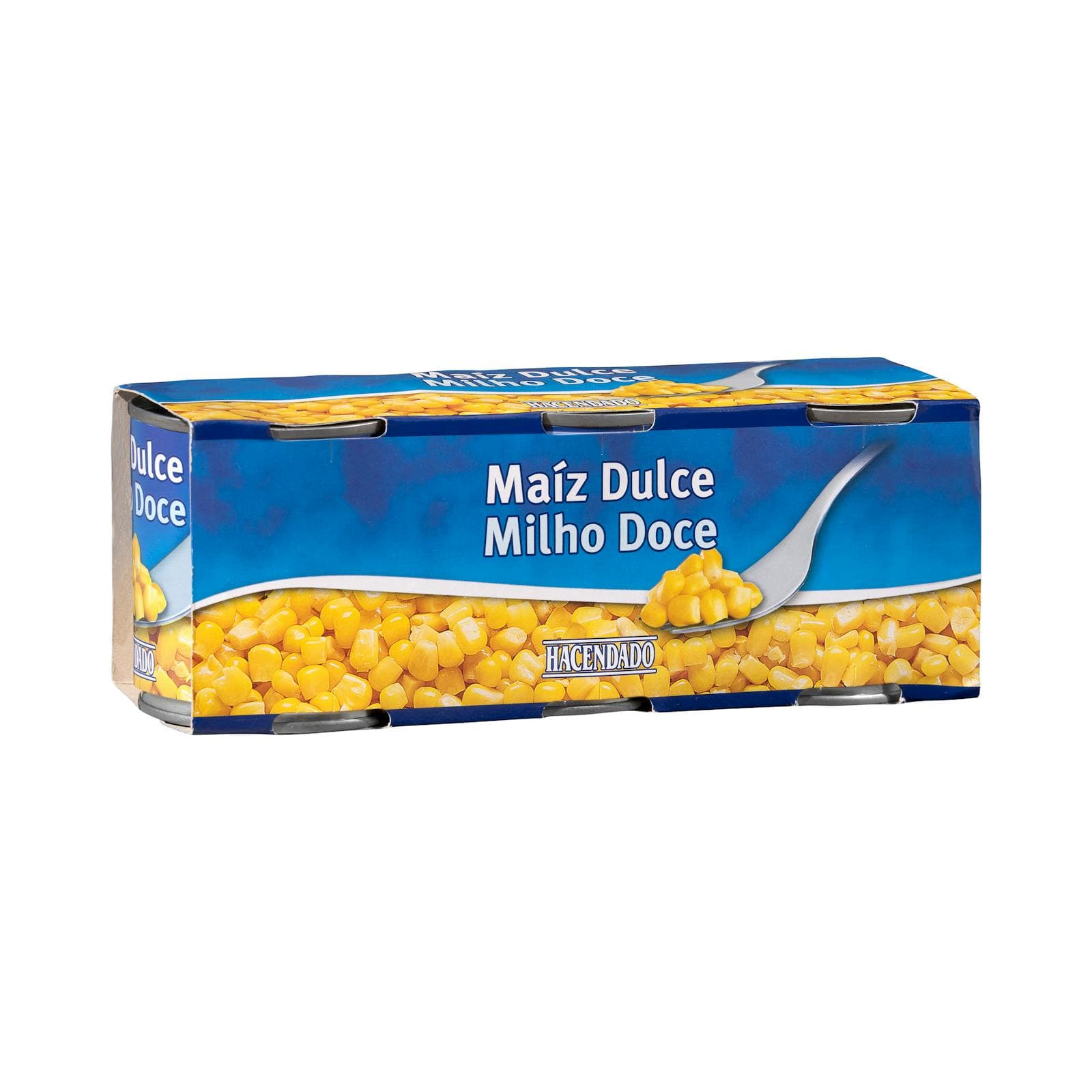
€1.55Sweet Corn
Hacendado · 450 g · Mercadona
 €1.59
€1.59Sweet Corn Bonpreu
BONPREU · kg · Bonpreu
 €2.49
€2.49Sweet Corn Bonpreu
BONPREU · kg · Bonpreu
 €1.99
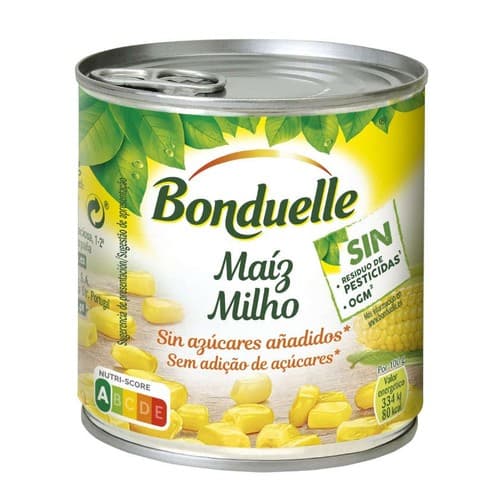
€1.99Bonduelle Sweet Corn
BONDUELLE · kg · Bonpreu
 €2.99
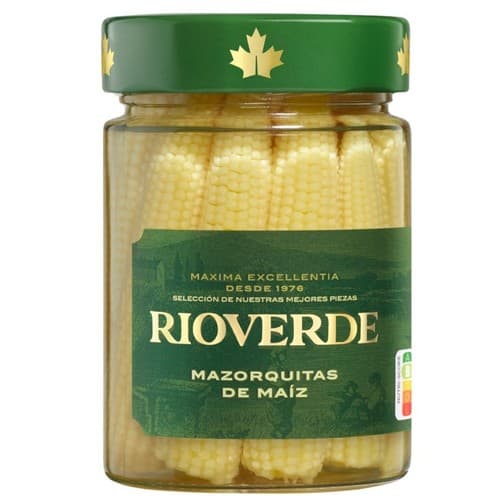
€2.99Pickled Corn Kernels
RIOVERDE · kg · Bonpreu
 €3.15
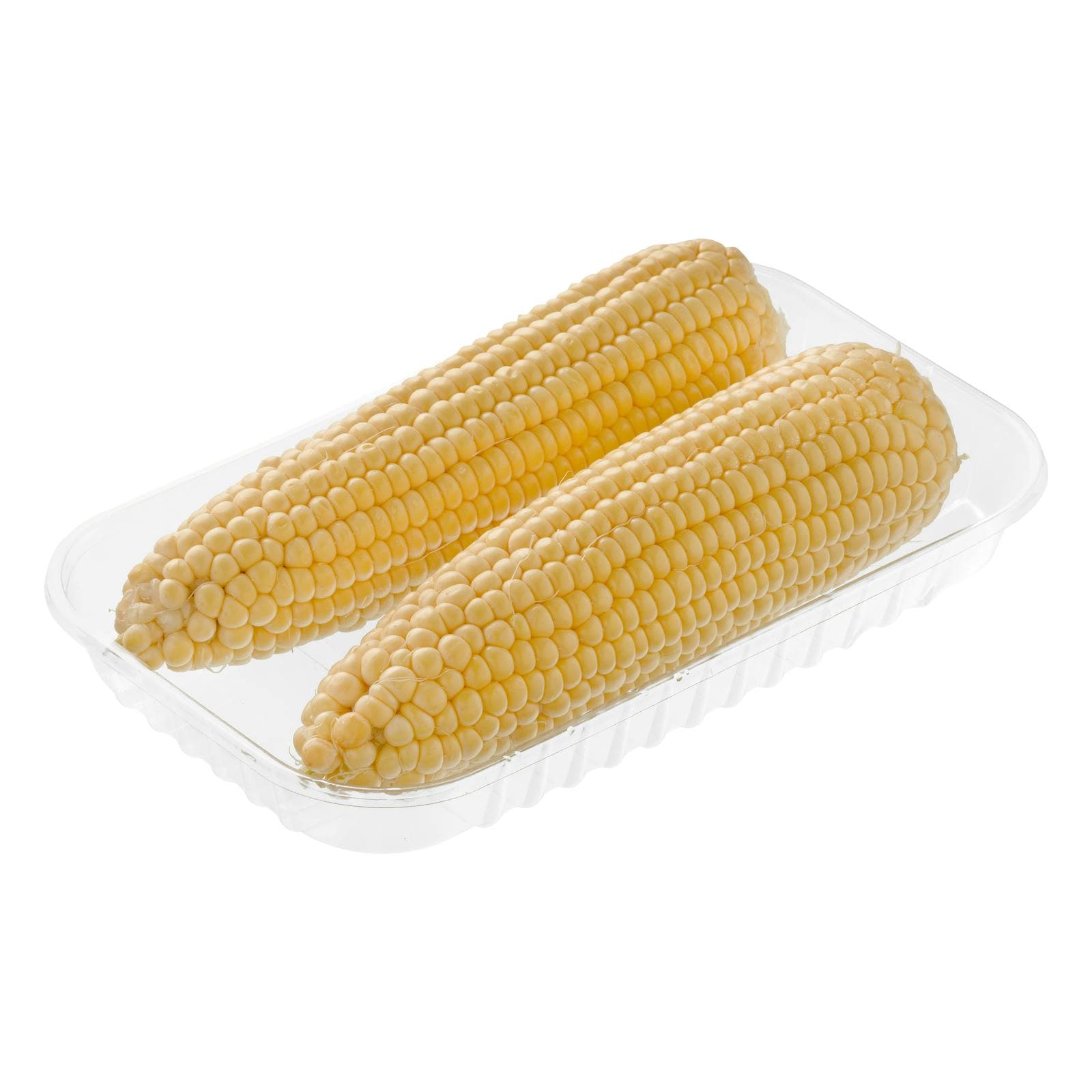
€3.15Sweet Corn on the Cob
2 ud · Mercadona
Good to know
- Scientific name
- Zea mays indurata (flint corn)
- Origin
- Mesoamerica; cultivated by Indigenous peoples for thousands of years before European contact
- Endosperm type
- Hard (vitreous) starch surrounding a small soft center; minimal soft starch compared to dent corn
- Kernel characteristics
- Very hard, smooth, rounded crown; resistant to insect damage and spoilage
- Typical colors
- White, yellow, red, blue, purple, black; often multicolored (trademark of "Indian corn")
- Shelf life
- Exceptionally long when kept dry and cool; hard shell protects against moisture and pests
- Primary processing
- Ground into meal or flour; nixtamalized for hominy
- Flavor
- Sweet, mild corn flavor when fresh; more pronounced earthy, nutty notes when aged
Substitutes
- Dent cornmeal — Readily available in most US grocery stores; softer texture and cooks faster; acceptable in most recipes but produces a less firm polenta
- Medium-grind hominy grits — Best substitute for nixtamalized applications; already treated with alkali and partially cooked
- Blue cornmeal — Similar hardness; slightly sweeter and more fibrous; works well for polenta and bread
- Coarse-ground yellow cornmeal — Standard American cornmeal; acceptable for quick breads and griddle cakes but less authentic for traditional Italian polenta
Pairs with
Also called
Indian Corn · Calico Corn
Related

White Rice
Fluffy long-grain rice — the neutral base for almost any meal

White Bread
Soft sandwich loaf for toast, sandwiches, and crumbs
Brown Rice
Nutty, whole-grain rice with chew and extra fiber

Basmati Rice
Fragrant, long-grain rice that cooks up light and separate
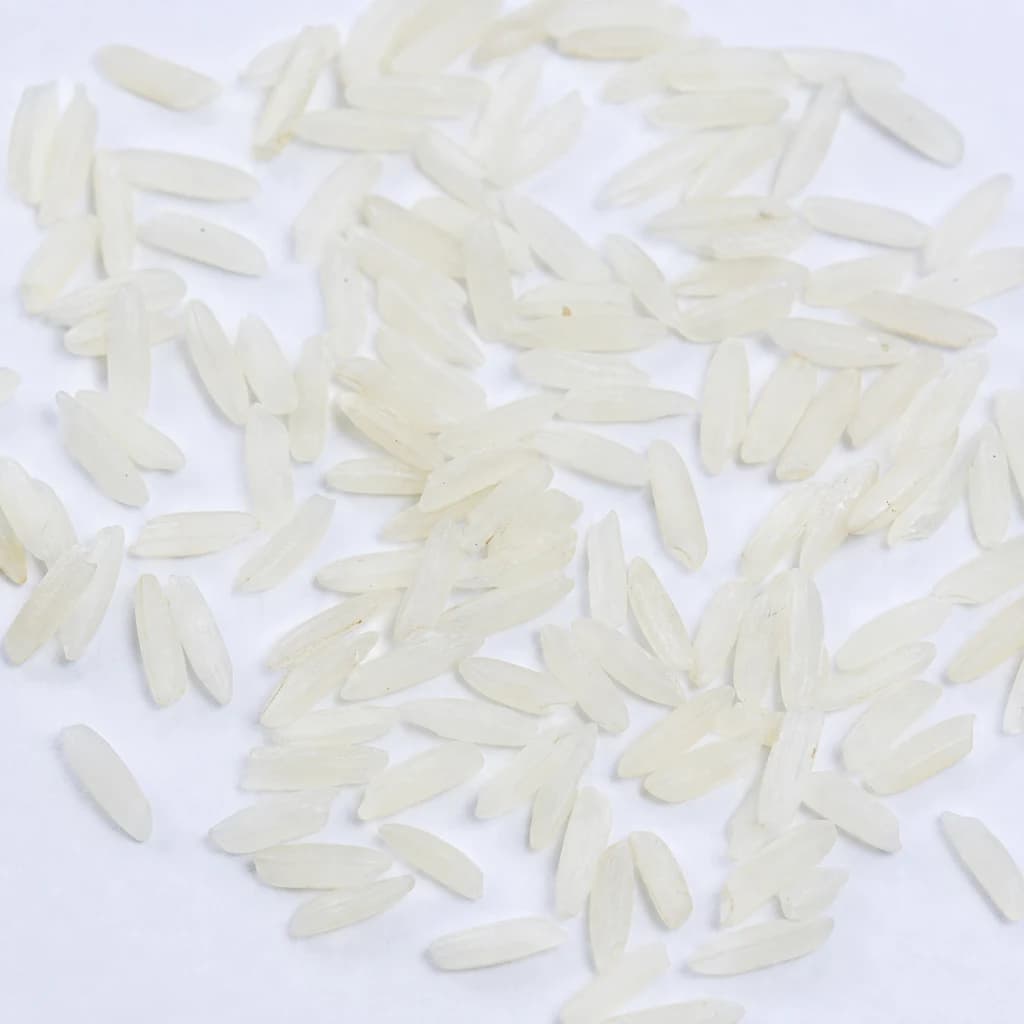
Jasmine Rice
Soft, floral-scented rice that's the pillar of Thai meals
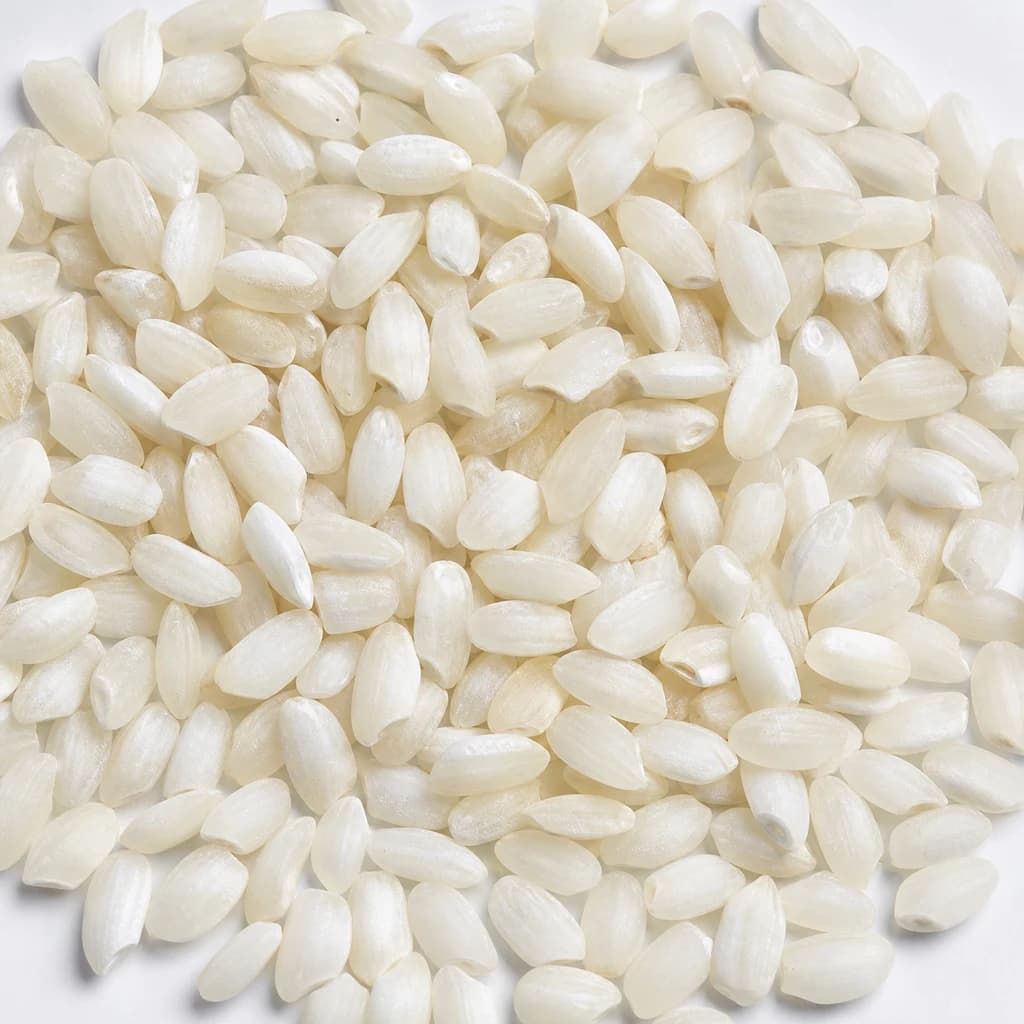
Arborio Rice
Plump, starchy rice that makes risotto creamy
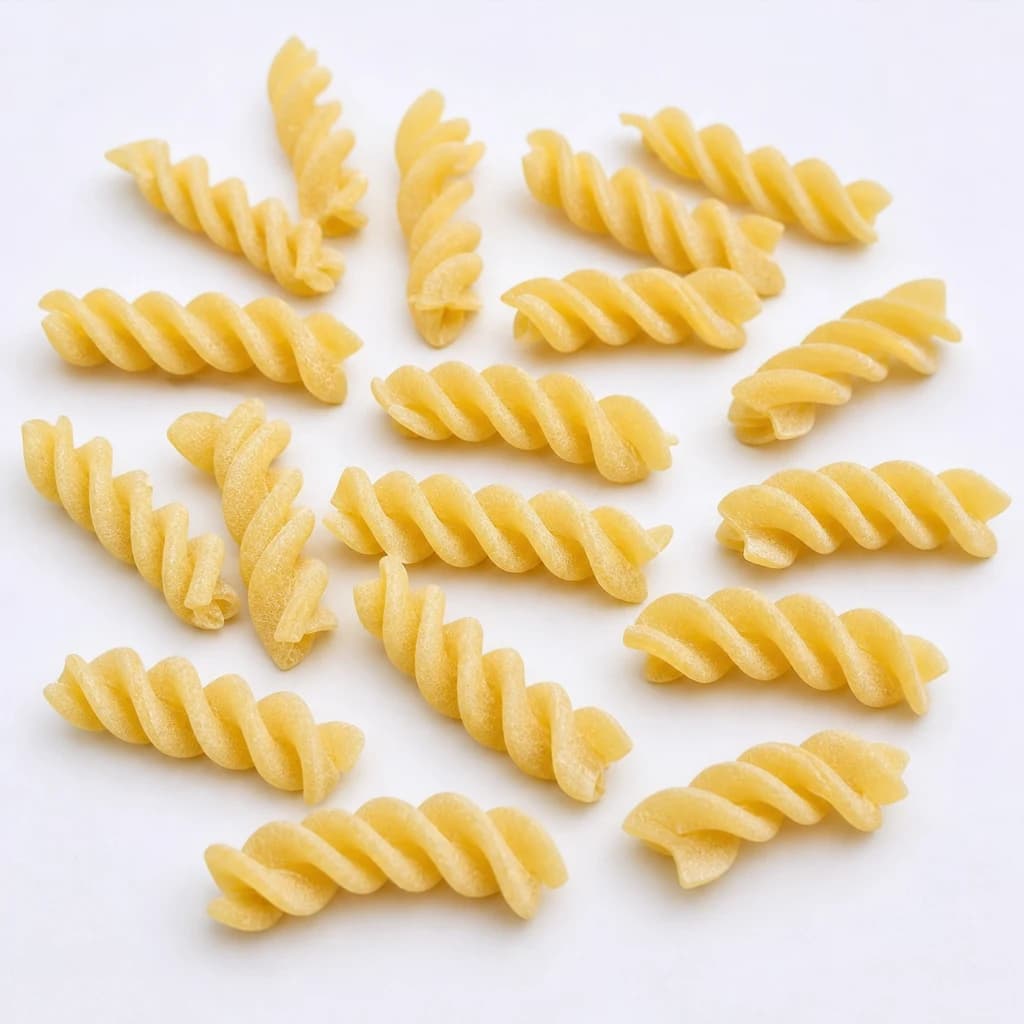
Fusilli
Spiraled pasta that twirls up sauce and dresses cold salads
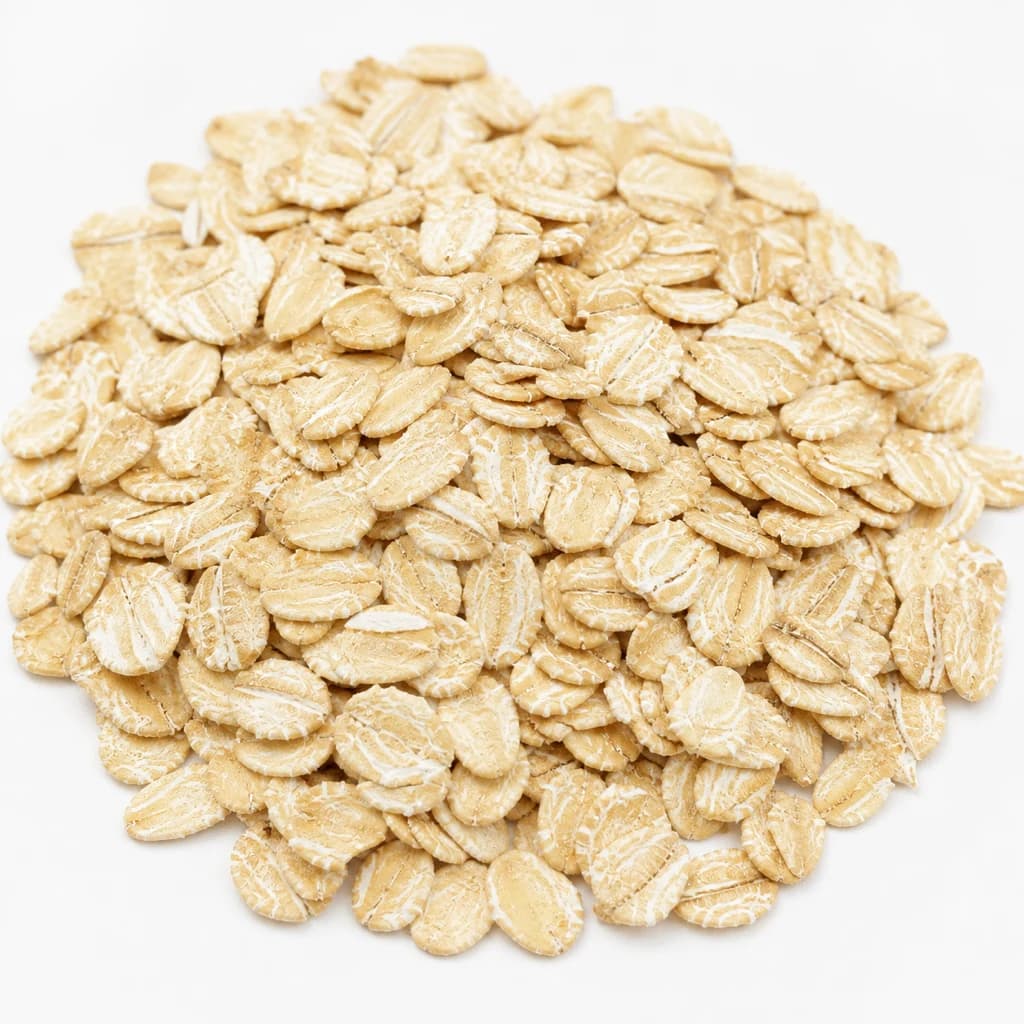
Rolled Oats
Hearty flakes for porridge, granola, and chewy cookies