Spices
Dried Black Lime (Loomi)
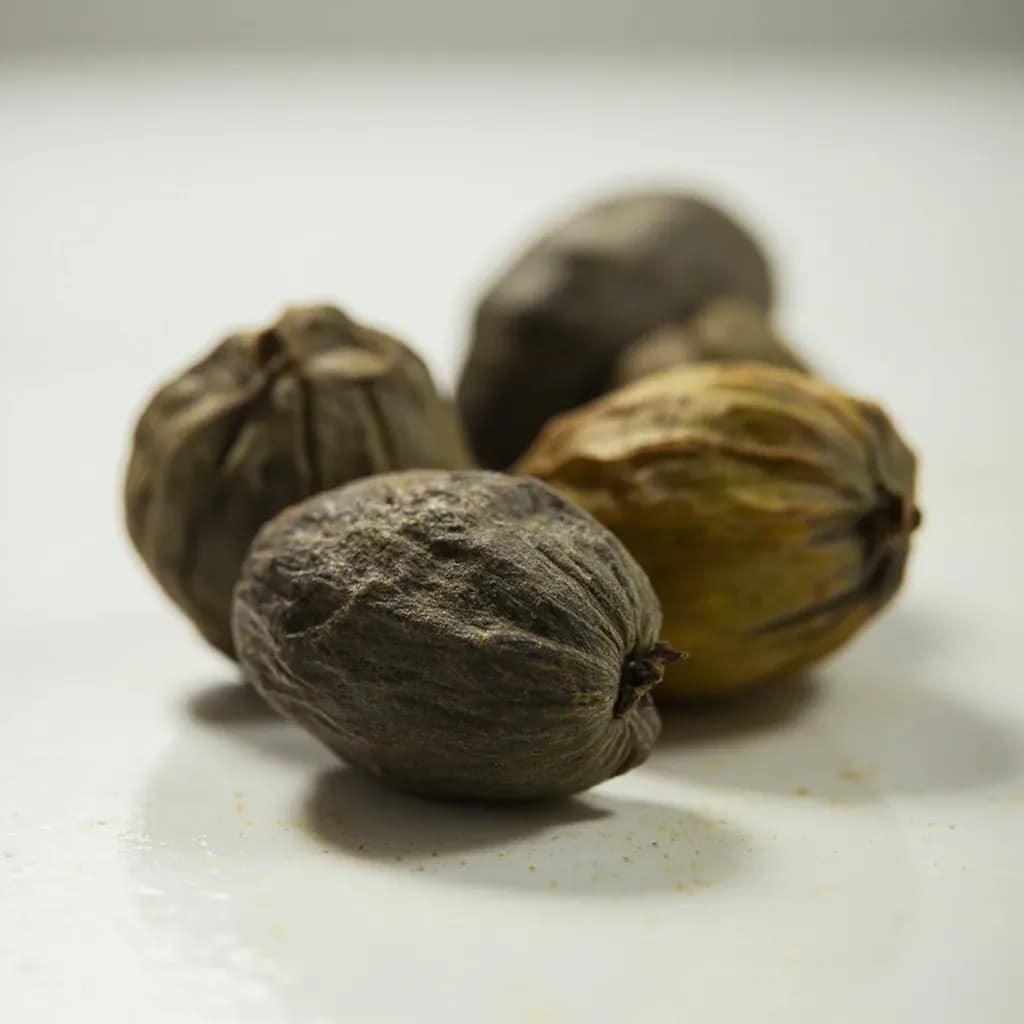
Whole limes boiled and sun-dried to a dark husk with a tart, fermented, musky flavor.
Dried black lime, known as loomi or limoo amani, is a lime boiled in brine then dried until its skin darkens and its flavor turns intensely sour, earthy and slightly fermented. It is a defining ingredient in Persian and Gulf cooking, pierced and dropped whole into stews and rice or ground into powder. The whole limes are usually fished out before serving, having infused the dish with tang.
Dried black lime—known as loomi across the Persian Gulf, Oman, and much of the Middle East—is one of the most distinctive and irreplaceable ingredients in Gulf and Persian cooking. The process transforms ordinary fresh limes into something altogether more complex: briefly boiled, then sun-dried for weeks until they turn dark brown to black, shrunken, and leathery with a hollow, spongy interior. This is not mere dehydration. The combination of heat, desiccation, and time triggers a fermentation that converts sugars and organic acids into more complex flavor compounds, particularly glutamic acid—the same compound responsible for the savory depth of aged cheeses and fermented sauces. The result is an ingredient with a layered personality: an immediate tartness that hits like fresh citrus, backed by a funky, musky fermentation quality, and finished with a subtle umami richness that lingers on the palate. No fresh lime or citrus product replicates this combination.
In the kitchen, loomi behaves differently from most spices. The leathery skin and pith hold their shape through long simmers, gradually releasing flavor into the surrounding liquid. Because the interior is hollow and spongy, the lime floats unless pricked—a detail that matters more than it might seem, since an intact lime barely contributes to the dish. Whole dried limes are far preferable to powder for most applications; ground loomi loses potency quickly and often contains anti-caking fillers that dilute its character. When purchasing, seek out limes that are uniformly dark brown to black, leathery but still slightly flexible—rock-hard specimens have over-dried and will be less flavorful. Store whole loomi in an airtight container away from heat and strong odors; the porous dried fruit readily absorbs neighboring flavors. Properly stored, they keep indefinitely, making them a reliable pantry staple for building the deep, fermented tartness that defines so many classic dishes from Iran, Iraq, the Emirates, and Oman.
- Measured in
- piece
- Storage
- Pantry
Types & varieties
From Oman; traditionally threaded on strings and dried in the sun; considered among the finest quality
Widely available internationally; used extensively in Iranian rice dishes and stews (khoresh)
Central to Emirati cuisine; used in machboos and traditional fish dishes like sayadieh
Common in Iraqi cooking; often ground and added to regional spice blends
Buying and Storing
Choose whole dried limes that are uniformly dark brown to black—the darker the better. Avoid any that appear greenish, as these were under-dried and will taste raw rather than fermented. The texture should be leathery and slightly flexible; rock-hard limes have over-dried and will yield less flavor. Smell the limes: you should detect a concentrated citrus brightness backed by fermented, almost smoky notes. Store whole loomi in a sealed glass jar in a cool, dark cabinet. Keep them away from strongly aromatic spices, coffee, or tea—the porous dried fruit will absorb and retain those odors, which can overpower or contaminate its own delicate flavor. Powdered loomi is a last resort; if you must use it, sniff for any hint of mustiness or staleness, and expect a diminished, less nuanced result.
- Look for uniformly dark brown to black color, not greenish or brown
- Seek leathery, slightly flexible texture—avoid rock-hard specimens
- Store in airtight container away from heat and strong odors
- Whole dried limes keep indefinitely; powder loses potency within months
The Flavor Profile
Understanding what loomi contributes helps you use it more intentionally. The bright tartness comes from concentrated citric and malic acids—these provide the same lemon-lime brightness you expect from fresh citrus, but intensified and rounded by the drying process. The fermentation adds glutamic acid, the same compound responsible for umami in aged cheeses, mushrooms, and soy sauce. This savory depth is what makes loomi so different from lemon zest or fresh lime juice, and why it works so well in slow-cooked dishes where it has time to develop. The volatile sulfur compounds—created during fermentation—give loomi its distinctive musky, funky quality, reminiscent of fermented fish or aged tea. Together, these layers create a flavor that can brighten, deepen, and add complexity to a dish simultaneously. This is why loomi cannot be replaced by any single ingredient: you would need both fresh citrus for tartness and a fermented element for depth, and even then, the musky, smoky undertone would be missing.
- Tartness: concentrated citric and malic acids, brighter than fresh lime
- Umami: glutamic acid from fermentation, similar to aged cheese or soy sauce
- Musky funk: volatile sulfur compounds unique to the drying-fermentation process
- Layers build over long cooking; single fresh lime cannot replicate this complexity
Common uses
Tips & pitfalls
- Prick the dried lime 3–4 times with a fork before adding to liquid—this allows the tart, fermented juices to escape and prevents the lime from floating intact through the entire cooking process.
- Simmer whole loomi in the dish for at least 20–30 minutes to extract full flavor; for stews cooking 1–2 hours, the lime can remain throughout and contribute even more depth.
- Remove whole limes before serving unless you intend to eat the softened pith—it becomes edible but has a slightly bitter, spongy texture that not everyone enjoys.
- Toast whole dried limes briefly in a dry pan before grinding to brighten the flavor when making a powder for rubs or spice blends.
- Do not substitute fresh lime juice—the fermented, umami-rich quality of dried lime is what distinguishes dishes like Persian gormeh sabzi and makes loomi irreplaceable in those contexts.
- Store away from strong odors; dried limes are porous and will absorb neighboring flavors, which can taint their own distinctive character.
- For a quick substitute flavor, combine fresh lime juice with a pinch of fermented black bean or a small amount of soy sauce to approximate the umami-fermented note, though the musky quality will still be absent.
Nutrition
Energy
126 kJ · per 100 g
Where the calories come from
Protein
0.7g
1% DV
Carbs
10.5g
4% DV
Fat
0.2g
0% DV
Fiber
2.8g
10% DV
Sugars
1.7g
of which
Sodium
2mg
0% DV
Source · USDA FoodData Central · Limes, raw
View on FDC →In the shops
Matched grocery products
 €0.40
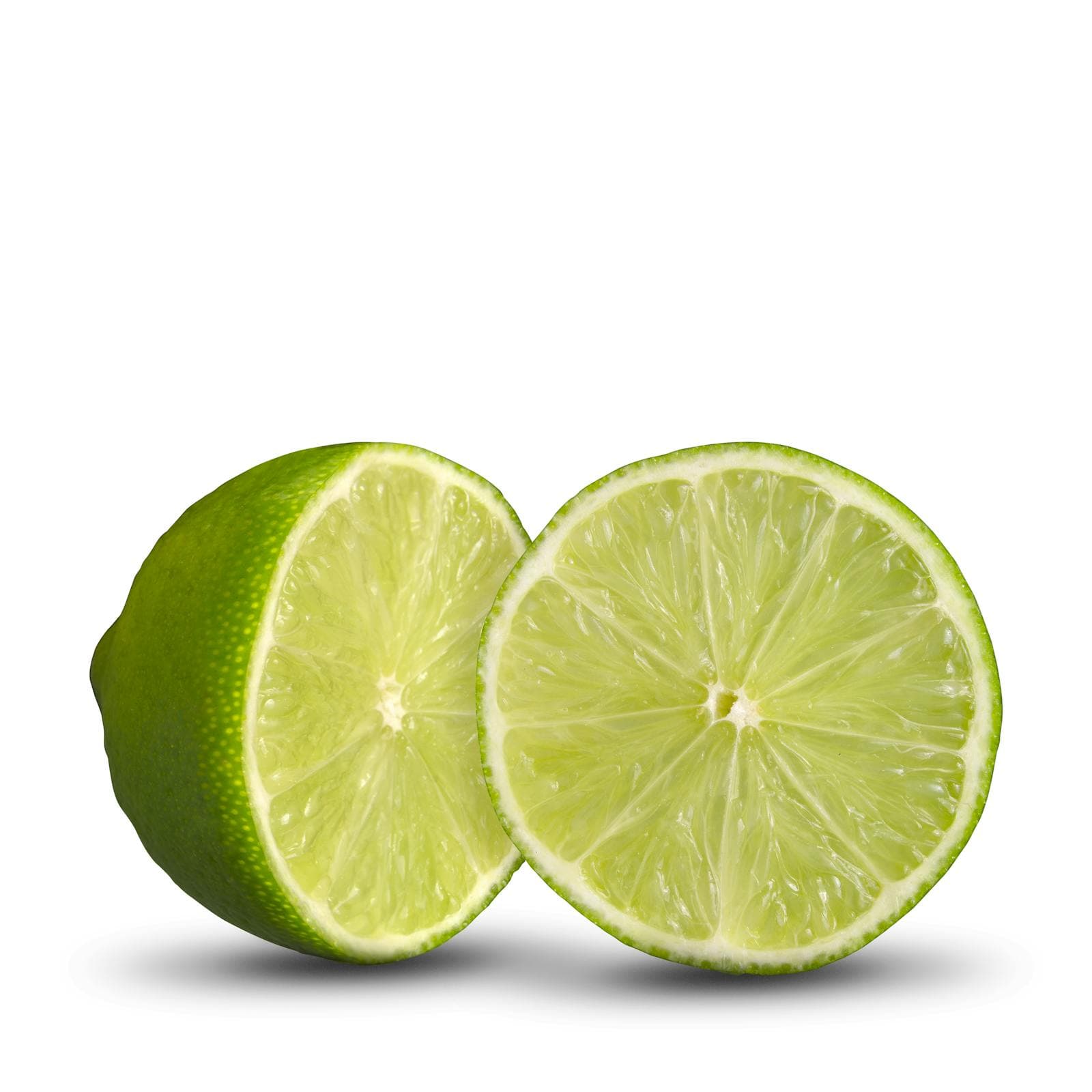
€0.40Lime
90 g · Mercadona
 €1.49
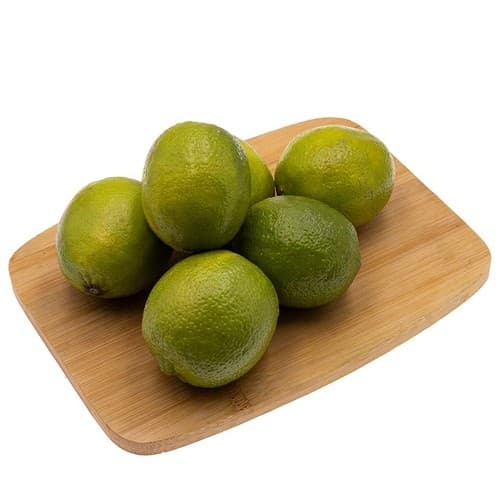
€1.49Lime in tray of 350 g
LA COLLITA · kg · Bonpreu
Good to know
- Also known as
- Loomi, Omani Lime, Lime Restan, Dried Lime, Nimbu Pisi (South Asia)
- Origin
- Persian Gulf region—Iran, Oman, UAE, and Iraq—widely used across the Middle East and South Asia
- What it is
- Fresh limes briefly boiled, then sun-dried for weeks until black, wrinkled, and leathery with a hollow, spongy interior
- Typical size
- 2–4 cm in diameter when dried
- Key flavor compounds
- Citric and malic acids (bright tartness); glutamic acid from fermentation (umami); volatile sulfur compounds (distinctive musky, funky notes)
- Prep method
- Prick 3–4 times with a fork to release juices; simmer whole in dishes and remove before serving unless softened pith is desired
- Shelf life
- Indefinite when stored in airtight container away from heat and light; no refrigeration needed
Substitutes
- Sumac — Closest in tart, lemony brightness but lacks the fermented, musky depth; use 1½–2 times the amount of loomi specified
- Preserved lemon peel — Provides intense citrus flavor and some umami; rinse off brine and use sparingly; flavor profile differs but works in Moroccan and Middle Eastern contexts
- Fresh lime juice plus soy sauce or fish sauce — Approximates the tart-plus-umami combination; add a few drops to taste; not a close match for the distinctive musky quality of true loomi
- Tamarind paste — Offers sour-tangy-slight funk; acceptable in a pinch for South Asian or Gulf dishes, though the flavor is quite different and tamarind lacks the citrus element
Pairs with
Also called
loomi · black-lime-powder · dried-lime · lime-dried · limoo-amani
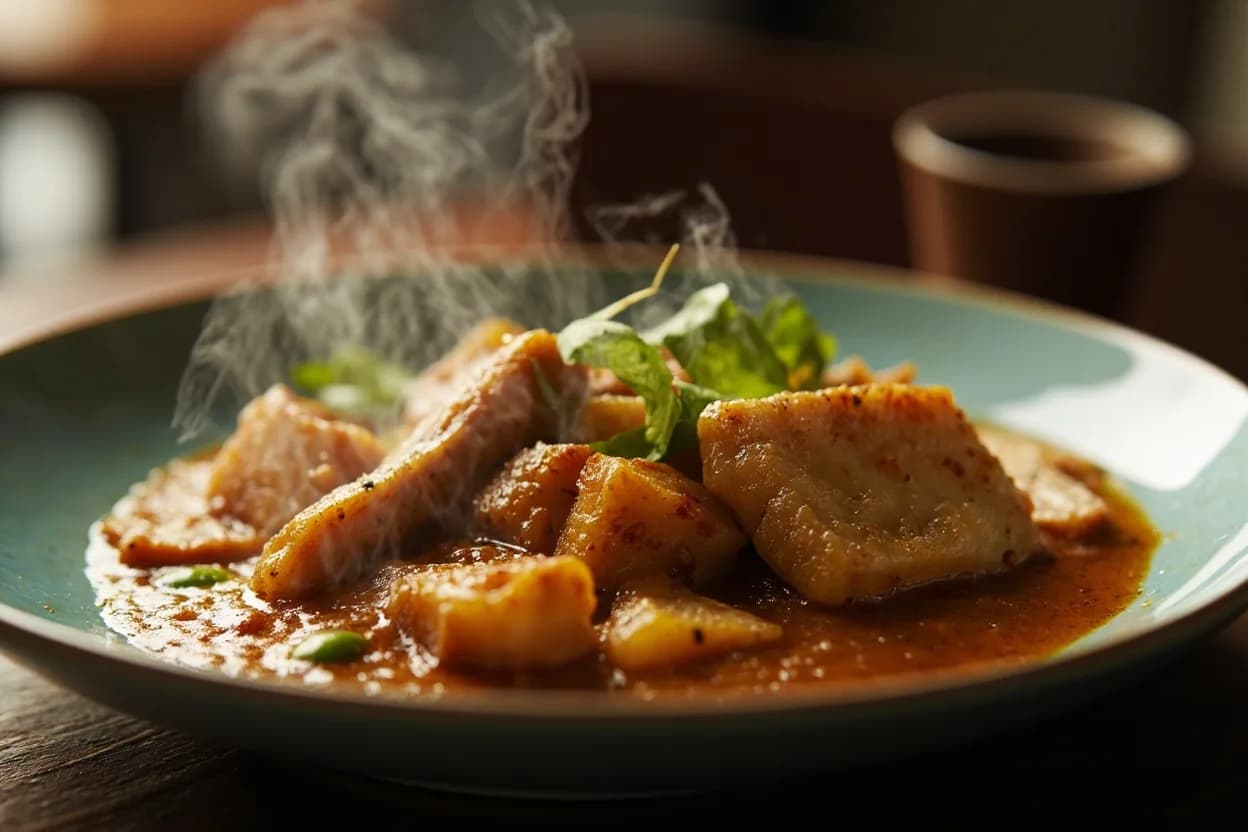
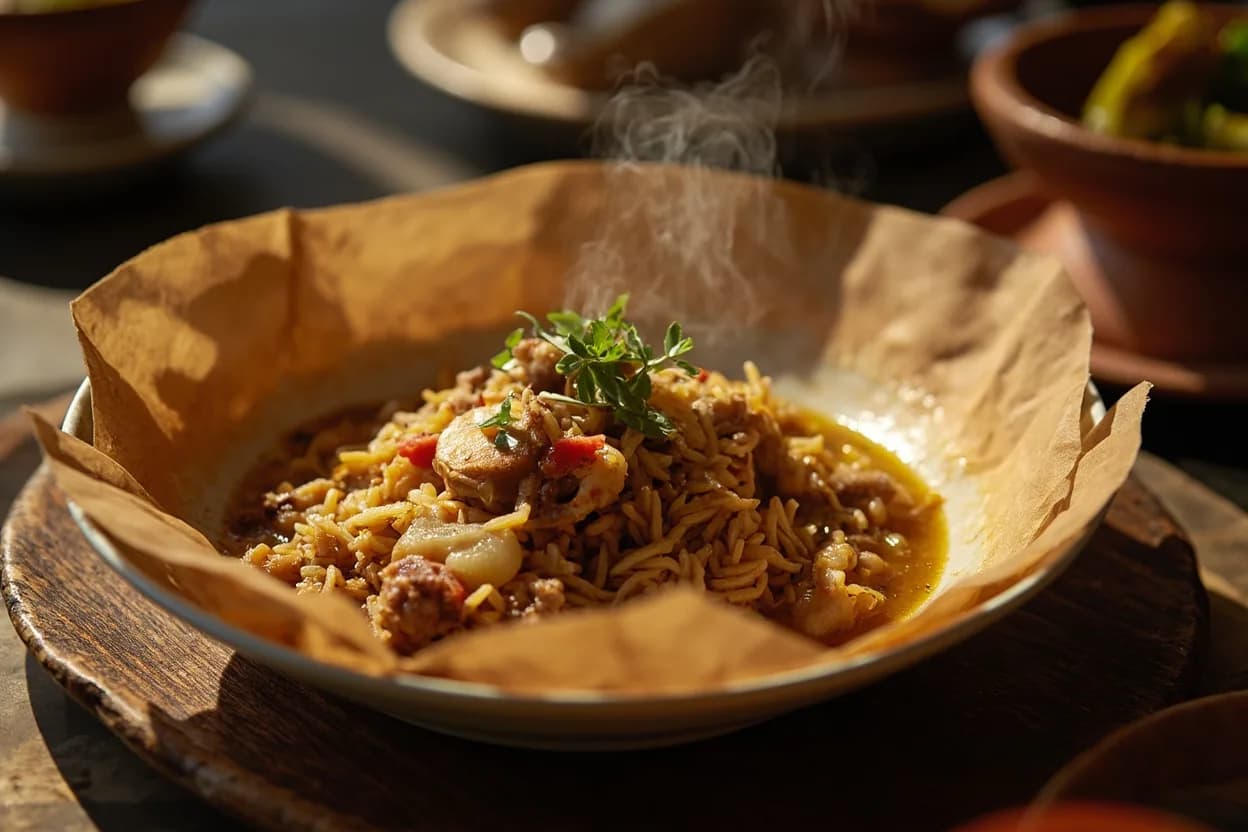
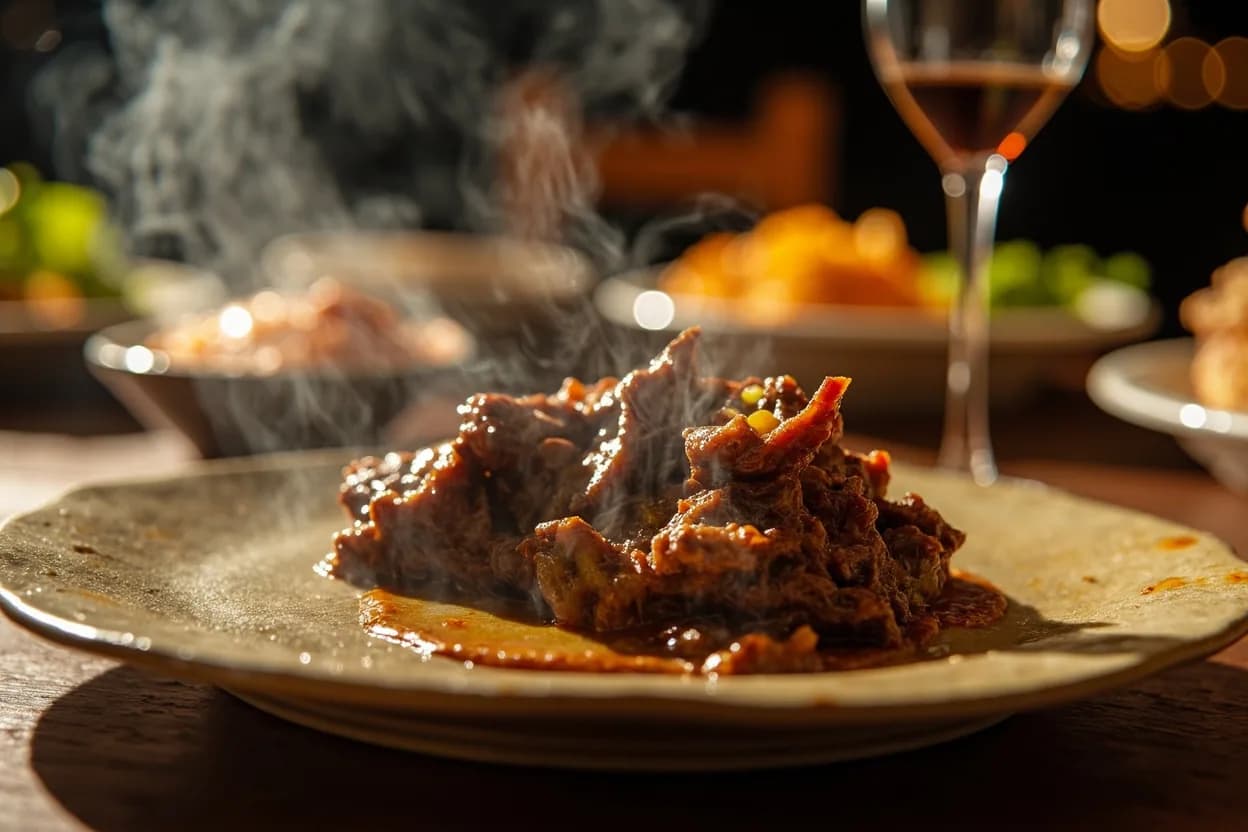
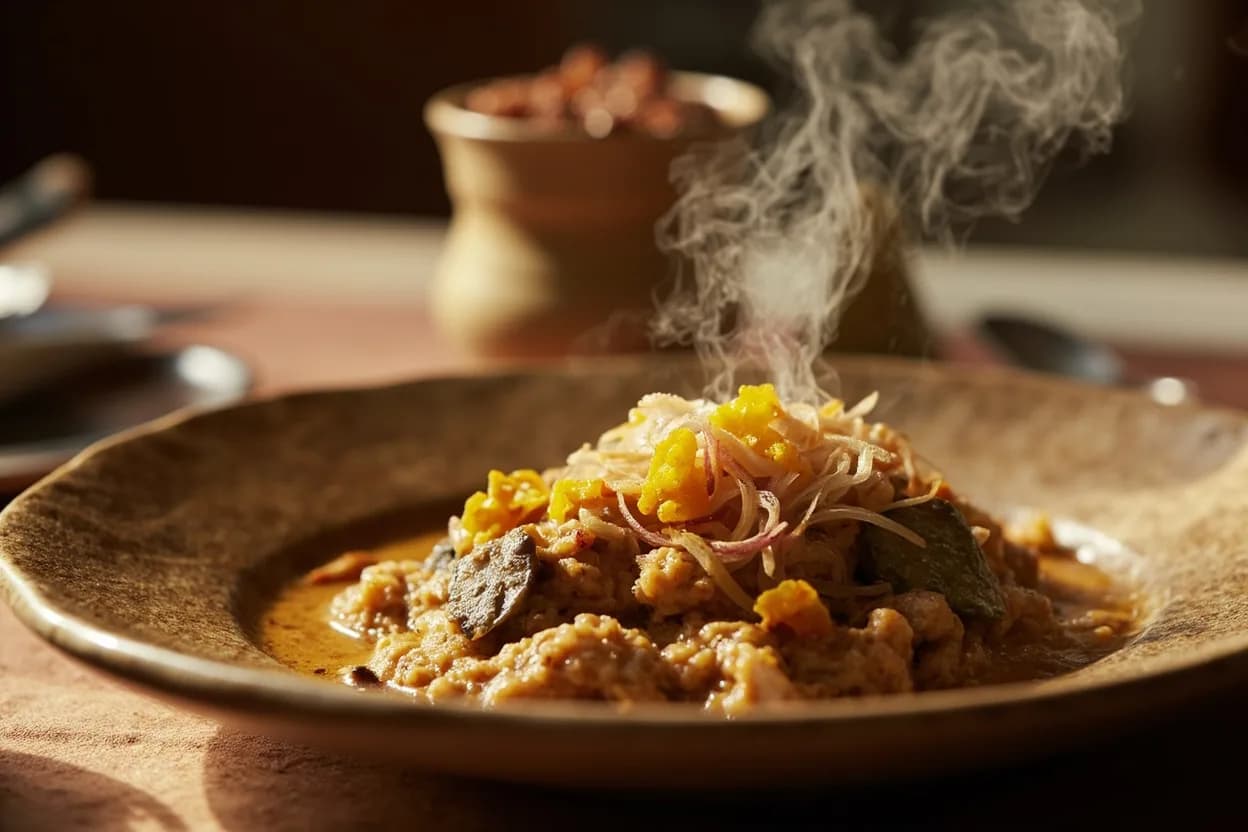
Appears in these dishes
Related
Salt
The one seasoning that makes everything else taste like itself

Black Pepper
Pungent, woody heat — best cracked fresh over anything savory
Amchur
Dried unripe mango ground to a tart, fruity souring powder
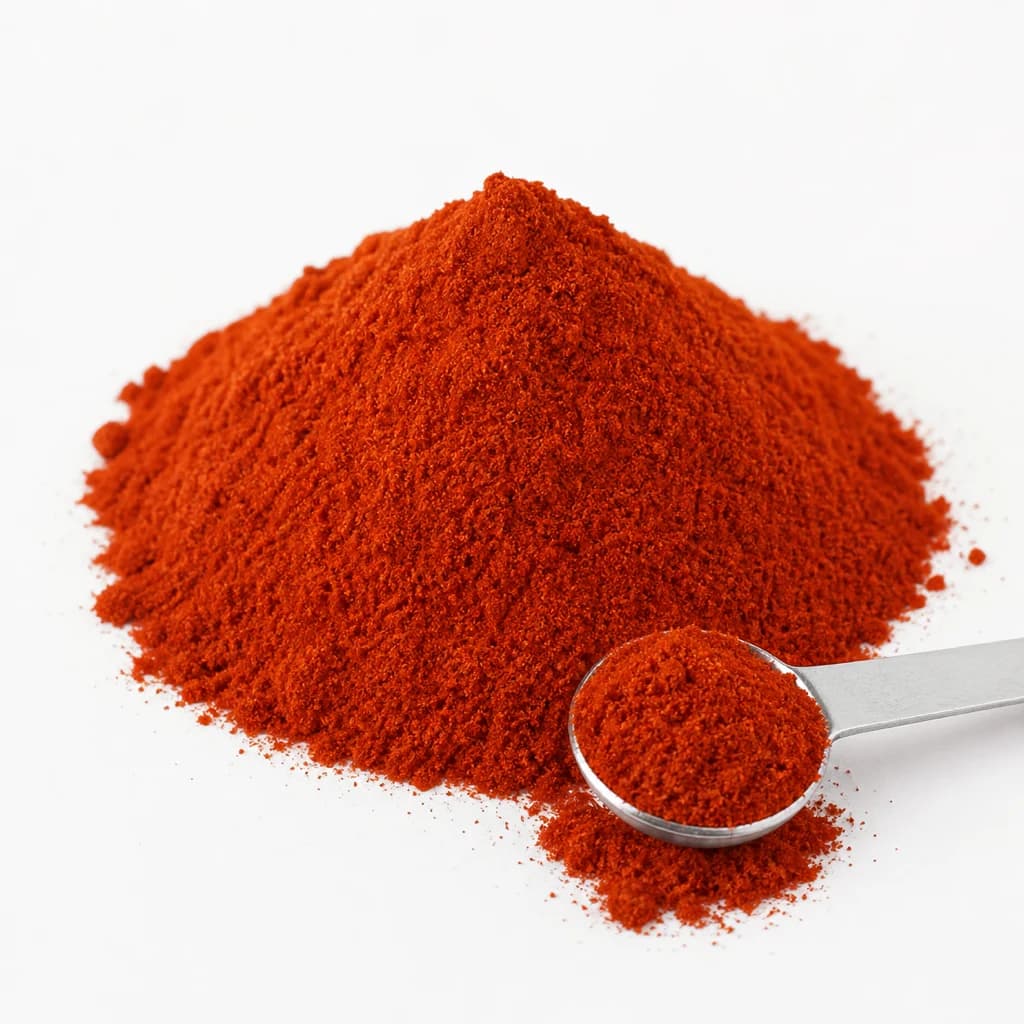
Paprika
Sweet, vivid ground pepper for color and gentle warmth
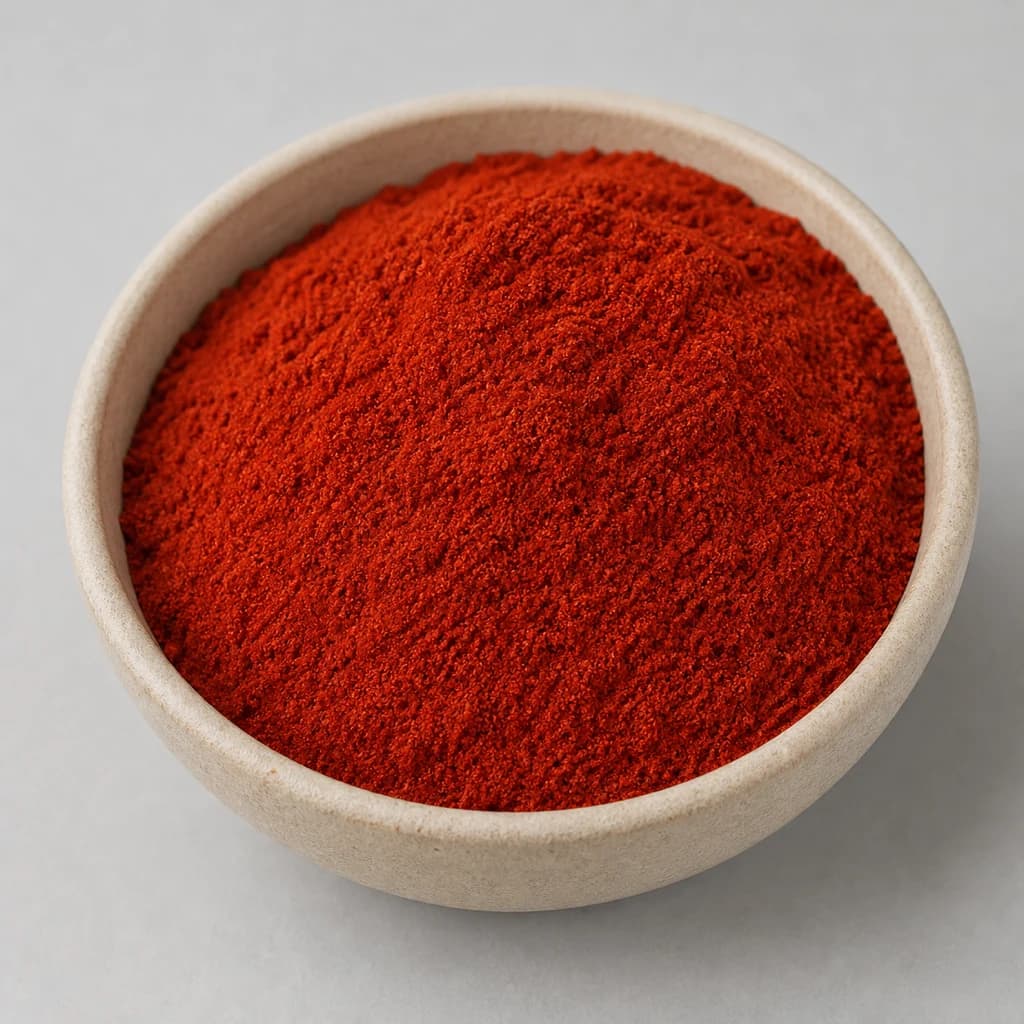
Smoked Paprika
Deep, smoky ground pepper for a campfire warmth
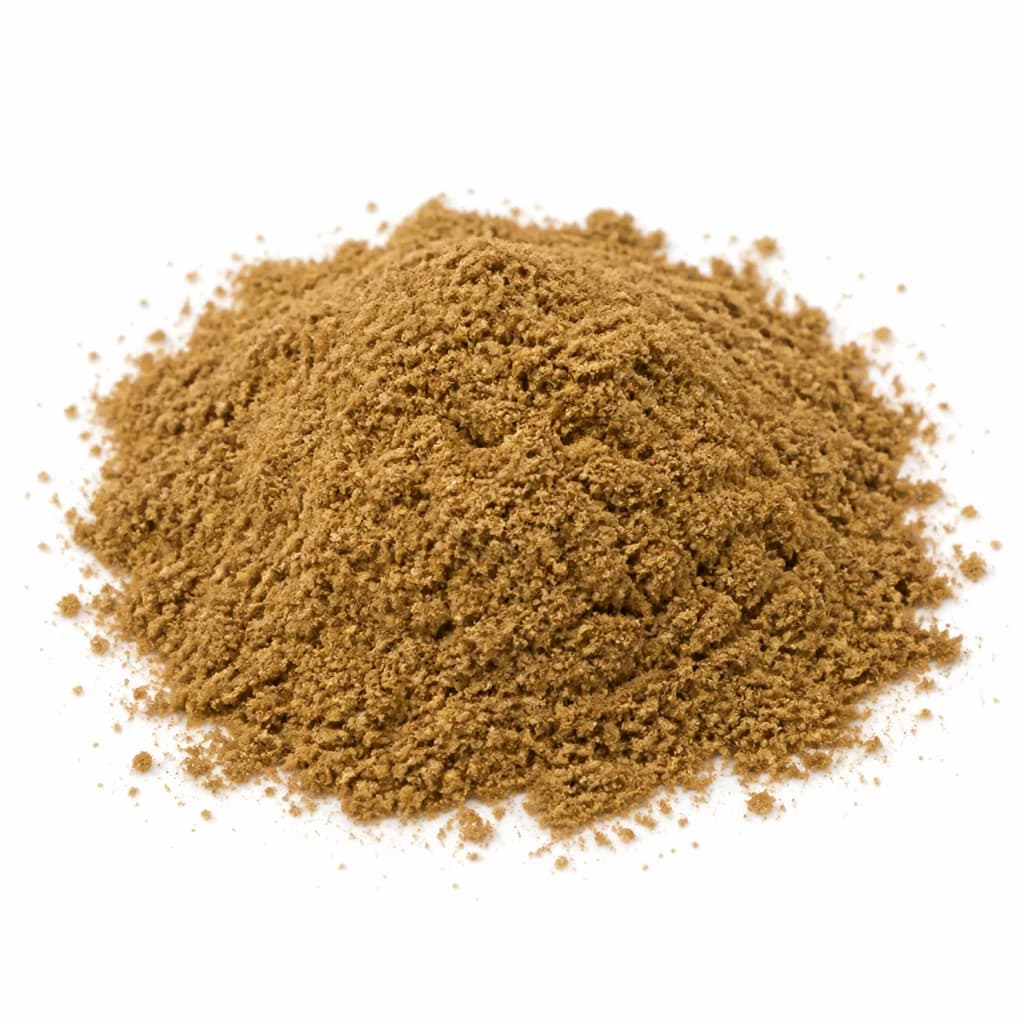
Cumin
Warm, earthy spice central to curries, chili, and tacos
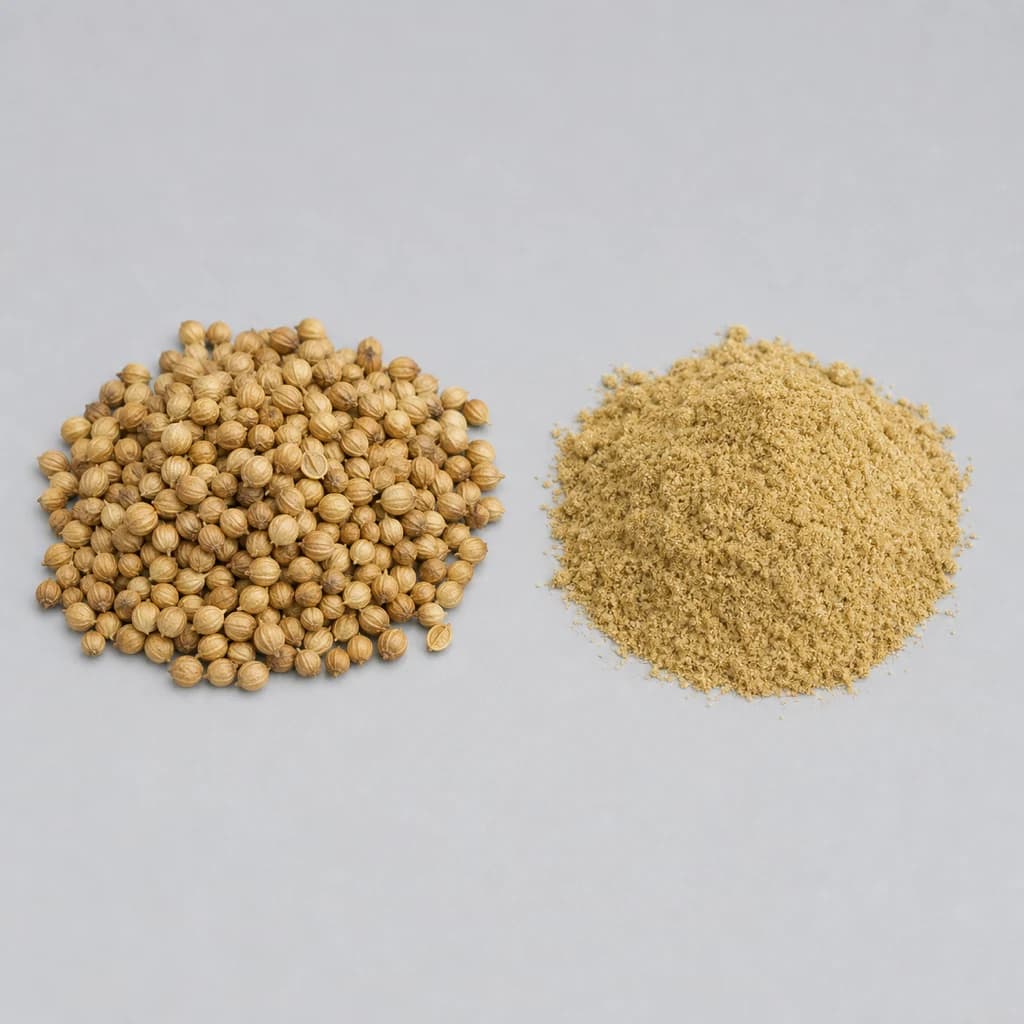
Coriander Seed
Citrusy, warm seed for curries, pickles, and rubs
Turmeric
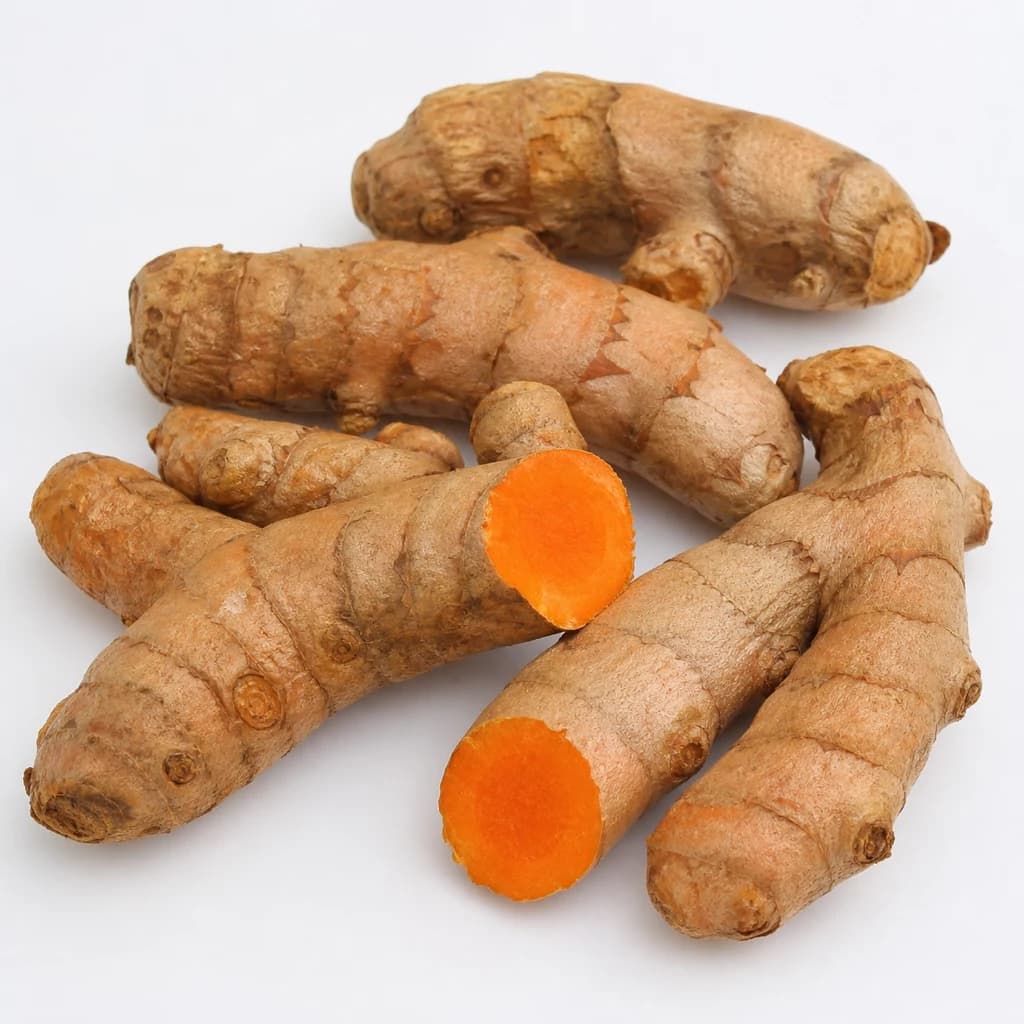
Golden, earthy spice for curries, rice, and color