Spices
Sumac
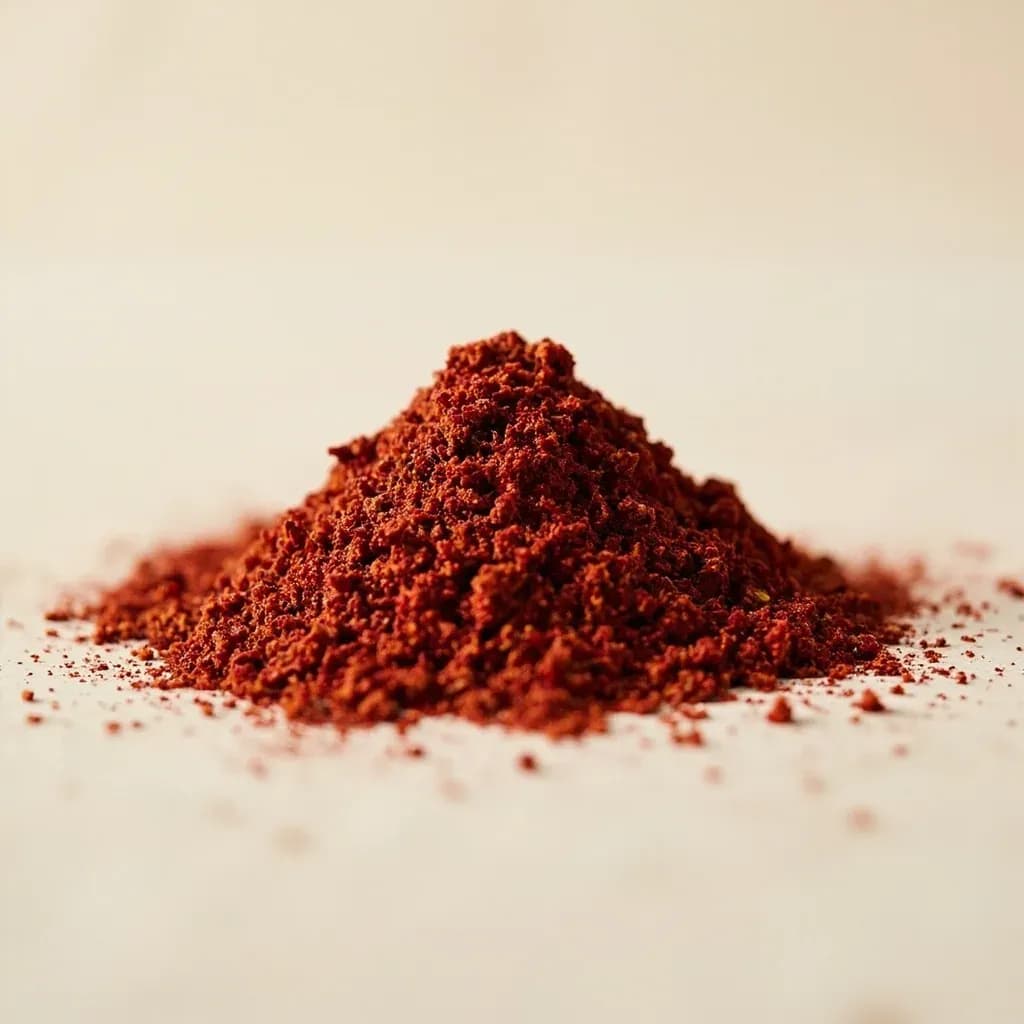
Deep-red ground berry with a tart, lemony tang; sprinkled over Middle Eastern dishes.
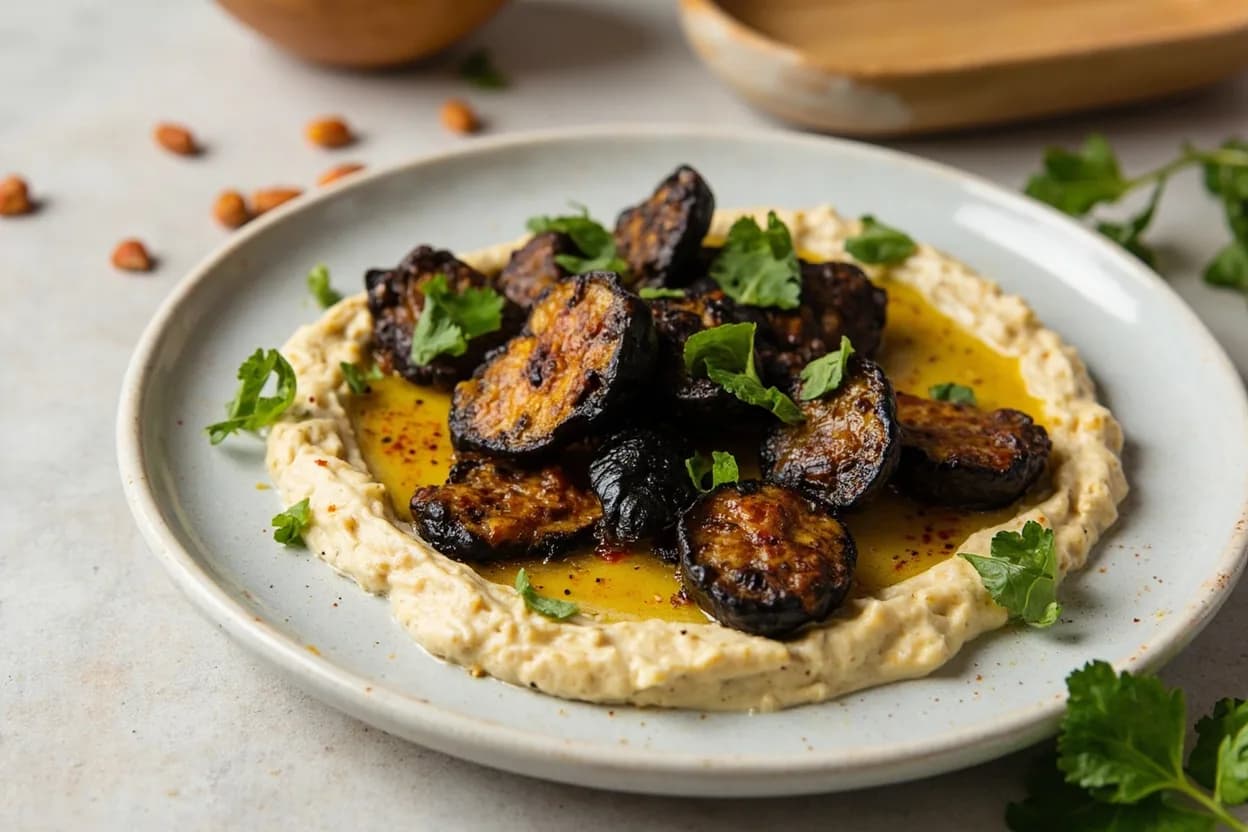
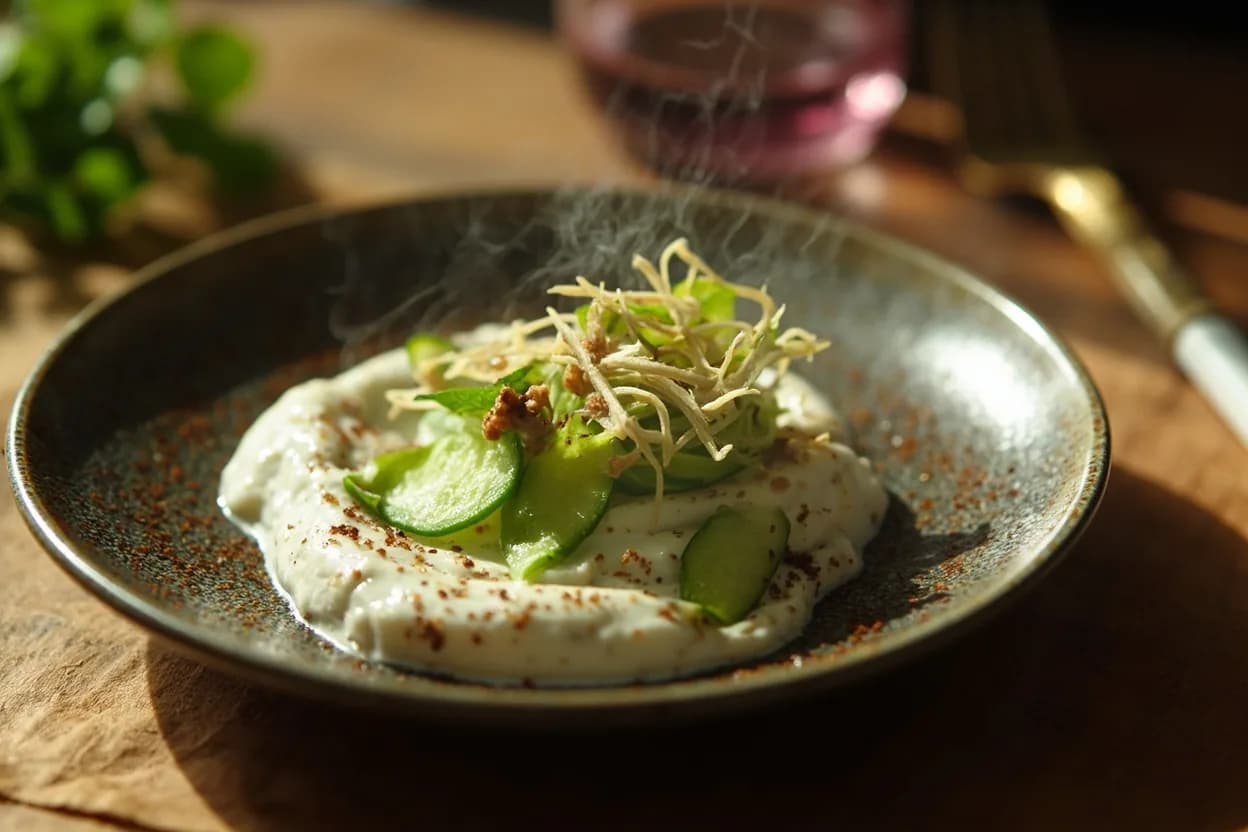
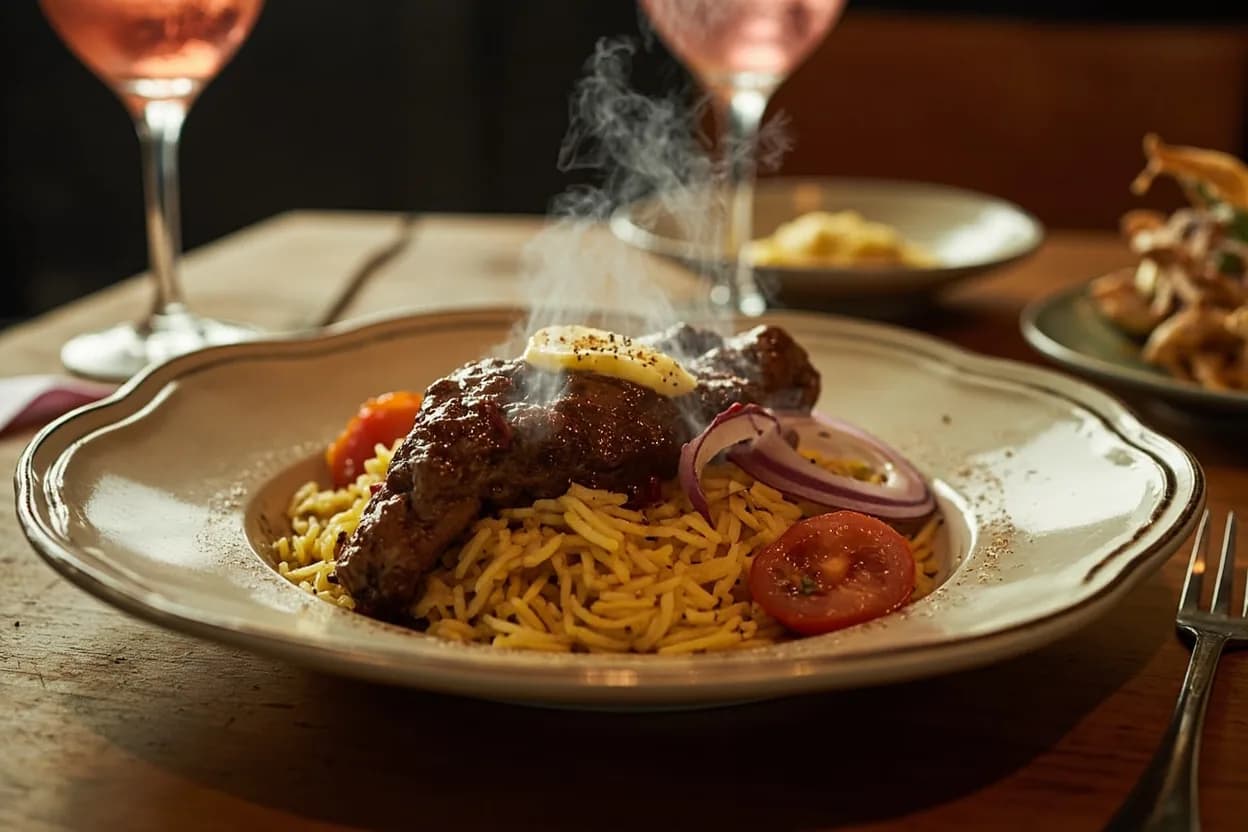
Sumac is the dried, ground berry of a Mediterranean shrub, prized for its bright, lemony tartness and deep brick-red color. It is a staple of Middle Eastern and Levantine cooking, dusted over hummus, grilled meats, salads and rice, and is a key ingredient in za'atar. Use it as a souring agent where you want acidity without added moisture.
Sumac is a dried, ground berry from the shrub Rhus coriaria, prized throughout the Middle East, the Levant, and the Mediterranean for its intense, lemony sourness and vivid burgundy-red color. Unlike lemon juice or vinegar, sumac delivers sharp acidity in a completely dry form, making it one of the most useful finishing spices in the pantry — it can season and garnish without diluting sauces, salads, or marinades. The berries are harvested in clusters in September and October, then dried and either sold whole or coarsely ground. The result is a spice with a tannic, fruity tartness that sits somewhere between dried cranberry and lemon peel, with a faint earthy depth underneath.
In the kitchen, sumac behaves as both an acidulant and a garnish: it brightens grilled meats, lifts salads, and cuts through the richness of dairy and starches without introducing moisture. Its color is its signature — a deep, dusty red that stains olive oil a shocking pink when the two are mixed, as in za'atar pastes. The flavor, however, is more fragile than it appears: sumac holds up well as a raw garnish but fades visually under prolonged heat, though the tartness persists. Chefs who understand this use it twice — early for flavor depth, late for color and brightness — or reserve it entirely as a finishing touch.
- Measured in
- g
- Storage
- Pantry
Types & varieties
The standard culinary variety — bright red, intensely tart, with a clean lemony aroma. Most widely exported and the default choice in any recipe calling for sumac.
Slightly darker and coarser in texture; the flavor profile is nearly identical. Often sold as whole berries rather than pre-ground.
Native to North America; used decoratively and in some traditional preparations, but significantly milder and not a direct substitute for culinary sumac.
Eastern North American; bright red cone-shaped clusters used in beverages and some traditional preparations, but not a direct substitute for Middle Eastern sumac.
U.S. native; the leaves and twigs are used, not the berries, and have a distinctly citrusy aroma. A different culinary tradition entirely.
Buying and evaluating quality
The best sumac is sold as whole dried berries or very coarsely ground powder with a bright, dusty-red color and no visible additives. Avoid anything that is dull brownish-red, clumped from moisture, or labeled with added salt, paprika, or anticaking agents — these are signs of a low-quality or adulterated product. Iranian sumac is widely considered among the finest, prized for its intense tartness and clean color. Specialty Middle Eastern markets and importers specializing in Levantine ingredients are your best source; mainstream supermarket sumac is frequently old, pre-ground, and cut with extenders.
- Look for whole berries first; grind at home for maximum brightness
- Buy from specialty markets or trusted importers, not mainstream spice aisles
- Avoid products with added salt, paprika, or dull coloration
Sumac vs. the toxic imposters
It is critical to distinguish culinary sumac from its dangerous relatives. Poison sumac (Toxicodendron vernix) grows in swampy areas in eastern North America, produces white berries, and causes severe skin irritation and systemic reaction. It has no place anywhere near a kitchen. Staghorn sumac (Rhus typhina), which grows across much of North America, is safe, produces bright red clusters, and has been used in traditional beverages and preparations — but its flavor is not equivalent to Middle Eastern culinary sumac, and it should not be substituted in recipes that call for the latter.
- Only Rhus coriaria is the culinary sumac used in Middle Eastern cooking
- Poison sumac has white berries and grows in swamps — never confuse the two
- North American staghorn sumac is safe but not a flavor substitute
Common uses
Tips & pitfalls
- Grind whole berries in a spice grinder as needed; pre-ground sumac loses its bright tartness within months and often contains salt or paprika fillers.
- Store whole berries or freshly ground sumac in an airtight glass jar, away from heat and direct light; a cool pantry or refrigerator extends usable shelf life noticeably.
- Add ground sumac late in cooking or use it as a raw garnish to preserve its vivid red color — long simmering dulls the hue without meaningfully boosting flavor.
- When making za'atar from scratch, combine sumac with dried thyme, sesame seeds, and a pinch of salt; moisten with good olive oil to make a spreadable paste.
- If sumac tastes bitter rather than pleasantly tart, it is old, adulterated, or from a non-culinary species — discard and replace it.
- Toast whole berries briefly (about 30 seconds in a dry pan over medium heat) before grinding to deepen and round the flavor, though this step is optional and the raw grind is also excellent.
- In salads, hydrate sumac briefly in a splash of lemon juice or water for 5 minutes before tossing to bloom the flavor evenly throughout the dressing.
Nutrition
Nutrition
No USDA FoodData Central match for Sumac yet. We surface a per-100 g profile once a generic whole-food entry is matched and verified.
In the shops
Matched grocery products
No matched grocery products for Sumac yet.
Good to know
- Source plant
- Rhus coriaria, dried berry clusters
- Origin
- Middle East, Mediterranean; prime cultivation in Iran, Turkey, Lebanon, and Sicily
- Color
- Dusty burgundy-red to deep purple; dull brownish-red indicates poor quality or age
- Primary flavor compounds
- Malic acid and citric acid; tartness without sweetness or moisture
- Form
- Whole dried berries or coarse ground powder; whole berries retain brightness significantly longer
- Shelf life
- 12–18 months ground; 2+ years whole berries, stored airtight in a cool dark place
- Heat sensitivity
- Prolonged cooking dulls the vivid red color; flavor notes persist but visual impact is lost
- Safety note
- Culinary sumac (Rhus coriaria) is entirely unrelated to poison sumac (Toxicodendron vernix), which is toxic and never used in food
- Peak harvest
- September–October across the Levant
- Culinary role
- Acidulant and finishing garnish spice; not a heat or aromatic spice
Substitutes
- Lemon zest — Fresh zest gives citrus brightness but lacks sumac's dry texture and vivid color; use roughly half the quantity of sumac called for.
- Citric acid powder — Approximately 1/4 teaspoon citric acid equals 1 tablespoon sumac in tartness. Useful for preservation or pickling, but not as a garnish.
- Tamarind paste — Provides sourness but adds sweetness and moisture; best suited for braises and sauces, not as a finishing garnish.
- Amchoor (mango powder) — Dried green mango; sour and fruity, though slightly sweeter in character. Works in spice blends and marinades but changes the flavor profile.
- Za'atar — If sumac is a minor component in a za'atar blend, the blend itself approximates the effect. Not useful when sumac is explicitly called out in a recipe.
Pairs with
Also called
somaq · ground-sumac
Appears in these dishes
Related
Salt
The one seasoning that makes everything else taste like itself

Black Pepper
Pungent, woody heat — best cracked fresh over anything savory
Amchur
Dried unripe mango ground to a tart, fruity souring powder
Paprika
Sweet, vivid ground pepper for color and gentle warmth
Smoked Paprika
Deep, smoky ground pepper for a campfire warmth
Cumin
Warm, earthy spice central to curries, chili, and tacos
Coriander Seed
Citrusy, warm seed for curries, pickles, and rubs
Turmeric
Golden, earthy spice for curries, rice, and color