Oils & Fats
Light (Refined) Olive Oil
Refined olive oil with a near-neutral flavor and high smoke point; for frying, baking, and sauteing where extra-virgin would scorch or overpower.
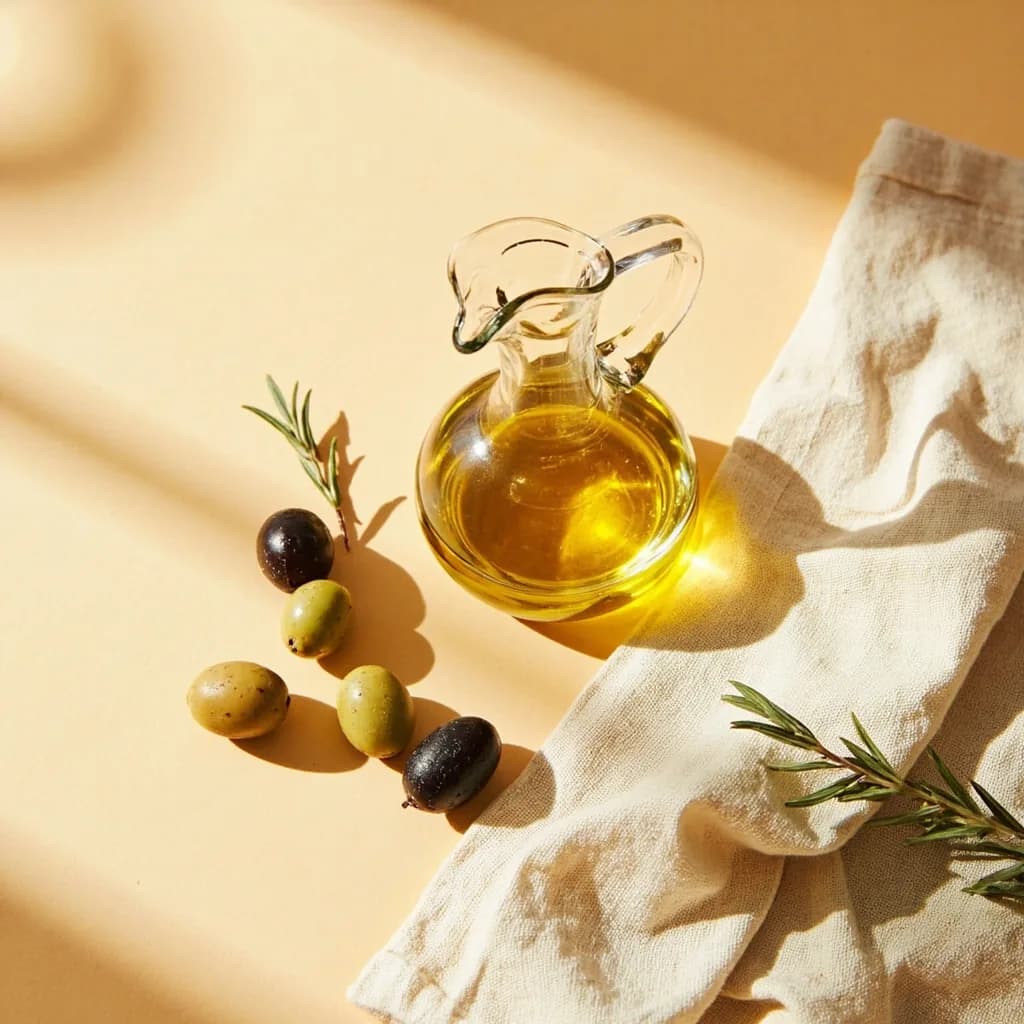
Light olive oil is the workhorse of the olive-oil family: a refined olive oil blended with a small amount of virgin oil to restore a hint of color and roundness. The refining process strips out most of the polyphenols, pigments, and aroma compounds that give extra-virgin olive oil its grassy, peppery character, leaving behind a pale, faintly buttery oil with a near-neutral flavor. That neutrality, paired with a smoke point around 460–470°F, is exactly why it exists — it can take the heat of a deep fryer or a hot sauté pan without scorching or asserting its own flavor.
Despite the name, "light" refers to flavor, not calories or fat. A tablespoon of light olive oil delivers the same ~120 kcal and 14 g of fat as extra-virgin. In the U.S. and Canada the term is a marketing label, used freely; Australia and New Zealand restrict it to avoid confusion with "lite" health claims. The International Olive Council and the USDA do not recognize "light" as a separate grade at all — the formal category is simply "olive oil," meaning refined olive oil with a small percentage of virgin olive oil blended back in.
For cooks, the practical rule is simple: reach for light olive oil whenever high heat or a neutral canvas is the priority — frying, baking, mayonnaise, wok cooking — and keep extra-virgin for dressings, drizzles, and any finishing use where its flavor is the point.
- Measured in
- ml
- Storage
- Dark Cool
Find it in
Suits
Types & varieties
The standard U.S. term for refined olive oil blended with a small amount of virgin; the workhorse frying and baking oil.
An older U.S. label, now largely retired, for a similar refined-plus-virgin blend with slightly more flavor.
Marketing synonym for "light"; same refinement, occasionally a touch more virgin added for color.
The straight refined product with no virgin addition; rarely sold retail, used as the base for blends.
California-grown blend meeting the same IOC "olive oil" standard as imported versions.
When to Reach for Light (and When Not To)
The cleanest test is to ask whether you want the oil's flavor to be invisible or to be part of the dish. Light olive oil is built to disappear into the food; extra-virgin is built to announce itself. Mixing the two roles is the most common mistake cooks make with olive oil — burning a finishing oil in a hot pan, or dressing a salad with a neutral oil that has nothing to say.
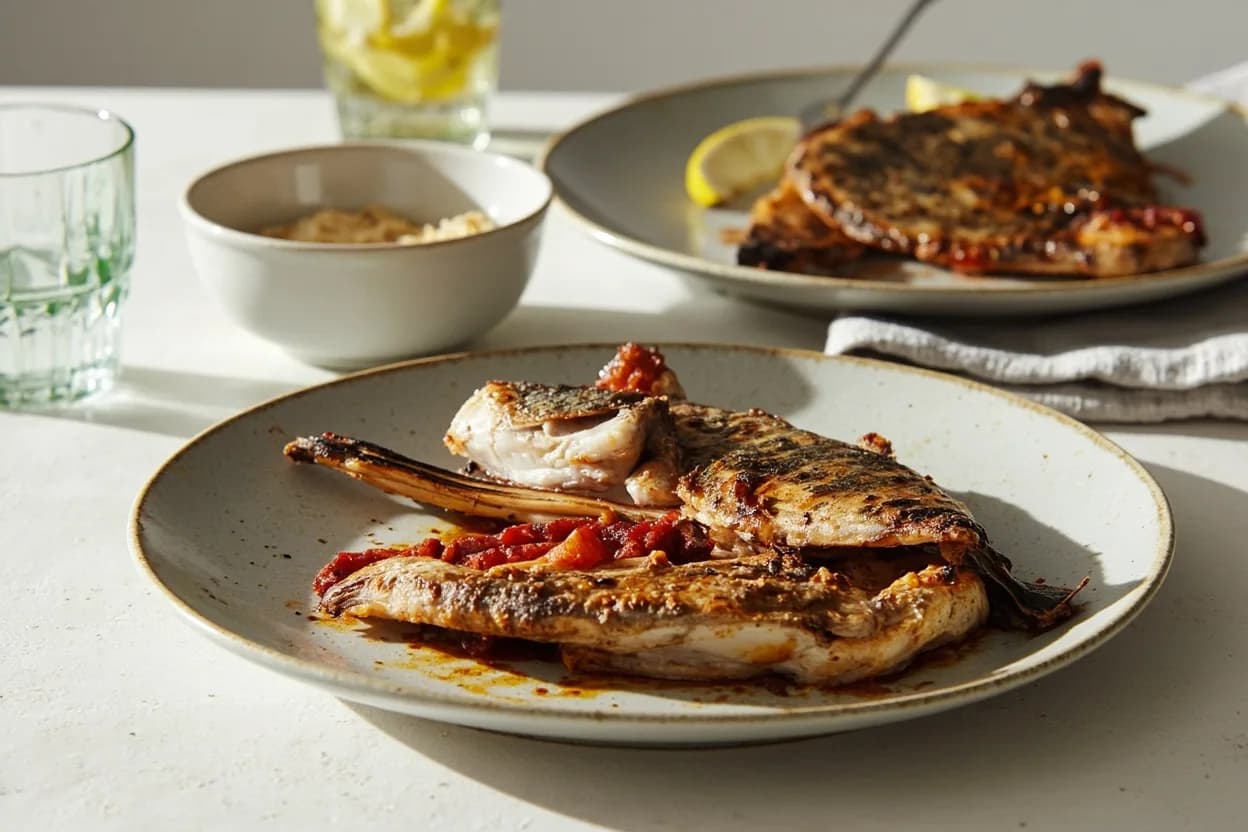
- Use light: any cooking method above 400°F, or any preparation where olive flavor would clash — delicate white fish, plain cake batters, mayonnaise from a neutral base.
- Use extra-virgin: raw applications (dressings, drizzles, bread-dipping) and lower-heat cooking where its flavor is a feature, such as wilting greens or simmering a short tomato sauce.
- Avoid light for herb or chili infusions — it has stripped away most of the polyphenols and aroma that would carry and preserve those flavors.
- Avoid extra-virgin for deep-frying and high-heat searing — its smoke point and cost make it the wrong tool, and bitter notes can develop as it breaks down.
Frying and Reusing It
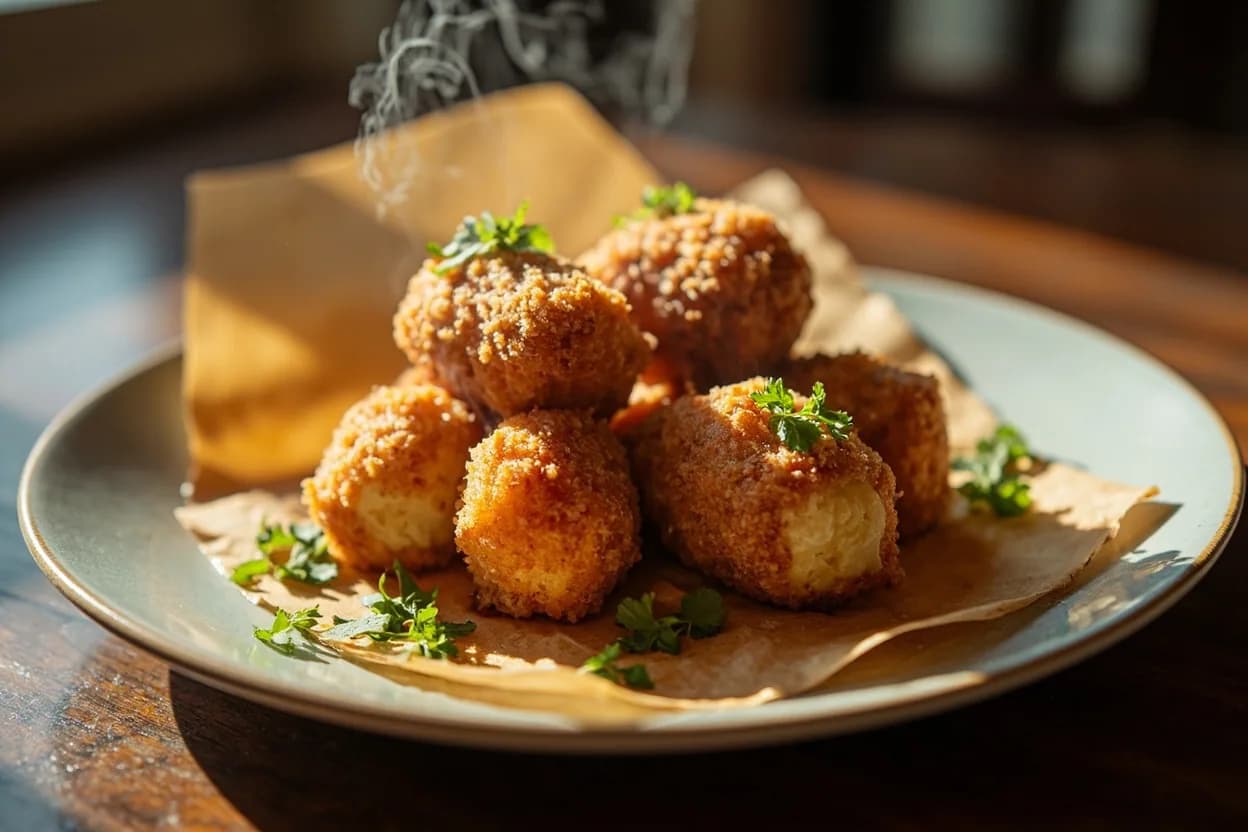
Light olive oil's stability makes it one of the better choices for shallow and deep frying at home. Properly strained and stored, the same oil can be reused for several batches before off-flavors develop. Two habits matter most: keep the temperature steady, and keep the oil clean.
- Heat gradually and never let the oil shimmer furiously for long before food goes in — preheated too hot, even light olive oil will break down past its smoke point.
- Skim or strain out food particles between batches; crumbs are what actually lower the smoke point, not the heat alone.
- Strain through a fine sieve or cheesecloth into a clean jar, label it with the date, and use it again within a week or two.
- Stop reusing it when it darkens noticeably, foams at a lower temperature than usual, or smells waxy, paint-like, or faintly soapy — all signs of oxidation.
Common uses
Tips & pitfalls
- "Light" describes flavor, not calories — the fat content is identical to extra-virgin, so don't reach for it expecting a diet product.
- Don't use it as a finishing oil; extra-virgin is the choice for raw dressings and drizzles where its grassy, peppery notes matter.
- Buy in opaque bottles or tins; light and heat degrade any oil faster than air does, so a clear bottle on a sunny shelf is working against you.
- Smoke-point figures are laboratory values — in a home pan, plan on a practical ceiling 30–40°F below the listed number.
- A faint haze or cloudiness in the fridge is normal (it's the waxes solidifying) and disappears at room temperature; it does not mean the oil has gone bad.
- If the oil smells waxy, paint-like, or soapy, it has oxidized — toss it rather than try to mask the flavor.
- It is a poor choice for herb or chili infusions when you want the oil's character to show through, since most of that character was refined out.
- Pomace oil is a cheaper cousin but is solvent-extracted from pits and skins — a different category altogether, with its own flavor and regulatory standing.
Nutrition
Energy
3699 kJ · per 100 g
Where the calories come from
Protein
0g
0% DV
Carbs
0g
0% DV
Fat
100g
128% DV
Fiber
0g
0% DV
Sugars
0g
of which
Sodium
2mg
0% DV
Source · USDA FoodData Central · approx. Oil, olive, salad or cooking
View on FDC →In the shops
Matched grocery products
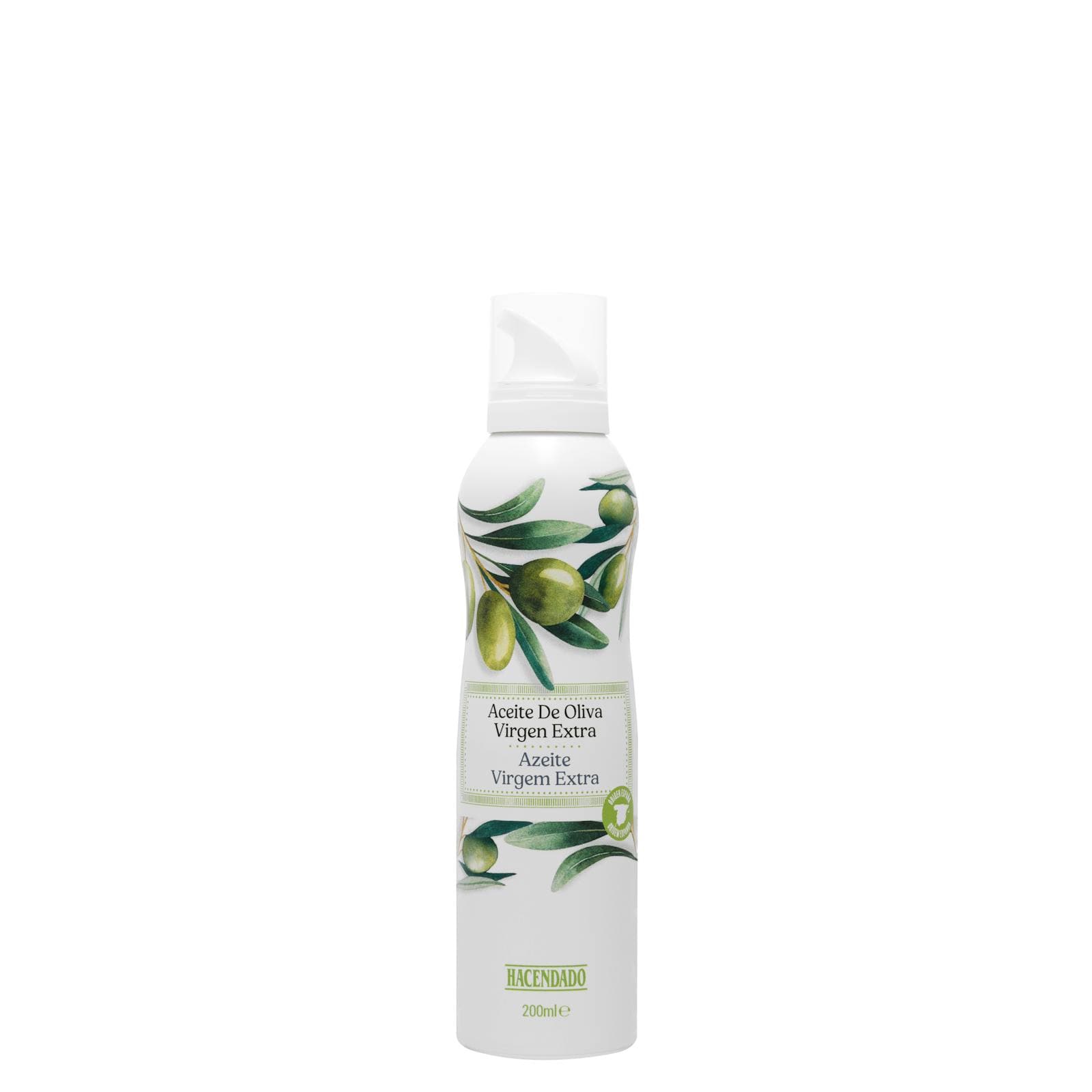 €2.70
€2.70Extra Virgin Olive Oil
Hacendado · 0.2 L · Mercadona
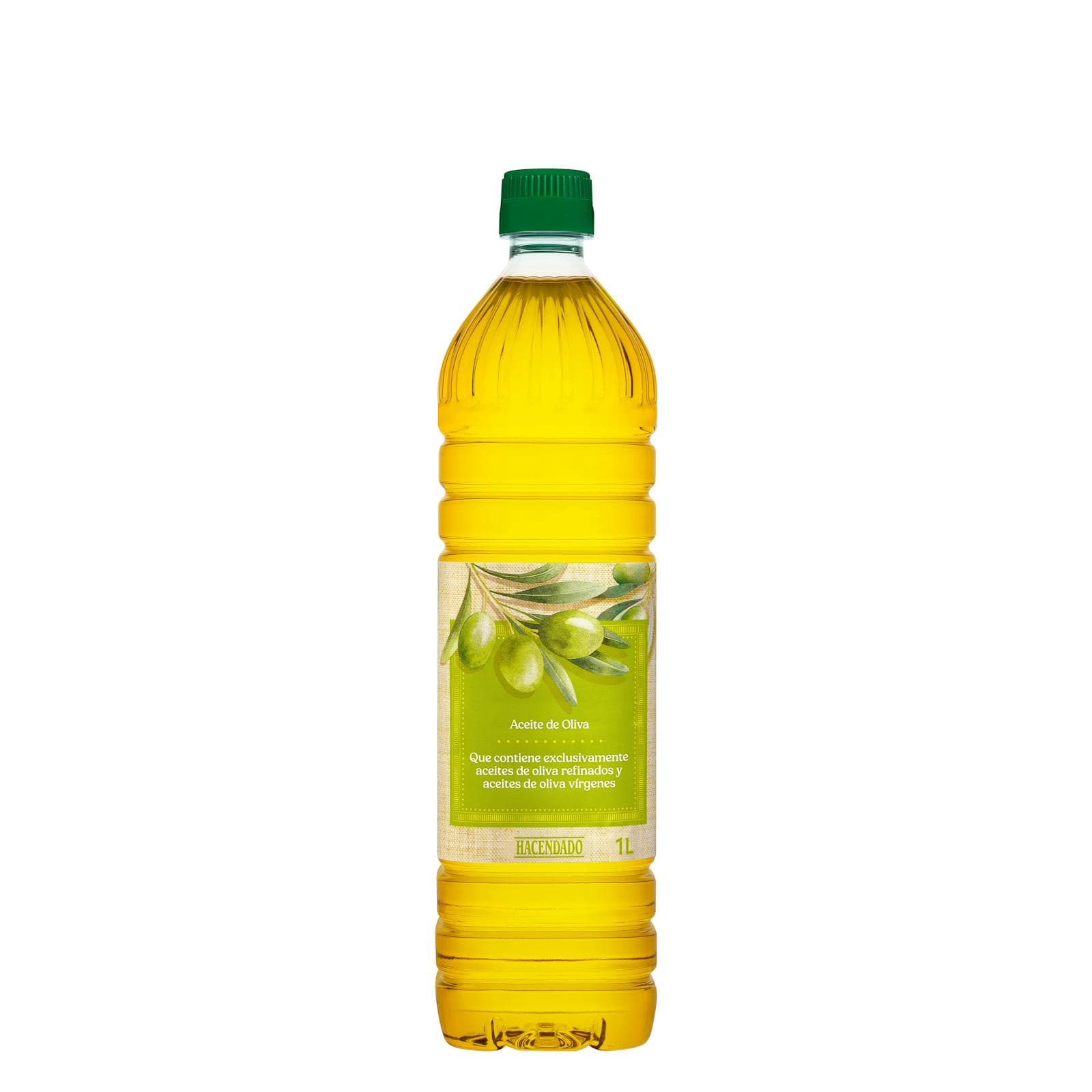 €4.35
€4.35Olive Oil
Hacendado · 1 L · Mercadona
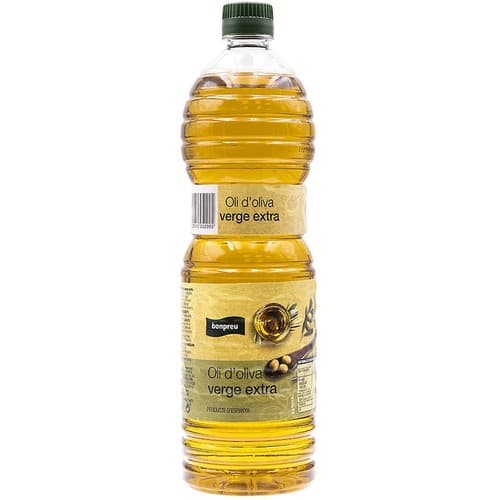 €4.95
€4.95Extra Virgin Olive Oil
BONPREU · l · Bonpreu
 €4.95
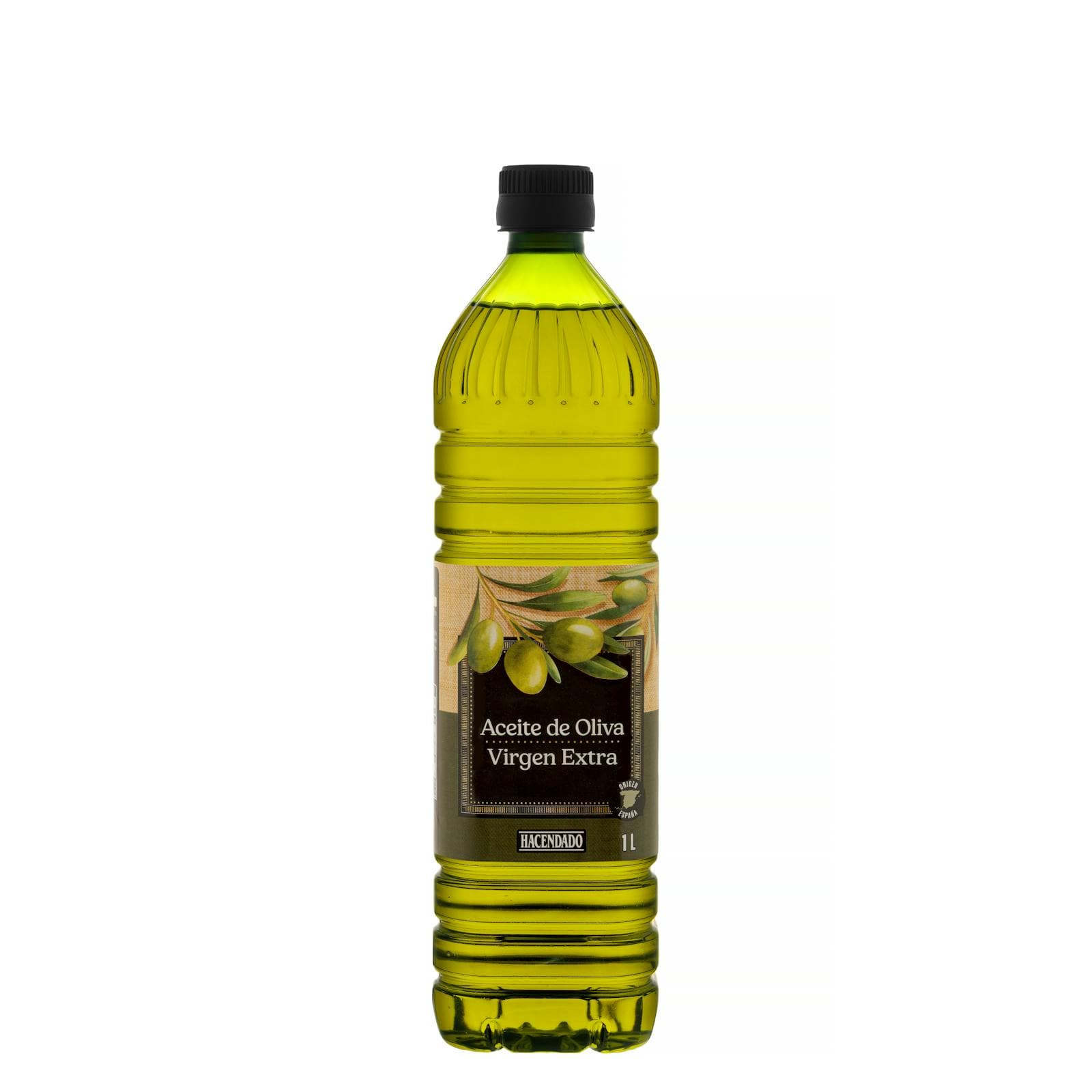
€4.95Extra Virgin Olive Oil
Hacendado · 1 L · Mercadona
 €7.45
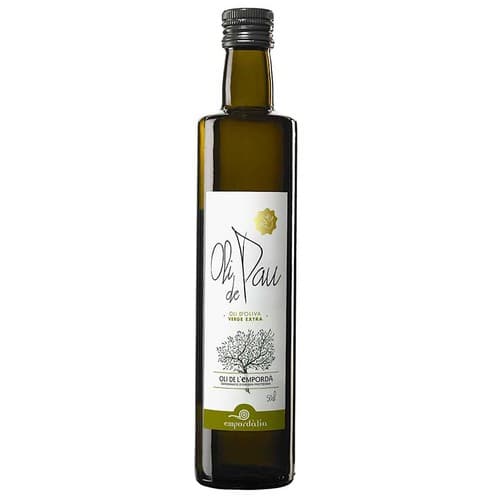
€7.45Extra Virgin Olive Oil
OLI DE PAU · l · Bonpreu
 €8.25
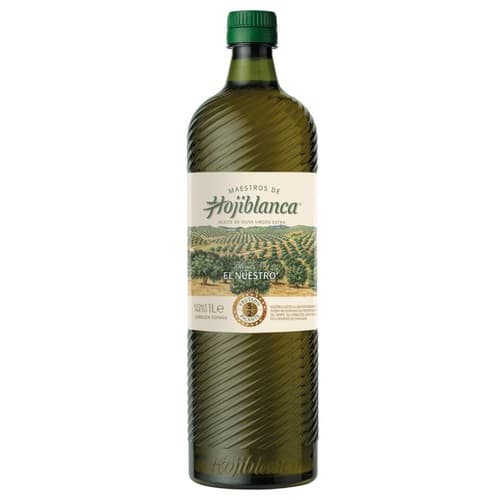
€8.25Extra Virgin Olive Oil
HOJIBLANCA · l · Bonpreu
Good to know
- Grade (IOC/USDA)
- "Olive oil" — a blend of refined olive oil with a small percentage of virgin; not a separate IOC grade.
- What "light" means
- Refers to flavor, not calories or fat content — refining strips polyphenols and aroma compounds.
- Smoke point
- Approximately 460–470°F (235–243°C), well above extra-virgin (375–405°F).
- Free fatty acidity
- ≤0.3% in the refined component; ≤0.8% in the finished blended oil.
- Calories & fat
- Identical to extra-virgin — about 120 kcal and 14 g of fat per tablespoon.
- Polyphenol content
- Very low — most antioxidants are stripped during deodorization and filtration.
- Shelf life
- About 18–24 months unopened; 6–12 months once opened.
- Storage
- Cool, dark pantry; refrigeration can cloud it but does not harm it.
Substitutes
- Canola oil — Neutral and similarly heat-tolerant; slightly lighter mouthfeel, often cheaper.
- Refined sunflower or safflower oil — Very neutral with a high smoke point; the classic substitute in baking.
- Grapeseed oil — Clean flavor and high smoke point; a common 1:1 swap in dressings and sautés.
- Refined avocado oil — Highest smoke point of the neutral oils and a premium substitute, though pricier.
- Peanut oil — Higher smoke point with a mild nutty note — best for Asian-style frying.
- Pomace olive oil — Also refined and olive-based, but solvent-extracted from pits and skins; cheaper, with a distinct flavor.
- Vegetable oil blend — Generic neutral oil; fine in baked goods and dredges where flavor doesn't matter.
Pairs with
Also called
refined olive oil · pure olive oil · mild olive oil