Grains & Rice
Bulgur
Parboiled cracked wheat that cooks fast, the base of tabbouleh, kibbeh, and pilafs.
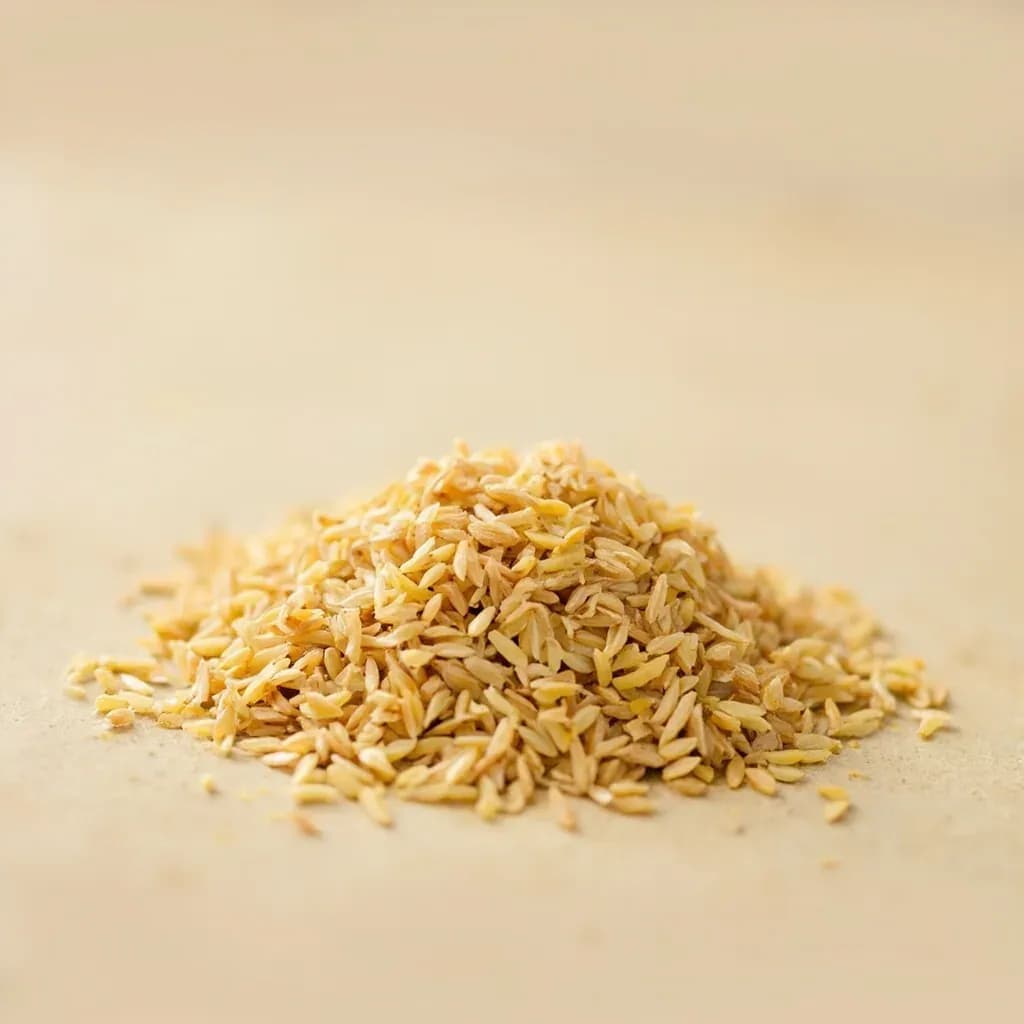
Bulgur is wheat that has been parboiled, dried, and cracked, so it needs only soaking or brief cooking. A staple of Middle Eastern and Eastern Mediterranean cooking, it forms the base of tabbouleh, kibbeh, and pilafs. It comes in grades from fine (for salads and kibbeh) to coarse (for pilaf), with a nutty, wholesome flavor.
Bulgur is whole wheat kernels that have been steamed, dried, and cracked — a process that pre-gelatinizes the starch and cuts active cooking time to a fraction of what whole wheat berries require. Originating in the Middle East (Lebanon, Syria, Palestine, and Turkey) and documented since at least the 13th century BCE, bulgur has been a pantry staple of Levantine cuisine for millennia. Its popularity stems from that rare combination: the nutritional density of a whole grain with the convenience of a quick-cooking ingredient. The flavor is nutty and faintly sweet, cleaner and less bitter than whole-wheat berries, which makes it versatile across both savory and slightly sweet preparations.
Unlike cracked wheat, which must be simmered for 45–60 minutes, bulgur's parboiling step means fine grades need only soaking in hot water. This is not a shortcut that sacrifices quality — it preserves a fresher, more delicate wheat flavor that stands up to bold dressings and aromatics. The grain ranges from sand-fine (used in tabbouleh) to chunky pieces that hold their shape in soups and stuffings. Because the starch is already partially cooked, bulgur absorbs liquid quickly and continues swelling even off the heat, which means timing matters more than with rice.
Bulgur's versatility rewards exploration beyond its most famous role in tabbouleh. It functions as a salad base, pilaf, soup thickener, burger binder, and even a breakfast porridge in some Middle Eastern traditions. Its compatibility with Middle Eastern spices, bright acids, and fresh herbs is deep, but it also pairs well with ingredients far outside that tradition — the neutral, nutty base accommodates nearly any flavor profile you build on top of it.
- Measured in
- g
- Storage
- Pantry
Allergens
Types & varieties
Sand-like texture; used for tabbouleh; requires only soaking in hot water, no cooking
Small irregular pieces; versatile for salads, stuffings, and quick side dishes; cooks in 10–12 minutes
Larger pieces with noticeable chew; used for pilafs, soups, and as a rice substitute; cooks in 20–25 minutes
Large chunks; used for kibbeh shells and hearty stuffings; longest cooking time, 20–25 minutes
Choosing a Grade
The grade you need depends entirely on the dish. Fine bulgur (No. 1) feels like damp sand when properly prepared — if it clumps or turns gummy, it has absorbed too much liquid. Use it only where it will be dressed and eaten immediately, because it falls apart if held too long. Medium and coarse bulgur are more forgiving and work across a wider range of preparations. If your recipe does not specify a grade and you only keep one type on hand, medium bulgur is the most versatile choice — it can stand in for fine in a pinch (with slightly longer soaking) and can be cooked like coarse for pilafs and soups.
- Keep fine bulgur for tabbouleh and uncooked applications
- Use medium bulgur as your all-purpose stock
- Reserve coarse and extra-coarse for dishes where you want the grain to hold distinct, chewy pieces
The Kibbeh Connection
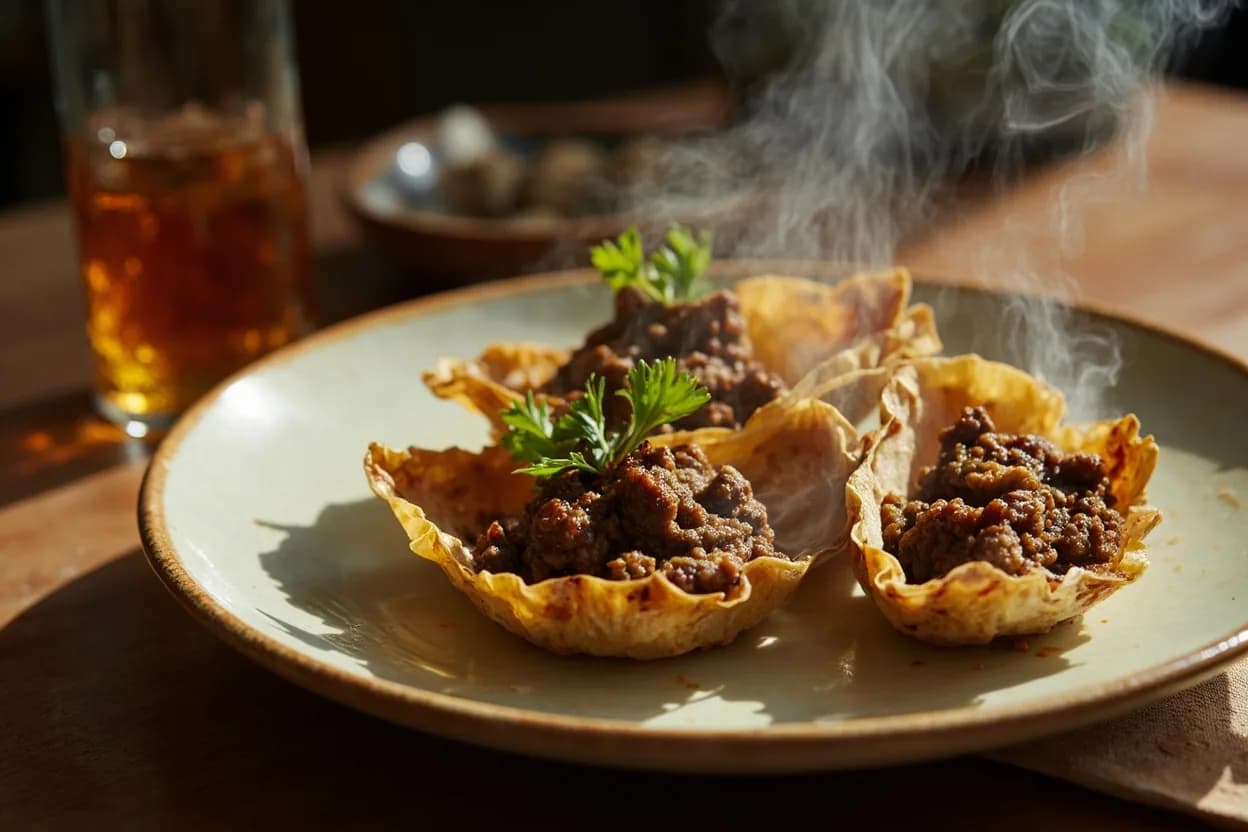
Kibbeh represents bulgur at its most demanding and most spectacular. The extra-coarse or coarse grade is mixed with fine bulgur and raw onion, then processed into a pliable dough-like shell that holds its shape during filling and frying or baking. The classic filling combines ground lamb or beef with toasted pine nuts, allspice, and cinnamon. Getting the shell to the right consistency — cohesive but not tough — requires working the mixture just until it comes together. The mixture should feel smooth and slightly tacky, like wet clay. If it cracks when you try to shape it, work in a tablespoon of cold water; if it's too sticky to handle, add a tablespoon of fine bulgur.
- Mix coarse and fine bulgur 50/50 for traditional kibbeh shells
- The shell dough is ready when it pulls away cleanly from the bowl
- Work quickly once the shell is filled — exposed filling will make the shell soggy
Common uses
Tips & pitfalls
- Fine bulgur needs no cooking at all — pour boiling water over it (roughly 1.5:1 water to bulgur), cover, and let sit 15–20 minutes until tender; cooking fine bulgur makes it mushy
- Coarser grades benefit from toasting in a dry pan over medium heat for 2–3 minutes to enhance the nutty flavor before adding liquid
- The liquid ratio for cooking medium or coarse bulgur is approximately 2:1 (water to bulgur); bring to a boil, reduce to a simmer, cover, and cook until water is absorbed and grain is tender
- Unlike rice, bulgur continues to absorb liquid as it sits — if the meal is not immediate, err on the slightly firm side
- Bulgur is pre-steamed, so it is already sanitized — rinsing is optional and done mainly to remove dust or to cool it quickly for cold applications
- Fine bulgur is not edible uncooked; it must be soaked in hot liquid first even for raw applications
- Freeze cooked bulgur in portioned bags for fast weeknight side dishes or salad bases; it thaws quickly and holds its texture well
- A common mistake is using fine bulgur when a recipe calls for medium or coarse — the result will be mushy rather than chewy
Nutrition
Energy
1431 kJ · per 100 g
Where the calories come from
Protein
12.3g
25% DV
Carbs
75.9g
28% DV
Fat
1.3g
2% DV
Fiber
12.5g
45% DV
Sugars
0.4g
of which
Sodium
17mg
1% DV
Source · USDA FoodData Central · Bulgur, dry
View on FDC →In the shops
Matched grocery products
No matched grocery products for Bulgur yet.
Good to know
- Origin
- Middle East (Lebanon, Syria, Palestine, Turkey) — documented since at least 13th century BCE
- What it is
- Whole wheat kernels steamed, dried, then cracked; parboiling pre-gelatinizes the starch for faster cooking
- Cooking time
- 15–20 minutes (fine grade, soaking only); 10–15 minutes (medium); 20–25 minutes (coarse)
- Yield
- Approximately doubles in volume; 1 cup dry yields 2–2½ cups cooked
- Flavor
- Nutty, slightly sweet, mild wheat; cleaner and less bitter than whole-wheat berries
- Nutrition
- High in fiber, B vitamins, and minerals; whole grain with bran and germ retained
- Shelf life (uncooked)
- 6–12 months in a cool, dry pantry; up to 2 years in the freezer
- Shelf life (cooked)
- 3–5 days refrigerated
Substitutes
- Couscous (preferably whole-wheat) — Similar texture and cooking speed for salads and side dishes, though slightly more neutral in flavor
- Quinoa (rinsed) — Comparable cooking time, nutty flavor, and nutrition profile; slightly fluffier texture
- Farro (emmer) — Longer cooking time required (25–40 min); more chewy; best for soups and heartier preparations
- Cracked wheat (raw) — The closest flavor and texture match but requires 45–60 minutes of cooking since it is not parboiled
- Short-grain rice or brown rice — Different cooking method and longer time; acceptable in pilafs and stuffings
Pairs with
Also called
Dalda · Bulgur Wheat · Pourgouri · Fine Bulgur · Cracked Wheat
Appears in these dishes
Related

White Rice
Fluffy long-grain rice — the neutral base for almost any meal

White Bread
Soft sandwich loaf for toast, sandwiches, and crumbs
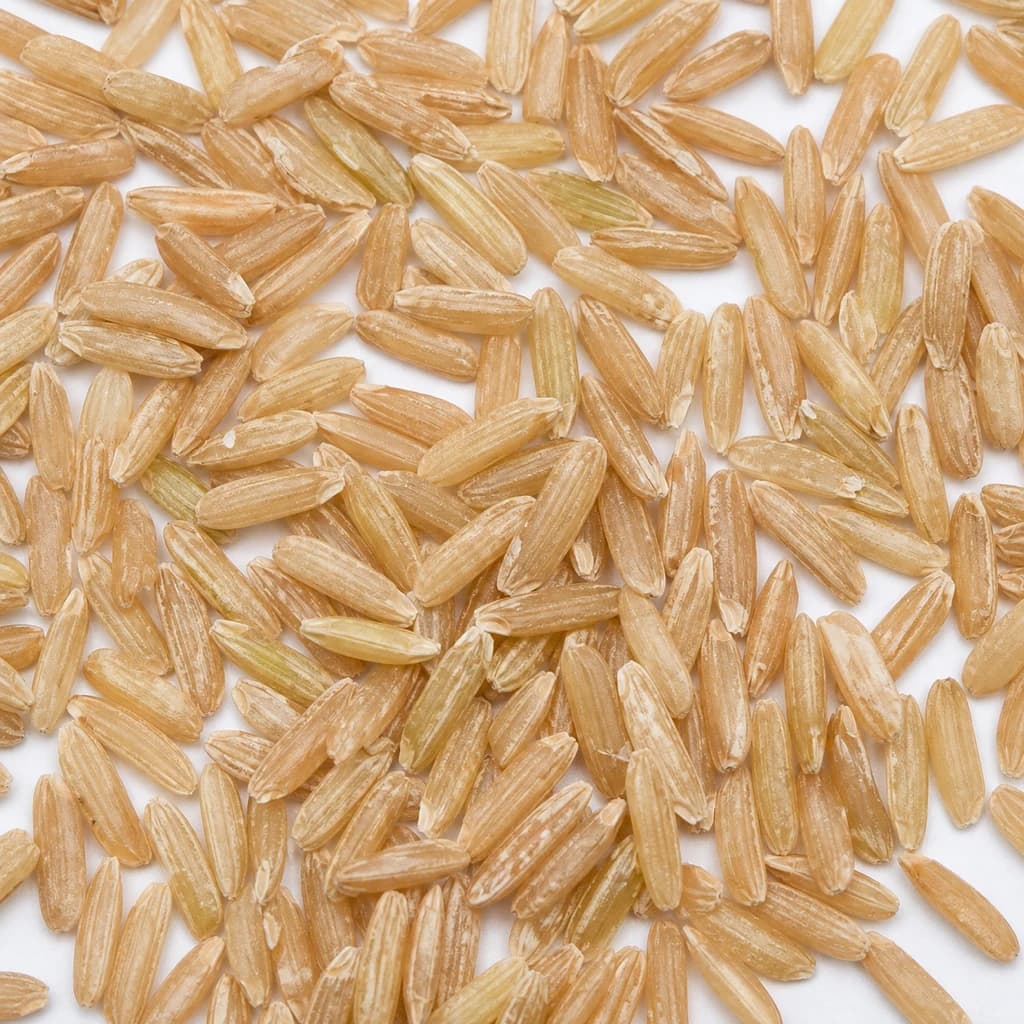
Brown Rice
Nutty, whole-grain rice with chew and extra fiber

Basmati Rice
Fragrant, long-grain rice that cooks up light and separate
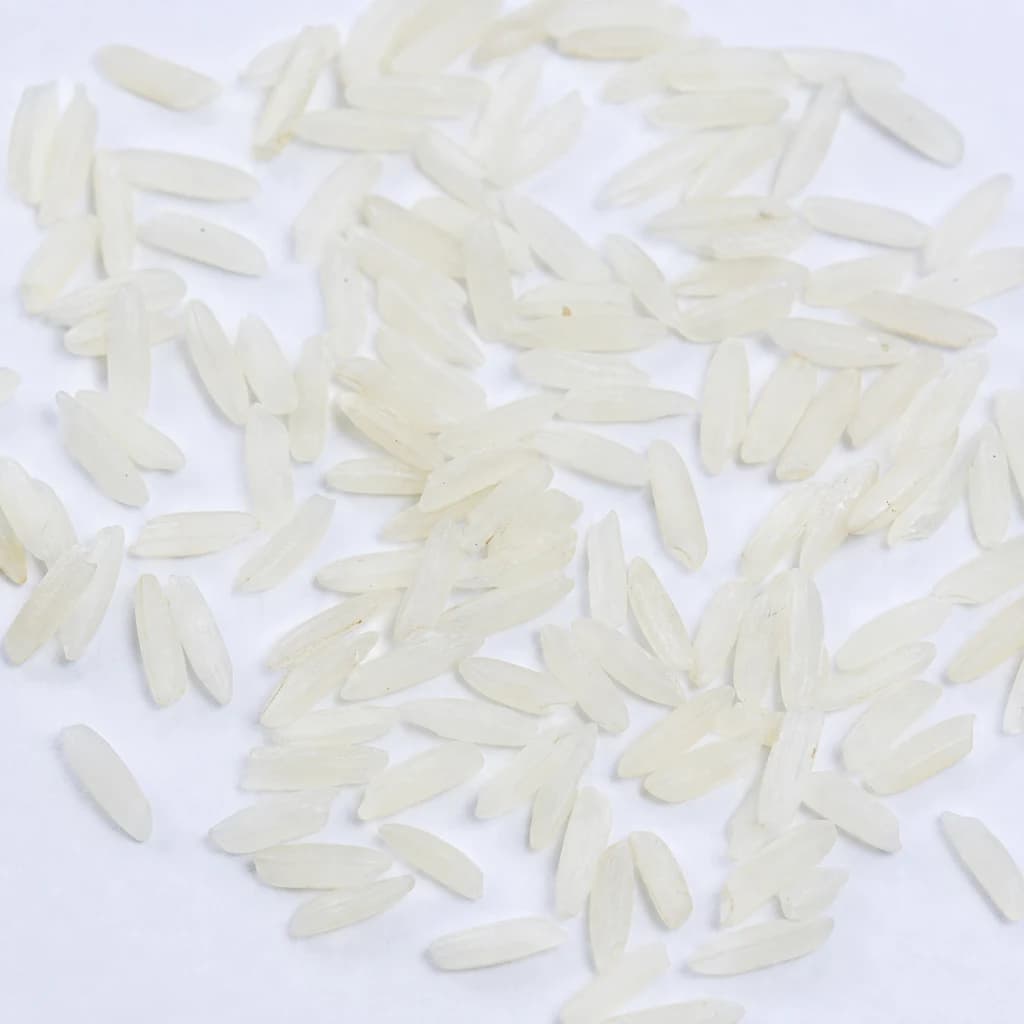
Jasmine Rice
Soft, floral-scented rice that's the pillar of Thai meals
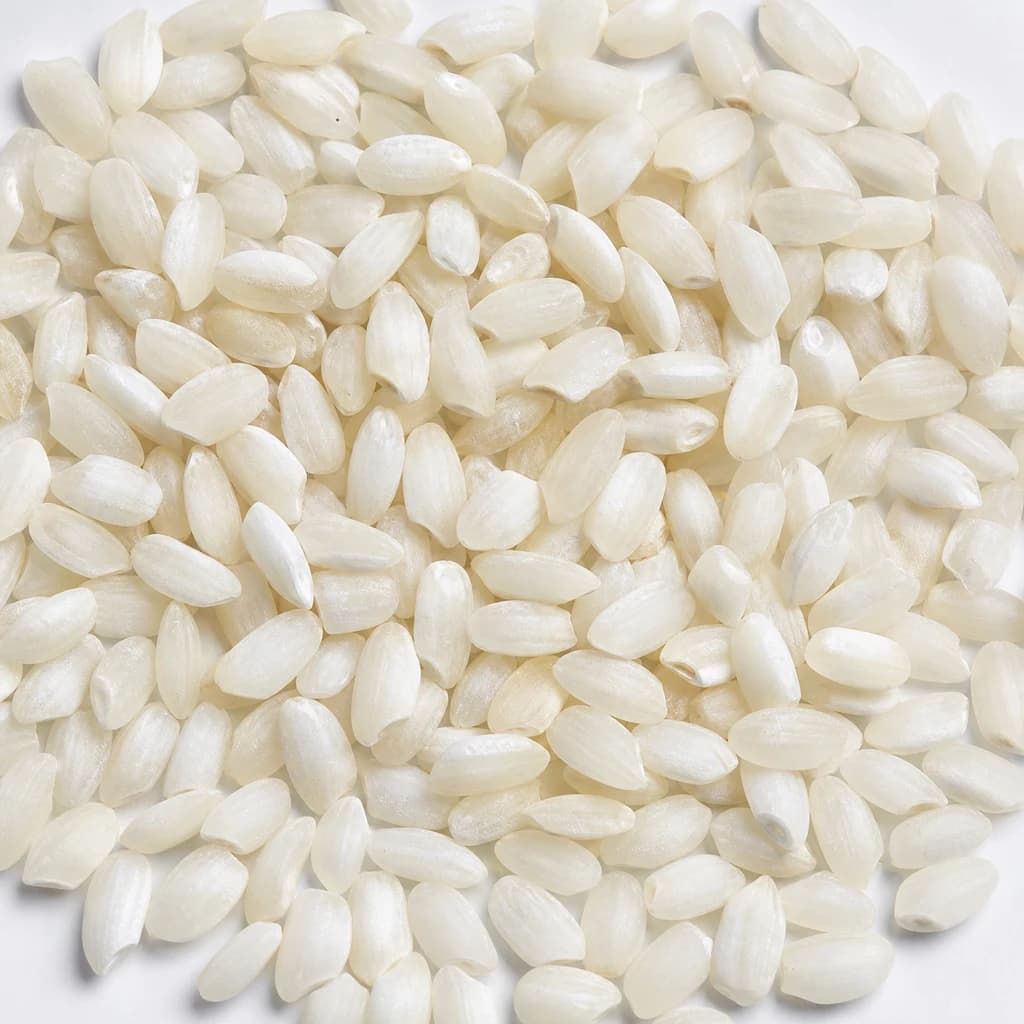
Arborio Rice
Plump, starchy rice that makes risotto creamy
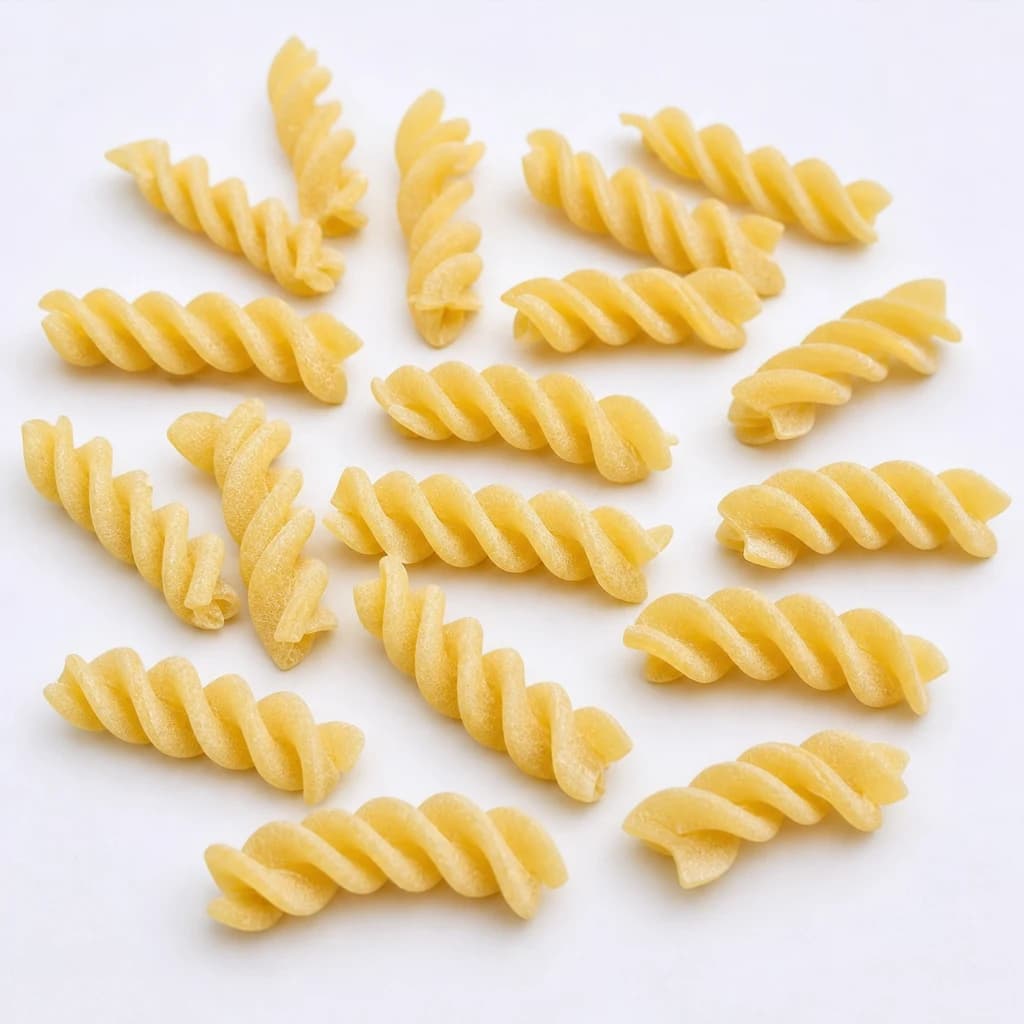
Fusilli
Spiraled pasta that twirls up sauce and dresses cold salads
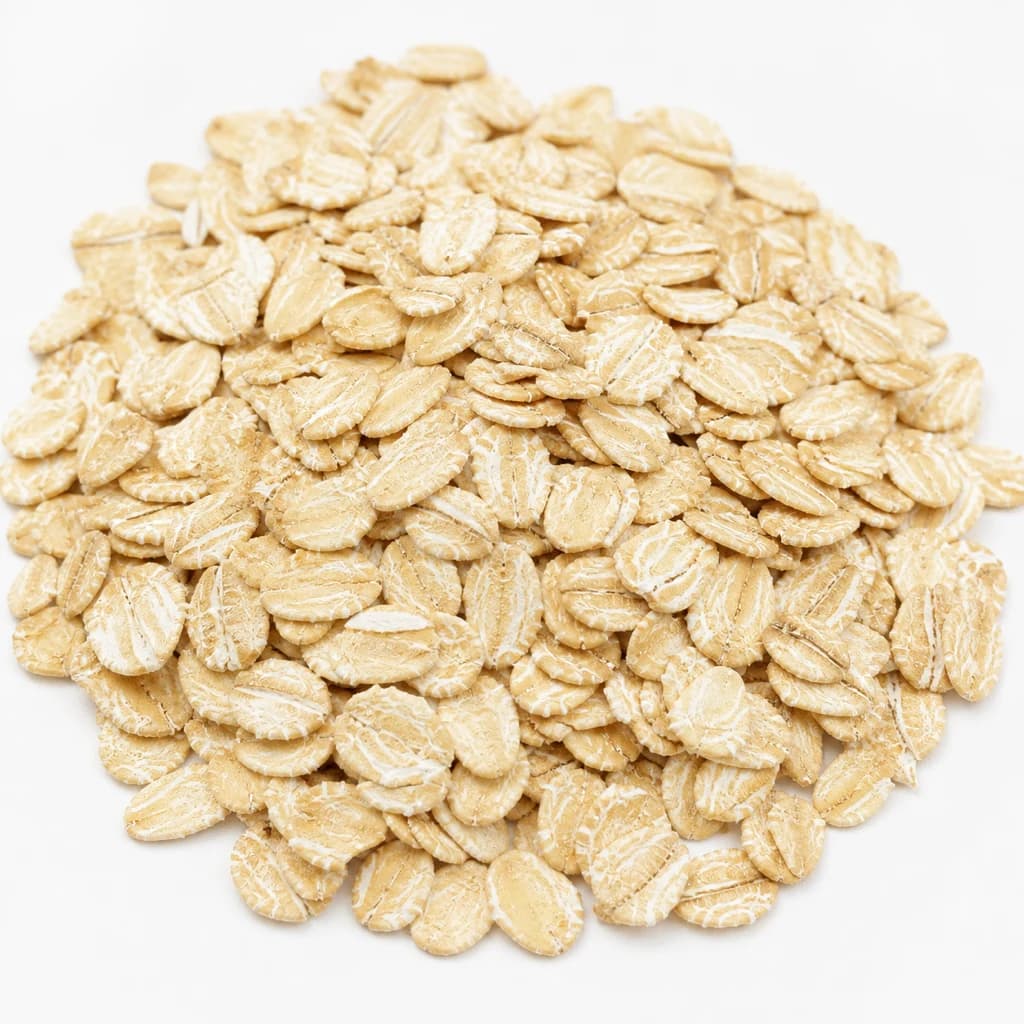
Rolled Oats
Hearty flakes for porridge, granola, and chewy cookies