Grains & Rice
Cracked Wheat
Raw wheat berries crushed into coarse bits, cooked into pilafs and porridges.
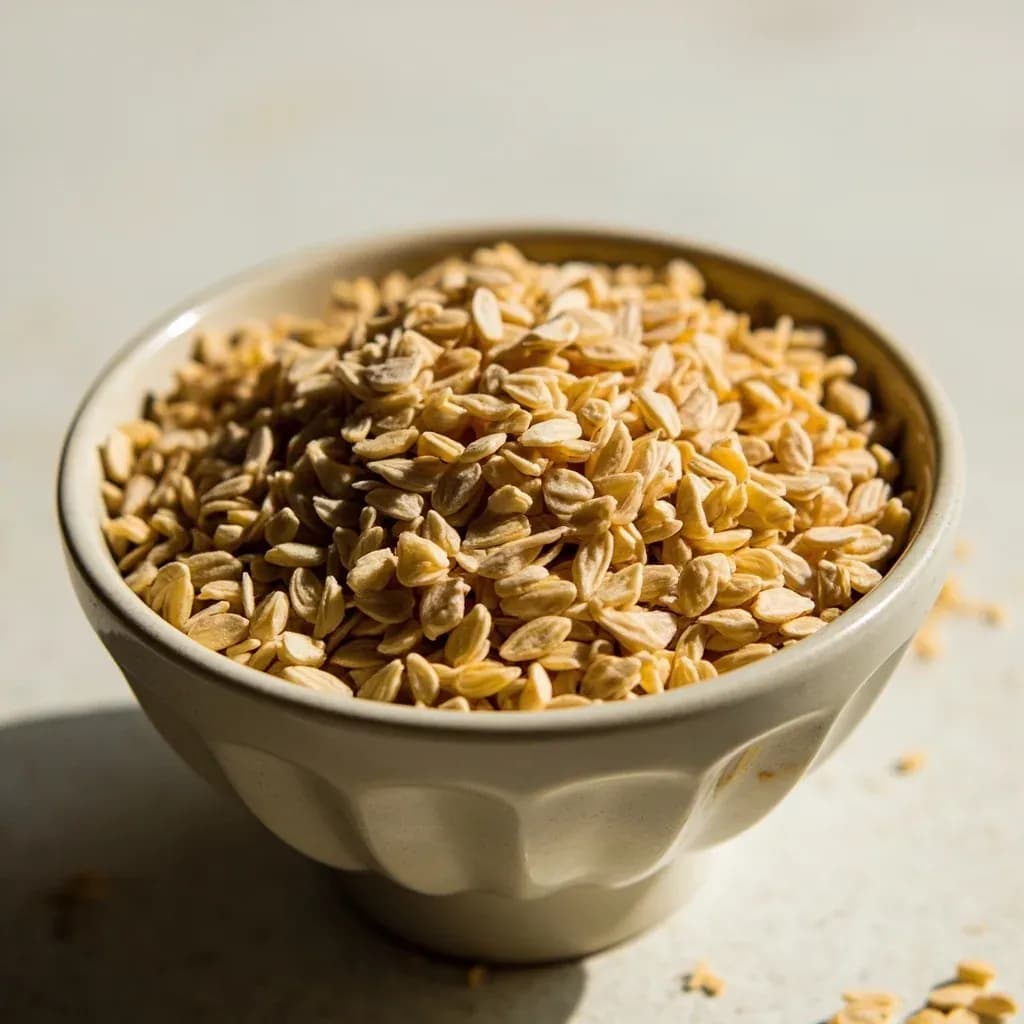
Cracked wheat is whole raw wheat berries broken into coarse fragments. Unlike bulgur, it is not pre-cooked, so it needs simmering before eating. It is used in pilafs, porridges, salads, and breads, adding a nutty flavor and hearty, chewy texture.
Cracked wheat is made by running raw wheat berries—usually durum—through steel rollers that fracture them into coarse pieces of varying sizes. Unlike bulgur, which is parboiled before cracking, cracked wheat remains completely raw and must be cooked before eating. This distinction matters: the parboiling step gives bulgur a lighter color and significantly shorter cooking time, while true cracked wheat retains a deeper tan-to-ruddish hue and requires 20 to 45 minutes of direct heat. The result is a chewy, toothsome grain with a nutty, wholesome wheat flavor that holds its shape well when cooked properly.
Because cracked wheat is a whole grain—it retains the bran, germ, and endosperm—it offers substantial fiber, protein, and B vitamins without any added salt or fat. The texture is notably different from flour or rolled grains: when cooked, the pieces stay distinct and slightly crunchy at the exterior while becoming tender within, giving dishes a satisfying bite. Cracked wheat scales easily from a simple breakfast porridge to elaborate stuffed vegetables, and it performs equally well in hot dishes and cold salads. Its mild, adaptable flavor makes it a canvas for bold Middle Eastern spices, Mediterranean vegetables, or simple butter and herbs.
In the US market, cracked wheat and bulgur are frequently confused or mislabeled. Many products sold as "cracked wheat" at grocery stores are actually bulgur. Check the ingredient list or cooking instructions: if the package says the product is ready in under 10 minutes or has been steamed or parboiled, it is bulgur. True cracked wheat will require a longer cooking time and will cook like a grain, not rehydrate like a pre-processed product. Traditional cuisines of the Levant, Turkey, and the Eastern Mediterranean have relied on cracked wheat for centuries—particularly the coarse grade for kibbeh crust—making it a pantry staple worth keeping on hand.
- Measured in
- g
- Storage
- Pantry
Allergens
Types & varieties
Smallest pieces; cooks quickly to a porridge-like consistency; used for cereals, fine-grained stuffings, and some bread making
Versatile size; maintains some chew while cooking through evenly; standard choice for pilafs, side dishes, and soups; most commonly sold
Largest pieces; retains a firm, toothsome texture when cooked; used in heartier stuffings, salads, and traditional dishes like kibbeh crust
Cracked Wheat vs. Bulgur
This is the most common point of confusion. Both are cracked forms of wheat, but the processing differs critically. Bulgur is parboiled—steamed, dried, then cracked—which partially cooks the grain and gives it a lighter color and much shorter cooking time. Cracked wheat remains completely raw and must be cooked through. Because of this, cracked wheat has a longer shelf life than bulgur. In recipes, bulgur can be used as a substitute for cracked wheat in the opposite direction only with adjustments: use less liquid, reduce cooking time, and expect a softer texture. When a recipe calls for cracked wheat and you only have bulgur, you have a workable substitute, but not an identical result.
- Bulgur: parboiled, lighter color, cooks in 10–15 minutes, softer texture
- Cracked wheat: raw, tan to reddish-brown, cooks in 20–45 minutes, chewy texture
- Many US grocery products labeled 'cracked wheat' are actually bulgur—check the cooking time on the package
Choosing the Right Grade
Match the grade to your dish. Fine cracked wheat dissolves into a porridge-like consistency—ideal for breakfast cereals, thin soups, or adding to batter. Medium cracked wheat is the workhorse: it holds its shape in pilafs and salads while cooking through evenly, making it the most versatile choice for everyday cooking. Coarse cracked wheat is for dishes where you want a substantial bite and distinct texture, like kibbeh crust, hearty stuffings, or grain salads where the wheat is the star. Using coarse cracked wheat in a pilaf will give you uneven cooking; using fine cracked wheat in a stuffing will give you mush.
- Fine: porridges, cereals, batter additions
- Medium: pilafs, soups, salads, side dishes
- Coarse: kibbeh, hearty stuffings, textured grain salads
Common uses
Tips & pitfalls
- Rinse cracked wheat before cooking to remove any dust or bran fragments and improve the final texture.
- Toast in a dry skillet over medium heat for 2–3 minutes before adding liquid for a noticeably deeper, nuttier flavor—stir constantly to prevent burning.
- Soak coarse cracked wheat in cold water for 30–60 minutes before cooking to cut total cook time and ensure even doneness.
- Add a pinch of salt and a small amount of fat—butter, olive oil, or ghee—to the cooking liquid for better flavor and a more cohesive texture.
- Do not overcook: cracked wheat continues to absorb liquid off the heat. Start checking texture 5 minutes before the expected done time; the grain should retain a distinct chew.
- Store in airtight containers away from light and heat. Older cracked wheat develops a stale, flat flavor even if it appears fine.
- For tabbouleh-style salads, use fine or medium cracked wheat and undercook slightly—grains must hold their shape when tossed with dressing and herbs.
- When substituting bulgur for cracked wheat, reduce liquid by roughly one-third and expect a softer, less chewy result.
Nutrition
Energy
1088 kJ · per 100 g
Where the calories come from
Protein
8.7g
17% DV
Carbs
49.5g
18% DV
Fat
3.9g
5% DV
Fiber
5.5g
20% DV
Sodium
538mg
23% DV
Source · USDA FoodData Central · approx. Bread, cracked-wheat
View on FDC →In the shops
Matched grocery products
No matched grocery products for Cracked Wheat yet.
Good to know
- Made from
- Cleaned wheat berries (usually durum) cracked into coarse bits, not parboiled
- Processing
- Raw wheat cleaned, then milled through steel rollers; no cooking or steaming unlike bulgur
- Color
- Tan to reddish-brown, depending on wheat variety
- Texture
- Crunchy when dry; chewy and tender with a distinct bite when cooked
- Flavor
- Nutty, wheaty, mildly sweet with a wholesome grain character
- Shelf life
- 6–12 months in an airtight container in a cool, dry pantry; up to 2 years refrigerated or frozen
- Liquid ratio
- 2 to 2.5 parts liquid to 1 part cracked wheat by volume
- Yield
- Approximately doubles in volume when cooked
Substitutes
- Bulgur — The closest substitute; bulgur is cracked wheat that has been parboiled, so it cooks faster and has a softer texture. Use fine bulgur for salads, medium for pilafs. Reduce liquid and expect less chew.
- Steel-cut oats (coarse cut) — Similar cooking time and toothsome texture; toast before cooking for a nutty flavor. Works in savory dishes or hearty porridges, though the flavor profile differs from wheat.
- Wheat berries (whole) — Intact wheat berries take much longer to cook (45–60+ minutes) but yield a similar nutty flavor and chewy texture. Soak overnight to reduce cooking time substantially.
- Rolled wheat or cracked rye — Can substitute in porridges; rye has a stronger, more distinct flavor. Texture is similar in hot cereal applications but flavor is noticeably different.
Pairs with
Also called
Cracked Wheat Groats
Appears in these dishes
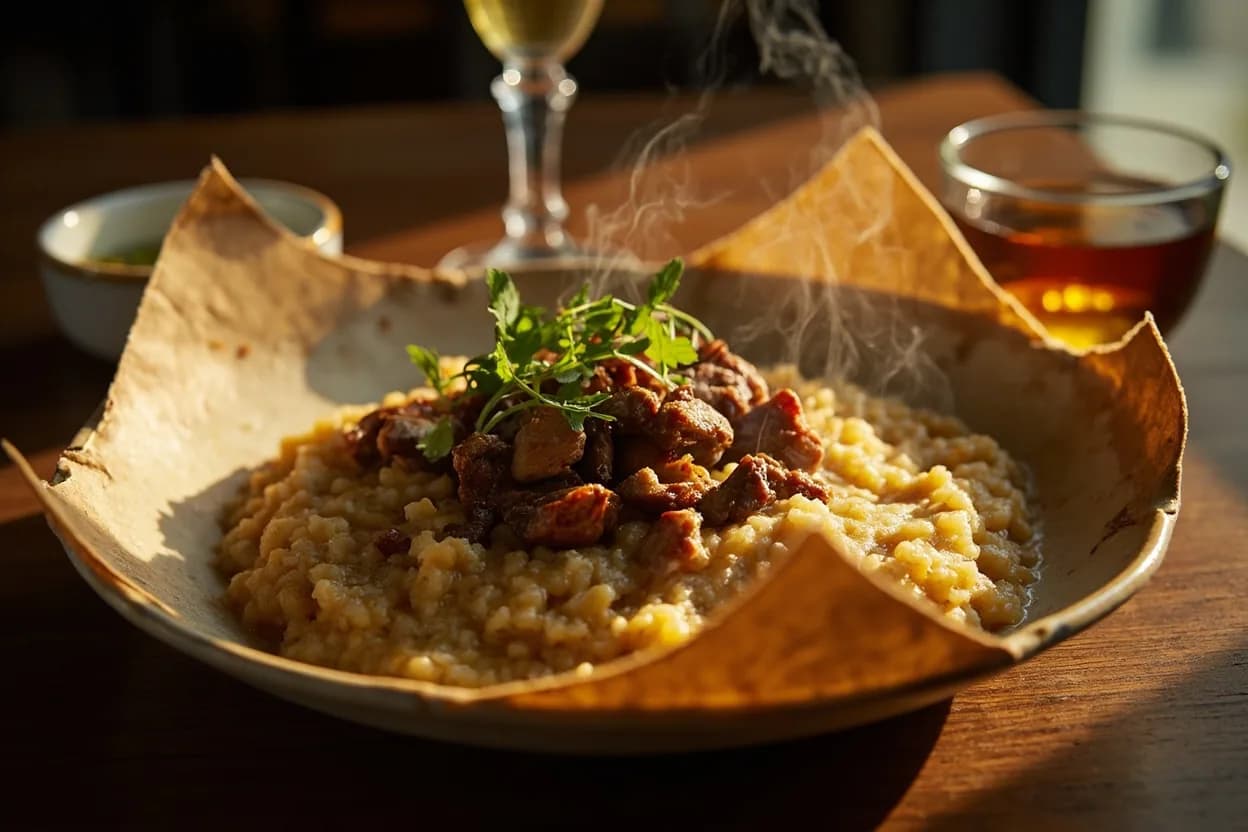

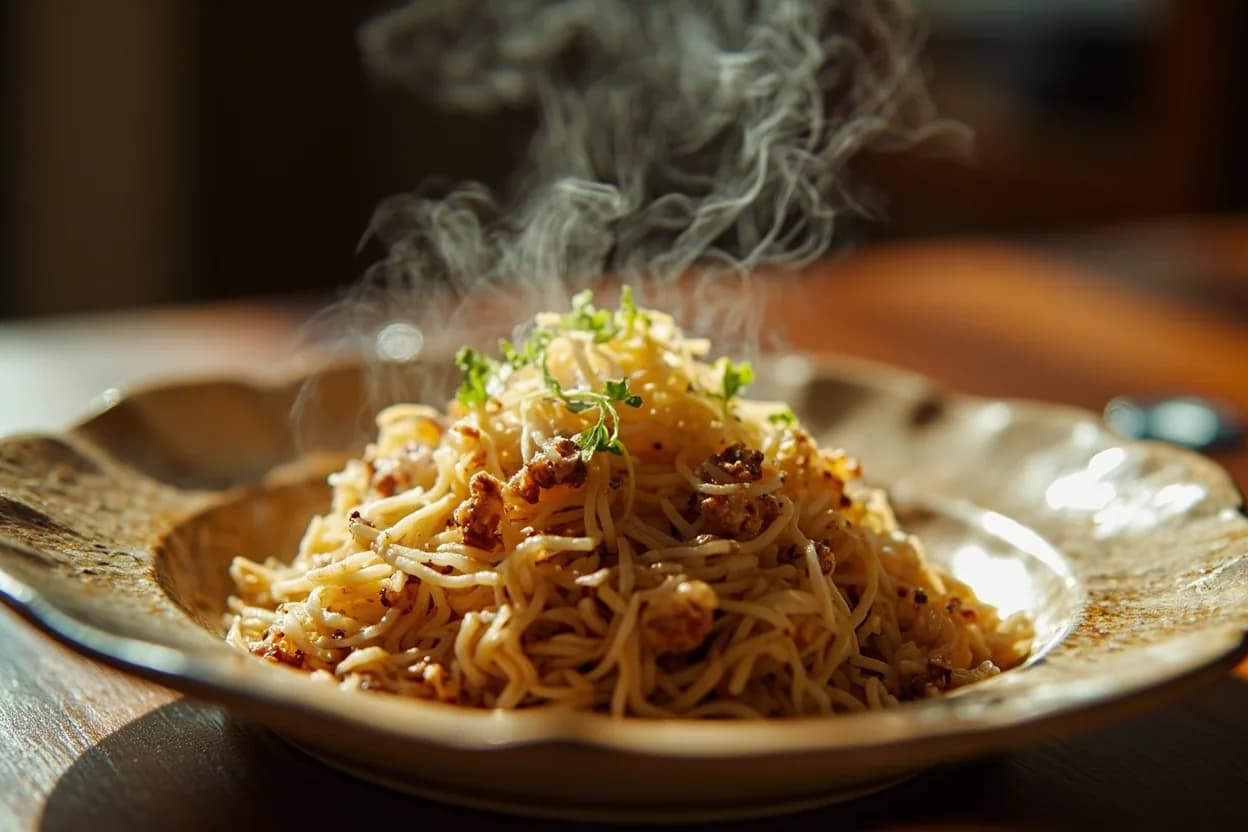
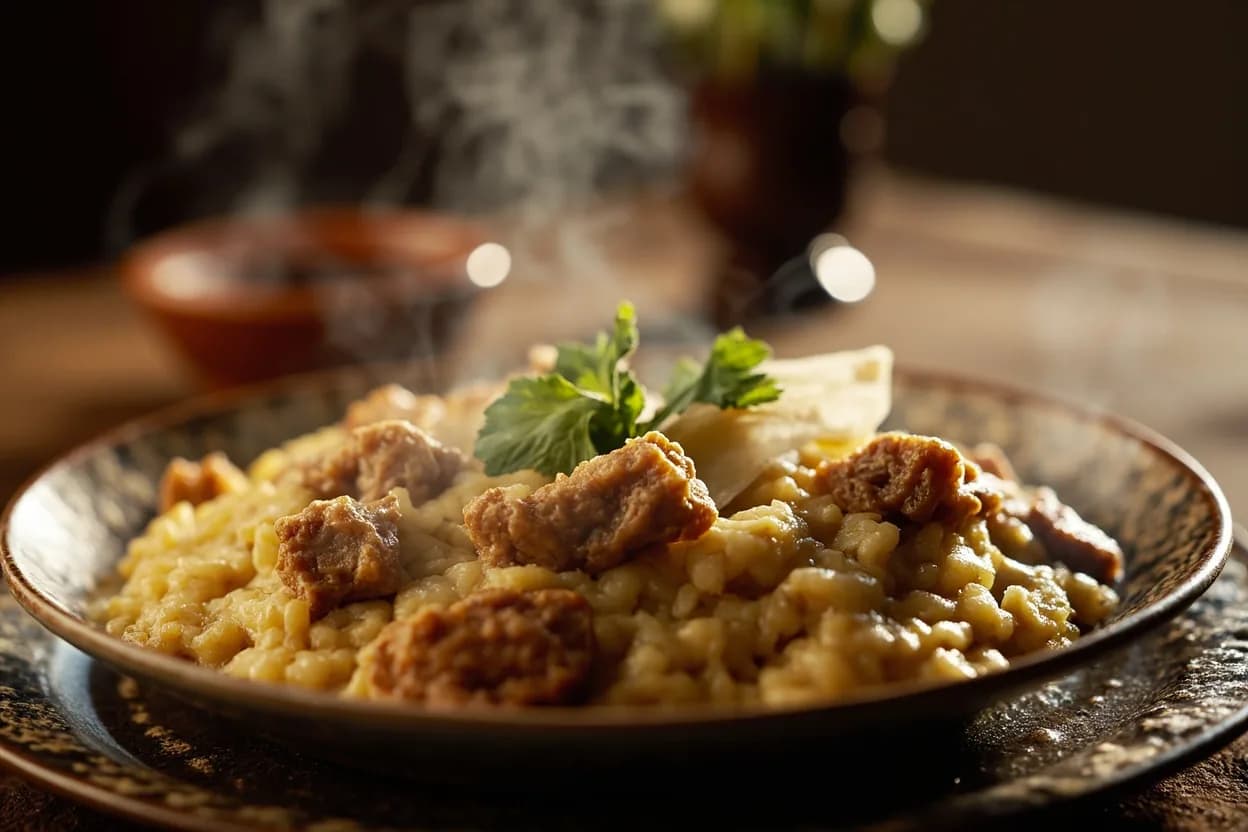
Related

White Rice
Fluffy long-grain rice — the neutral base for almost any meal

White Bread
Soft sandwich loaf for toast, sandwiches, and crumbs
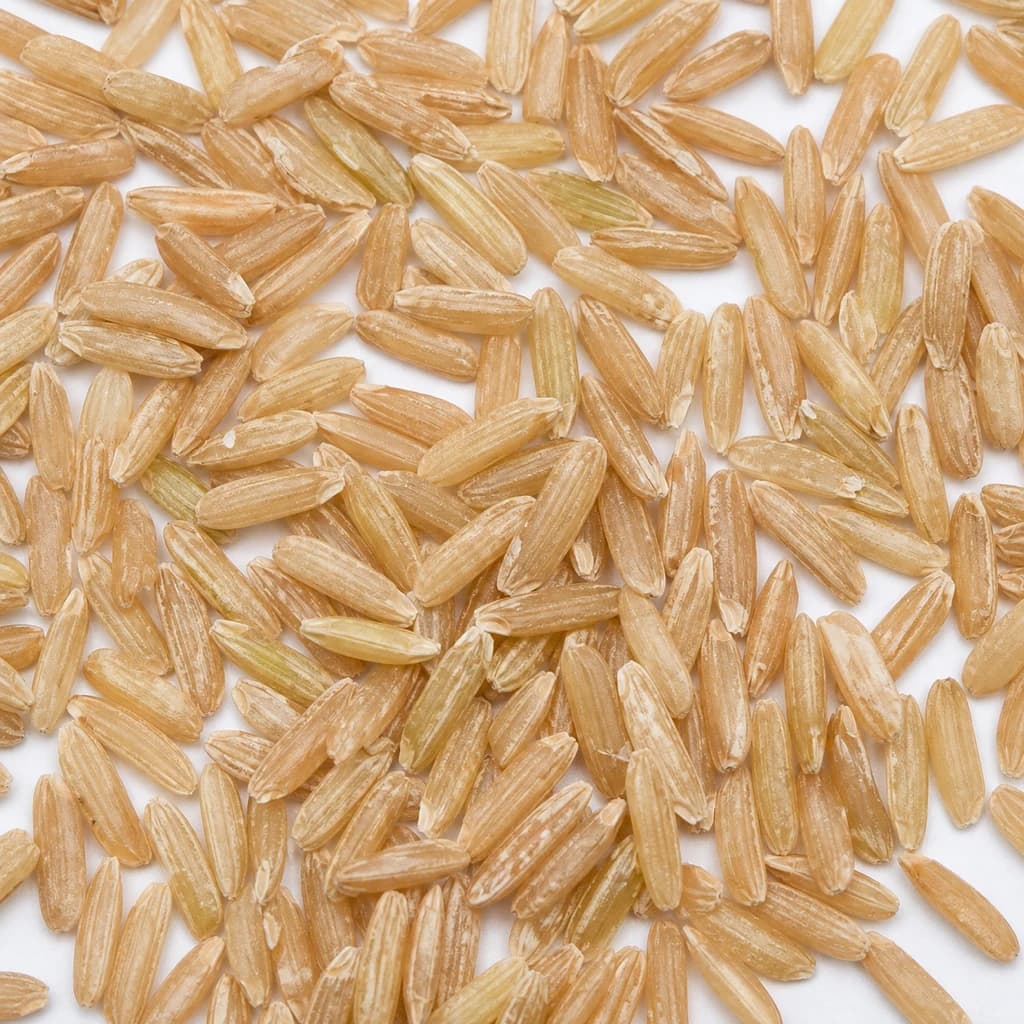
Brown Rice
Nutty, whole-grain rice with chew and extra fiber

Basmati Rice
Fragrant, long-grain rice that cooks up light and separate
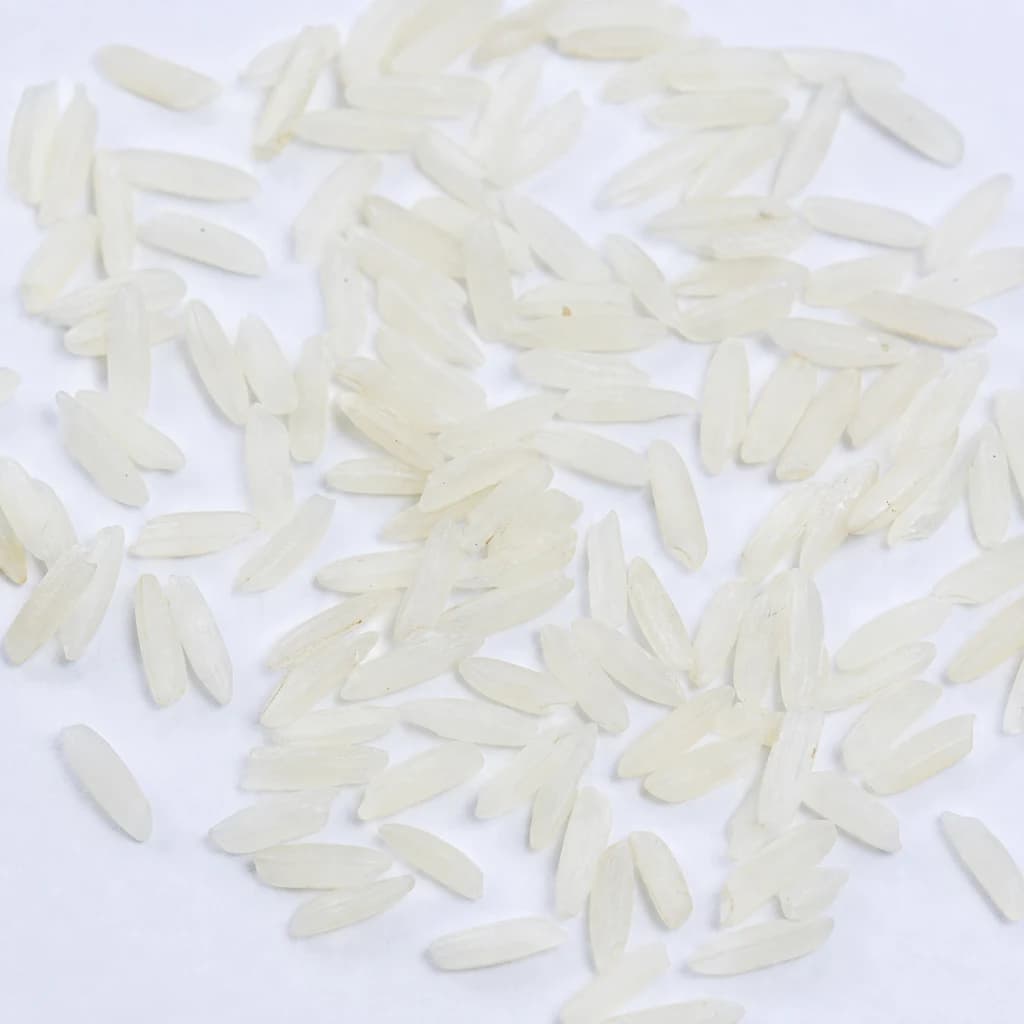
Jasmine Rice
Soft, floral-scented rice that's the pillar of Thai meals
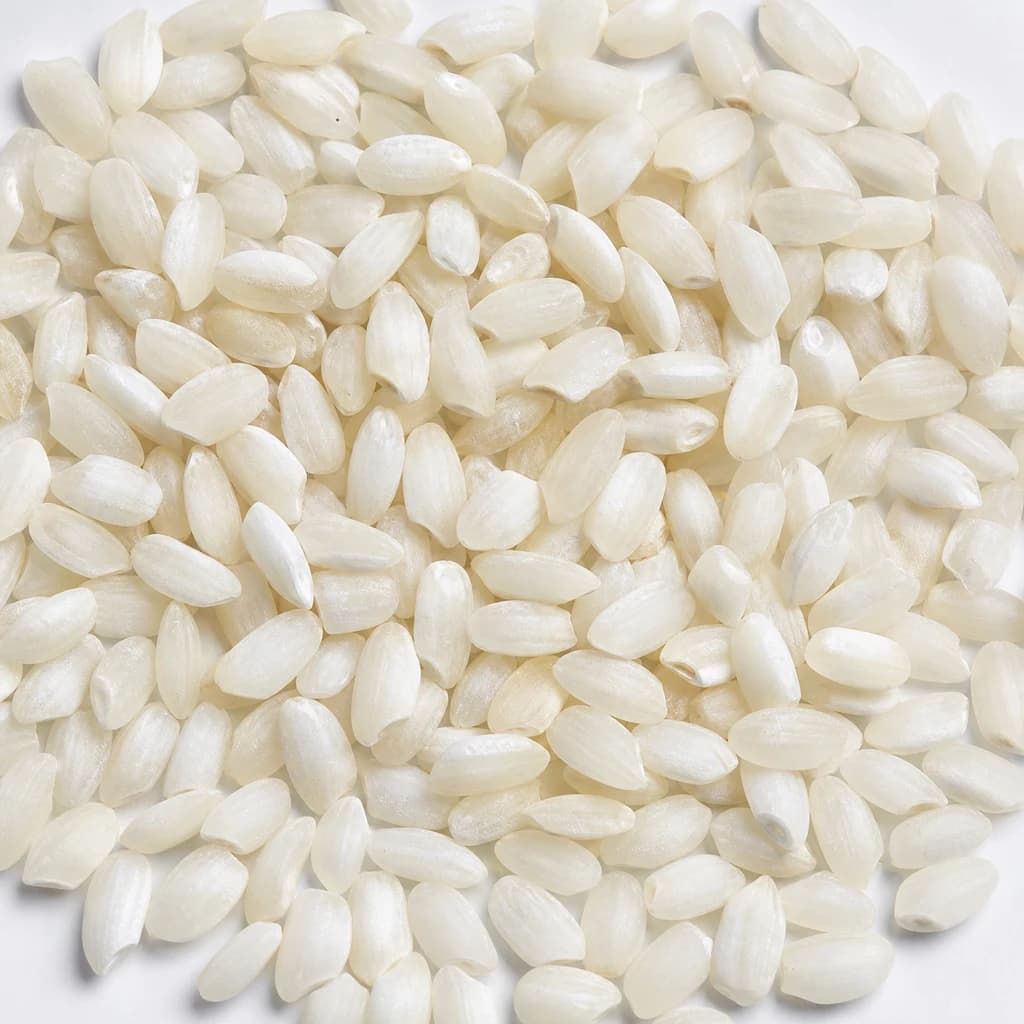
Arborio Rice
Plump, starchy rice that makes risotto creamy
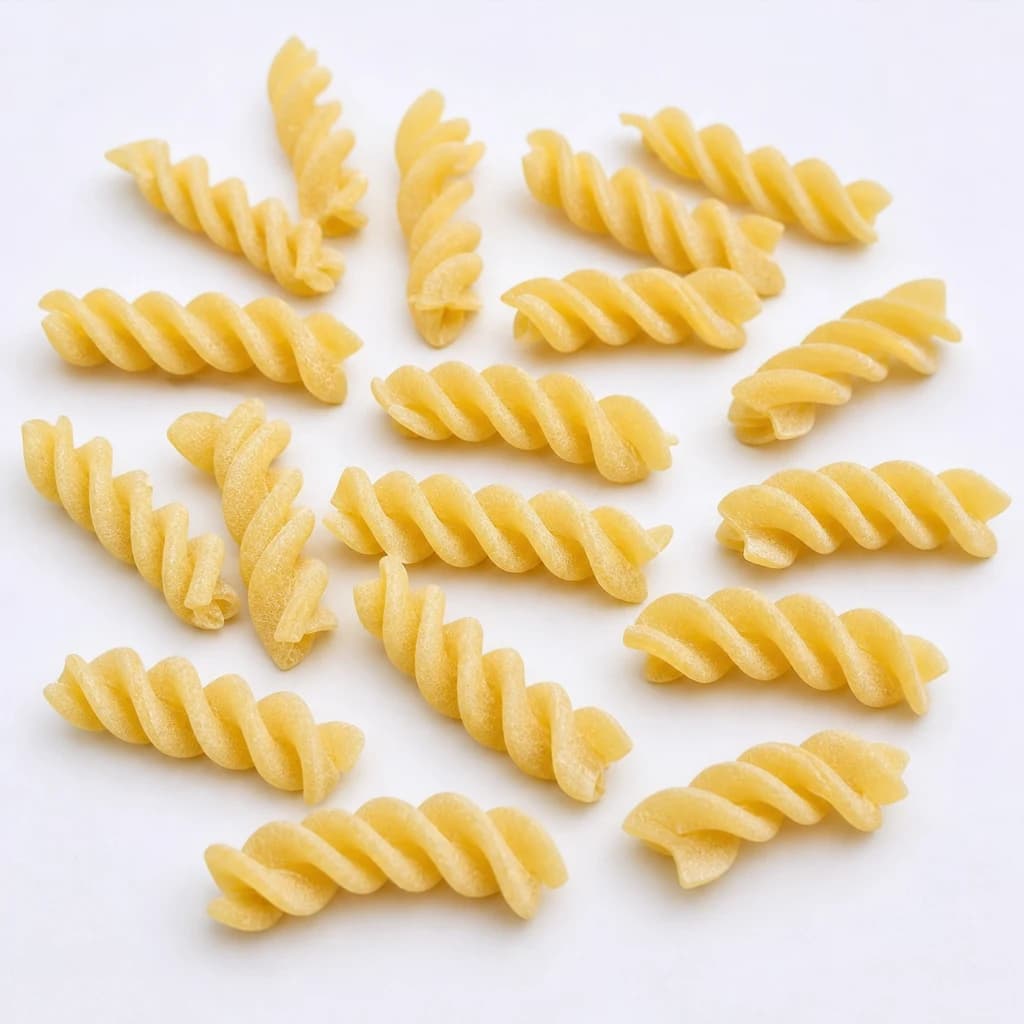
Fusilli
Spiraled pasta that twirls up sauce and dresses cold salads
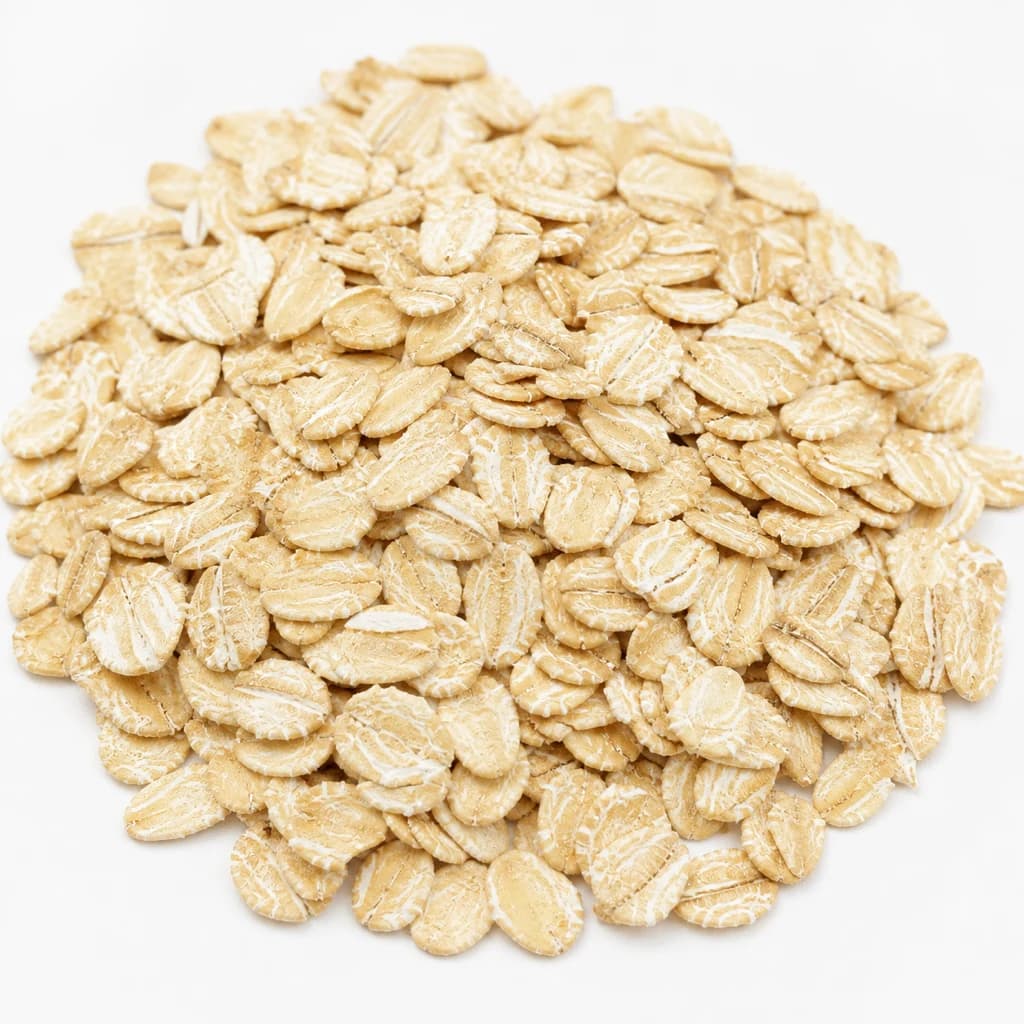
Rolled Oats
Hearty flakes for porridge, granola, and chewy cookies