Grains & Rice
Wheat Berries
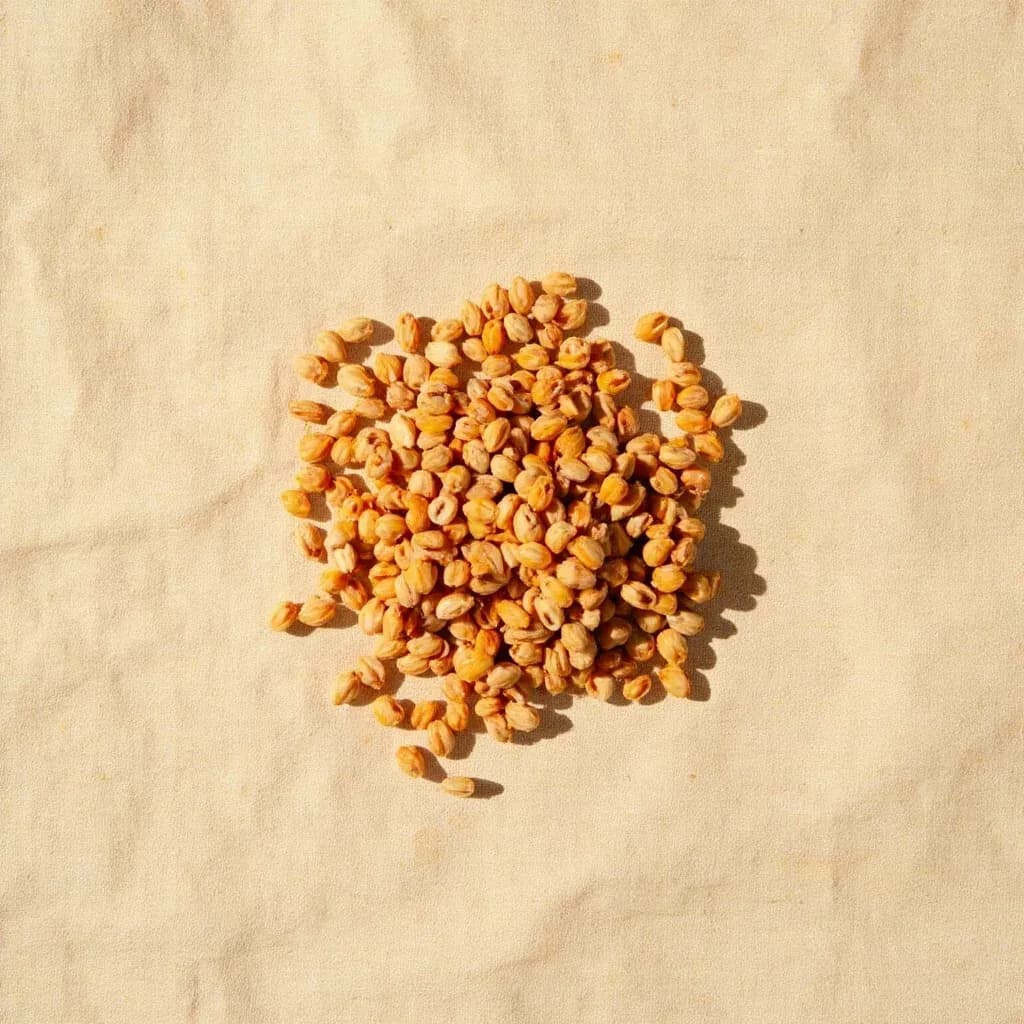
Whole unprocessed wheat kernels that stay distinctly chewy after a long simmer; used in hearty grain salads, pilafs, and porridge, and can be sprouted or milled.
Wheat berries are the whole, unprocessed kernel of the wheat plant — bran, germ, and starchy endosperm all intact, with only the inedible outer hull removed during threshing. They are the original whole grain from which every flour, bulgur, and cracked-wheat product on a grocery shelf is eventually derived, and they have been eaten in some form since wheat was first cultivated in the Fertile Crescent roughly ten thousand years ago. Because nothing has been stripped away, wheat berries carry the grain's full nutritional payload — fiber, B vitamins, vitamin E, manganese, and selenium — along with its germ oils, which is why they go rancid faster than polished rice or pearled barley and reward a cool, airtight storage spot.
In the pot, wheat berries behave more like a dried bean than a grain of rice. They need a long, gentle simmer in salted liquid (45–60 minutes from dry, or about half that after an overnight soak) to soften the bran layer and the dense endosperm beneath it. The payoff is a deeply chewy, pleasantly toothsome kernel with a nutty, slightly sweet flavor that intensifies when you toast the grains in fat before adding liquid. That chew is the defining quality of wheat berries and the reason cooks reach for them: it stands up to bold dressings, long braises, and repeated reheating better than almost any other whole grain.
The hard-versus-soft distinction governs almost everything about how a particular bag will perform. Hard wheats (most red varieties, durum, kamut) have a glassy, protein-dense endosperm and stay distinctly chewy even when fully cooked; soft wheats (soft red, soft white, einkorn) are starchier and more tender, finishing faster with a gentler bite. Red wheats bring more tannin and a robust, almost tea-like flavor; white wheats are milder and sweeter. The everyday default in American bulk bins is hard red winter, and it is a reliable workhorse for nearly any application you have in mind.
- Measured in
- g
- Storage
- Store Airtight In A Cool, Dry Place; Refrigerate Or Freeze For Long Keeping.
Find it in
Suits
Types & varieties
The everyday American default; robust, slightly tannic flavor and high protein (12–14%); the best all-purpose choice for grain salads, pilafs, and bread baking if you mill them.
Highest protein of the common varieties (13–15%); firm, very chewy texture; favored by millers for bread flour but excellent in any application that needs the maximum chew.
Lighter color and milder, sweeter flavor than hard red with less tannin; a smart choice for pilafs and side dishes where you want the grain to take on other flavors without dominating.
Lower protein (around 10%); cook up noticeably faster and more tender; a good pick for breakfast porridges and quicker weeknight grain bowls.
Mildest and sweetest of the common wheats with a pale color; lovely in sweet breakfast bowls and pastries if milled.
Very hard, glassy kernels with a deep amber-yellow color; the source of semolina; rich, almost buttery flavor and a firm bite that holds beautifully in salads.
Ancient variety with large, plump kernels; buttery and slightly sweet; cooks in 30–40 minutes to a creamy-yet-chewy texture.
Ancient relative with a thinner hull; nutty-sweet flavor and a more tender chew than modern hard wheats; cooks in 25–40 minutes.
One of the earliest cultivated wheats; small, soft kernels with a delicate, less gluten-y chew; cooks in roughly 30 minutes.
Cooking Wheat Berries: The Basics
Treat wheat berries less like rice and more like a dried bean. A quick rinse, an optional overnight soak, a generous pinch of salt in the cooking liquid, and a long, gentle simmer are all you need for a tender, chewy result. The two most important variables are time and liquid: undercook and the centers stay chalky and starchy; overcook and the grains turn gummy as they absorb too much of the cooking water. Plan on 45–60 minutes from dry in 3–4 cups of salted water or broth, or roughly half that time if you soaked the grains overnight. Always test a kernel by biting through it — done means tender all the way through with a pleasant bite, not soft throughout and not gritty in the middle.
Toasting for Flavor
The single biggest upgrade you can make to a finished dish is toasting the dry berries in butter or oil for 2–3 minutes before adding any liquid. The dry heat drives a Maillard reaction on the surface of the bran and germ, producing the kind of deep, nutty, almost caramelized flavor that turns a plain side of grain into something you actually want to eat. Toasting is especially important when the wheat berries will be dressed lightly, as in a simple pilaf or a breakfast bowl, because there are fewer competing flavors to mask the grain's character.
Common uses
Tips & pitfalls
- Toast the dry berries in a little butter or oil for 2–3 minutes before adding liquid; the browning dramatically deepens flavor.
- Soak overnight in cool water (1 part berries to 3 parts water) to roughly halve the simmer time and improve digestibility.
- Salt the cooking water generously — wheat berries are bland without seasoning built in from the start.
- Keep the simmer gentle; a hard boil can crack the bran and produce a mushy rather than chewy texture.
- Drain off any unabsorbed liquid or cook uncovered near the end — over-absorbed wheat berries turn gummy.
- Cook in chicken, vegetable, or mushroom broth instead of water for savory dishes; the grain drinks in the flavor.
- Cook a big batch: refrigerated wheat berries keep 5–6 days and actually taste better on day two as the flavors meld.
- Freeze cooked, drained berries in 1- or 2-cup portions on a sheet tray, then bag — they reheat beautifully for quick weeknight bowls.
- Common mistake: undercooking. Truly al dente wheat berries can still be starchy and gritty in the center — err on the tender side for most applications.
- Common mistake: skipping the pre-cooking rinse. A quick rinse washes away surface starch and dust and gives a cleaner result.
Nutrition
Nutrition
No USDA FoodData Central match for Wheat Berries yet. We surface a per-100 g profile once a generic whole-food entry is matched and verified.
In the shops
Matched grocery products
No matched grocery products for Wheat Berries yet.
Good to know
- Form
- Whole unprocessed wheat kernel with bran, germ, and endosperm intact; only the inedible hull is removed
- Color
- Pale tan to amber in white wheats; deep reddish-brown in red wheats; durum is a rich amber-yellow
- Flavor
- Nutty and slightly sweet, deepening considerably when toasted in fat before cooking
- Texture
- Distinctly chewy with a definite bite; soft varieties are more tender, hard varieties more toothsome
- Cooking time
- 45–60 minutes simmering from dry, or 20–30 minutes after an overnight soak; soft varieties finish faster
- Water ratio
- 1 cup wheat berries to 3–4 cups liquid; cooked berries absorb aggressively, so go liquid-forward
- Yield
- 1 cup dry yields roughly 3 cups cooked
- Nutrition (per 1/4 cup dry)
- About 150 kcal, 6 g protein, 5–6 g fiber; a good source of manganese, selenium, and magnesium
- Shelf life
- 6 months in a cool, dark, airtight container; a year or more in the freezer to protect the germ oils
- Gluten
- Contains gluten; not suitable for celiac or gluten-sensitive diets
- Difficulty
- Easy; mostly hands-off simmering
Substitutes
- Farro (emmer) — Closest cousin in chew and nuttiness; cooks a bit faster (20–30 minutes) and holds its shape equally well in salads.
- Spelt berries — Similar nutty flavor with a more tender chew and shorter cook time; reduce simmer accordingly.
- Hulled barley — Comparable chew with a more earthy, less sweet flavor and a similar long simmer.
- Freekeh — Roasted green wheat with a smoky, grassy note; chewier texture and a quicker cook (20–25 minutes).
- Rye berries — Very similar whole-kernel chew with a more assertive, slightly sour flavor and the same long cooking time.
- Bulgur — Workable only in salads; already parboiled and cracked, so it needs soaking rather than simmering and lacks the firm bite.
Pairs with
Also called
wheatberries · whole wheat kernels · hard wheat berries
Appears in these dishes
Related

White Rice
Fluffy long-grain rice — the neutral base for almost any meal

White Bread
Soft sandwich loaf for toast, sandwiches, and crumbs
Brown Rice
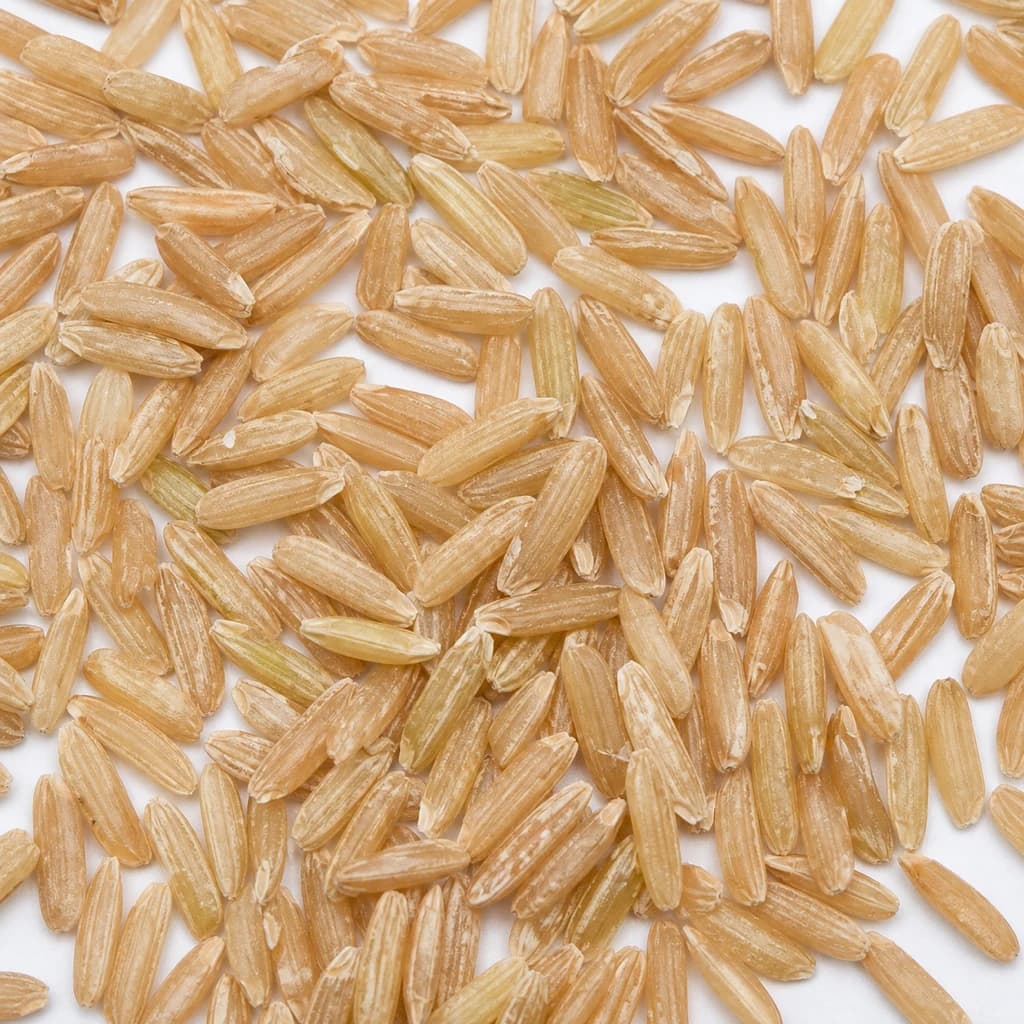
Nutty, whole-grain rice with chew and extra fiber

Basmati Rice
Fragrant, long-grain rice that cooks up light and separate
Jasmine Rice
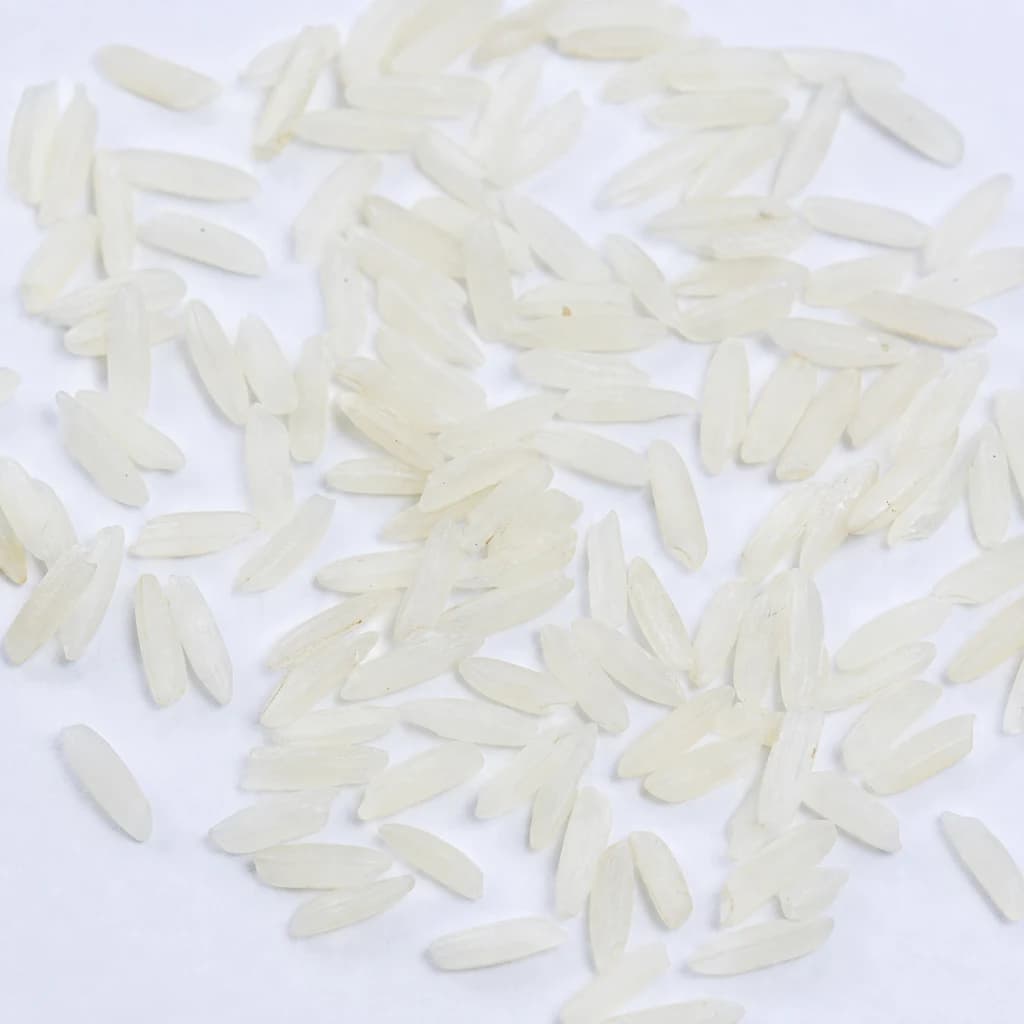
Soft, floral-scented rice that's the pillar of Thai meals
Arborio Rice
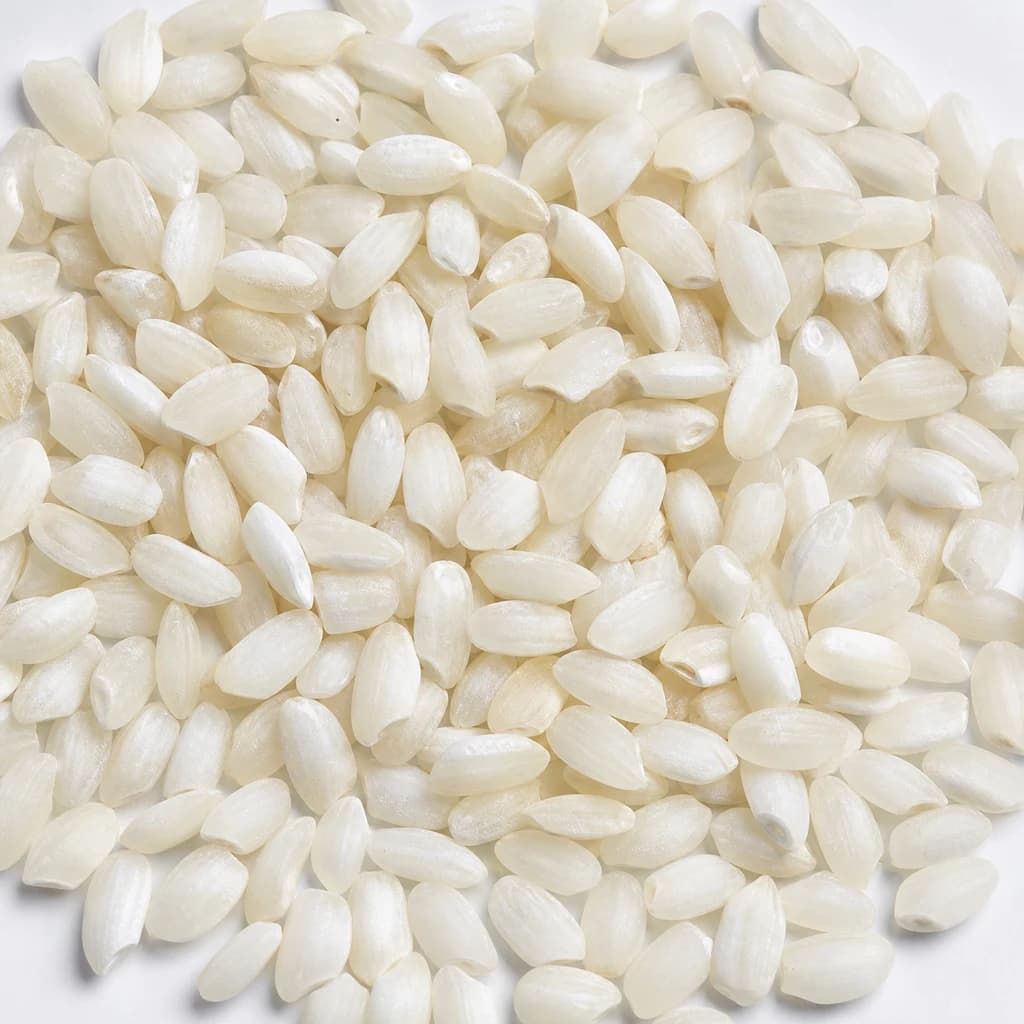
Plump, starchy rice that makes risotto creamy
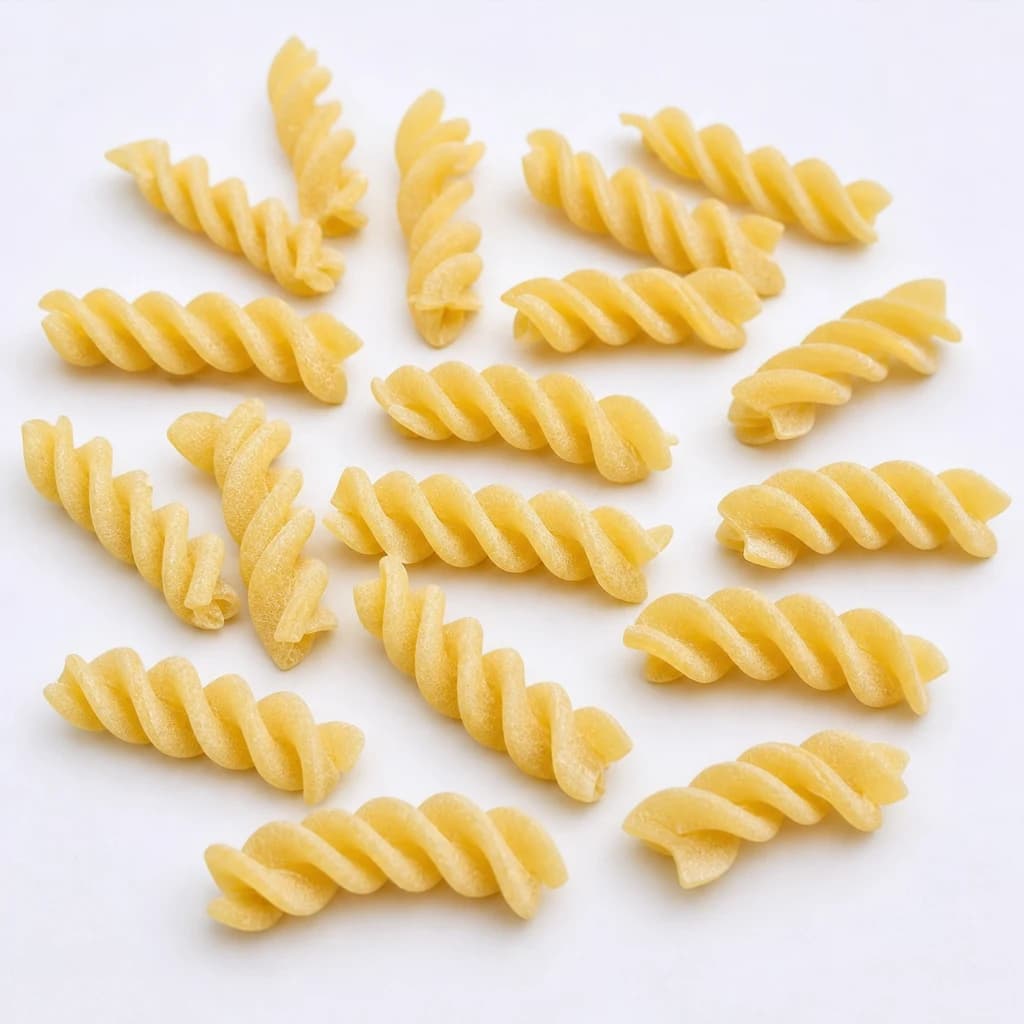
Fusilli
Spiraled pasta that twirls up sauce and dresses cold salads
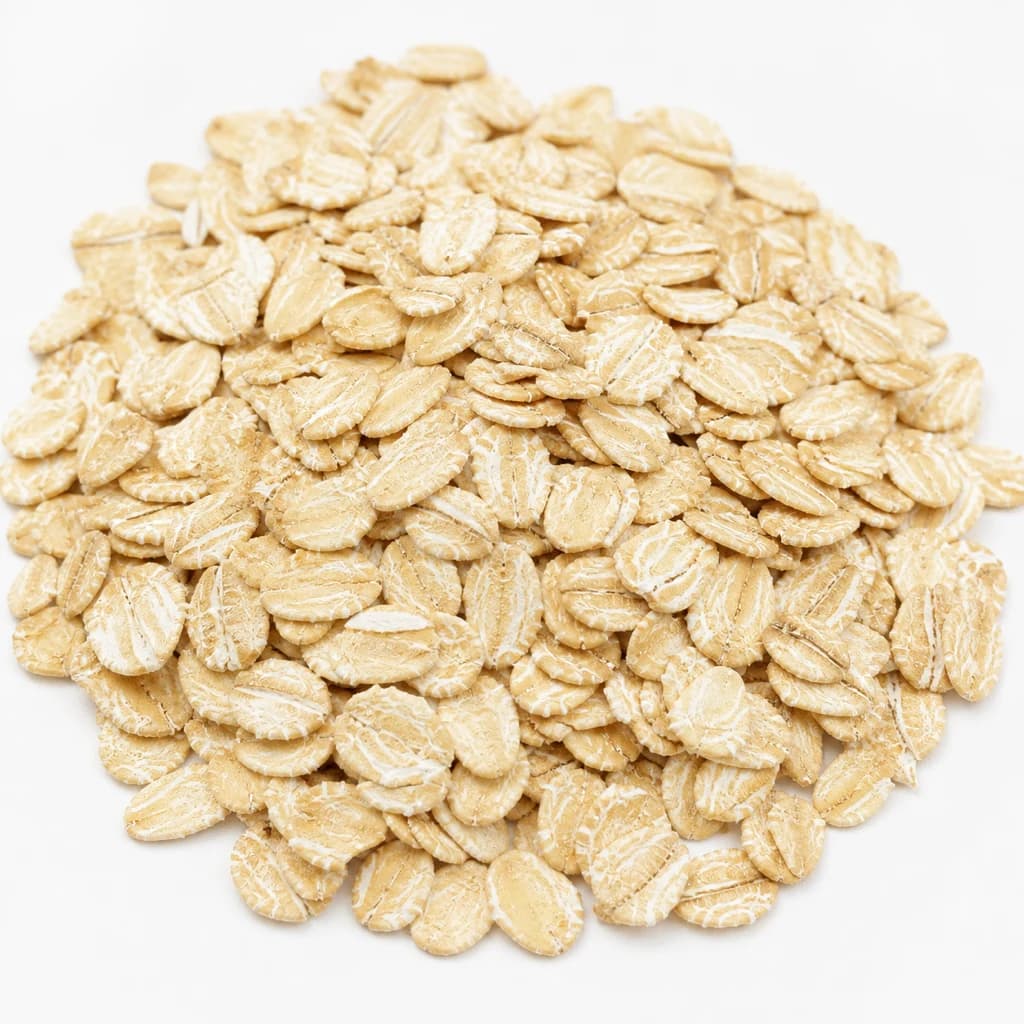
Rolled Oats
Hearty flakes for porridge, granola, and chewy cookies