Grains & Rice
Rye Berries
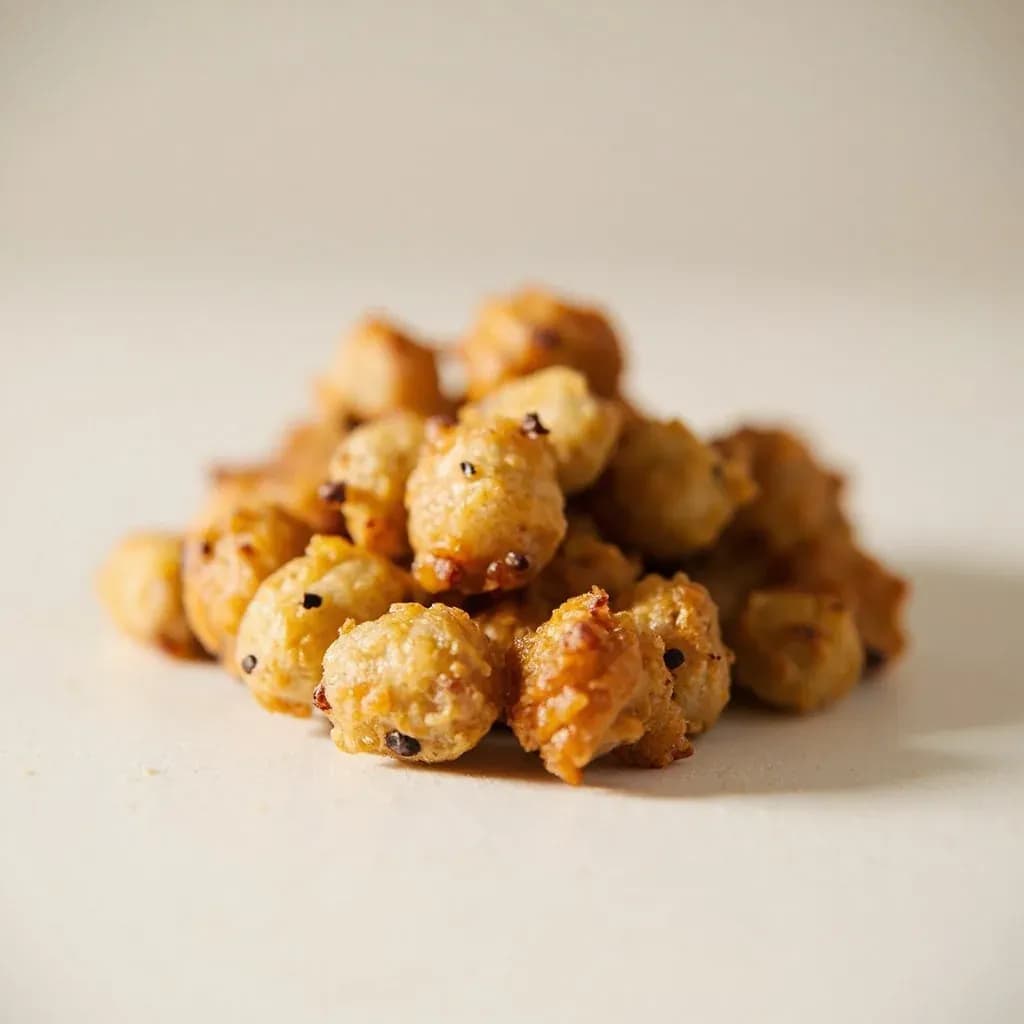
Whole, unprocessed rye kernels cooked like a grain or milled into flour.
Rye berries are the intact whole kernels of the rye plant, including the bran, germ, and endosperm. They are simmered until chewy for grain salads and pilafs, sprouted, or ground into rye flour for dark breads. They carry an earthy, slightly sour, nutty flavor and a notably firm bite.
Rye berries are whole, intact kernels of the rye plant (Secale cereale), harvested at peak maturity. Unlike wheat berries, rye kernels are smaller, harder, and darker in color, with a distinctive earthy, mildly sour character that sets them apart from milder grains. Rye has been a staple of Eastern and Central European cuisines for centuries, thriving in the cold, harsh climates where wheat struggles, and it remains the grain of choice for the dark, dense breads of Scandinavia, Russia, Poland, and Germany.
When cooked whole, rye berries produce a dense, chewy texture that holds its shape well if not overcooked — more assertive than wheat berries, with a pleasant nuttiness and subtle bitterness. Their high soluble fiber content (particularly arabinoxylan) gives cooked rye a slightly sticky quality and contributes to the thick, sticky texture prized in traditional rye breads. This same fiber makes rye berries exceptionally filling and gives them a low glycemic index compared to refined grains.
Rye berries are also milled into flour, but rye flour behaves fundamentally differently from wheat flour: it contains less gluten, produces a denser, more compact crumb, and the abundant pentosans make doughs noticeably stickier and wetter. These properties explain why 100% rye breads are denser and why many traditional rye breads incorporate some wheat flour for better structure. When substituting rye flour in wheat-based recipes, begin with no more than 20–30% rye to avoid drastic texture changes.
Rye berries are readily available from natural food stores, bulk suppliers, and online retailers. They keep for 6–12 months in a cool, dry, airtight container, but milled rye flour turns rancid quickly and should be stored in the freezer if kept beyond two weeks.
- Measured in
- g
- Storage
- Pantry
Allergens
Types & varieties
Planted in fall, harvested in early summer; the most common commercial variety in the US and Europe
Planted in spring; shorter growing season and slightly higher protein content than winter varieties
High-yielding US variety developed for the Great Plains; excellent milling quality for flour production
Short-strawed European variety grown primarily in France and Spain; good disease resistance
Not a distinct variety; refers to darker-colored kernels from heirloom rye varieties, commonly used for pumpernickel flour
Common uses
Tips & pitfalls
- Soak rye berries 8–12 hours before cooking to cut active cooking time in half and achieve a more even, tender texture throughout
- Maintain a gentle simmer rather than a rolling boil — vigorous boiling splits the kernels and produces mushy, uneven results
- Begin taste testing 5 minutes before the expected end time — rye goes from perfectly chewy to soft and overcooked surprisingly quickly
- For pressure cooking, reduce liquid to 2 to 2.5 cups per cup of dry berries and cook 22–25 minutes with natural release
- Toast dry berries in a dry skillet over medium heat for 3–4 minutes before cooking to deepen the nutty, earthy flavor — this also helps the berries hold their shape better
- Rye berries are denser than wheat berries; expect slightly lower expansion ratios (approximately 1:2.5 to 1:3 dry to cooked)
- For home milling, use a heavy-duty grain mill or impact grinder — blade coffee grinders overheat easily and produce uneven, overheated flour
- Store milled rye flour in the freezer if keeping more than 2 weeks; the high oil content makes it prone to rancidity at room temperature
Nutrition
Energy
1414 kJ · per 100 g
Where the calories come from
Protein
10.3g
21% DV
Carbs
75.9g
28% DV
Fat
1.6g
2% DV
Fiber
15.1g
54% DV
Sugars
1g
of which
Sodium
2mg
0% DV
Source · USDA FoodData Central · approx. Rye grain
View on FDC →In the shops
Matched grocery products
No matched grocery products for Rye Berries yet.
Good to know
- Scientific name
- Secale cereale
- Origin
- Near East/Central Asia; one of the last grains to be domesticated
- Form
- Whole, intact rye kernels with germ, bran, and endosperm
- Flavor
- Earthy, mildly sour-tangy, slightly bitter; more assertive than wheat berries
- Texture when cooked
- Chewy, dense; holds shape well if not overcooked
- Cooking time (stovetop)
- 50–60 minutes unsoaked; 30–40 minutes after soaking 8–12 hours overnight
- Liquid ratio
- 1 cup dry berries to 2.5–3 cups water or stock
- Gluten
- Contains gluten; not suitable for celiac or gluten-free diets
- Dietary highlight
- High in soluble fiber (arabinoxylan), magnesium, and B vitamins
- Storage (dried berries)
- Cool, dry, airtight container; 6–12 months shelf life
Substitutes
- Wheat berries — Closest texture match; nearly identical cooking time and method, though the flavor is noticeably milder
- Spelt berries — Similar chewy bite with a nutty flavor; slightly more delicate and less assertively sour than rye
- Farro (emmer) — Comparable chew and general usage; cook time is slightly shorter at 40–50 minutes unsoaked
- Barley (whole, hulled) — Similar density and a nuttier, sweeter flavor; like rye, barley is not gluten-free
- Brown rice — Much longer cooking time with a softer, less chewy texture; neutral flavor makes it a poor flavor substitute
- Triticale berries — A wheat-rye hybrid; chewier than wheat berries but milder than rye; contains gluten
Pairs with
Also called
Whole Rye · Rye Kernels
Appears in these dishes

Related

White Rice
Fluffy long-grain rice — the neutral base for almost any meal

White Bread
Soft sandwich loaf for toast, sandwiches, and crumbs
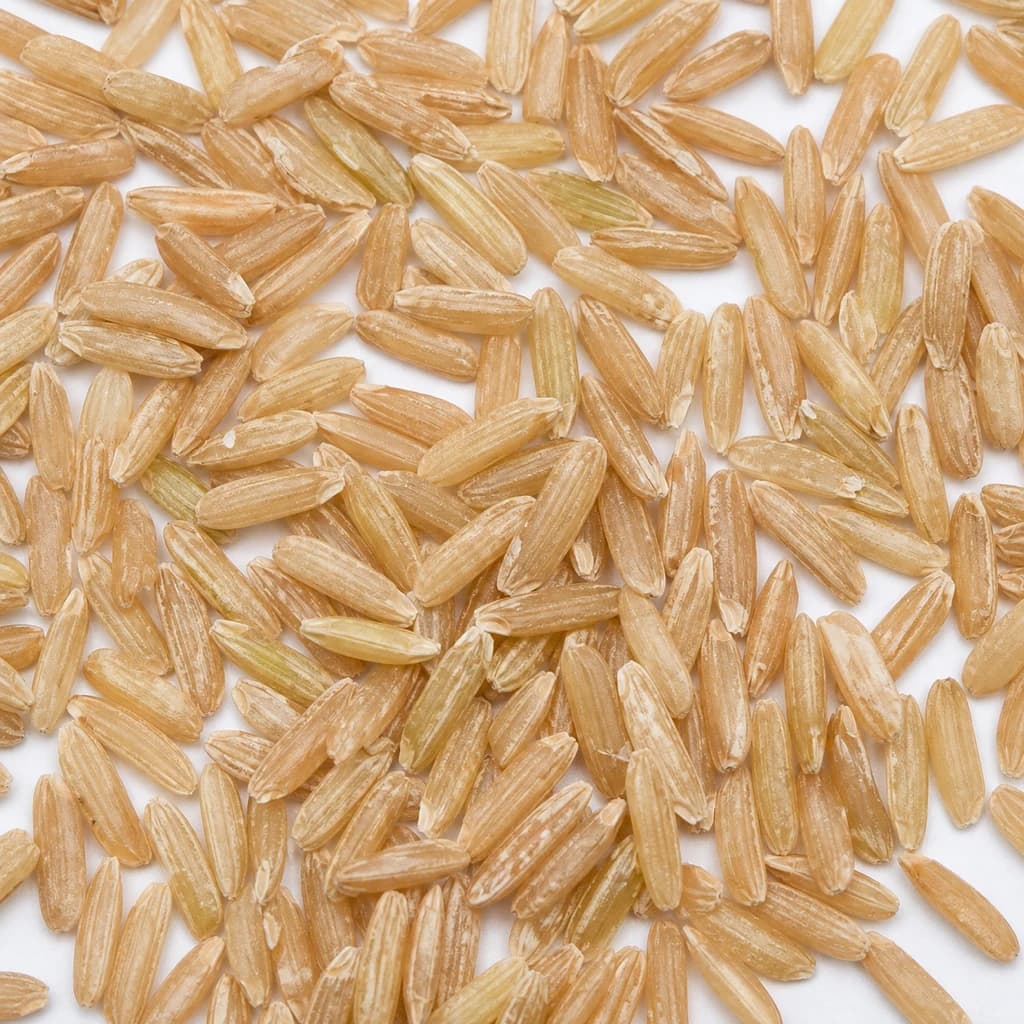
Brown Rice
Nutty, whole-grain rice with chew and extra fiber

Basmati Rice
Fragrant, long-grain rice that cooks up light and separate
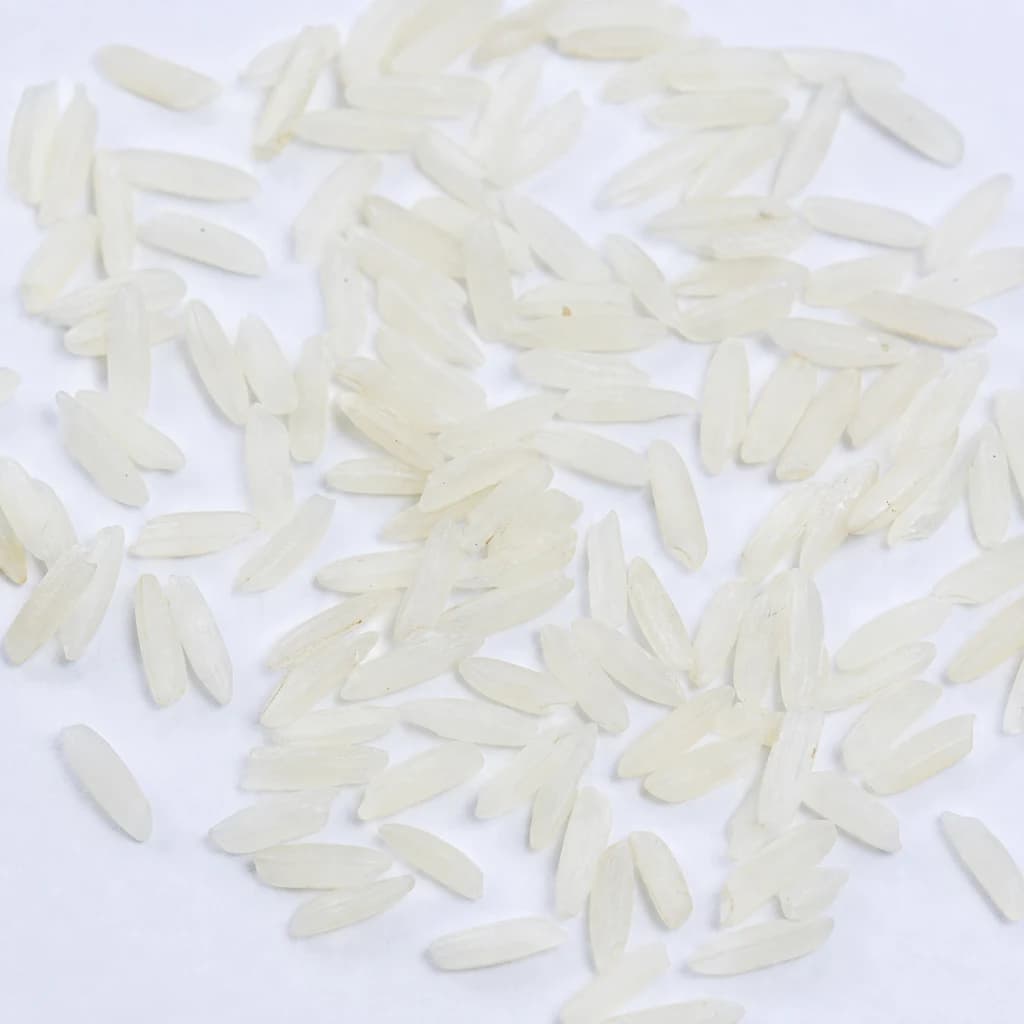
Jasmine Rice
Soft, floral-scented rice that's the pillar of Thai meals
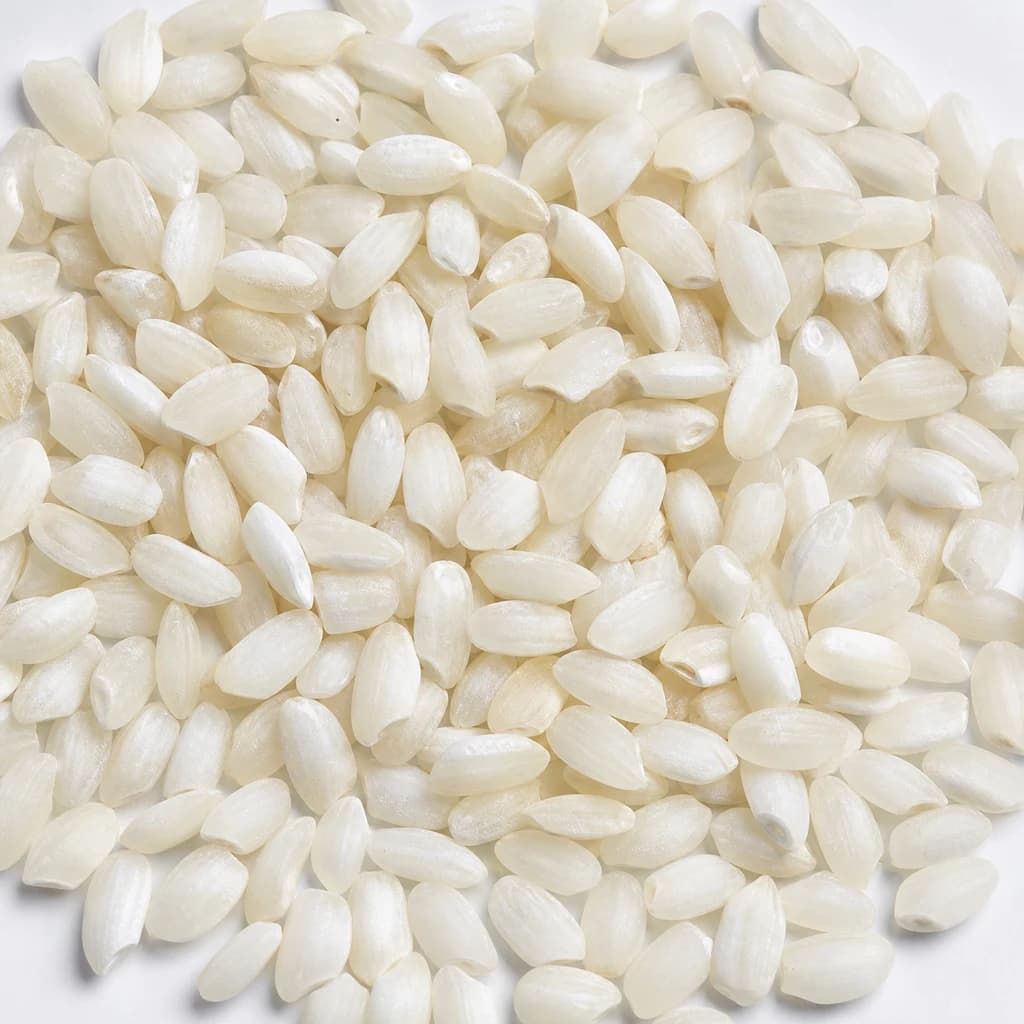
Arborio Rice
Plump, starchy rice that makes risotto creamy
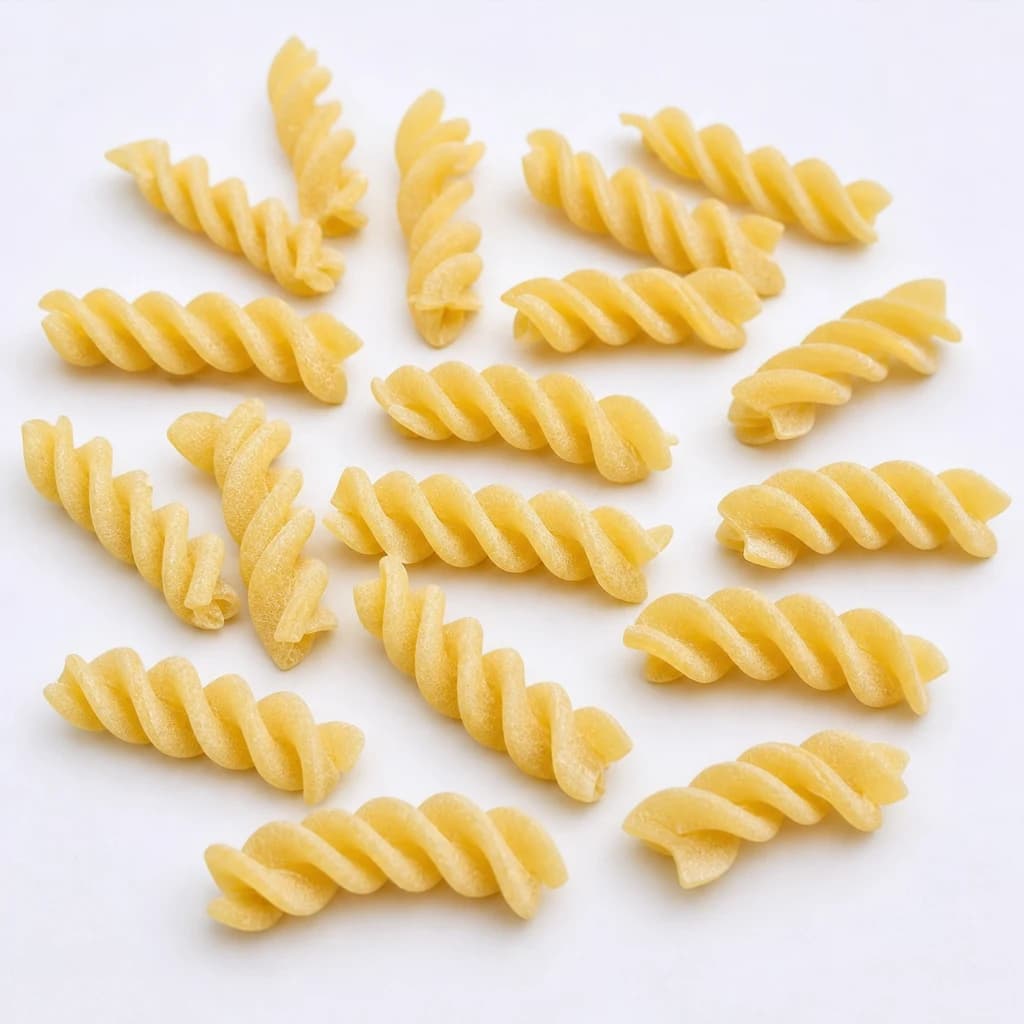
Fusilli
Spiraled pasta that twirls up sauce and dresses cold salads
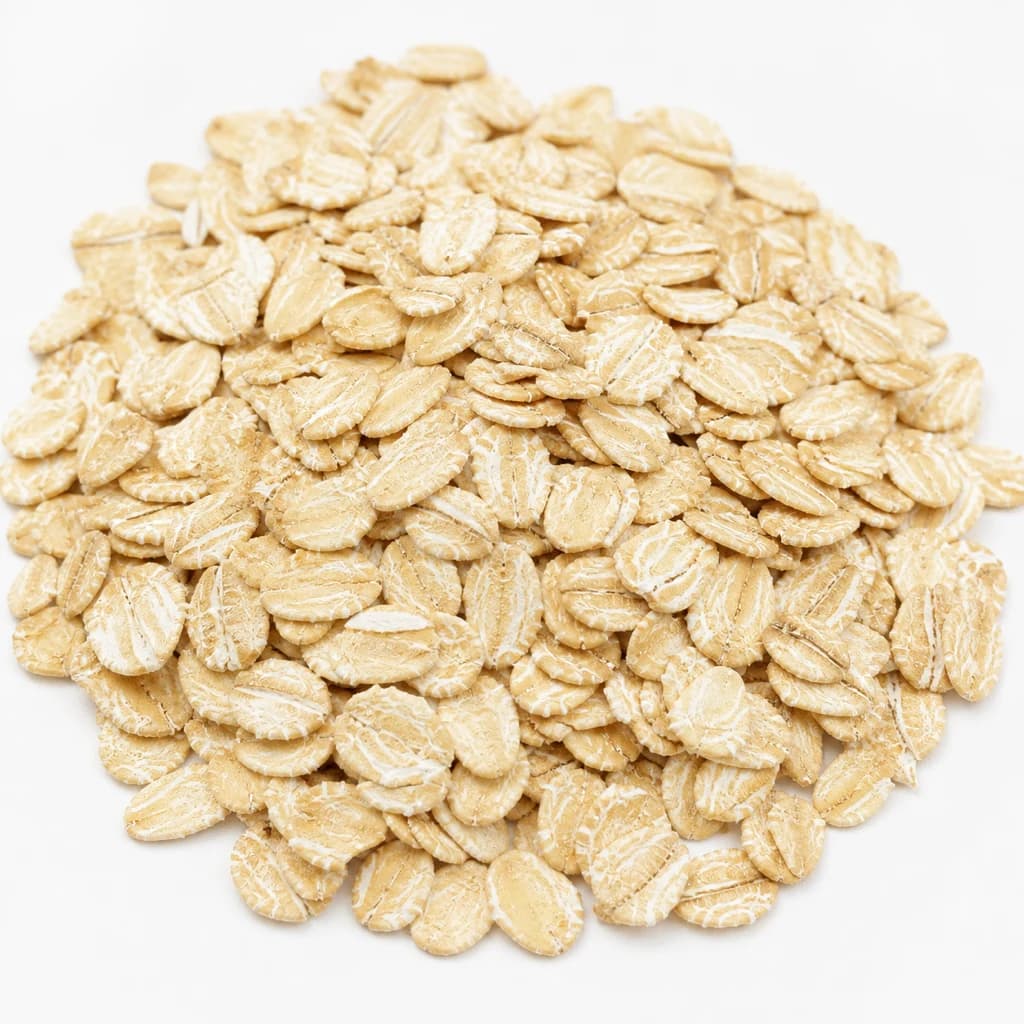
Rolled Oats
Hearty flakes for porridge, granola, and chewy cookies