
Natural form
Whole smoked fish, dried and darkened, showing the preserved form before preparation.
Shows readers the intact product they would encounter at a market or in storage, with its characteristic darkened skin and firm texture.
Proteins
Smoked Fish
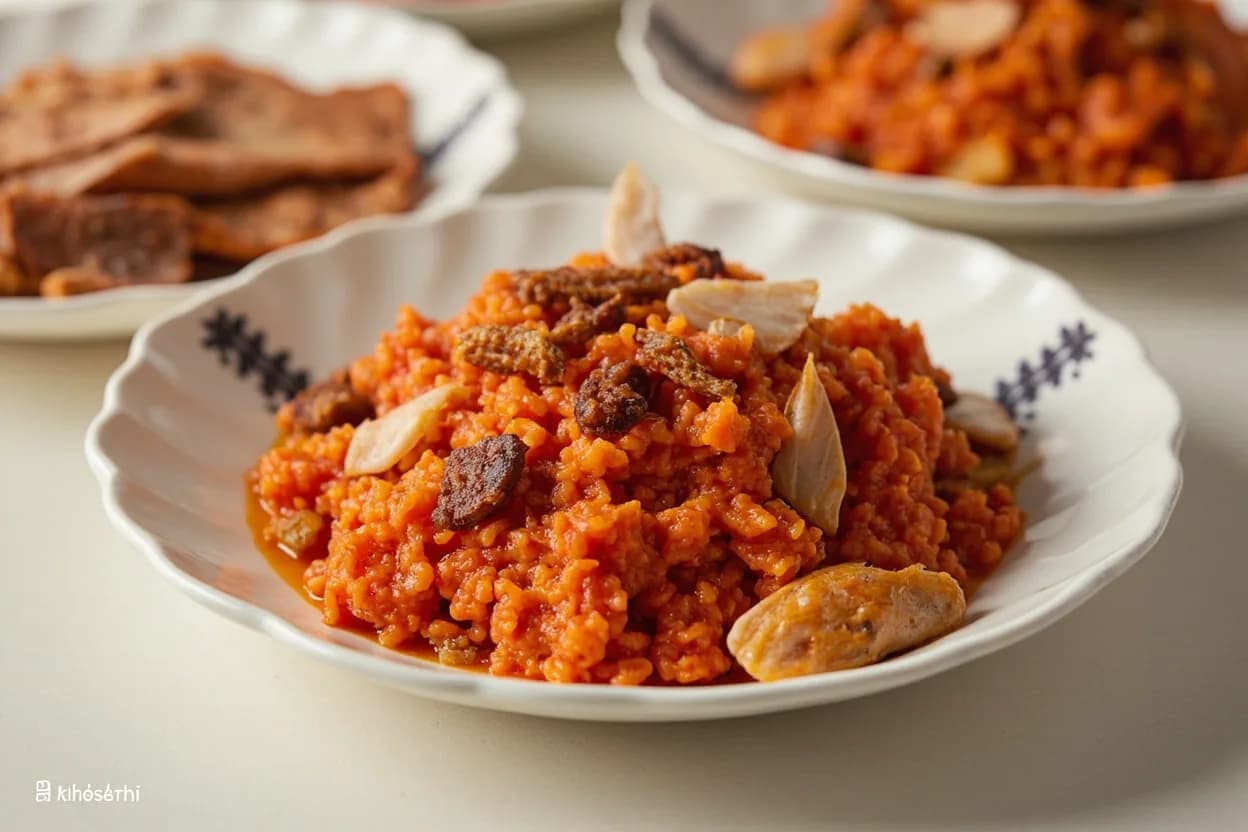
Fish cured over smoke for a deep, savory flavor — flaked into stews, soups, and rice dishes.
Smoked fish is fish preserved and flavored by smoking, giving it a firm texture and a deep, smoky-savory taste. It is flaked into West African and Caribbean stews, soups, and jollof-style rice dishes as both protein and seasoning. The smoking process extends shelf life and concentrates the fish's umami.
Smoked fish is one of humanity's oldest preservation techniques, transforming fresh fish into a product with extraordinary depth — smoky, savory, and long-lasting. The process combines curing (typically with salt, sometimes sugar and aromatics) with exposure to wood smoke, which both flavors the flesh and creates a protective crust that inhibits spoilage. The result ranges from silky, translucent cold-smoked slices that barely hold together to firm, flaked hot-smoked fillets that can stand alone. Understanding this distinction is essential: hot smoking cooks the fish completely, while cold smoking cures without heat, leaving the flesh raw unless clearly labeled ready-to-eat.
The tradition spans continents and centuries. Scandinavian cultures developed gravlax and smoked salmon; the Scottish refined finnan haddie and the Arbroath smokie; the English breakfast table revolves around kippers and smoked haddock; Jewish cuisine elevated lox to an icon. Each tradition favors particular species, wood, and cure — and these details matter in the kitchen. A Scottish finnan haddie behaves differently from an English smoked haddock, and substituting one for the other in a recipe changes the dish.
Quality is paramount with smoked fish. The smoking process masks the natural flavors of fish, which means it can also mask staleness or inferior product. The best smoked fish should smell primarily smoky, not fishy or ammonia-like. It should feel firm and slightly dry, never wet or yielding. Once opened, smoked fish deteriorates rapidly — typically 3–5 days refrigerated — so buy in quantities you'll use and store carefully.
- Measured in
- g
- Storage
- Fridge
Allergens
Types & varieties
Most common; hot or cold smoked; ranges from pale lox-style to deep orange-red; essential in Jewish deli and Scandinavian cuisine
Hot-smoked whole herring, split and hung; traditional British breakfast fish; rich, oily, full-flavored. (Sometimes labeled 'kippered salmon' but kippers are traditionally herring.)
Cold-smoked haddock from Scotland; pale, silky, mild; traditional in Scottish and New England cooking; often poached in milk
Small, whole smoked haddock from Arbroath, Scotland; tied in pairs, torch-smoked; intensely flavored, firm texture
Hot-smoked; yellow-orange color from the curing process; used in fish cakes, chowders, smoked fish pie; mildly salty
Hot-smoked; rich, oily, strong flavor; dark flesh; inexpensive and widely available; excellent with mustard, cream, potatoes
Hot-smoked whole or as fillets; delicate, flaky; milder than salmon; popular in German and Central European cuisine
Traditional in Dutch and German cuisine; rich, buttery, intensely smoky; sold skin-on or filleted; classic with rye bread
Cured in salt-sugar, then cold-smoked; silky, translucent. True lox has no smoke; Nova lox is cold-smoked. Essential for bagels and canapés
Mediterranean specialty; small, oily, intensely smoky; eaten grilled, in salads, or on bread; peak in Portuguese and Spanish cuisine
Salt-cured and smoked, then packed in oil; very strong, salty, umami-dense; used as pizza topping, in Caesar dressing, as flavor base for sauces
Hot Smoking vs. Cold Smoking: The Essential Distinction
This is the single most important distinction in smoked fish, affecting everything from food safety to culinary use. Hot smoking cooks the fish throughout at temperatures of 120–200°F (49–93°C), producing a firm, flaky texture and a pronounced smoky flavor. The fish is fully cooked and can be eaten as-is, flaked into dishes, or briefly reheated. Cold smoking operates below 90°F (32°C) and cures without cooking, leaving the flesh silky, sliceable, and slightly translucent. Unless the package clearly states 'ready-to-eat,' cold-smoked fish must be cooked before serving. This distinction also affects pairing: hot-smoked fish holds up to bold flavors and can be integrated into cooked dishes; cold-smoked is suited to raw presentations, canapés, and delicate pairings where its texture is the point.
Common uses
Tips & pitfalls
- Buy from reputable fishmongers or specialty stores — quality varies enormously. Properly smoked fish should smell smoky first, not primarily fishy or ammonia-like.
- Rinse very salty varieties (especially smoked haddock) briefly in cold water before using if you want to reduce saltiness for your application.
- Hot-smoked fish is fully cooked — it can be eaten as-is, flaked into dishes, or briefly reheated. Cold-smoked must be cooked unless clearly labeled ready-to-eat.
- Alder wood is the traditional and most versatile choice for salmon and trout; hickory gives a stronger, bacon-like flavor; fruitwoods (apple, cherry) produce milder, sweeter results.
- Smoked fish should feel firm and slightly dry to the touch. Avoid packages with liquid pooling at the bottom, which indicates poor quality or aging.
- Freeze for 24 hours before serving raw (e.g., sushi-style smoked salmon) to eliminate parasites, as recommended by FDA for raw consumption.
- When incorporating smoked fish into cooked dishes, add a splash of lemon juice or white wine to brighten flavors, which can become flat when smoked fish sits.
- Store cold-smoked salmon and lox in the coldest part of the refrigerator and use quickly after opening — the texture and flavor deteriorate within days.
Nutrition
Energy
741 kJ · per 100 g
Where the calories come from
Protein
16.4g
33% DV
Carbs
0g
0% DV
Fat
11.9g
15% DV
Fiber
0g
0% DV
Sugars
0g
of which
Sodium
481mg
21% DV
Source · USDA FoodData Central · Fish, cisco, smoked
View on FDC →In the shops
Matched grocery products
No matched grocery products for Smoked Fish yet.
Good to know
- Smoking Method
- Hot smoking (120–200°F/49–93°C) cooks the fish fully; cold smoking (below 90°F/32°C) cures without cooking
- Common Woods
- Alder (traditional for salmon), hickory, apple, cherry, oak, beech — each imparts distinct flavor and color
- Curing Agents
- Salt is standard; sugar balances; many cures include pepper, juniper, dill, or other aromatics
- Shelf Life (Unopened, Refrigerated)
- 2–3 weeks; vacuum-sealed packages last considerably longer
- Shelf Life (Opened)
- 3–5 days, tightly wrapped; flavor and texture deteriorate rapidly after opening
- Salt Content
- Varies widely — from lightly cured gravlax-style to intensely salty traditional smoked haddock
- Color Indicators
- Alder-smoked salmon is amber-orange; hickory yields darker reddish-brown; color should be even, not patchy
- Texture
- Hot smoked: flaky and firm; cold smoked: silky, sliceable, slightly translucent
- Food Safety
- Hot-smoked fish is fully cooked. Cold-smoked must be cooked before eating unless labeled ready-to-eat. Freeze 24 hours before raw serving (sushi-style) to eliminate parasites.
- Origin Traditions
- Scandinavian (gravlax, smoked salmon), Scottish (Arbroath smokie, finnan haddie), English (smoked haddock, kippers), Jewish (lox), Dutch/German (smoked eel)
Substitutes
- Fresh fish with smoked paprika — Add 1–2 tsp smoked paprika to buttered fresh salmon or trout; won't replicate true smoke flavor but provides similar savory depth; best when the fish is also lightly salted before cooking
- Bottled smoke flavor (liquid smoke) — Use sparingly — 1–2 drops per serving in soups, sauces, or dressings; much more concentrated than real smoked fish; difficult to control and tastes synthetic in most preparations
- Other smoked fish varieties — Smoked mackerel can substitute for smoked salmon in salads and spreads; smoked haddock works in chowders and fish cakes; smoked trout for lighter applications; flavor intensity varies
Pairs with
Also called
Job Fish Smoked
Appears in these dishes
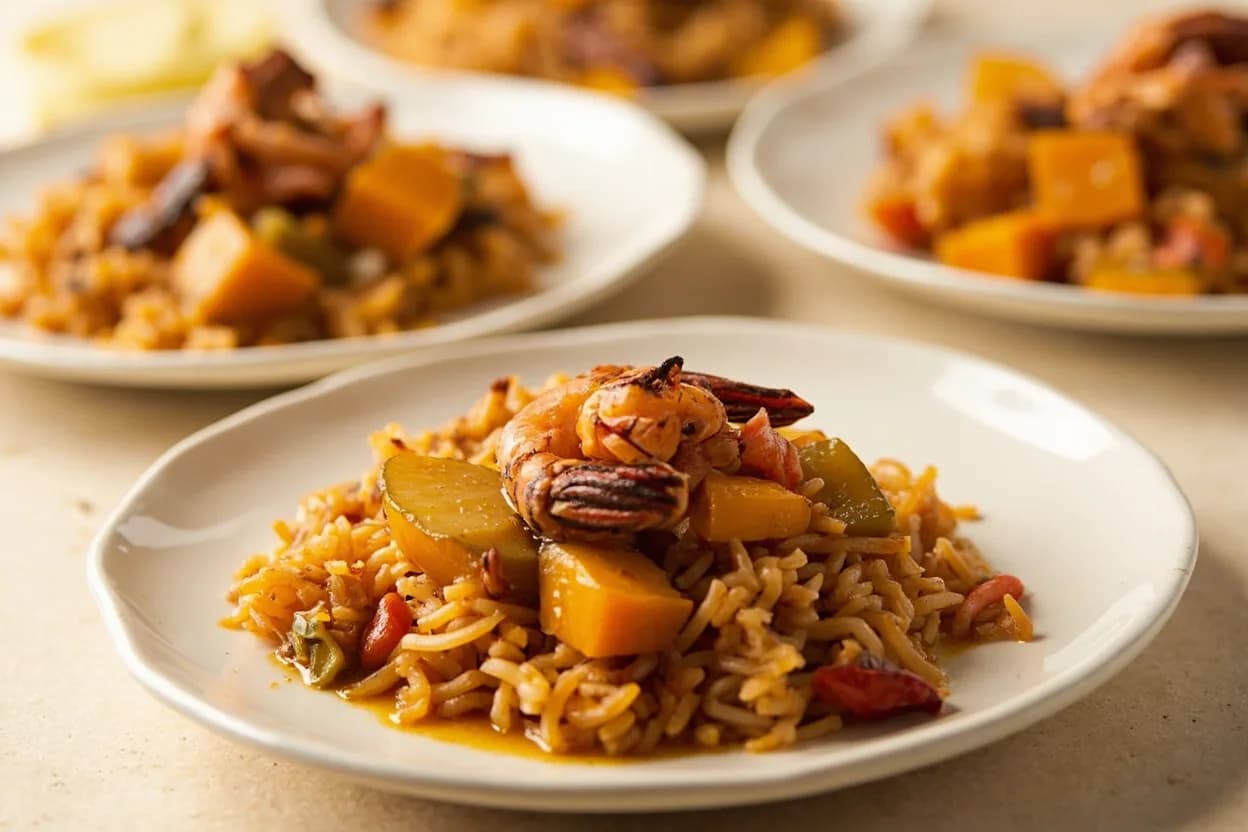
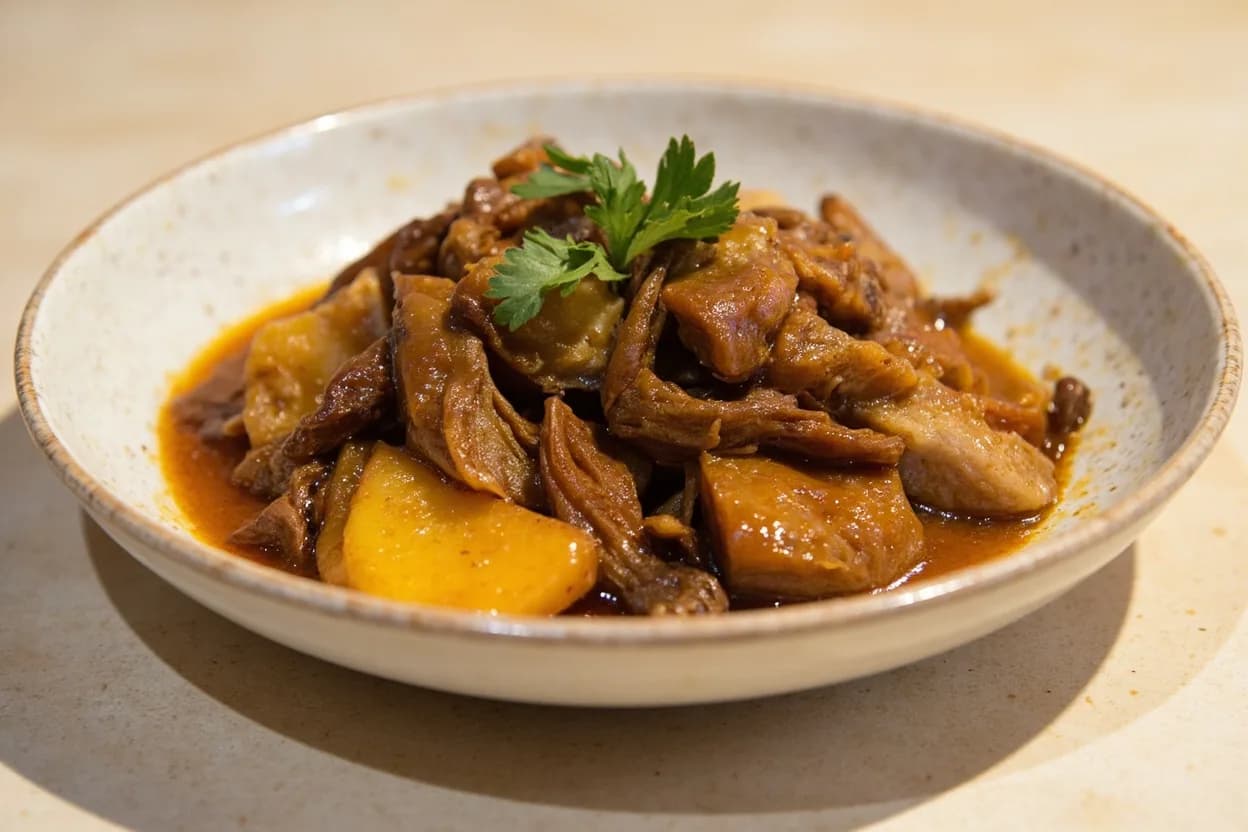
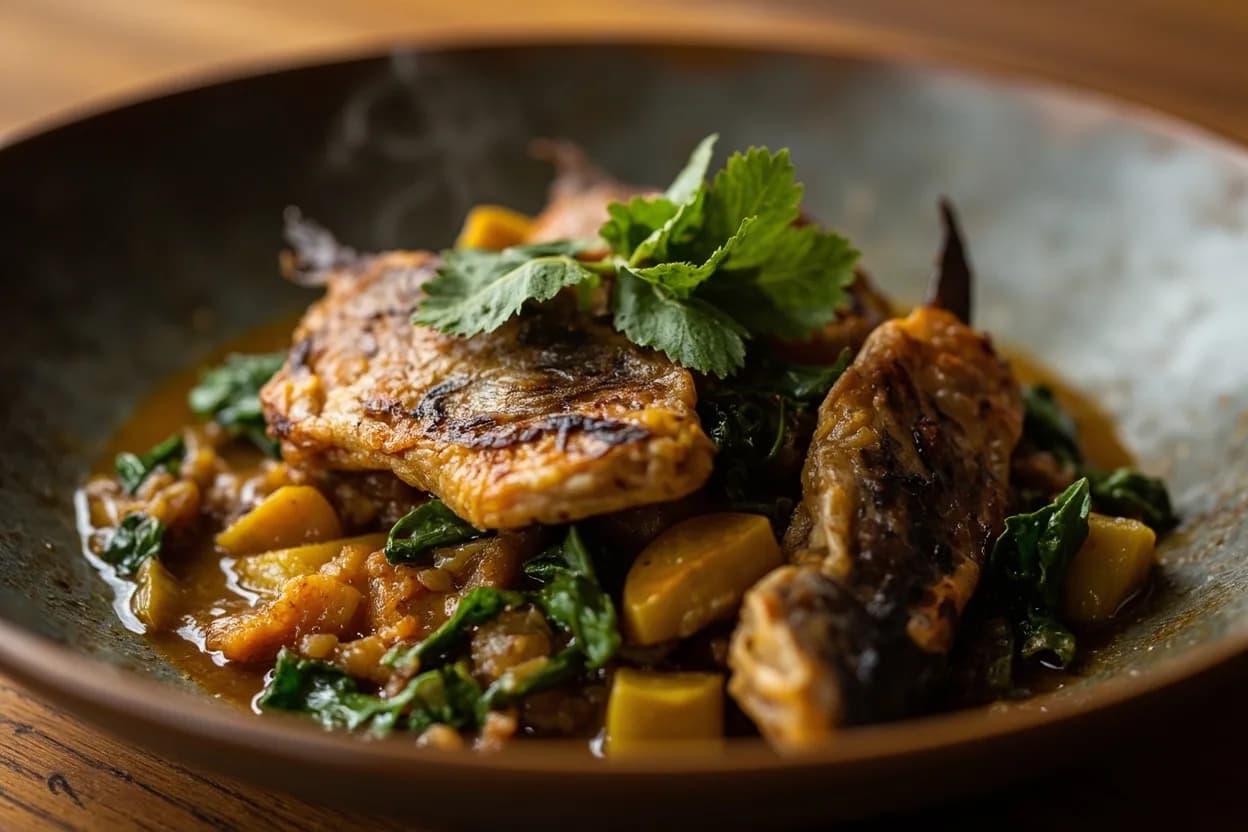
Related
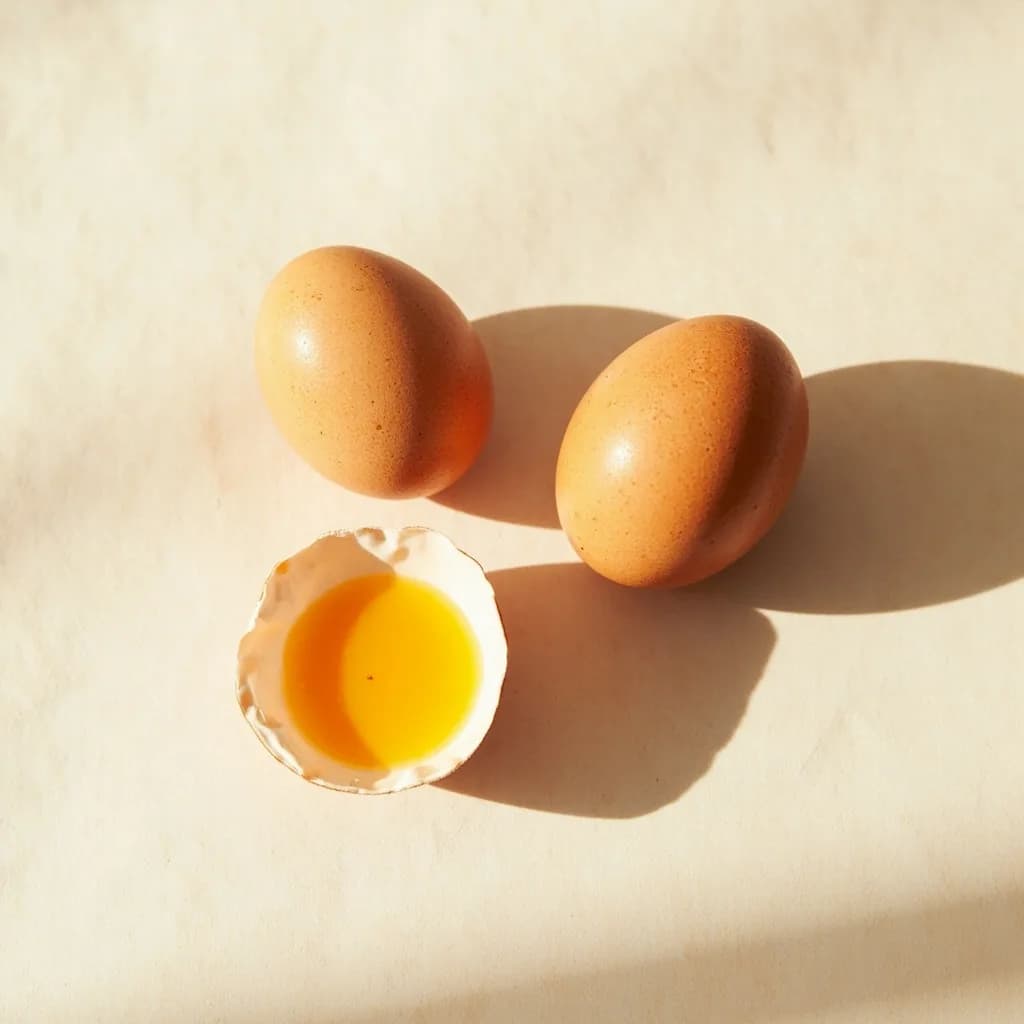
Egg
The kitchen's everything ingredient — bind, leaven, enrich, or fry
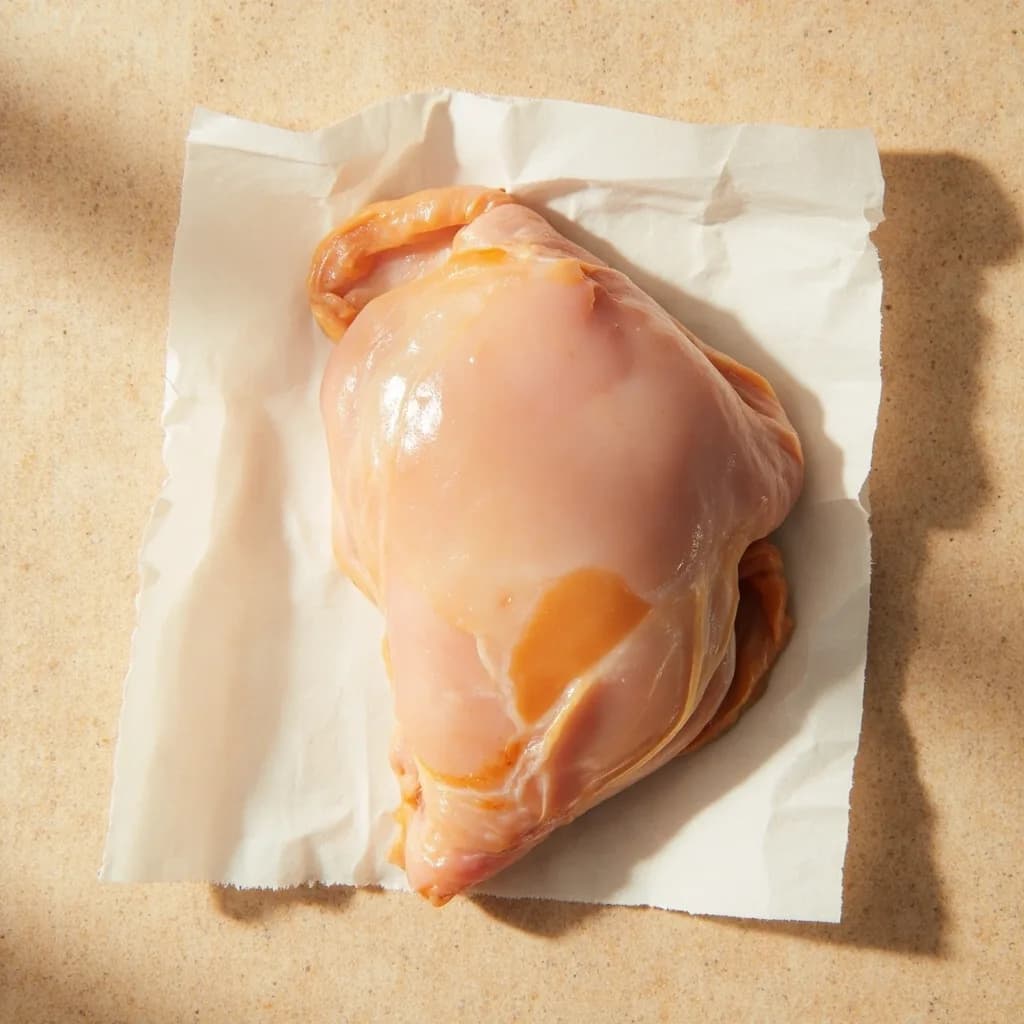
Chicken Breast
Lean, quick-cooking white meat for everyday dinners

Ground Beef
Versatile minced beef for burgers, ragù, tacos, and meatballs
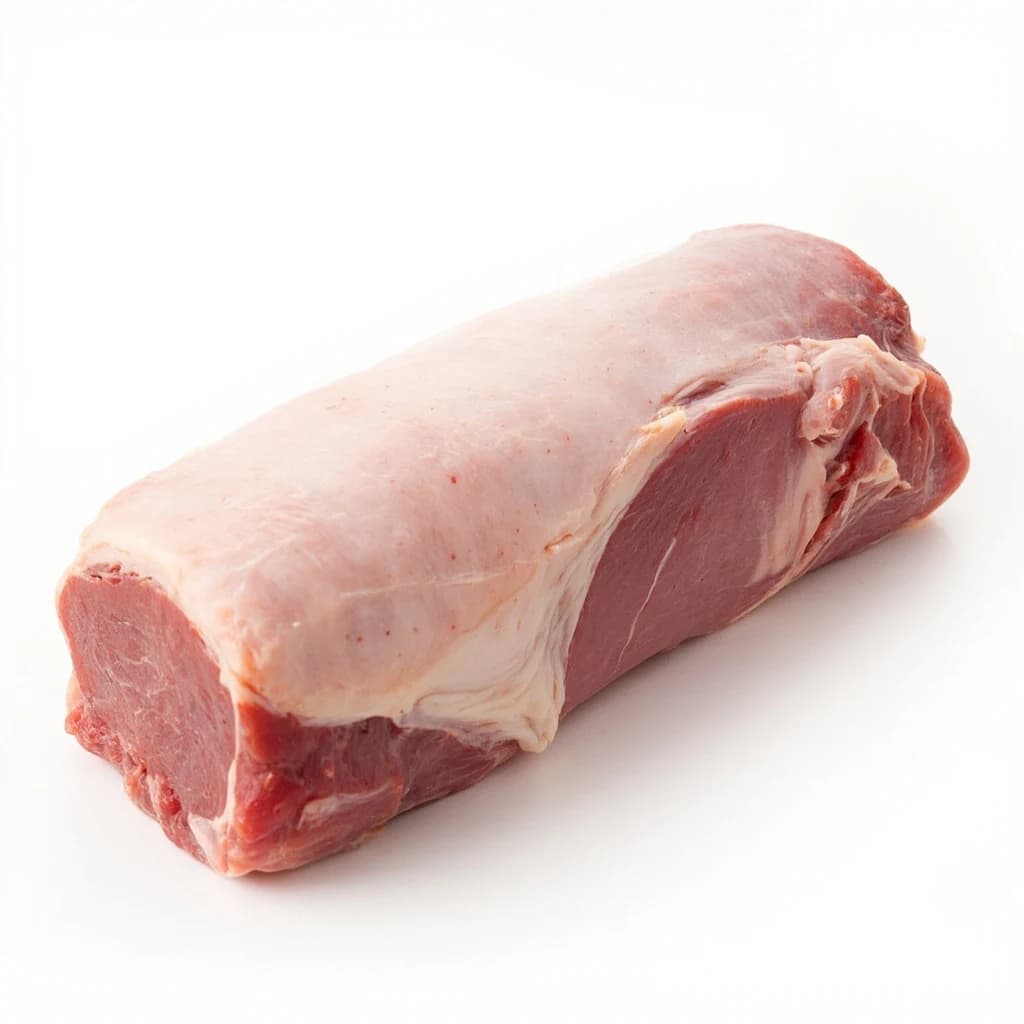
Pork Loin
Lean, tender roasting cut that stays juicy with care
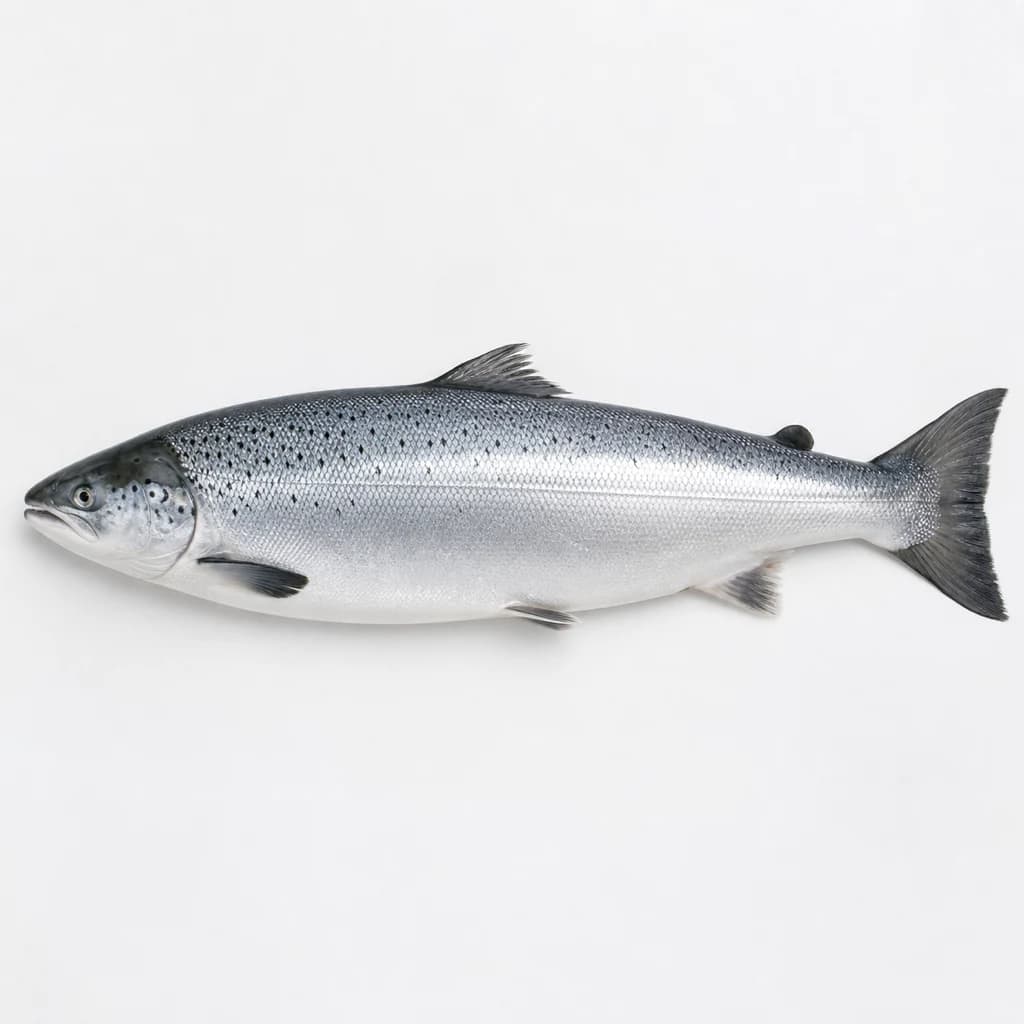
Salmon
Rich, rosy fish that roasts, grills, or cures beautifully

Egg White
Pure protein that whips to airy peaks for meringue and more
Egg Yolk
Rich, golden yolk for custards, mayonnaise, and pasta

Quail Egg
Tiny, speckled eggs for garnishing and elegant bites