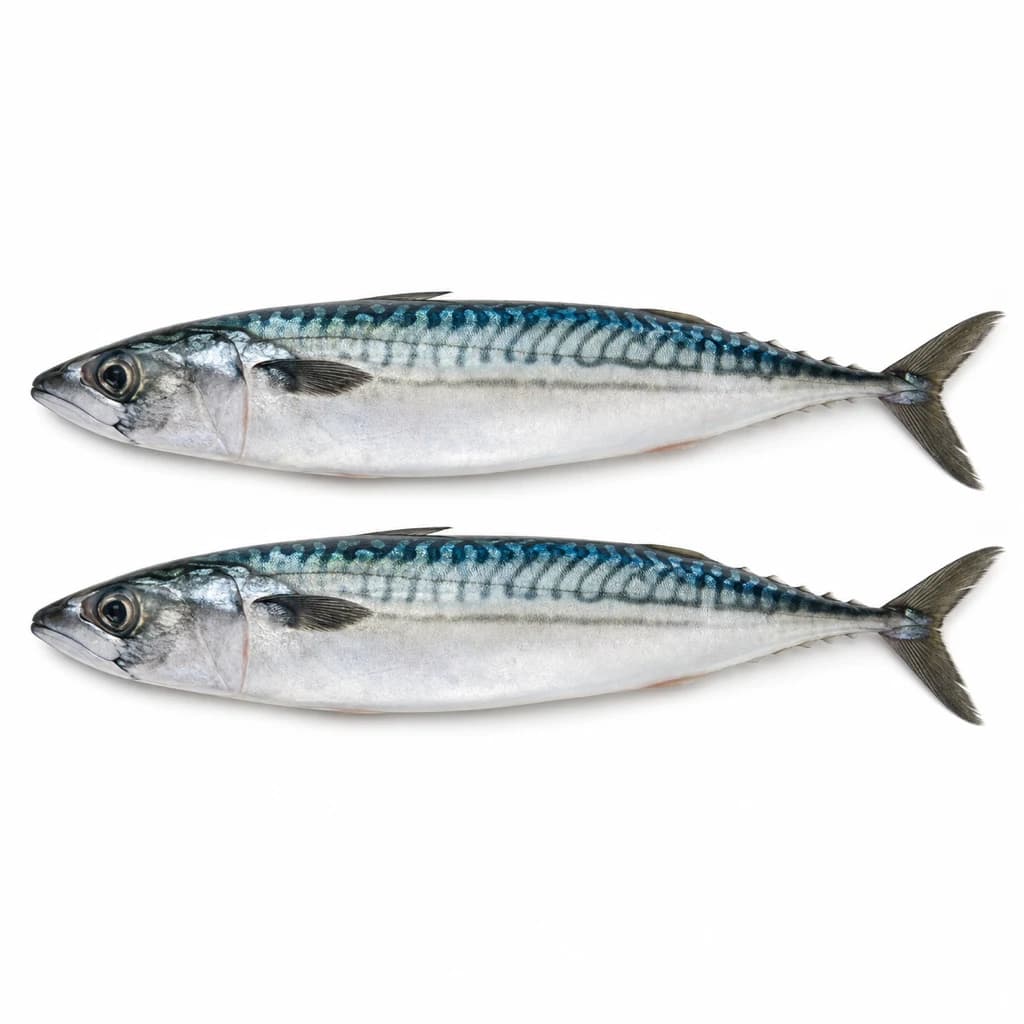
Natural form
Whole fresh Atlantic mackerel showing its characteristic blue-green iridescent striped skin.
Teaches the reader to recognize the fish by its distinctive coloring, body shape, and skin pattern before any preparation.
Proteins
Mackerel
Oily, full-flavored sea fish — grilled, smoked, or simmered, rich in omega-3s and bold taste.
Mackerel is an oily, strongly flavored sea fish with firm, rich flesh and a high omega-3 content. It is grilled, pan-fried, smoked, or simmered in spiced and soy-based braises, and its assertive taste stands up to acidic and pungent seasonings. Fresh mackerel spoils quickly, so it is often smoked or canned.
Mackerel is a family of fast-swimming, oily sea fish found in temperate and tropical waters worldwide. Its defining characteristic is a high fat content distributed evenly throughout the flesh, which makes it extraordinarily rich, moist, and forgiving in cooking — the fat bastes the fish from within, preventing it from drying out even under high heat. Unlike delicate white fish that demand precision, mackerel is resilient and cooperative, yielding firm, flaky flesh with a pronounced, full-bodied flavor that many consider the very essence of sea taste. For the cook, this is a fish that rewards confidence: it can stand up to aggressive seasoning, bold sauces, and intense cooking methods that would overwhelm milder species.
Nutritionally, mackerel is exceptional — among the richest dietary sources of long-chain omega-3 fatty acids (EPA and DHA), with levels that rival or exceed salmon. It also provides generous protein, vitamin B12, selenium, and vitamin D, while maintaining relatively low mercury levels due to its position in the food chain. This combination of nutrition, flavor, and affordability makes mackerel one of the most valuable and sustainable seafood choices available. It is also remarkably perishable: high enzyme activity and oil content mean mackerel deteriorates faster than lean fish, so prompt cooking or proper preservation is essential.
Mackerel's culinary range is broad and global. Atlantic mackerel anchors traditional European preparations — grilled whole with herbs, hot-smoked until golden, or cured in the Scandinavian gravlax style. Spanish and King mackerel, slightly milder, appear in Mediterranean and Gulf Coast cuisines. Indo-Pacific species drive Southeast Asian cooking, notably in sambal preparations and pickled dishes. The flesh ranges from pinkish to deep red depending on species and diet, and the firm, fatty texture responds well to high-heat searing, grilling, and smoking while holding together in cured and pickled applications. For the home cook seeking maximum flavor with minimum fuss, mackerel is an undervalued treasure.
- Measured in
- g
- Storage
- Fridge
Allergens
Types & varieties
Small to medium (30–45 cm); silver-green with dark bars; most common in European and North Atlantic cuisine; intensely flavored when fatty
Moderate size (up to 60 cm); dark blue-green above, silver below with bronze spots; milder than Atlantic; found in Atlantic and Gulf of Mexico
Large species (up to 1.5 m, 40+ kg); darker flesh, firm texture; milder flavor; often sold as 'kingfish' or 'cero'
Also called Boston mackerel or Pacific mackerel; similar to Atlantic but slightly softer flesh; widely used for canning and smoking
Small, oily species (Rastrelliger spp.); critical food fish in Southeast Asian cuisine; often pickled or used in sambal preparations
Technically a jack (Trachurus); leaner than true mackerel; common in Mediterranean and Japanese markets
Common uses
Tips & pitfalls
- Buy the freshest fish available: clear eyes, bright gills (bright red or pink), and a clean sea-breeze smell — never ammonia or sourness
- Mackerel spoils faster than most fish due to high enzyme activity; buy from a high-volume supplier and cook the same day if possible
- The bloodline (dark strip along the center of fillets) is bitter; scrape it out with a spoon or sharp knife before cooking
- Pin bones are small and numerous; remove them with fine tweezers or needle-nose pliers, working from the center toward the tail
- Small, adherent scales are difficult to descale; many cooks leave them on for grilling (they prevent sticking) or use a spoon dragged against the grain
- Cook mackerel to an internal temperature of 145°F (63°C) for food safety; unlike lean fish, the high fat content keeps it moist even at proper doneness, so err on the side of caution
- High-heat methods (grilling, pan-searing) render the fat and develop flavor; low-moisture methods like poaching work better than steaming, which can make the flesh waterlogged
- The skin is edible and crisps beautifully when seared or grilled; pat the fish completely dry first and use a hot, well-oiled pan or grill
- Acid marinades (citrus, vinegar) cause the proteins to denature and the flesh to turn opaque and firm — ideal for ceviche-style preparations
- Serve with acidic accompaniments (pickles, lemon, capers, apple) to cut through the richness; the classic counterpoint is a sharp mustard sauce
Nutrition
Energy
582 kJ · per 100 g
Where the calories come from
Protein
19.3g
39% DV
Carbs
0g
0% DV
Fat
6.3g
8% DV
Fiber
0g
0% DV
Sugars
0g
of which
Sodium
59mg
3% DV
Source · USDA FoodData Central · approx. Fish, mackerel, spanish, raw
View on FDC →In the shops
Matched grocery products
No matched grocery products for Mackerel yet.
Good to know
- Species
- Atlantic (Scomber scombrus), Spanish (S. maculatus), King (S. cavalla), Chub/Pacific (S. japonicus), Indo-Pacific (Rastrelliger spp.)
- Flavor
- Pronounced, distinctly fishy, full-bodied; rich and oily with a meaty texture
- Texture
- Firm, fatty, flaky when cooked; flesh ranges from pinkish to deep red depending on species and diet
- Season
- Atlantic mackerel peaks late spring through early autumn; spawning fish are fattest and most flavorful
- Nutrition
- Exceptionally high in omega-3s (EPA, DHA), protein, vitamin B12, selenium, and vitamin D; low mercury for an oily fish
- Fresh Storage
- 1–2 days refrigerated on ice; very perishable due to high oil content and enzyme activity
- Frozen Storage
- Up to 3 months; vacuum-sealed preferred; quality degrades faster than lean fish
- Yield
- Whole fish: 50–55% edible yield after heading, gutting, and filleting
- Cost
- Generally inexpensive; price varies by species and whether wild-caught or farmed
Substitutes
- Herring — Similar oily texture and bold flavor; slightly milder; excellent for smoking, pickling, and grilling; available in most markets
- Bluefish — Richer and more assertive than mackerel; comparable fat content; best with strong accompaniments like brown butter or capers
- Sardines — Smaller and more delicate; excellent grilled whole or pan-seared; the closest substitute for canning or smoking
- Salmon (farmed or wild) — Milder flavor but similar fat content and texture; works in most cooked preparations; not suitable for traditional cured or pickled dishes
- Bonito — A firm, medium-fat tuna relative; milder but with enough substance for grilling and baking; excellent when seared
- Wahoo (ono) — Milder flavor but similar firm, meaty texture; works well with aggressive seasoning and grilling
Pairs with
Also called
Mackerel (Skumria) · Mackerel (Saba) · Smoked Mackerel (Rūkyta skumbrė) · Skumria · Saba
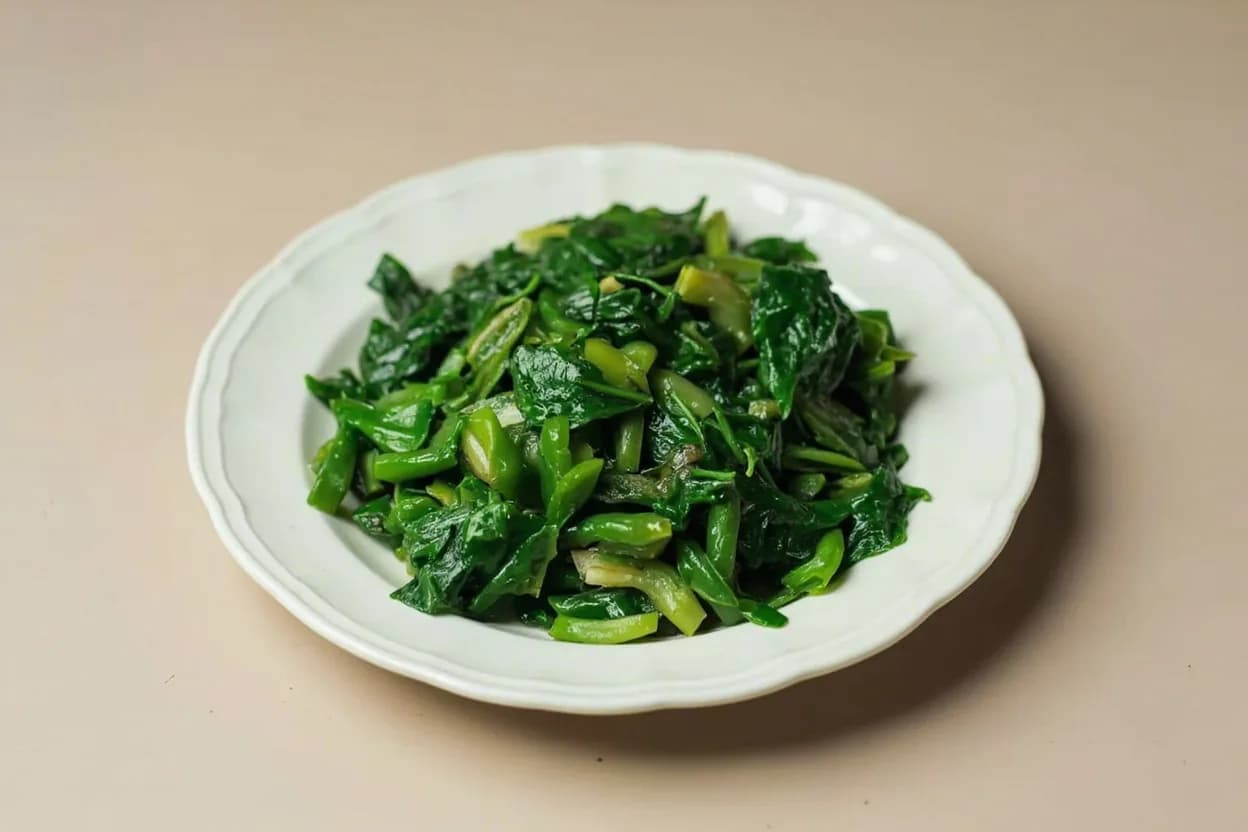
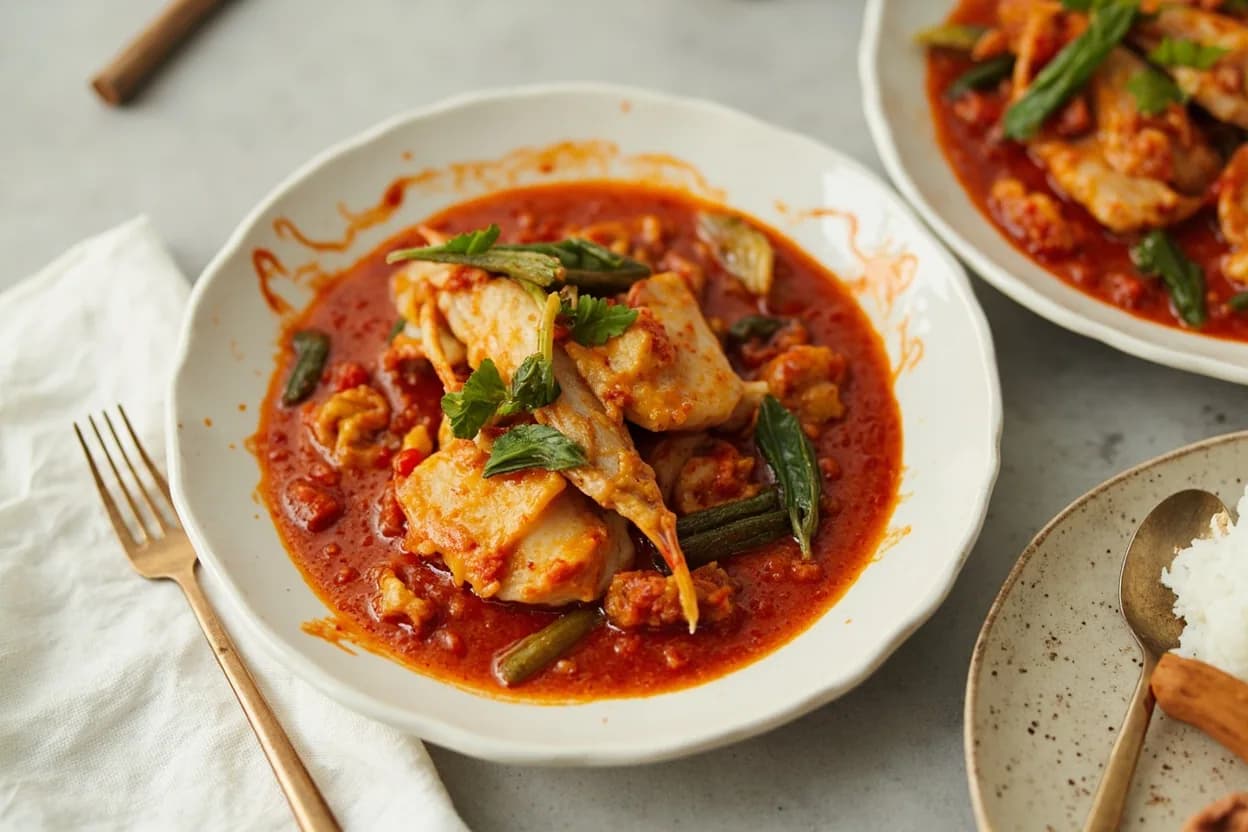
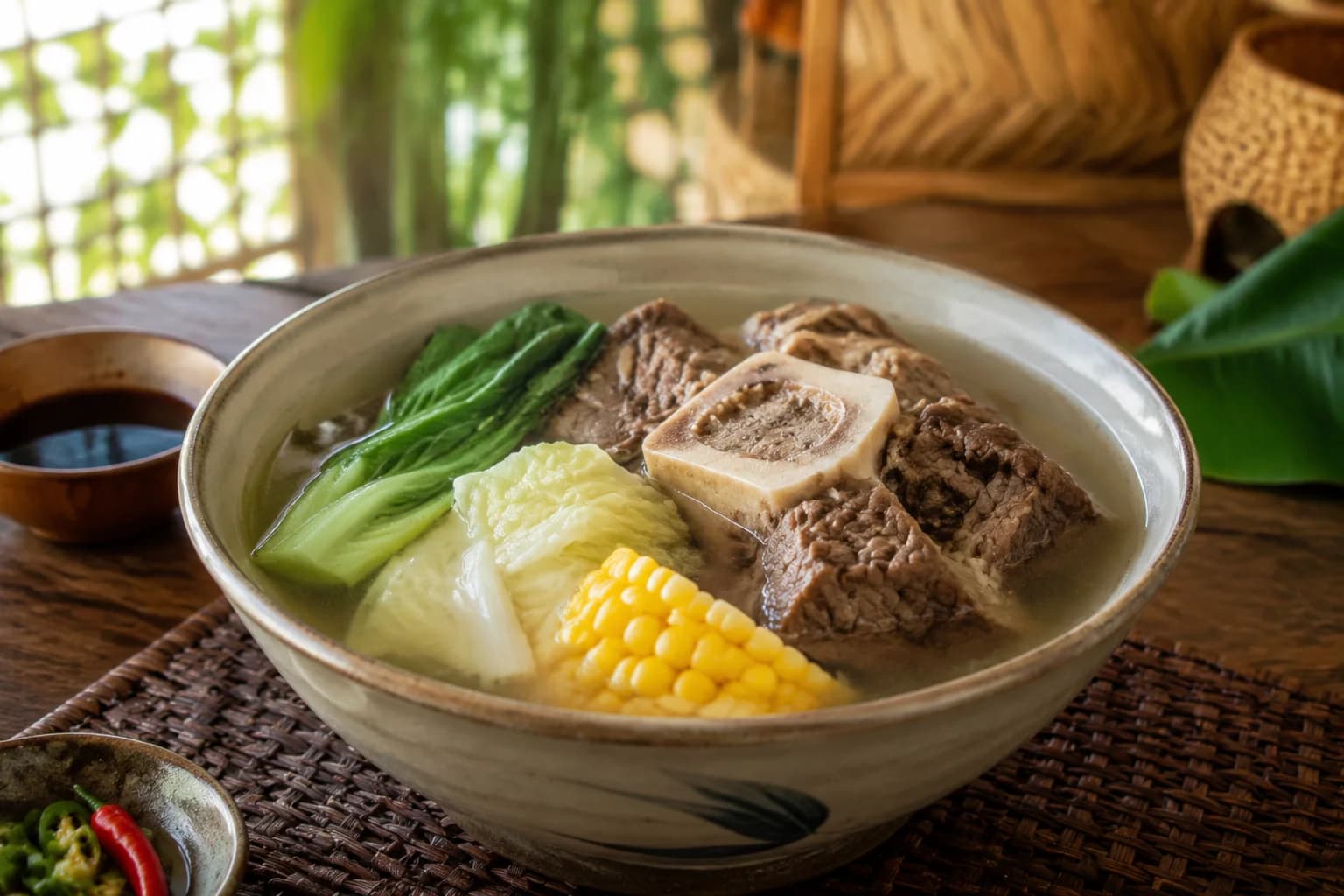
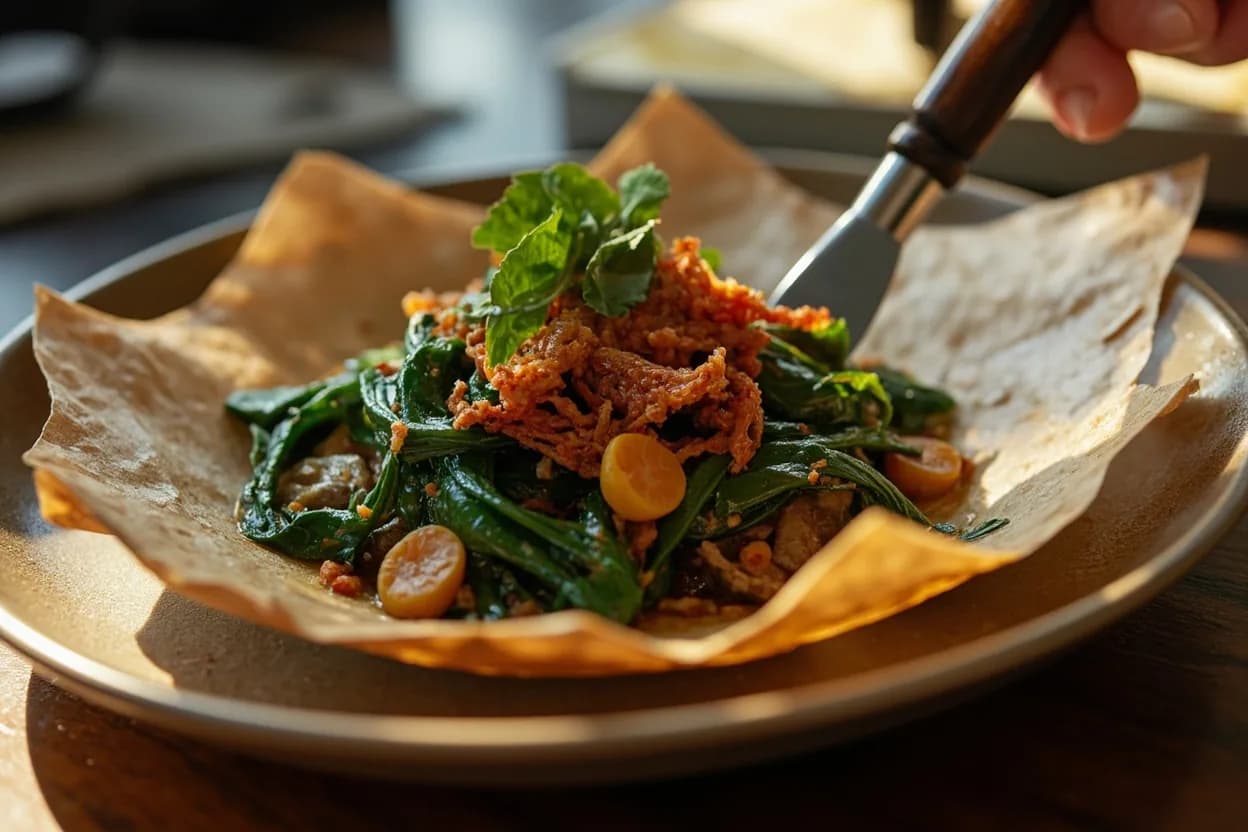
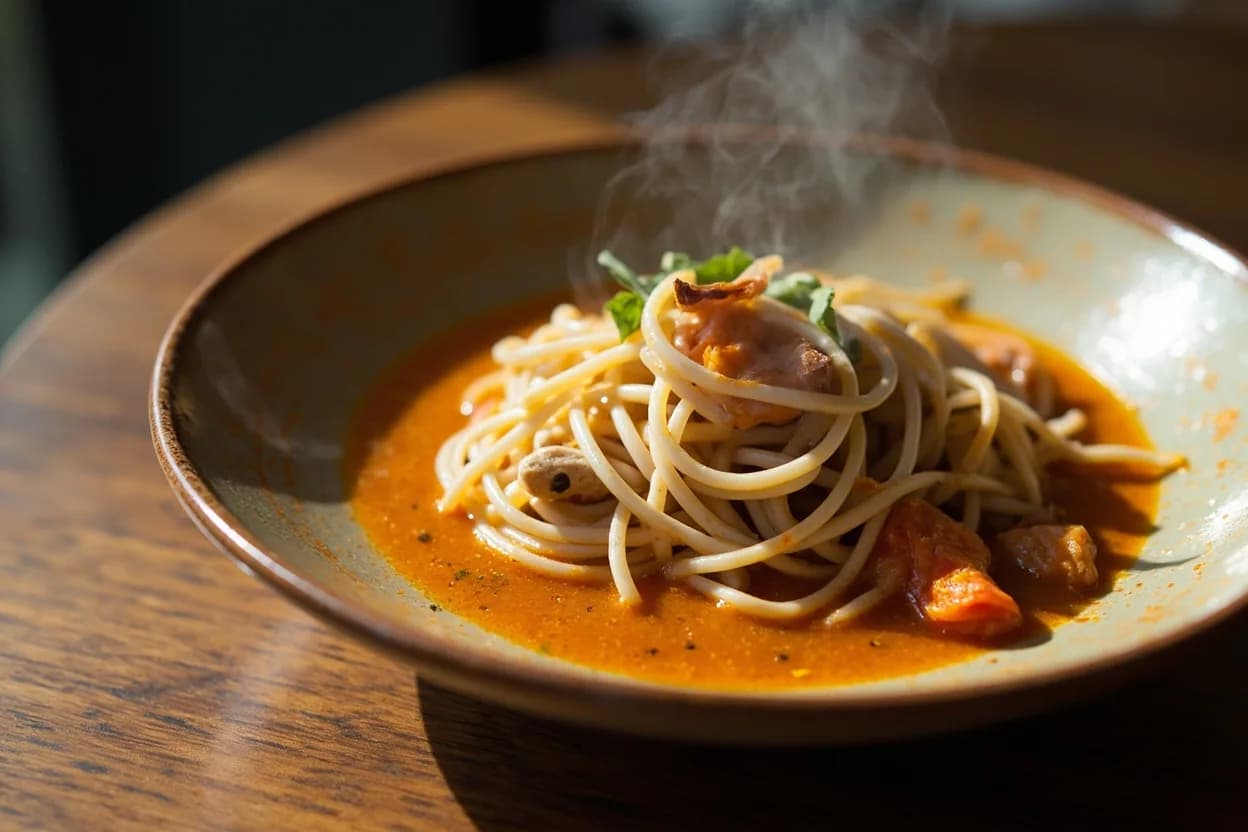
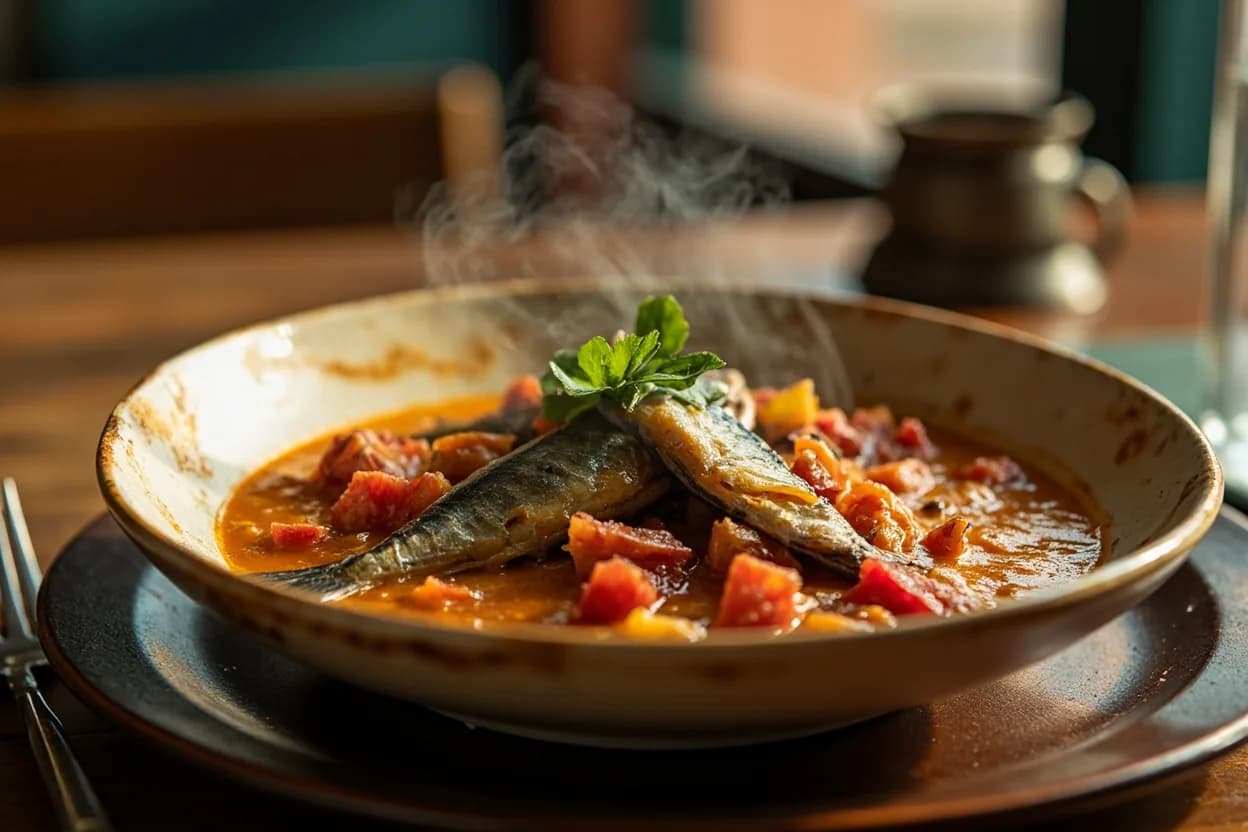
Appears in these dishes
Related
Egg
The kitchen's everything ingredient — bind, leaven, enrich, or fry
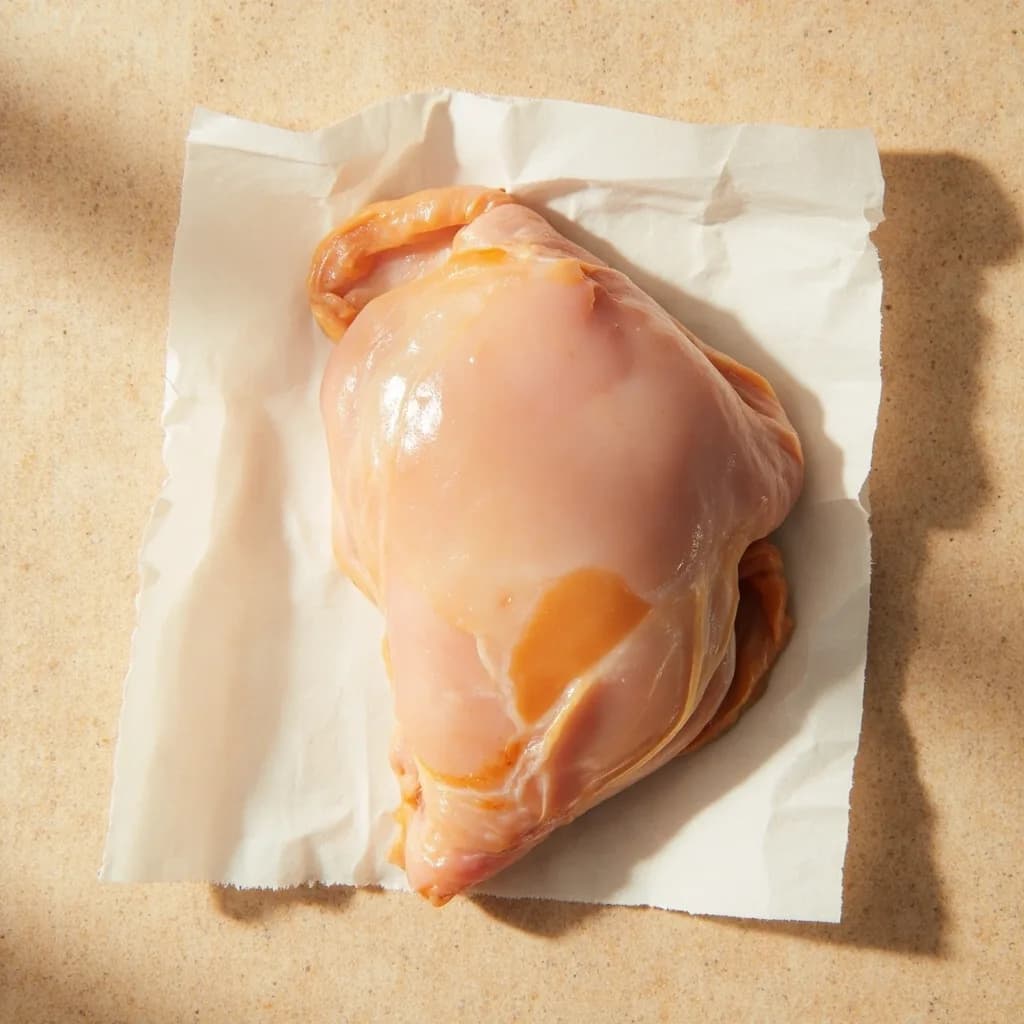
Chicken Breast
Lean, quick-cooking white meat for everyday dinners

Ground Beef
Versatile minced beef for burgers, ragù, tacos, and meatballs
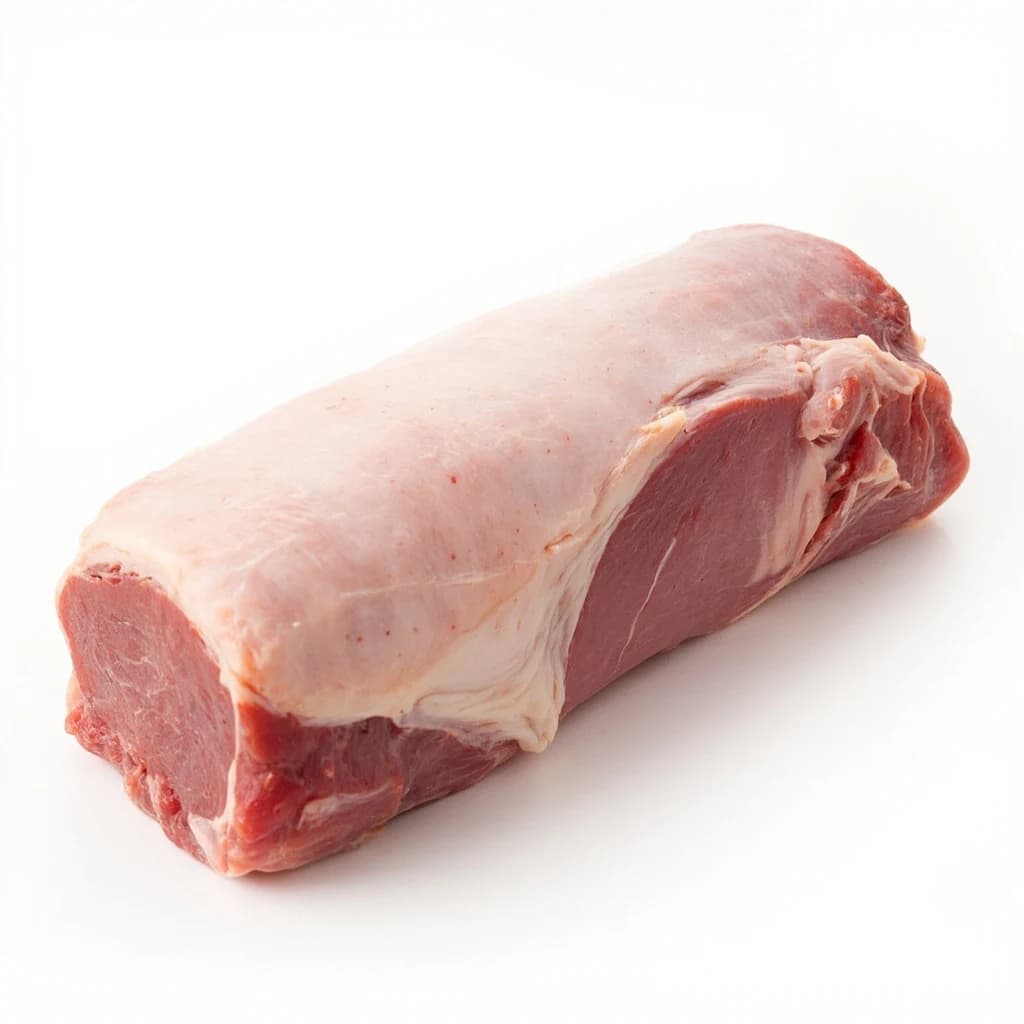
Pork Loin
Lean, tender roasting cut that stays juicy with care
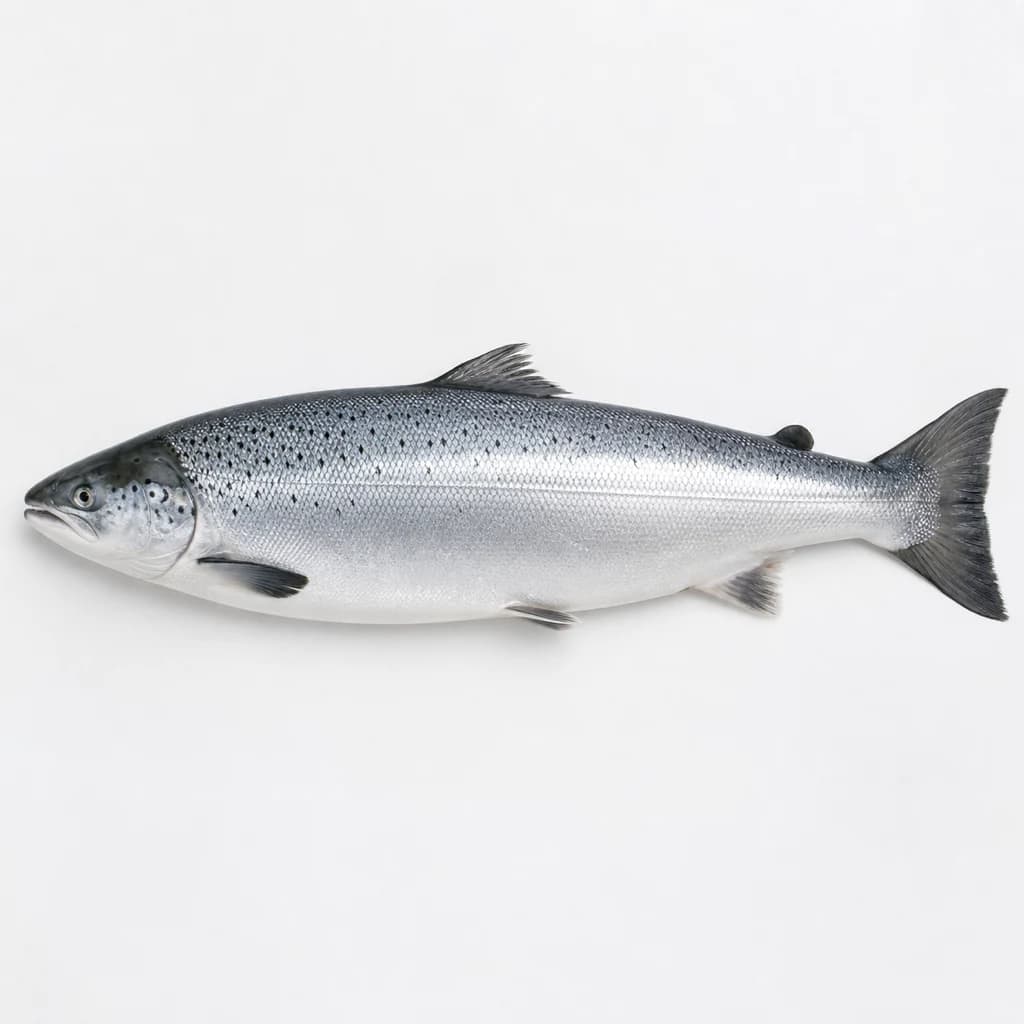
Salmon
Rich, rosy fish that roasts, grills, or cures beautifully

Egg White
Pure protein that whips to airy peaks for meringue and more
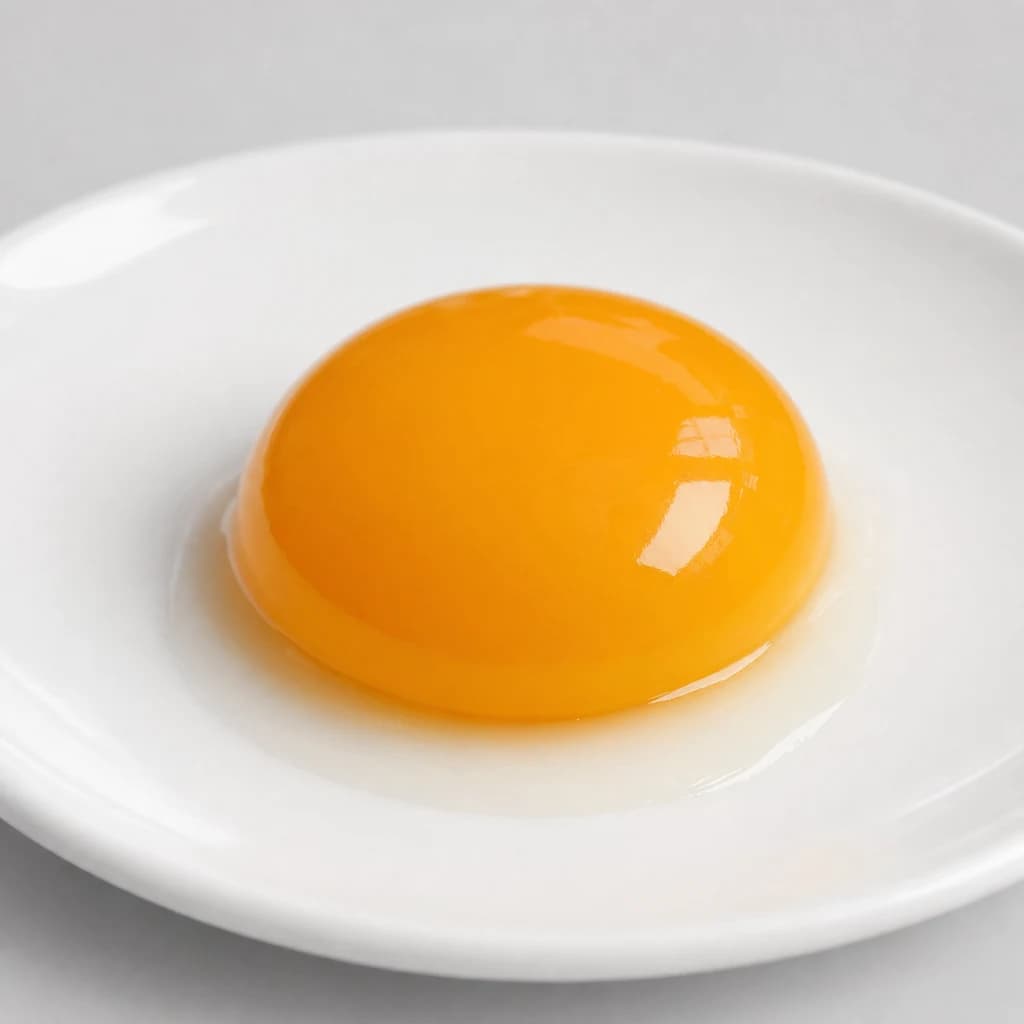
Egg Yolk
Rich, golden yolk for custards, mayonnaise, and pasta

Quail Egg
Tiny, speckled eggs for garnishing and elegant bites