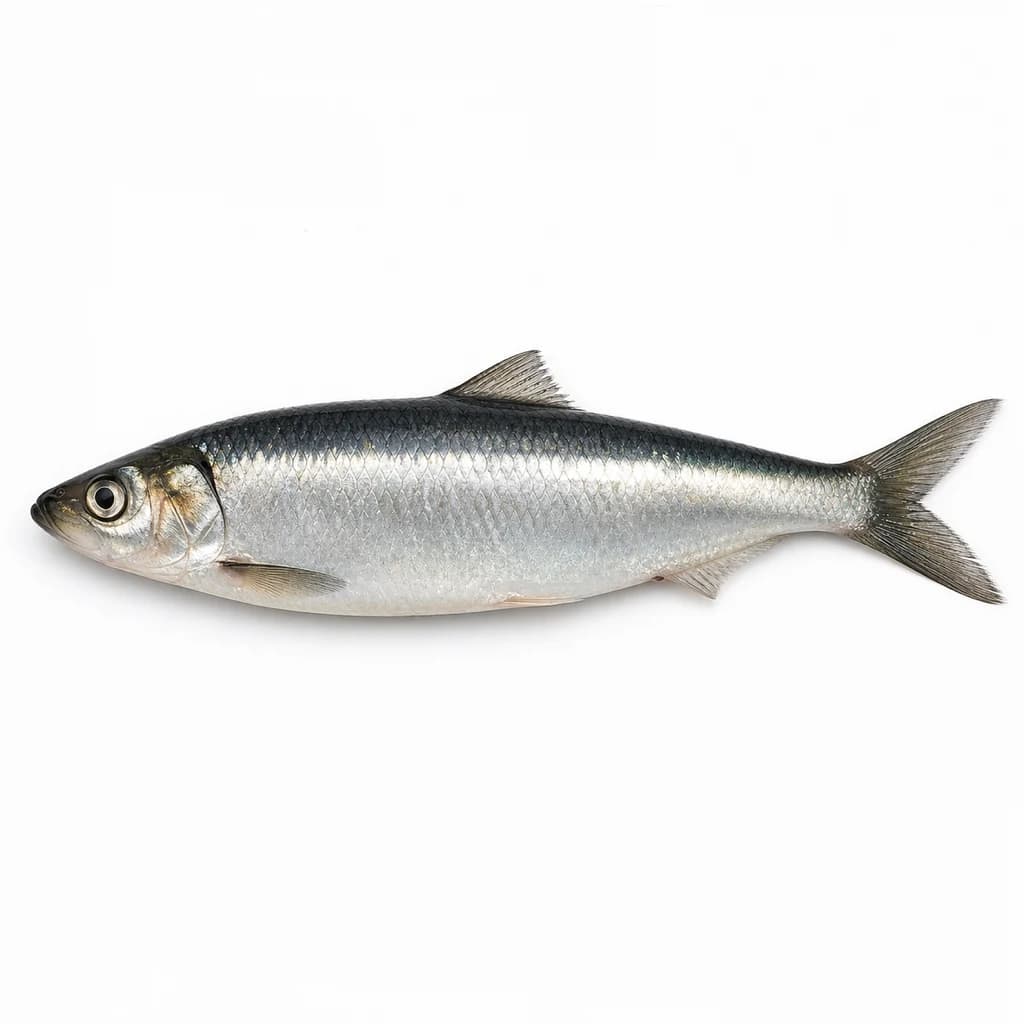
Natural form
A whole fresh herring showing its characteristic silvery scales and slender body.
Shows the fish in its unprocessed state so readers can identify it at market or in the wild.
Proteins
Herring
Small oily sea fish, eaten salted, pickled, or smoked — a cornerstone of Northern and Baltic European tables.
Herring is a small, oily, silvery sea fish central to Northern and Baltic European cuisines. It is most often cured — salted, pickled in vinegar and onions, or smoked — to preserve its rich, fatty flesh. Pickled herring is a classic smörgåsbord and holiday dish, while fresh herring is fried or grilled.
Herring (Clupea harengus for Atlantic, Clupea pallasii for Pacific) is a small, exceptionally oily sea fish from the Clupeidae family that has shaped Northern and Baltic European food culture for millennia. One of the most abundant fish species on earth, herring travel in enormous schools whose seasonal migrations historically dictated the economic and culinary calendars of coastal communities. The Hanseatic League built much of its medieval power on the herring trade, and the town of Scania in southern Sweden hosted one of the largest medieval fish markets. Fresh herring has a clean, buttery, distinctly oceanic flavor without the strong "fishy" character of less fresh fish; at peak fatness (up to 20% lipid content), the flesh is remarkably rich and silky. The development of salt-curing, smoking, and pickling techniques transformed herring from a highly perishable catch into a storable protein staple that could travel far inland, sustaining communities through long winters. Today, Norway, Denmark, Sweden, Iceland, and Russia lead production of cured herring products, though the fish remains integral from Britain's kippers to Swedish sill to German rollmops. Herring flesh is delicate and tears easily, demanding gentle handling throughout preparation.
Fresh herring is sold whole, as fillets, or as single fillets (boneless, skin-on). Pre-cured products range from lightly salted matjes to fully pickled preparations in vinegar-based brines. The bloodline running along the spine carries a strong, muddy flavor that professional cooks always remove, even from cured fish, before final preparation. Baltic herring typically runs smaller (6–10 inches) and leaner than Atlantic specimens, producing milder, more delicate results well-suited to light cures. The fish is exceptionally nutritious: a single serving provides substantial omega-3 fatty acids (EPA and DHA), vitamin D, vitamin B12, and selenium.
Buying and storing herring correctly matters enormously. Fresh herring deteriorates rapidly and should smell of cold ocean brine, never sour or ammonia-sharp. It keeps only 1–2 days refrigerated on ice. For longer storage, freezing at 0°F (-18°C) extends life to six months, though the texture suffers. Cured products are more forgiving: salted herring keeps several months refrigerated, pickled versions 2–3 months, and vacuum-sealed smoked herring several weeks. Always store smoked and cured products at 2–4°C (36–39°F); bring smoked herring to room temperature before serving to allow flavors to open fully.
- Measured in
- g
- Storage
- Fridge
Allergens
Types & varieties
Largest common herring species; strong, oily flavor; core of Scandinavian and Northern European traditions
Smaller, leaner variety with milder flavor; central to Swedish, Finnish, and Baltic cuisines
Caught from Alaska to California; slightly sweeter; important in Indigenous and West Coast cuisines
Immature herring; smaller, more delicate; often used for smoking
Whole herring, split and cold-smoked; deep orange-red flesh with rich smoky flavor
Whole herring, hot-smoked; buttery texture, golden color
Young, very fatty herring; lightly salted; characteristic buttery texture
Danish specialty; heavily salted then marinated in sweet syrup
Pickled fillets rolled around a pickle or onion; ready-to-eat snack or bar food
Fillets marinated in vinegar with spices and onions; common in British and Dutch cuisine
German pickled herring salad with onions, apples, and vinaigrette
Common uses
Tips & pitfalls
- Always remove the bloodline (dark strip along the spine) when filleting fresh herring — this single step dramatically reduces fishiness and muddiness
- For pickling, cure the herring in dry salt for at least 24–48 hours first to firm the flesh and draw out excess moisture
- When buying pre-cured herring, smell it: properly cured herring should smell briny and ocean-fresh, never sour or ammonia-like — if it smells sharp, pass
- If pan-frying fresh herring, pat very dry, score the skin at 1-inch intervals, and dust lightly with flour to prevent curling and sticking
- Smoked herring is fully cooked and ready to eat; if the texture seems dry, flake it into a warm butter sauce or fold into scrambled eggs rather than steaming, which makes it mushy
- For authentic Swedish sill, use a ratio of roughly 3 parts vinegar to 2 parts sugar with pickling spices; allow at least 48 hours of marination for proper flavor development
- Herring flesh is delicate and falls apart easily — handle gently when turning, transferring, or plating, especially with fresh fish
- Do not overcook fresh herring — it becomes dry and tough rapidly; it is done when the flesh turns opaque and just begins to yield to gentle pressure
- When using jarred pickled herring that tastes too salty or sharply acidic, drain, rinse briefly under cold water, and pat dry before serving
- Test doneness of fresh fried herring by pressing gently: the flesh should yield slightly but feel firm throughout, never soft or translucent
Nutrition
Energy
816 kJ · per 100 g
Where the calories come from
Protein
16.4g
33% DV
Carbs
0g
0% DV
Fat
13.9g
18% DV
Fiber
0g
0% DV
Sodium
74mg
3% DV
Source · USDA FoodData Central · approx. Fish, herring, Pacific, raw
View on FDC →In the shops
Matched grocery products
No matched grocery products for Herring yet.
Good to know
- Scientific Name
- Clupea harengus (Atlantic), Clupea pallasii (Pacific)
- Family
- Clupeidae (herrings)
- Origin
- Cold waters of the North Atlantic, North Pacific, and Baltic Sea
- Typical Size
- 8–16 inches (20–40 cm); Baltic herring smaller at 6–10 inches
- Fat Content
- High — up to 15–20% lipid content at peak fatness
- Peak Season
- Late summer through autumn (North Sea); winter through early spring (Baltic)
- Yield
- Whole fish yields approximately 45–55% edible meat after filleting and skinning
- Fresh Shelf Life
- 1–2 days refrigerated on ice; up to 6 months frozen at 0°F (-18°C)
- Cured Shelf Life
- Salted: several months refrigerated; pickled: 2–3 months; vacuum-sealed smoked: several weeks refrigerated
- Key Nutrients
- Omega-3 fatty acids (EPA, DHA), vitamin D, vitamin B12, selenium
Substitutes
- Sardine — Similar oily texture and flavor profile; smaller bones are edible; best when pickled or fresh-fried
- Mackerel — Comparable fat content and fishiness with slightly stronger flavor; works well grilled, cured, or smoked
- Sprat — Smaller but shares the oily character and is often used identically in traditional European preparations
- Anchovy — Much stronger flavor; use sparingly in sauces or salads; not suitable for whole-fish preparations
- Areng (smoked herring) — West African equivalent; useful substitute in traditional Caribbean and African recipes calling for smoked herring
Pairs with
Also called
Salted Herring · Pickled Herring (Sild) · Baltic Herring (Räim) · Smoked Herring · Smoked Herring (Aransò) · Sild · Räim
Appears in these dishes
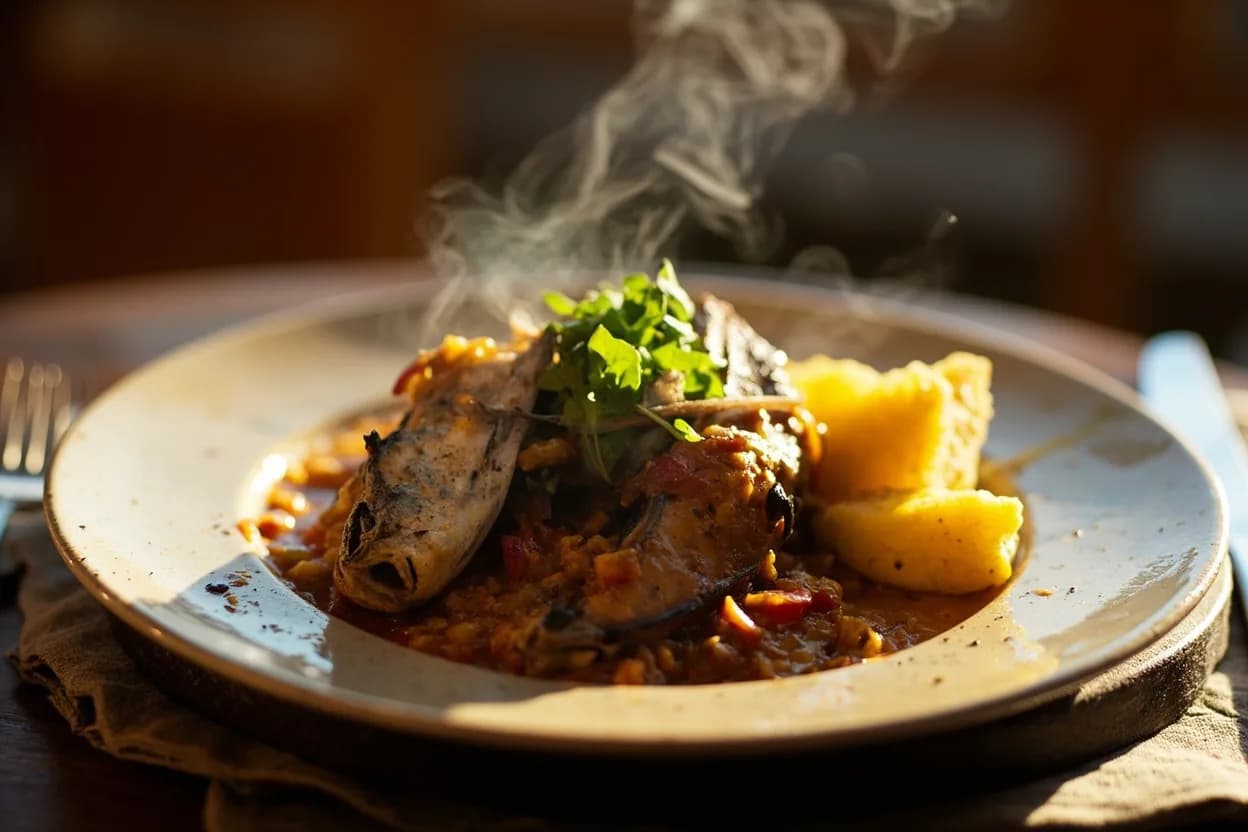
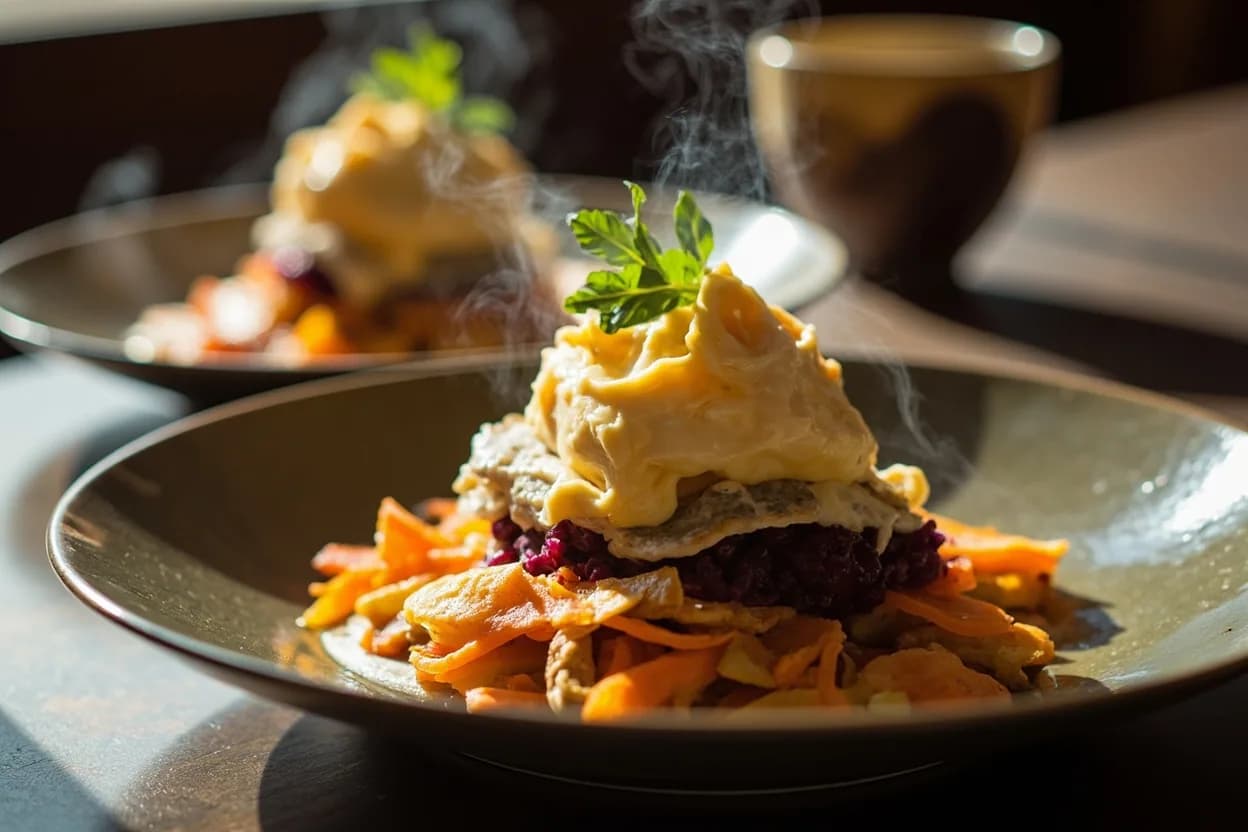
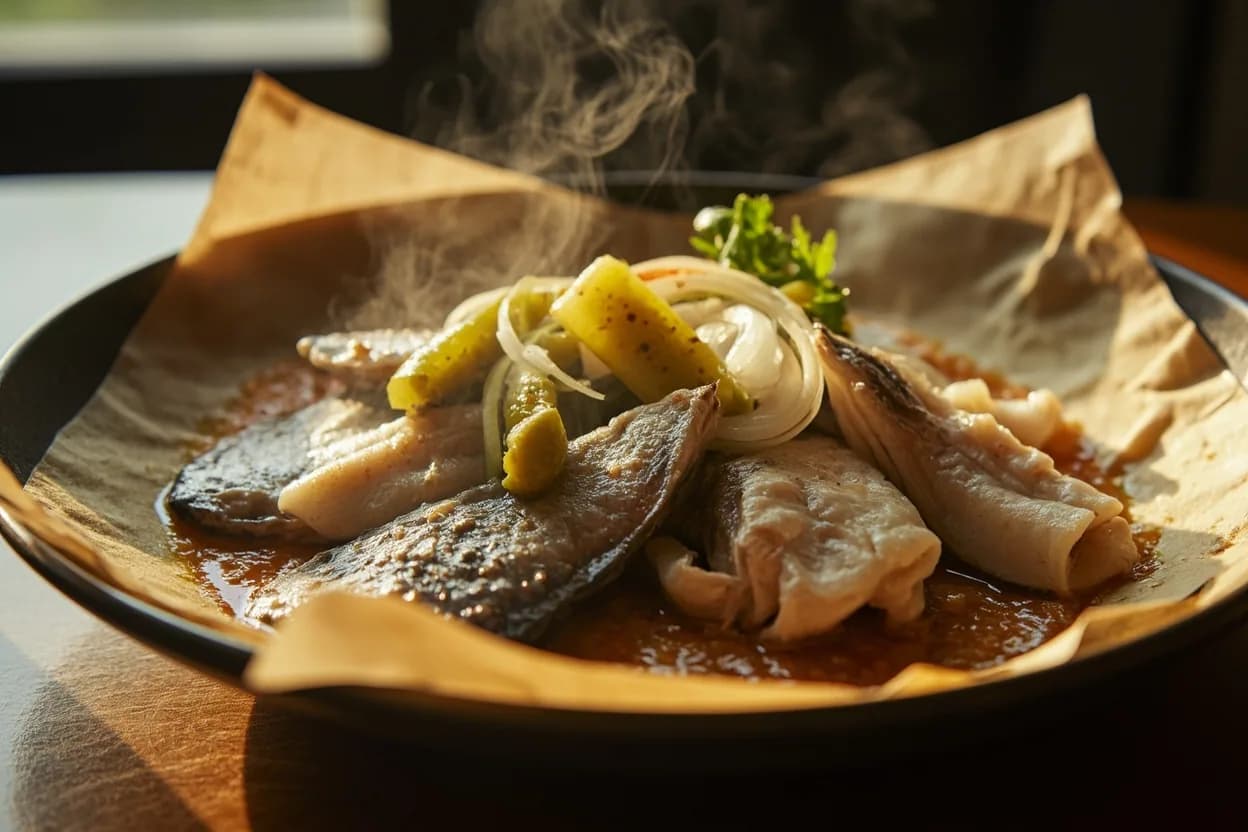
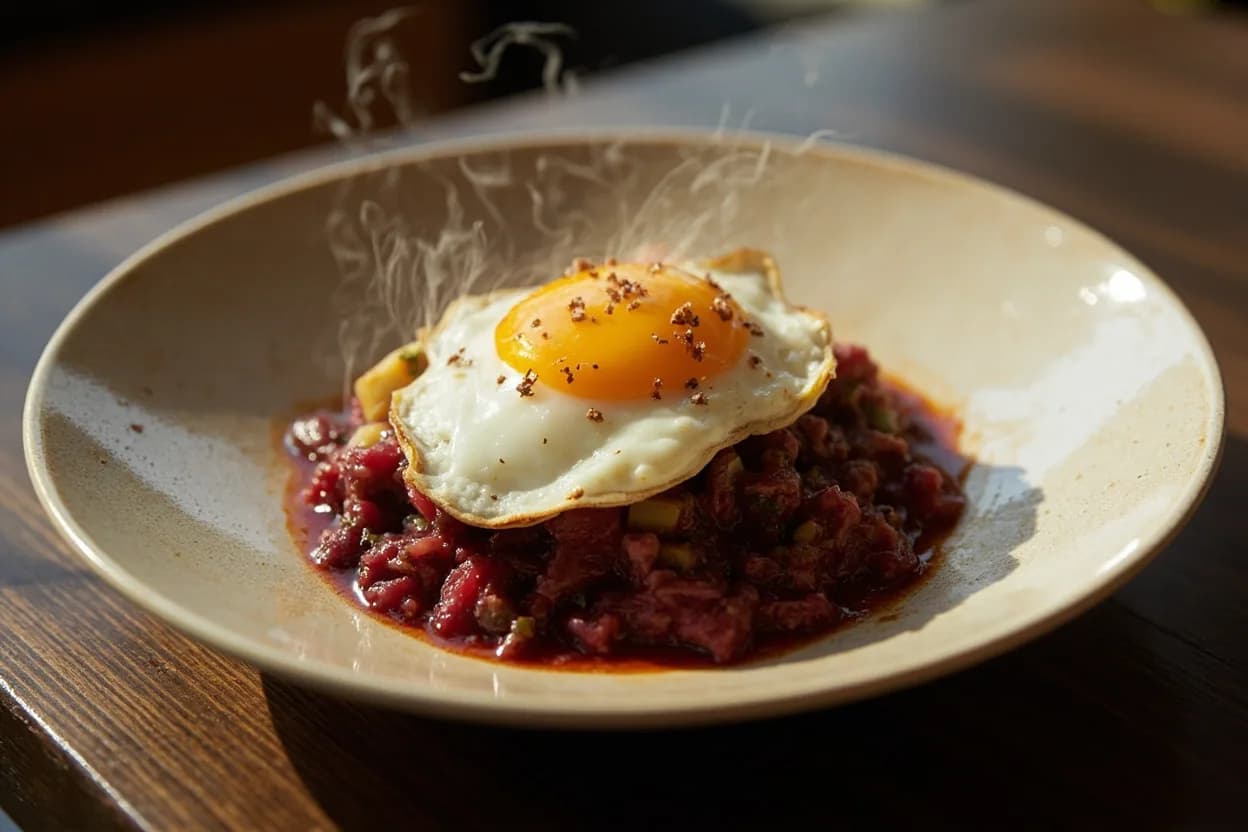
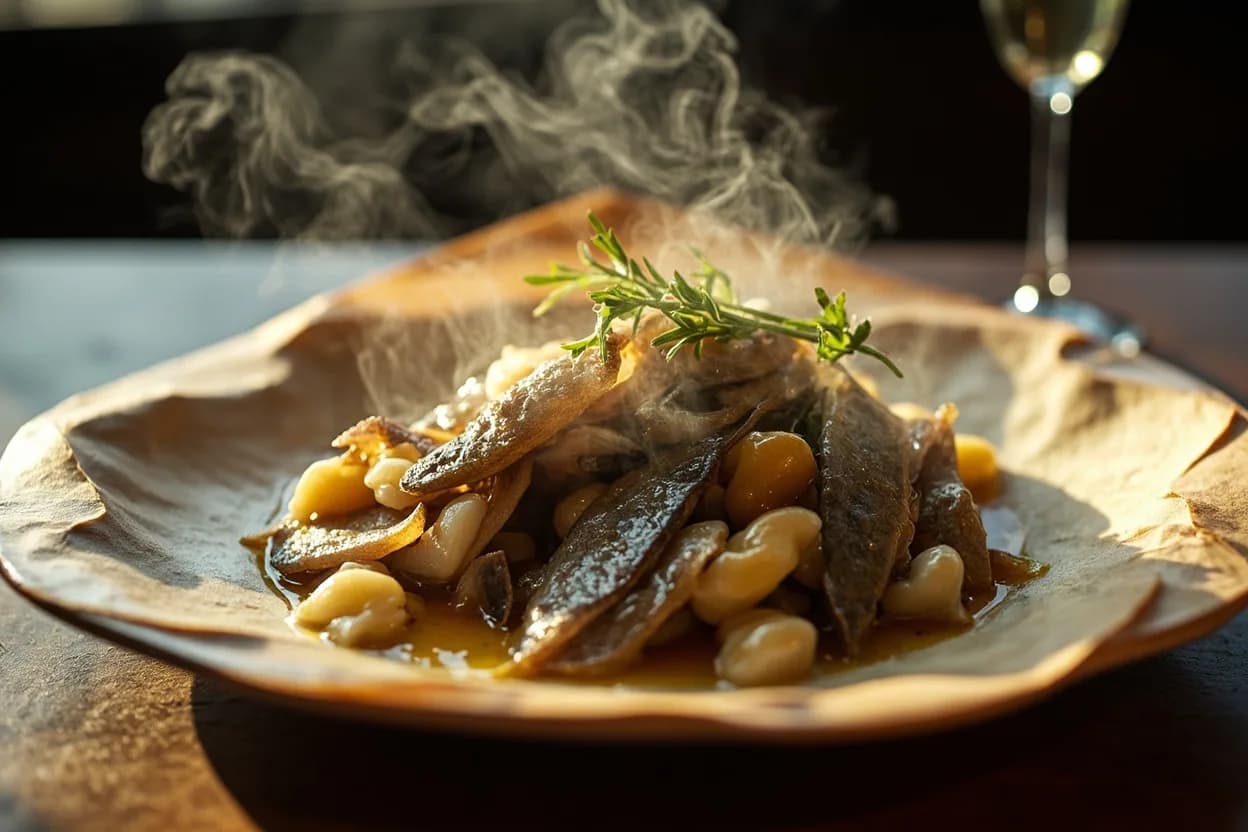
Related
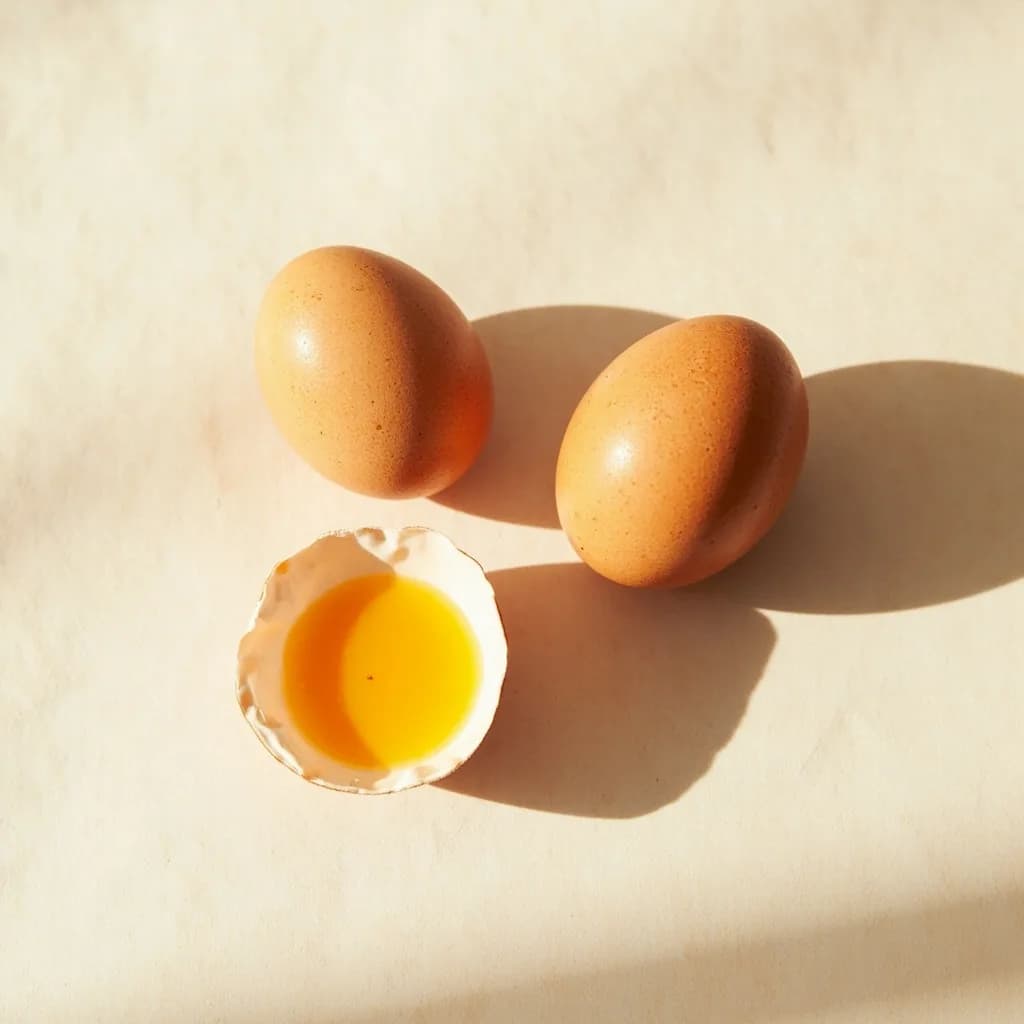
Egg
The kitchen's everything ingredient — bind, leaven, enrich, or fry
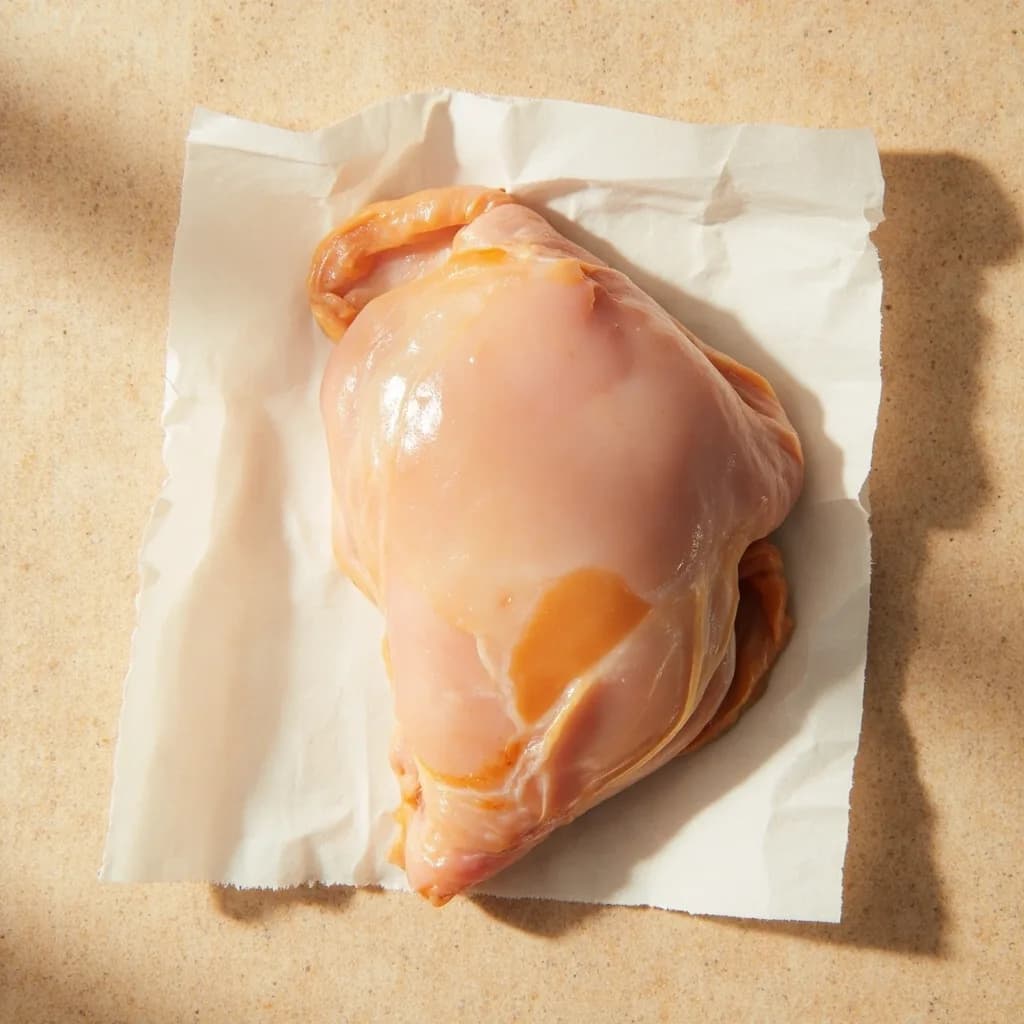
Chicken Breast
Lean, quick-cooking white meat for everyday dinners

Ground Beef
Versatile minced beef for burgers, ragù, tacos, and meatballs
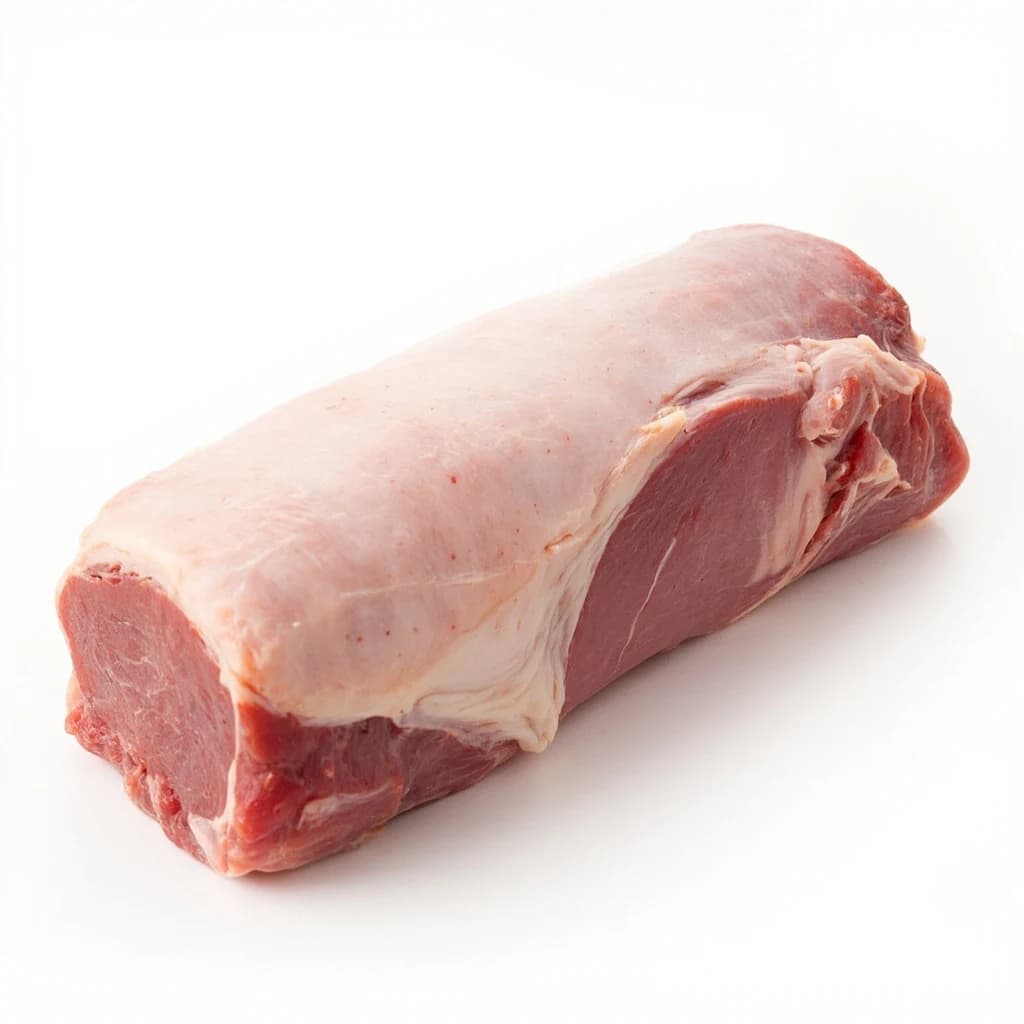
Pork Loin
Lean, tender roasting cut that stays juicy with care
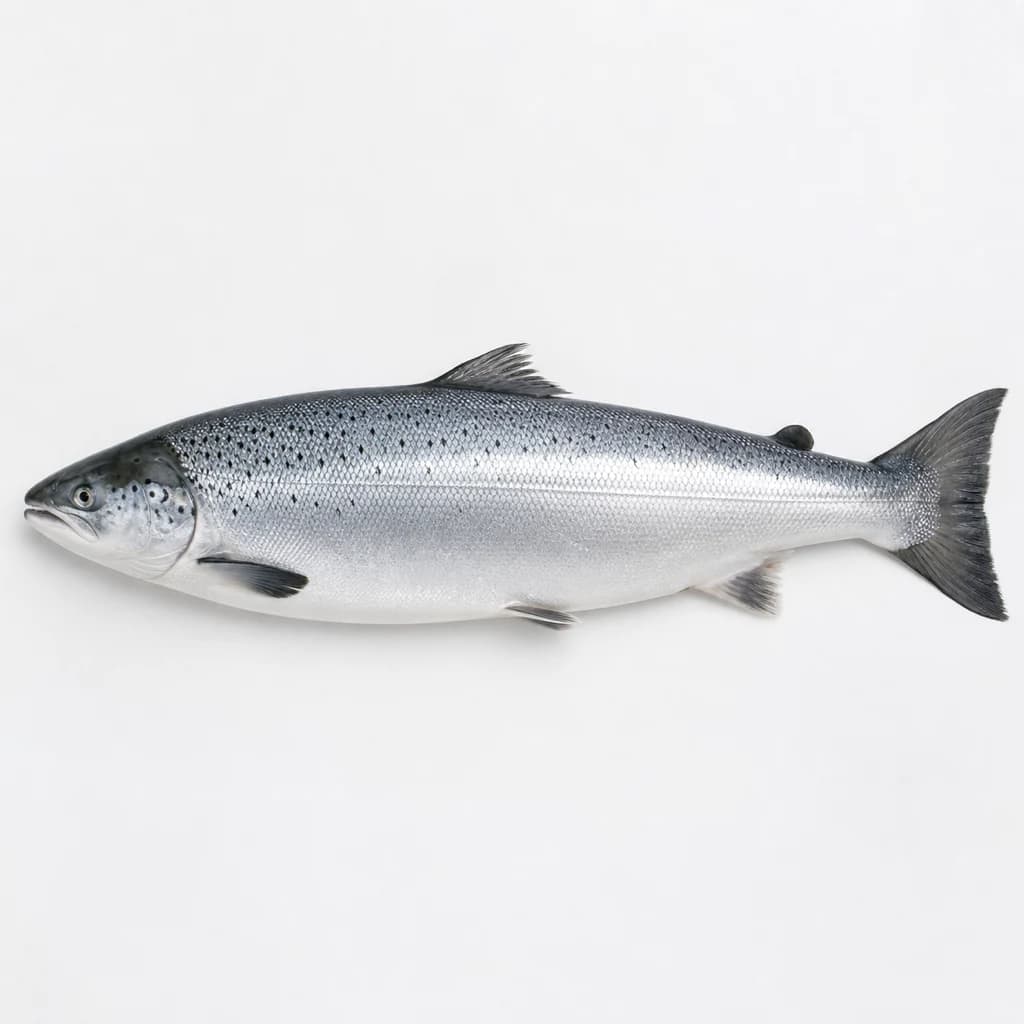
Salmon
Rich, rosy fish that roasts, grills, or cures beautifully

Egg White
Pure protein that whips to airy peaks for meringue and more
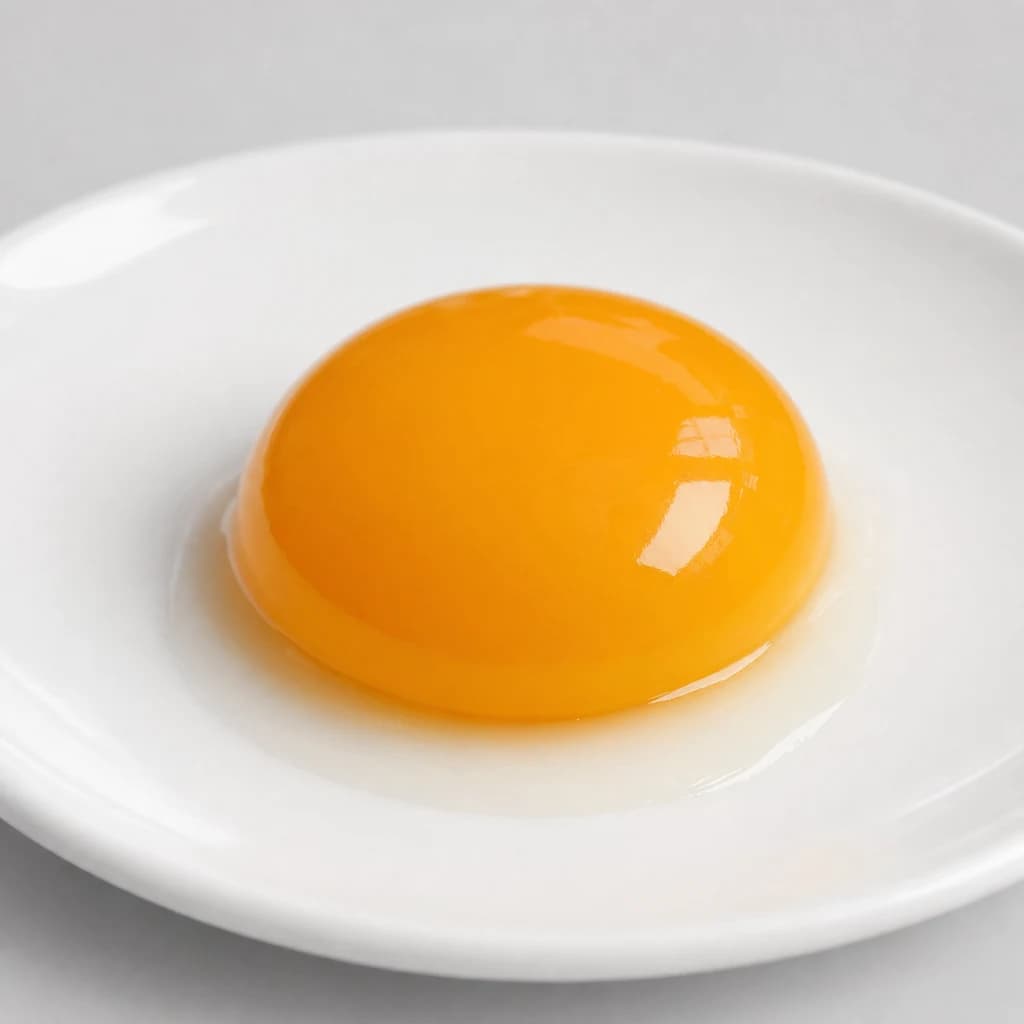
Egg Yolk
Rich, golden yolk for custards, mayonnaise, and pasta

Quail Egg
Tiny, speckled eggs for garnishing and elegant bites