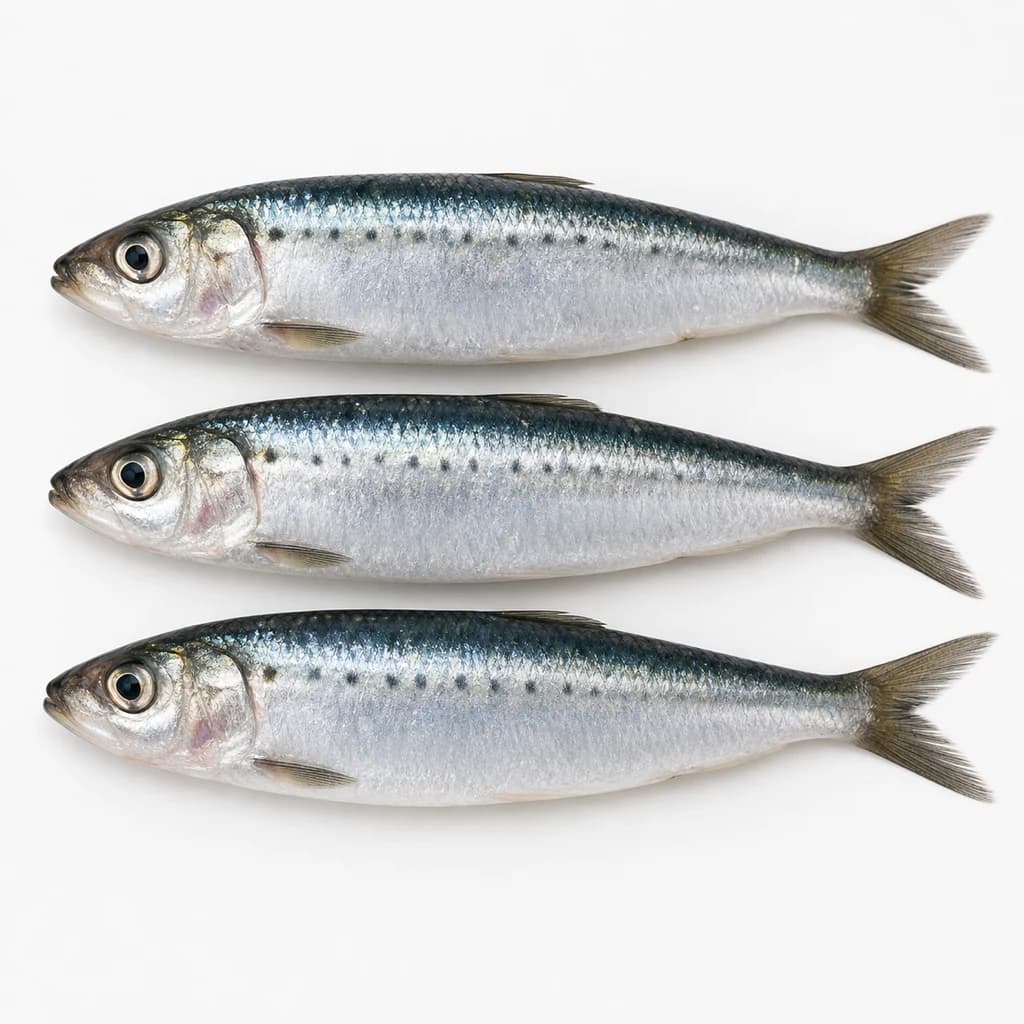
Natural form
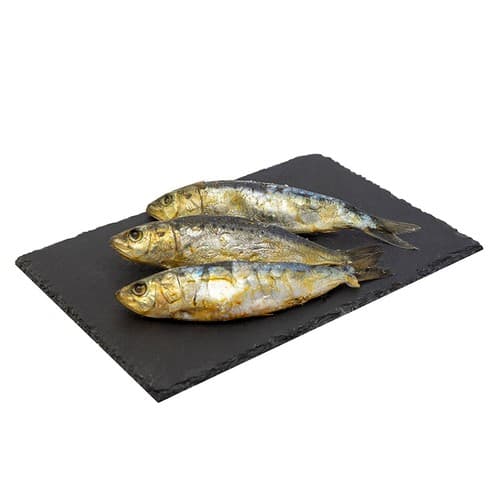
Fresh whole sardines, silver-blue skin intact, laid on a plain light surface.
Shows the reader how to recognize a fresh, unprocessed sardine by its distinctive color, size, and form.
Proteins
Sardine
Oily little fish for grilling, tinning, and toast
Rich and full-flavored, sardines grill in minutes over coals and come tinned for an instant savory boost on toast. Keep fresh ones cold and cook them the same day.
Sardines are small, oily, silver-skinned fish — packed with the rich, deeply savory flavor and the omega-3 oils that oily fish are prized for. Cheap, sustainable, and intensely flavorful, they're grilled whole over coals until the skin blisters (a Mediterranean and Portuguese summer ritual), or preserved in tins in oil, where they soften and concentrate into a pantry hero on toast, in pasta, and over salads. Their bones, especially in tinned sardines, soften enough to eat and deliver a serious calcium boost. Fresh sardines are best eaten very fresh, as their high oil content makes them spoil fast.
- Measured in
- g
- Storage
- Refrigerate
- Shelf life
- 2 days
Allergens
Find it in
Types & varieties
Grill or fry whole; eat very fresh as they spoil fast.
Pantry staple; soft bones, rich flavor for toast and pasta.
Sauced versions ready to eat.
Smoked small sardines for boards and snacking.
How to choose
Fresh sardines should be bright, firm, and shiny with clear eyes and a clean sea smell — dullness or strong odor means pass, since oily fish go off quickly. For tins, better olive oil and whole fillets signal quality. Larger sardines are easier to grill; smaller ones are tender.
How to store / food safety
Fresh sardines are highly perishable — keep on ice and cook the same day. Tinned sardines are shelf-stable for years and improve slightly with age; refrigerate after opening and use within a couple of days. Oily fish like sardines are low in mercury and rich in omega-3s, recommended in regular moderation.
How to cook
Grill or barbecue fresh sardines whole over high heat — scaled, gutted, oiled, and salted — until the skin chars and blisters, then squeeze lemon over; the smoky skin and rich flesh are the whole appeal. Or flour and pan-fry them. For tinned, simply lift them onto toast, fork them into pasta with garlic and chili, or mash with lemon and butter for a quick pâté.
Common uses
Tips & pitfalls
- Grill fresh sardines hot and fast over coals until the skin blisters.
- Eat fresh sardines the day you buy them — they spoil quickly.
- Tinned sardine bones are soft, edible, and full of calcium.
- Fork tinned sardines into pasta with garlic, chili, and lemon.
- A squeeze of lemon cuts their richness beautifully.
Nutrition
Energy
3774 kJ · per 100 g
Where the calories come from
Protein
0g
0% DV
Carbs
0g
0% DV
Fat
100g
128% DV
Fiber
0g
0% DV
Sodium
0mg
0% DV
Source · USDA FoodData Central · approx. Fish oil, sardine
View on FDC →In the shops
Matched grocery products
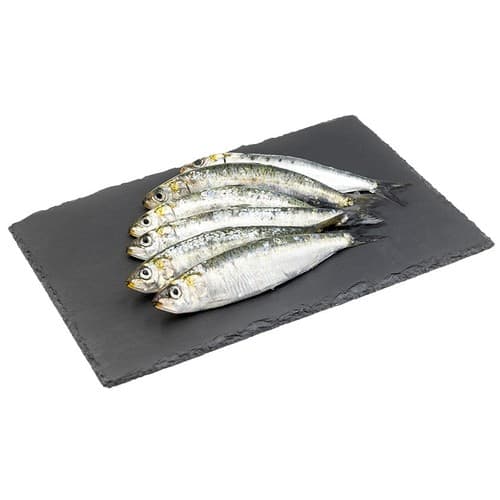 €3.50
€3.50Large Sardine
ud · Bonpreu
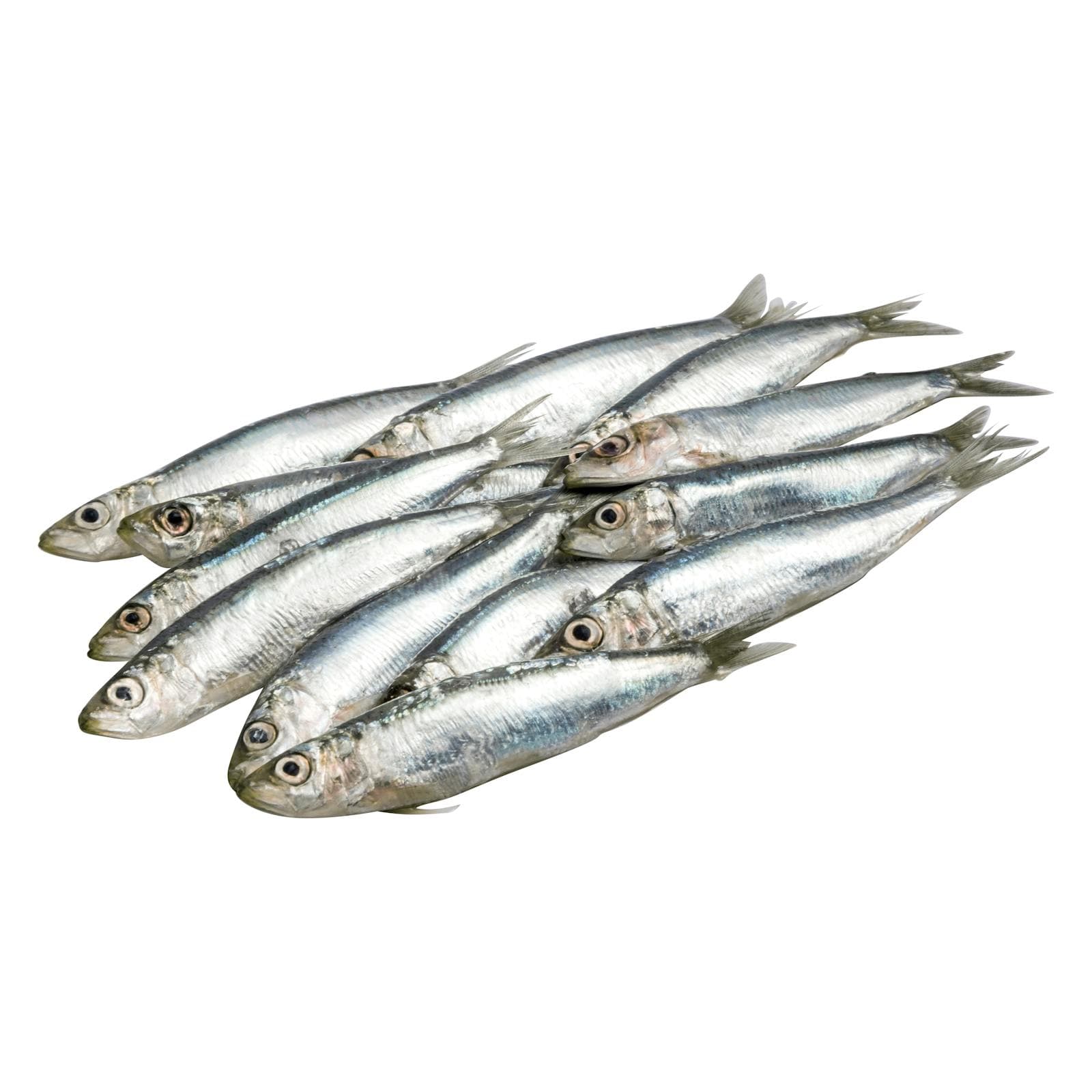 €1.19
€1.19Ungutted Sardine
200 g · Mercadona
 €1.20
€1.20Coastal Sardine
ud · Bonpreu
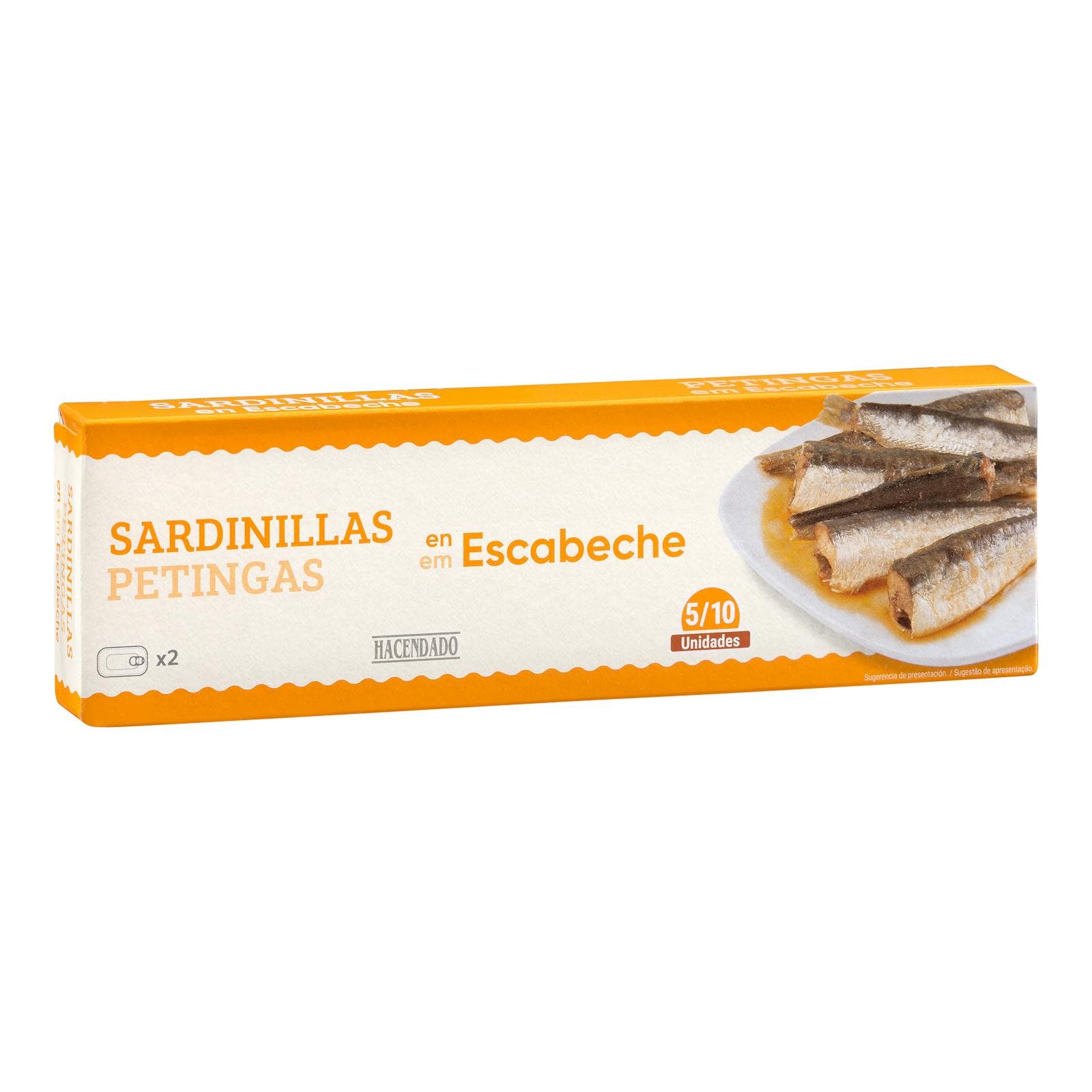 €1.95
€1.95Pickled Sardines
Hacendado · 180 g · Mercadona
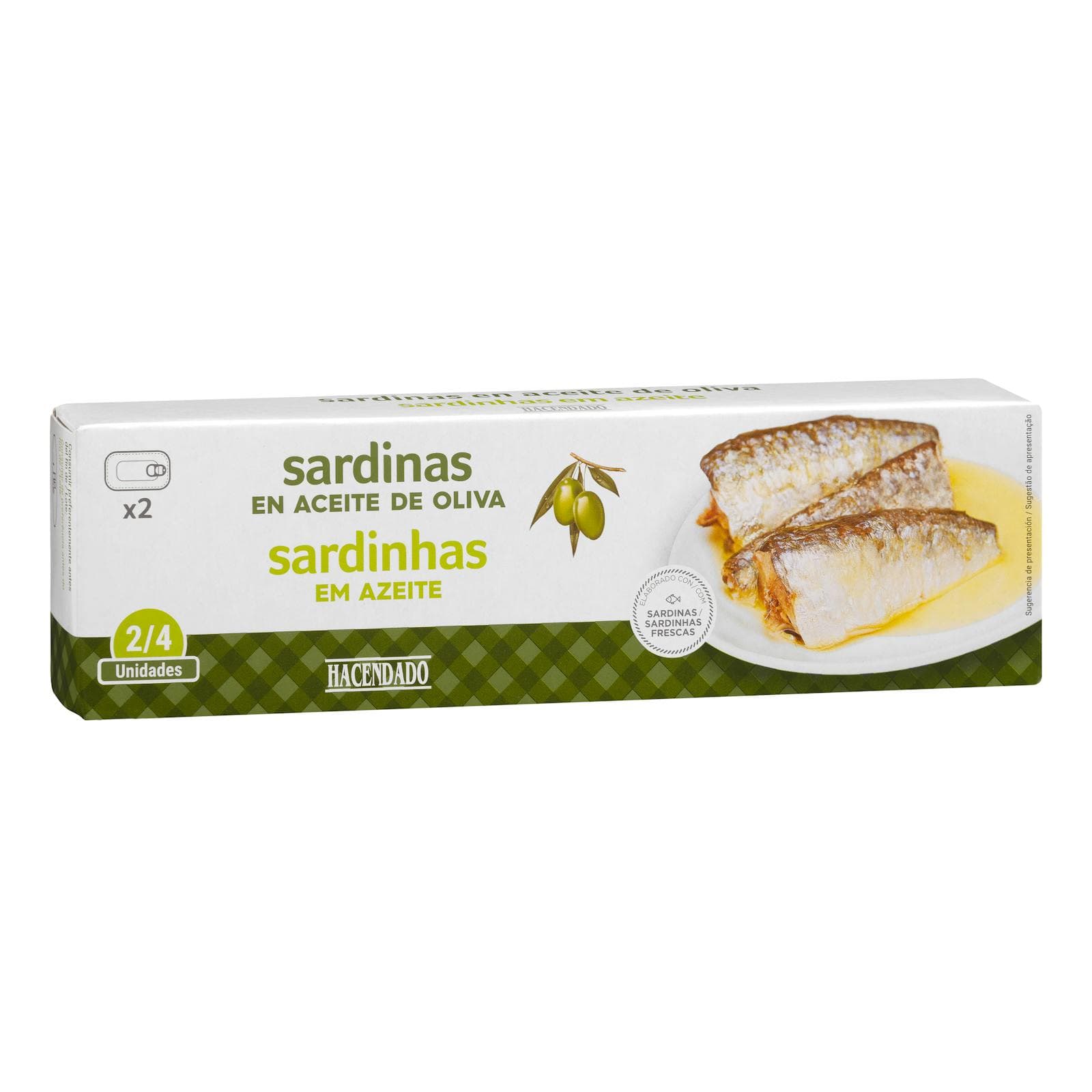 €2.20
€2.20Sardines in Olive Oil
Hacendado · 234 g · Mercadona
 €0.79
€0.79Salted Sardine
Bonpreu
Good to know
- Cut/type
- Small oily fish; fresh whole or tinned
- Flavor
- Rich, savory, briny, full-flavored
- Cook to
- Grill/fry till skin crisps; tinned ready to eat
- Nutrition
- ~210 kcal/100g, ~25g protein, ~11g fat (omega-3)
- Buy
- Bright, firm, shiny fresh; quality-oil tins
Appears in these dishes
Related
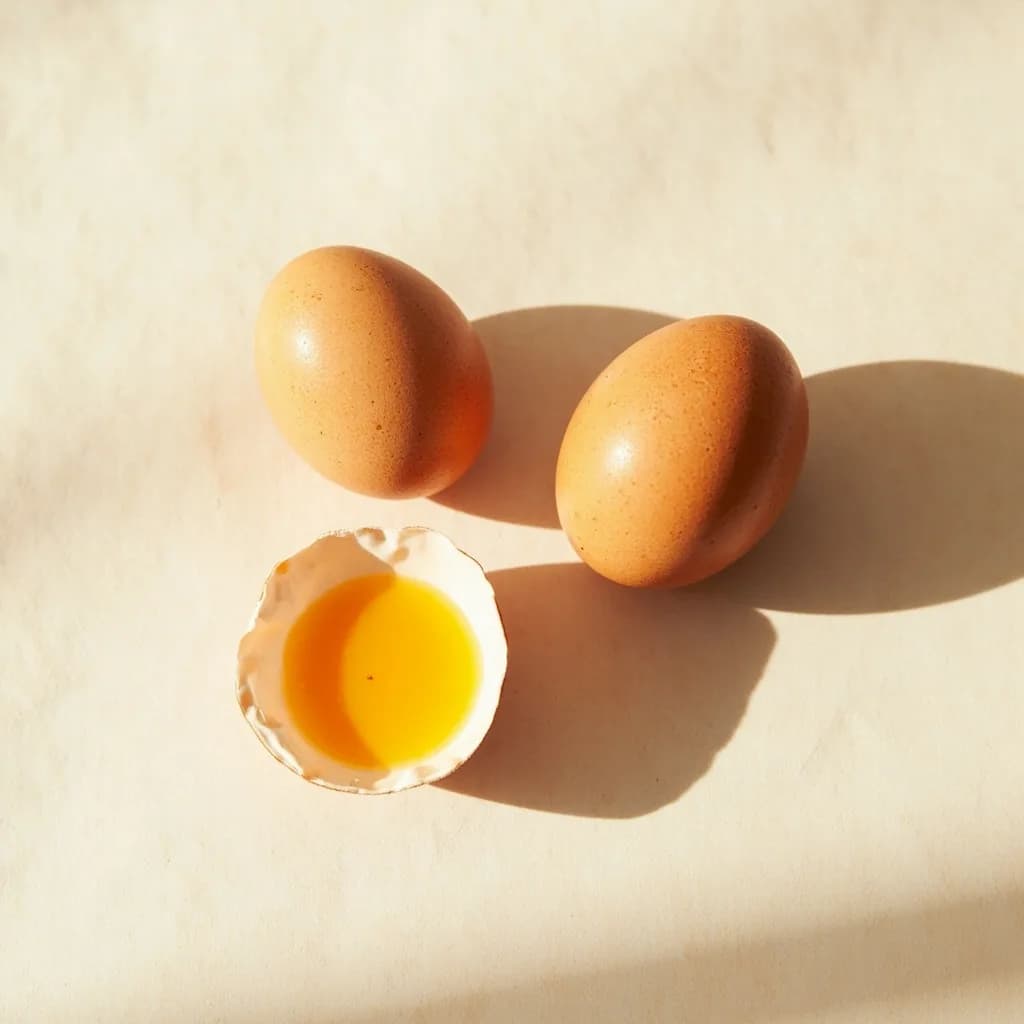
Egg
The kitchen's everything ingredient — bind, leaven, enrich, or fry
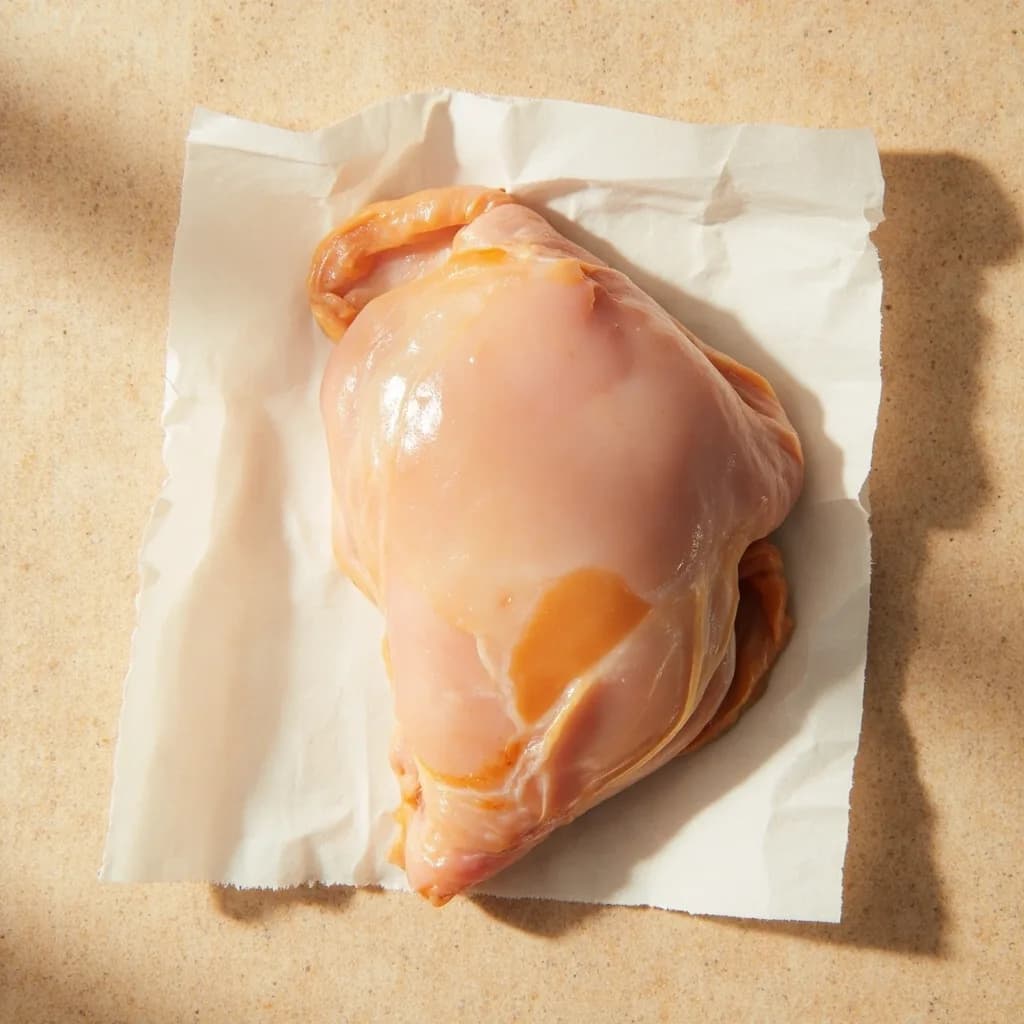
Chicken Breast
Lean, quick-cooking white meat for everyday dinners

Ground Beef
Versatile minced beef for burgers, ragù, tacos, and meatballs
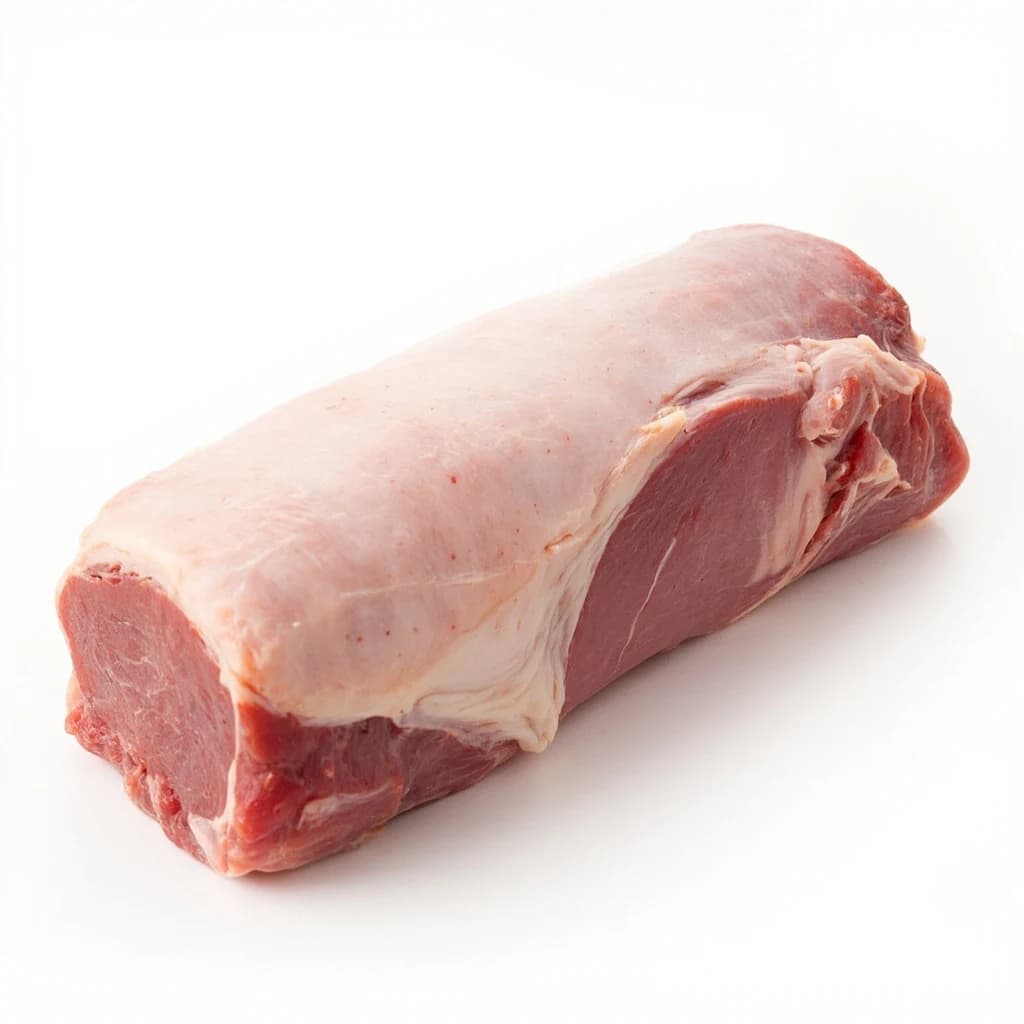
Pork Loin
Lean, tender roasting cut that stays juicy with care
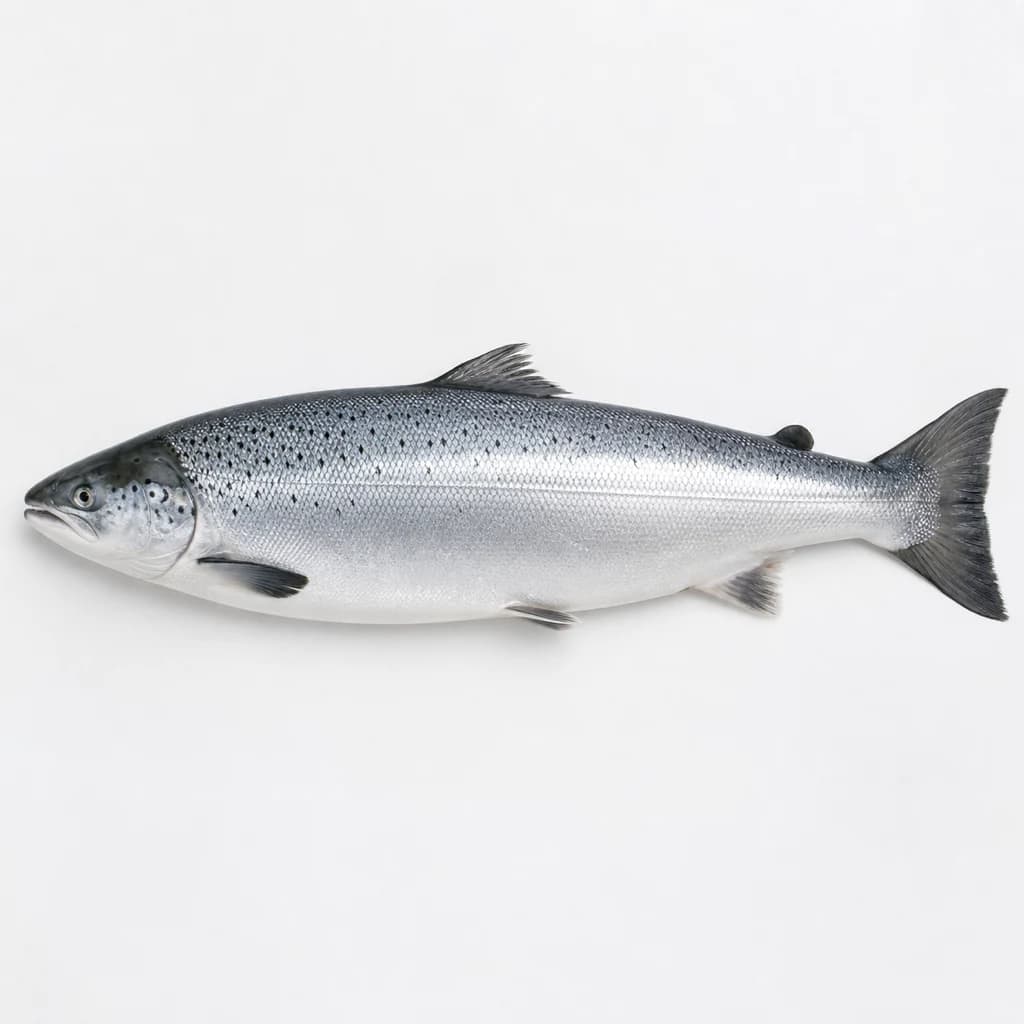
Salmon
Rich, rosy fish that roasts, grills, or cures beautifully

Egg White
Pure protein that whips to airy peaks for meringue and more
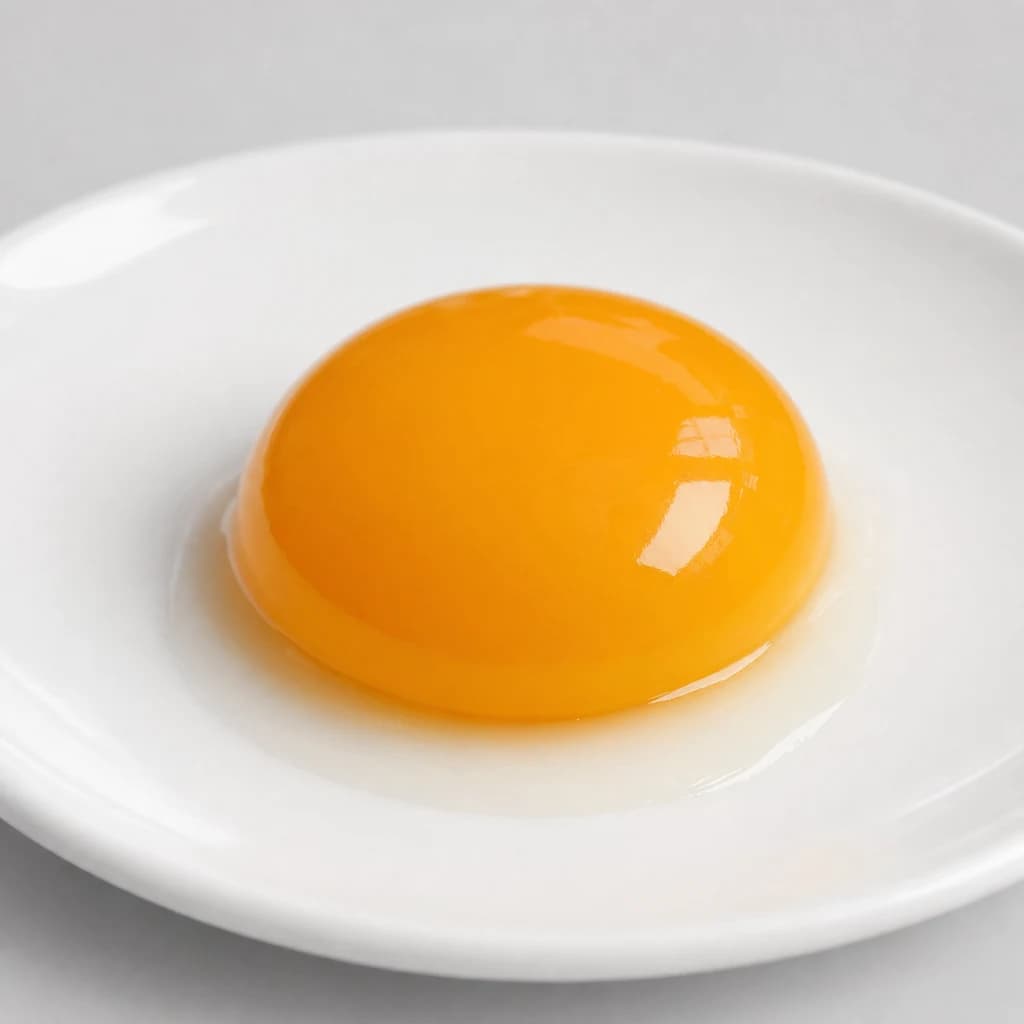
Egg Yolk
Rich, golden yolk for custards, mayonnaise, and pasta

Quail Egg
Tiny, speckled eggs for garnishing and elegant bites