Proteins
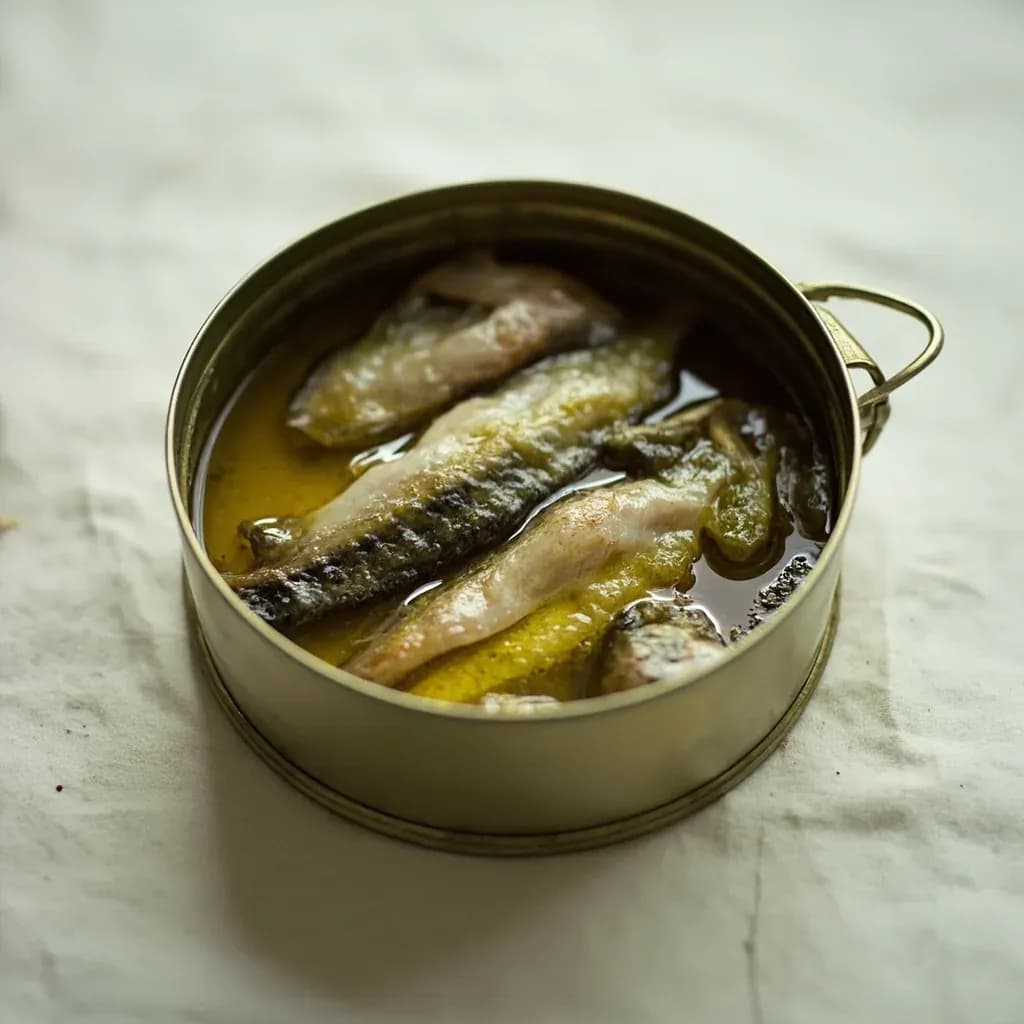
Tinned Mackerel
Canned oily mackerel in oil, brine or tomato sauce, eaten straight or in quick meals.
Tinned mackerel is cooked, canned oily fish sold in oil, brine or tomato sauce, a cheap and convenient source of omega-3-rich protein. It is flaked onto toast, tossed through pasta and salads, or simmered into curries and stews. The tomato-sauce variety is especially popular in West African and Asian cooking.
Tinned mackerel is a pantry workhorse that sits in a useful middle ground between tinned tuna (mild and lean) and tinned sardines (intense and pungent). It is an oily fish preserved by heat sterilization in a sealed tin, a process that softens the bones so the entire fillet — skin, flesh, and bone — becomes edible and a meaningful source of calcium. The two reference traditions are Iberian conservas, the hand-packed olive oil and escabeche styles of Portugal and Spain, and Japanese saba preparations in miso, salt, or soy. Today it is a global ingredient found in everything from Scandinavian mustard-sauce tins to British tomato-sauce family favourites.
The flavor is rich, savory, and distinctly oily, with a firmer texture than tinned tuna and a cleaner, less intense flavor than sardines. It holds its shape well, especially when fillet-packed, which makes it equally at home on toast, in a composed salad, stirred into pasta, or mashed into a quick pâté. The packing medium does much of the seasoning work for you, so a tin needs little more than bread, lemon, and a little cracked pepper to become a complete meal.
Practically, tinned mackerel is shelf-stable for years, needs no cooking, and delivers a serious dose of omega-3 EPA and DHA along with vitamin D, B12, and roughly 20–25 g of protein per 100 g drained. Treat it like a pre-cooked ingredient: warm it gently or eat it cold, and add it at the very end of any hot dish, because prolonged heat dries it out and dulls its flavor.
- Measured in
- g
- Storage
- Pantry
Allergens
Types & varieties
Premium packing that rounds out flavor; ideal for salads, toast, and eating as-is
Neutral, lighter mouthfeel; good all-purpose option for cooked dishes
Leaner and saltier, with a more pronounced fish flavor; common in Eastern European cooking
Ready-made base for pasta, rice, or quick stews; sweet-savory and pre-seasoned
Scandinavian and Northern European style; pairs with potatoes and dense dark bread
Spanish style with vinegar, olive oil, paprika, and bay; served cold as a tapa
Mackerel simmered then canned with sweet-savory miso; eat with rice or in onigiri
Pre-smoked before canning; deep, almost pâté-like intensity
Premium tins list 'fillets' or 'lomos'; cheaper tins are 'pieces' or 'chunks' and break up more
Hand-packed benchmark brands such as Pinhais, Nuri, Ramirez, and Bela Olhão, usually in olive oil
Often line-caught Atlantic mackerel in olive oil or escabeche; look for Codesa, Don Bocarte, Real Conservera
Reading the label
Two details tell you almost everything about a tin of mackerel: the species and where it was caught, and the packing medium. Atlantic mackerel from the northeast Atlantic or chub mackerel from the Pacific are the two species you will encounter, and the latter is what most Japanese saba tins contain. Within a species, line-caught fish generally have a cleaner flavor and firmer texture than purse-seined, and premium brands print the catch and packing dates on the lid — the shorter the gap, the fresher the flavor.
- 'Fillets' or 'lomos' are intact, skin-on sides; 'pieces' or 'chunks' are broken fragments, better for mashing into pâtés or stirring into pasta.
- Olive oil, especially extra virgin, is the gold-standard packing because it both preserves and complements the fish.
- Tomato and mustard sauces are fully seasoned and pre-acidified, so taste before adding salt or cheese to surrounding dishes.
Serving temperature and etiquette
Premium tinned mackerel is treated much like a tin of good anchovies or a plate of jamón: served at cool room temperature, not cold from the fridge, so the oil loosens and the aromatics open up. Open the tin ten to fifteen minutes ahead, drain off excess oil if you like (or spoon it over bread), and serve with crusty bread, a wedge of lemon, and a glass of dry white wine or dry sherry. Everyday supermarket tins are equally at home in a warm dish, but again benefit from being added at the end.
- For composed plates, plate the fish whole rather than flaked to show off its quality.
- A light drizzle of the tin's oil carries the flavor onto bread or potatoes.
- Pair with a sharp, dry sherry like Manzanilla or a brisk Albariño for traditional Iberian-style serving.
Common uses
Tips & pitfalls
- Drain olive-oil tins rather than rinsing — rinsing washes away the seasoning built into the packing oil.
- Add the fish at the very end of any warm dish; prolonged heat dries the flesh and dulls its flavor.
- Eat the skin and softened bones: they're fully edible after canning and add both calcium and body.
- If the tin smells sharply sour or the oil looks cloudy and milky, discard it — that's a sign it has spoiled.
- For sandwiches, flake the fish gently and bind with a teaspoon of mayo or reserved oil; over-mashing turns it gluey.
- Tomato- and mustard-sauce tins are already salted and acidic, so taste before seasoning pasta water or adding cheese.
- Brighten tinned mackerel with lemon, vinegar, or pickle juice, but add the acid at the last moment — long contact dulls the fish.
- Look for 'caught' and 'packed' dates on premium tins; the shorter the gap, the cleaner and sweeter the flavor.
Nutrition
Energy
653 kJ · per 100 g
Where the calories come from
Protein
23.2g
46% DV
Carbs
0g
0% DV
Fat
6.3g
8% DV
Fiber
0g
0% DV
Sugars
0g
of which
Sodium
379mg
16% DV
Source · USDA FoodData Central · approx. Fish, mackerel, jack, canned, drained solids
View on FDC →In the shops
Matched grocery products
No matched grocery products for Tinned Mackerel yet.
Good to know
- Main species
- Atlantic mackerel (Scomber scombrus) and chub mackerel (Scomber japonicus)
- Packings
- Olive oil, sunflower or vegetable oil, brine, tomato sauce, mustard sauce, escabeche, miso, or soy
- Shelf life (sealed)
- 3–5 years; check the best-before date
- Shelf life (opened)
- 1–2 days refrigerated, covered, in a non-metal container
- Texture
- Soft but holds its shape well, especially in fillet-packed tins
- Edible bones
- Softened by canning; do not need to be removed and add calcium
- Yield
- Around 60–70% edible fish after draining
- Nutrition
- High in omega-3 (EPA/DHA), vitamin D and B12; about 20–25 g protein per 100 g drained
Substitutes
- Tinned sardines — Closest in oiliness and pantry convenience; stronger, more pronounced flavor
- Tinned tuna in oil — Milder and leaner; boost with extra olive oil, lemon, or smoked paprika to match richness
- Smoked mackerel — Fresh counterpart with no brine; add a little olive oil and salt to mimic the canned profile
- Tinned anchovies — Much saltier and more intense; use less and add extra oil and lemon to balance
- Pickled herring — Similar oil-and-acid balance; softer and sweeter, good in salads and on rye
- Tinned salmon — Different flavor but similar soft texture; works well in fishcakes and pasta
Pairs with
Also called
Canned Mackerel · Chub Mackerel · Taiyo
Appears in these dishes
Related
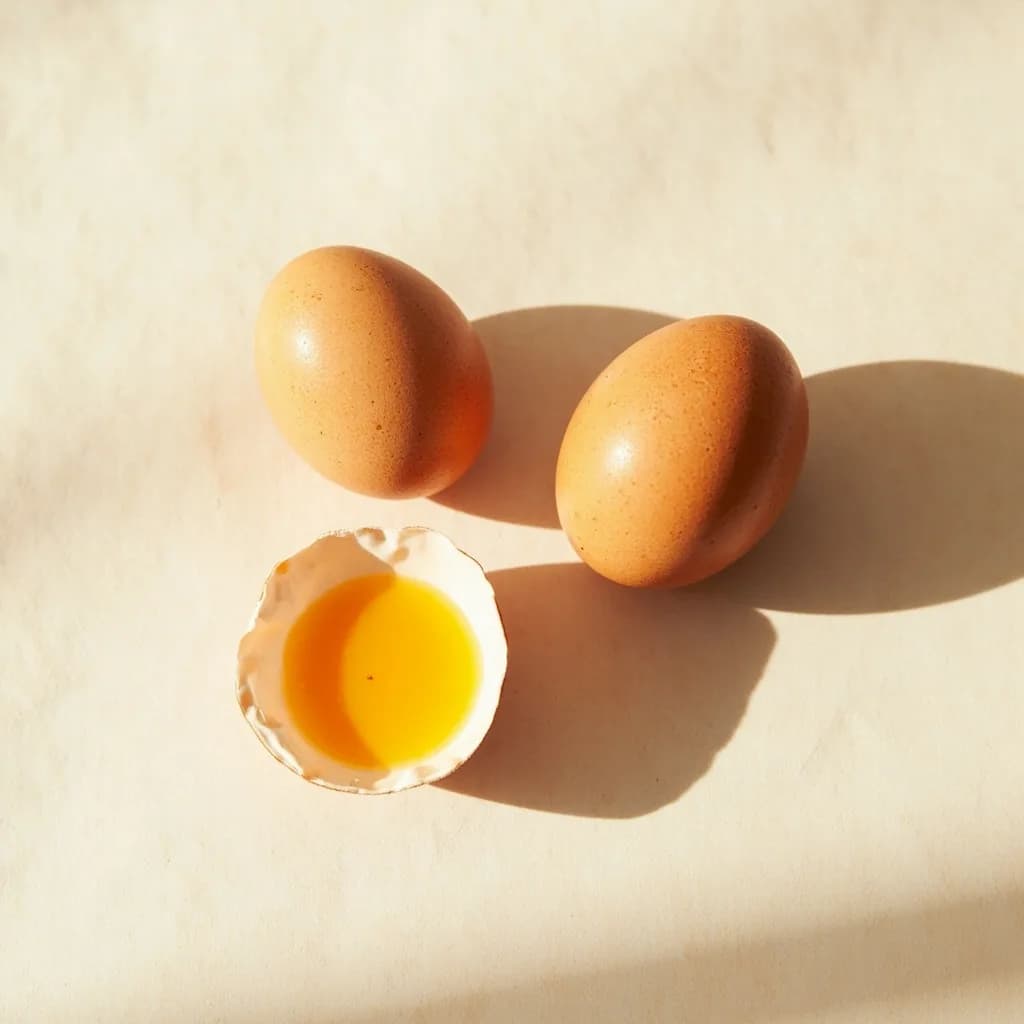
Egg
The kitchen's everything ingredient — bind, leaven, enrich, or fry
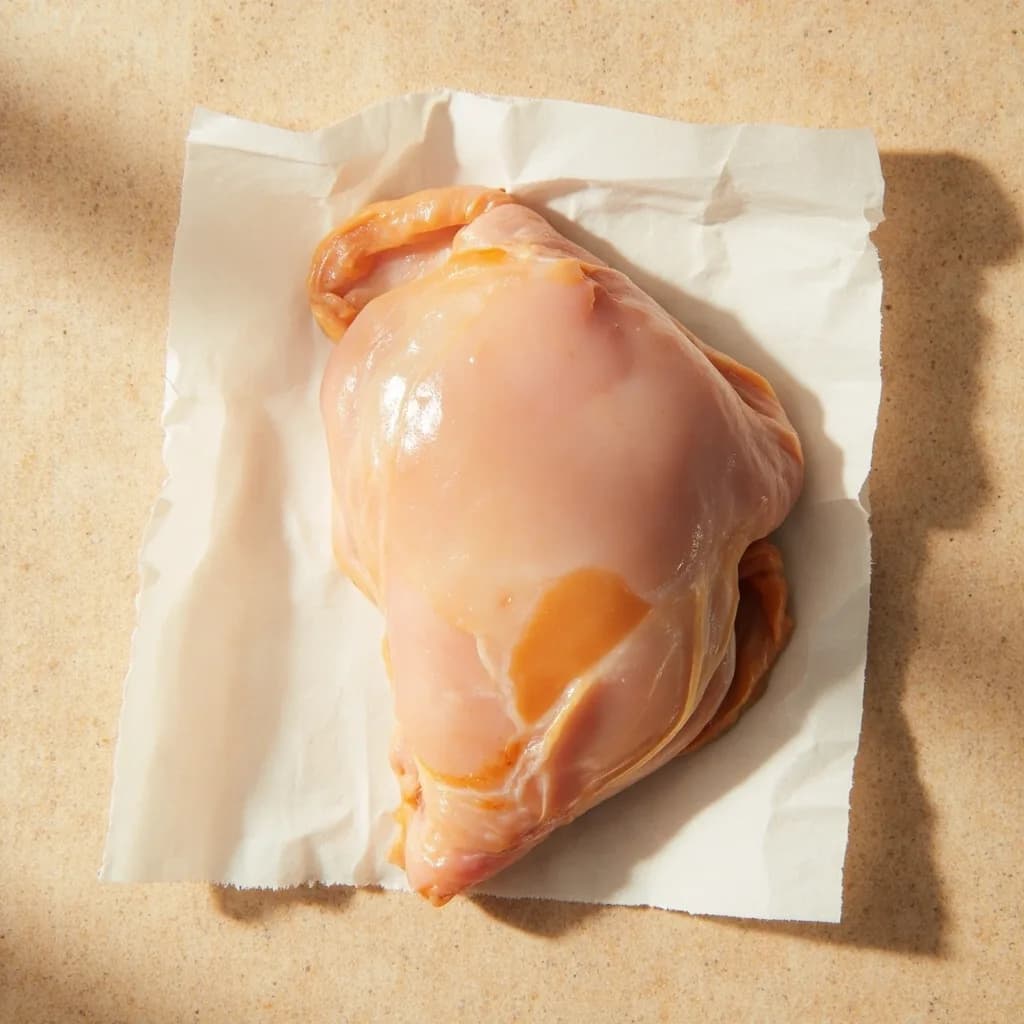
Chicken Breast
Lean, quick-cooking white meat for everyday dinners

Ground Beef
Versatile minced beef for burgers, ragù, tacos, and meatballs
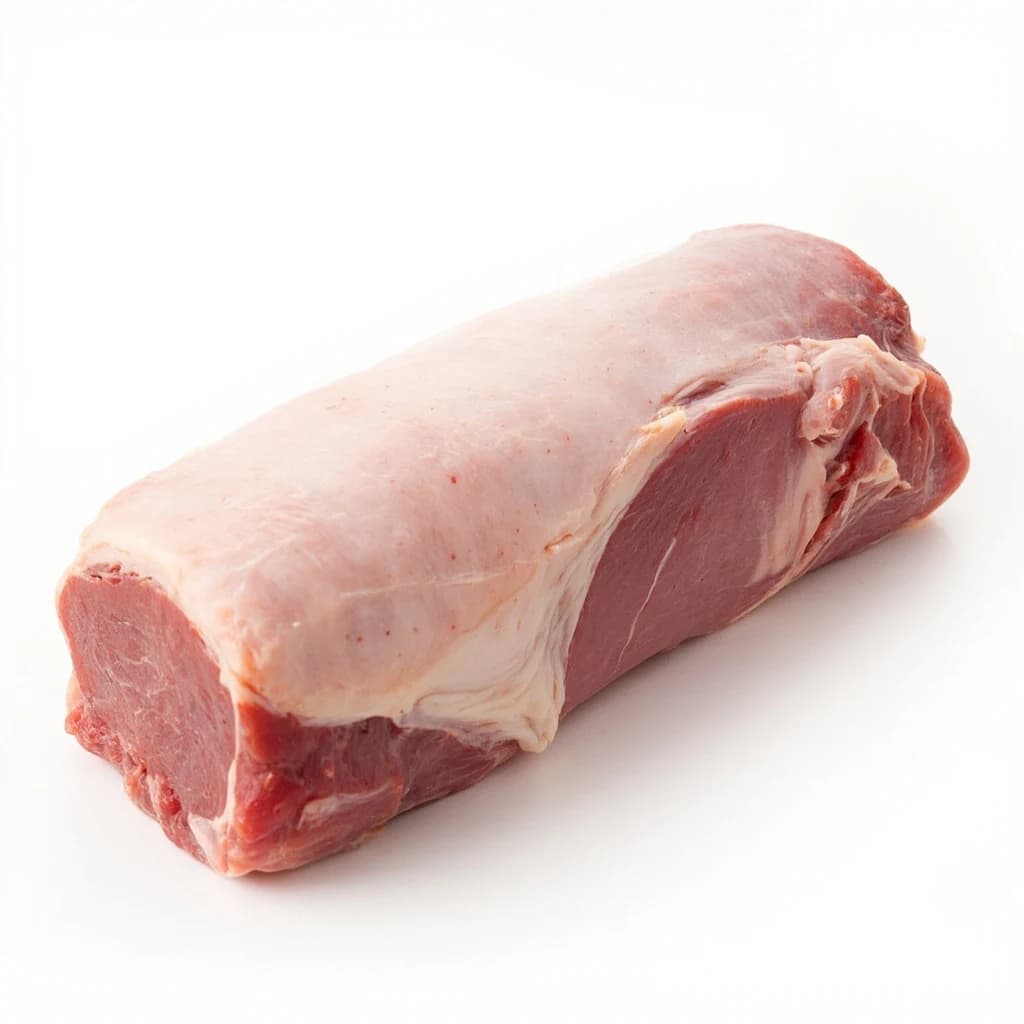
Pork Loin
Lean, tender roasting cut that stays juicy with care
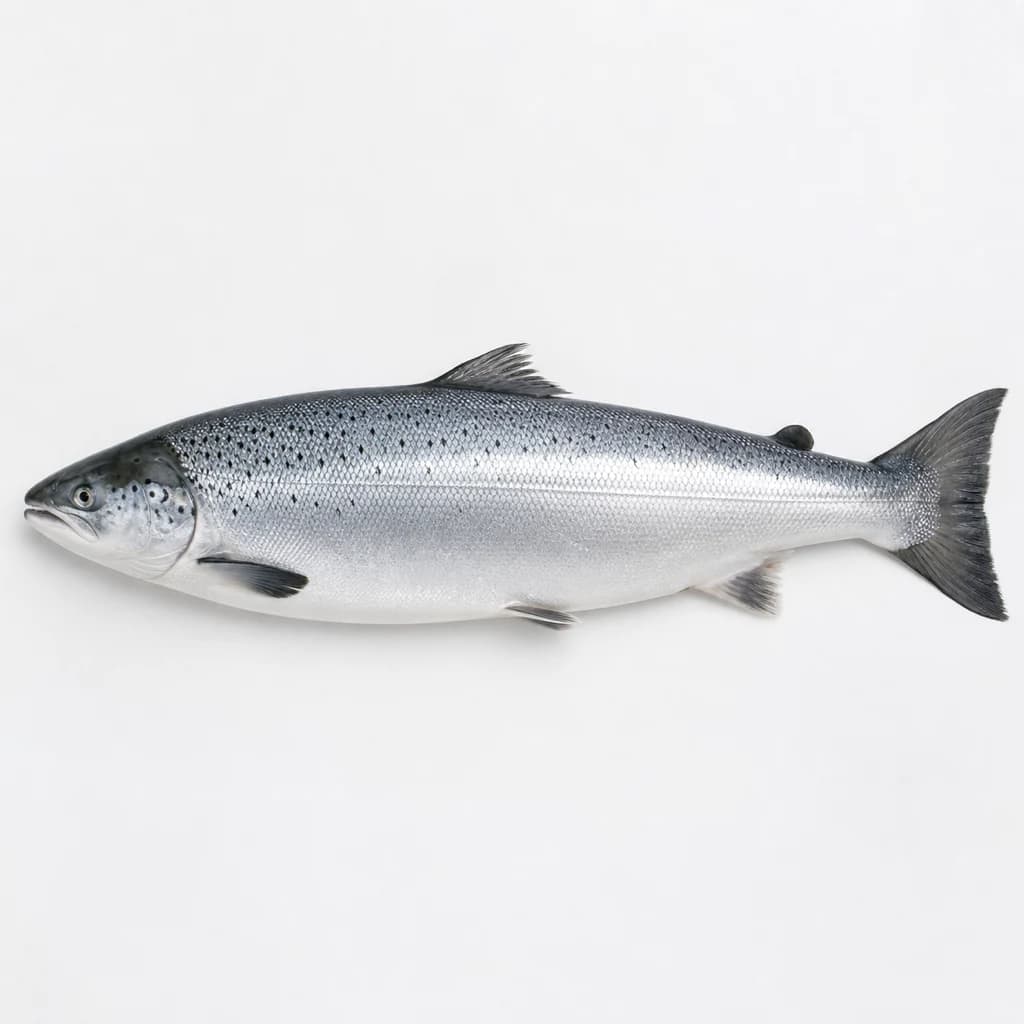
Salmon
Rich, rosy fish that roasts, grills, or cures beautifully

Egg White
Pure protein that whips to airy peaks for meringue and more
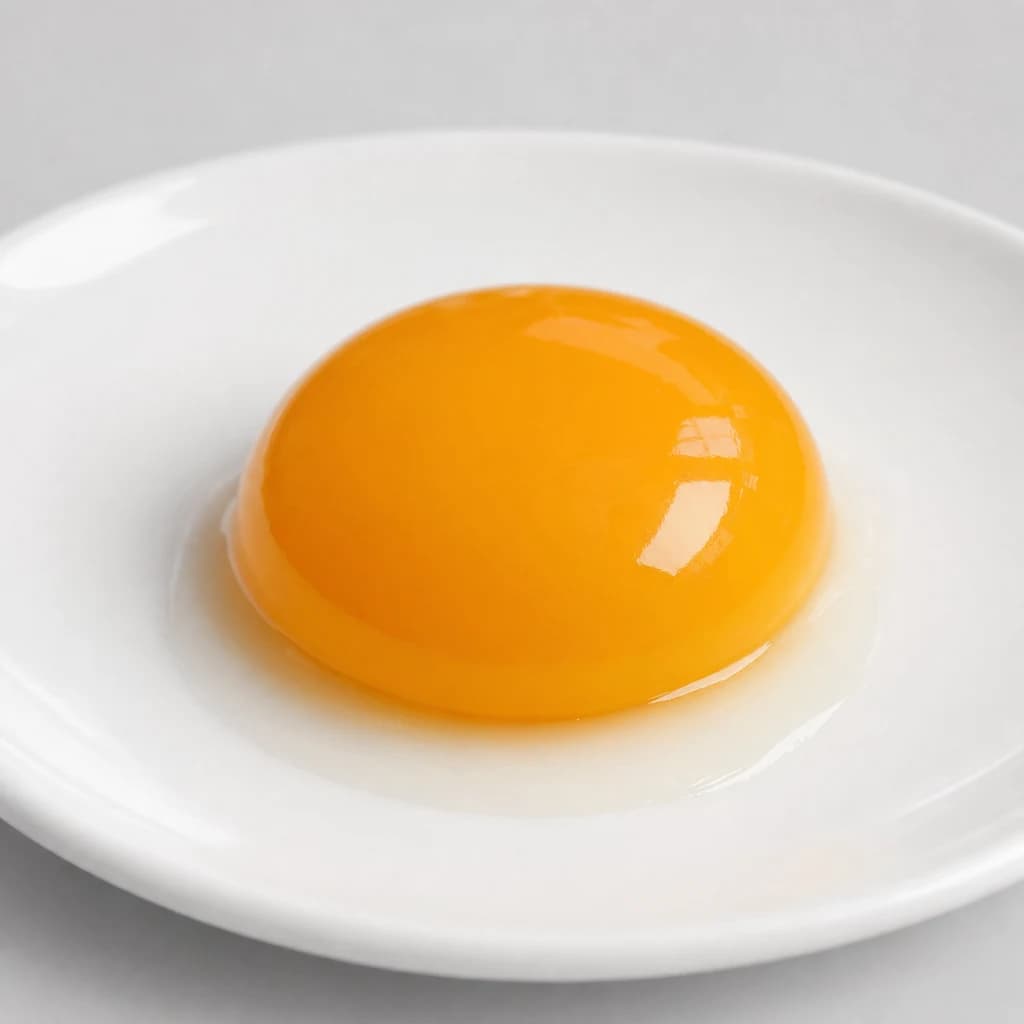
Egg Yolk
Rich, golden yolk for custards, mayonnaise, and pasta

Quail Egg
Tiny, speckled eggs for garnishing and elegant bites