Natural form
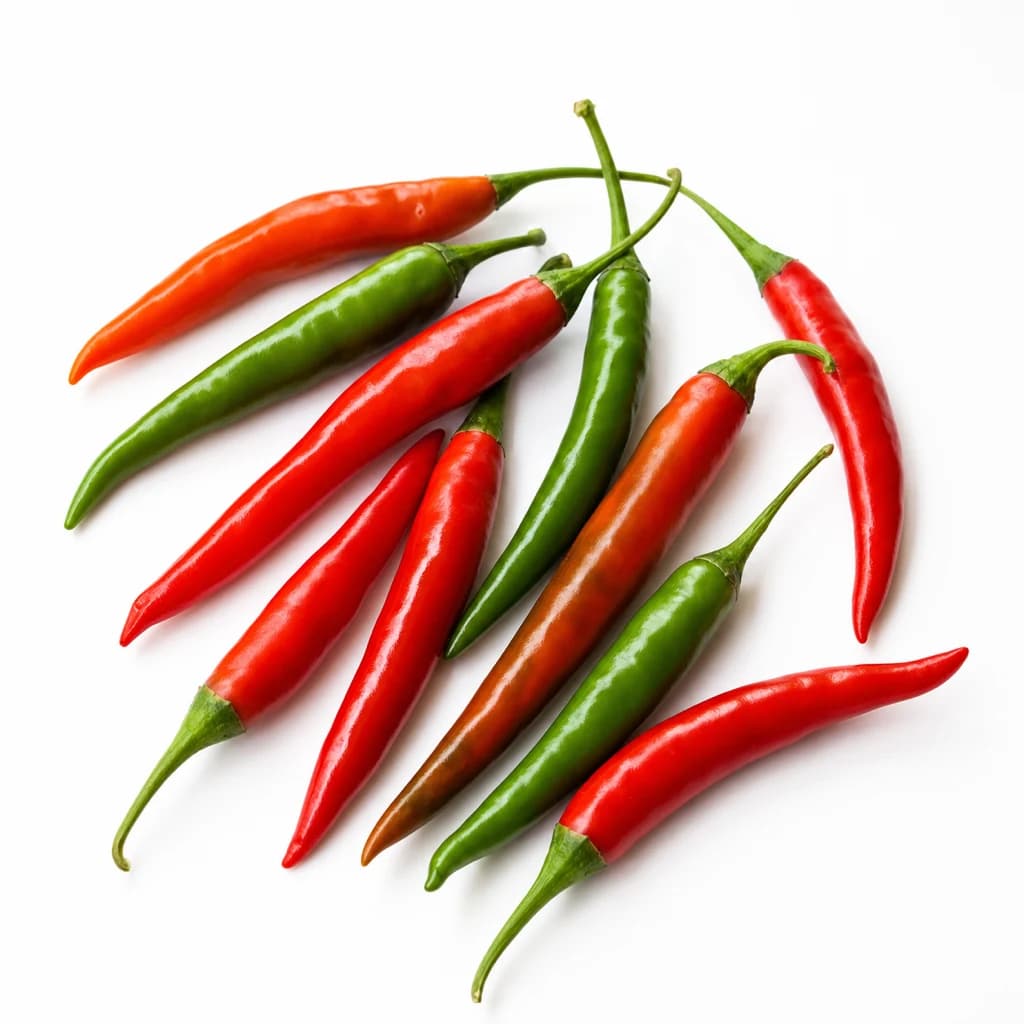
Fresh hot chili peppers ranging from green to fully ripened red, showing the ripening spectrum.
Shows the reader the whole fruit at different stages of ripeness, the primary way chilies appear in markets and kitchens.
Produce
Hot Chili Pepper
Fresh hot chili used worldwide to bring heat and brightness to curries, sauces and stir-fries.
Hot chili peppers are the spicy fruits of Capsicum plants, ranging from green to red as they ripen, with heat from capsaicin. They are sliced, blended or fried into curries, salsas, sauces and stir-fries across nearly every cuisine. Removing the seeds and membranes tempers the heat.
Hot chilies are the fruit of several Capsicum species, prized across virtually every culinary tradition for the sensation of heat they deliver. That heat comes from capsaicin, a compound concentrated in the pepper's placental tissue—the ribs and seeds at the center—while the flesh carries most of the flavor. What makes chilies indispensable is that they contribute more than just spiciness: each variety brings its own character, from the bright, grassy punch of serranos to the fruity, floral perfume of habaneros, making them as much a flavoring agent as a heat source. Their behavior in cooking depends on form and timing—fresh chilies taste sharp and immediate; dried ones taste deeper, smokier, and more concentrated; and cooking transforms sharp heat into something integrated and complex.
- Measured in
- g
- Storage
- Fridge
Types & varieties
Medium heat (2,500–8,000 SHU); thick-walled; ubiquitous in Mexican and Tex-Mex cooking; often smoked and dried to make chipotles
Medium heat (10,000–23,000 SHU); small, thin-walled; sharper, more immediate burn than jalapeño; common in fresh salsas and pico de gallo
Medium heat (2,500–10,000 SHU); similar to jalapeño but slightly hotter; red when ripe; good raw or grilled; more delicate walls than serrano
Hot (50,000–100,000 SHU); small, thin; integral to Southeast Asian cuisines; often used whole in curries and stir-fries; degrades poorly when dried
Very hot (100,000–350,000 SHU); distinct fruity, floral aroma; used in Caribbean, Yucatecan, and hot sauces; orange and red forms; remove seeds and ribs to reduce heat substantially
Very hot (100,000–350,000 SHU); squat, lobed shape; Jamaican and Caribbean cooking; sweeter and more aromatic than habanero; often used in jerk seasoning and pepper sauces
Hot (30,000–50,000 SHU); long, thin, curved; often dried and ground; the standard commercial chili powder; also used fresh in Louisiana-style cooking
Mild (1,000–1,500 SHU); large, dark green; the classic stuffing pepper; dried form is called ancho and is a staple of mole
Medium heat (5,000–10,000 SHU); pale yellow; banana-shaped; common in Eastern European cooking; similar heat range to jalapeño but with a slightly different flavor
Very hot (125,000–325,000 SHU); African origin; bright yellow; similar heat to habanero but with a distinct citrusy, slightly floral character
Extremely hot (800,000–1,000,000+ SHU); originally from Northeast India; complex, slightly sweet heat; use sparingly; largely superseded by newer super-hot varieties
One of the world's hottest (1,400,000–2,200,000 SHU); red, gnarled appearance; sweet, fruity undertones beneath intense, sustained heat
Understanding Heat Distribution
The heat in a chili is not evenly distributed. The placental tissue—the ribs and the seeds they cradle—contains the highest concentration of capsaicin. The flesh, while still containing some heat, carries more of the pepper's flavor compounds. This means you can control intensity by selective removal: scrape out the ribs and seeds for a milder result, or leave them intact for maximum fire. The stem itself is not hot, but cutting too close to the core incorporates more heat into your prep.
- Ribs and seeds: highest capsaicin concentration
- Flesh: lower heat, more flavor compounds
- Stem: not hot, but cutting toward the core increases heat exposure
Fresh vs. Dried: When to Use Which
Fresh chilies taste bright, sharp, and immediate—think of the raw bite in a salsa or the quick char on a blistered shishito. Dried chilies taste deeper, smokier, and more complex—the result of concentration during drying and the development of new flavor compounds. In most applications, they are not interchangeable. If a recipe calls for dried ancho or guajillo, use the specific dried pepper; substituting fresh will yield a fundamentally different result. Conversely, when a recipe calls for fresh serrano in a raw salsa, dried serrano would be a poor substitute because the fresh brightness is the point.
- Fresh: bright, sharp, immediate heat; best for raw applications and quick cooking
- Dried: deep, smoky, complex; best for long-cooked dishes and when a specific regional profile is called for
- Smoked (chipotle): adds wood-smoke character in addition to chili depth
Common uses
Tips & pitfalls
- Taste before using: heat varies dramatically even within the same variety depending on growing conditions and ripeness; always sample a small piece first.
- Seed and rib removal reduces heat by roughly 80–90% while preserving most of the flavor; leave them in for full heat.
- The heat compounds are fat-soluble, so adding a splash of oil, coconut milk, or butter when cooking chilies helps distribute the capsaicin more evenly throughout the dish.
- To freeze fresh chilies: spread whole or sliced peppers on a sheet pan, freeze solid, then transfer to a freezer bag; this prevents them clumping together.
- When working with very hot varieties (habanero and above), wear disposable gloves and wash all cutting boards, knives, and hands thoroughly with soap before touching your face.
- Dried chilies rehydrate quickly: cover with boiling water, weight down, and soak 20–30 minutes; reserve the soaking liquid as flavorful stock.
- Cooking raw chilies mellows some of the sharp, vegetal heat; charring or blistering adds sweetness and complexity.
- Store dried whole chilies in an airtight container in a cool, dark place; they remain potent for 1–2 years; ground chili powder degrades faster, within 6–12 months.
Nutrition
Energy
167 kJ · per 100 g
Where the calories come from
Protein
1.9g
4% DV
Carbs
8.8g
3% DV
Fat
0.4g
1% DV
Fiber
1.5g
5% DV
Sugars
5.3g
of which
Sodium
9mg
0% DV
Source · USDA FoodData Central · Peppers, hot chili, red, raw
View on FDC →In the shops
Matched grocery products
No matched grocery products for Hot Chili Pepper yet.
Good to know
- Scientific name
- Capsicum annuum, C. chinense, C. frutescens, and related species
- Origin
- Central and South America; domesticated at least 6,000 years ago
- Primary heat compound
- Capsaicin, concentrated in the placental tissue (ribs and seeds)
- Heat measurement
- Scoville Heat Units (SHU); ranges from ~2,500 (jalapeño) to 2,200,000+ (Carolina Reaper)
- Peak season
- Summer and early fall for fresh; available year-round in most markets
- Shelf life (fresh)
- 1–2 weeks refrigerated in a paper bag or loosely wrapped in plastic
- Freezer storage
- Whole or sliced, freeze on a tray first, then bag; usable for months, best for cooked dishes
- Common forms
- Fresh, dried whole, dried and ground (cayenne), smoked (chipotle), pickled, paste, flakes
Substitutes
- Cayenne pepper (fresh or dried) — A reliable all-purpose substitute for most fresh chilies at roughly 1:1 for similar heat levels; adjust to taste since flavor profiles differ slightly
- Red pepper flakes — Work as a substitute when heat is the priority; use about 1/2 teaspoon flakes per fresh medium chili; does not replicate the fresh, fruity character of whole chilies
- Crushed red pepper in vinegar — Reconstitute dried chilies in rice wine vinegar for a quick fresh-chili approximation, particularly useful for Southeast Asian dishes
- Hot paprika (for milder varieties) — Smoked or regular hot paprika can stand in for dried chilies like ancho or New Mexico; use sparingly and bloom in oil first to deepen flavor
Pairs with
Also called
Chilli Pepper · Felfel Har · Hot Green Chili · Chilli · Fresh Green Chili · Long Green Chili · Siling Haba · Green Chili Pepper · Fresh Red Chili · Spec Djegës · Lyuta Chushka · Filfil · Githeyo Mirus · Hot Green Pepper · 红辣椒
Appears in these dishes
Related
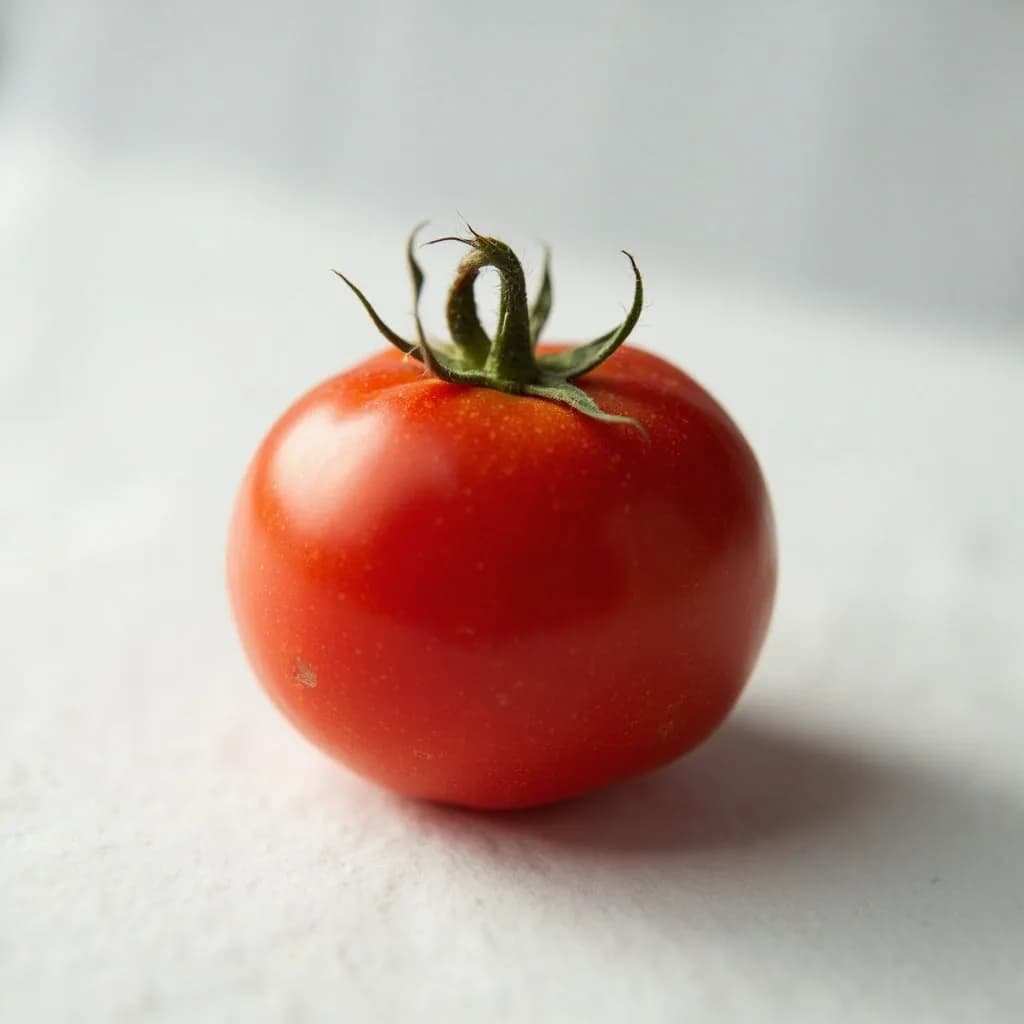
Tomato
Juicy, sun-sweet fruit for sauces, salads, and slow-cooked depth
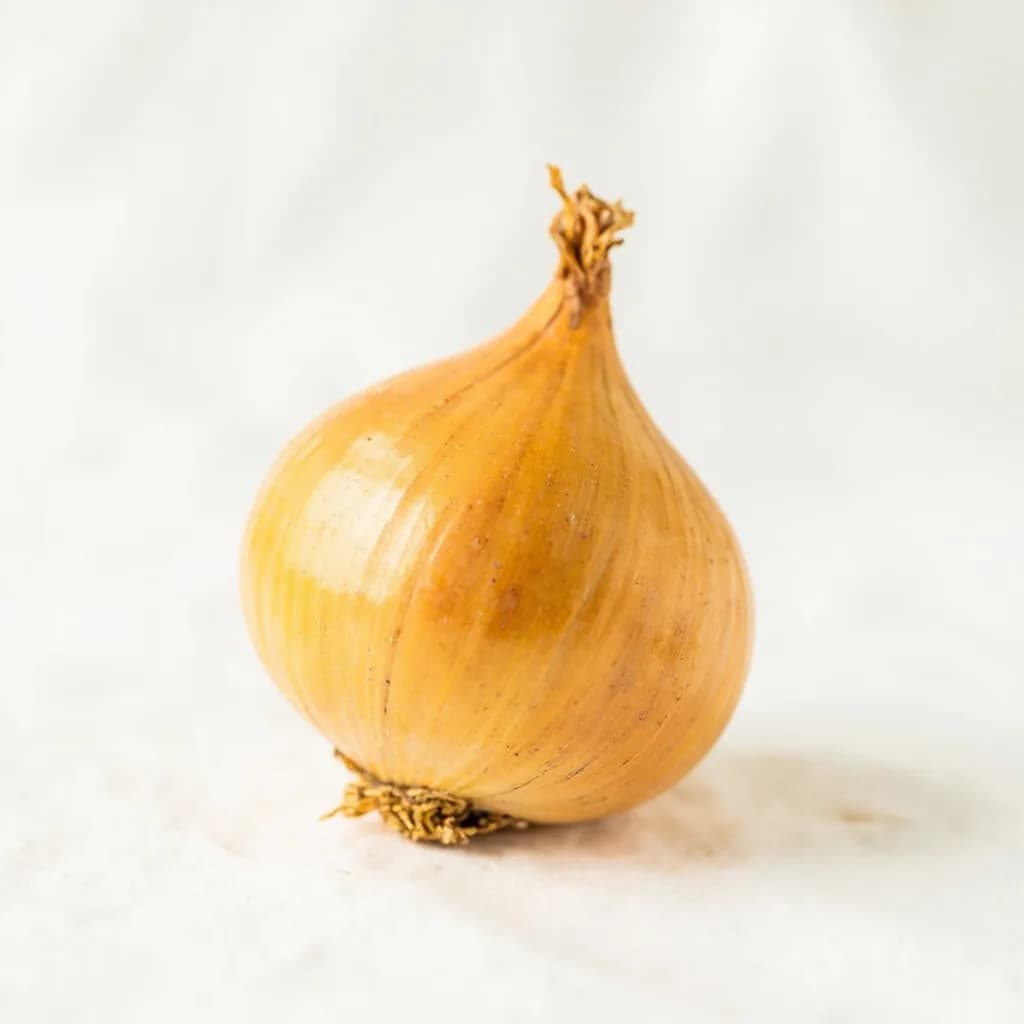
Yellow Onion
The aromatic backbone of soups, sofritos, and braises
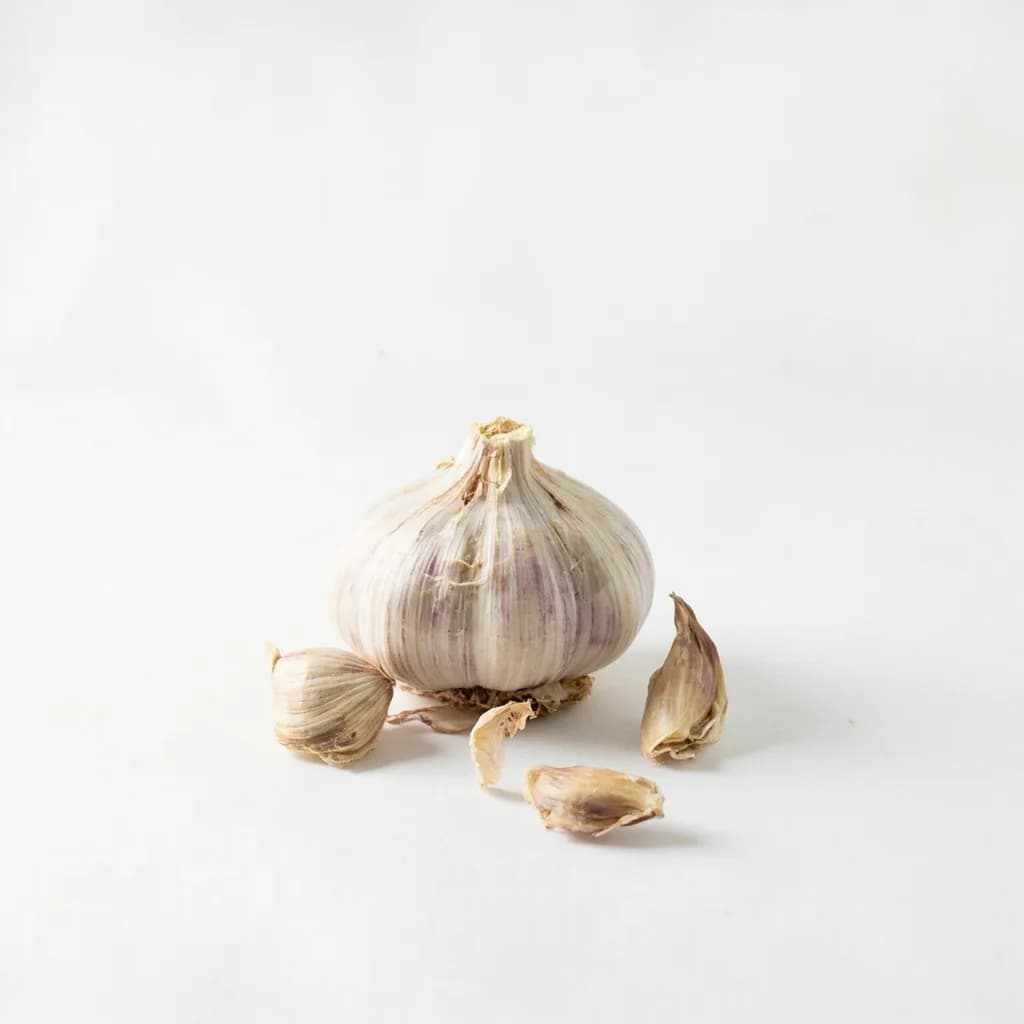
Garlic
Pungent cloves that perfume nearly every savory dish
Lemon
Bright, acidic citrus that wakes up almost any dish
Potato
Humble, hearty staple — roast, mash, fry, or boil
Carrot
Sweet, crunchy root — raw, roasted, or the base of a sofrito
Cucumber
Cool, crisp, and watery — for salads, pickles, and tzatziki

Lettuce
Crisp leaves for salads, wraps, and a fresh crunch