Produce
Habanero
Fiery, fruity lantern-shaped chili used in hot sauces and salsas across the Yucatán and Caribbean.
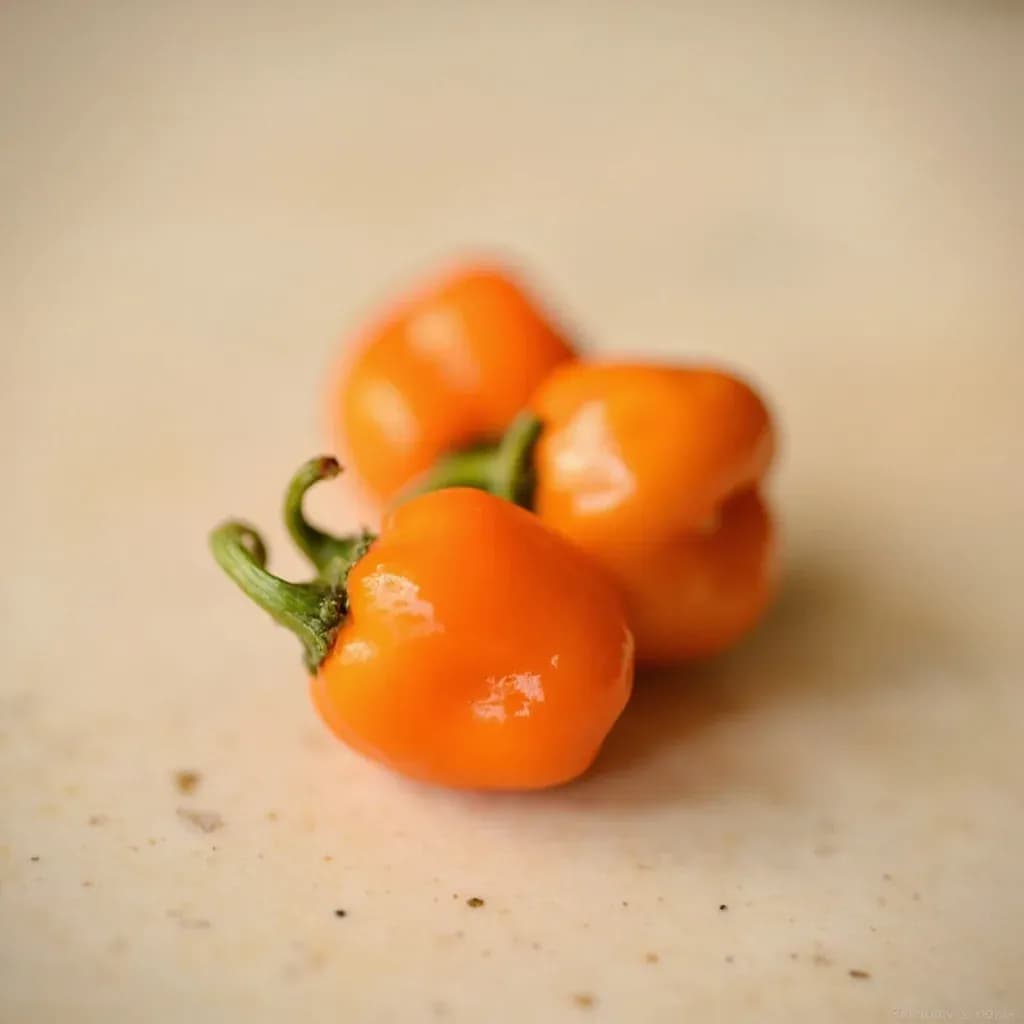
The habanero is a small, lantern-shaped chili, usually orange or red, that combines searing heat with a distinctive fruity, floral aroma. It is essential to Yucatecan and Caribbean cooking, blended into hot sauces, salsas, and marinades. Its intense capsaicin makes it one of the hotter common chilies, so it is used carefully and often deseeded.
The habanero is the crown jewel of Capsicum chinense, a species that also gives us the Scotch bonnet and Fatalii, but which habanero has made uniquely its own through centuries of cultivation in the Yucatán and Caribbean. Its lantern-shaped silhouette and characteristically wrinkled skin are unmistakable identifiers, but it is the fruit's flavor that sets it apart from merely incendiary chilies: a distinctive floral sweetness and tropical fruit character that persists even as the heat climbs to between 100,000 and 350,000 Scoville Heat Units. This combination of aggressive pungency and genuine complexity makes habanero indispensable in the repertoires of cooks across Latin America, the Caribbean, Southeast Asia, and beyond. Unlike heat-focused varieties such as cayenne or Thai bird's eye, habanero carries enough inherent flavor to anchor a dish rather than merely inflame it. The pepper's wrinkled appearance is not cosmetic damage but a reliable indicator of ripeness and flavor development — smooth-skinned or green-harvested habaneros lack the depth that defines the variety at its best.
Though often pigeonholed as a hot sauce ingredient, habanero's utility spans fresh salsas, slow-cooked stews, glazes, marinades, and even tropical cocktails. Its heat is oil-soluble, meaning it integrates differently into fat-rich preparations than into water-based ones — a property that shapes both technique and final flavor. The pepper's natural affinity for sweet, acidic, and fatty ingredients is not accidental but reflects the agricultural and culinary traditions of the tropical regions where it evolved. Understanding habanero as a flavor agent first and a heat source second is the single most useful shift a cook can make when working with it.
Regional traditions shape how habanero is handled. In the Yucatán, it appears in cooked preparations — pipián sauces, chiltomates (tomato-habanero broths), and long-simmered recados — where the heat mellows and integrates. In Caribbean cooking, particularly Jamaican jerk and fresh salsas, the habanero is used raw or minimally processed to deliver its bright, fiery punch. Both approaches are valid; they simply produce different results. Choosing between them is a matter of intent, not correctness.
- Measured in
- piece
- Storage
- Fridge
Types & varieties
The standard commercial variety; bright orange, wrinkled skin, 100,000–180,000 SHU. The baseline reference for the type.
Fully ripe form of orange habanero; slightly sweeter, same heat range. Often sold dried or powdered.
Mahogany-brown color; reported to reach 400,000+ SHU. Intensely fruity with deeper, earthier undertones. Maturation takes longer.
Cream to pale yellow; smaller, milder (50,000–100,000 SHU). Delicate, almost candylike sweetness. Rare outside specialty growers.
Bright red, larger than the orange variety; 300,000+ SHU. Pronounced citrus-floral character; popular in hot sauce production.
Technically a separate named variety; squat, bonnet-shaped. Dominant in Jamaican cuisine; nearly identical heat and flavor profile to habanero.
Understanding and Managing Habanero Heat
The capsaicin that makes habanero dangerous is fat-soluble, not water-soluble. This has immediate practical consequences. Rinsing your mouth with water after eating habanero does almost nothing — the oil-based compound clings to receptors. What actually helps: fat (milk, coconut milk, yogurt), sugar (honey, fruit, brown sugar), or acid (lime juice, vinegar). These do not extinguish habanero heat so much as they change how it registers on the palate, allowing the fruity complexity beneath to come through.
Heat distribution within the pepper is not uniform. The placenta (the white rib that holds the seeds) contains the highest concentration of capsaicin. Removing the seeds and placenta reduces heat by roughly 80% while preserving the fruity, floral character of the flesh. If you need less heat, this is the correct method — not reducing the quantity of pepper, which also reduces flavor. Adding habanero late in cooking preserves bright, aggressive heat; adding it early and simmering allows the fruit flavors to develop while the heat mellows into the background of the dish.
The Scoville scale measures perceived heat, but individual peppers vary. Two habaneros of the same variety can differ by 50,000 SHU or more depending on growing conditions and individual plant genetics. Treat every pepper as a fresh evaluation, not a known quantity.
- The placenta and seeds hold most of the capsaicin — remove them to tame heat without losing flavor
- Habanero heat is fat-soluble: use dairy, coconut milk, or oil to carry and moderate it
- Cook habanero early for integrated, mellow heat; add raw off-heat for sharp, bright pungency
- Individual peppers vary widely in heat — always taste as you build a dish
Storage and Longevity
Fresh habaneros keep well in the refrigerator, stored in a paper bag to prevent moisture buildup, for up to two weeks. Do not seal them in plastic — trapped humidity accelerates spoilage and mushy texture. For long-term storage, freeze whole peppers on a sheet tray until solid, then transfer to vacuum bags or airtight containers. Frozen habaneros grate or chop easily while partially thawed and work well directly in cooked applications. Dried habaneros retain significant flavor and can be toasted briefly in a dry skillet and ground into a potent powder. Avoid storing habanero in vegetable drawers with ethylene-producing fruits, as this can accelerate degradation.
Frozen whole peppers are preferable to dried for applications where the fresh, bright fruit character is desired — the drying process concentrates both sweetness and heat in ways that alter the flavor profile significantly. If you freeze diced habanero in oil, you create a ready-to-use infusion base for sautéing.
- Refrigerate in a paper bag up to 2 weeks; do not seal in plastic
- Freeze whole peppers on a sheet tray first, then transfer to airtight containers
- Dried habaneros can be toasted and ground; use for applications where concentrated flavor is desired
- Freeze diced habanero in oil for a ready-to-use sautéing base
Regional Traditions: Yucatán vs. Caribbean
Yucatecan cuisine treats habanero as a cooked ingredient, integrated into preparations like pipián (nut and seed-based mole), chiltomates (roasted tomato-habanero broths), and various recados. Here the pepper is typically charred, toasted, or simmered, allowing the fruity complexity to deepen and the heat to integrate into the sauce rather than dominate it. The result is layered and complex.
Caribbean cooking, particularly Jamaican jerk, takes the opposite approach: habanero is used raw or minimally processed, delivering its heat and fruitiness in a fresh, immediate form. Salsas, marinades, and finishing sauces in this tradition aim for bright pungency that hits the palate directly. Understanding this distinction prevents a common error — using a Yucatecan technique for a Caribbean dish and vice versa — and helps you choose the right approach for the cuisine you are cooking.
Both traditions agree on one point: the habanero should be fully colored and wrinkled before use. Green habaneros are immature; they lack the full fruity complexity and have a harsher, more one-dimensional heat.
- Yucatecan: cook habanero to integrate heat and deepen flavor — toast, char, or simmer
- Caribbean: use habanero raw or minimally processed for bright, aggressive heat
- Always choose fully colored, firm, wrinkled fruit — never green-harvested peppers
Common uses
Tips & pitfalls
- Always wear nitrile or latex gloves when cutting; the capsaicin penetrates skin and causes prolonged burning that water does not fix
- Remove the seeds and white ribs (placenta) to reduce heat by roughly 80% while retaining the fruity flavor — this is more effective than simply using less pepper
- Start with a small piece and taste as you build heat — a single pepper can season an entire pot; you cannot remove heat once added
- Toast whole dried habaneros briefly in a dry skillet (30–60 seconds) to deepen the fruit flavors before rehydrating or grinding
- Balance extreme heat with fat (coconut milk, cream), acid (lime juice), or sugar (fruit, honey) — these change how the heat registers, not just the flavor
- When making hot sauce, cook the peppers to mellow some of the sharp heat; add a portion raw near the end for fresh, bright pungency
- Store frozen whole peppers directly in vacuum bags or containers — they grate or chop easily when partially thawed and retain excellent flavor
- Do not touch your eyes, nose, or sensitive skin for several hours after handling without gloves; wash hands thoroughly with dish soap and cold water first
- Avoid adding habanero to a dish at the beginning and expecting fresh, bright heat — it will cook down and integrate; add it later if that character is desired
- Do not assume green habaneros are interchangeable with ripe ones — they lack the full fruity complexity and have a harsher heat profile
Nutrition
Energy
418 kJ · per 100 g
Where the calories come from
Protein
5.9g
12% DV
Carbs
10.9g
4% DV
Fat
3.7g
5% DV
Fiber
2.9g
10% DV
Sugars
1.8g
of which
Sodium
385mg
17% DV
Source · USDA FoodData Central · approx. Chili with beans, microwavable bowls
View on FDC →In the shops
Matched grocery products
 €1.04
€1.04Red Pepper
360 g · Mercadona
 €2.20
€2.20Tricolor Peppers
710 g · Mercadona
 €0.23
€0.23Green Frying Pepper
90 g · Mercadona
 €1.35
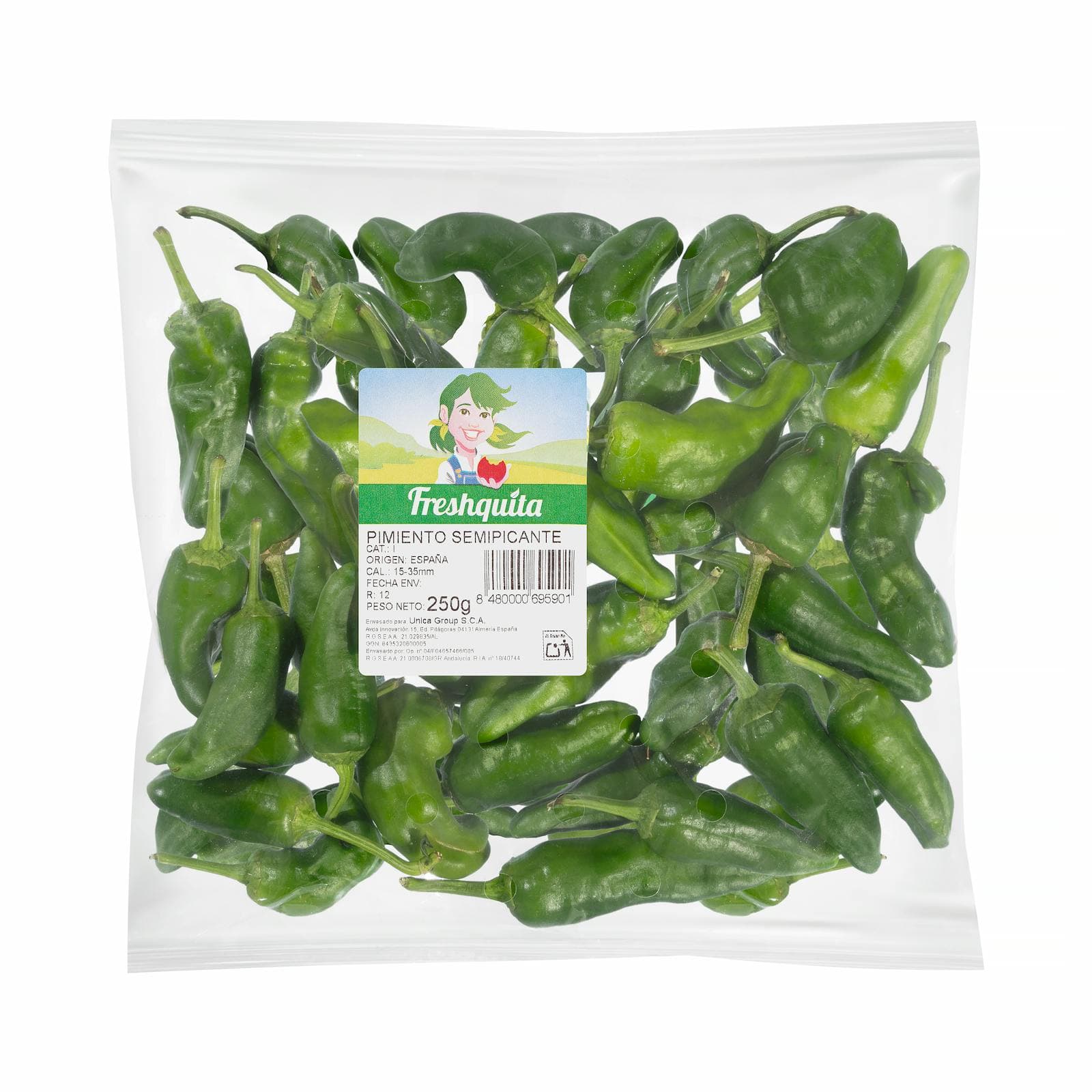
€1.35Semi-Spicy Peppers
250 g · Mercadona
 €2.49
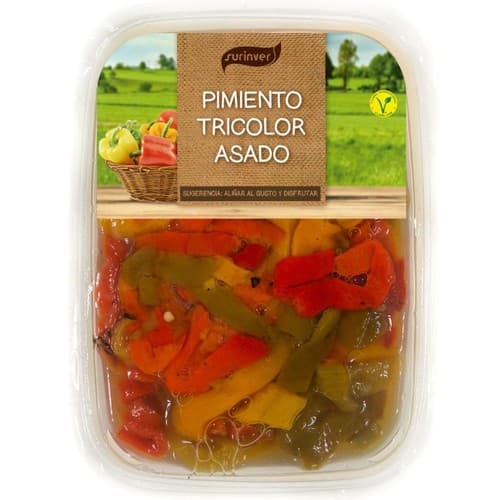
€2.49Roasted Bell Peppers Three Colors
SURINVER · kg · Bonpreu
 €1.45
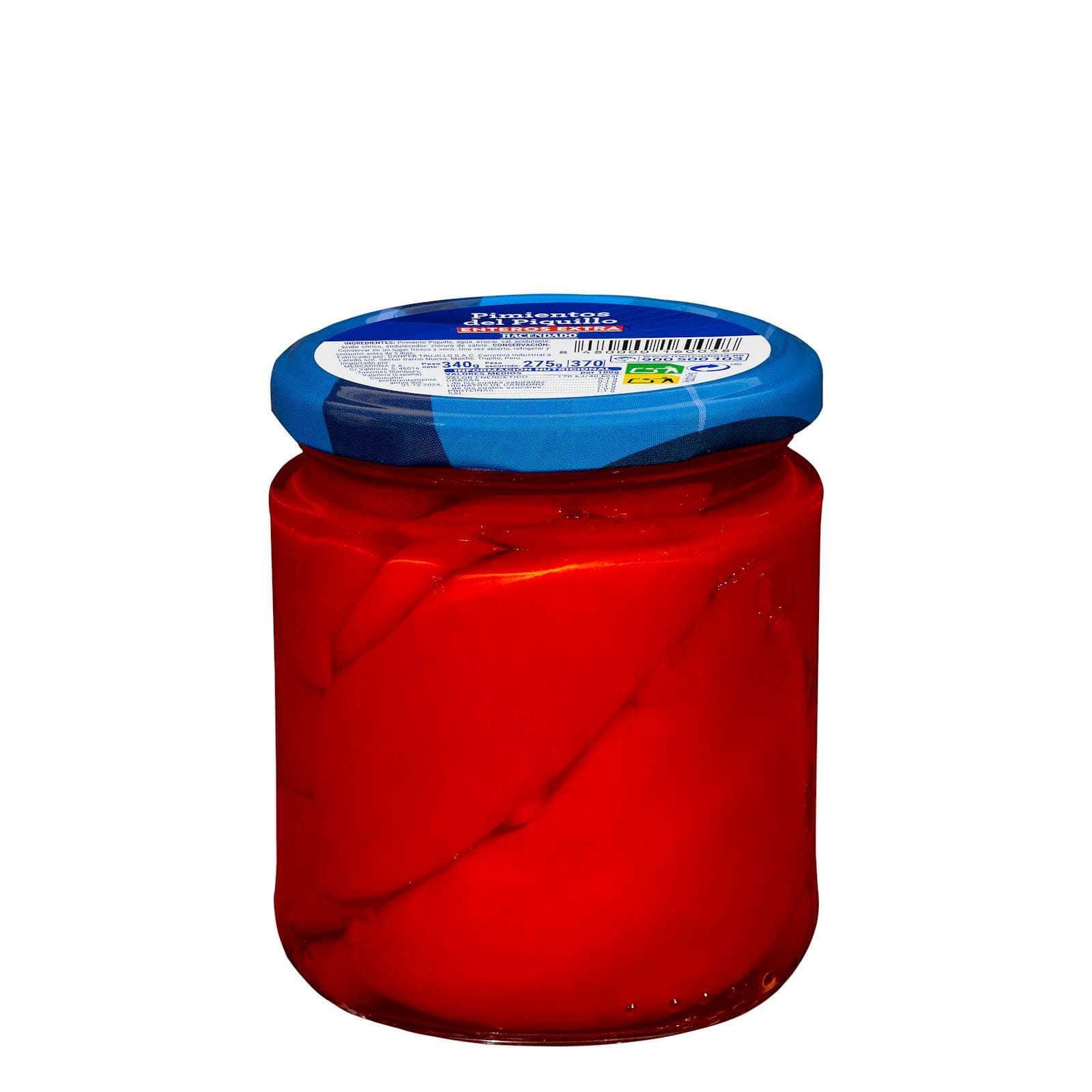
€1.45Extra Whole Piquillo Peppers
Hacendado · 340 g · Mercadona
Good to know
- Species
- Capsicum chinense
- Origin
- Amazon basin; cultivated extensively in the Yucatán Peninsula and Caribbean
- Heat Range
- 100,000–350,000 Scoville Heat Units (SHU)
- Typical Color
- Bright orange-red when ripe; also available in red, chocolate (brown), and white
- Shape
- Lantern-shaped, 1–2.5 inches long, with characteristically wrinkled skin
- Flavor Profile
- Fruity, floral, slightly sweet; distinct from the clean, grassy heat of other chilies
- Peak Season
- Year-round in tropical climates; late summer through fall in temperate regions
- Key Distinction
- Often confused with the Scotch bonnet; both share C. chinense genetics and nearly identical heat and fruitiness
Substitutes
- Scotch bonnet — Nearly identical heat and fruity flavor; the closest substitute, especially for Caribbean dishes. Use 1:1 in any preparation.
- Caribbean red habanero — Comparable heat and flavor; can substitute directly in most preparations with no adjustment needed.
- Fatalii — Slightly less heat (100,000–125,000 SHU) but similar C. chinense citrus-floral character. Good substitute for hot sauces.
- Madame Jeanette — Surinamese variety; similar heat range and fruitiness. Widely available in Caribbean and South American markets.
- Datil pepper — Slightly lower heat; fruity, slightly sweet flavor profile. Works well in hot sauces and fresh salsas when habanero is unavailable.
- Ají amarillo — Lower heat, more vegetal character. Not a close flavor match but acceptable when the primary goal is heat rather than fruity complexity.
- Cayenne — Very different flavor — grassy and earthy rather than fruity — but provides comparable heat. Use only when fruitiness is not essential to the dish.
Also called
Chile Habanero · Habanero Chili
Appears in these dishes
Related

Tomato
Juicy, sun-sweet fruit for sauces, salads, and slow-cooked depth

Yellow Onion
The aromatic backbone of soups, sofritos, and braises

Garlic
Pungent cloves that perfume nearly every savory dish

Lemon
Bright, acidic citrus that wakes up almost any dish

Potato
Humble, hearty staple — roast, mash, fry, or boil

Carrot
Sweet, crunchy root — raw, roasted, or the base of a sofrito

Cucumber
Cool, crisp, and watery — for salads, pickles, and tzatziki

Lettuce
Crisp leaves for salads, wraps, and a fresh crunch