
Natural form
Fresh ají amarillo peppers whole, showing their vivid orange-yellow color and elongated tapered shape.
Teaches readers to identify the pepper's unmistakable color, size, and form in its unprocessed state.
Produce
Ají Amarillo
Fruity orange-yellow Peruvian chili, the backbone of Peruvian cooking, with moderate heat.
Ají amarillo is a bright orange-yellow chili pepper central to Peruvian cuisine, prized for its fruity, almost berry-like aroma alongside medium heat. It's blended into a paste for sauces like ají de gallina and huancaína, or used fresh in ceviche and stews. The vivid color and tropical sweetness make it as much about flavor and hue as about spice.
Ají amarillo is the defining chile of Peruvian gastronomy, a Capsicum baccatum variety prized for its vivid orange-yellow color, moderate heat, and distinctly fruity, slightly sweet flavor with earthy undertones. Unlike the intensely hot rocoto (Capsicum pubescens), which has black seeds and a thicker wall, ají amarillo carries pale cream seeds and delivers a clean heat that integrates rather than overwhelms. In Peru it appears year-round in fresh, frozen, and paste forms, but North American cooks most often encounter it as a prepared pasta de ají amarillo—a pantry staple worth selecting carefully, since pure paste should be vivid orange and intensely aromatic, never brownish or fermented-smelling. The chile's versatility stems from this balance: enough heat to register, enough fruit to build complexity, enough color to transform a sauce from pale to luminous gold.
- Measured in
- g
- Storage
- Fridge
Types & varieties
Slight regional variation in shape—long, curved to tapered—and intensity exists between Lima, Andean highland, and northern Peru strains, but all share the same orange-yellow color and fruity-floury flavor identity.
A pantry staple in Peruvian kitchens; check ingredients carefully—pure paste contains only chile, vegetable oil, and sometimes garlic or lime. Avoid products with excessive additives or a dull, brownish color.
Common uses
Tips & pitfalls
- Always toast dried ají mirasol or blister fresh chiles in a dry cast-iron skillet before using—this develops the fruity, complex notes and mellows any harshness that raw chile can carry.
- Remove seeds and ribs for a milder, smoother paste; keep them for more heat and brightness, but expect a rougher texture.
- Add ají amarillo early in cooking rather than at the end—the fat-soluble flavor compounds need time to integrate with other ingredients and develop fully.
- When making huancaina or similar cheese sauces, whisk the chile paste into the finished sauce off the heat, or add it after the cheese is fully incorporated, to prevent clumping and graininess.
- If your paste tastes bitter or harsh, you likely overheated it during preparation—blend it into finished sauces rather than frying; high heat destroys its delicate fruity character.
- Frozen whole chiles are often preferable to stale fresh chiles found outside Peru; they freeze well and perform reliably in cooked preparations.
- Start with less and build—you can always add more heat, but an over-sauced dish cannot be rescued. The chile's flavor compounds concentrate as sauces reduce.
Nutrition
Energy
113 kJ · per 100 g
Where the calories come from
Protein
1g
2% DV
Carbs
6.3g
2% DV
Fat
0.2g
0% DV
Fiber
0.9g
3% DV
Sodium
2mg
0% DV
Source · USDA FoodData Central · Peppers, sweet, yellow, raw
View on FDC →In the shops
Matched grocery products
No matched grocery products for Ají Amarillo yet.
Good to know
- Scientific name
- Capsicum baccatum var. pendulum
- Origin
- Peru, South America
- Heat level
- 30,000–50,000 Scoville units (moderate)
- Color (ripe)
- Bright orange-yellow
- Primary market forms
- Fresh whole chiles, frozen, or prepared paste
- Flavor characteristics
- Fruity, slightly sweet, with earthy undertones and clean heat
- Fresh availability (North America)
- Seasonal at Latin markets; frozen is often preferable
- Dried equivalent
- Ají mirasol (ají amarillo seco)
Substitutes
- Ají mirasol — The dried form; reconstitute in warm water for 20 minutes and use 1:1 in paste recipes. Toast briefly before reconstituting for deeper flavor.
- New Mexican chile (e.g., Chimayó) — Milder fruitiness and lower heat; increase quantity by roughly half to match ají amarillo's flavor weight and color.
- Habanero or Scotch bonnet — Within similar heat range but distinctly floral and tropical—acceptable in a pinch for heat alone, but the flavor profile will differ substantially.
- Cayenne or bird's eye chile — Use only for heat; these lack the fruity backbone and golden color that define ají amarillo's contribution to Peruvian cooking.
Pairs with
Also called
Yellow Chili Pepper · Aji Amarillo · Amarillo Chili
Appears in these dishes
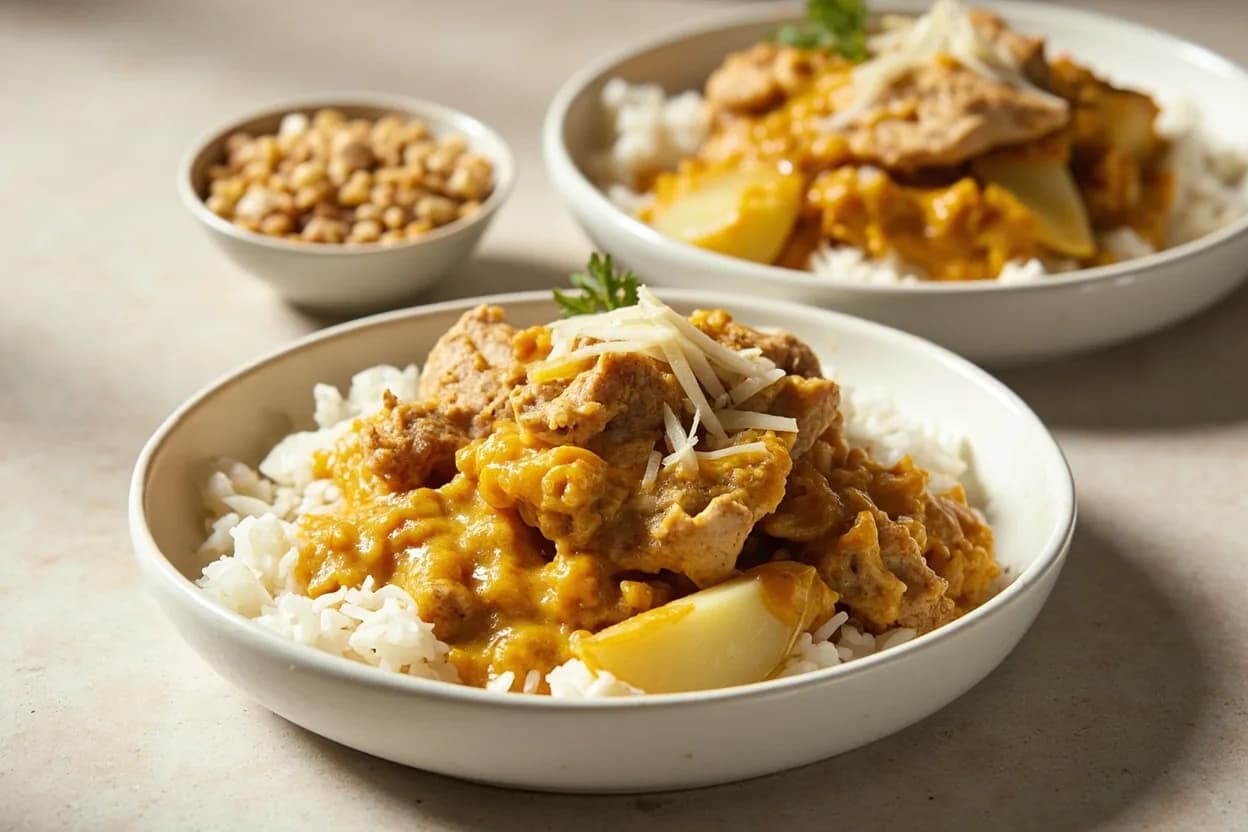
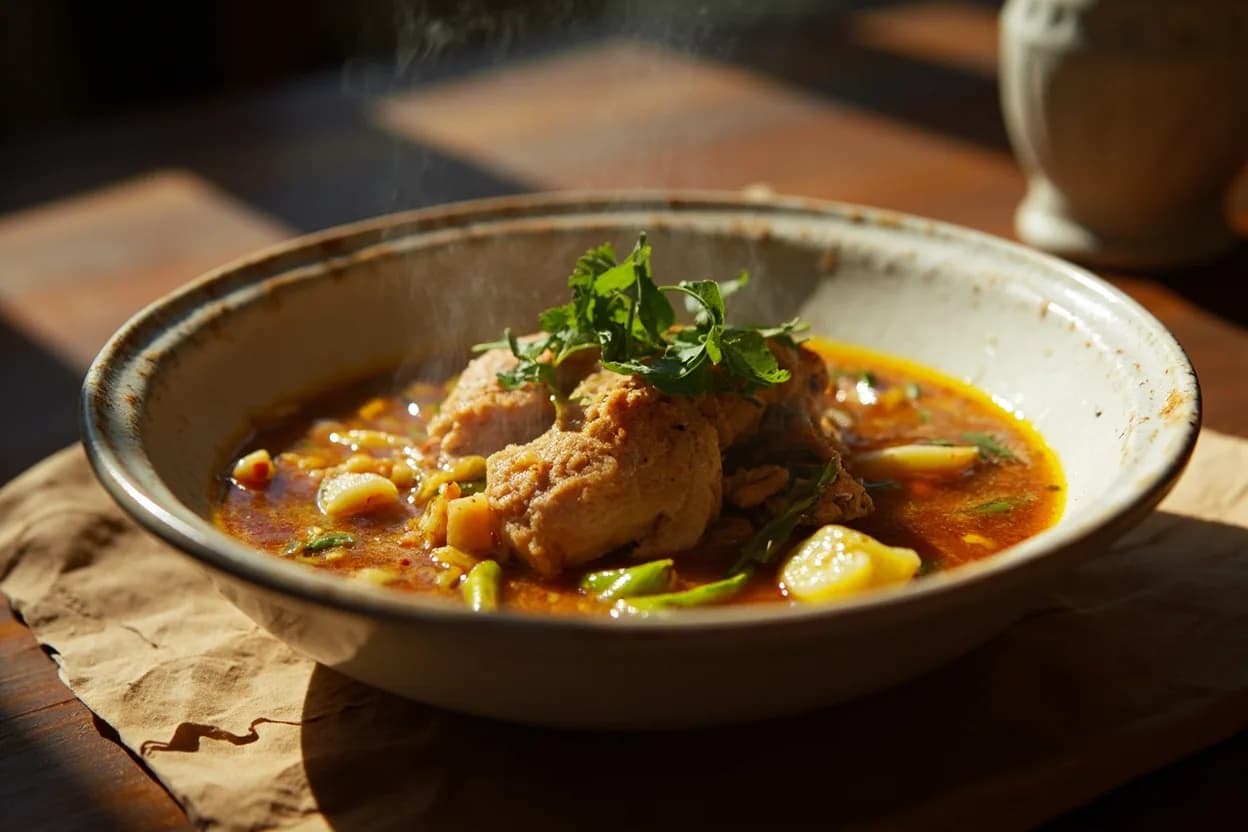
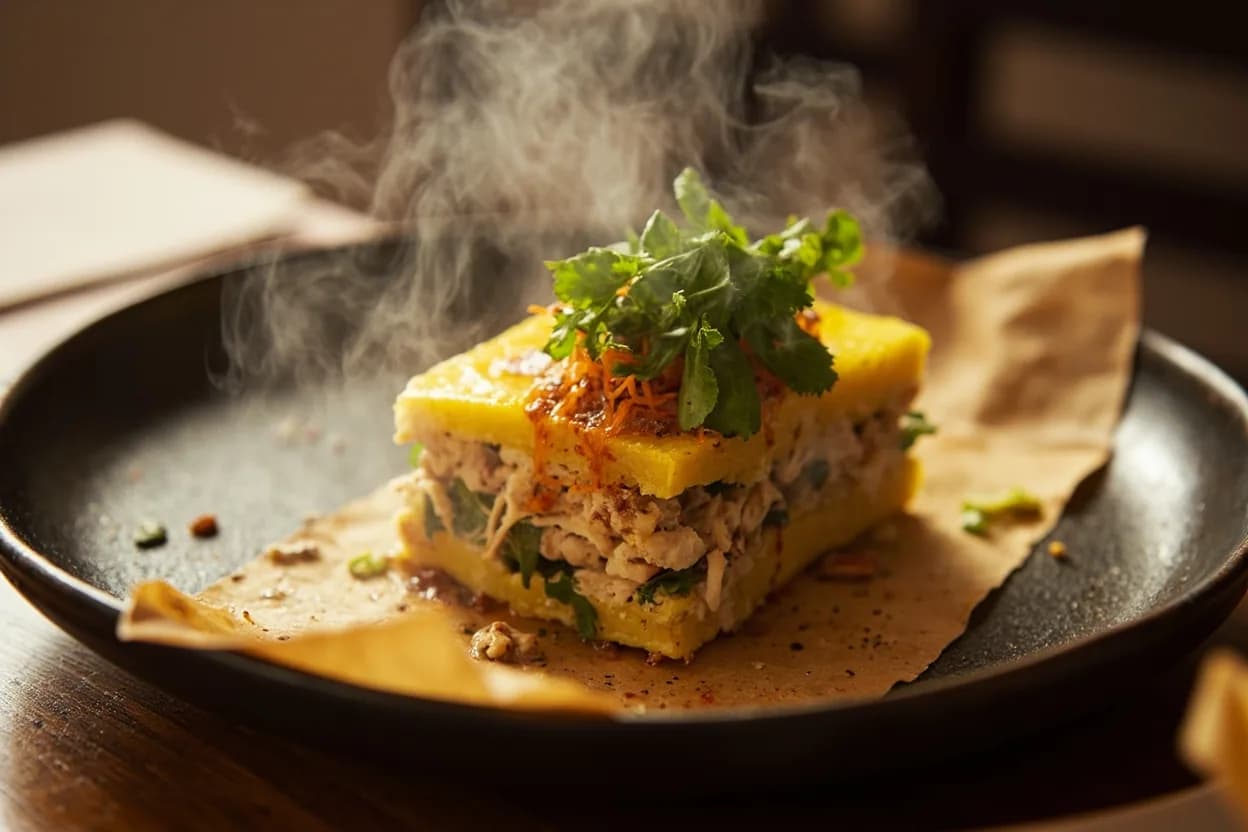
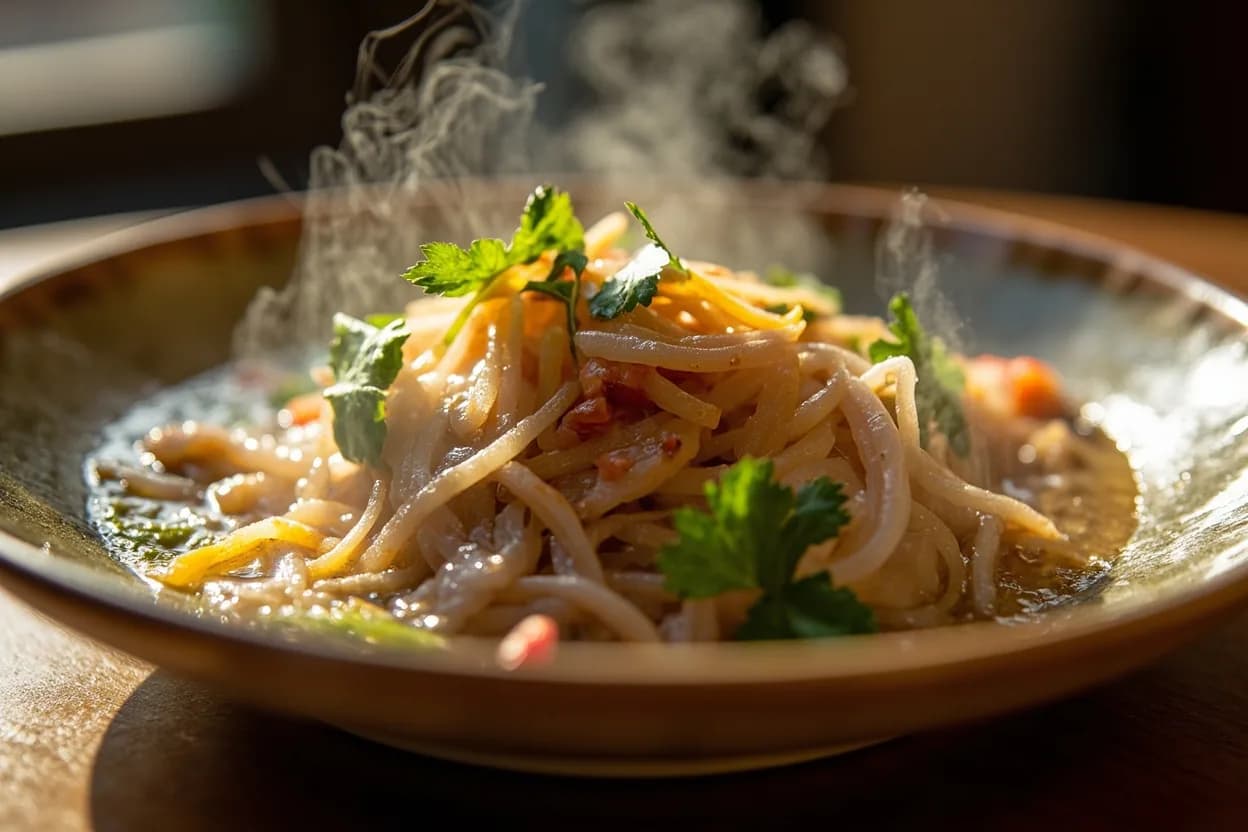
Related
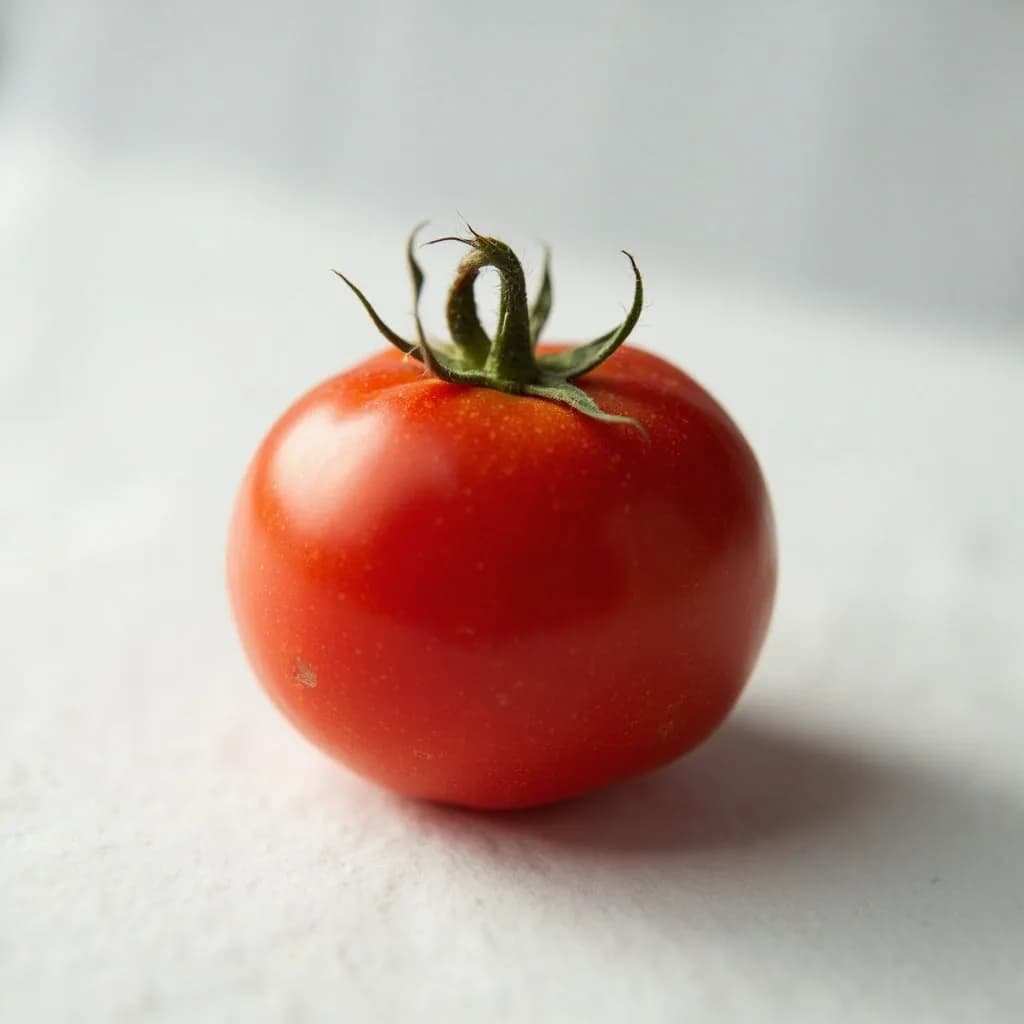
Tomato
Juicy, sun-sweet fruit for sauces, salads, and slow-cooked depth
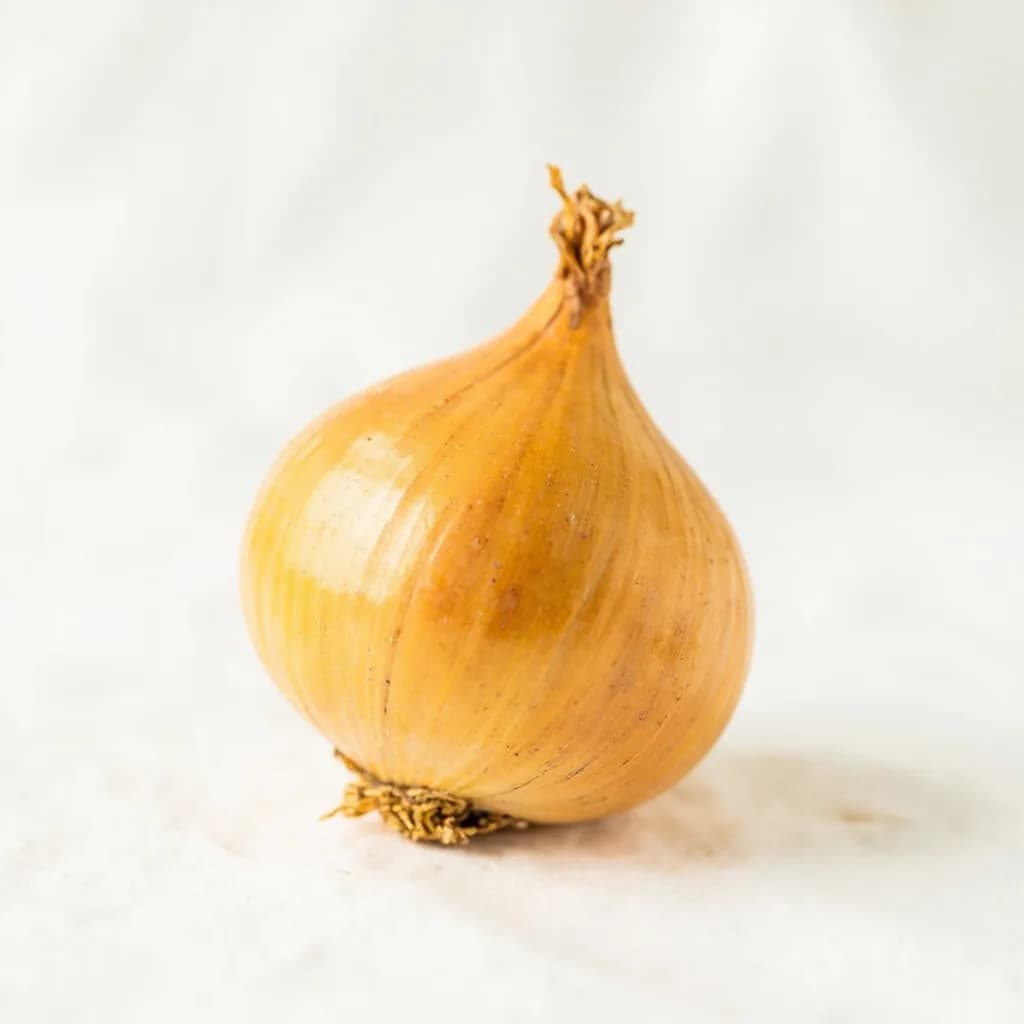
Yellow Onion
The aromatic backbone of soups, sofritos, and braises
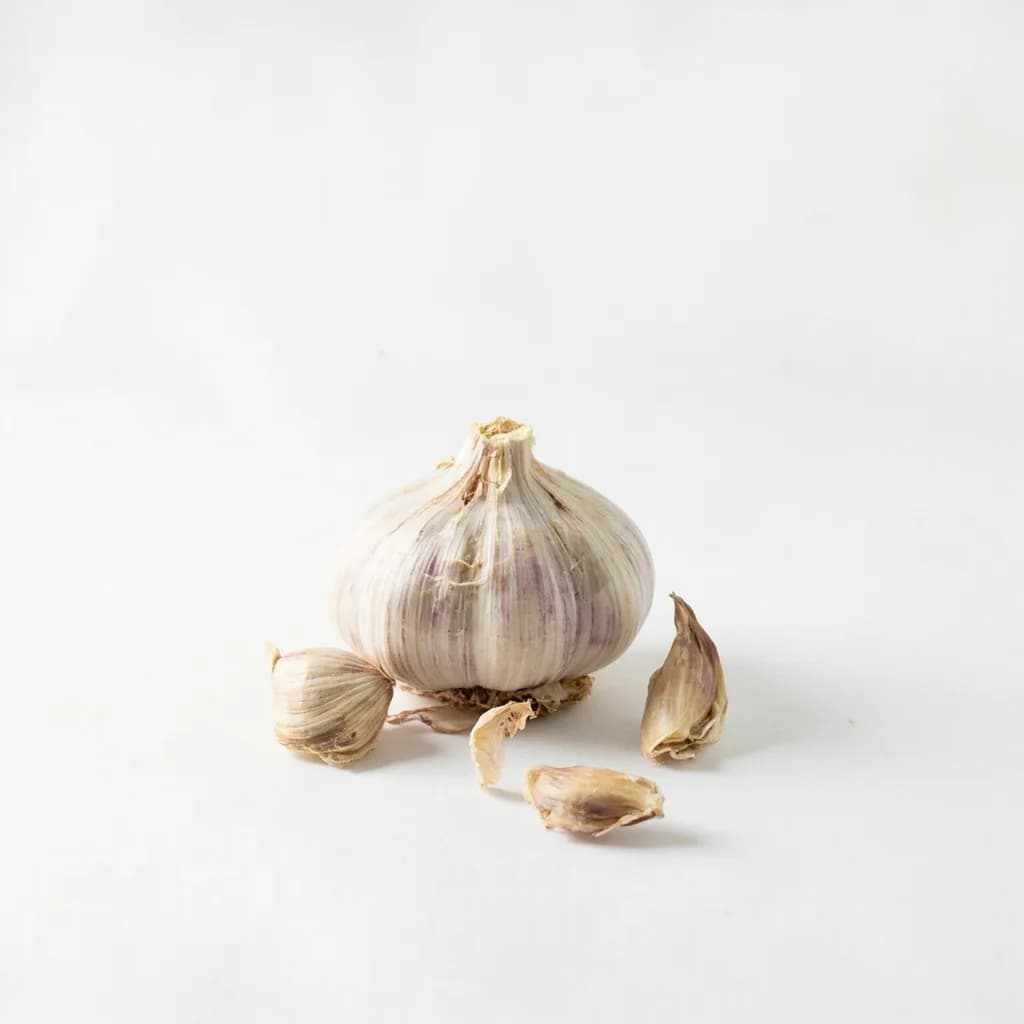
Garlic
Pungent cloves that perfume nearly every savory dish
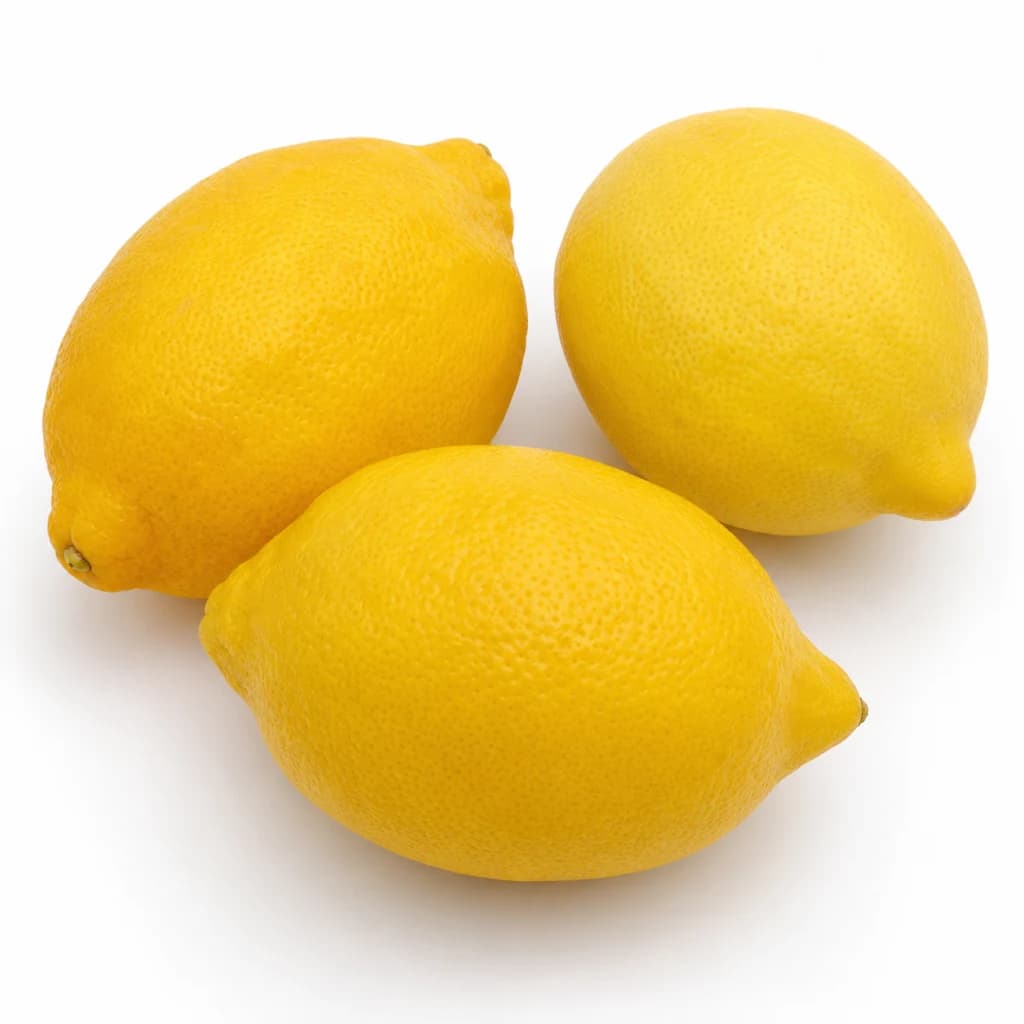
Lemon
Bright, acidic citrus that wakes up almost any dish
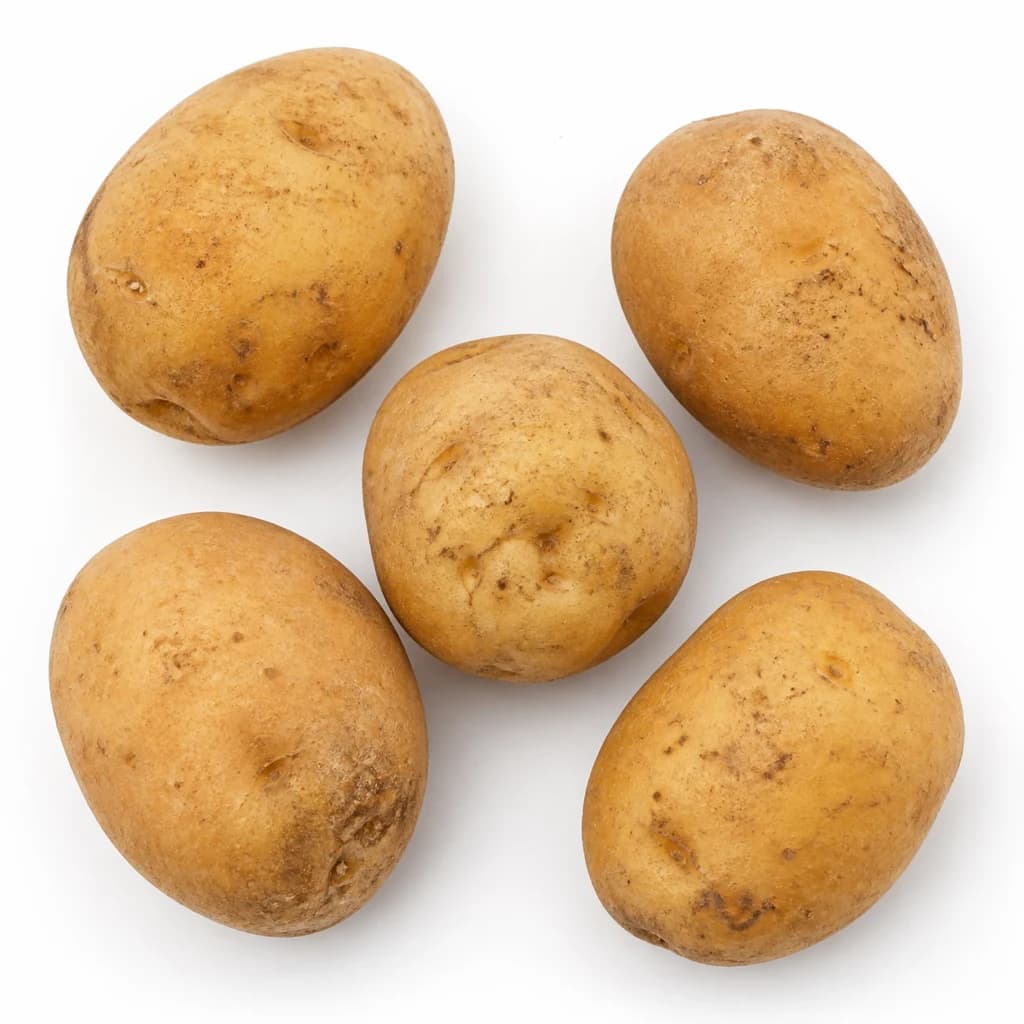
Potato
Humble, hearty staple — roast, mash, fry, or boil
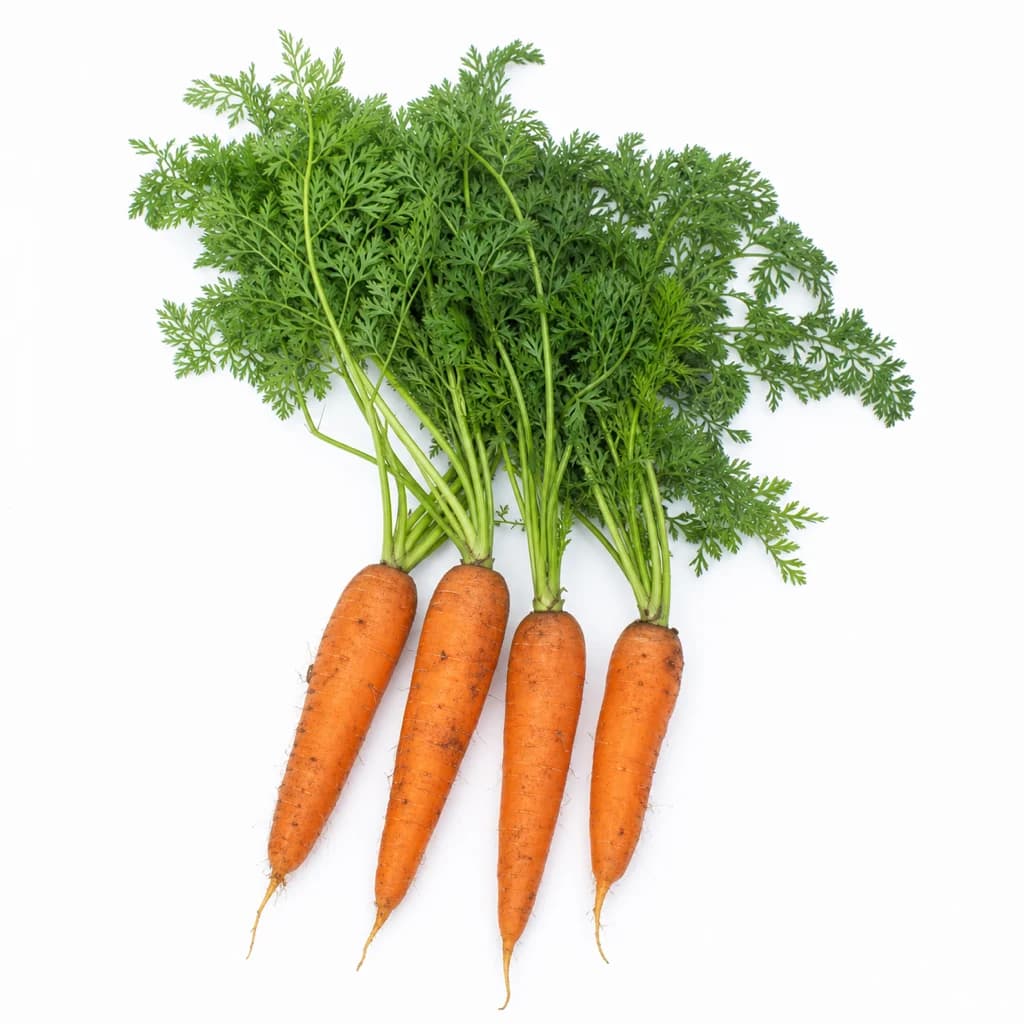
Carrot
Sweet, crunchy root — raw, roasted, or the base of a sofrito
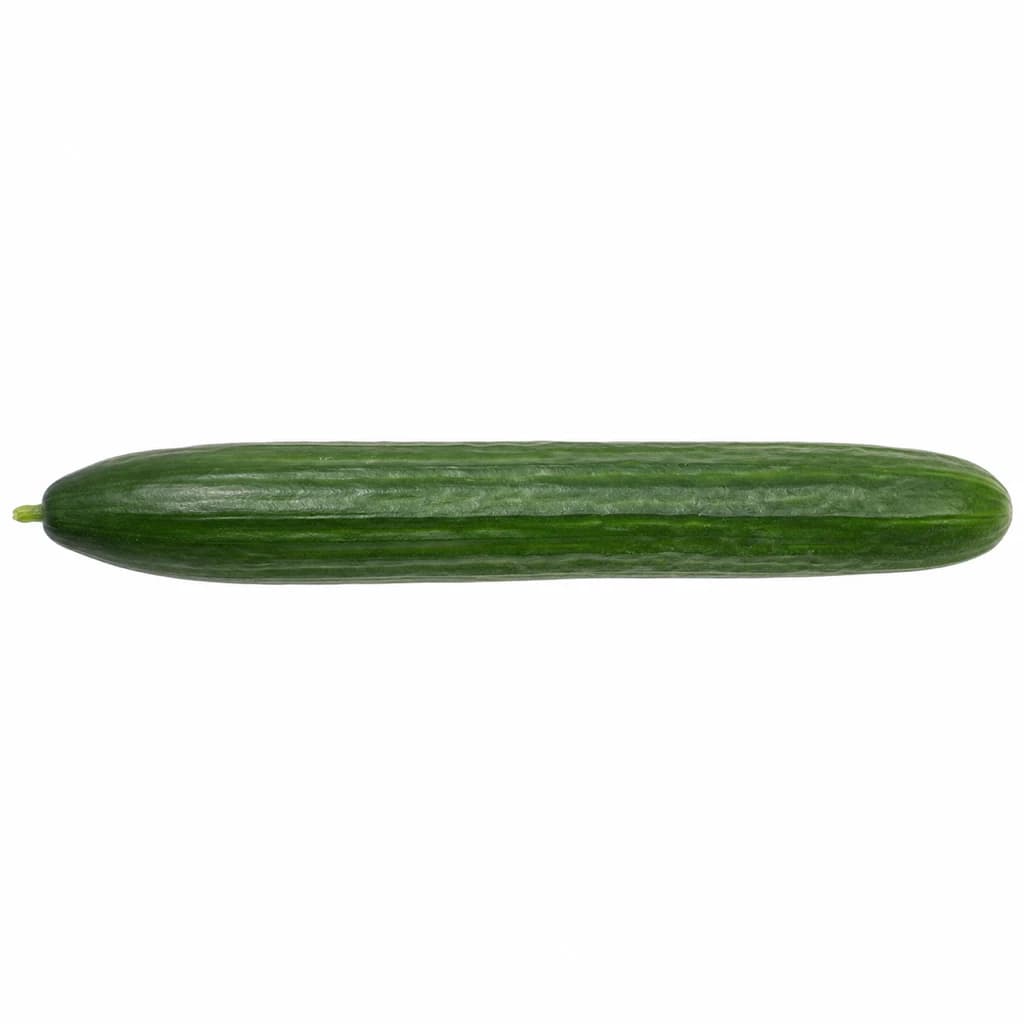
Cucumber
Cool, crisp, and watery — for salads, pickles, and tzatziki

Lettuce
Crisp leaves for salads, wraps, and a fresh crunch