Natural form
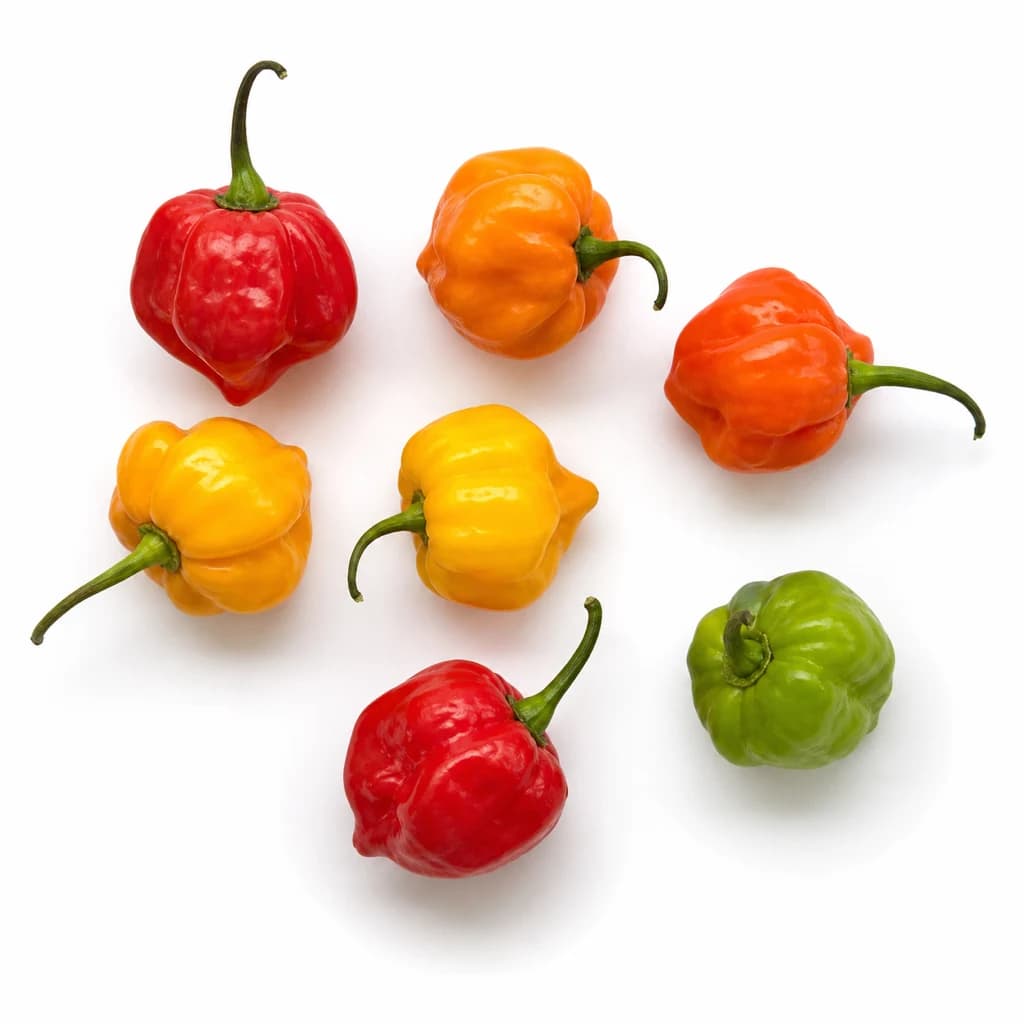
Whole Scotch bonnet peppers showing their distinctive squat, lantern shape and glossy skin.
Establishes the pepper's unique silhouette — squat, wrinkled top, lobed base — that distinguishes it from habaneros and other chilies.
Produce
Scotch Bonnet Pepper
Fiery, fruity Caribbean and West African chili that drives the heat in jerk, pepper sauces, and stews.
The Scotch bonnet is a small, lantern-shaped chili pepper prized across the Caribbean and West Africa for its intense heat balanced by a sweet, fruity aroma. It is the defining heat behind Jamaican jerk seasoning, pepper sauces, and many stews. Closely related to the habanero, it ranges from 100,000 to 350,000 Scoville units, so cooks usually wear gloves and use it sparingly.
Scotch Bonnet is a Capsicum chinense pepper native to the Caribbean and West Africa, where it serves as the defining chili in the kitchens of Jamaica, the Bahamas, Barbados, Trinidad, Nigeria, Ghana, and surrounding nations. Its round to lantern-shaped fruit, 2.5–5 cm in diameter, is distinguished by a raised turban or cap at the shoulder — the feature that gives the pepper its name. Like the habanero, it belongs to the same botanical species, and the two are often considered regional cousins rather than truly distinct varieties. The key culinary difference lies in flavor: Scotch Bonnet carries a more pronounced sweet-fruity, tropical character with citrusy undertones that Caribbean cooks consider irreplaceable.
In the English-speaking Caribbean, no other chili approaches its importance. It drives the heat in jerk marinade, anchors most commercial and homemade pepper sauces, and provides the foundational spice layer in stews, braises, and rice dishes. West African cooks use it with equal authority, blending it with tomato, onion, and ginger as the heat base for soups and stews. Its heat is severe — 100,000 to 350,000 Scoville Heat Units — but the flavor rewards patience. Long cooking integrates the fruity sweetness into a dish rather than delivering sharp, one-dimensional burn, which is why the pepper is added early and allowed to develop.
Available in red, orange, yellow, and a prized chocolate-brown variety, Scotch Bonnet is year-round in tropical markets and appears in temperate regions from late summer through early fall. It stores refrigerated in a paper bag for up to two weeks and freezes indefinitely on a tray before transferring to airtight bags.
- Measured in
- piece
- Storage
- Fridge
Types & varieties
Most common variety; deep red-orange, full fruity heat, used in jerk and stews
Bright orange, slightly less intense; the standard for commercial pepper sauces
Paler, thinner-fleshed; excellent for golden-colored sauces and marinades
Brownish-red; richer, earthier fruit flavor prized for jerk pastes and deep stews
How to Choose and Handle Scotch Bonnet
Select firm, unblemished pods with vivid color — the turban should be intact and well-formed. Avoid peppers that are wrinkled, soft, or show dark spots, as these have already begun to decline. For maximum heat and flavor, choose peppers that feel heavy for their size, indicating thick flesh and sufficient moisture. When buying in quantity for sauces or freezing, select a consistent color if you want predictable visual results in finished dishes.
Always wear nitrile or latex gloves when cutting or seeding Scotch Bonnets. The capsaicin oils adhere to skin and resist removal by ordinary washing — soap and water are insufficient. If you touch your face or eyes after handling without gloves, the burning can persist for hours. Have a bowl of vegetable oil nearby to help break down capsaicin if needed; water alone will not help. Work in a ventilated kitchen, especially when toasting or charring the peppers, as the fumes carry capsaicin and will irritate eyes and lungs.
- Wear gloves — nitrile or latex — without exception when cutting or seeding
- Choose firm, heavy peppers with vivid color and intact turbans
- Discard soft or wrinkled pods; they have declined in flavor and heat
- Wash hands thoroughly with dish soap after removing gloves
Heat Management: Getting the Intensity Right
The seeds and the white placental membrane surrounding them hold the majority of the pepper's capsaicin. To reduce heat substantially without losing the fruity flavor, halve the pepper and scrape out the seeds and membrane with a small spoon or knife. Leave them intact for maximum intensity. Even a single whole Scotch Bonnet will heat an entire pot of stew for four to six people.
Cooking time matters as much as seeding. Adding Scotch Bonnet early and allowing it to cook down — twenty minutes or longer in a braise — integrates the sweetness into the dish and mellows the sharp, immediate burn into a deep, lingering warmth. Adding it late, especially when finishing a sauce or stew, delivers a raw, aggressive heat that overwhelms the fruit. In pepper sauces, the peppers are typically simmered in vinegar and strained out, creating a rounded heat rather than raw fire.
- Scrape out seeds and membrane to reduce heat significantly while preserving flavor
- Halve and seed one pepper per 4–6 servings for moderate Caribbean heat
- Add whole or halved peppers early in braises and stews for integrated, mellow heat
- Add seeded and chopped peppers near the end only when you want bright, sharp fire
- Taste as you cook — capsaicin heat builds as liquid reduces
Common uses
Tips & pitfalls
- Wear nitrile or latex gloves when handling; the oils persist on skin and cause severe burning that water alone will not relieve — have vegetable oil nearby for cleanup
- Toast whole peppers in a dry cast-iron skillet over medium heat, 1–2 minutes per side, until blistered and fragrant — this deepens the fruity notes before adding to sauces or stews
- The seeds and white placental membrane hold most of the capsaicin; scrape them out for less heat, leave them for maximum intensity
- Long cooking integrates the pepper's sweetness into a dish rather than delivering raw burn — add early to braises and stews
- Never substitute Thai chiles or serranos expecting authentic Caribbean heat; the fruity, tropical character and depth are not replicable by milder peppers
- In West African cooking, blend the pepper with tomato, onion, and ginger as the foundational heat base for soups and stews before adding protein or greens
- For pepper sauce, simmer whole or halved peppers in white or cider vinegar with salt and a pinch of sugar for 15–20 minutes, then strain — the vinegar tempers the raw fire while preserving the fruit
- Store frozen sliced peppers in portioned airtight bags so you can grab exactly what a recipe needs without defrosting the entire batch
Nutrition
Energy
121 kJ · per 100 g
Where the calories come from
Protein
0.9g
2% DV
Carbs
6.5g
2% DV
Fat
0.4g
0% DV
Fiber
2.8g
10% DV
Sugars
4.1g
of which
Sodium
3mg
0% DV
Source · USDA FoodData Central · approx. Peppers, jalapeno, raw
View on FDC →In the shops
Matched grocery products
 €1.04
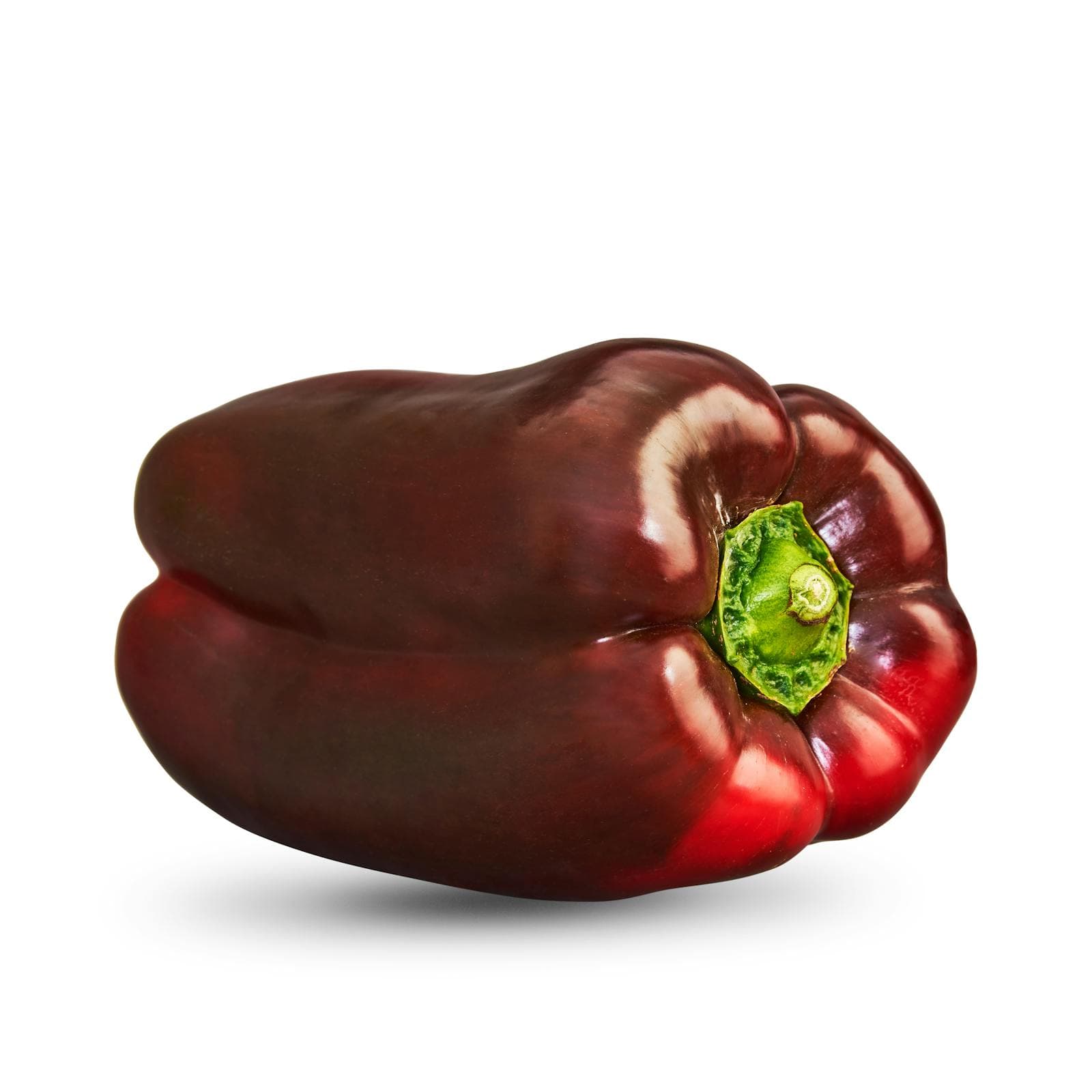
€1.04Red Pepper
360 g · Mercadona
 €2.20
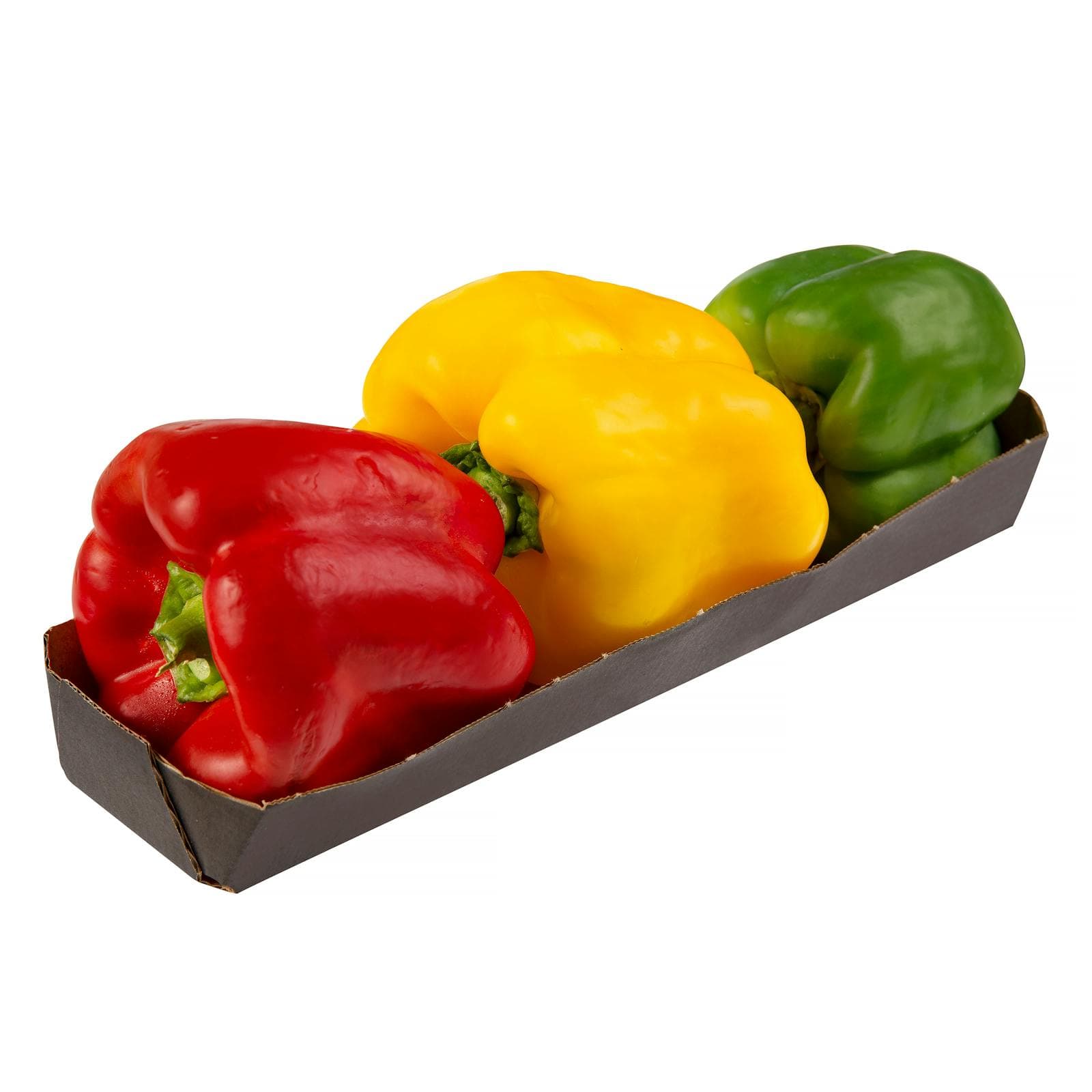
€2.20Tricolor Peppers
710 g · Mercadona
 €0.23
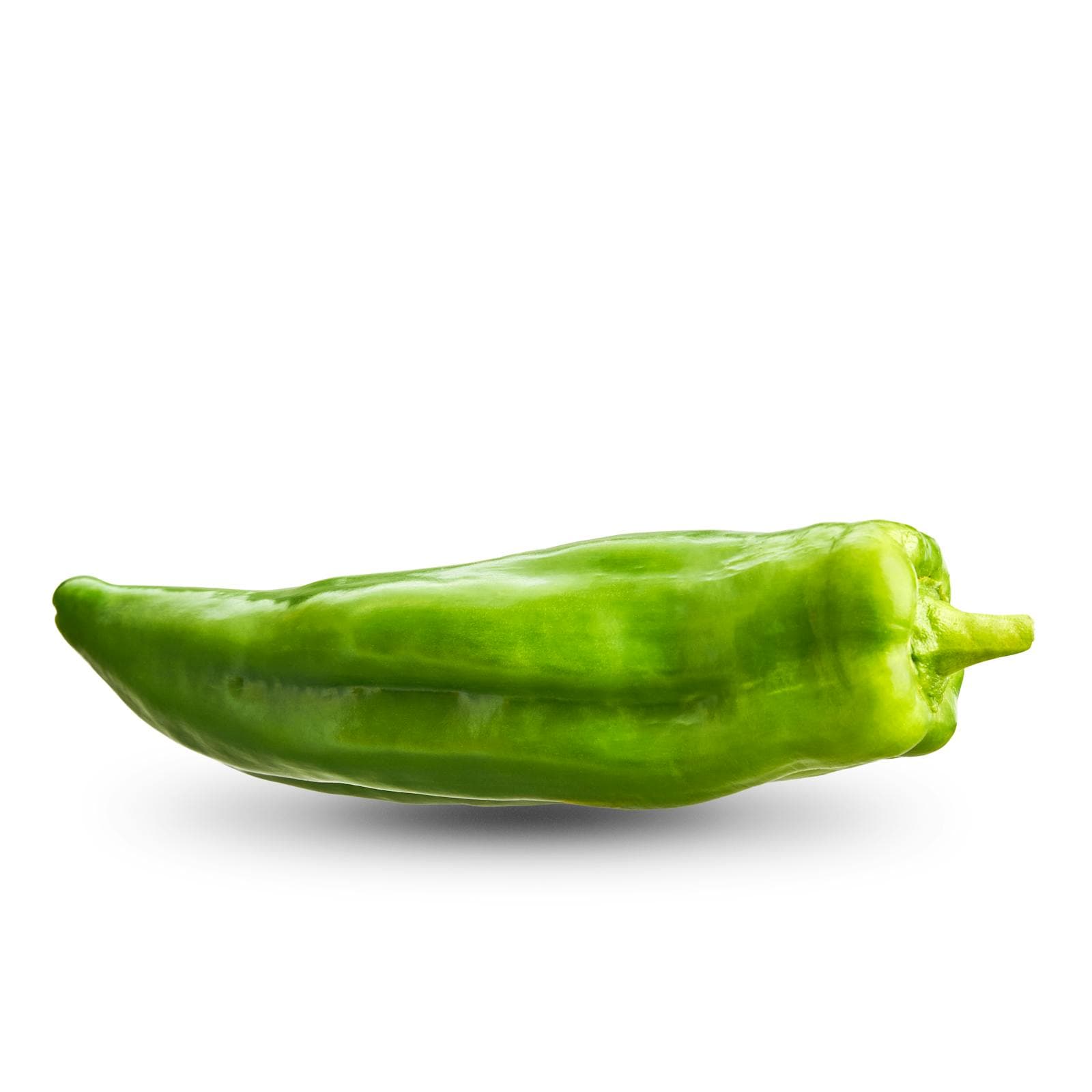
€0.23Green Frying Pepper
90 g · Mercadona
 €1.35
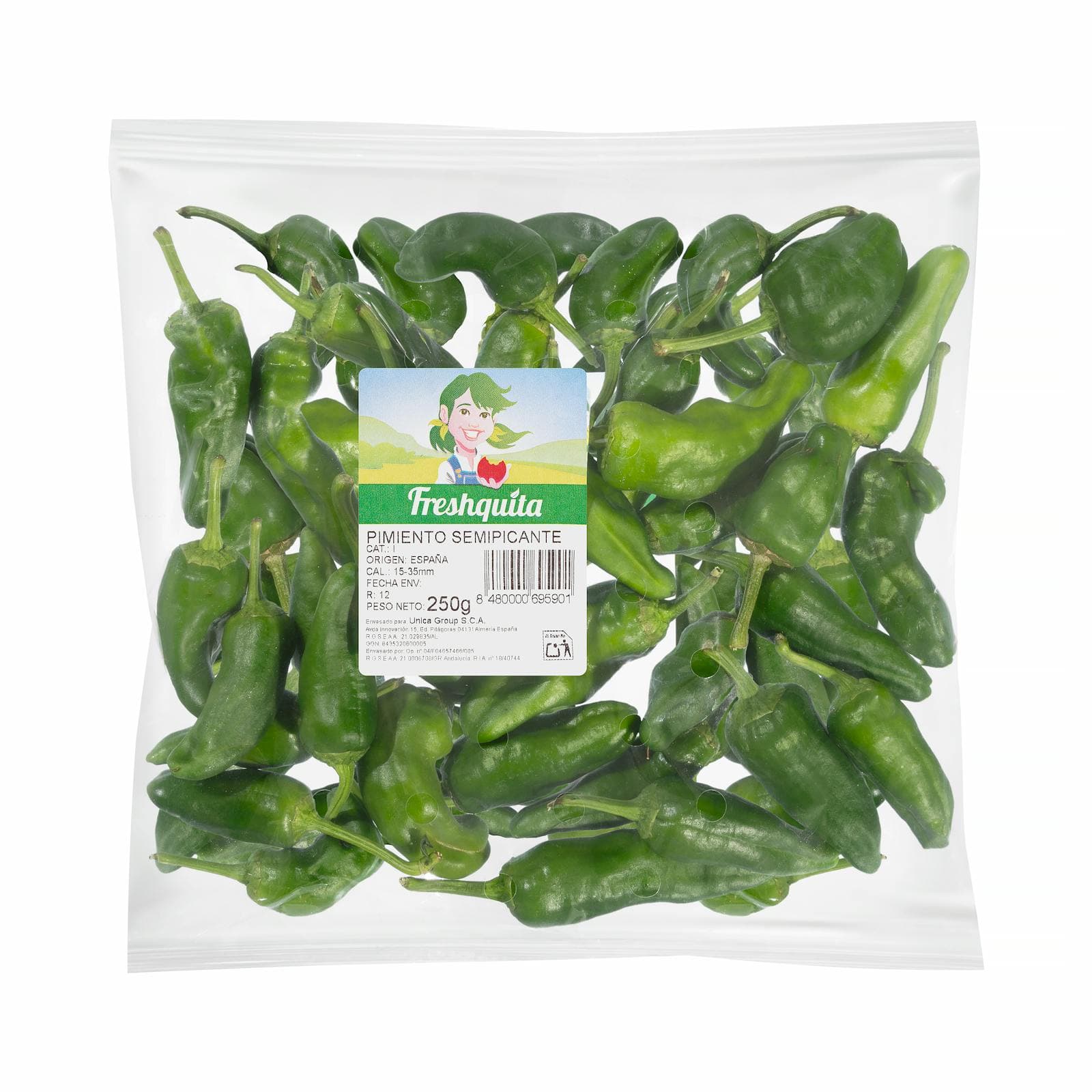
€1.35Semi-Spicy Peppers
250 g · Mercadona
 €2.49
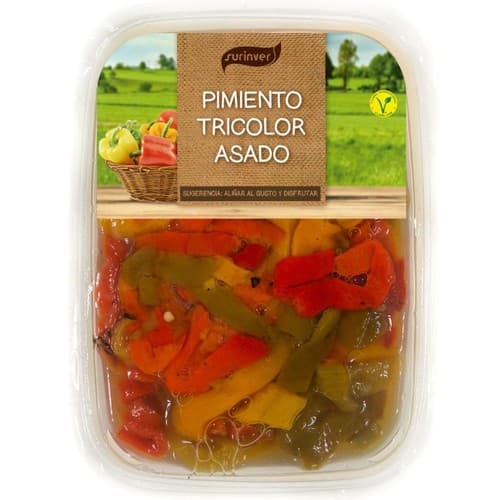
€2.49Roasted Bell Peppers Three Colors
SURINVER · kg · Bonpreu
 €1.45
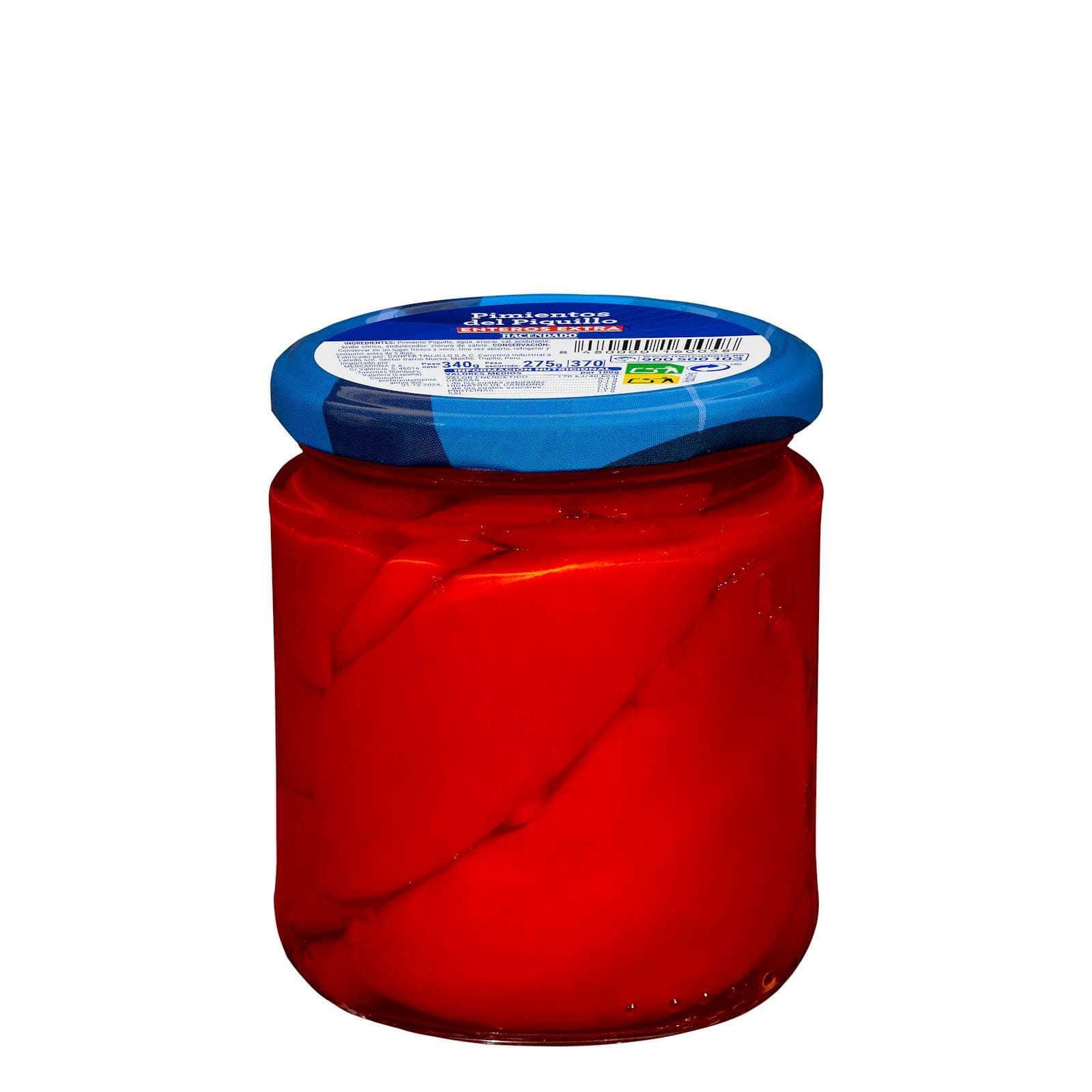
€1.45Extra Whole Piquillo Peppers
Hacendado · 340 g · Mercadona
Good to know
- Species
- Capsicum chinense
- Origin
- Caribbean (Jamaica, Bahamas, Barbados) and West Africa
- Heat Range
- 100,000–350,000 Scoville Heat Units (very hot)
- Shape
- Round to lantern-shaped, 2.5–5 cm, with a raised turban at the shoulder
- Colors
- Red, orange, yellow, chocolate-brown (brownish-red)
- Flavor
- Sweet-fruity, tropical, citrusy — with intense, lingering heat
- Peak Season
- Year-round in tropical climates; summer–early fall in temperate regions
- Storage
- Refrigerate unwashed in a paper bag up to 2 weeks; freeze whole or sliced on a tray, then transfer to airtight bags indefinitely
Substitutes
- Habanero — Same Capsicum chinense species; nearly identical heat and fruity flavor — the most direct substitute in any recipe
- Datil Pepper — St. Augustine, Florida variety; similar heat level and fruity character — a good substitute where Scotch Bonnet is unavailable
- Adjuma Pepper — Suriname Capsicum chinense variety; comparable heat and tropical fruitiness, common in Caribbean-influenced South American cooking
- Fatalii — African-origin chinense with slightly higher heat; similar citrusy-fruity profile but less widely available outside specialty markets
Pairs with
Also called
Goat Pepper · Scotch Bonnet
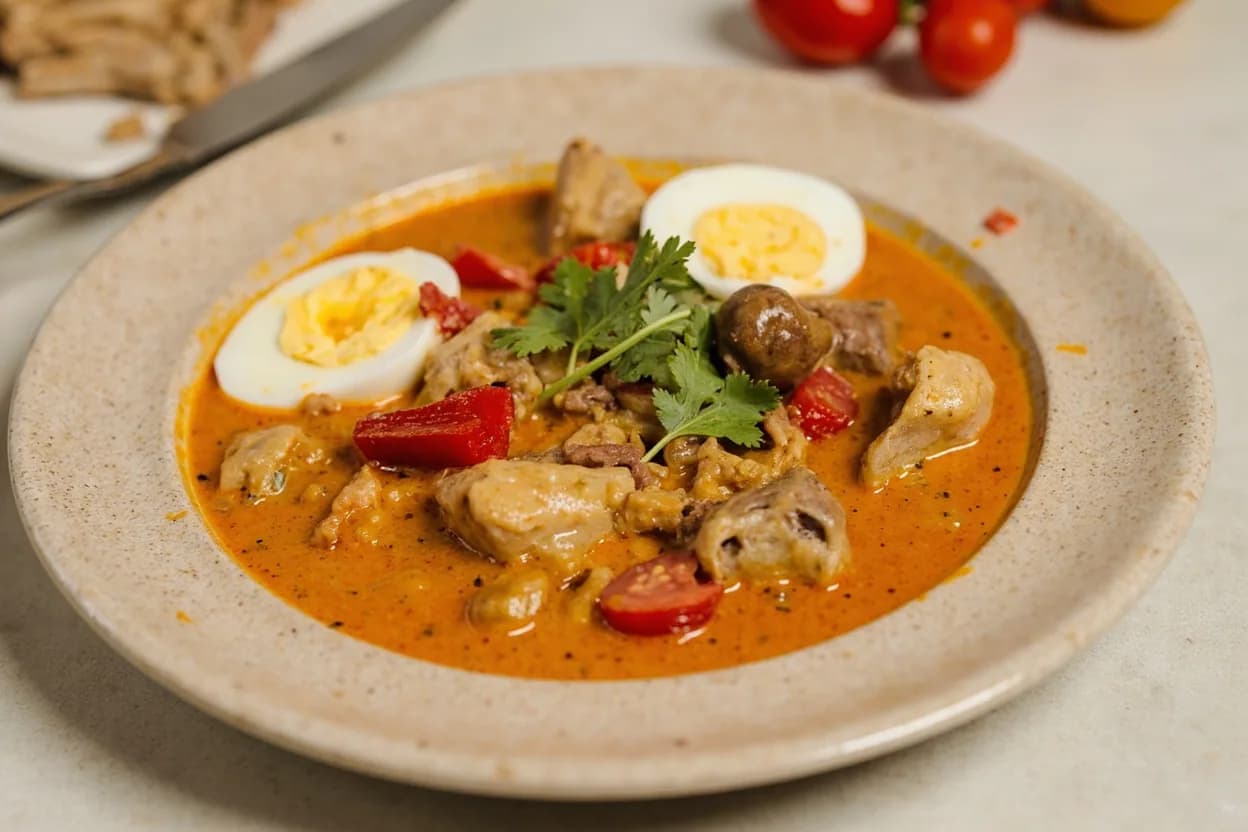
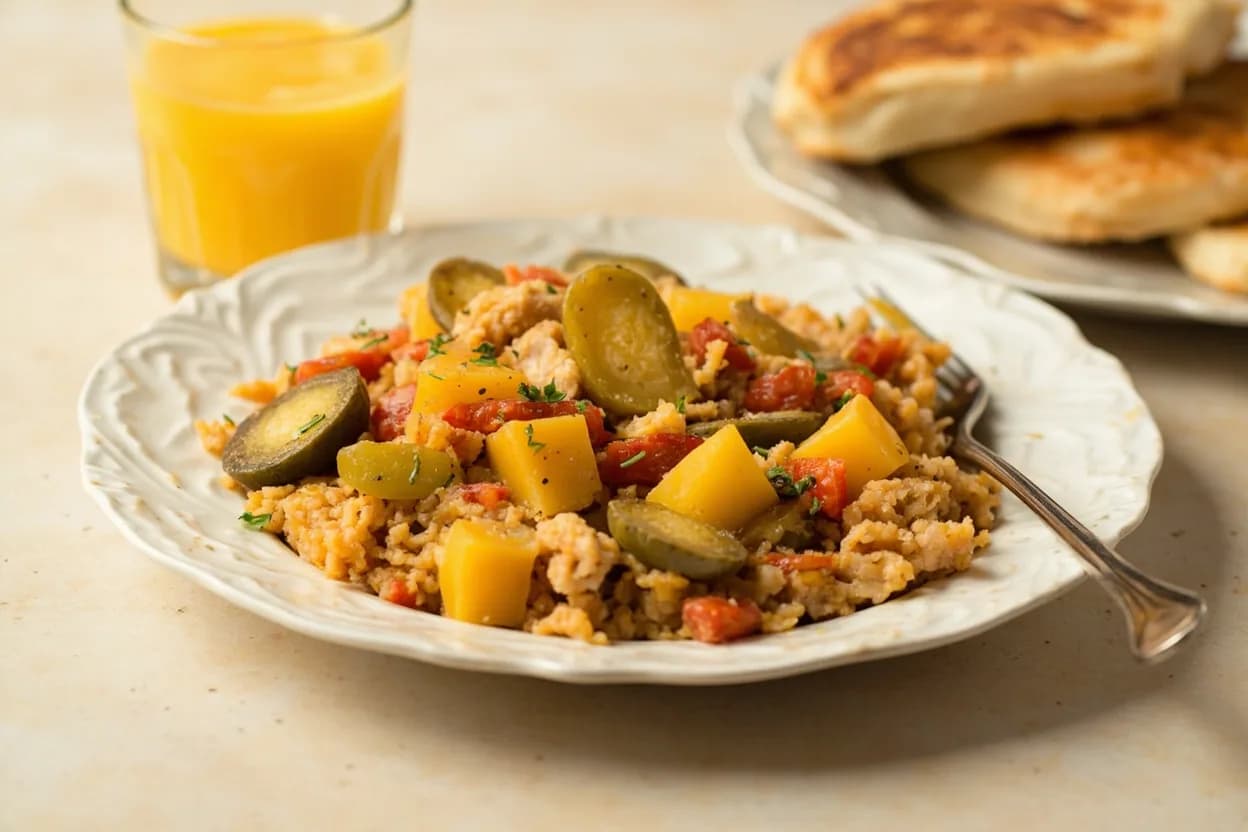
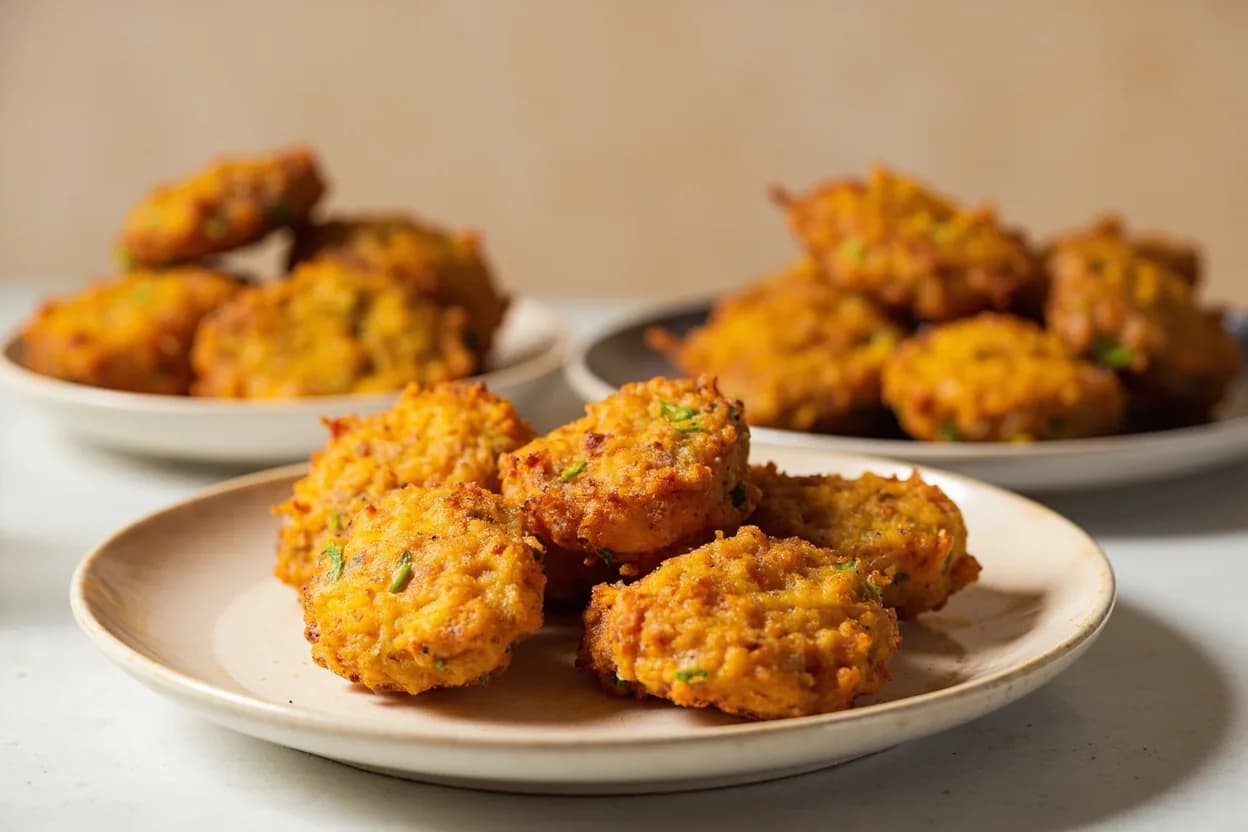
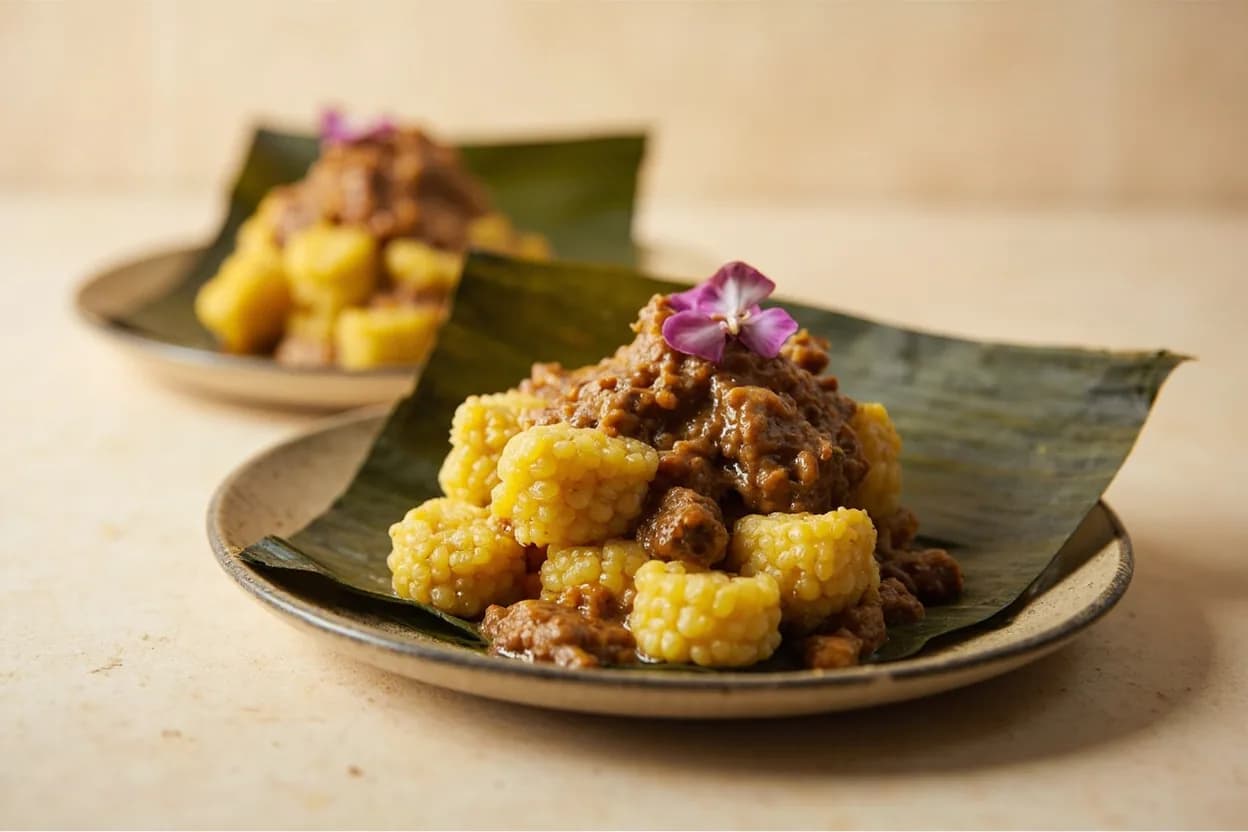
Appears in these dishes
Related
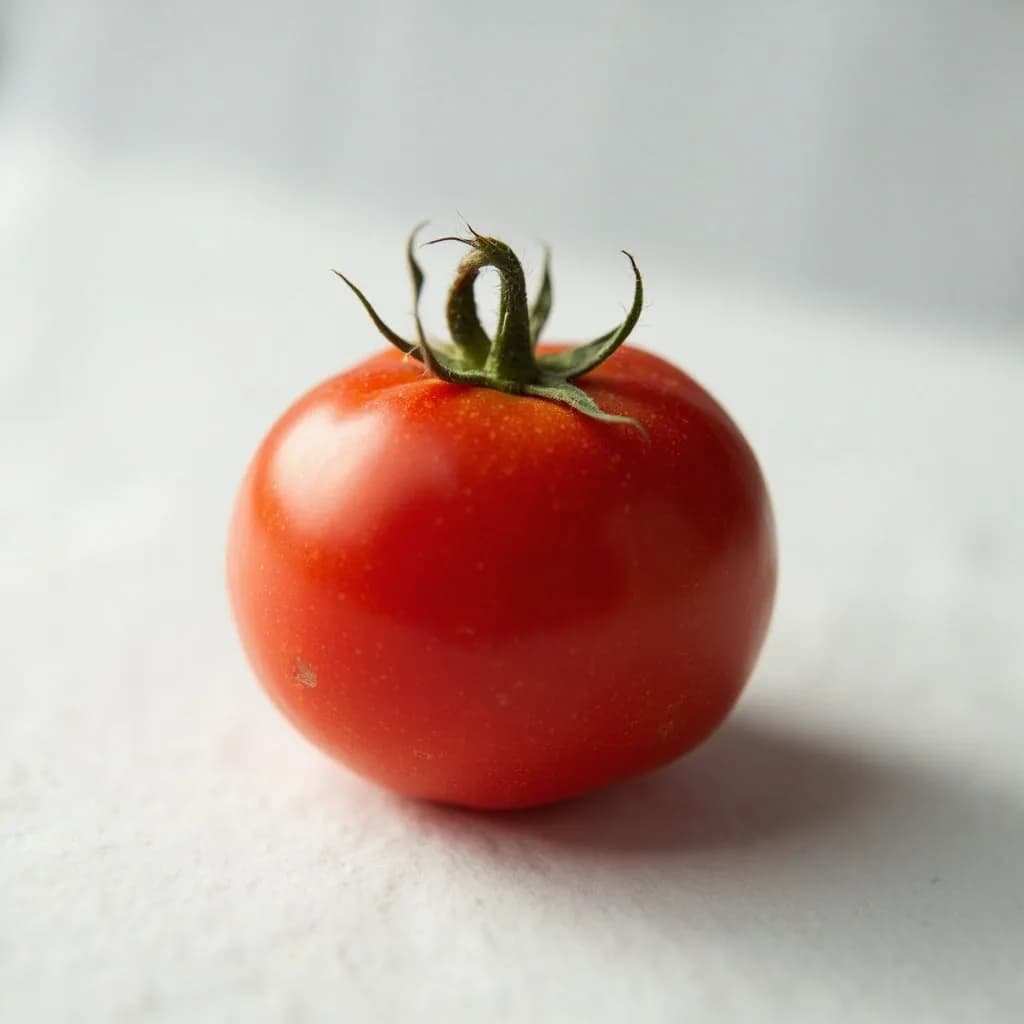
Tomato
Juicy, sun-sweet fruit for sauces, salads, and slow-cooked depth
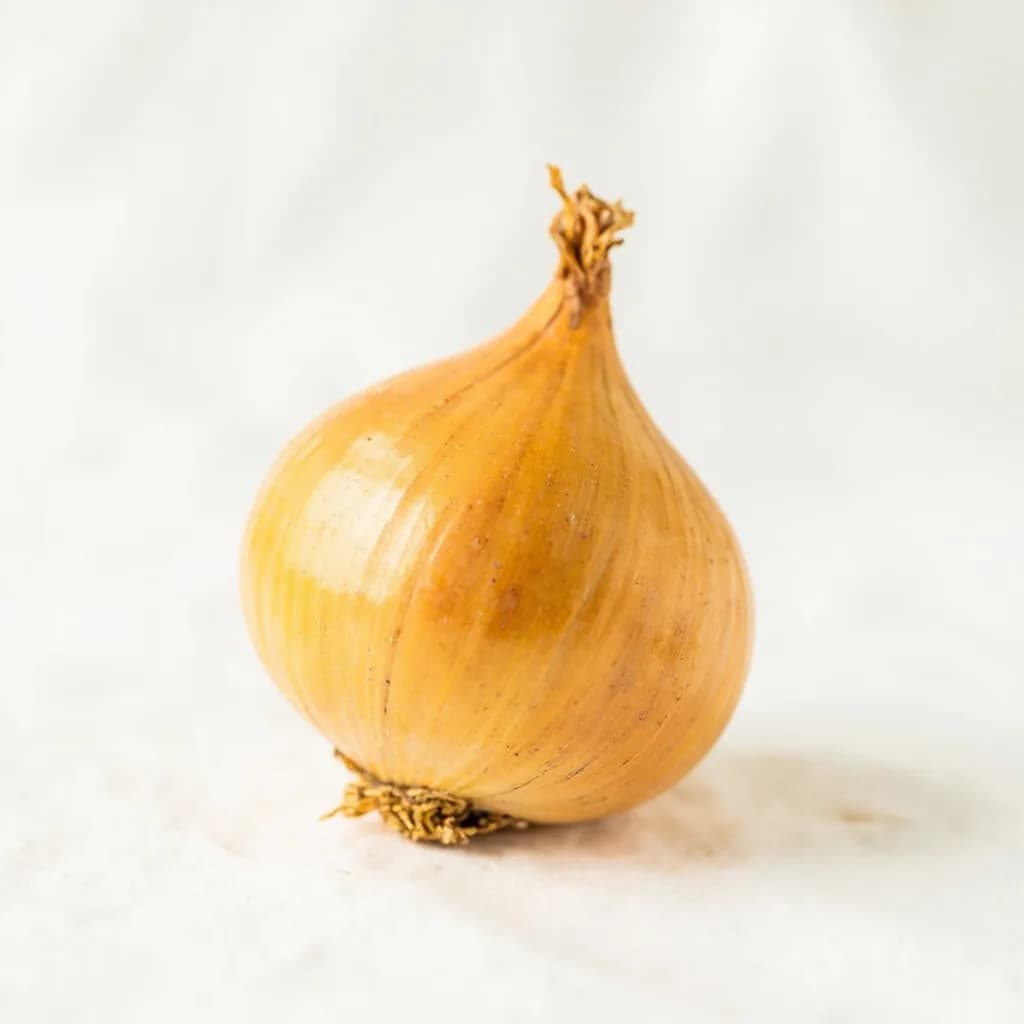
Yellow Onion
The aromatic backbone of soups, sofritos, and braises
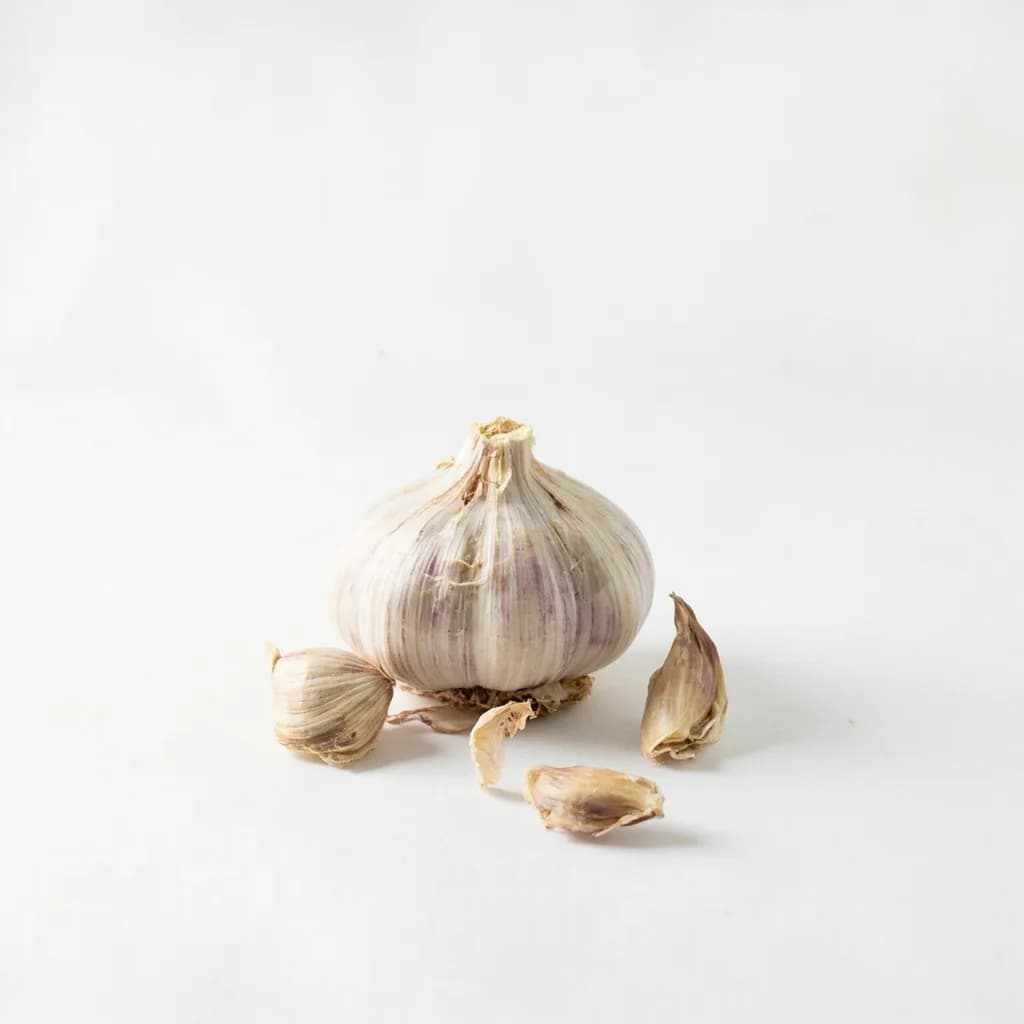
Garlic
Pungent cloves that perfume nearly every savory dish
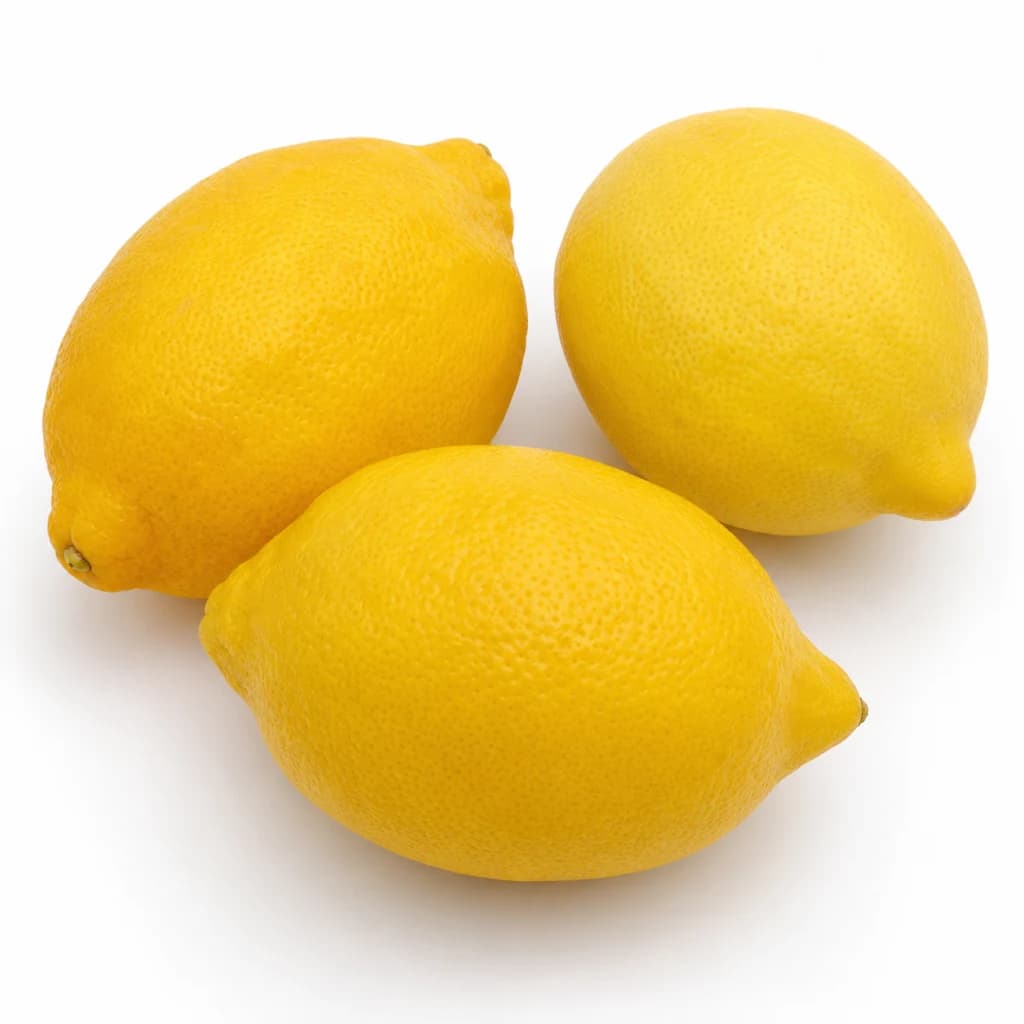
Lemon
Bright, acidic citrus that wakes up almost any dish
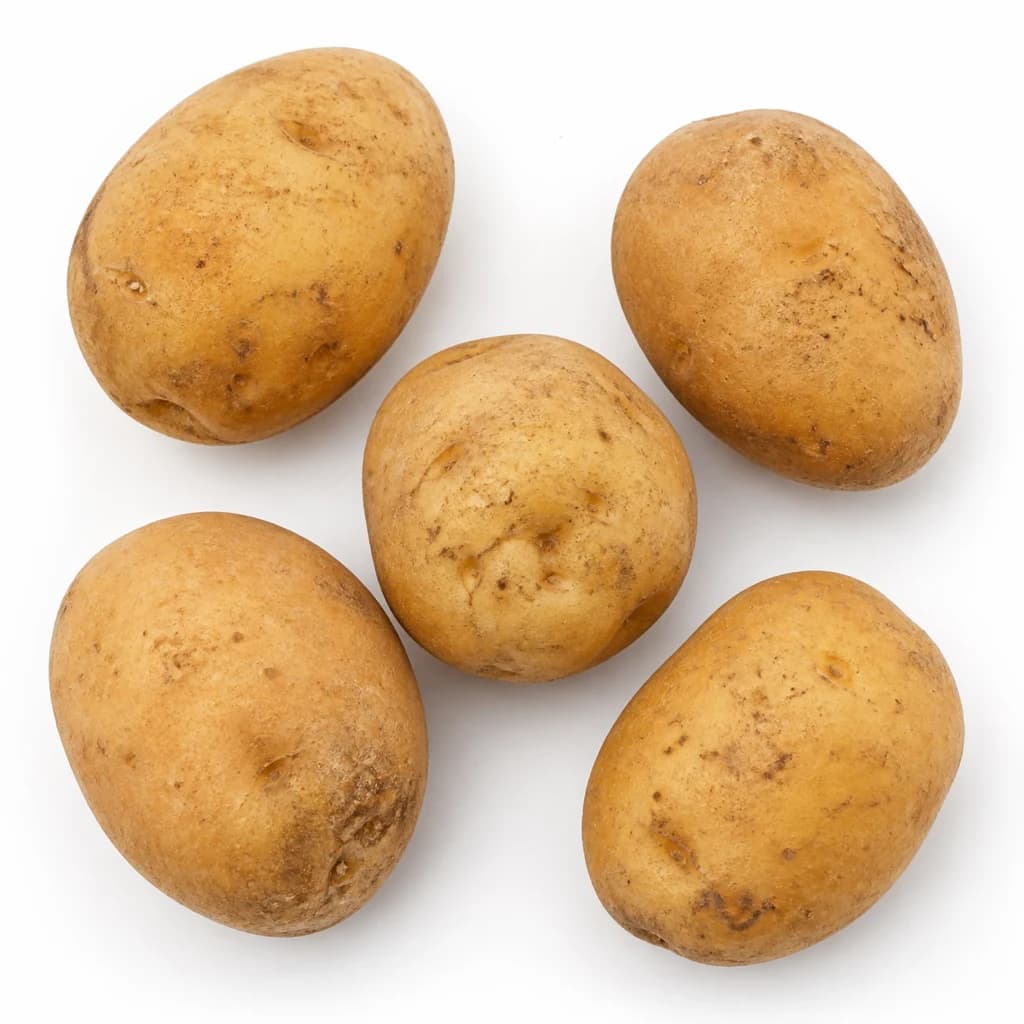
Potato
Humble, hearty staple — roast, mash, fry, or boil
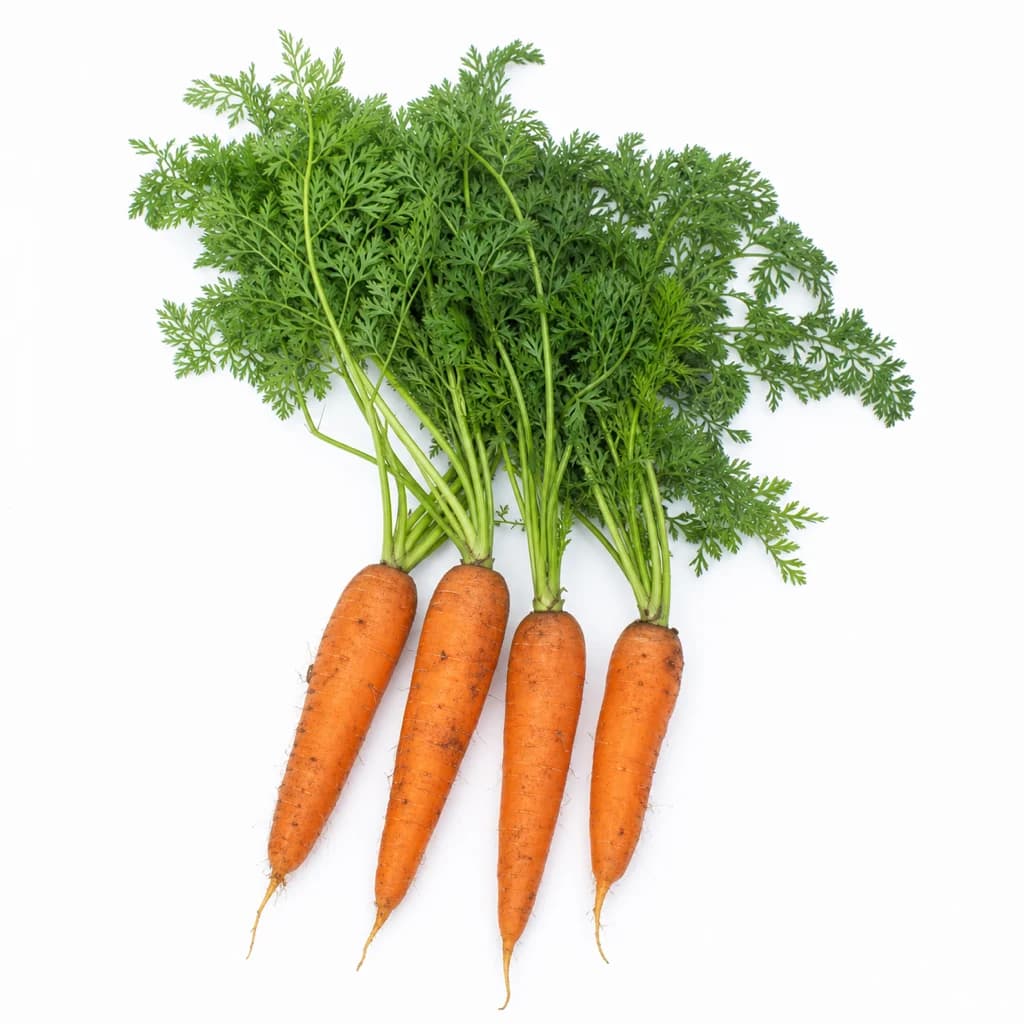
Carrot
Sweet, crunchy root — raw, roasted, or the base of a sofrito
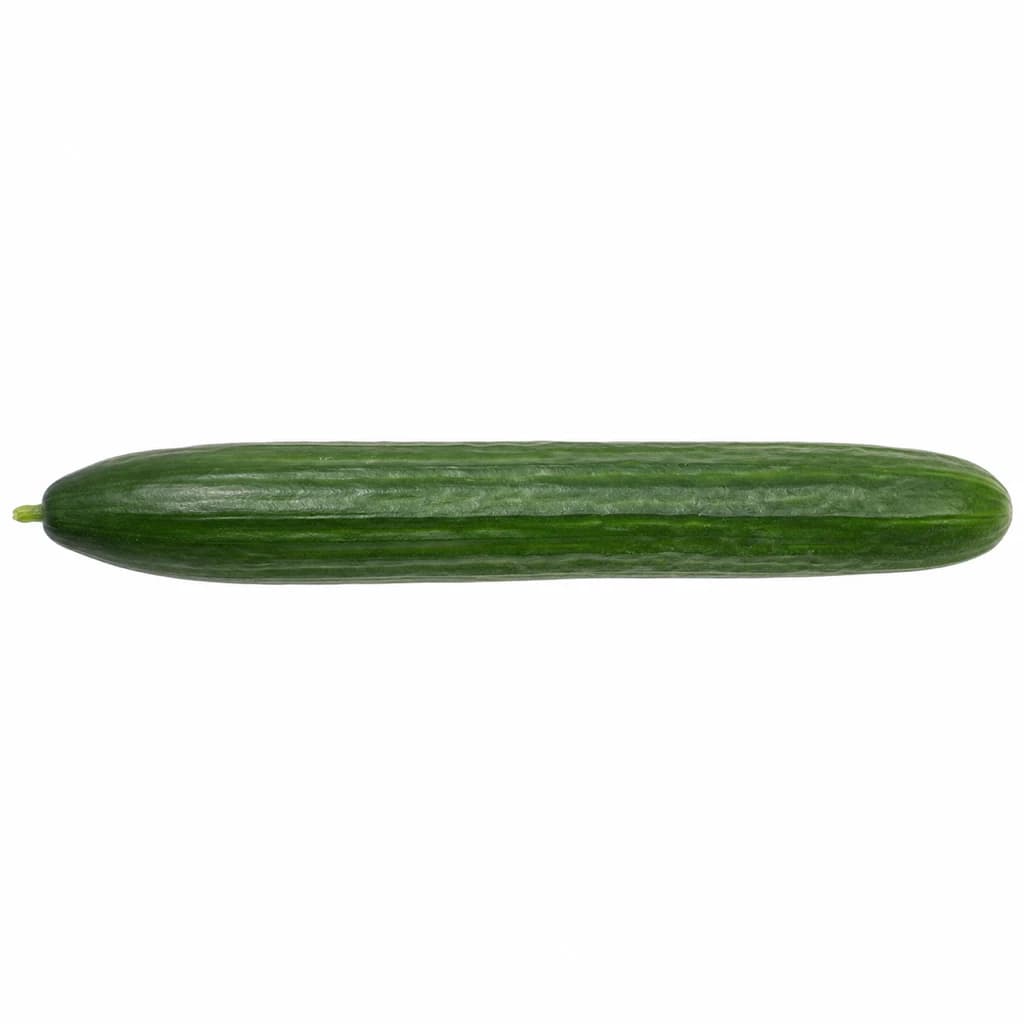
Cucumber
Cool, crisp, and watery — for salads, pickles, and tzatziki

Lettuce
Crisp leaves for salads, wraps, and a fresh crunch