Spices
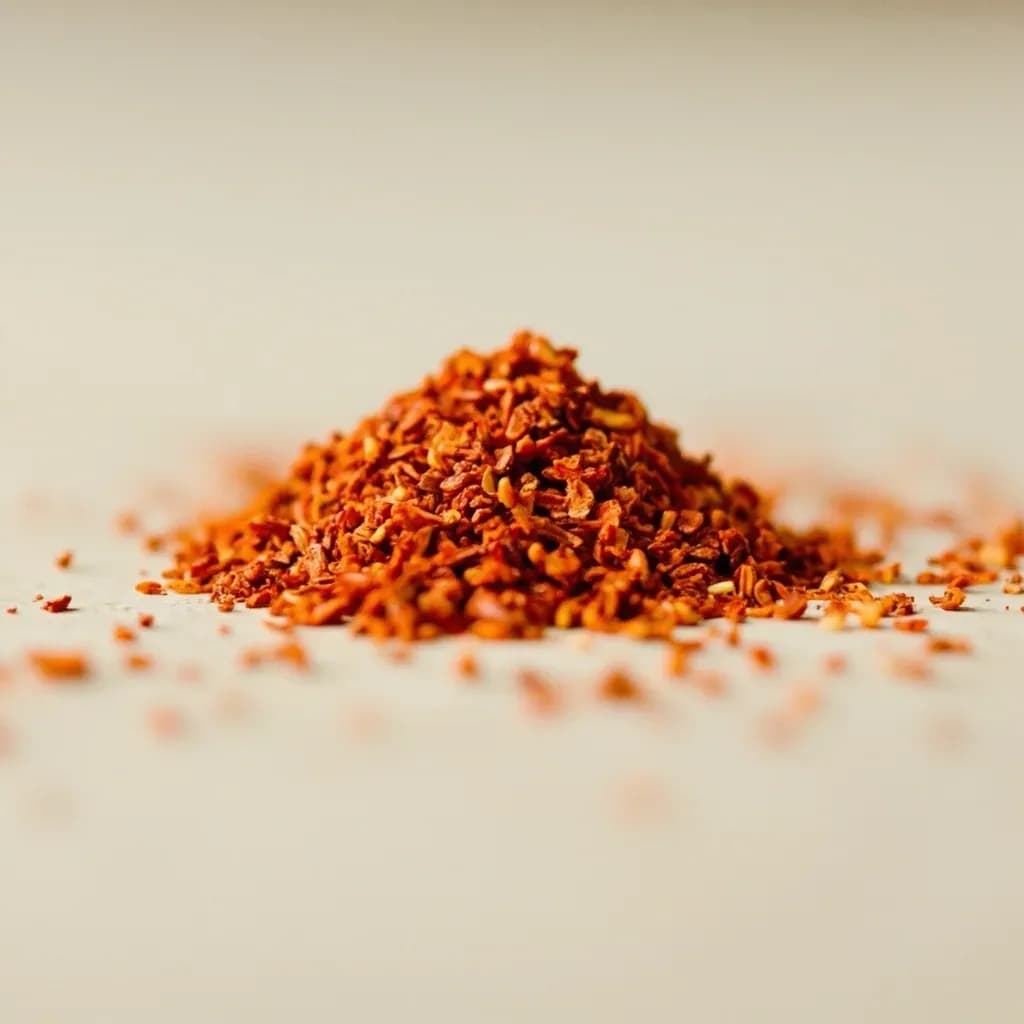
Chili Flakes / Crushed Red Pepper
Crushed dried red chilies with seeds; a sprinkle-on heat for pizza, pasta and stir-fries.
Chili flakes, also called crushed red pepper, are coarsely crushed dried red chilies including the seeds, delivering moderate, building heat. They are a classic finishing condiment for pizza and pasta and a base heat in countless stir-fries and chili oils. Toast or bloom them in oil to deepen their flavor.
Crushed red pepper, also called chili flakes, is a pantry workhorse made from dried red chili peppers that have been coarsely crushed to include both the flesh and seeds. The seeds are not incidental—they carry the bulk of the capsaicin, the compound that delivers heat. This means a small amount delivers disproportionate punch compared to the same weight of finer powders. The irregular, chunky texture (typically 3–6 mm pieces) differentiates it from cayenne powder and gives it advantages in applications where you want visible flecks of color and texture, not just dispersed heat.
Heat levels are not standardized. Standard American grocery-store crushed red pepper typically falls in the 30,000–50,000 Scoville Heat Units range, derived from cultivars like cayenne or peperoncino, but this varies by producer and blend. Specialty varieties like Aleppo or Calabrian peppers operate in entirely different heat neighborhoods and bring distinct flavor profiles—fruitiness, tang, or smokiness—alongside their heat. Unlike chili powder (which typically blends pepper with cumin, oregano, garlic powder, and often a colorant), crushed red pepper is pure dried pepper. This matters: substituting one for the other requires recalibrating expectations.
How you use crushed red pepper depends entirely on timing. Added early in cooking—say, to a simmering sauce or braising liquid—the heat integrates and mellows, becoming a background warmth that builds gradually. Added at the end, as a finishing garnish on pizza or pasta, the heat hits immediately and sharply. Both approaches are valid; knowing which you want determines when to reach for the jar. Store it in a sealed container in a cool, dark place, and it will remain potent for 2–3 years, though extended storage near heat or light accelerates degradation of both color and aroma.
- Measured in
- g
- Storage
- Pantry
Types & varieties
Typically cayenne-based; widely available; moderate to hot heat; heat can vary between brands and even within the same container
Blend of Italian cultivars; often slightly fruitier than standard American versions; sometimes labeled by region (e.g., peperoncino di Calabria); heat varies by blend
Dried and crushed Capsicum annuum from Syria/Turkey; Salt Lake City heat level (~2,500–5,000 SHU); tangy, slightly salty, with a coarser flake; beloved in Middle Eastern cooking
From Calabria, Italy; peperoncino calabrese cultivar; bright and fruity with moderate heat; often sold dried or in oil; a staple of Southern Italian cuisine
Coarse, oily Syrian/Turkish chile flake with moderate heat and a sun-dried-tomato, fruity tang; finishing dust for hummus, eggs, roasted veg, and kebabs.
Sun-dried Korean chile flake, vivid red with smoky-sweet, fruity medium heat; essential to kimchi, gochujang dishes, tteokbokki, and spicy stews like kimchi-jjigae.
Sun-and-sweat-cured Turkish chile flake, dark purple-black with raisiny, smoky, mildly hot depth. Finish kebabs, eggs, and hummus; coarser and oilier than ordinary flakes.
The Heat Factor: Timing and Technique
The same pinch of crushed red pepper behaves differently depending on when and how you add it. When cooked long in liquid or fat, capsaicin extracts and disperses evenly, creating a sustained, rounded heat that integrates with other flavors. When added at the end—sprinkled directly onto pizza, stirred into a finished sauce, or bloomed in hot oil for a finishing drizzle—the heat remains localized and immediate, delivering sharp, direct pungency. Neither approach is correct; they produce different outcomes suited to different dishes. For stews, braises, and soups, add early. For pizza, pasta, and grilled meats, finish with a sprinkle.
- Early addition: 5–30 minutes of cooking in liquid extracts and mellows heat
- Late addition: sharp, immediate heat that hits the palate directly
- Blooming in hot oil (30 seconds) before adding to a dish gives intermediate results—some integration with caramelized, rounded flavor from the oil
When the Dish Gets Too Hot
If you've overdone it with chili flakes, reach for fat—olive oil, butter, cream, or coconut milk—not acid. Capsaicin is fat-soluble; it binds to and disperses within fats, effectively reducing the concentration hitting your palate and spreading the heat more evenly. Acid (lemon juice, vinegar) brightens but does not reduce perceived heat. Dairy is particularly effective because the casein protein in milk and cream actively binds capsaicin molecules. A tablespoon of butter stirred into an over-spiced sauce won't eliminate the heat, but it will tame it noticeably. Sugar or honey works through a different mechanism—sweetness competes with heat perception on the palate rather than chemically dissolving capsaicin.
- Fat (butter, cream, olive oil) dissolves and disperses capsaicin—reduces and rounds heat
- Dairy casein binds capsaicin particularly well—most effective for taming heat
- Acid (lemon, vinegar) brightens but does not reduce perceived heat
- Sweetness (sugar, honey) competes on the palate rather than neutralizing capsaicin
Common uses
Tips & pitfalls
- Add early in cooking for integrated, mellow heat; add at the end for sharp, direct heat—different outcomes, both valid
- Do not cook chili flakes in a dry pan over high heat; the sugars burn quickly and create bitter, acrid notes that ruin the dish
- Use sparingly: a little goes a long way; you can always add more, but you cannot remove heat once it's extracted
- Stir flakes into oil or sauce rather than sprinkling directly from the container to avoid clumping and uneven heat distribution
- The same container can vary in heat: finer flakes at the top may be hotter than chunkier pieces at the bottom; stir before measuring
- For baking applications (pizza dough, focaccia), hydrate the flakes briefly in warm water or oil before incorporating to prevent burning and bitter spots
- Store away from the stove and oven; repeated heat exposure degrades color, aroma, and potency faster than simple shelf aging
- If a dish becomes too hot, fat (olive oil, butter, cream) dissolves capsaicin and distributes the heat; acid does not reduce perceived heat
- Different varieties (Aleppo vs. Calabrian vs. standard) behave differently in recipes—taste and adjust when substituting specialty flakes for standard grocery versions
- Toasting dried whole chilies briefly before crushing releases oils and deepens flavor, but do not toast pre-crushed flakes—they burn too quickly
Nutrition
Energy
109 kJ · per 100 g
Where the calories come from
Protein
1g
2% DV
Carbs
6g
2% DV
Fat
0.3g
0% DV
Fiber
2.1g
8% DV
Sugars
4.2g
of which
Sodium
4mg
0% DV
Source · USDA FoodData Central · Peppers, sweet, red, raw
View on FDC →In the shops
Matched grocery products
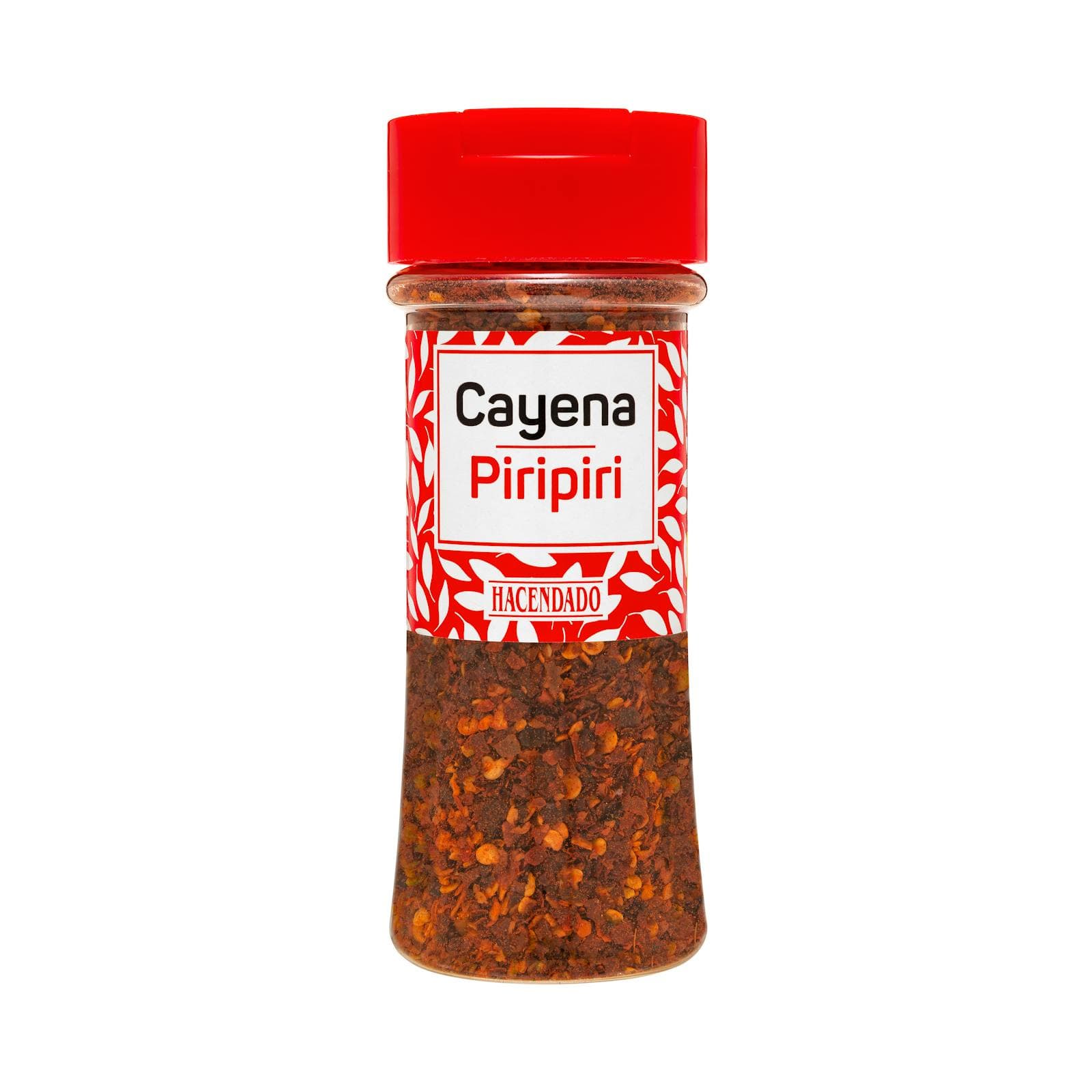 €1.65
€1.65Ground Cayenne
Hacendado · 55 g · Mercadona
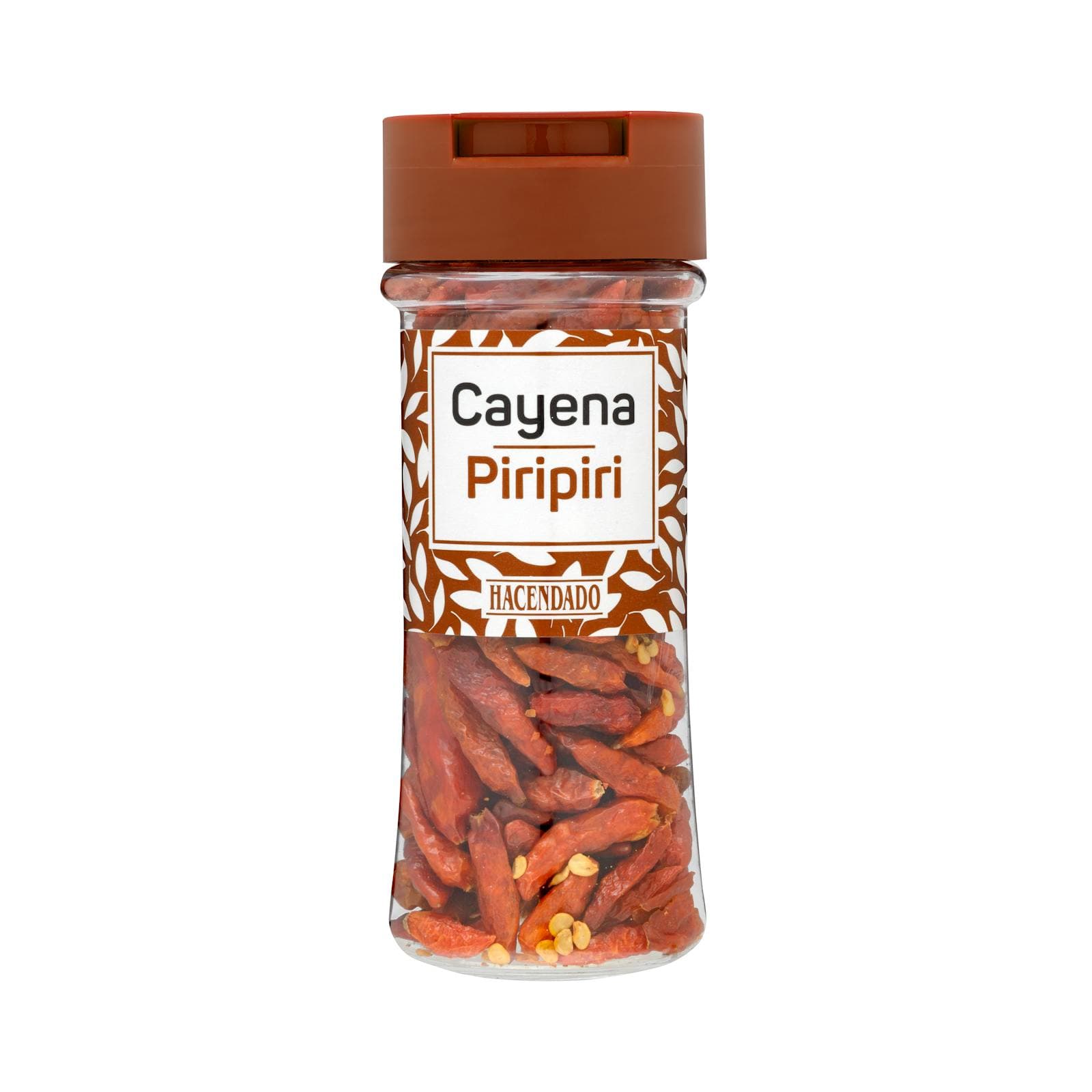 €1.36
€1.36Cayenne Peppers
Hacendado · 0.027 100 g · Mercadona
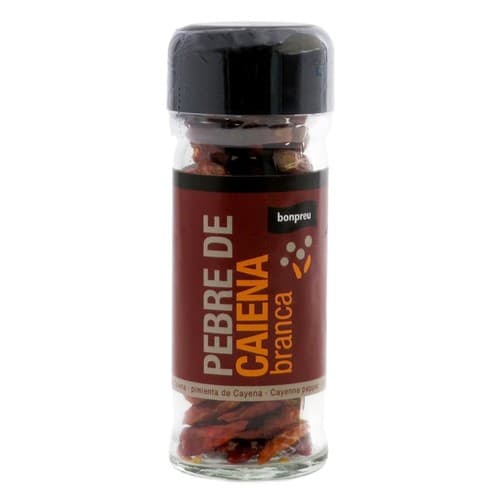 €0.75
€0.75White Cayenne Pepper
BONPREU · Bonpreu
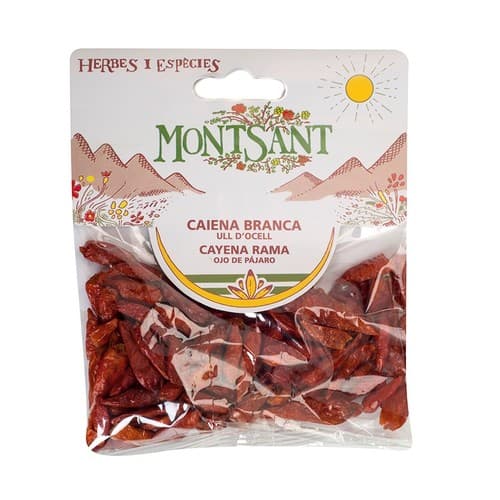 €1.49
€1.49White Cayenne Pepper
MONTSANT · Bonpreu
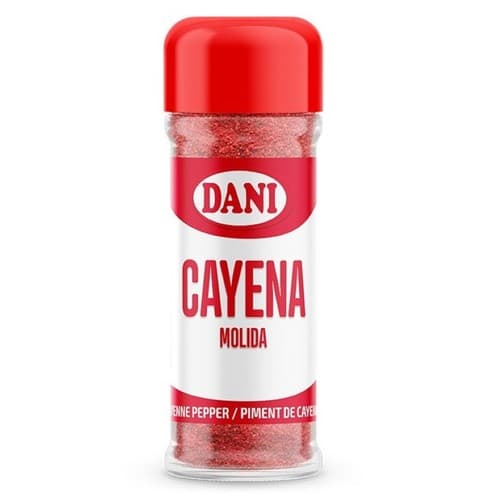 €0.95
€0.95Ground Cayenne Pepper
DANI · kg · Bonpreu
Good to know
- Made from
- Dried red chili peppers (cultivars vary by producer; commonly cayenne, peperoncino, or similar hot pepper varieties)
- Typical heat range
- 30,000–50,000 Scoville Heat Units for standard grocery-store versions; specialty varieties range widely from ~2,500 to 50,000+ SHU
- Heat source
- Capsaicin concentrated in seeds and inner membranes; seeds are included, driving most of the heat
- Form
- Irregular crushed pieces roughly 3–6 mm; coarser than powder, finer than dried whole chilies; includes seeds and flesh
- Shelf life
- 2–3 years in an airtight container away from heat and light; potency declines gradually but slowly
- Storage
- Cool, dark, dry place in a sealed container; refrigeration or freezing extends potency indefinitely
- Distinct from chili powder
- Chili powder contains other spices (cumin, oregano, garlic powder) and possibly colorants; crushed red pepper is pure dried pepper
- Regional names
- "Crushed red pepper" (US) and "chili flakes" (UK/Canada) refer to the same product; terminology varies by market
Substitutes
- Cayenne pepper powder — Higher heat concentration; use roughly half the amount by volume; lacks the textured flake experience and visual presence
- Fresh or dried whole red chilies — Break or slice into pieces to control size and distribution; slightly different flavor extraction; requires more prep time
- Korean gochugaru — Finer, almost powder-like texture; moderately hot with a distinct sweet-smoky character; works in a pinch, especially for Korean dishes
- Hot paprika — Milder and less complex; does not provide the same heat punch or textured visual element; best for background warmth only
- Chipotle powder or flakes — Adds smokiness along with heat; distinctly different flavor profile that works in Mexican, Southwestern, and BBQ contexts
Pairs with
Also called
red-pepper-flakes · chilli-flakes · chili-flake · red-pepper-flake · crushed-red-pepper · red-chili-flake · dried-chili-flake · dried-chili-flakes
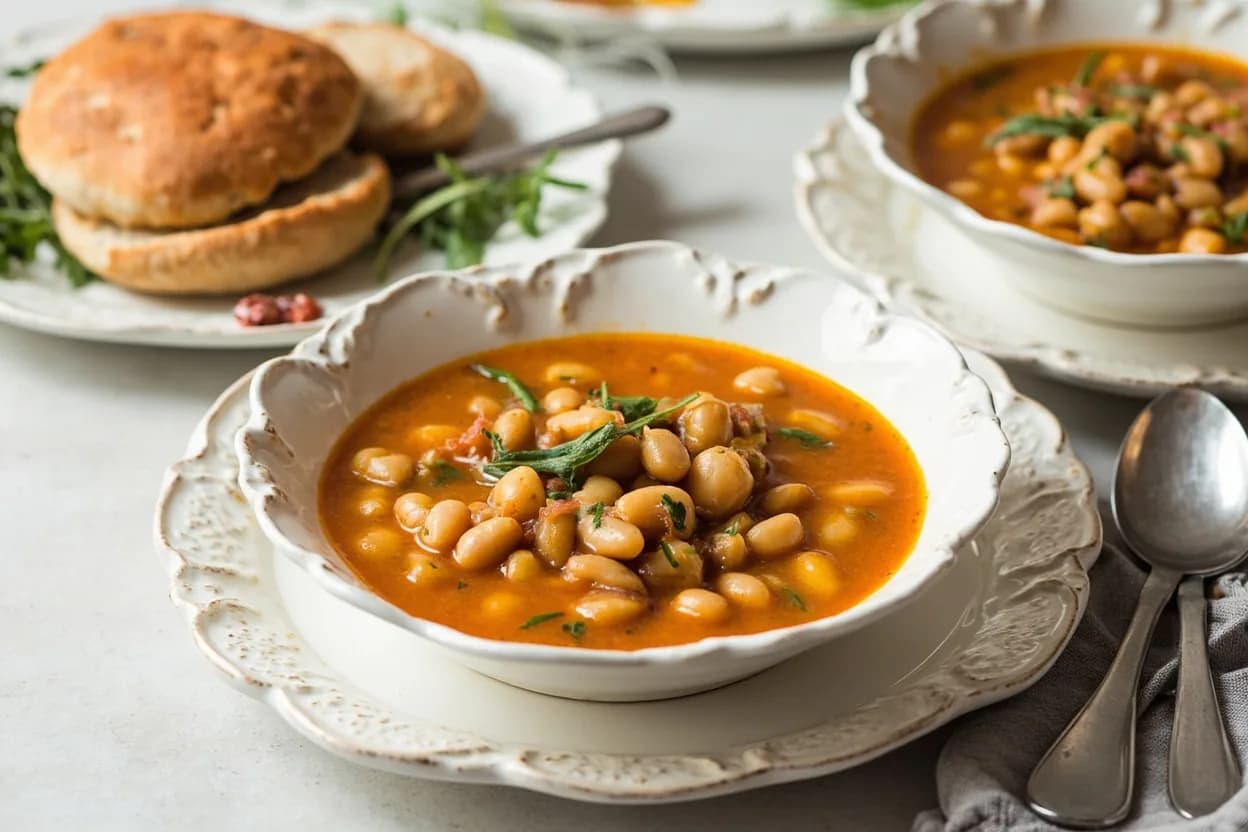
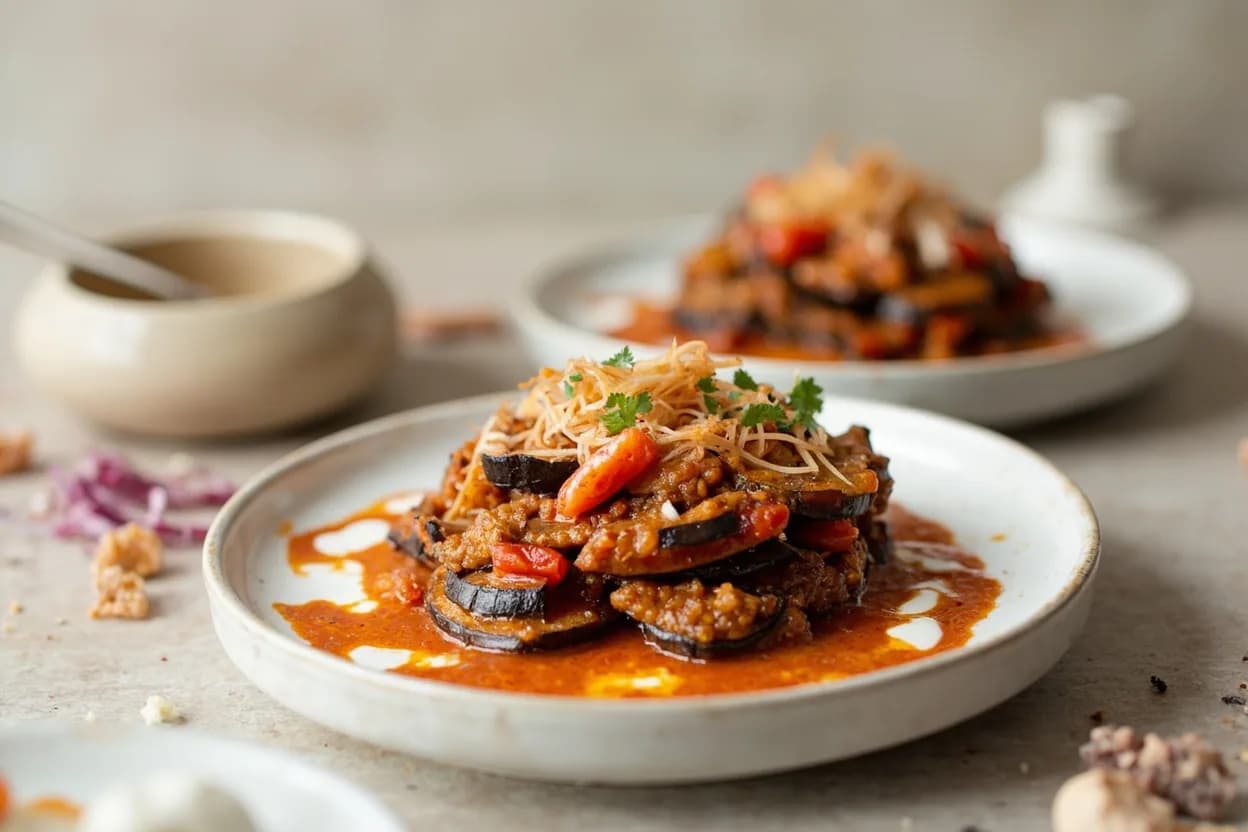
Appears in these dishes
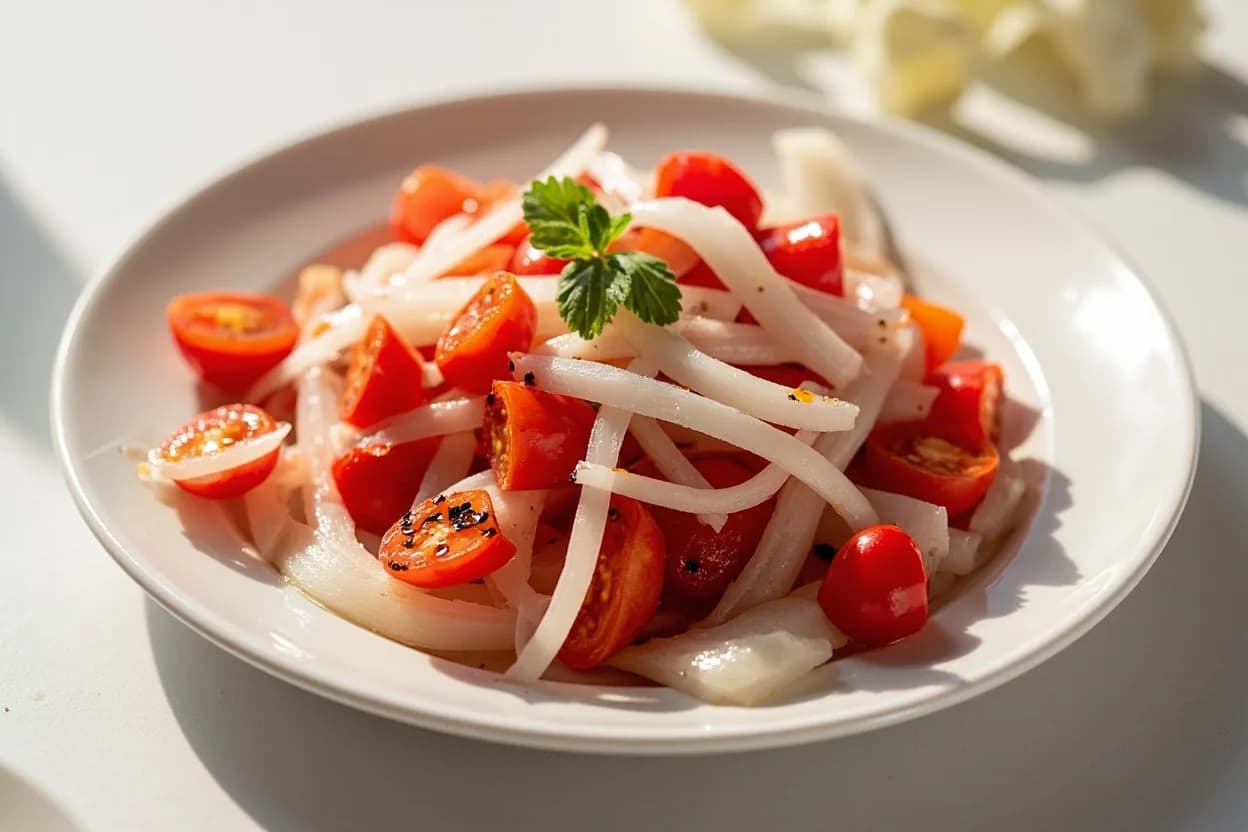
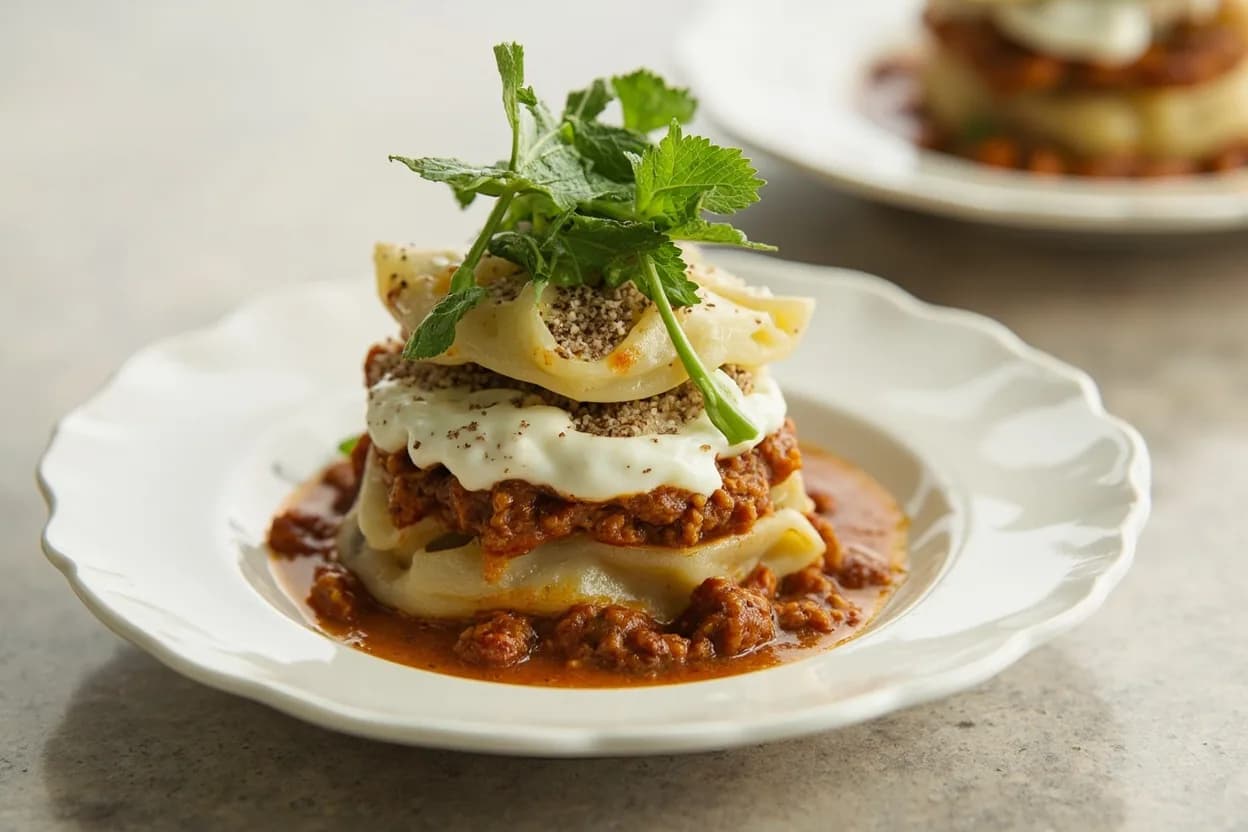
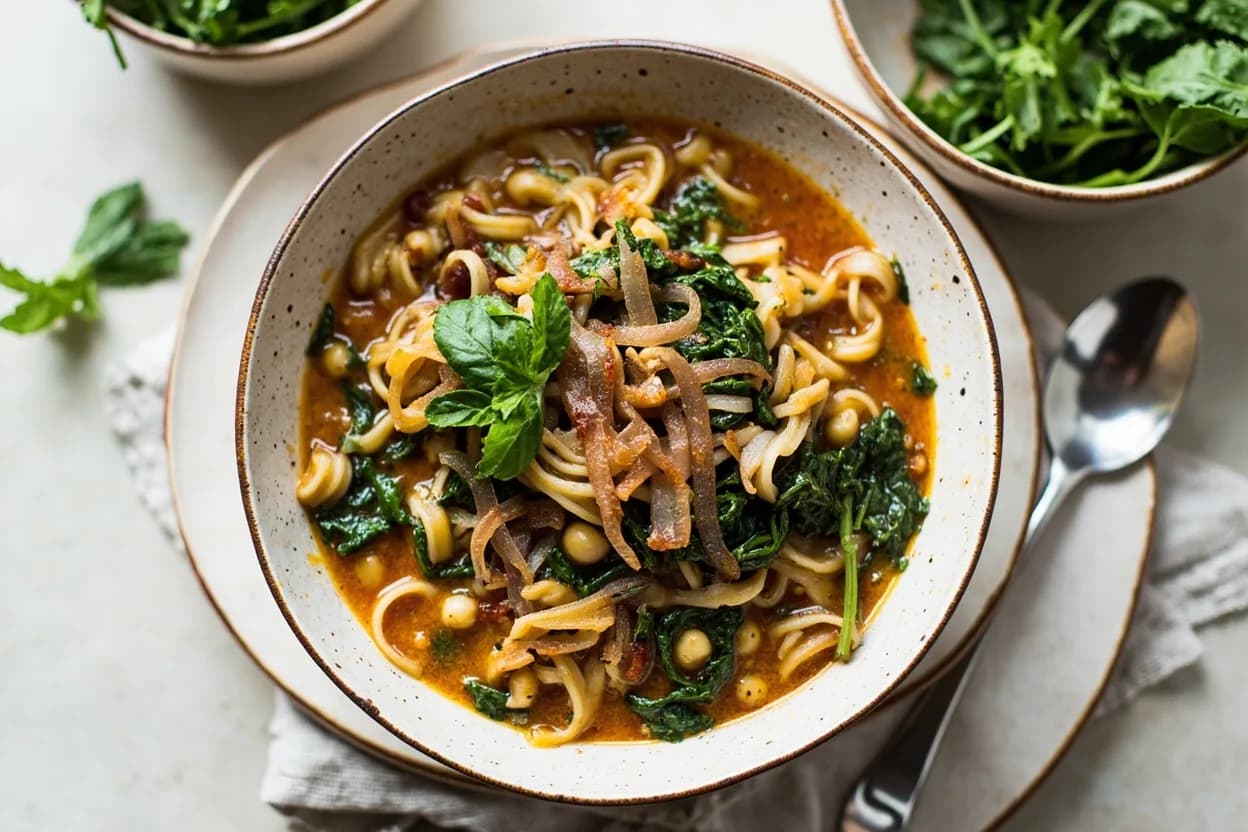
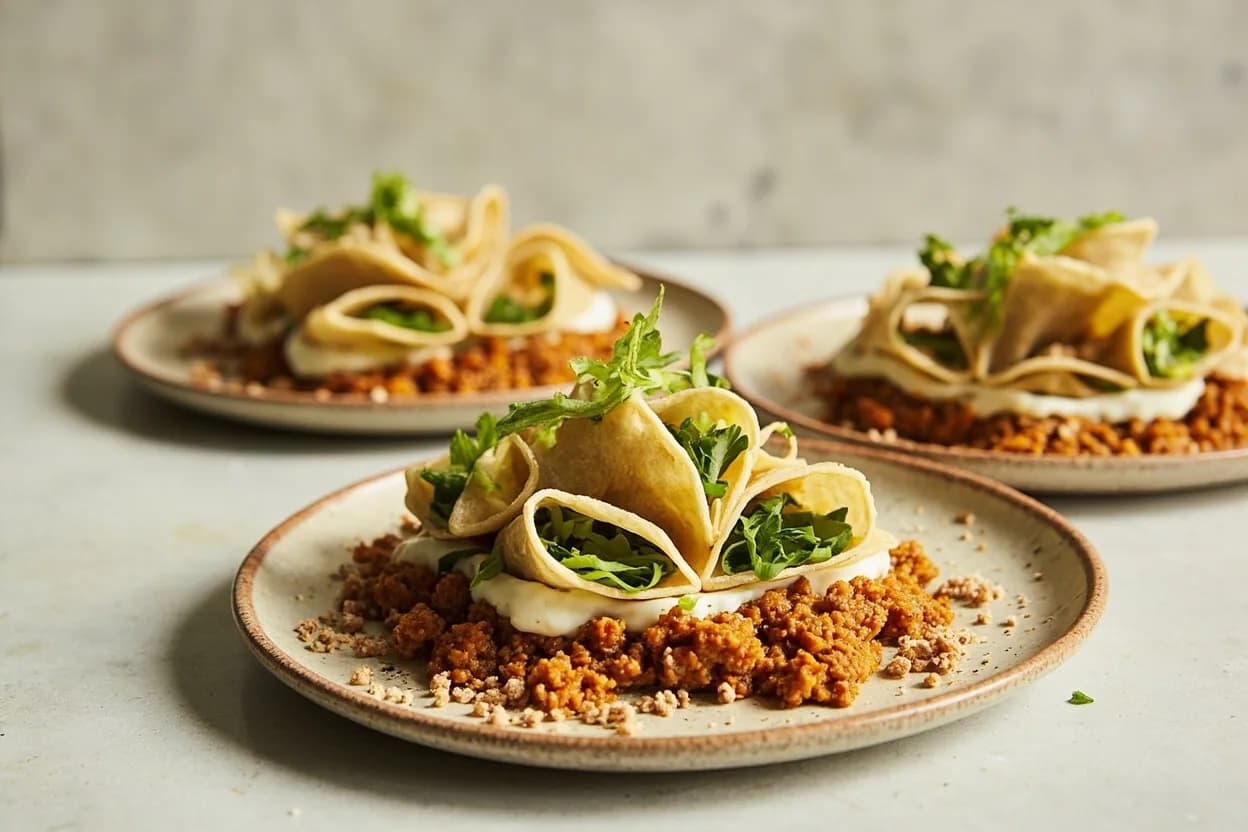
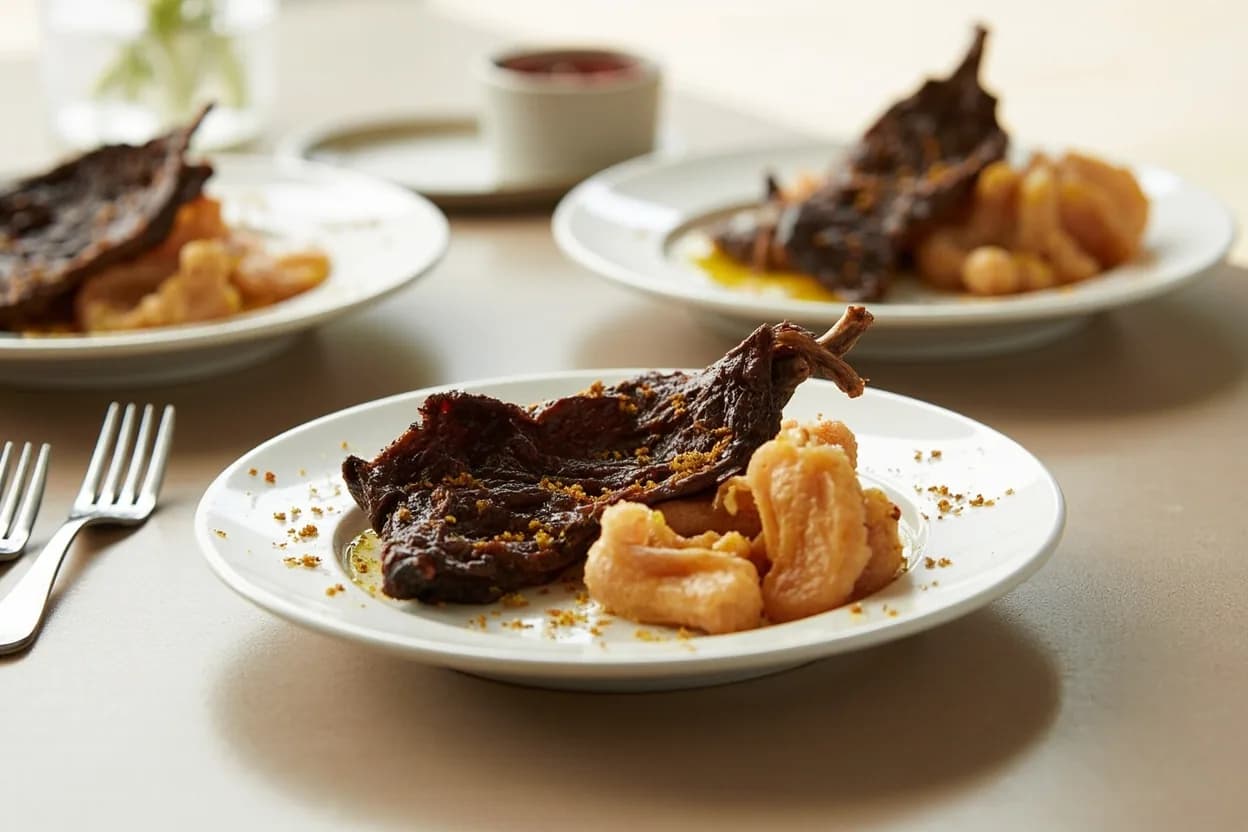
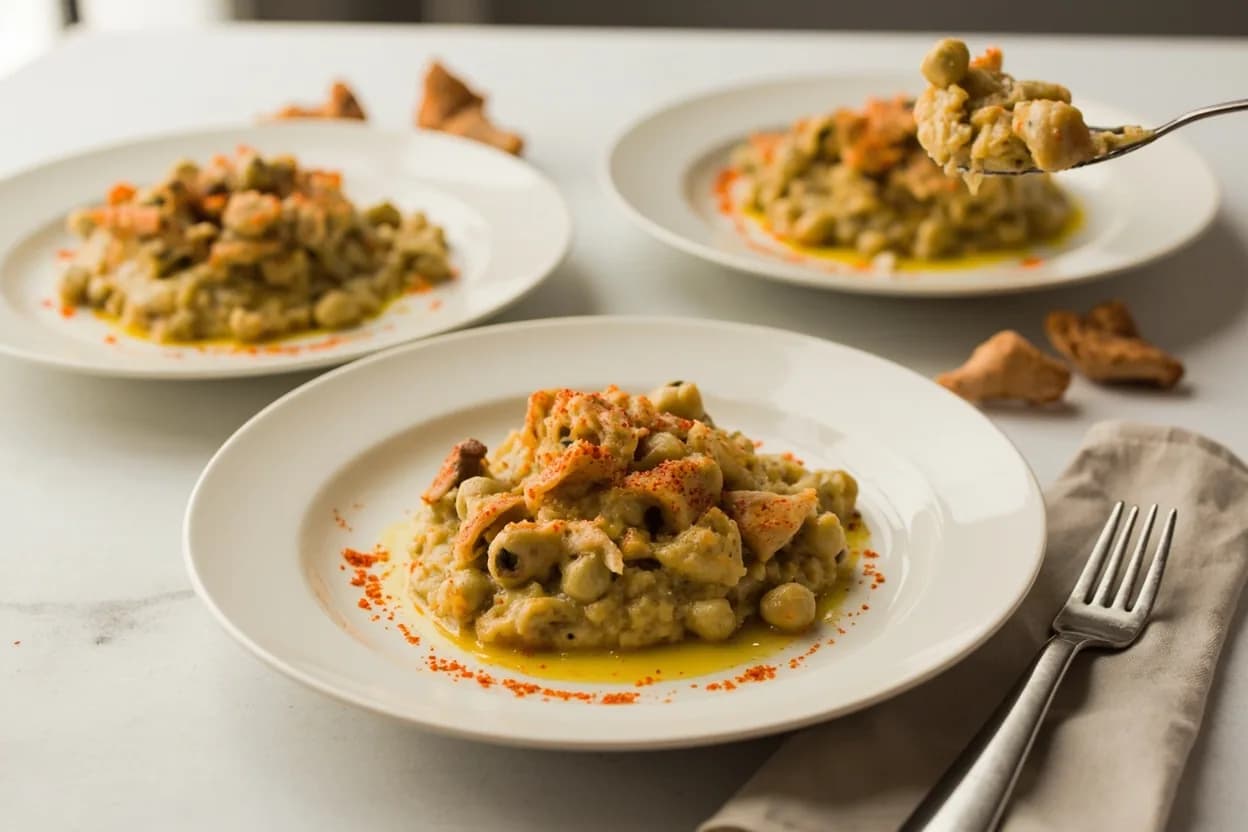
Related
Salt
The one seasoning that makes everything else taste like itself

Black Pepper
Pungent, woody heat — best cracked fresh over anything savory
Amchur
Dried unripe mango ground to a tart, fruity souring powder
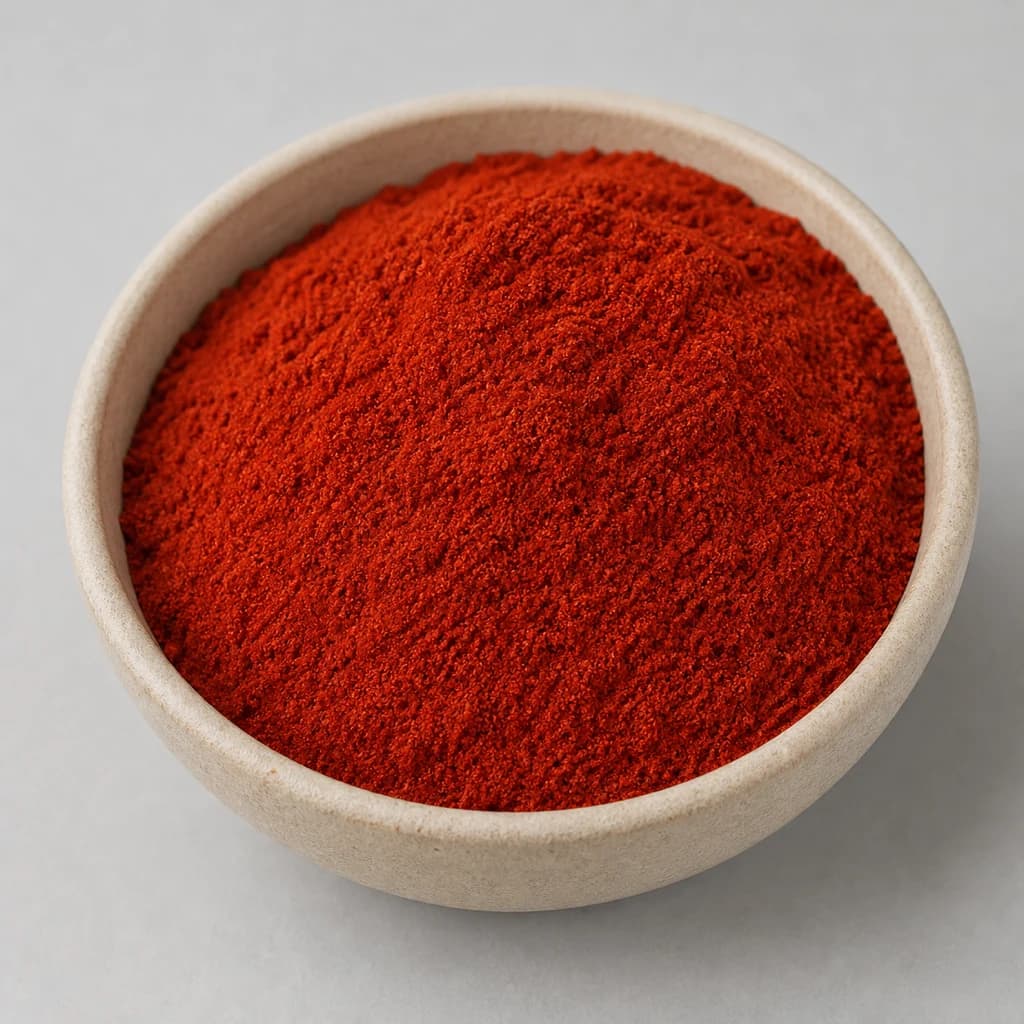
Paprika
Sweet, vivid ground pepper for color and gentle warmth
Smoked Paprika
Deep, smoky ground pepper for a campfire warmth
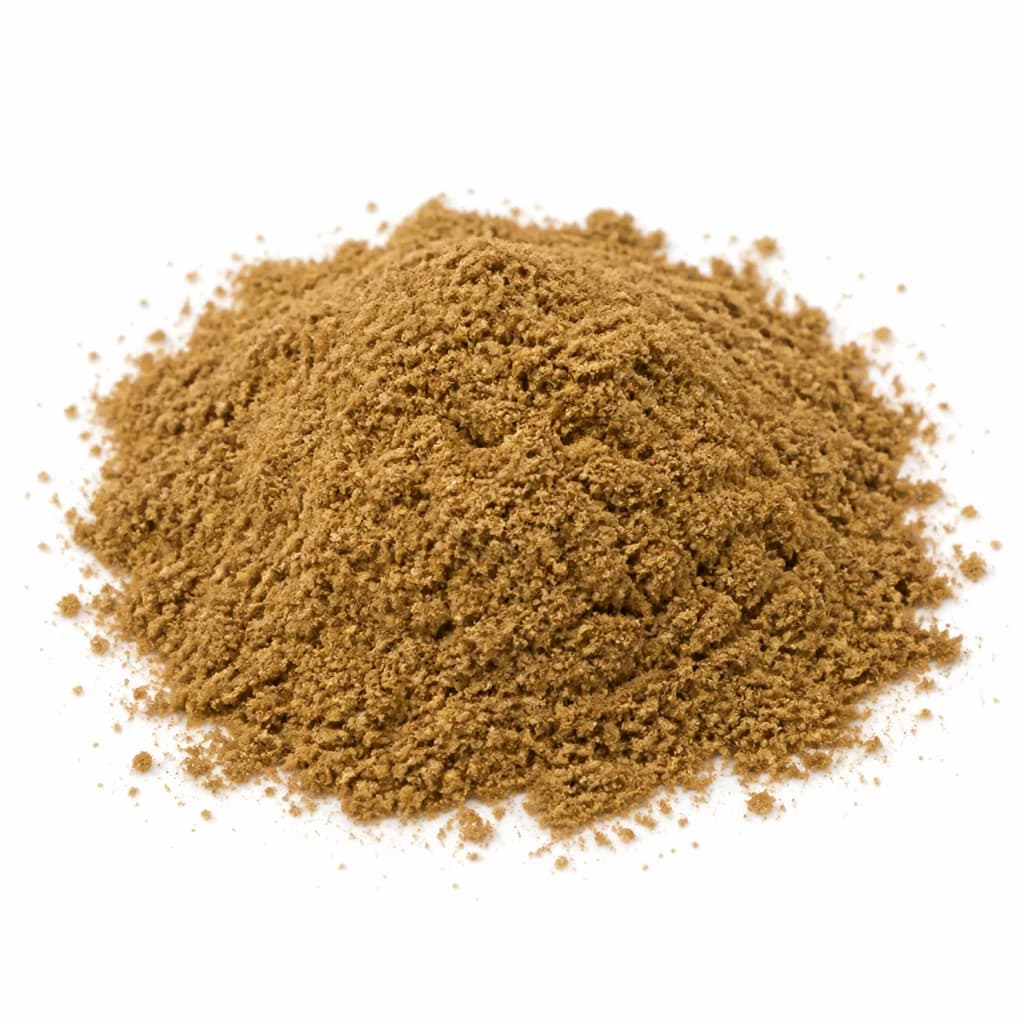
Cumin
Warm, earthy spice central to curries, chili, and tacos
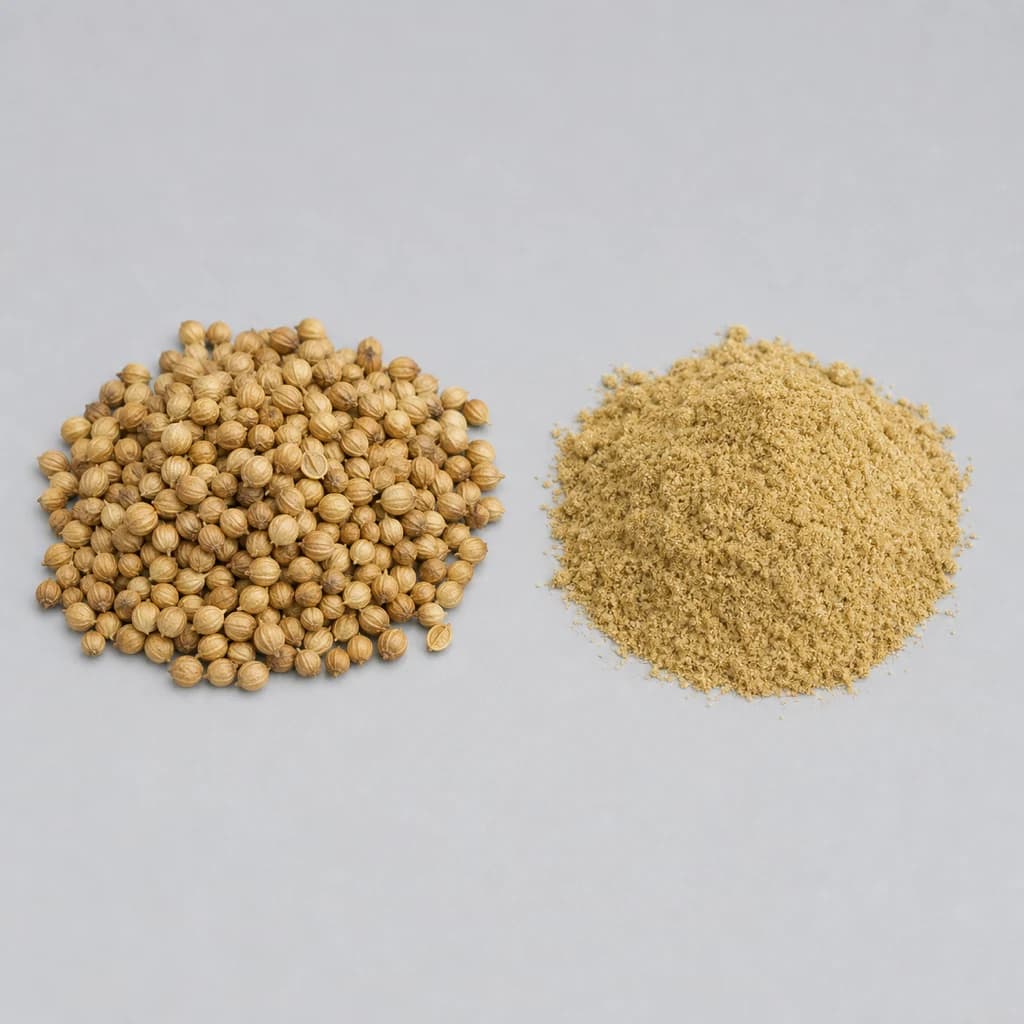
Coriander Seed
Citrusy, warm seed for curries, pickles, and rubs
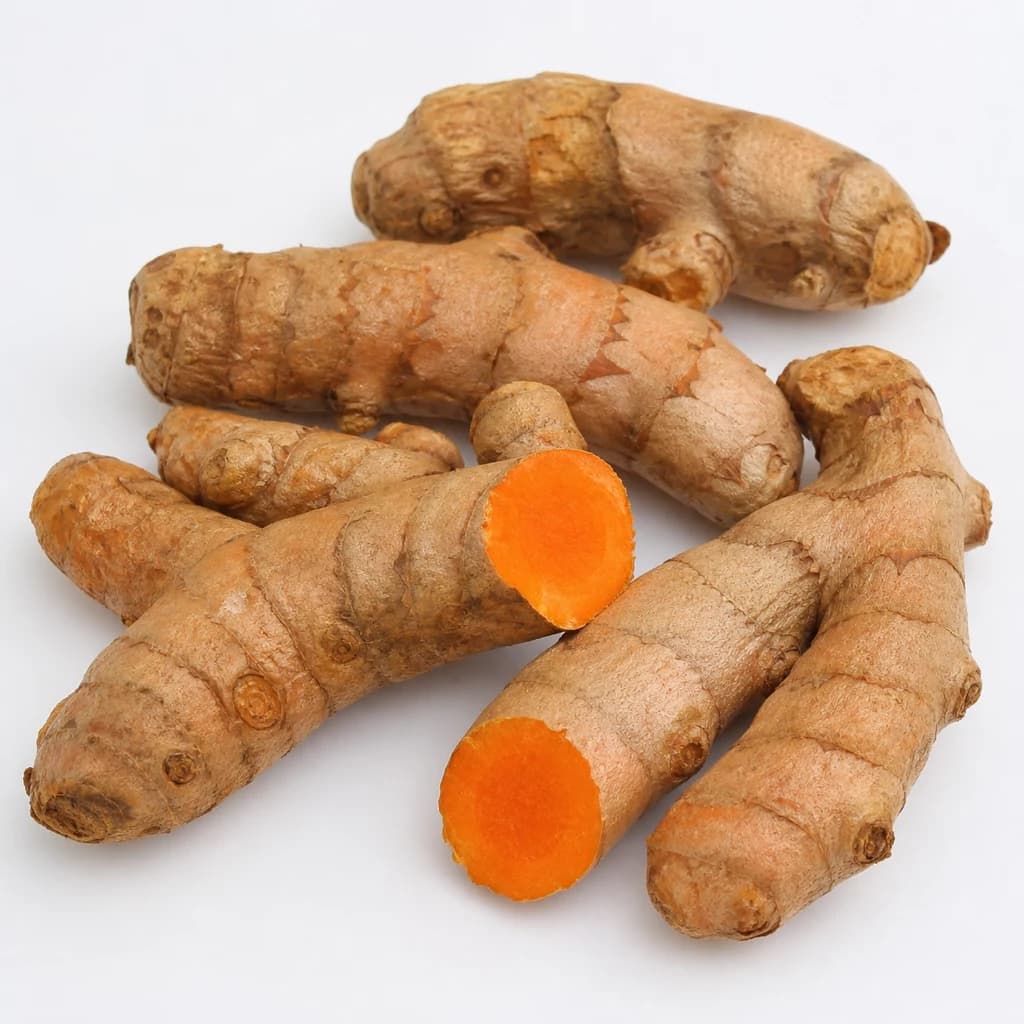
Turmeric
Golden, earthy spice for curries, rice, and color