Spices
Hot Paprika (Pimentón Picante)
Ground hot peppers carrying real chilli heat alongside paprika's sweetness. Use sparingly to spike rubs, stews and rice; the Spanish smoked version (picante) defines chorizo and many tapas.
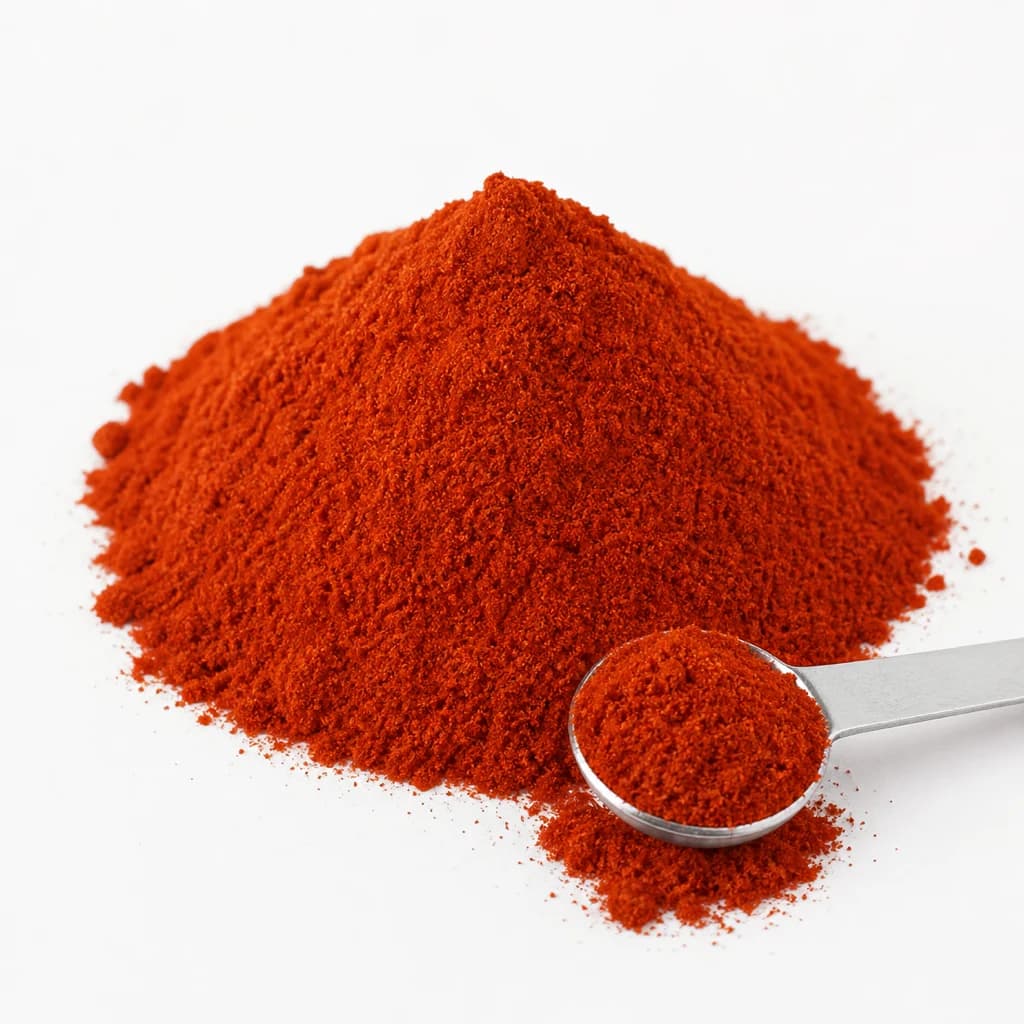
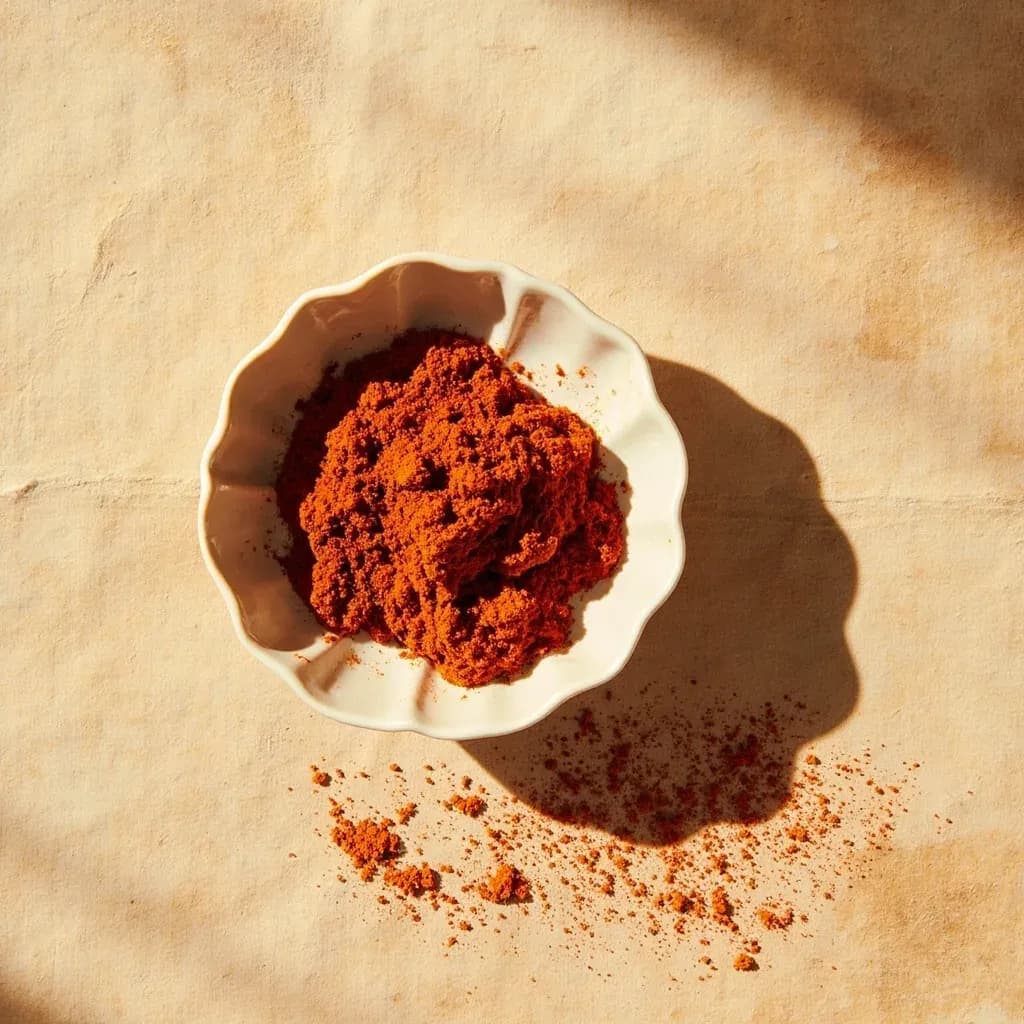
Hot paprika is the heat-bearing member of the pimentón family: ripe red Capsicum annuum peppers (typically the Jaranda, Jariza, or Bola varieties), dried and ground to a fine powder. Unlike cayenne or pure chili powders, it carries a deep sweet-bell-pepper body underneath the fire — that round, almost raisiny sweetness is what separates it from a one-note heat source and what makes it indispensable in Iberian cookery. The defining Spanish style, Pimentón de la Vera Picante, adds a third pillar: smoke, from peppers dried over slow oak fires for ten to fifteen days before being stone-milled.
Its behavior in the pan is unlike most spices. The pigments and flavor compounds that give hot paprika its brick-red color and smoky-sweet aroma are fat-soluble, so the single most important technique is blooming — toasting the powder in warm oil for twenty to forty seconds before any liquid joins the pan. Done right, this releases the full palette; rushed at high heat, the powder scorches and turns acrid, the color dulls from garnet to mud, and the dish tastes of burnt cardboard. This is why experienced Spanish cooks add paprika early in the sofrito but always after the onion has softened and the oil has come down from a sizzle.
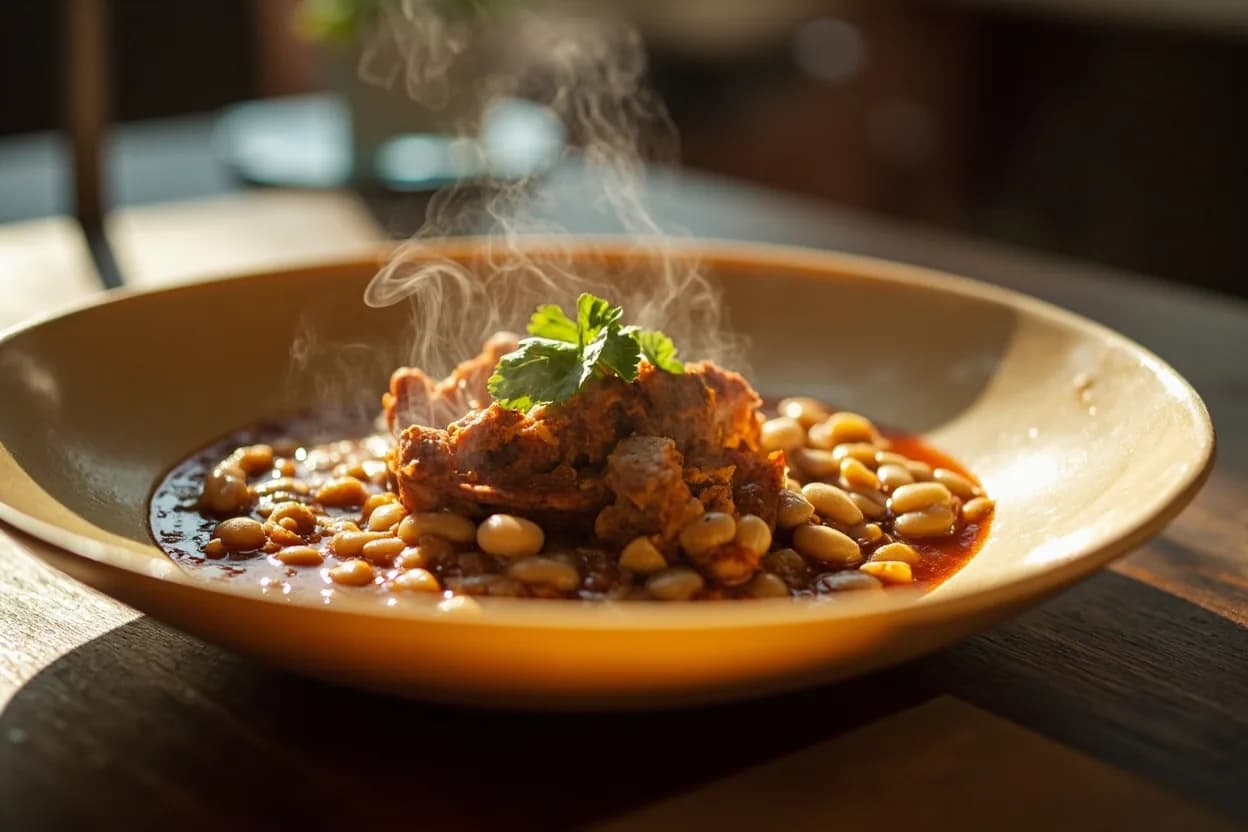
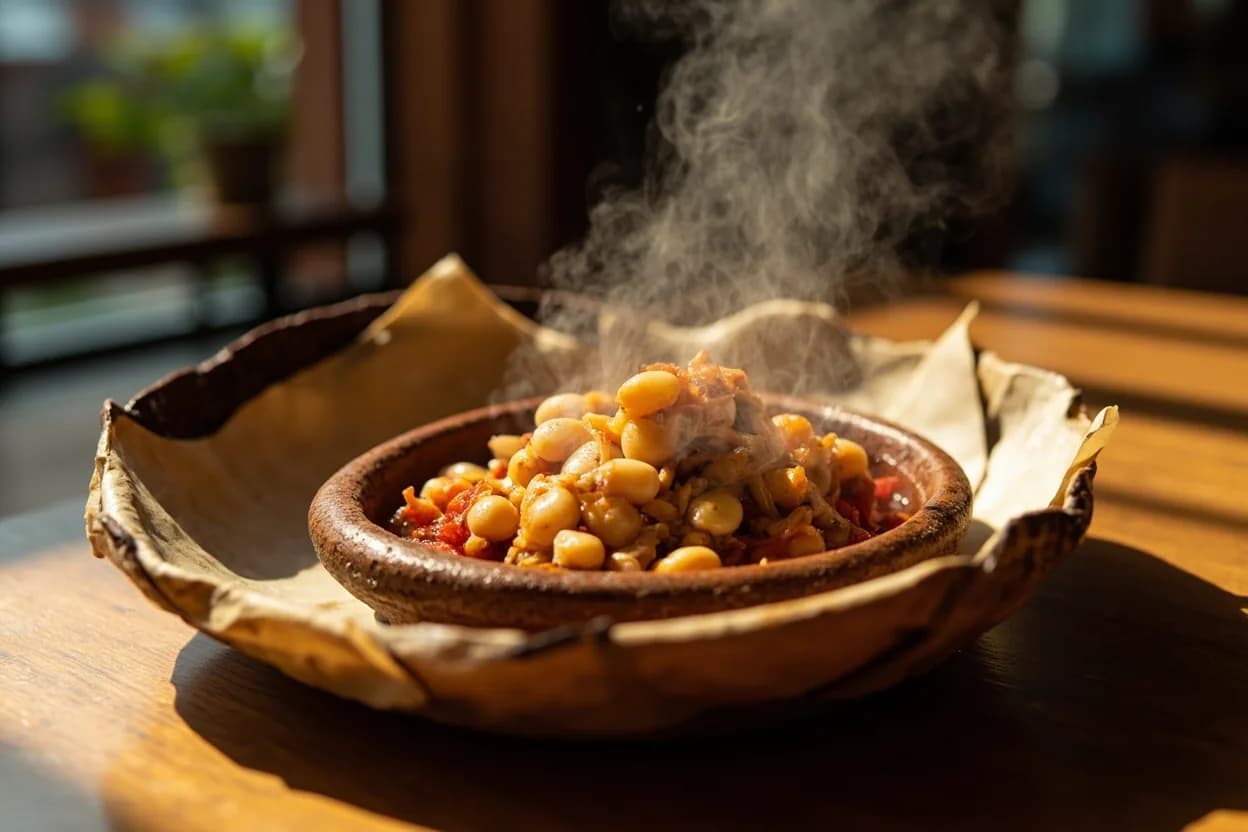
Hot paprika also differs from black pepper or fresh chili in that it is not a finishing spice by default. The smoke and sweetness deepen with time in liquid, so it rewards long braises, slow-simmered beans, and rice cooked in its own broth. Finishing with raw paprika is occasionally useful for color, but the flavor only fully arrives once heat and fat have worked on it. Treat it as a structural seasoning rather than a garnish.
- Measured in
- g
- Storage
- Pantry
Find it in
Suits
Types & varieties
Smoked over oak; the benchmark Spanish style — bittersweet, smoky, with a slow-building heat that defines chorizo and tapas.
Sun-dried rather than smoked; brighter red, fruitier, and with a sharper capsaicin edge than the La Vera style.
Sun-dried, never smoked; vivid red with a clean sweet-pepper aroma and a sharper, more direct heat. Common grades are csípős (medium) and erős (strong).
Bittersweet Spanish middle tier; a whisper of heat with the full smoked body — useful when you want smoke without serious fire.
Sweet (no heat) but from the same pepper family; the reference point for understanding the body that supports the picante version.
Italian cousin; often coarser with a fermented-fruity character, less smoky than Spanish.
Korean coarse chili flakes; not technically paprika but offers similar fruity warmth, though brighter and without smoke.
Choosing between Spanish and Hungarian styles
Recipes from Spain, Portugal, and much of the Iberian-influenced New World default to smoked paprika; recipes from Hungary, Austria, and much of Central Europe default to sweet or hot Hungarian, which is not smoked. Substituting one for the other is technically possible but changes the dish's character — Hungarian hot paprika gives cleaner, sharper heat and a brighter red color, while Spanish pimentón picante gives smoke alongside the heat. When in doubt, match the style to the tradition the recipe comes from.
Reading a Spanish tin
Three words tell you everything you need to know on a tin of pimentón:
- Dulce = sweet, no heat
- Agridulce = bittersweet, mild heat
- Picante = hot
- Ahumado (or ahumada) = smoked — may follow any of the above
- Pimentón de la Vera / Pimentón de Murcia = DOP-protected, regional style
Common uses
Tips & pitfalls
- Buy in small tins or 70 g cans from a Spanish deli and refrigerate after opening — the color and potency fade within roughly six months once exposed to air and light.
- Bloom the powder in warm oil (not smoking) for 20–40 seconds before adding liquid; this is the moment that defines a Spanish stew and the step that releases the fat-soluble pigments.
- Do not add at the very end of cooking expecting full flavor — unlike black pepper, hot paprika needs heat and time to express its smoky depth.
- Watch for added salt in cheap blends; taste the dish before seasoning, as many supermarket 'hot paprika' mixes are cut with salt or starch.
- For authentic smoke without fire, use pimentón dulce ahumado; for both smoke and heat together, reach for picante ahumado.
- Avoid generic supermarket tins labeled simply 'hot paprika' — they are often Hungarian sweet paprika spiked with cayenne and lack the round sweet-pepper base.
- Dose carefully: 1/4 to 1/2 teaspoon per four servings is enough background heat; double that for a bravas-style punch.
- Pair with acidic or fatty elements — lemon, sherry vinegar, olive oil, pork fat — to balance the capsaicin and reveal the sweet notes underneath.
- Heat exposure darkens the color and can turn the spice bitter — add it later (or dust on just before serving) in bright dishes like deviled eggs, seafood, and pale sauces where you want vivid red.
Nutrition
Nutrition
No USDA FoodData Central match for Hot Paprika (Pimentón Picante) yet. We surface a per-100 g profile once a generic whole-food entry is matched and verified.
In the shops
Matched grocery products
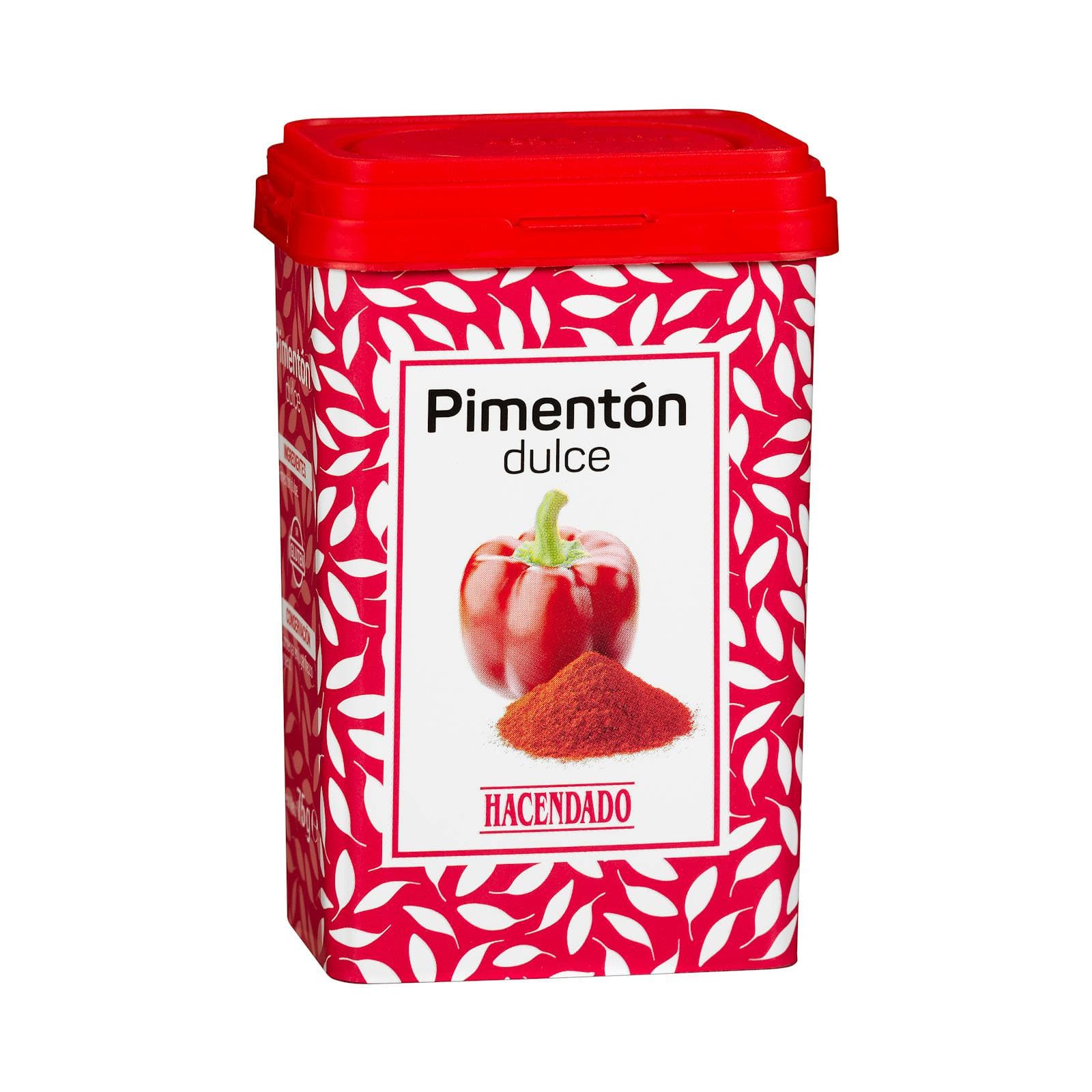 €1.30
€1.30Sweet Paprika
Hacendado · 75 g · Mercadona
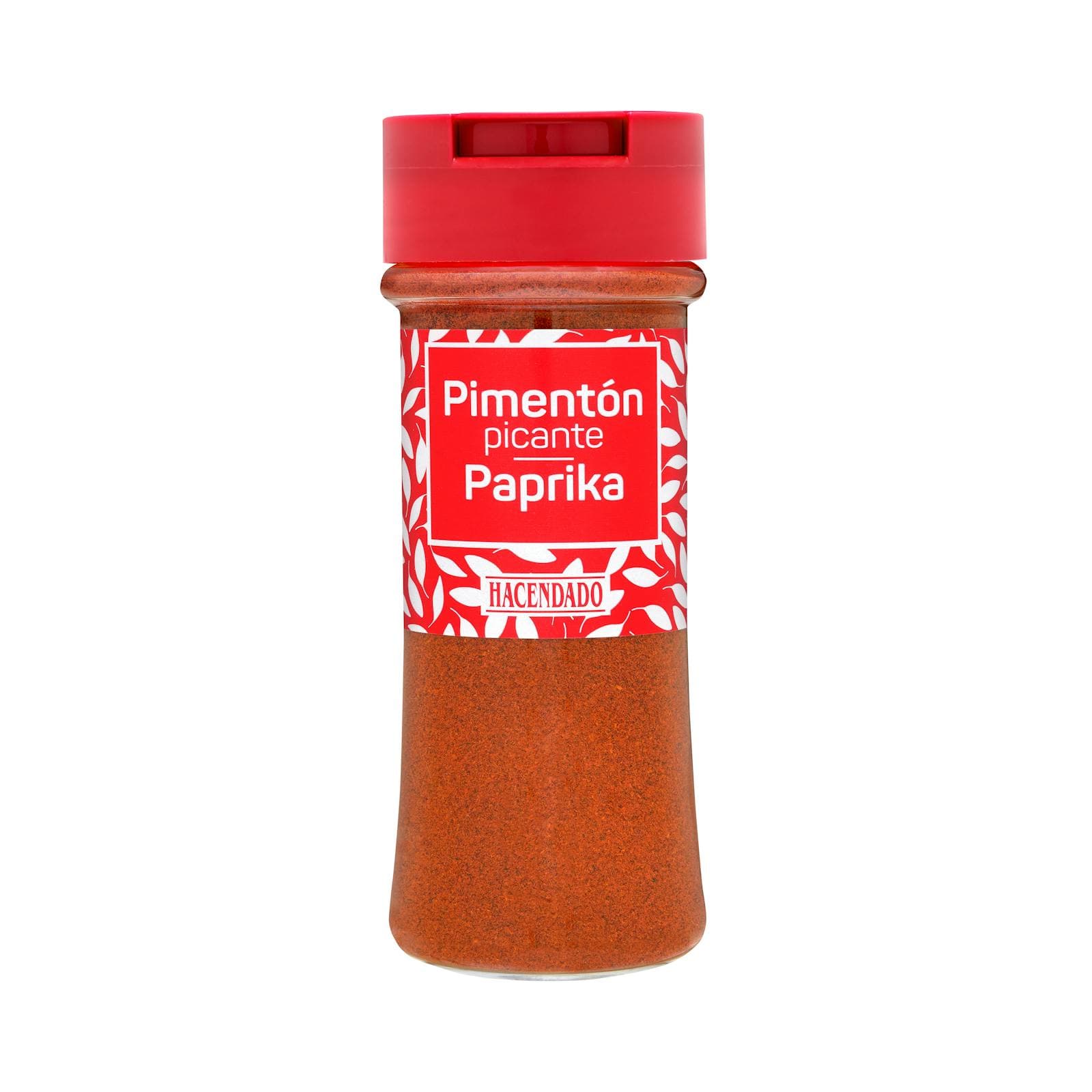 €1.35
€1.35Spicy Paprika
Hacendado · 60 g · Mercadona
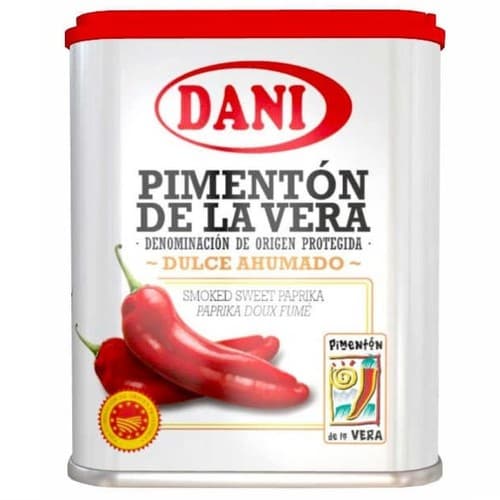 €2.99
€2.99Smoked Sweet Paprika from La Vera
DANI · kg · Bonpreu
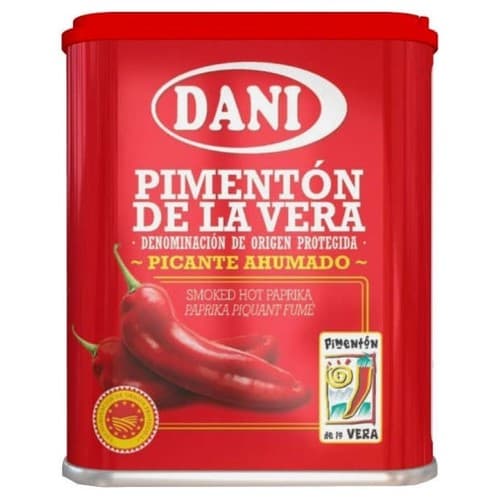 €2.99
€2.99DANI Smoked Hot Paprika from La Vera
DANI · kg · Bonpreu
Good to know
- Primary origin
- Spain — most famously La Vera (Extremadura) and Murcia
- Pepper species
- Capsicum annuum, typically Jaranda, Jariza, or Bola varieties
- Form
- Fine to medium-ground powder of dried ripe red peppers
- Heat (SHU)
- Roughly 500–3,000 SHU for Spanish pimentón picante; similar range for Hungarian hot paprika
- Flavor profile
- Earthy, smoky, sweet-bell-pepper base layered with clean capsaicin heat
- Color
- Deep brick-red to dark garnet (Spanish smoked) or brighter red (Hungarian, sun-dried)
- Production
- Hand-harvested peppers dried over oak fires 10–15 days (La Vera) or sun-dried (Murcia), then stone- or hammer-milled
- Protected status
- Pimentón de la Vera and Pimentón de Murcia both carry DOP (Denominación de Origen Protegida)
Substitutes
- Chipotle powder — Smokier and fruitier with sharper heat; use about half the amount and add a pinch of sugar to mimic the sweet-pepper base.
- Ancho chile powder — Mild heat with raisin-fruity depth; closer to sweet paprika's body than to a true picante, so it works best when only background warmth is needed.
- Cayenne pepper — Pure heat with none of the sweet or smoky notes; use roughly a quarter the amount and add a pinch of sweet paprika to rebuild the body.
- Hot Hungarian paprika (non-smoked) — The best one-to-one swap in recipes that are not relying on smoke; 1:1 substitution, with a slightly brighter color and cleaner heat.
- Gochugaru — Coarser grind and brighter red color; behaves closer to cayenne plus sweet paprika than to true Spanish pimentón, and adds no smoke.
- Aleppo pepper — Moderate heat with a raisiny, mildly smoky edge; works well as a finishing spice but is less suited to long cooking.
Pairs with
Also called
pimenton picante · hot smoked paprika · spicy paprika · pimentón picante