Vinegars
Sherry Vinegar
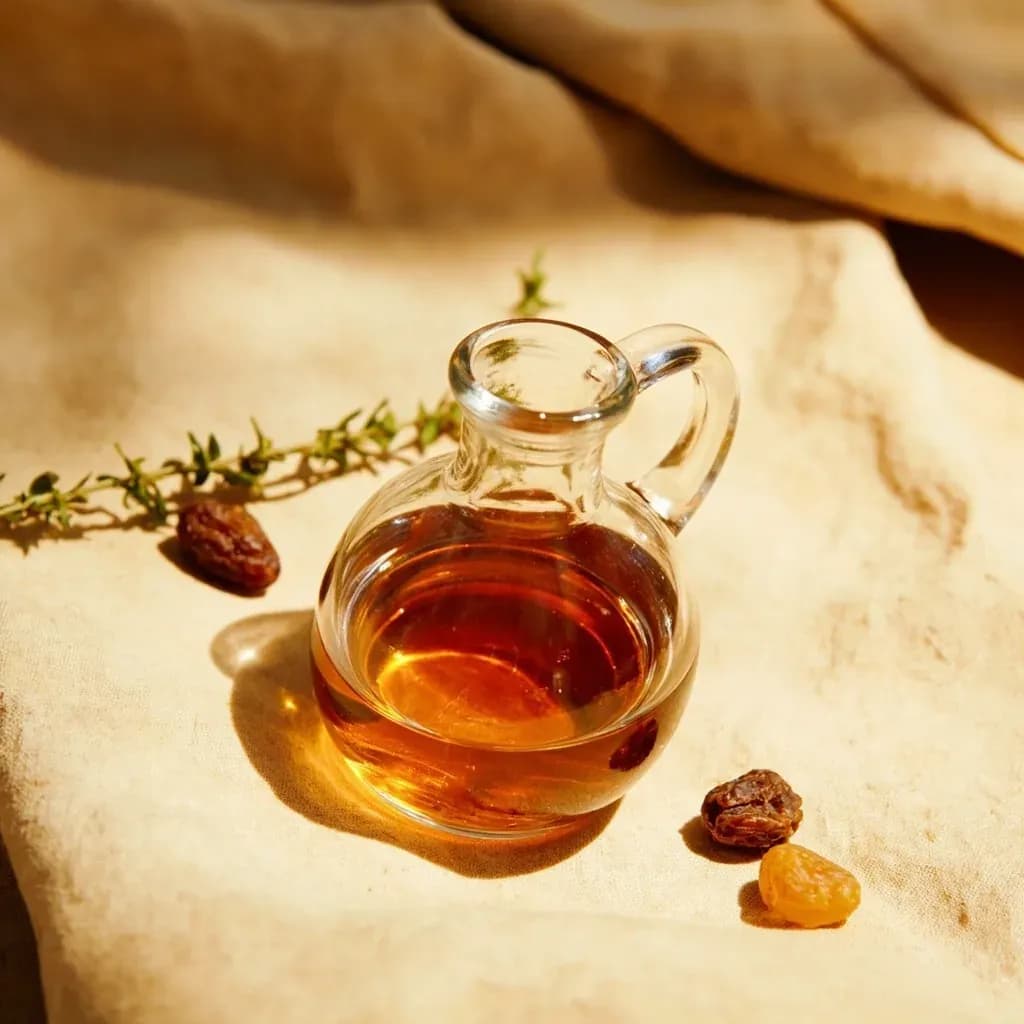
Barrel-aged Spanish vinegar, nutty and rounded with raisin notes; brightens gazpacho, pan sauces, and vinaigrettes without the harsh bite of plain wine vinegar.
Sherry vinegar is the D.O.P.-protected vinegar of the Sherry Triangle in Andalusia — Jerez de la Frontera, El Puerto de Santa María, and Sanlúcar de Barrameda — and it is one of the few vinegars in the world whose identity is inseparable from a place. It is made from the same base wines as sherry itself: predominantly Palomino Fino, plus smaller amounts of Pedro Ximénez and Moscatel, and is aged in American oak casks using the criaderas-y-solera system, in which younger vinegars are progressively blended down through a stack of barrels. The result is a finished vinegar that is technically acidic (typically 7–8%) but reads on the palate as nutty, slightly sweet, and oxidative, with notes of raisin, caramel, and toasted oak rather than the sharp acetic bite of a young wine vinegar.
What separates a good sherry vinegar from a forgettable one is age. Regulatory tiers run from a six-month baseline (still labeled "Vinagre de Jerez") through Reserva at two years, up to Gran Reserva at ten or more. The solera system, by blending across vintages, means a 12-year Gran Reserva actually contains traces of vinegar from every year of its life — which is why a properly aged bottle feels concentrated yet alive, with depth that opens up in the glass. The variance in price and quality between a young supermarket bottle and a Gran Reserva is enormous; the latter behaves more like a finishing condiment than a cooking acid.
In the kitchen, sherry vinegar behaves like a softer, rounder alternative to red or white wine vinegar, with a fruitier aromatic lift. It is the classical acid in gazpacho, salmorejo, and ajo blanco, and it pairs naturally with Spanish olive oil, smoked paprika, almonds, and pork. Cooks outside Spain use it most often in vinaigrettes, pan sauces, deglazes, and reductions, but the more interesting applications treat a Gran Reserva like a finishing salt — a few drops on roasted vegetables, grilled fish, or aged cheese, where its raisiny complexity has room to register.
- Measured in
- ml
- Storage
- Pantry
Find it in
Suits
Types & varieties
Min. 6 months in solera; light amber, dry, tangy — the everyday workhorse for dressings, deglazing, and braises
Min. 2 years; deeper amber, rounder mouthfeel, more pronounced nut and dried-fruit character — versatile for cooking and finishing
Min. 10 years; mahogany, concentrated, complex, lower perceived acidity — treat as a finishing vinegar, used in drops
Made from sun-dried PX grapes; dark, dense, raisiny, and caramel-toned; often sold as a syrupy "crema" for plating — the Spanish analogue to traditional balsamic
Made from Moscatel sherry; intensely aromatic, floral, grape-y, with a sweet-acidic edge — for fruit, cheese, and desserts
The Solera System and Why Age Matters
Sherry vinegar's distinctiveness comes from a process more often associated with brandy or balsamic than with table vinegar. In a solera, casks are stacked in tiers (criaderas); finished vinegar is drawn from the bottom tier for bottling, and the casks above are topped up with younger vinegar from the tier above them, and so on up the stack. A fraction of the oldest vinegar therefore ends up in every bottle, which is why a 12-year Gran Reserva contains traces of vinegar from its first year of aging onward.
The practical consequence for the cook is this: a Gran Reserva is roughly two to three times as concentrated in flavor as a 6-month base vinegar, and its acidity is integrated rather than sharp. Treat the young vinegar as you would a good red wine vinegar — used generously in cooked dishes — and reserve the Gran Reserva for finishing, where a few drops carry the dish. A reduced PX crema, by contrast, behaves like an aged balsamic: viscous, intensely sweet-sour, and meant to be drizzled in thin streaks.
- Younger sherry vinegar is the right choice for braises, deglazing, and any application where the vinegar's volume will be reduced or cooked off.
- Reserva is the most versatile middle ground — good in vinaigrettes, pan sauces, and as a finishing note on roasted vegetables.
- Gran Reserva should be used like finishing salt: at the end of cooking, or at the table, in small amounts.
- PX crema and Moscatel vinegar are specialty items — use them in places where you would use aged balsamic, not where you want a clean acidic lift.
Reading the Label
Because the price of a sherry vinegar can vary by an order of magnitude, the label is worth a careful look. The D.O.P. seal (a small numbered certification mark on the back label) confirms the bottle is from the Sherry Triangle and meets minimum aging requirements. The aging tier is often printed in small type on the back rather than the front. Industrial "sherry vinegar" sold without D.O.P. certification is often a young wine vinegar flavored or blended to approximate the style; it will be bluntly acidic and one-dimensional.
Common uses
Tips & pitfalls
- Buy D.O.P. labeled bottles from the Sherry Triangle; non-DOP "sherry vinegar" from elsewhere is often a sharp, generic wine vinegar with little depth
- Use Gran Reserva like a finishing salt — a few drops at the end of cooking or at the table, not in long braises where cheaper volume makes more sense
- Do not refrigerate; cold dulls the aromatic complexity — store sealed in a cool, dark cupboard
- A 10-year Gran Reserva is roughly 2–3x as concentrated in flavor as a 6-month base vinegar; start with half the volume and adjust upward
- Common mistake: substituting a generic red wine vinegar in a gazpacho or salmorejo and expecting the rounded, raisiny depth — the result will be thinner and more acetic
- When deglazing a pan, let the vinegar reduce by about a third to concentrate the flavor, then mount with a knob of cold butter for a glossy sauce
- Add sherry vinegar in the last 10–15 minutes of a braise, or finish with it, if you want to preserve the top notes; hard boiling for a long time dulls the aromatics
- Look for the word "Reserva" on the back label, not just the front — many bottles dress up a young vinegar with marketing language
- Pedro Ximénez vinegar is a separate ingredient from dry sherry vinegar; use it where you would use aged balsamic, not where you want clean acidity
- If a dish tastes harsh and "vinegary," the problem is usually a young or non-DOP vinegar — the oak aging in real sherry vinegar is what softens the acetic edge
Nutrition
Energy
75 kJ · per 100 g
Where the calories come from
Protein
0g
0% DV
Carbs
0g
0% DV
Fat
0g
0% DV
Fiber
0g
0% DV
Sugars
0g
of which
Sodium
2mg
0% DV
Source · USDA FoodData Central · approx. Vinegar, distilled
View on FDC →In the shops
Matched grocery products
No matched grocery products for Sherry Vinegar yet.
Good to know
- Origin
- Sherry Triangle — Jerez, El Puerto de Santa María, and Sanlúcar de Barrameda, Andalusia, Spain
- Protected status
- D.O.P. "Vinagre de Jerez" since 1995; "sherry vinegar" produced outside this region is unregulated
- Source wines
- Palomino Fino primarily; Pedro Ximénez and Moscatel for sweet varietals
- Aging system
- Criaderas-y-solera in American oak casks, typically ex-sherry or ex-bourbon
- Aging tiers
- Vinagre de Jerez (min. 6 months), Reserva (min. 2 years), Gran Reserva (min. 10 years)
- Acidity
- Typically 7–8%; regulatory minimum 5%; Gran Reserva may reach 8–9%
- Shelf life
- Indefinite if sealed and stored cool and dark; does not spoil, though aromatic freshness may plateau
- Signature flavors
- Nutty, raisiny, slightly sweet, with toasted oak and soft oxidative savoriness; low sharp acidity
- Common bottle sizes
- 250 ml, 500 ml, and 750 ml most common; Gran Reserva often in smaller formats
Substitutes
- Aged red wine vinegar — The closest widely available option; nuttier and rounder than young red wine vinegar, but lacks the raisin note — use in equal volume
- Banyuls vinegar — Oxidatively aged French vinegar from Grenache-based wine; similar nut-and-dried-fruit character, use 1:1
- Chianti vinegar — Italian aged wine vinegar with a comparable oxidative softness; works in most cooked applications and vinaigrettes
- Aged champagne vinegar — Light and refined, with lower acidity; better in delicate dishes where sherry vinegar might dominate
- Marsala vinegar (vincotto-style) — Sweet, fortified-wine acidity — works in reductions and glazes but is too sweet for vinaigrettes
- Dry sherry plus a squeeze of lemon — Emergency substitute in raw dressings only — adds the grape character without the acidity, so compensate with citrus
- Verjus — Mild, grape-derived acidity; works in delicate vinaigrettes but lacks the nuttiness of oak aging
- Aged balsamic (for PX crema only) — For PX-style reductions and cheese or fruit applications, a traditional aged balsamic is the closest analogue — though it is sweeter and denser
Pairs with
Also called
vinagre de Jerez · Jerez vinegar
Appears in these dishes
Related

White Vinegar
Sharp, clean acidity for pickling, brightening, and cleaning

Balsamic Vinegar
Dark, syrupy vinegar with sweet-tart depth for glazing
Apple Cider Vinegar
Fruity, mellow vinegar for dressings, brines, and slaws
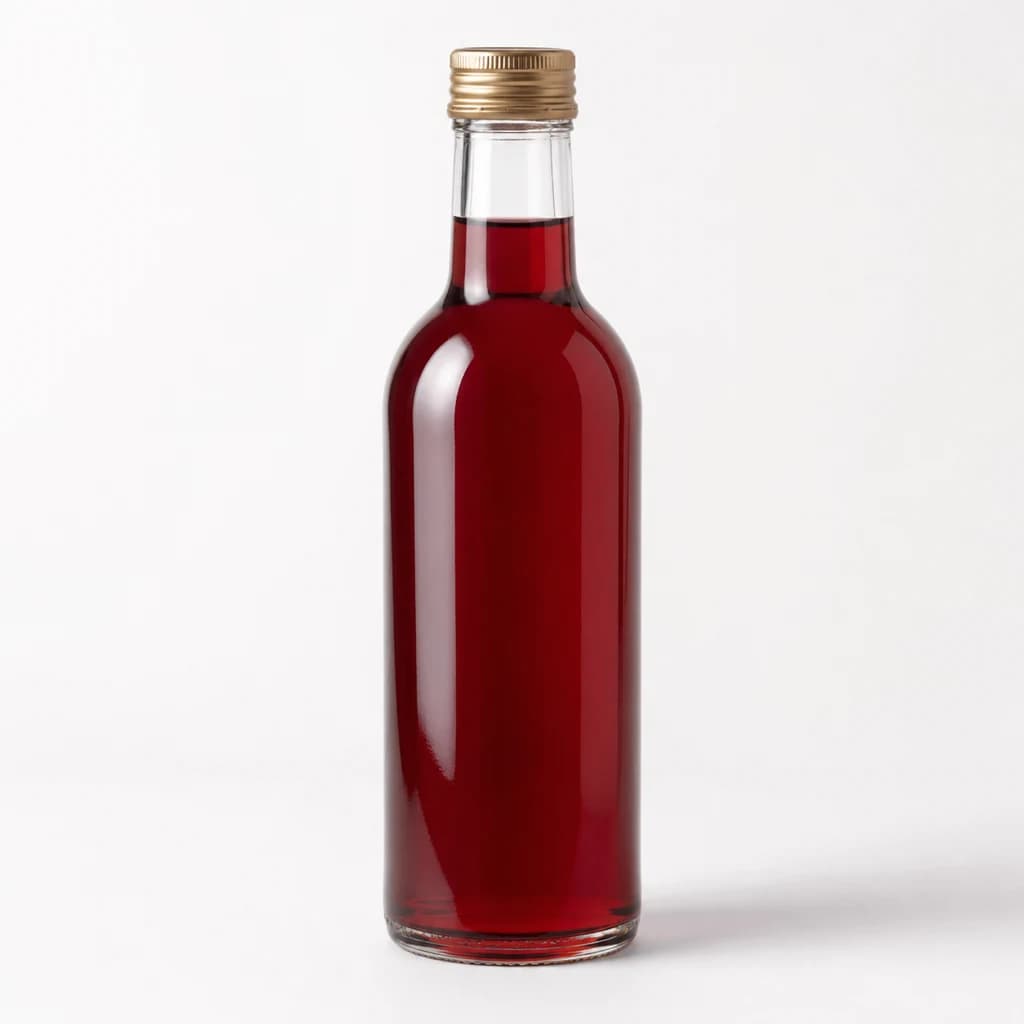
Red Wine Vinegar
Bold, tangy vinegar for vinaigrettes and marinades

Rice Vinegar
Mild, slightly sweet vinegar for sushi rice and dressings
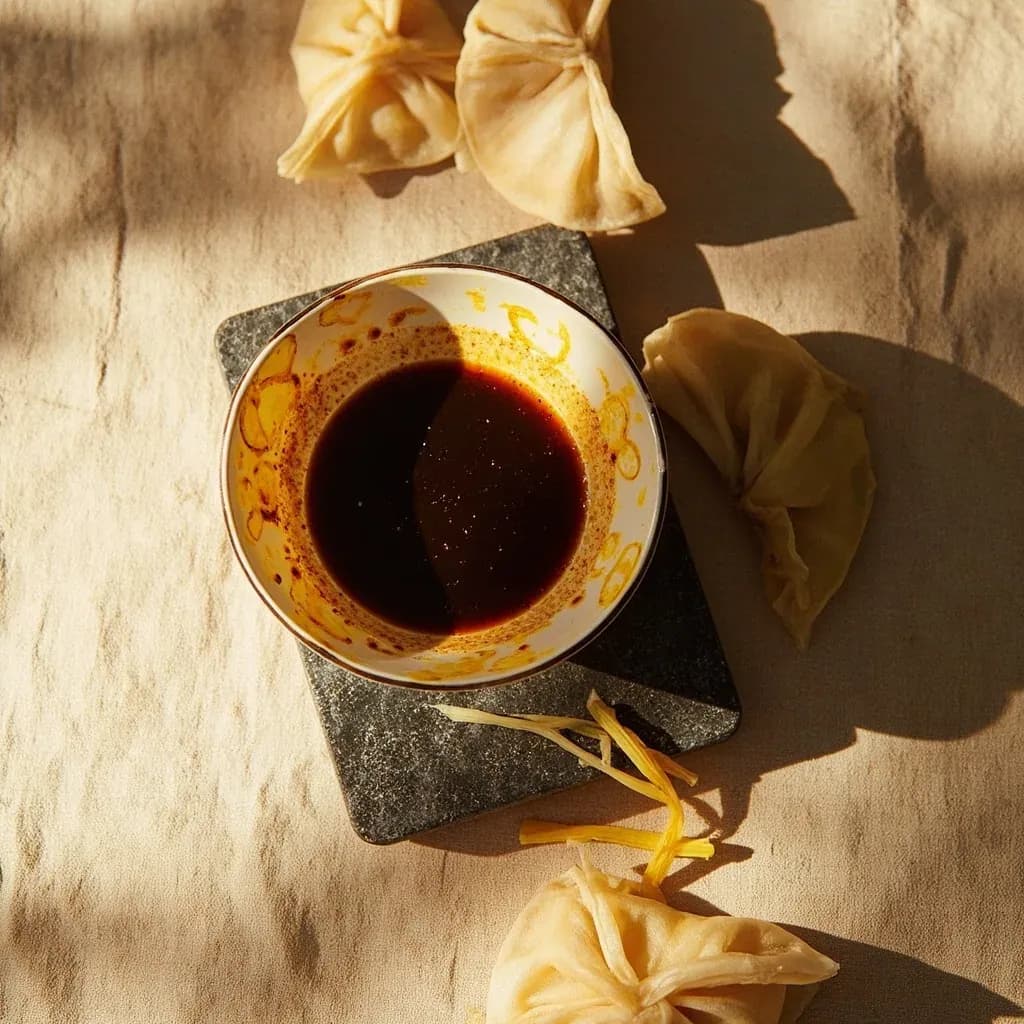
Chinkiang Black Vinegar
Malty, smoky aged Chinese rice vinegar with low sharpness; the tang behind dumpling dips and red-braises—stir in at the end so its mellow aroma is not boiled away.
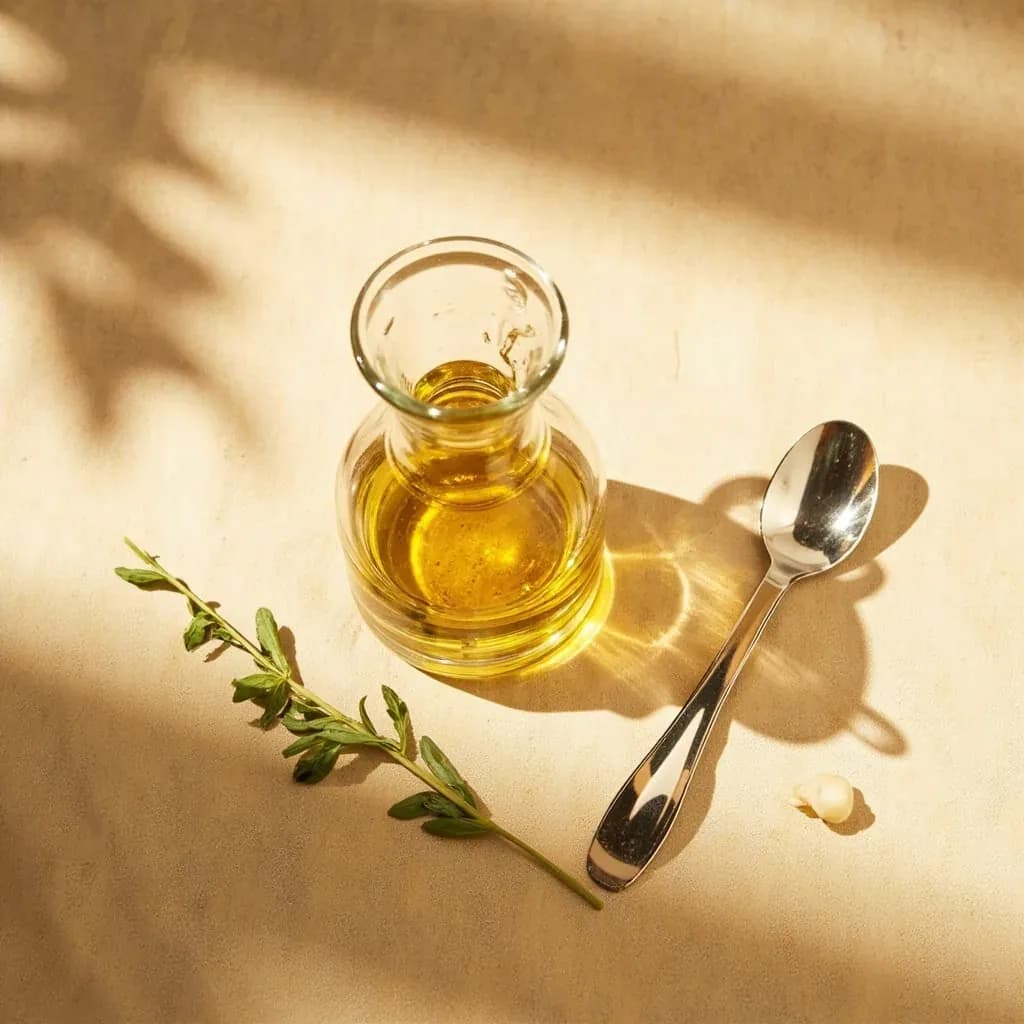
White Wine Vinegar
Bright, mild wine vinegar for vinaigrettes, beurre blanc, hollandaise, and quick pickles where you want acidity without the harsh bite of distilled white vinegar.
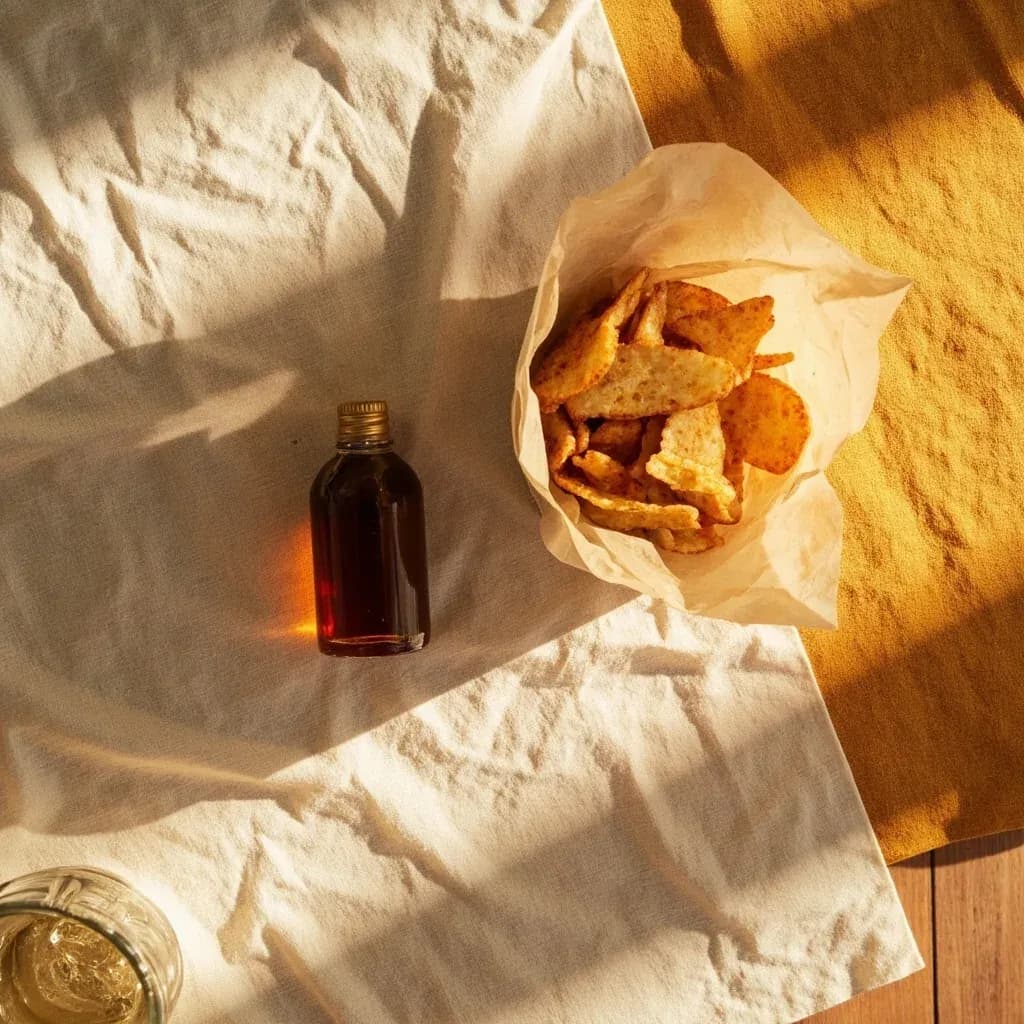
Malt Vinegar
Dark, malty barley vinegar with a robust toasty tang — the classic splash for fish and chips, chip-shop chips, and British pickled onions and chutneys.