
Vinegars
Malt Vinegar
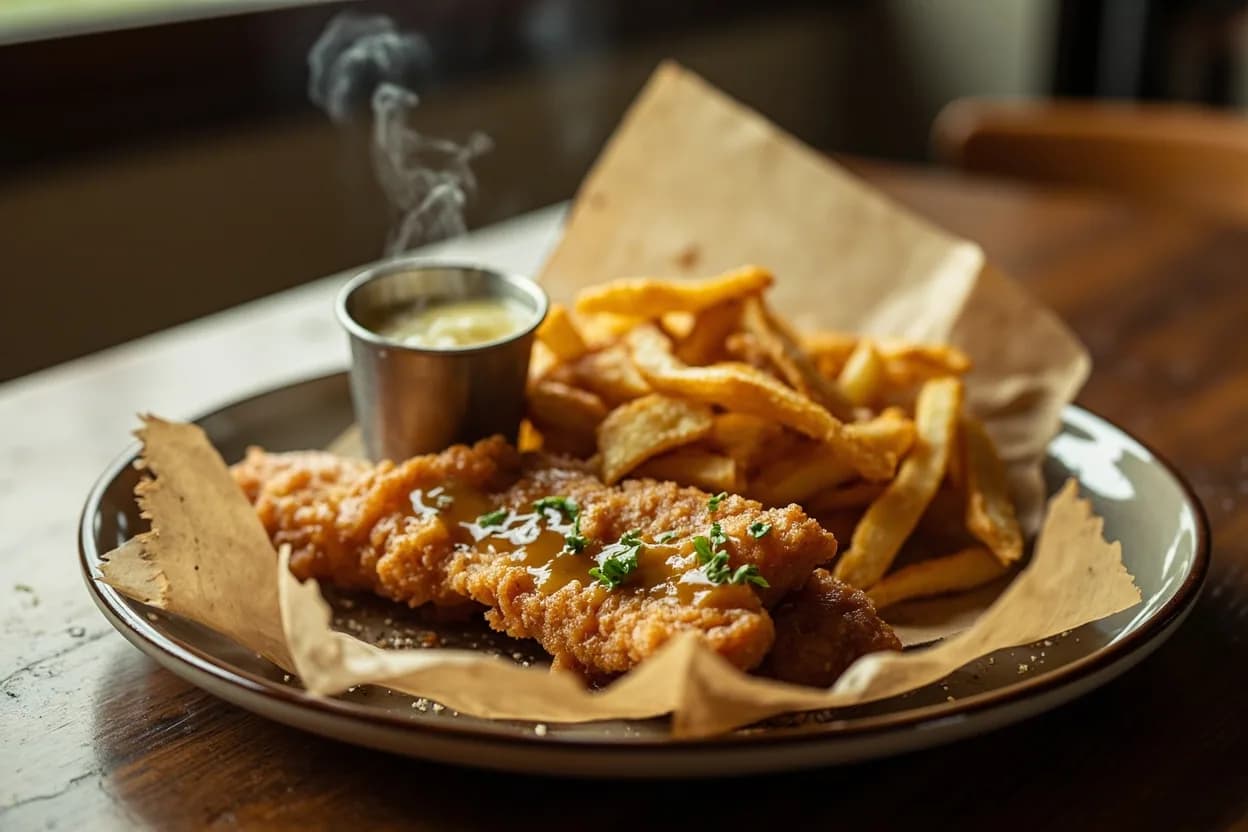
Dark, malty barley vinegar with a robust toasty tang — the classic splash for fish and chips, chip-shop chips, and British pickled onions and chutneys.
Malt vinegar is a brewed vinegar produced by a deliberate two-stage fermentation: yeast first turns the sugars of mashed malted barley into a rough ale, then Acetobacter bacteria oxidize that alcohol into acetic acid. The roasted malt contributes toffee and biscuit-like aromatics that no other vinegar category offers, giving malt vinegar its characteristic savory depth — a far cry from the clean neutrality of distilled white or the bright fruit of cider vinegar. It has been brewed in Britain for centuries and remains the country's default table vinegar.
The malt backbone changes how the vinegar behaves in cooking. Dark malt vinegar tints brines mahogany, deepens the color of gravies and pan sauces, and gives chutneys and pickled onions a rounded body that lighter vinegars cannot match. That same assertiveness is its limitation: it overwhelms delicate vinaigrettes, pale fish, and refined pan sauces when used at full strength. Because the product is made from barley, it contains gluten and is unsuitable for celiac or gluten-free diets.
Retail malt vinegar typically sits at around 5% acetic acid, the same as most table vinegars, though pickling-strength versions can climb to 8–12%. One label caution worth knowing: in the UK a product called "non-brewed condiment" is often sold beside or as malt vinegar. It is not fermented at all, but rather diluted industrial acetic acid colored and flavored with caramel. When genuine malt character matters — for British pickles, chutneys, or a chip-shop-quality finish — look for "brewed from malted barley" or "produced by fermentation" on the label.
- Measured in
- ml
- Storage
- Pantry
Allergens
Find it in
Suits
Types & varieties
The traditional British type, matured in wooden vats; deep brown, full-bodied, with strong toasty malt character. The standard for fish and chips, chutneys, and pickled onions.
Filtered or partially distilled to a pale gold; milder and cleaner, used where the malt flavor is welcome but the dark color is not.
Distilled to strip color and some flavor; close to white vinegar in appearance, with only a faint malt sweetness.
Longer maturation in oak or chestnut casks; deeper toffee, nut, and dried-fruit notes; usually sold in small bottles for finishing.
Choosing among the varieties
The right style depends on what you're cooking and how visible you want the vinegar to be.
- For traditional British fish and chips, chutneys, and pickled silverskin onions, choose dark unfiltered malt vinegar — the color and malty body are part of the dish.
- For pale fish, vinaigrettes, or pickling where you want a clean brine, switch to light malt vinegar, rice vinegar, or white wine vinegar.
- Distilled malt vinegar works when you want a touch of malt sweetness without color — useful in light pan sauces or dressings.
- Aged or vintage malt vinegars are worth seeking out for finishing drizzles over cheese boards, steak, or roasted vegetables, and for reductions where their complexity can shine.
- Avoid 'non-brewed condiment' (acetic acid plus caramel) when genuine malt flavor matters; look for 'brewed from malted barley' or 'produced by fermentation' on the label.
Common uses
Tips & pitfalls
- Use dark, unfiltered malt vinegar for pickling and chutneys where color, body, and a malty backbone are wanted; reach for the light version when you want malt flavor without darkening the dish.
- Apply malt vinegar to chips while they're still steaming hot — the heat lifts the aroma and helps the vinegar cling to the surface.
- Malt vinegar's color and flavor can overpower delicate ingredients; in vinaigrettes, light pan sauces, or poached fish, start with half the volume of cider or white wine vinegar and adjust.
- For clean-looking pickled shallots or cocktail onions, use a light malt vinegar or rice vinegar — dark malt will tint the brine brown within hours.
- Reduce malt vinegar with sugar, bay, peppercorns, and mustard seed to make a quick pickle brine in under 10 minutes.
- Add a teaspoon of malt vinegar to a cheese fondue or Welsh rarebit base to help keep the cheese sauce smooth and emulsified.
- Don't substitute 'non-brewed condiment' for genuine malt vinegar when flavor matters — check the label for 'brewed from malted barley' or 'produced by fermentation'.
- Malt vinegar needs no refrigeration, but keep the cap tight and store it away from strongly aromatic foods (smoked fish, spices); over time the bottle can absorb and impart off-odors.
Nutrition
Energy
75 kJ · per 100 g
Where the calories come from
Protein
0g
0% DV
Carbs
0g
0% DV
Fat
0g
0% DV
Fiber
0g
0% DV
Sugars
0g
of which
Sodium
2mg
0% DV
Source · USDA FoodData Central · approx. Vinegar, distilled
View on FDC →In the shops
Matched grocery products
No matched grocery products for Malt Vinegar yet.
Good to know
- Origin
- Britain; malt vinegar has been brewed in England for centuries and remains the country's standard table vinegar.
- Base ingredient
- Malted barley, mashed and fermented into an ale, then acetified into vinegar.
- Process
- Two-stage fermentation: yeast converts malt sugars to alcohol, then Acetobacter bacteria convert alcohol to acetic acid.
- Acidity
- Around 5% acetic acid at retail table strength; pickling-grade versions run 8–12%.
- Color
- Pale gold (light or distilled) to deep mahogany-brown (matured in wooden vats).
- Gluten note
- Contains gluten derived from barley; not suitable for celiac or gluten-free diets.
- Label warning
- British 'non-brewed condiment' is dilute acetic acid plus caramel, not a brewed vinegar; check labels for 'brewed from malted barley' or 'produced by fermentation'.
- Storage
- Indefinite unopened; once opened, stays usable 1–2 years at room temperature in a cool, dark cupboard with the cap tight.
Substitutes
- Cider vinegar — Closest all-rounder substitute: mild, fruity, similar acidity; works in dressings, pickling, and on chips, though it lacks the deep malt toasting.
- Brown rice vinegar — Mildly sweet and nutty; a reasonable stand-in for light malt vinegar in Asian-leaning dressings or fish dishes.
- Sherry vinegar — Deeper, raisiny tang; good in chutneys and steak sauces when a malt character is welcome but the exact flavor isn't required.
- White wine vinegar — Sharper and cleaner; best for vinaigrettes and lighter dishes; lacks malt body.
- Distilled white vinegar — Harsh and neutral; reserve for cleaning or for pickling where flavor isn't wanted. Use only as a last-resort 1:1 swap on chips.
- Balsamic vinegar — Different family but a useful partner or partial substitute in reductions, glazes, and steak accompaniments where sweet depth is wanted.
- Non-brewed condiment — Not a flavor substitute — the cheap UK surrogate (acetic acid + caramel) often sold as 'malt vinegar' in fish-and-chip shops. Use only when authentic malt is unavailable and cost matters more than flavor.
Pairs with
Also called
barley vinegar · alegar
Appears in these dishes
Related

White Vinegar
Sharp, clean acidity for pickling, brightening, and cleaning

Balsamic Vinegar
Dark, syrupy vinegar with sweet-tart depth for glazing
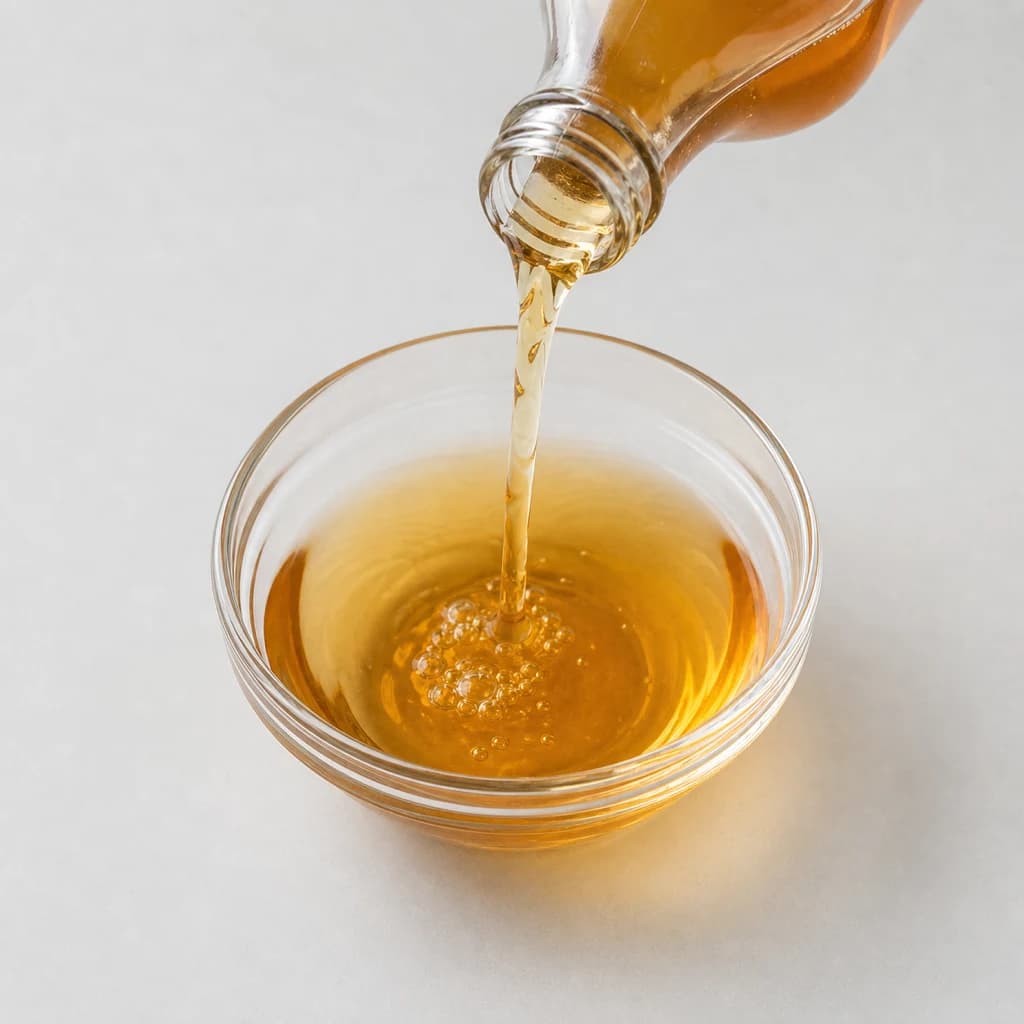
Apple Cider Vinegar
Fruity, mellow vinegar for dressings, brines, and slaws
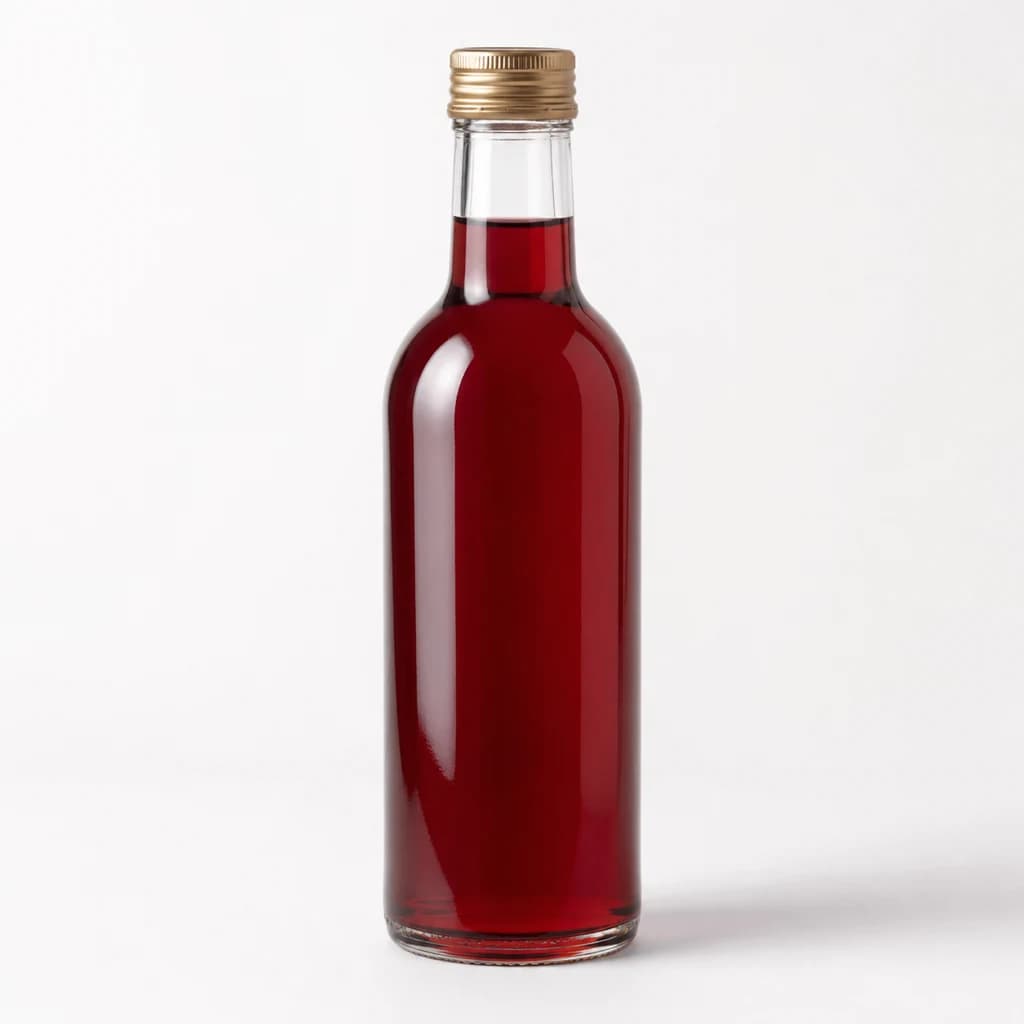
Red Wine Vinegar
Bold, tangy vinegar for vinaigrettes and marinades

Rice Vinegar
Mild, slightly sweet vinegar for sushi rice and dressings
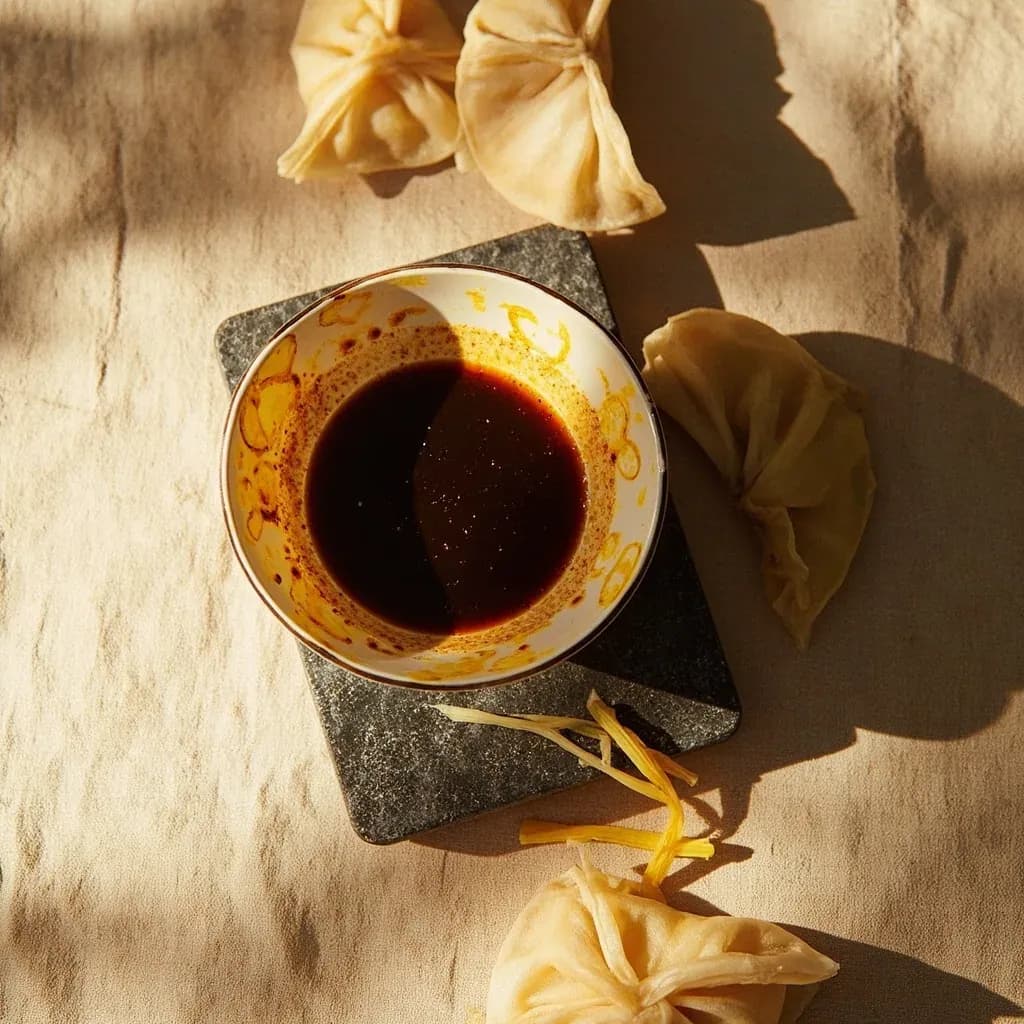
Chinkiang Black Vinegar
Malty, smoky aged Chinese rice vinegar with low sharpness; the tang behind dumpling dips and red-braises—stir in at the end so its mellow aroma is not boiled away.
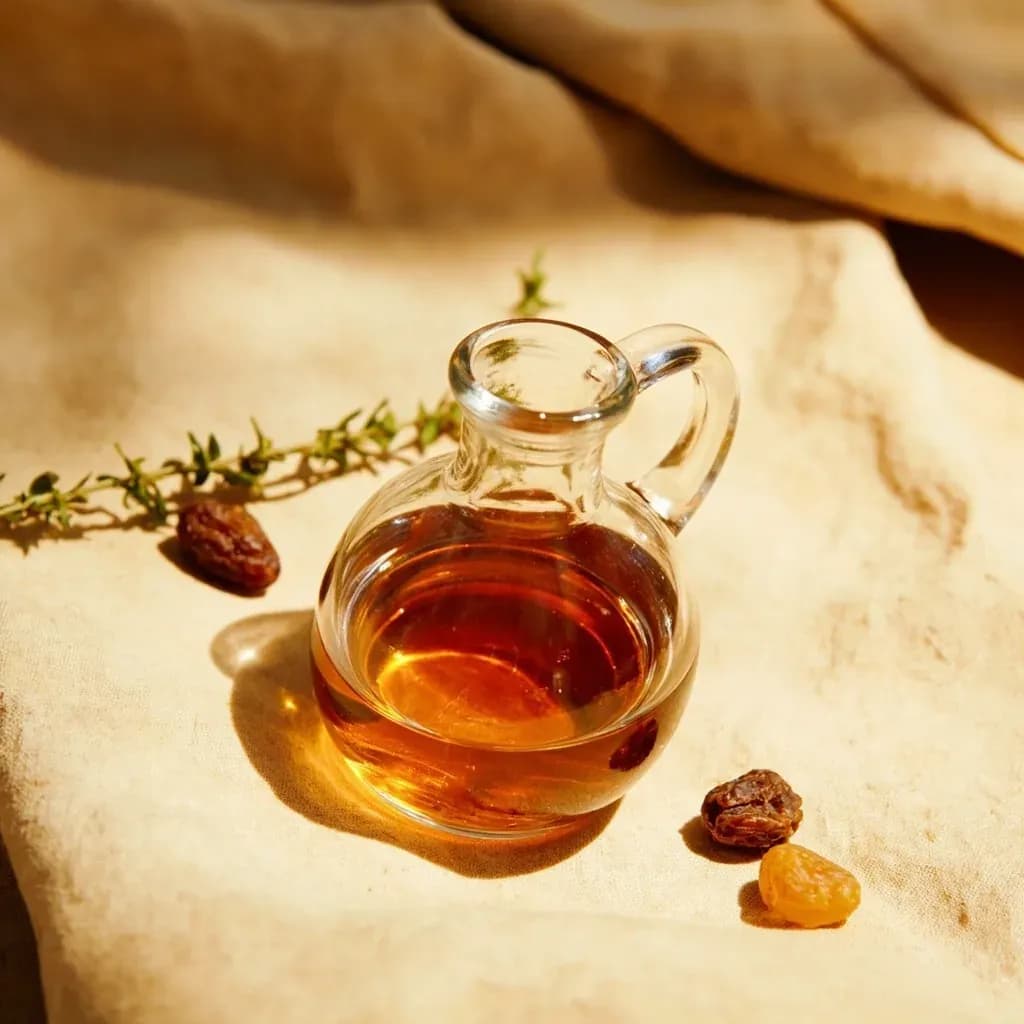
Sherry Vinegar
Barrel-aged Spanish vinegar, nutty and rounded with raisin notes; brightens gazpacho, pan sauces, and vinaigrettes without the harsh bite of plain wine vinegar.
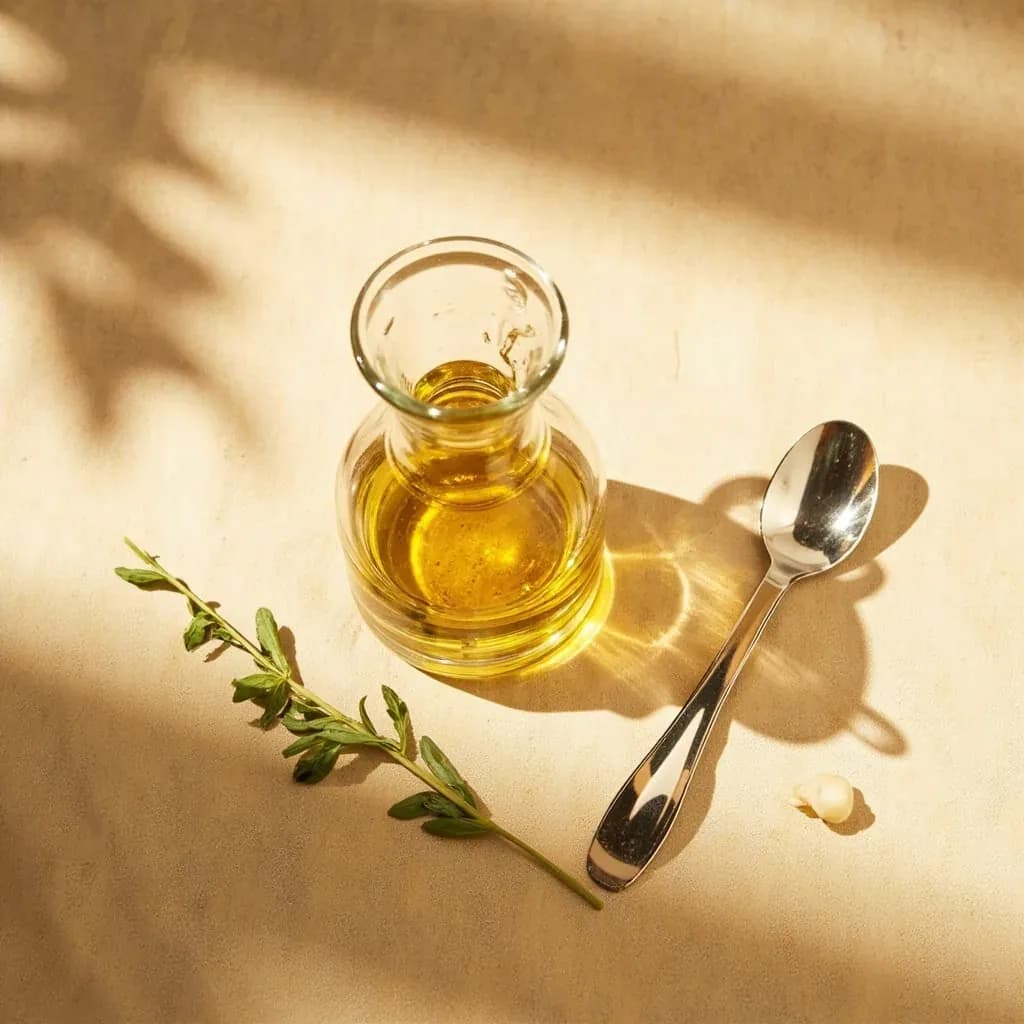
White Wine Vinegar
Bright, mild wine vinegar for vinaigrettes, beurre blanc, hollandaise, and quick pickles where you want acidity without the harsh bite of distilled white vinegar.