Vinegars
Chinkiang Black Vinegar
Malty, smoky aged Chinese rice vinegar with low sharpness; the tang behind dumpling dips and red-braises—stir in at the end so its mellow aroma is not boiled away.
Chinkiang vinegar — more properly Zhenjiang Xiangcu, the "fragrant vinegar" of Jiangsu — is the dark, aged rice vinegar that gives much of Chinese cooking its quietly smoky depth. Unlike the bright, sharp vinegars of the West, it is brewed from glutinous rice through a long solid-state fermentation and then, crucially, a high-pressure steaming step that Maillard-reacts the liquid before it goes into earthenware vats to age. That extra thermal step is what produces the raisiny, almost molasses-like aroma that distinguishes Zhenjiang vinegar from any other rice vinegar on the shelf, and it is the reason a single spoonful changes the character of a dish.
In practice, Chinkiang behaves less like a Western vinegar and more like a finishing condiment in the same league as soy sauce. Its acidity is moderate (around 4.5–6%), and the malt and wood notes do as much of the work as the tang. It seasons as much as it sours, which is why Chinese cooks reach for it in dumpling dips, cold appetizers, and red-braises where Western recipes would call for nothing at all, or at most a squeeze of citrus. Think of it as a bridge between sweet, salty, and sour rather than a one-note acid.
The two pitfalls that flatten it are universal: boiling it for the full length of a braise burns away the volatile aroma and leaves behind a dull acidity, and substituting anything that is sweet and light loses the malt-smoke backbone that makes the dish work in the first place. Treat it as a finishing seasoning and choose the bottle carefully, and it will reward you with a depth no other pantry vinegar quite matches.
- Measured in
- ml
- Storage
- Pantry
Allergens
Find it in
Suits
Types & varieties
The everyday table grade; lighter brown, brighter aroma, 6–12 months of aging. The most common export bottle, and what most Western recipes mean by "Chinese black vinegar."
Darker, denser, longer-aged (1–3+ years); deeper caramel-malt notes, the right choice for serious braises and drunken dishes.
Three-year minimum from the dominant Zhenjiang producer, founded 1840. The benchmark bottle for red-braising and finishing in Chinese restaurants abroad.
Slow solid-state fermentation, often multi-grain; richer and more complex, but significantly more expensive and harder to find outside China.
Many overseas "Chinkiang" bottles are blended with caramel, salt, or other vinegars to suit foreign palates — darker and saltier, but flatter in aroma than the genuine article.
Building the Classic Dumpling Dip
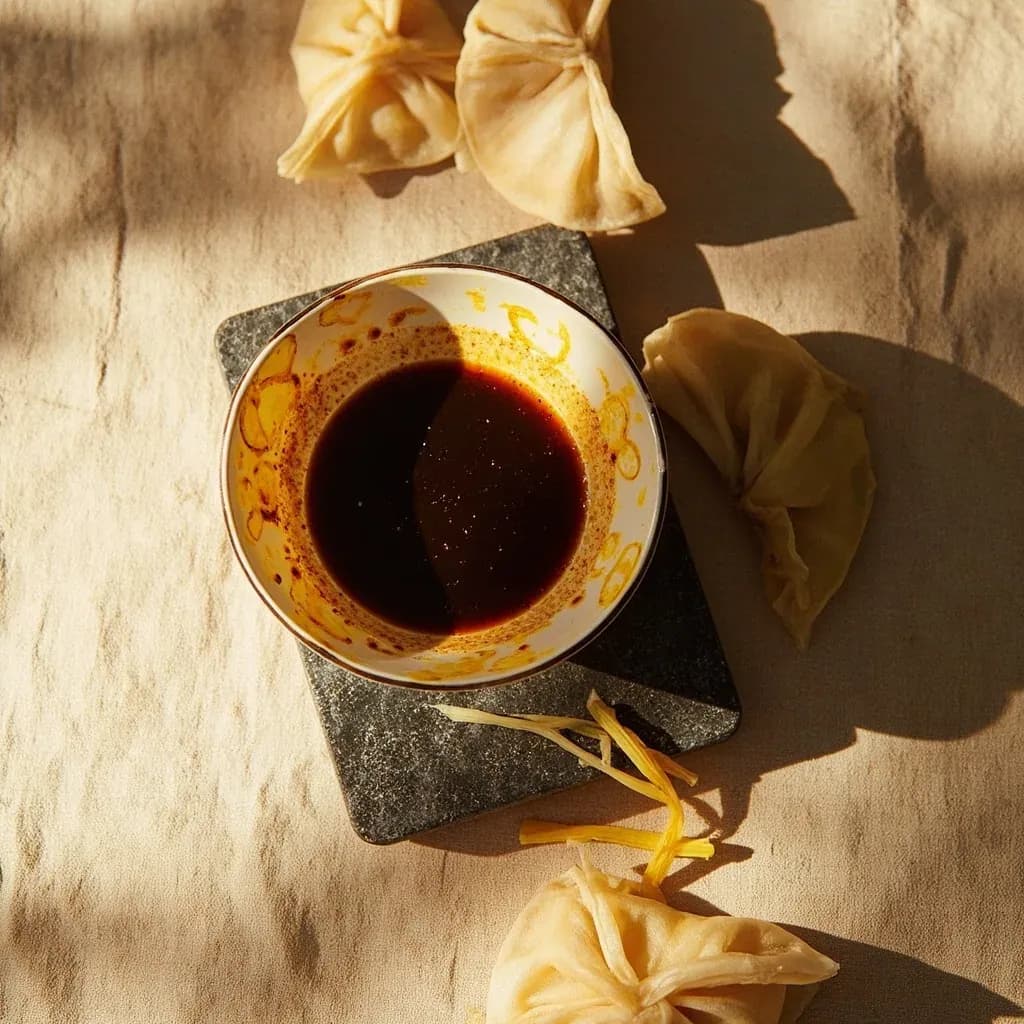
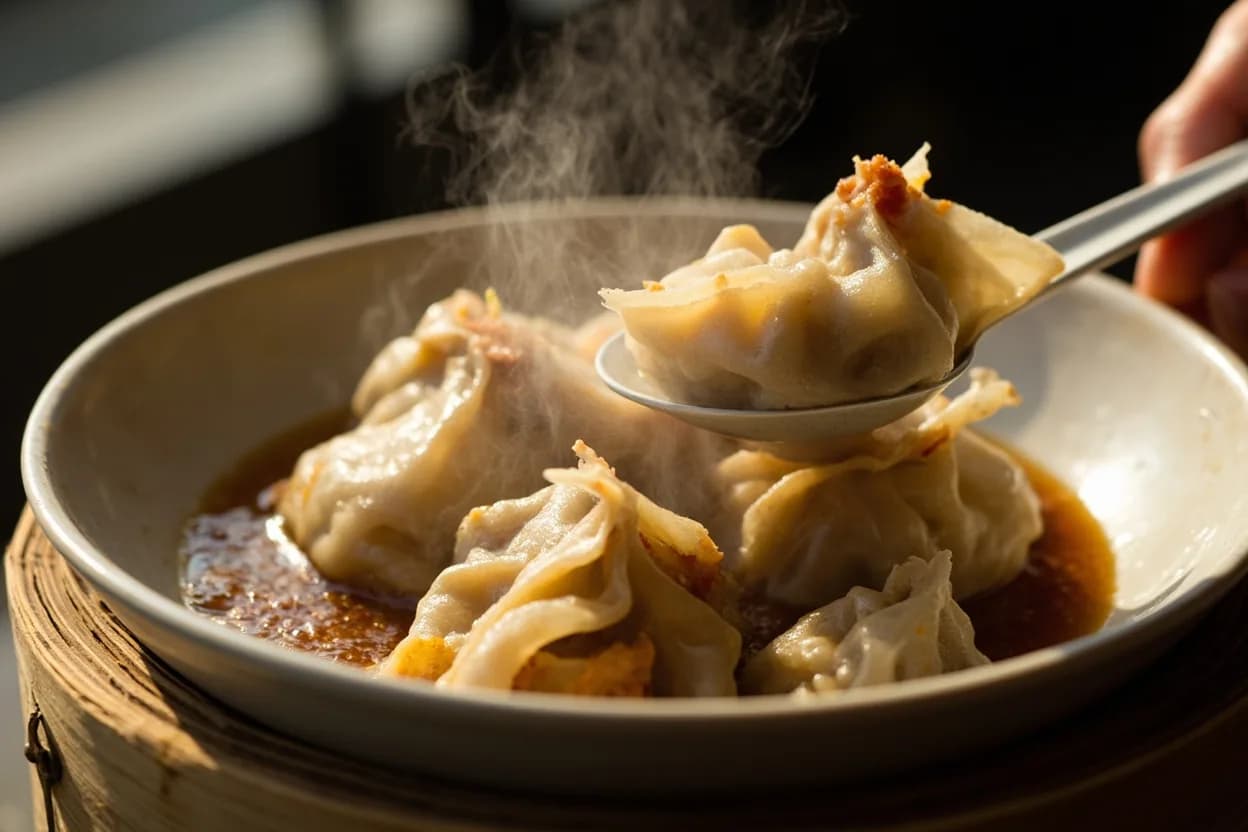
The dumpling dip is the on-ramp for almost every cook meeting Chinkiang for the first time, and it is worth learning as a ratio rather than a recipe. The standard formula is 1 part Chinkiang vinegar to 1 part light soy sauce, with a small splash of toasted sesame oil and a tangle of julienned young ginger. From there, two adjustments do most of the work: a pinch of sugar to round the acid, and a spoon of chili oil or chili crisp to push it toward Sichuan. The vinegar should arrive in the bowl late and raw — never cooked — so the malt aroma hits the dumpling at the table.
- Base ratio: 1 part Chinkiang to 1 part light soy, plus ½ teaspoon toasted sesame oil per ¼ cup of dip.
- Julienne young ginger finely and let it sit in the vinegar for 2–3 minutes before adding soy; this tempers the heat into a perfume.
- Add sugar only if your soy is very salty or your palate runs to sour; a quarter teaspoon is usually enough.
- For a Sichuan-leaning dip, fold in a tablespoon of chili crisp with its oil, and a few drops of the crisp's sediment for depth.
- For poached chicken or jellyfish, skip the soy and dress with Chinkiang, sesame oil, ginger, and a pinch of sugar — the soy overwhelms delicate proteins.
Reading the Bottle
Because Chinkiang is one of the most faked and blended condiments in Western pantries, the label matters more than the price. Genuine Zhenjiang vinegar will name its hometown in Chinese — look for 镇江 on the front — and the back will usually show a registered Zhenjiang address and a GB (national standard) number. Hengshun (恒顺), founded in 1840, is the dominant producer and the safest export bet. Anything that says only "Chinese black vinegar" with a glossy black color and a watery body is almost certainly a caramel-and-salt blend, and will disappoint in the very dishes Chinkiang is supposed to rescue.
Common uses
Tips & pitfalls
- Add Chinkiang at the end of cooking, or stir it in during the last few minutes of a braise — prolonged boiling drives off the volatile malt aroma and leaves flat acidity behind.
- Choose bottles labeled 镇江香醋 or 镇江陈醋 with a registered Zhenjiang address; the Hengshun (恒顺) brand is the most reliable internationally.
- Sediment at the bottom of the bottle is normal and a sign of traditionally brewed, unfiltered vinegar — give the bottle a gentle shake before pouring rather than straining it out.
- Do not confuse Chinkiang with Thai "black vinegar" (made from palm sugar, thinner, and noticeably sweeter) or with dark soy sauce, which is salty and syrupy and has almost no acidity.
- A 3-year or older "陈" bottle is worth the splurge for drunken chicken and red-braised pork; the cheap everyday Xiangcu is fine for dumpling dips and quick cold dishes.
- Because it is less sharp than Western vinegars, you can use more of it — start with 1–2 tablespoons in a dipping sauce and adjust upward; a timid splash often tastes thin.
- Store away from heat and light, ideally not on a shelf next to the stove; the color and aroma dull noticeably with months of warmth and sun.
- If a Western recipe calls for "Chinese black vinegar" without specifying a brand, it almost always means Chinkiang — the two terms are used interchangeably in English-language cookbooks.
Nutrition
Energy
75 kJ · per 100 g
Where the calories come from
Protein
0g
0% DV
Carbs
0g
0% DV
Fat
0g
0% DV
Fiber
0g
0% DV
Sugars
0g
of which
Sodium
2mg
0% DV
Source · USDA FoodData Central · approx. Vinegar, distilled
View on FDC →In the shops
Matched grocery products
No matched grocery products for Chinkiang Black Vinegar yet.
Good to know
- Other names
- Zhenjiang vinegar; Zhenjiang Xiangcu (镇江香醋, "fragrant vinegar"); Zhenjiang Chencu (镇江陈醋, aged); Chiangking vinegar
- Origin
- Zhenjiang, Jiangsu Province — a protected Chinese Geographical Indication product
- Base ingredient
- Glutinous (sticky) rice, often with wheat bran, sorghum, or rice husks
- Process
- Solid-state fermentation followed by a high-temperature pressure steaming that darkens the liquid, then aged in earthenware vats
- Aging time
- Standard grades 6–12 months; "special" (特级) 1–3 years; flagship "aged" (陈) bottles 3–6 years
- Acidity
- Roughly 4.5–6% acetic acid — noticeably lower than most Western vinegars
- Color & texture
- Deep mahogany to near-black; syrupy body, often with a fine sediment that signals traditional brewing
- Position in Chinese canon
- One of China's "Four Famous Vinegars," alongside Shanxi aged vinegar, Fujian Hongcu, and Sichuan Baoning vinegar
- Storage
- Indefinite at room temperature in a sealed bottle; keep cool and dark, away from the stove
Substitutes
- Aged Japanese komezu (rice vinegar) — Closest in grain-and-rice character, but lacks the smoky depth; brighten with a pinch of sugar and a drop of soy to approximate Zhenjiang's profile.
- Aged balsamic vinegar (traditional, not the cheap industrial kind) — Brings similar malty sweetness and dark color; best for glazes and roasted vegetables, but too grapey for delicate dumpling dips.
- Worcestershire sauce — Useful as a seasoning swap in marinades and braises for umami and tang, but far too salty and savory to replace Chinkiang in a dipping sauce.
- Rice vinegar + dark soy + a pinch of sugar — An emergency stand-in for dumpling dips that approximates the color and balance, but misses the malt-smoke backbone.
- Shanxi aged vinegar — Another famous Chinese aged vinegar, with a stronger wheat bite and drier finish — works in northern braises, but less ideal for delicate cold dishes.
- Thai black vinegar (nam som priao dam) — Made from palm or coconut sugar; noticeably sweeter and thinner — not a true substitute, only a last resort in Thai-style dishes.
Pairs with
Also called
Chinkiang vinegar · Zhenjiang vinegar · Chinese black rice vinegar
Appears in these dishes
Related

White Vinegar
Sharp, clean acidity for pickling, brightening, and cleaning

Balsamic Vinegar
Dark, syrupy vinegar with sweet-tart depth for glazing
Apple Cider Vinegar
Fruity, mellow vinegar for dressings, brines, and slaws
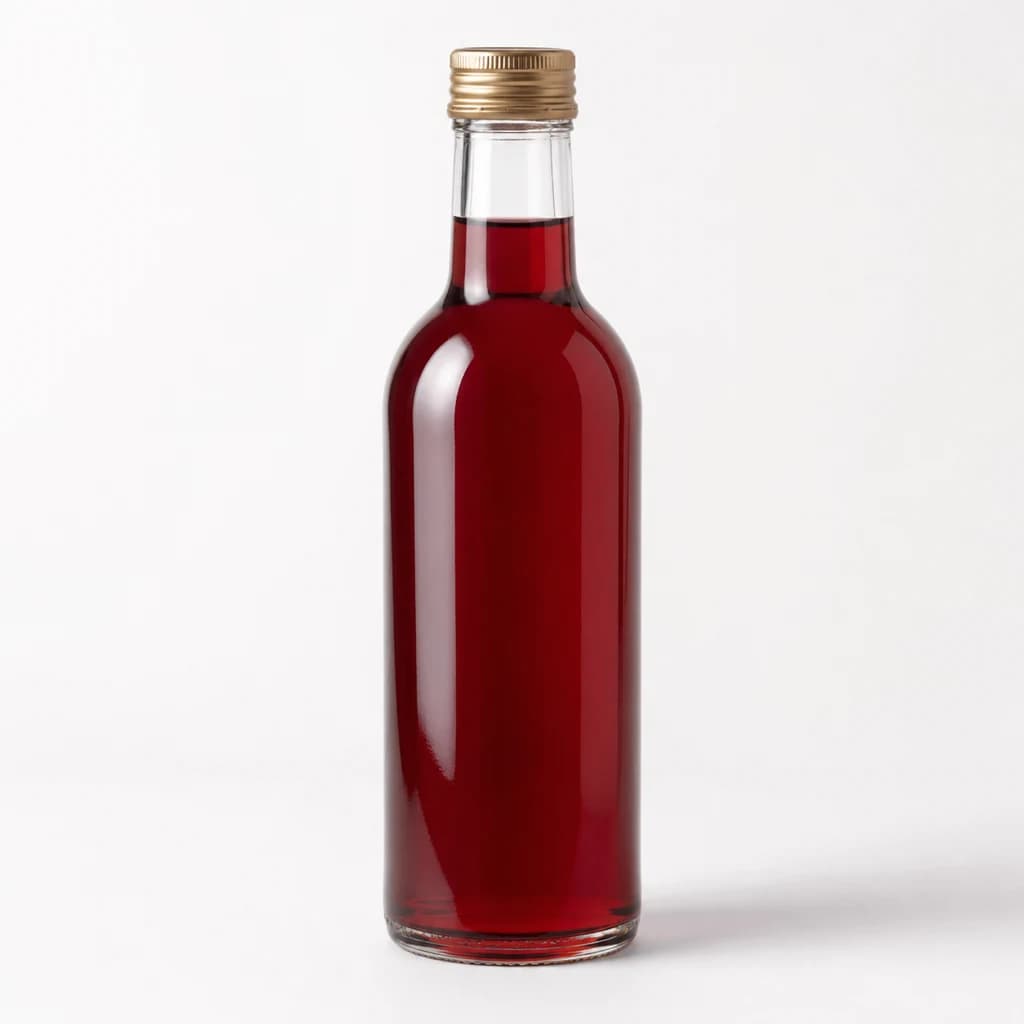
Red Wine Vinegar
Bold, tangy vinegar for vinaigrettes and marinades

Rice Vinegar
Mild, slightly sweet vinegar for sushi rice and dressings
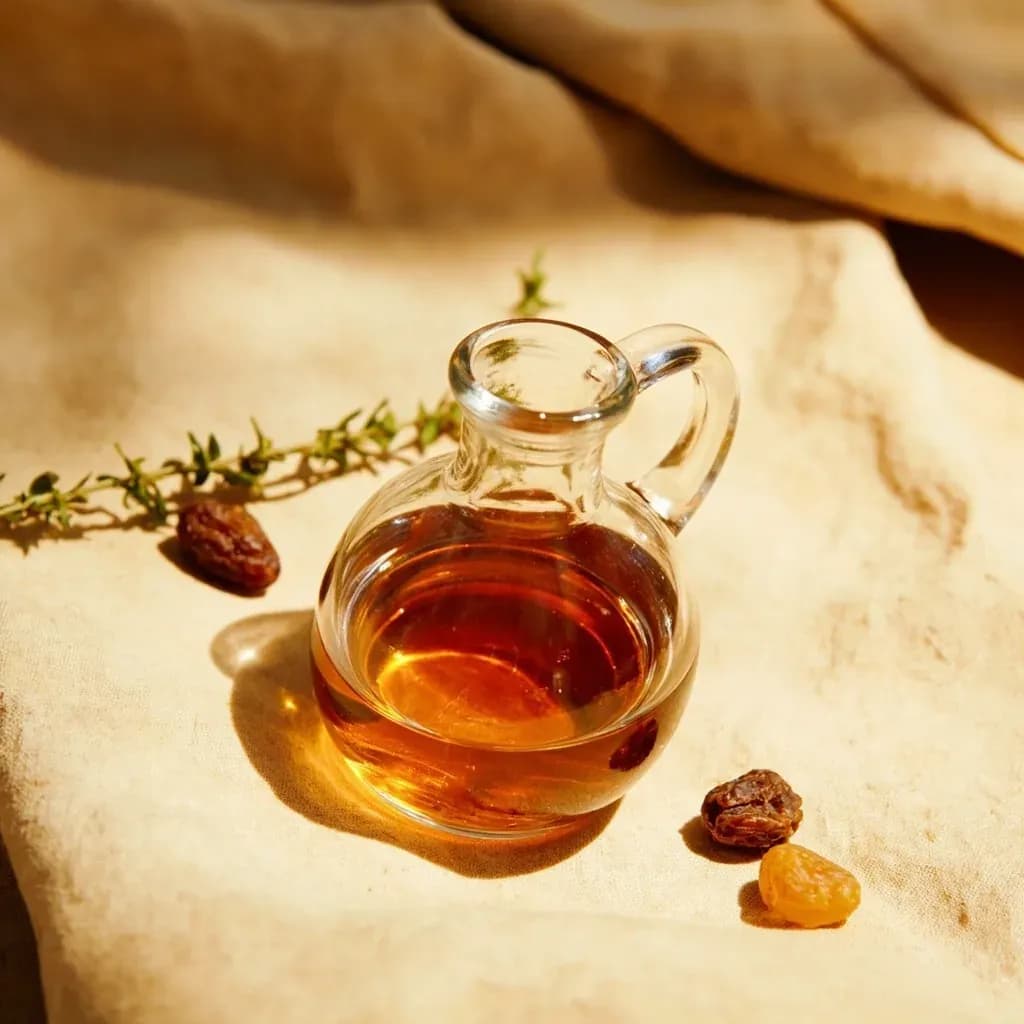
Sherry Vinegar
Barrel-aged Spanish vinegar, nutty and rounded with raisin notes; brightens gazpacho, pan sauces, and vinaigrettes without the harsh bite of plain wine vinegar.
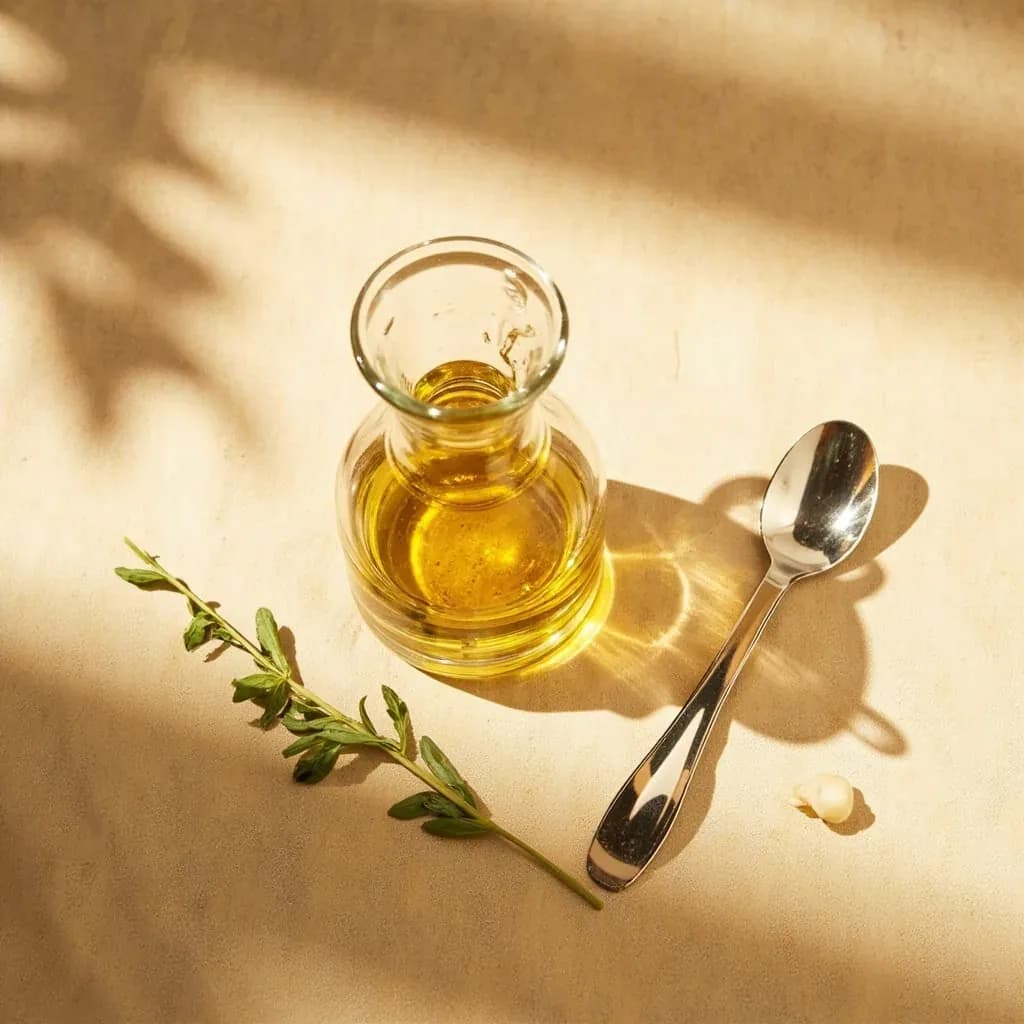
White Wine Vinegar
Bright, mild wine vinegar for vinaigrettes, beurre blanc, hollandaise, and quick pickles where you want acidity without the harsh bite of distilled white vinegar.
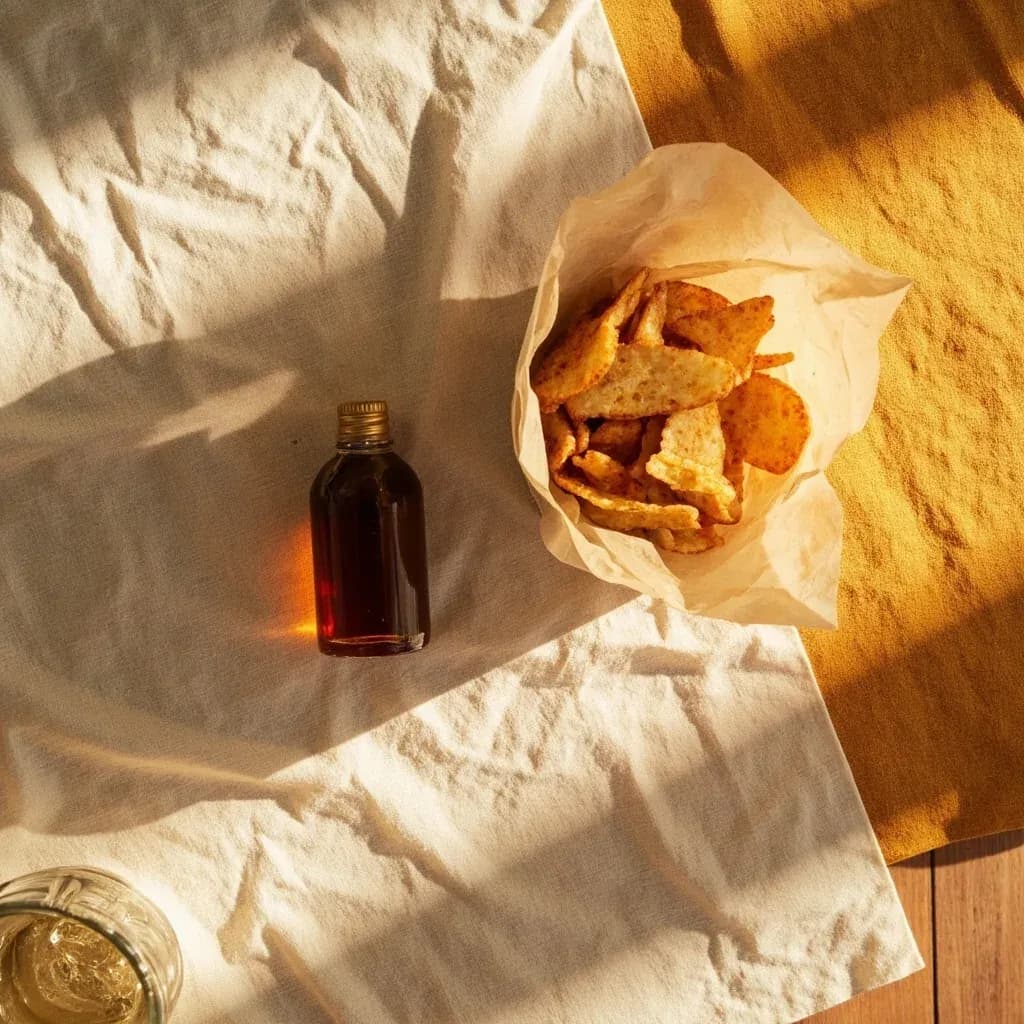
Malt Vinegar
Dark, malty barley vinegar with a robust toasty tang — the classic splash for fish and chips, chip-shop chips, and British pickled onions and chutneys.