Stored
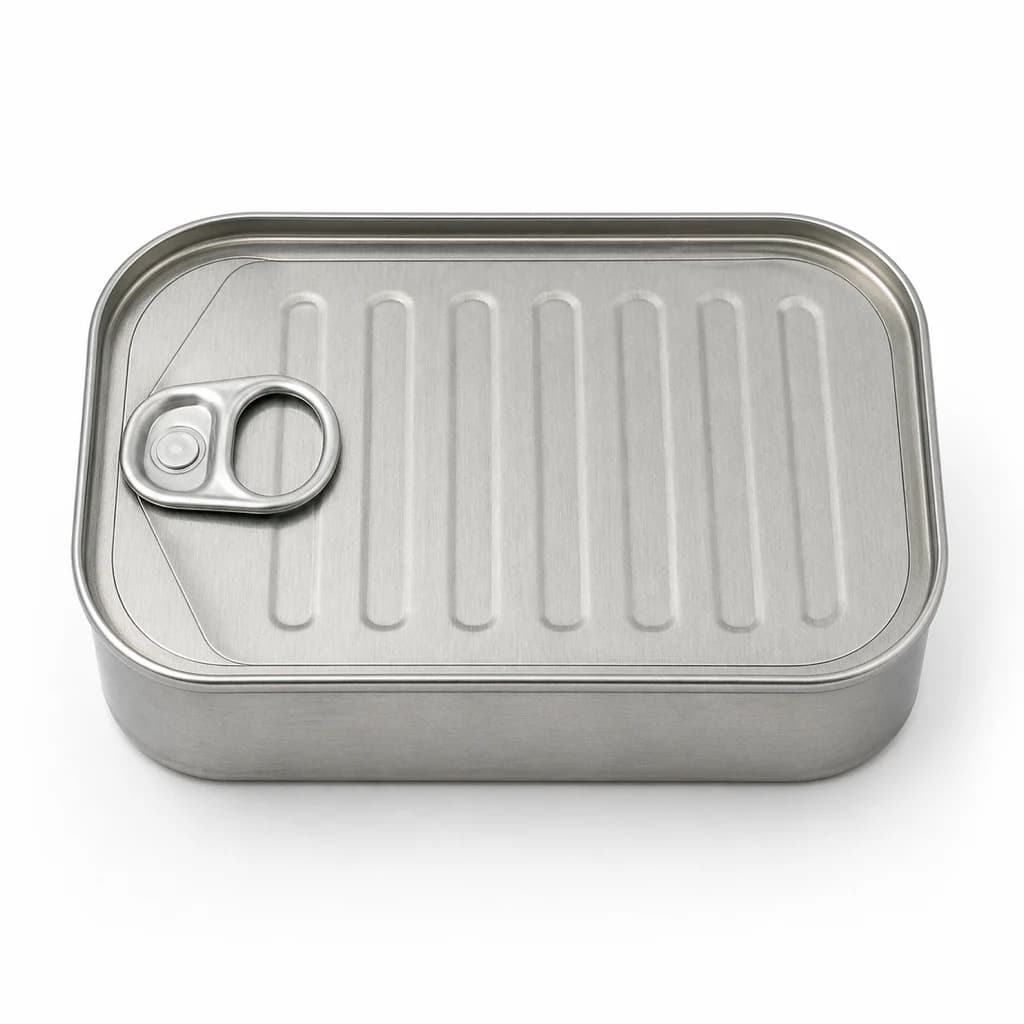
Rectangular steel tin of pilchards sealed and shelf-ready, showing the pull-tab lid.
Most people encounter pilchards exclusively in canned form; showing the closed tin teaches the primary storage and purchase format.
Proteins
Tinned Pilchards
Canned mature sardines, often in tomato sauce, used in quick stews, sandwiches and rice dishes.
Pilchards are mature sardines, usually sold canned in tomato or brine. The oily, soft-boned fish is a cheap, shelf-stable protein eaten straight from the tin, mashed onto bread, or simmered into tomato-onion stews popular across Africa and the Caribbean. The soft bones are edible and add calcium.
Tinned pilchards are the mature form of the Atlantic sardine (Sardina pilchardus), caught when the fish has grown larger and developed a higher fat content that gives them a richer, deeper flavour than their younger cousins. In Britain, the distinction is legally codified: fish under 15cm are sardines; anything larger qualifies as a pilchard. The larger size means more flesh per fish and a texture that holds together better when flaked—qualities that make them exceptionally useful in cooked dishes rather than merely as a pantry snack. Their pronounced oiliness also means they carry flavour well and contribute body to sauces and braises, unlike the milder, more delicate fresh sardine.
The tinning process itself is not an afterthought—it was perfected in Cornwall during the mid-1800s and remains central to the fish's identity. The fish are cooked inside the sealed tin, which softens the small bones until they become tender and edible, transforming what might be seen as a drawback into a nutritional asset (the bones are a valuable source of calcium). Most commonly packed in tomato sauce, pilchards carry a ready-made flavour base that works in everything from sandwiches to one-pan suppers. The tomato sauce is not incidental: it acts as both a preservative and a cooking medium, mellowing the fish's intensity and adding sweetness and acidity in a single step.
What makes pilchards genuinely valuable in a kitchen is their combination of nutrition and practicality. They are an excellent source of omega-3 fatty acids and vitamin B12 available at modest cost, and they require no refrigeration until opened. The tinned format means they are always ready to use—neither the texture nor the flavour depends on the freshness that makes fresh sardines such a perishable luxury. For quick weeknight cooking, they are among the most forgiving fish products available.
- Measured in
- g
- Storage
- Pantry
Allergens
Types & varieties
The most widely available form. The sauce adds sweetness and acidity, masking any strong fishiness and providing a ready cooking liquid.
Lower in sodium than cured options but requires seasoning. The fish flavour is more pronounced and the texture slightly firmer.
Richer and more luxurious; the oil is usable for dressings or frying. Often sold as a premium or artisanal product.
Less common in cans but available. Stronger, more assertively flavoured; pairs well with bold accompaniments like mustard, horseradish, or beetroot.
Sourcing and Sustainability
Pilchards and sardines are among the more sustainable fish options when sourced responsibly, but not all fisheries are equal. The Cornish pilchard fishery is well-managed and MSC-certified in several operations, operating under strict quotas that protect stocks. Other fisheries, particularly in Mediterranean and North African waters, have faced significant overfishing pressure. When buying tinned pilchards, look for the MSC (Marine Stewardship Council) blue label or check whether the can specifies a sustainable source. The environmental impact of tinned fish also depends on the tin itself—steel is highly recyclable, so choosing products in recyclable packaging and recycling accordingly closes the resource loop. Small forage fish like pilchards occupy a low position in the food chain, which means they accumulate fewer environmental contaminants than larger predatory fish, making them a cleaner choice on several sustainability metrics.
- Look for MSC certification on the tin for responsibly sourced fish.
- Cornish pilchards are generally from well-managed fisheries.
- Tin steel is highly recyclable—check local collection schemes.
Common uses
Tips & pitfalls
- Drain the fish over a sieve and reserve the sauce—it is seasoned and useful for building flavour in sauces, risottos, or cooking rice.
- Flake the fish with a fork; it should be tender and hold together loosely. If it disintegrates into mush, it has been overcooked in the can during processing and will not hold in hot dishes.
- Taste before adding salt when using pilchards in brine; they can be quite salty and may already provide enough seasoning for a dish.
- When folding pilchards into cooked dishes, do so off the heat to avoid breaking up the flesh—residual warmth is sufficient to warm them through.
- The tomato sauce from tinned pilchards is a legitimate shortcut: use it as a braising liquid for vegetables, a pasta sauce base, or to deglaze a pan.
- Commercial tomato sauces are often already sweetened and seasoned, so season the fish itself lightly and adjust at the end of cooking.
- They are ready to eat straight from the tin, making them ideal for no-cook preparations like toast, open sandwiches, or a quick salad.
Nutrition
Nutrition
No USDA FoodData Central match for Tinned Pilchards yet. We surface a per-100 g profile once a generic whole-food entry is matched and verified.
In the shops
Matched grocery products
No matched grocery products for Tinned Pilchards yet.
Good to know
- Species
- Sardina pilchardus (Atlantic pilchard)
- Pilchard vs. sardine
- Pilchards are mature sardines—older, larger, and fattier. In the UK, fish under 15cm are legally classified as sardines; larger ones are pilchards.
- Primary packing medium
- Tomato sauce (most common); also brine, olive oil, or vegetable oil.
- Typical catch season
- Autumn and winter in Cornish waters.
- Nutritional highlight
- Rich in omega-3 fatty acids, high-quality protein, vitamin B12, and selenium.
- Shelf life
- 2–3 years from production date when unopened; refrigerate after opening and consume within 2 days.
- Bones
- Contain soft, edible bones that dissolve readily when cooked; a valuable source of calcium.
- Historical note
- Cornish pilchard fisheries date to at least the 14th century; the sealed tin was perfected in the mid-1800s.
Substitutes
- Tinned sardines — Nearly identical and often interchangeable; sardines are slightly smaller and may be milder, but work in any preparation.
- Mackerel fillets in tomato sauce — Stronger, oilier fish with a similar texture; excellent in sandwiches, pasta, and pies.
- Canned herring (Bismarck or rollmops) — Fattier and more pronounced flavour; works in sandwiches and hot dishes but needs balancing with acid.
- Anchovy fillets — Use sparingly for flavour impact in sauces or salads; not a direct texture substitute but useful for adding depth.
- Fresh sardines, grilled — The closest fresh equivalent; season, grill, and flake. Requires 10–15 minutes more preparation and careful attention to freshness.
Pairs with
Also called
Tinned Sardines · Canned Pilchards
Related
Egg
The kitchen's everything ingredient — bind, leaven, enrich, or fry
Chicken Breast
Lean, quick-cooking white meat for everyday dinners

Ground Beef
Versatile minced beef for burgers, ragù, tacos, and meatballs
Pork Loin
Lean, tender roasting cut that stays juicy with care
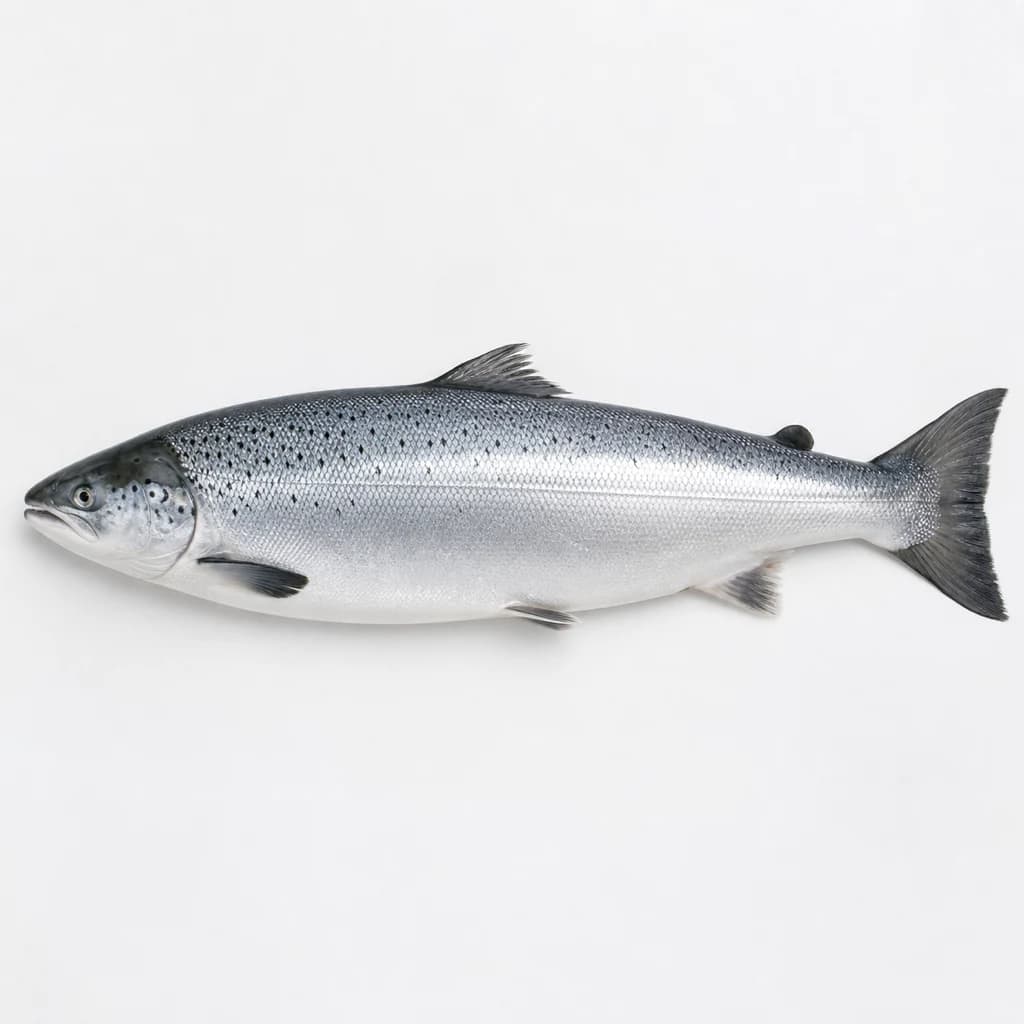
Salmon
Rich, rosy fish that roasts, grills, or cures beautifully

Egg White
Pure protein that whips to airy peaks for meringue and more

Egg Yolk
Rich, golden yolk for custards, mayonnaise, and pasta

Quail Egg
Tiny, speckled eggs for garnishing and elegant bites