Proteins
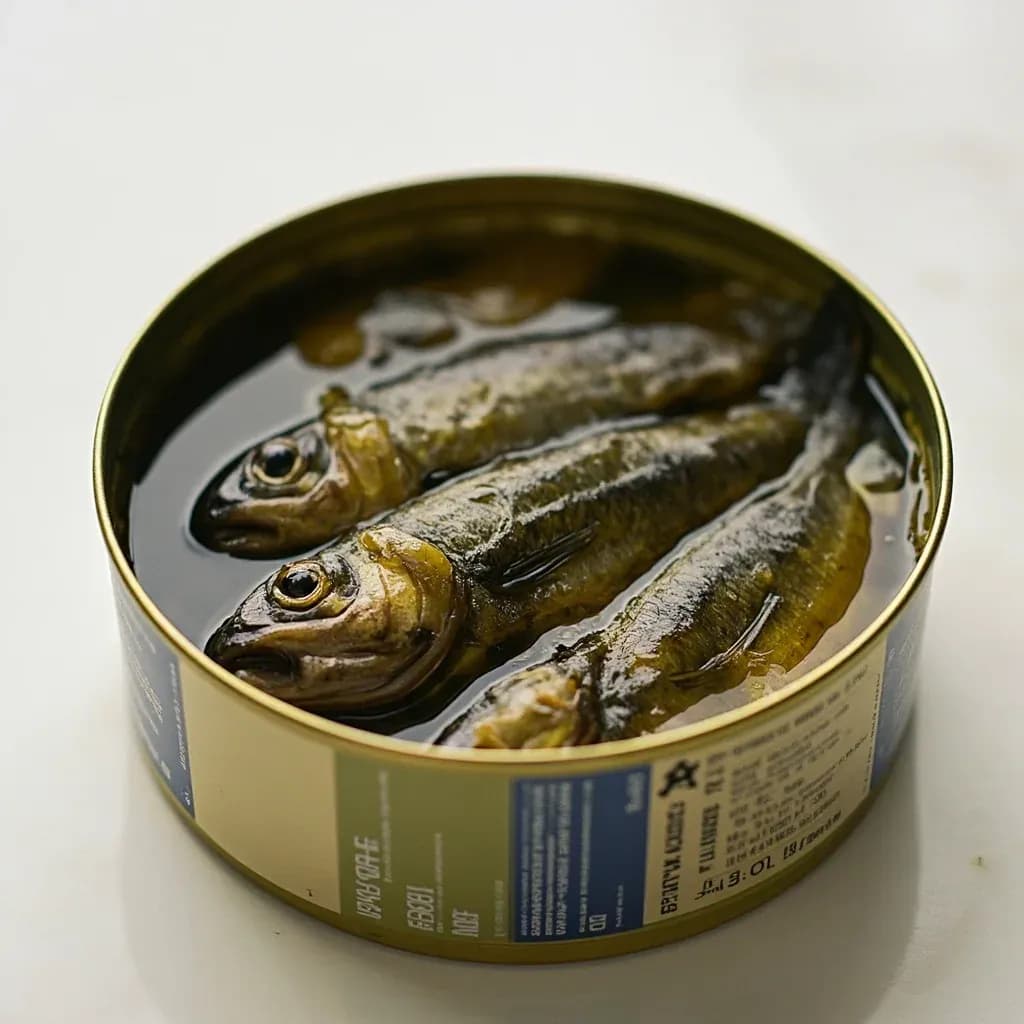
Canned Sardines
Small oily fish packed in oil, water, or sauce — ready to eat on toast or stirred into pastas and stews.
Canned sardines are small, oily fish cooked and packed in olive oil, water, tomato, or mustard sauce. A pantry protein eaten straight from the tin on bread, mashed into spreads, or folded into pasta and rice dishes. They are rich in omega-3 fats and soft enough that the calcium-laden bones are eaten too.
Canned sardines are small, oily, schooling fish—most commonly European sardine (Sardina pilchardus), Pacific or Chilean sardine (Sardinops), or related herring-family species—sealed in oil, water, or sauce and heat-processed for long-term storage. The term 'sardine' is a marketing category rather than a taxonomic designation; any small, oily fish under roughly 15 centimeters may carry the name. Canning originated in Brittany, France in the 1830s and spread rapidly to Portugal, Spain, Morocco, and beyond, where the fish became a dietary staple and cultural icon.
What makes canned sardines remarkable is the transformation that happens through the canning process: the fish develop an intensely savory, umami-rich flavor with a tender texture, and the small soft bones become completely edible and provide a concentrated source of calcium. The packing medium matters enormously. Olive oil adds fruity richness and the oil itself becomes a flavored cooking fat worth using. Tomato sauce varieties (the Portuguese and Spanish standard) deliver sweet-tangy contrast. Water-packed sardines are leaner but can taste dry. Beyond the mainstream, you will find smoked, mustard-sauced, and harissa-spiced varieties, each with distinct culinary applications.
Quality varies dramatically. Portuguese canned sardines—packed with larger European sardines in higher-grade olive oil—represent a different product category than budget supermarket cans. The difference in fish size, texture, and flavor is substantial enough that they almost constitute different ingredients. For eating straight from the can, the variance matters: some brands are lightly brined, others aggressively so. Always taste before seasoning a dish.
- Measured in
- g
- Storage
- Pantry
Allergens
Types & varieties
Most common; olive oil adds fruity richness; premium versions use higher-grade oil
Neutral base; lets fish flavor dominate; budget-friendly option
Lightest preparation; good for low-fat diets; slightly drier texture
Sweet-tangy; Portuguese and Spanish style; excellent straight from the can
French style; piquant; good for salads and quick preparations
Intensely flavored; deeper color; often packed in oil; sold in cans or vacuum-sealed packs
Most traditional; bones visible; the bones are soft and fully edible
Boneless, skin-on or off; easier to eat; hold together better in dishes
Economical cut; good for pasta sauces and spreads where uniformity is unimportant
Further processed; mildest flavor and texture; suitable for those averse to fishiness
Technically not sardine but often grouped; stronger, oilier; vinegar-cured before canning
North African influence; chili-spiced oil; bold heat
The Portuguese Standard
Portuguese canned sardines represent a different product category than standard supermarket varieties. They use larger European sardines (Sardina pilchardus), pack in higher-quality olive oil, and the fish have superior texture and flavor—firm flesh that holds together rather than crumbling. The cans often feature distinctive decorative artwork and command significantly higher prices. For eating straight from the can, on toast, or in preparations where the sardine is the centerpiece, the difference justifies the cost. In cooked dishes where the sardine gets broken into sauce, standard varieties perform equally well.
On Shelf Life and Safety
The best-before date on canned sardines is conservative. Properly sealed cans remain safe to eat well beyond the printed date, though flavor and texture gradually decline. Discard any can that shows signs of bulging, rust, or leakage—these indicate compromised integrity. Once opened, transfer to a sealed container with the packing liquid and refrigerate. The fish will remain edible for 1–2 days, but they will lose vibrancy daily. If you only need half a can, press a piece of plastic wrap directly onto the surface of the liquid to minimize air exposure.
Common uses
Tips & pitfalls
- Drain most canned sardines before using unless specified; the packing oil is useful for cooking but dilution matters in some dishes—taste and decide
- Sardines in high-quality olive oil need not be drained—the oil is genuinely good for sautéing aromatics and should be used
- Skin and bones are edible and nutritious (calcium from the bones); removing them is optional, not required
- Taste before adding salt to any dish—the fish and packing liquid are already seasoned and brining intensity varies enormously by brand
- Break or flake whole fish rather than leaving them intact for even distribution in pasta, salad, or sauces
- Don't overcook in hot dishes—add canned sardines in the last 2–3 minutes to prevent them from falling apart into mush
- Common mistake: using premium olive-oil sardines in a dish where they will be drowned by aggressive seasonings—let quality shine in simple preparations
- Common mistake: discarding the packing oil entirely; it is seasoned and flavored and works for dressings, cooking eggs, or spreading on bread
Nutrition
Nutrition
No USDA FoodData Central match for Canned Sardines yet. We surface a per-100 g profile once a generic whole-food entry is matched and verified.
In the shops
Matched grocery products
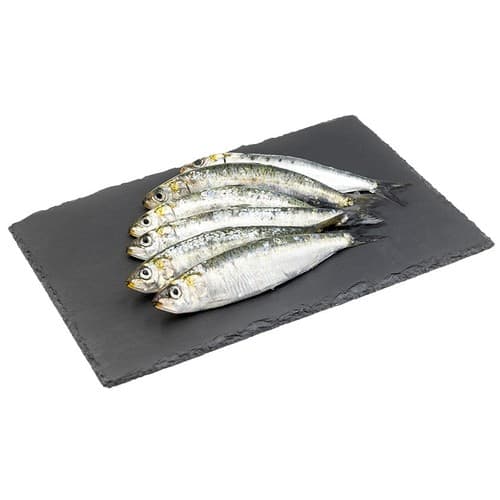 €3.50
€3.50Large Sardine
ud · Bonpreu
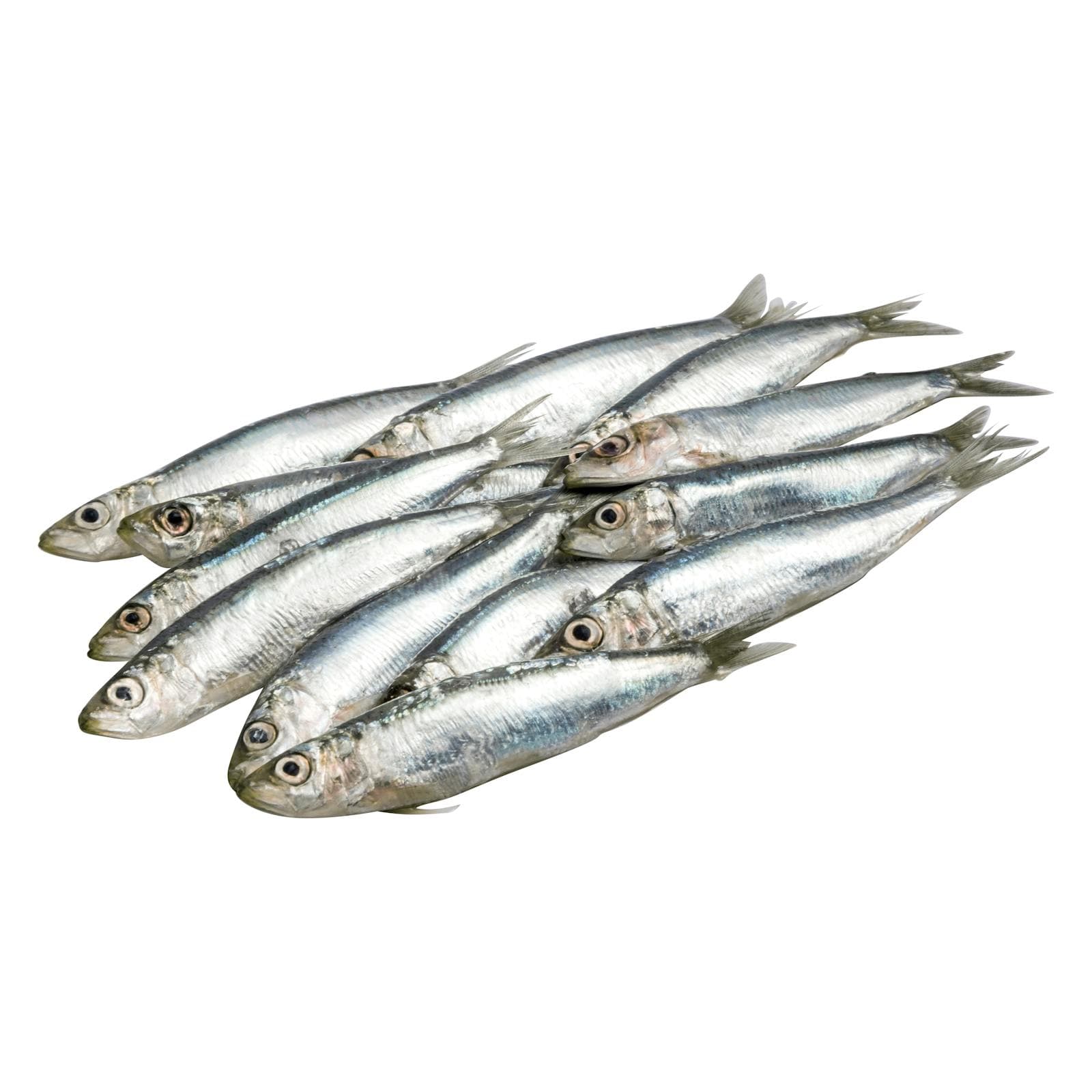 €1.19
€1.19Ungutted Sardine
200 g · Mercadona
 €1.20
€1.20Coastal Sardine
ud · Bonpreu
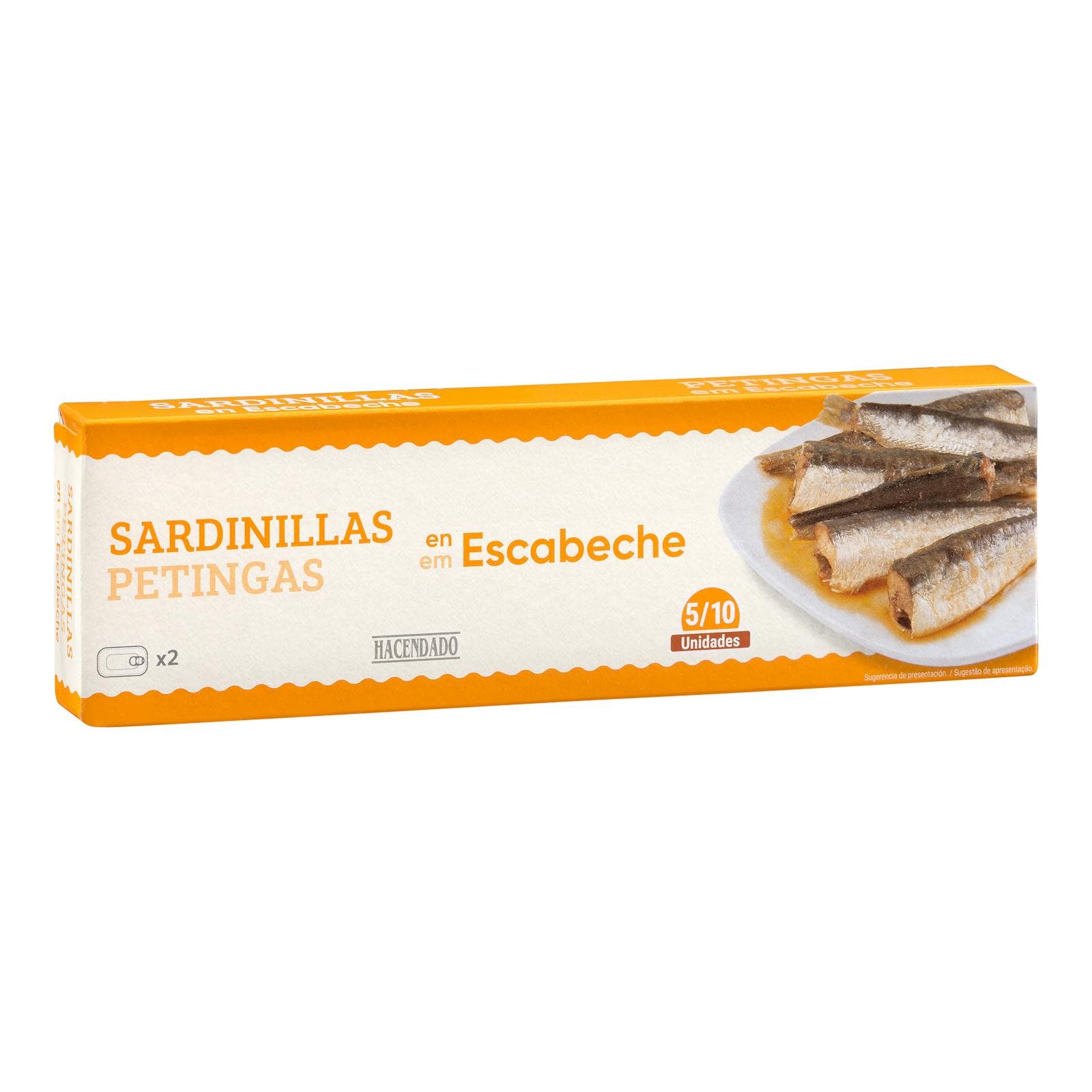 €1.95
€1.95Pickled Sardines
Hacendado · 180 g · Mercadona
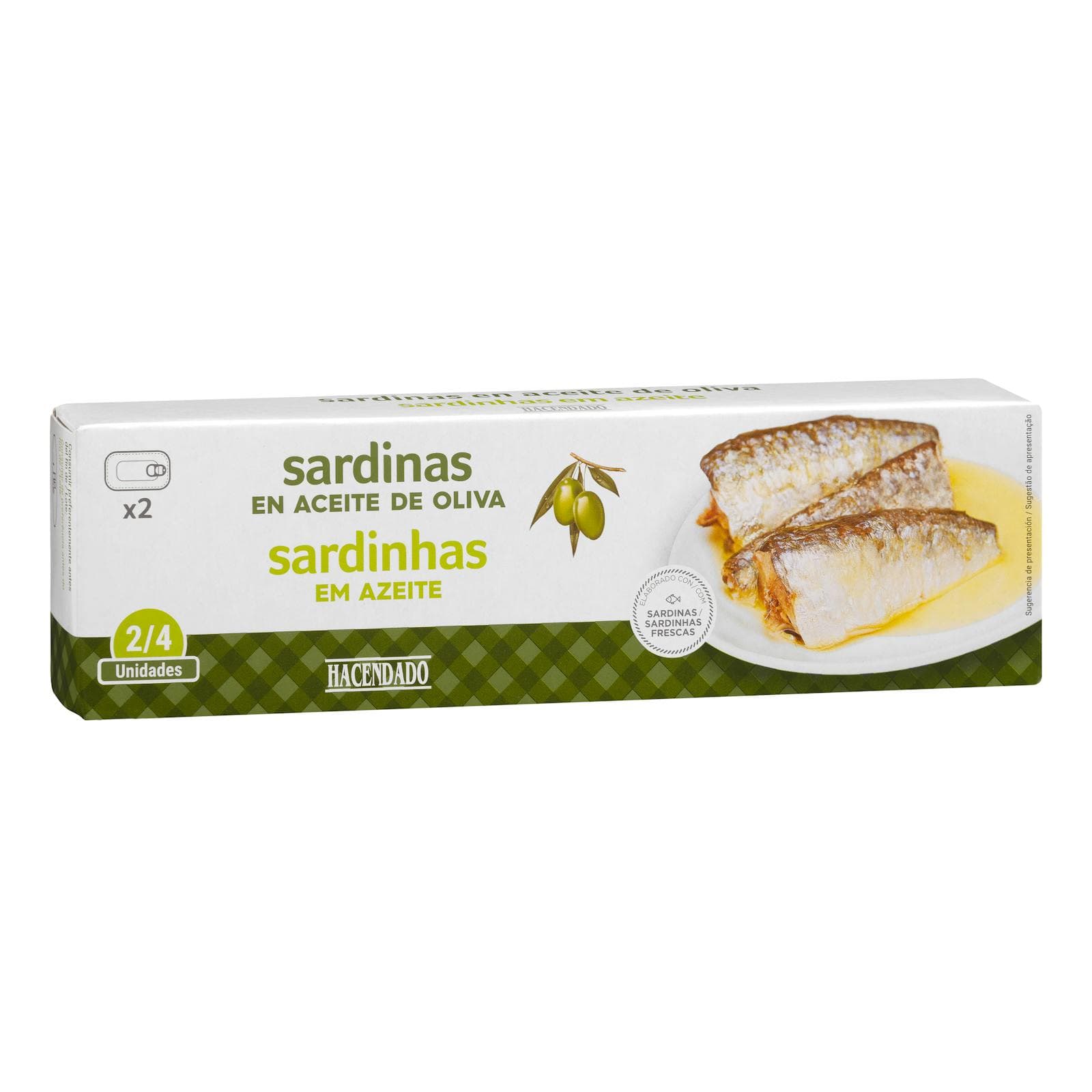 €2.20
€2.20Sardines in Olive Oil
Hacendado · 234 g · Mercadona
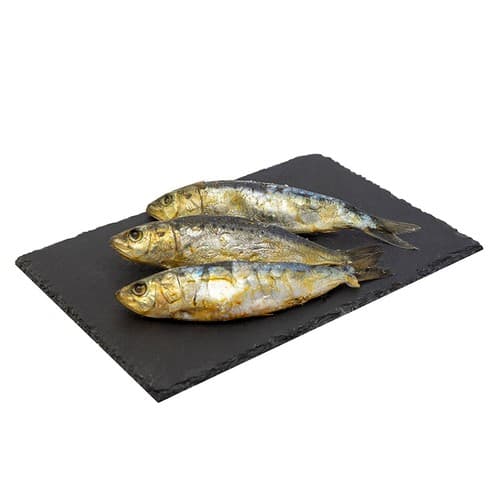 €0.79
€0.79Salted Sardine
Bonpreu
Good to know
- Common species
- Sardina pilchardus (European), Sardinops (Pacific/Chilean), or Clupea (herring family)
- Major producers
- Portugal, Spain, Morocco, Japan, Chile
- Flavor profile
- Rich, savory, pronounced umami; distinctly fishy; tender meaty texture with soft edible bones
- Typical size
- Whole fish: 3–6 inches; fillets vary by brand and cut
- Shelf life (unopened)
- 2–5 years depending on packing medium and can lining
- Shelf life (opened)
- Refrigerate in liquid; use within 1–2 days for best quality
- Key nutrients
- Omega-3 fatty acids, vitamin B12, vitamin D, calcium (bone-in), selenium
- Sustainability
- Generally well-managed, low-trophic fishery; MSC-certified options available
Substitutes
- Canned mackerel — Similar texture, stronger fish flavor; swap 1:1; works in oil or tomato sauce preparations
- Canned anchovies — Much saltier, more concentrated umami; use sparingly as a flavor boost, not a texture swap
- Canned tuna — Milder, flakier; not a close flavor match but works in pasta and salads for texture and protein
- Canned herring — Similar oily fish; pickling or smoking flavor may differ; use as a 1:1 swap in most preparations
- Fresh sardines — Grilled or broiled; far superior texture and flavor when available; ideal but seasonal and requires prep work
- Smoked oysters — Completely different flavor profile; works only in specific contexts like spreads or toast toppings
Pairs with
Also called
Canned Sardines · Tinned Sardines
Appears in these dishes

Related
Egg
The kitchen's everything ingredient — bind, leaven, enrich, or fry
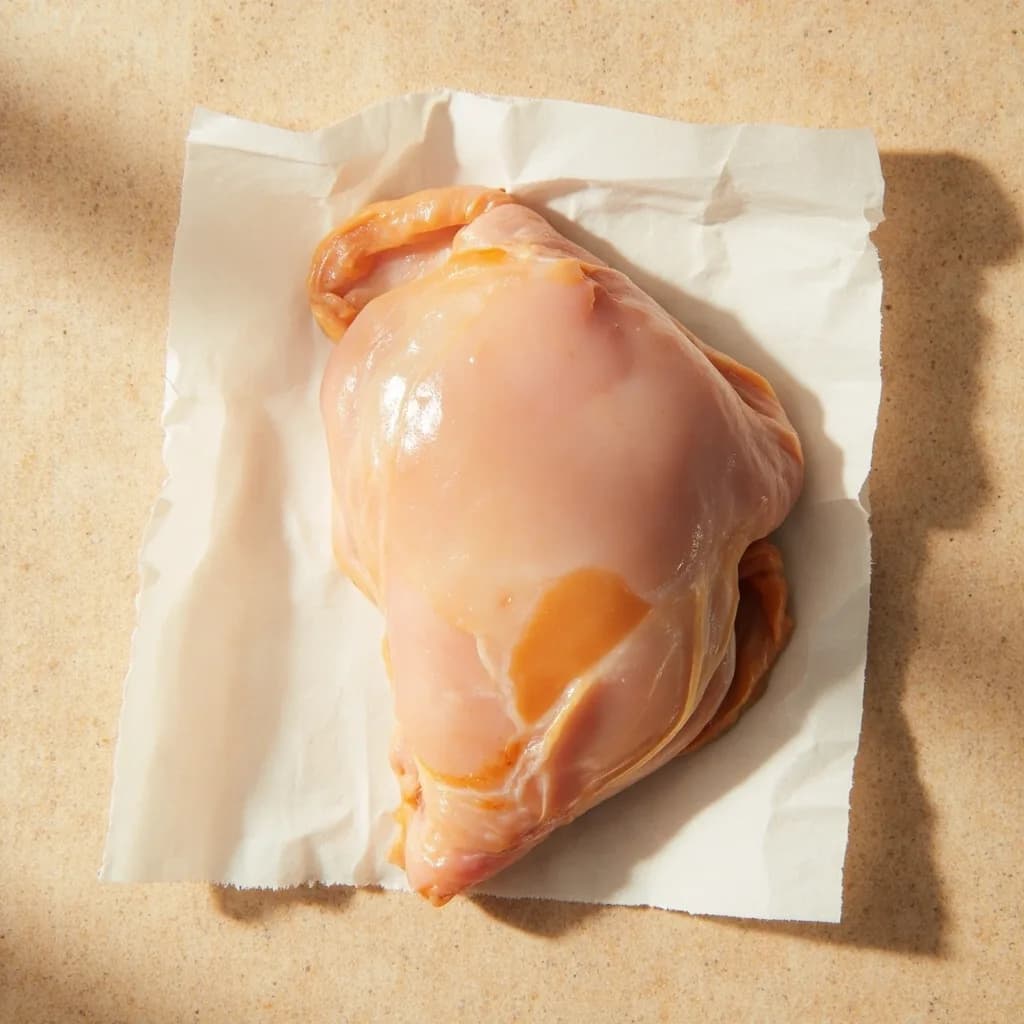
Chicken Breast
Lean, quick-cooking white meat for everyday dinners

Ground Beef
Versatile minced beef for burgers, ragù, tacos, and meatballs
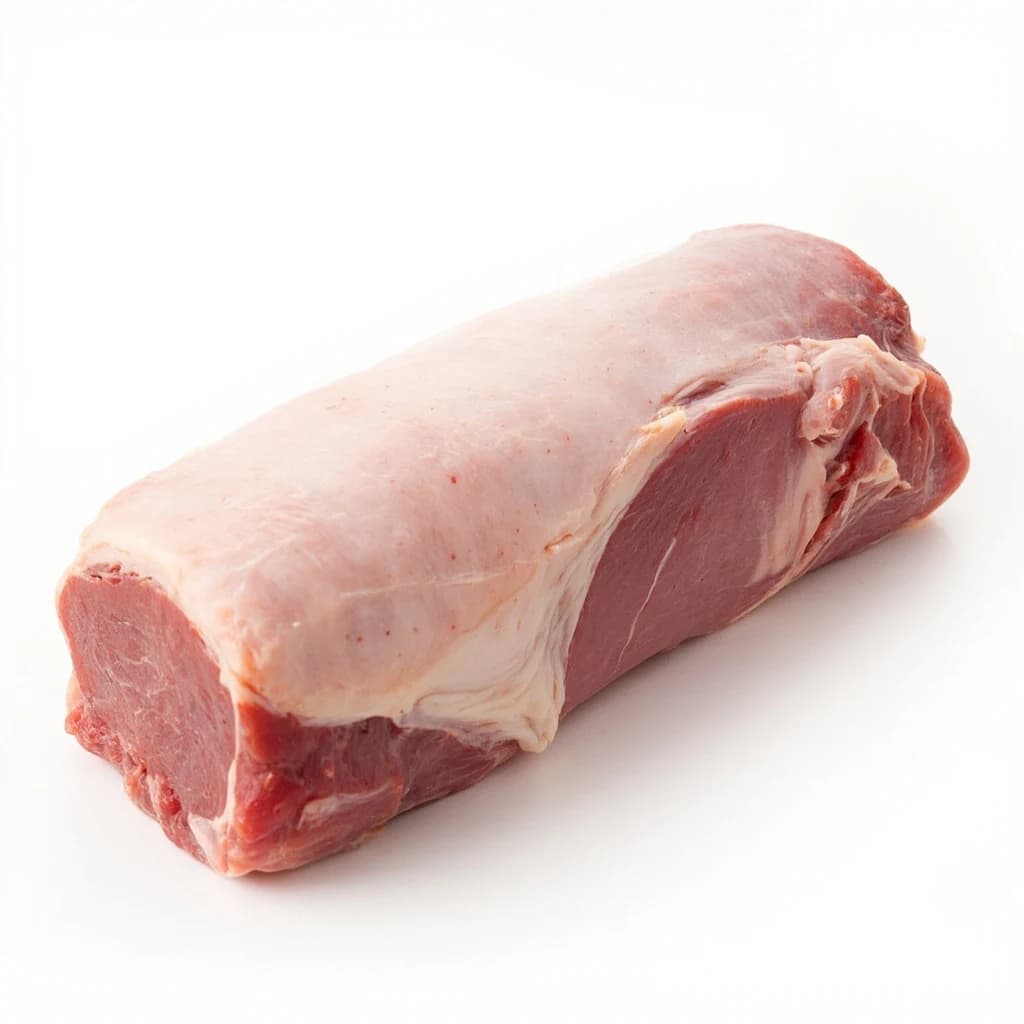
Pork Loin
Lean, tender roasting cut that stays juicy with care
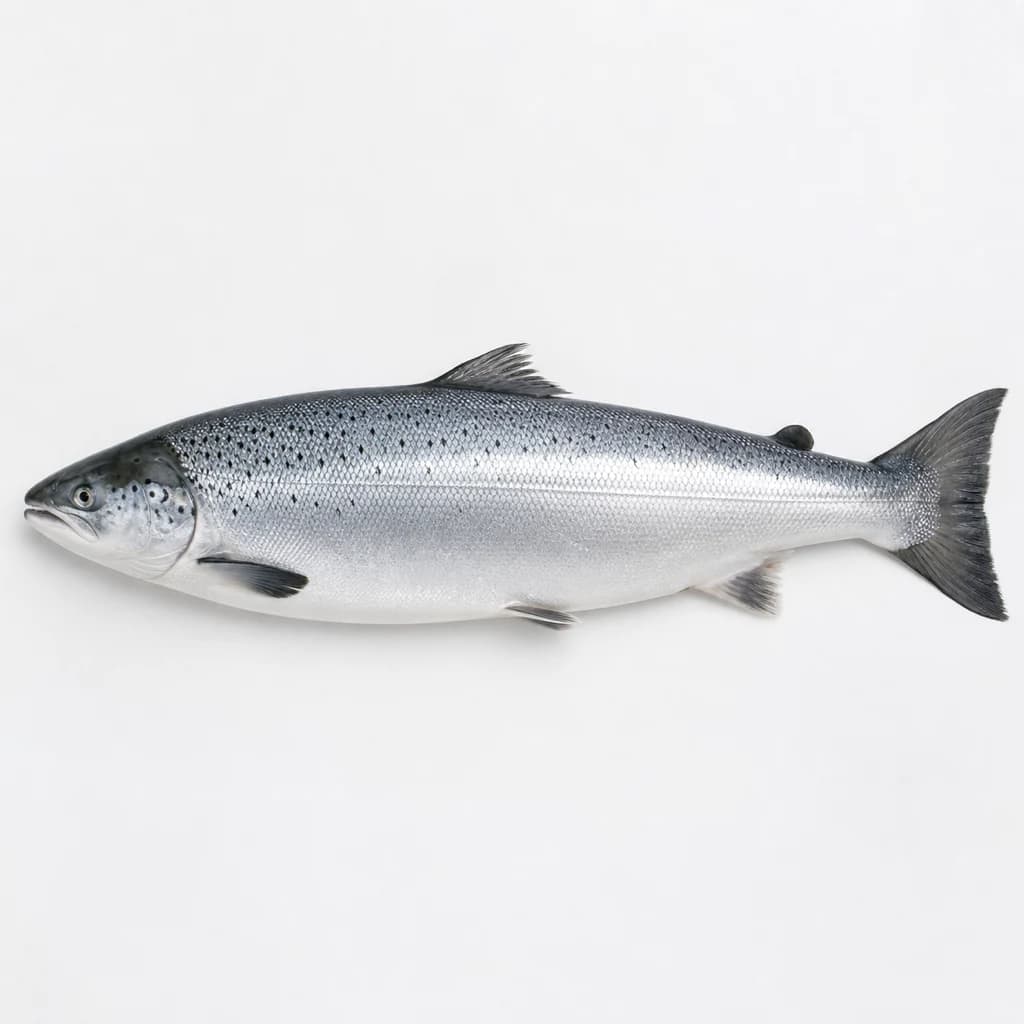
Salmon
Rich, rosy fish that roasts, grills, or cures beautifully

Egg White
Pure protein that whips to airy peaks for meringue and more

Egg Yolk
Rich, golden yolk for custards, mayonnaise, and pasta

Quail Egg
Tiny, speckled eggs for garnishing and elegant bites