
Stored
Canned tuna sold in two common formats: the short round tin and the tall rectangular can.
Shows the physical product as a shopper encounters it, teaching both container types at a glance.
Proteins
Canned Tuna
Shelf-stable cooked tuna in oil or water — a quick protein for salads, pastas, sandwiches, and bakes.
Canned tuna is cooked, flaked tuna packed in oil, brine, or water for long shelf life. It is a fast, affordable protein folded into salads, pasta, sandwiches, and casseroles around the world. Oil-packed tuna is richer and moister, while water-packed is leaner with a cleaner flavor.
Canned tuna is one of the most universally used shelf-stable proteins in the world kitchen. The canning process, industrialized during World War I for military rations, cooks the fish twice—first to ease filleting, then again inside the sealed can under steam pressure at 240–270°F. This double cooking produces the tender, flaky texture that defines the product. Skipjack accounts for roughly 60% of the global catch and most "light" label cans; albacore, sold as "white" or "chunk white," commands premium pricing for its milder flavor, sweeter taste, and firmer, larger flakes. Tuna packed in olive oil—particularly from Mediterranean brands—is generally considered superior in flavor and is worth the premium when the tuna is the star of the dish. Nutritional profiles vary significantly: oil-packed albacore delivers the most omega-3 fatty acids but adds 8–15g of dietary fat per serving, while water-packed skipjack offers the leanest option at under 1g fat. Sustainability is a genuine concern—overfishing affects some populations—and consumers should seek MSC-certified products or those with pole-and-line or troll-caught sourcing to minimize bycatch.
- Measured in
- g
- Storage
- Pantry
Allergens
Types & varieties
Mostly skipjack; flakier texture, stronger fishy flavor, darker color; most affordable; ideal for cooked dishes, salads, and casseroles
Albacore species; milder, sweeter flavor; firmer, larger flakes; lighter color; better for sandwiches, salads, and dishes where tuna is the star
Whole or large pieces of tuna; intact but cooked; best appearance for plated dishes; pricier
Smaller pieces that pack together; versatile; most common retail format; good for salads and sandwiches
Smallest pieces; most broken down; economical; works well in sauces, pastas, and casseroles
Irregular pieces that fall apart easily; often a value option; good for salads and quick dishes
Richest flavor, moist texture; oil carries fat-soluble compounds; drain for most uses; premium quality often from Mediterranean sources
Neutral-flavored oil; less expensive than olive oil; still adds richness compared to water-pack
Lowest calorie option; cleaner taste; requires seasoning as base is mild; easiest to season; most common for health-conscious consumers
Saltier liquid; adds intensity; can be rinsed briefly if too salty; good for savory applications
Water-packed with no sodium added; requires seasoning; useful for low-sodium diets
Cooked in foil pouches rather than cans; often higher quality; longer shelf life; lighter to ship; premium brands use this format
Oil-Pack vs. Water-Pack: Which to Choose
The packing medium profoundly affects flavor, nutrition, and how the tuna behaves in a recipe. Oil-packed tuna—especially in olive oil—has a richer, more luxurious mouthfeel and deeper flavor, with the oil carrying fat-soluble compounds that water simply cannot. Drain it for most applications, but reserve a spoonful of the oil to toss with pasta or dress a salad. Water-pack is the better choice when you want to control seasoning from scratch, when fat content matters, or when the tuna plays a supporting role in a dish with strong flavors of its own. Water-packed tuna is not inherently bland—it simply requires aggressive seasoning with acid, salt, and aromatics to come alive.
- Use oil-packed in pasta, grain bowls, and any dish where tuna is the centerpiece
- Use water-packed in casseroles, salads with acidic dressings, and low-fat preparations
- Rinse briefly if using brine-pack to reduce sodium intensity
- No-salt-added varieties require full seasoning but offer the most control over sodium intake
Sustainability and Sourcing
Not all canned tuna is created equal in terms of environmental impact. Skipjack populations are generally healthier than albacore, which faces greater fishing pressure. Look for cans bearing the Marine Stewardship Council (MSC) blue ecolabel, or labels specifying pole-and-line or troll-caught methods. These fishing techniques dramatically reduce bycatch—the capture of non-target species including dolphins, sea turtles, and sharks—that plagues industrial purse-seine nets. Canned tuna from Thailand and Japan represents a wide quality and sustainability range; European brands, particularly Spanish and Italian ones, tend toward higher quality standards but come at a higher price. Pouched tuna, while not technically canned, often represents a step up in quality because the cooking process in foil pouches is gentler on the flesh.
- MSC-certified or pole-and-line/troll-caught sourcing is worth seeking out
- Albacore tends to accumulate more mercury than skipjack; check advisories for pregnant women and children
- Pouched tuna often has better texture and flavor than standard canned, especially from premium brands
- Avoid products from fisheries with documented dolphin-unsafe practices
Common uses
Tips & pitfalls
- Drain thoroughly — press firmly with a fork or use a mesh strainer; excess liquid will dilute dressings and make salads sloppy
- Pat dry after draining if making salads or patties — prevents dilution and keeps the dressing from watering out
- Flake apart while warm — tuna separates into natural flakes more easily when not cold and firm from the fridge
- Season water-packed tuna more aggressively — it has a blander base than oil-packed and needs acid (lemon), salt, and aromatics
- Use oil-packed tuna in pasta without draining completely — reserve a spoonful of oil to toss with the pasta
- For sandwiches, mix the salad while the tuna is slightly warm — it absorbs dressing better and the result is less dry
- Don't overmix tuna salad — fold gently until just combined; overworking turns it paste-like and dense
- Add umami boosters to elevate simple preparations — Worcestershire, anchovy paste, white miso, or a splash of fish sauce
- Let tuna salad rest 30 minutes before serving — flavors meld and improve; it is even better the next day
- Avoid aluminum contact for leftover storage — transfer to glass or plastic; acid in tuna can react with exposed metal can rims
- Check for bones even in canned tuna — albacore in particular may have small pin bones that should be removed
- Season casseroles and bakes well — the dish needs more salt than expected because the tuna itself is mild
- Toast breadcrumbs separately if making a crusty topping — adds crunch and prevents a soggy topping
- For best quality and sustainability, look for MSC-certified or pole-and-line/troll-caught products
- Rehydrate bonito flakes separately if using in Japanese-style dishes — this is a different product entirely from canned tuna
Nutrition
Nutrition
No USDA FoodData Central match for Canned Tuna yet. We surface a per-100 g profile once a generic whole-food entry is matched and verified.
In the shops
Matched grocery products
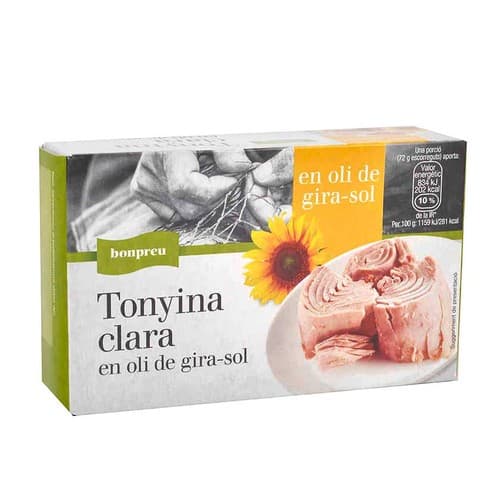 €1.19
€1.19Light Tuna in Sunflower Oil
BONPREU · kg · Bonpreu
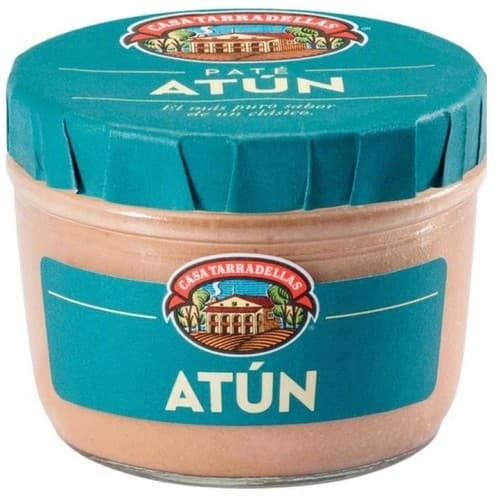 €1.39
€1.39Casa Tarradellas Tuna Paté
CASA TARRADELLAS · kg · Bonpreu
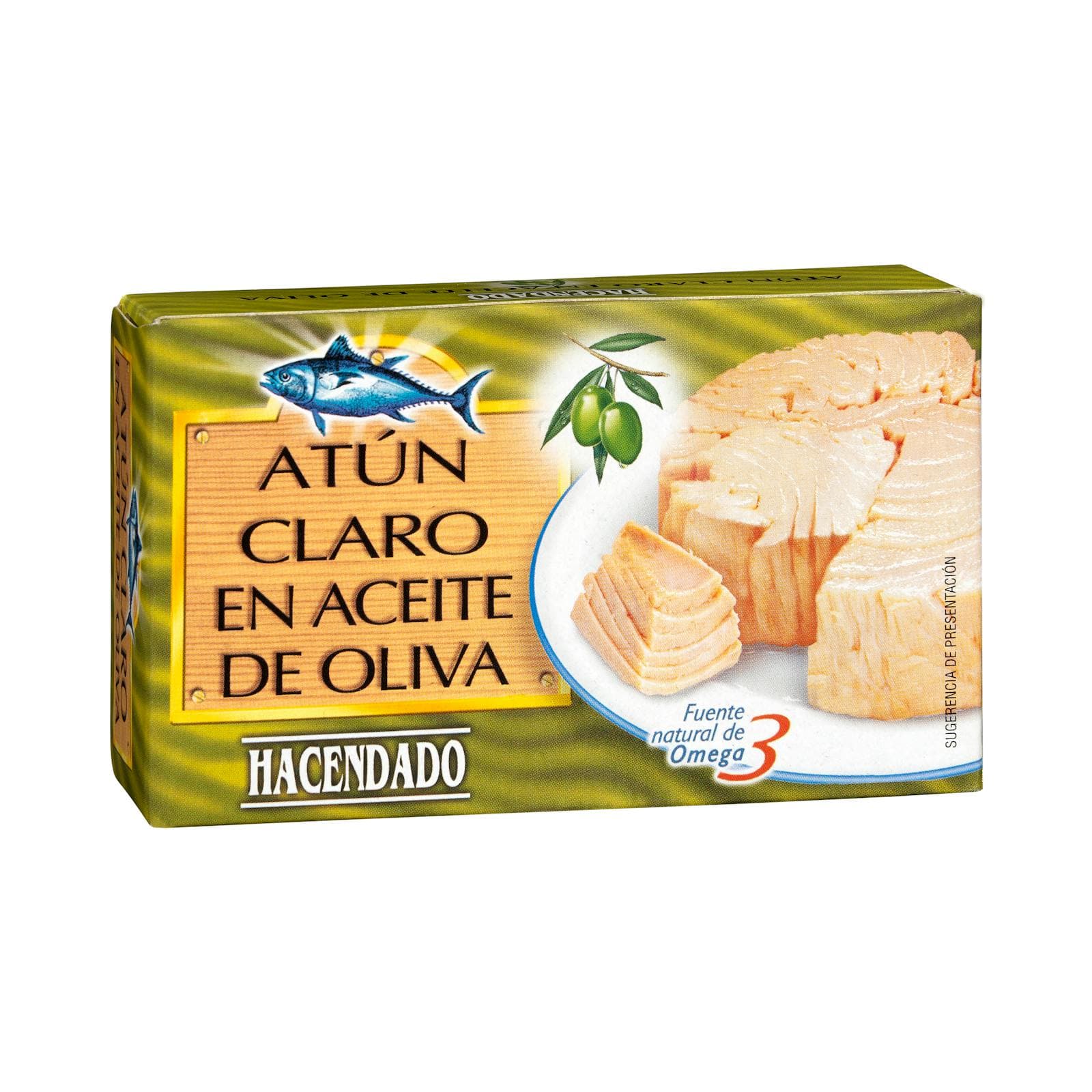 €1.55
€1.55Light Tuna in Olive Oil
Hacendado · 111 g · Mercadona
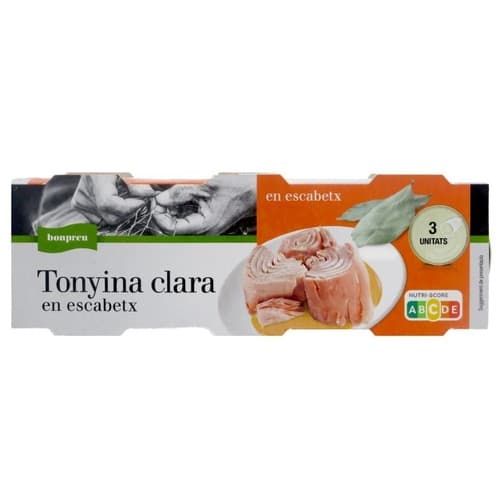 €2.35
€2.35Clear Tuna in Escabeche in a 3-unit Pack
BONPREU · kg · Bonpreu
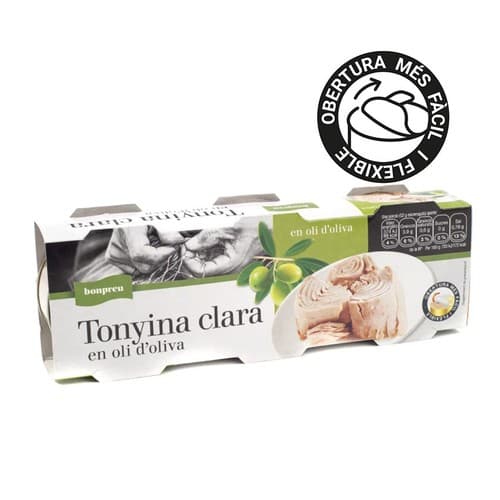 €2.69
€2.69Light Tuna in Olive Oil
BONPREU · kg · Bonpreu
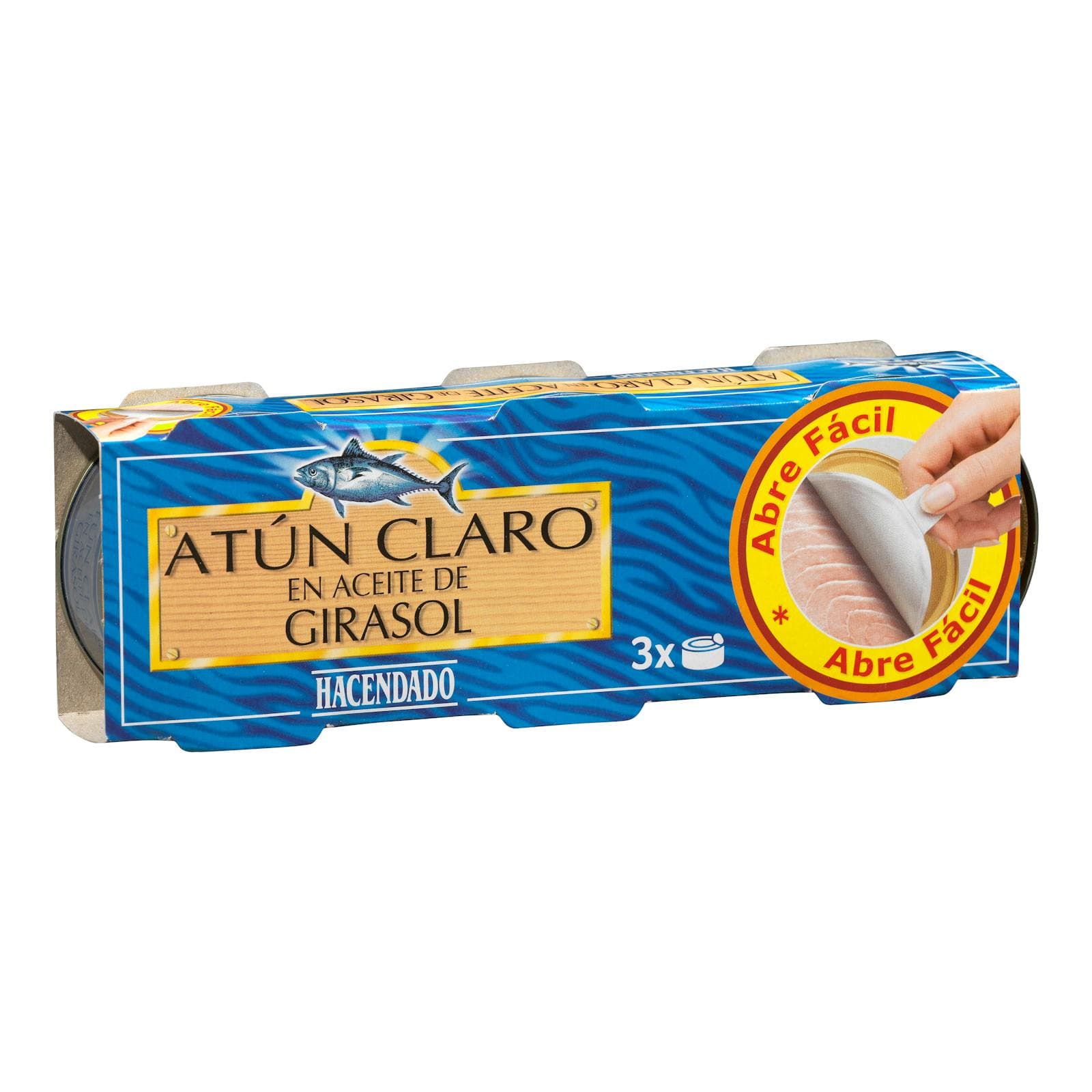 €2.70
€2.70Light Tuna in Sunflower Oil
Hacendado · 240 g · Mercadona
Good to know
- Common Species
- Skipjack (light tuna), Albacore (white tuna), Yellowfin (sometimes used for white)
- Primary Producers
- Thailand, Japan, Spain, Italy, United States, Ecuador
- Canning Method
- Fish is cooked, cleaned, packed with liquid, sealed, and heat-processed (retorted) at 240–270°F
- Protein Content
- 20–30g per 3-oz (85g) serving, depending on type and packing medium
- Omega-3 Content
- Varies by species; skipjack ~200mg, albacore ~1000mg per serving; oil-packed retains more
- Shelf Life
- Unopened: 2–5 years (check stamped date); opened: 1–3 days refrigerated in airtight container
- Fat Content
- Oil-packed: 8–15g fat per serving; water-packed: 0.5–1g fat per serving
- Sodium Content
- Water-packed: 200–400mg; oil-packed in brine: 400–600mg; reduced-sodium varieties available
- Storage After Opening
- Transfer unused portion to glass or plastic container; cover with fresh water or oil to keep moist if planning to use within a day or two
- Drained Yield
- One 5-oz (142g) can yields approximately 3–4 oz (85–115g) drained tuna
Substitutes
- Canned Salmon — Pink salmon works best; similar texture, stronger flavor; remove skin and bones or leave for added nutrition; good 1:1 swap in most preparations
- Canned Sardines — Smaller fish, stronger flavor, softer texture; mash for salads or use whole in pasta; good for Mediterranean-style dishes
- Canned Mackerel — Richer, oilier, and more strongly flavored; excellent for Japanese-style preparations; 1:1 swap in salads and pasta
- Canned Herring — Smaller, stronger-flavored fish; good in salads and as a sandwich filling; can be pickled or plain
- Canned Smoked Oysters — Very different flavor but works in Asian-style preparations; adds smoky depth
- Rotisserie Chicken — Not a flavor match but provides similar protein and neutral taste for chicken salad-style preparations
- Roasted Chickpeas — Plant-based substitute with similar texture in chunky salads; crush partially for binding
- Tempeh or Firm Tofu — Plant-based alternative; press and season aggressively; best in salads and sandwich spreads
- Fresh Tuna Steak — For seared or grilled preparations only; entirely different texture and cooking method; not suitable for salads or casseroles
Pairs with
Also called
Tinned Tuna
Appears in these dishes
Related
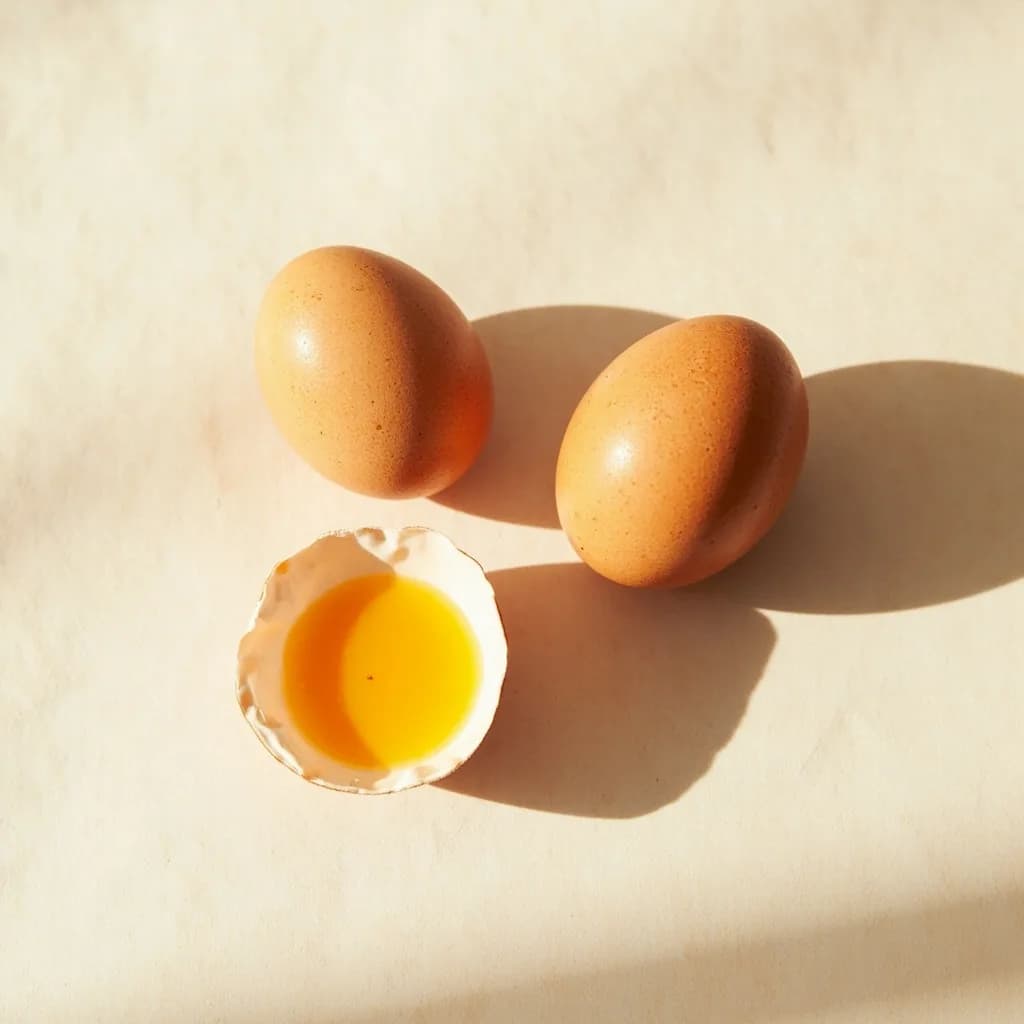
Egg
The kitchen's everything ingredient — bind, leaven, enrich, or fry
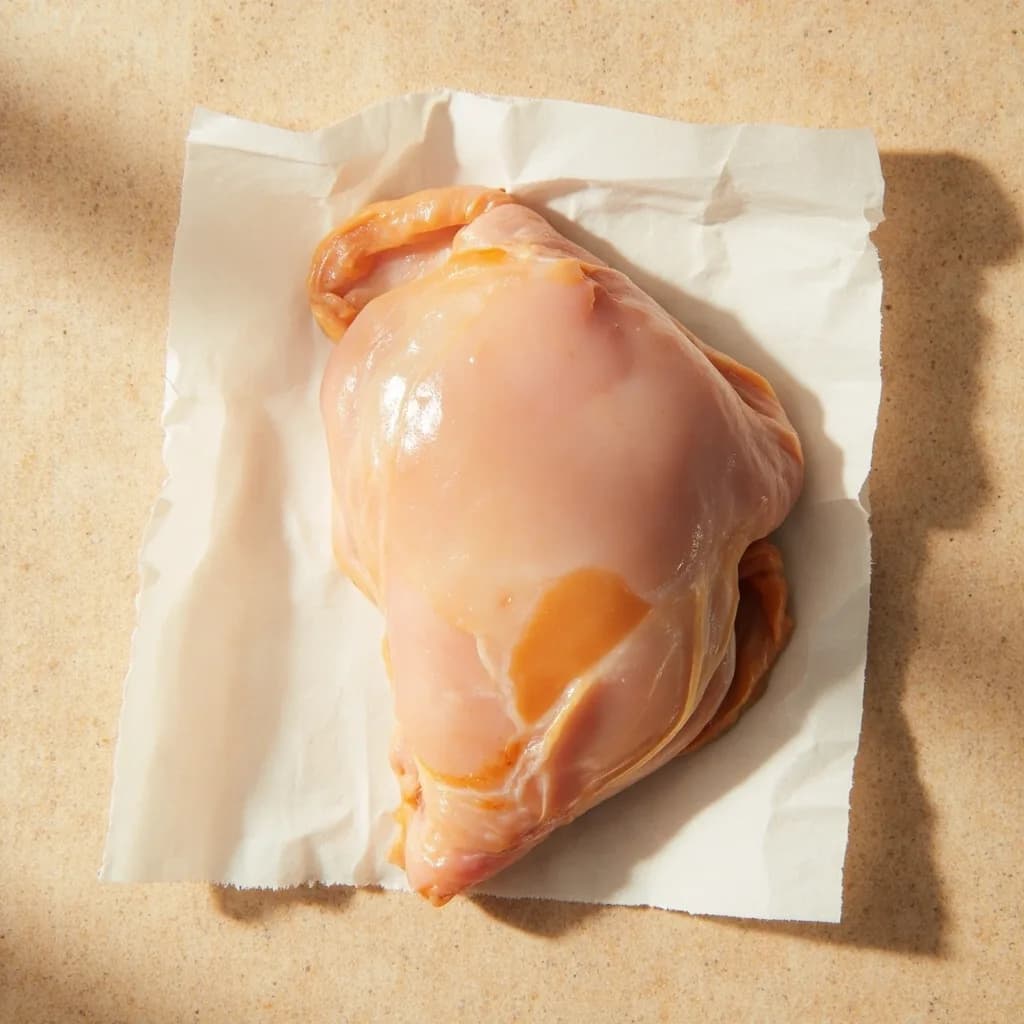
Chicken Breast
Lean, quick-cooking white meat for everyday dinners

Ground Beef
Versatile minced beef for burgers, ragù, tacos, and meatballs
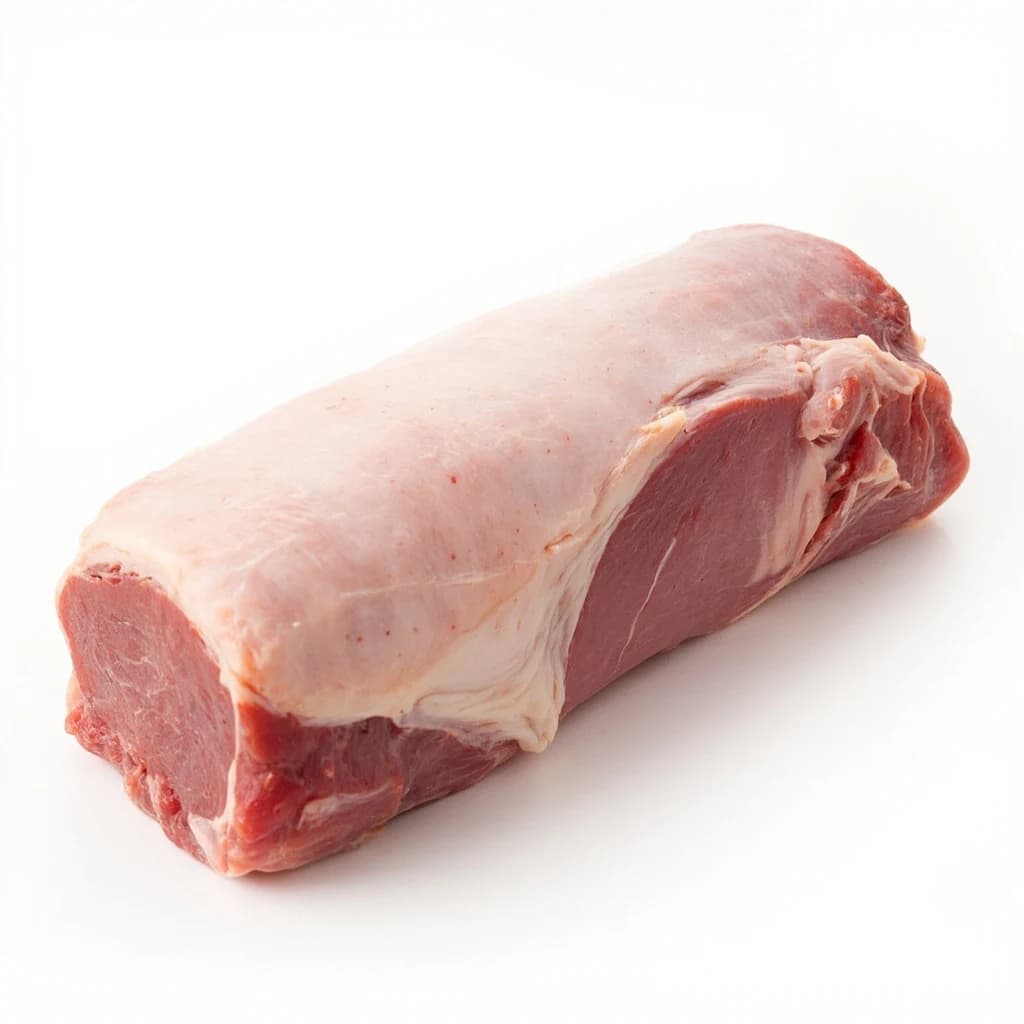
Pork Loin
Lean, tender roasting cut that stays juicy with care
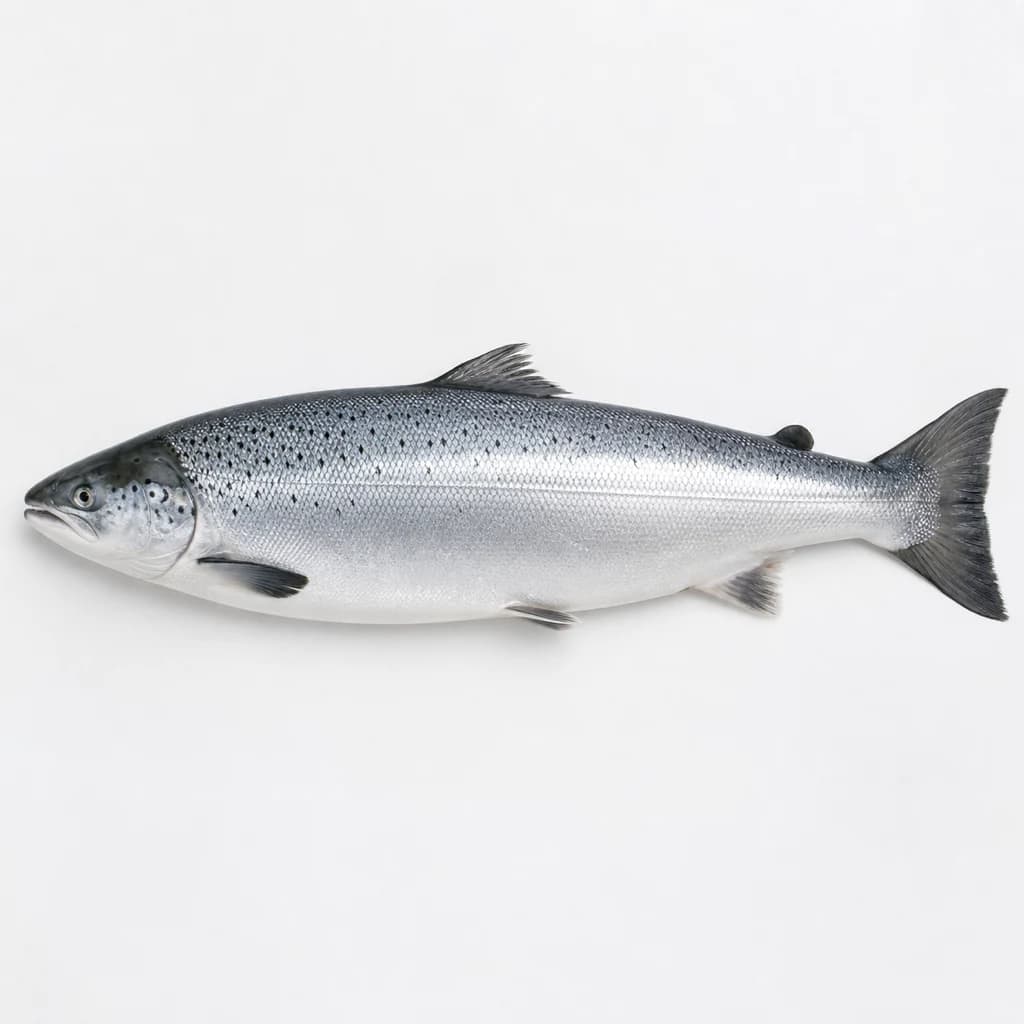
Salmon
Rich, rosy fish that roasts, grills, or cures beautifully

Egg White
Pure protein that whips to airy peaks for meringue and more
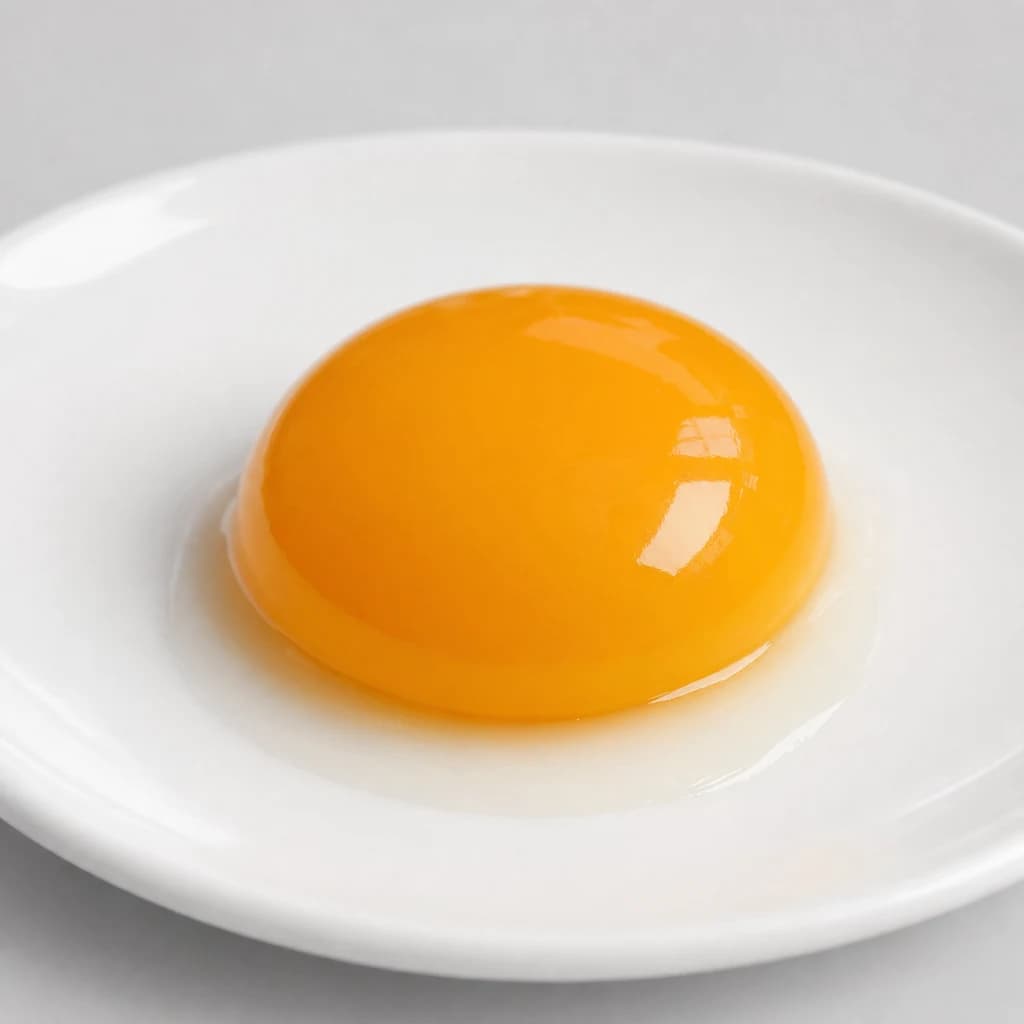
Egg Yolk
Rich, golden yolk for custards, mayonnaise, and pasta

Quail Egg
Tiny, speckled eggs for garnishing and elegant bites