Proteins
Canned Pilchards
Tinned mature sardines packed in tomato sauce or oil; an affordable, ready protein for quick meals.
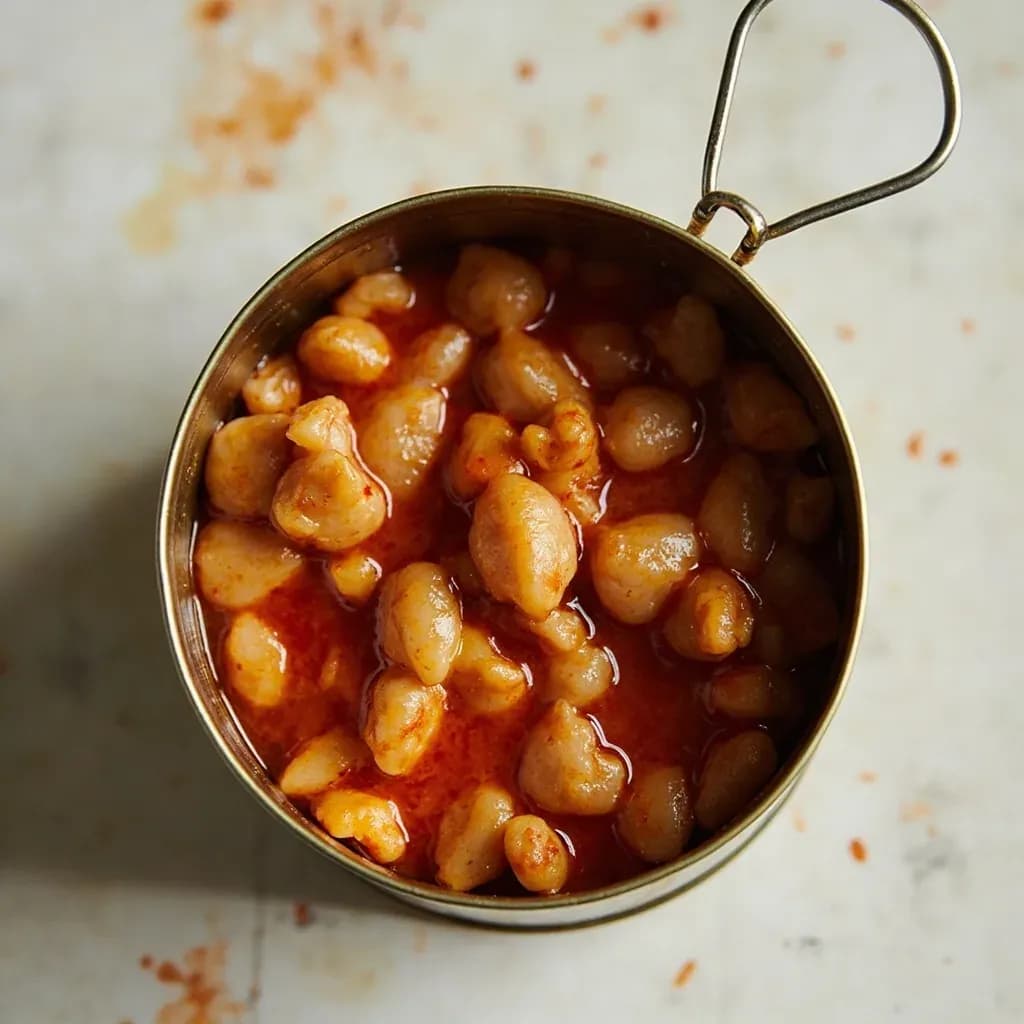
Canned pilchards are mature sardines preserved in cans, usually in tomato sauce, brine, or oil. They are a budget-friendly pantry protein eaten straight from the tin, mashed onto bread, or stirred into stews and curries, and are especially popular in Southern African and British cooking. Rich in omega-3 fats and soft enough to eat bones-and-all, they offer a strong, savory fish flavor.
Canned pilchards are mature sardines, larger and meatier than their juvenile counterparts, sealed in tomato sauce, olive oil, sunflower oil, brine, or other mediums. The terms pilchard and sardine overlap confusingly across regions: in the United Kingdom and South Africa, pilchard denotes the larger, fully grown fish, while in the United States the term is rarely used at all. The fish most commonly canned as pilchard come from two principal species — Sardinops sagax in the Pacific and Sardina pilchardus in the Atlantic — with major producing regions including South Africa, Portugal, Morocco, Japan, Chile, and Peru. The canning process uses retort sterilization, cooking the fish fully under high heat and creating the characteristic long shelf life of two to five years unopened.
What sets pilchards apart from smaller canned sardines is their firm, substantial flesh. The small vertebrae and pin bones remain soft during processing and are entirely edible — they contribute meaningful calcium and are best left in place unless a smoother texture is specifically required. The flavor is assertively savory and umami-rich, with a mildly fishy character that holds its own against bold companions. The canning medium shapes the finished dish significantly: tomato sauce brings sweetness and a vibrant color ideal for toast and pasta, while olive oil adds richness and produces a cooking fat worth saving for later use.
Pilchards occupy a practical middle ground in the pantry — more substantial than delicate sardines, more economical than many fresh proteins, and far more forgiving in the pan than delicate fish. Their assertiveness is a strength, not a flaw: properly paired and seasoned, they deliver a depth of flavor that milder canned fish simply cannot match. The strong umami character that some find polarizing is exactly what makes them extraordinary in dishes that benefit from a bold, savory backbone — and it is easily tamed with a squeeze of lemon or a brief soak for those who prefer restraint.
- Measured in
- g
- Storage
- Pantry
Allergens
Types & varieties
Most common variety; sweet-savory sauce with vibrant red-orange color; dominant in South Africa and UK markets
Richer mouthfeel; the oil is worth saving and using for cooking or as a finishing fat; Spanish and Portuguese varieties common
Lighter flavor than olive oil; more affordable tier; perfectly suitable for cooked dishes and salads
Deeply flavored with a perceptible smoky note; often packed in oil; less widely available but worth seeking out
Regional variant popular in South African and Indian Ocean markets; brings heat and aromatic complexity
Some cans contain whole fish (head and gut removed); others contain boneless fillets; whole rounds generally have deeper flavor
Why Canned Pilchards Deserve Serious Attention
Pilchards are often dismissed as a humble or old-fashioned ingredient, but they earn serious respect in any practical kitchen. They deliver protein, omega-3 fatty acids, and calcium from edible bones at a cost per gram of protein that few other sources can match. Unlike fresh fish, they require no preparation, no scaling, and no bones to pick around — the work is done. The retort canning process fully cooks the fish, making it shelf-stable and ready to use straight from the can. For quick weeknight cooking, this reliability is invaluable.
The flavor profile is what separates pilchards from the crowd. Where canned tuna is mild and anonymous, and smaller sardines are delicate, pilchards bring a frank, savory intensity that anchors dishes rather than disappearing into them. This assertiveness is not a flaw — it is the product's defining asset. When balanced with acid, fat, and fresh herbs, pilchards become the most exciting thing on the plate. When used carelessly — undrained, unseasoned, and overlooked — they can dominate a dish in ways that feel one-dimensional. The cook's job is to direct that intensity, not eliminate it.
- South Africa's Western Cape pilchard fishery is among the largest in the world; Lucky Star is the iconic national brand sold throughout Southern and East Africa
- Portuguese canned pilchards are exported globally and are prized for high-quality olive oil packing medium
- The canning process fully cooks the fish; re-heating is optional and should be done gently to avoid drying the flesh
- Strong flavor is a feature: use acid (lemon), fat (oil, butter), and bold companions (capers, brown sauce) to balance rather than mute
Understanding the Pilchard vs. Sardine Distinction
The naming confusion surrounding pilchards and sardines is regional, not biological. Both names refer to fish in the Clupeidae family, with 'pilchard' generally describing the larger, older individual fish and 'sardine' the smaller, younger ones. In practice this means that what one country calls a sardine, another may call a pilchard — and both could be correct. The practical implication for the cook is that 'pilchard' on a can signals a larger, meatier fish with firmer flesh and more robust flavor than a can simply labeled 'sardines.' This makes pilchards better suited to preparations where the fish needs to hold its shape or deliver a strong savory presence, while smaller sardines are preferable for lighter, more delicate applications like dressings or spreads where a subtle fish note is desired.
- Look for 'pilchard' on UK, South African, and Commonwealth cans for the larger, firmer fish
- US markets rarely use the term 'pilchard'; 'sardines' there may include larger fish comparable to European pilchards
- Size affects texture: larger fish have thicker fillets and more pronounced flavor; adjust seasoning accordingly
Common uses
Tips & pitfalls
- Inspect cans before purchase: reject any with dents, bulging lids, rust spots, or expired dates — these are signs of compromised integrity
- Drain canned pilchards over a bowl and reserve the oil or sauce — it is a seasoned cooking fat with real value in the kitchen
- Taste before adding salt: pilchards in tomato sauce are already quite salty; add seasoning gradually and adjust at the end
- Do not pick out the soft bones unless a smooth texture is specifically required — they are nutritious, edible, and invisible in most dishes
- To reduce fishiness, soak drained pilchards in fresh lemon juice or warm water for five minutes before using
- When making fish cakes or patties, squeeze cooked pilchards firmly to remove excess moisture — wet fish produce soggy, falling-apart patties
- Use pilchards the day after opening: leftover canned pilchards develop a noticeably stronger, more pronounced flavor overnight
- Heat gently and add late: overcooking dries the flesh and makes it crumbly; fold into sauces and dishes in the final minutes of cooking
- Seek out South African brands (Lucky Star) for premium quality — widely available at international grocery stores and considered the benchmark
- For smooth sauces and spreads, mash pilchards thoroughly with a fork rather than flaking — this distributes the fish evenly and integrates the bones
Nutrition
Energy
699 kJ · per 100 g
Where the calories come from
Protein
23.6g
47% DV
Carbs
0g
0% DV
Fat
7.4g
9% DV
Fiber
0g
0% DV
Sugars
0g
of which
Sodium
408mg
18% DV
Source · USDA FoodData Central · Fish, salmon, sockeye, canned, drained solids
View on FDC →In the shops
Matched grocery products
No matched grocery products for Canned Pilchards yet.
Good to know
- Common Names
- Pilchards, tin pilchards, tinned pilchards (UK); mature sardines, Atlantic sardines
- Scientific Name
- Sardinops sagax (Pacific) and Sardina pilchardus (Atlantic/European)
- Primary Producing Regions
- South Africa, Portugal, Morocco, Japan, Chile, Peru
- Canning Mediums
- Tomato sauce, olive oil, sunflower oil, brine, mustard sauce, curry sauce
- Nutritional Highlight
- High protein (~25g per 100g), omega-3 fatty acids, vitamin B12, selenium, calcium from soft edible bones
- Shelf Life (Unopened)
- 2–5 years from production date; store in a cool, dry place
- Shelf Life (Opened)
- 1–2 days refrigerated in an airtight container
- Bone Content
- Small, soft vertebrae and pin bones are fully edible; provide calcium; no need to remove for most preparations
- Typical Can Sizes
- Small (~85g individual); medium (~120–150g); large (~200g+ family size)
- Key Flavor Notes
- Umami-rich, savory, mildly fishy; sauce adds sweetness (tomato) or richness (oil); assertive compared to tuna or smaller sardines
- Texture
- Firm, meaty flesh that holds together under heat; flakes cleanly when bent; more substantial than juvenile sardines
Substitutes
- Canned Sardines — Smaller and slightly more delicate than pilchards; best direct substitute; use at a 1:1 ratio and expect a finer texture
- Canned Mackerel Fillets — Fattier and stronger-flavored; works in savory dishes, on toast, and in salads; adjust seasoning as needed
- Canned Tuna in Oil — Milder flavor and different texture; acceptable in salads and pasta but not ideal for traditional pilchard preparations
- Anchovy Fillets — Very salty and intensely flavored; better used as a flavor booster than a direct substitute; use sparingly
- Smoked Oysters in Oil — Similar oily texture and umami depth; works in Asian-inspired dishes and savory dips
Pairs with
Also called
Tinned Fish (Pilchards) · Canned Fish (Pilchards) · Tinned Pilchards · Canned Sardines
Appears in these dishes

Related
Egg
The kitchen's everything ingredient — bind, leaven, enrich, or fry
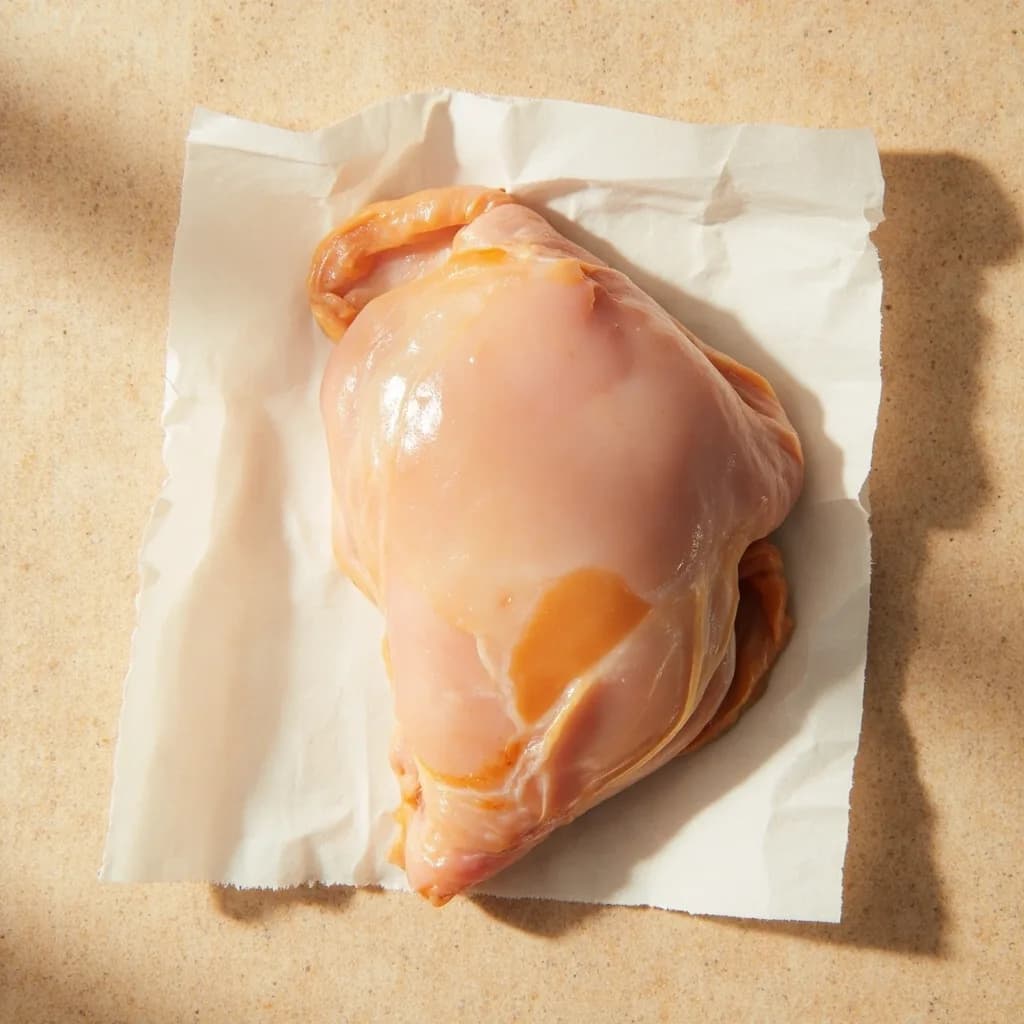
Chicken Breast
Lean, quick-cooking white meat for everyday dinners

Ground Beef
Versatile minced beef for burgers, ragù, tacos, and meatballs
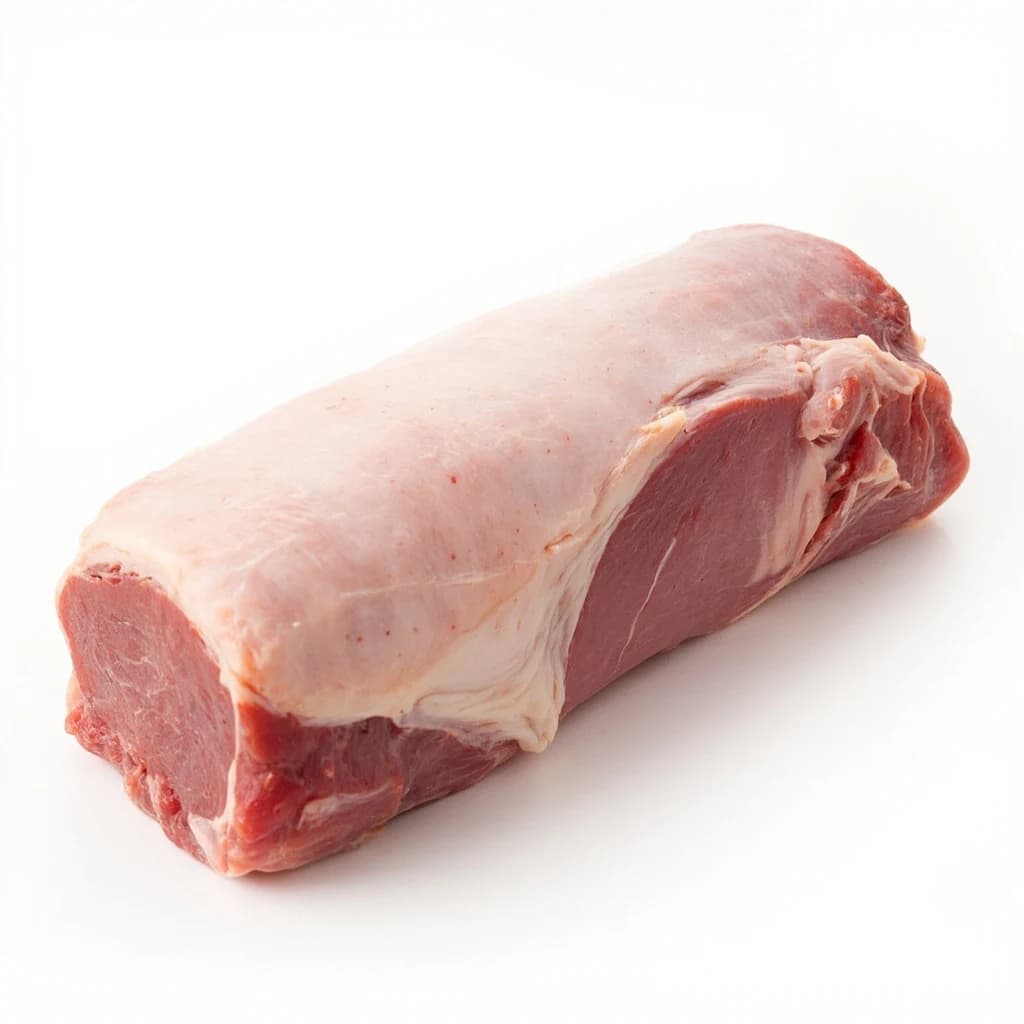
Pork Loin
Lean, tender roasting cut that stays juicy with care
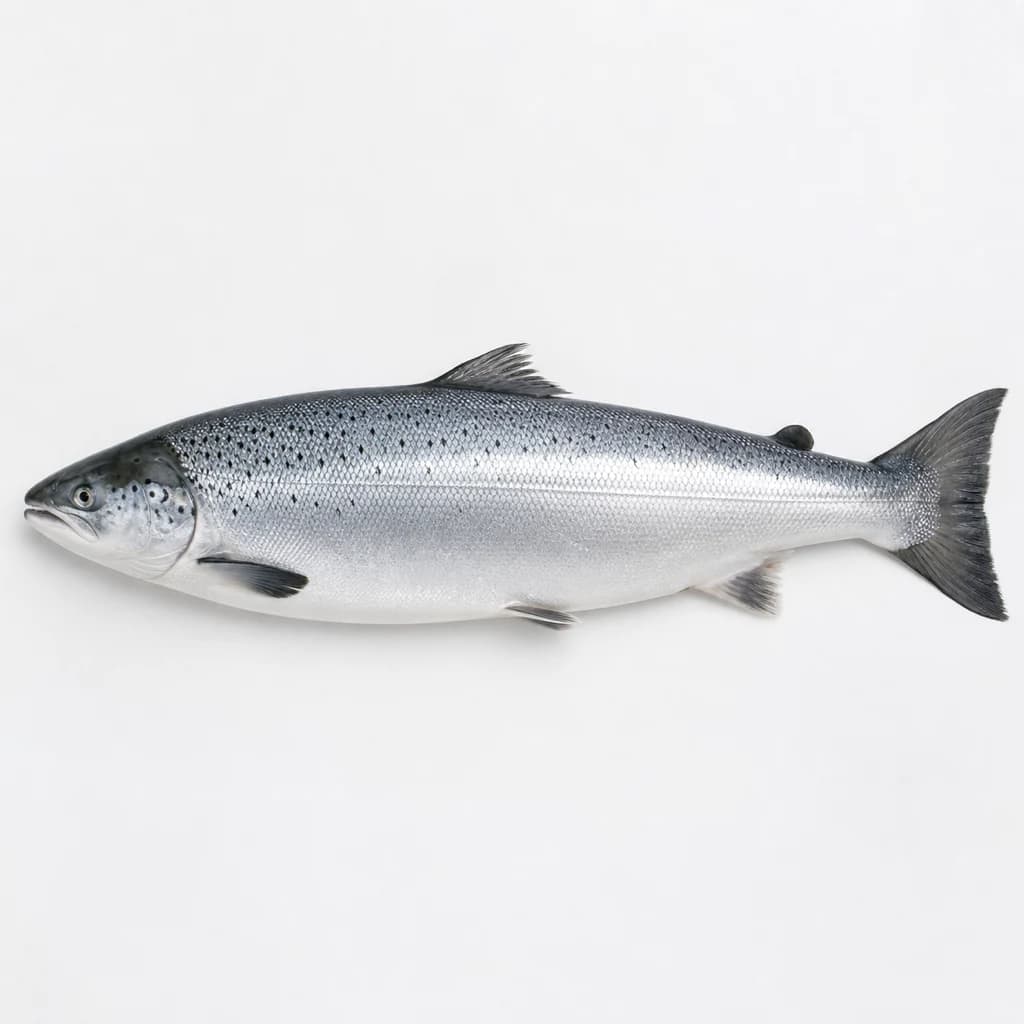
Salmon
Rich, rosy fish that roasts, grills, or cures beautifully

Egg White
Pure protein that whips to airy peaks for meringue and more

Egg Yolk
Rich, golden yolk for custards, mayonnaise, and pasta

Quail Egg
Tiny, speckled eggs for garnishing and elegant bites