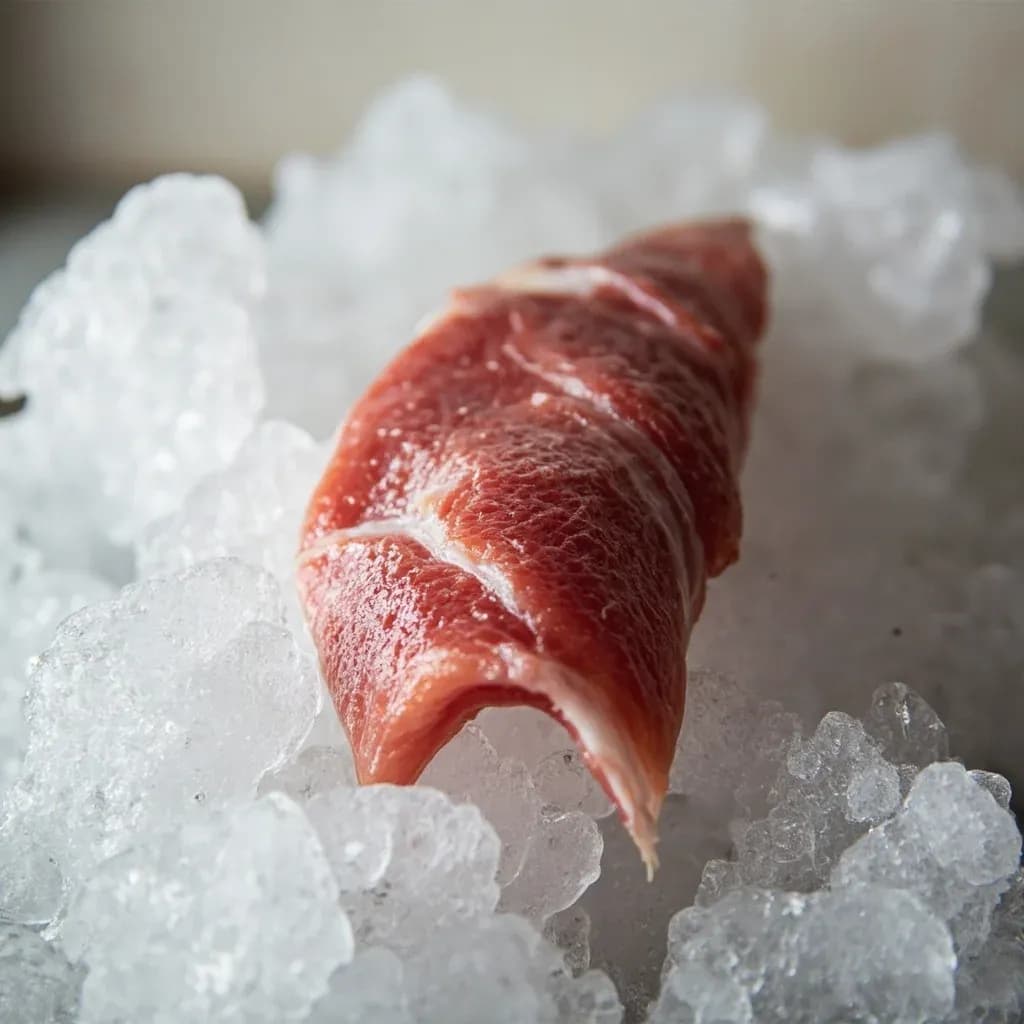
Proteins
Skipjack Tuna
Strongly flavored small tuna used canned, seared, or dried into katsuobushi.
Skipjack is a small, fast-swimming tuna with darker, robustly flavored flesh, the most common species in canned tuna. In Japanese cooking it is the source of katsuobushi (dried bonito flakes) that flavor dashi, and is also lightly seared as tataki. It is leaner and more intense than larger tunas.
Skipjack tuna (Katsuwonus pelamis) is the most abundant tuna species on Earth, accounting for roughly 60% of the global tuna catch. Despite its numerical dominance, skipjack is often overshadowed by more prized relatives—bluefin, yellowfin, and albacore. Yet within the tuna family, skipjack possesses the most assertively flavored flesh: dark, firm, and richly full-bodied. Its flavor is bolder and more direct than that of albacore or yellowfin, with a density that rewards confident cooking and punishes overcooking. The flesh is dark red when raw, transitioning to a grayish-brown when cooked—a color change that can alarm the uninitiated but indicates nothing about quality or safety. Skipjack is available in three primary market forms: fresh or frozen steaks, canned (where it comprises the bulk of 'chunk light' and 'skipjack' products), and dried into katsuobushi, the shaved bonito that forms the foundation of Japanese dashi and countless other preparations. With lower mercury levels than bluefin or bigeye, skipjack offers a more sustainable choice for health and ecological reasons alike. Its dense flesh—yielding approximately 50–55% edible meat after heading, gutting, and filleting—makes it a workhorse across cuisines from Mediterranean grilled steaks to Hawaiian poke to the shaved garnish adorning a bowl of ramen.
- Measured in
- g
- Storage
- Fridge
Allergens
Types & varieties
Hawaiian market name for skipjack; dominates Pacific Island commerce and menus
Alternate English common name
Regional name used in some eastern Atlantic fisheries
The dried, fermented, and smoked product made from skipjack; sold shaved or in blocks
The Katsuobushi Transformation
The conversion of skipjack into katsuobushi represents one of the most profound culinary transformations of any fish. Dark, strongly flavored flesh becomes delicate, papery shavings with a haunting smoky-umami character that defines Japanese cooking. The traditional process—repeated smoking and drying over weeks—concentrates glutamates into a potent source of umami that no other ingredient replicates. Shaved katsuobushi is the backbone of dashi, but it also finishes dishes, adorns soups, and punctuates salads with bursts of savoriness.
- Katsuobushi is also called bonite séchée in French-speaking markets
- True bonito flakes from this process offer more aroma than instant dashi powder
- The characteristic aroma develops during the second cold-smoking phase
Fresh vs. Canned: Understanding the Two Worlds
Most cooks encounter skipjack in two distinct forms, each demanding different technique. Canned skipjack—the dominant ingredient in 'chunk light' and 'skipjack' products—is fully cooked during canning and absorbs bold seasonings readily. It needs no further cooking and benefits from assertive flavor pairings. Fresh or frozen skipjack steaks require careful attention: the dense flesh dries out quickly, and the strong flavor demands confident seasoning. The grayish-brown color of cooked skipjack is natural and indicates nothing about quality.
- Fresh steaks keep 1–2 days refrigerated; frozen at -18°C (0°F) or below for up to 3 months
- Bring fresh steaks to room temperature before cooking for even results
- Never thaw frozen skipjack at room temperature—refrigerate overnight instead
Common uses
Tips & pitfalls
- Do not overcook: skipjack's dense flesh dries out quickly; aim for 120–125°F (49–52°C) internal for medium-rare at most
- For seared preparations, bring flesh nearly to room temperature before cooking to ensure even doneness
- When buying fresh, smell the gills (if present): clean ocean scent only; any ammonia or fishy odor indicates degradation
- For canned use, skipjack's strong flavor benefits from mayonnaise-based salads, assertive vinaigrettes, or bold preparations
- Avoid thawing frozen skipjack at room temperature; thaw slowly in the refrigerator overnight to preserve texture
- If substituting in a recipe calling for bluefin or yellowfin, reduce cooking time slightly due to skipjack's denser flesh
- Store fresh steaks on a bed of crushed ice in the coldest part of the refrigerator, not directly on ice
- The grayish-brown color of cooked skipjack is normal and expected—do not mistake it for spoilage
Nutrition
Energy
431 kJ · per 100 g
Where the calories come from
Protein
22g
44% DV
Carbs
0g
0% DV
Fat
1g
1% DV
Fiber
0g
0% DV
Sodium
37mg
2% DV
Source · USDA FoodData Central · approx. Fish, tuna, fresh, skipjack, raw
View on FDC →In the shops
Matched grocery products
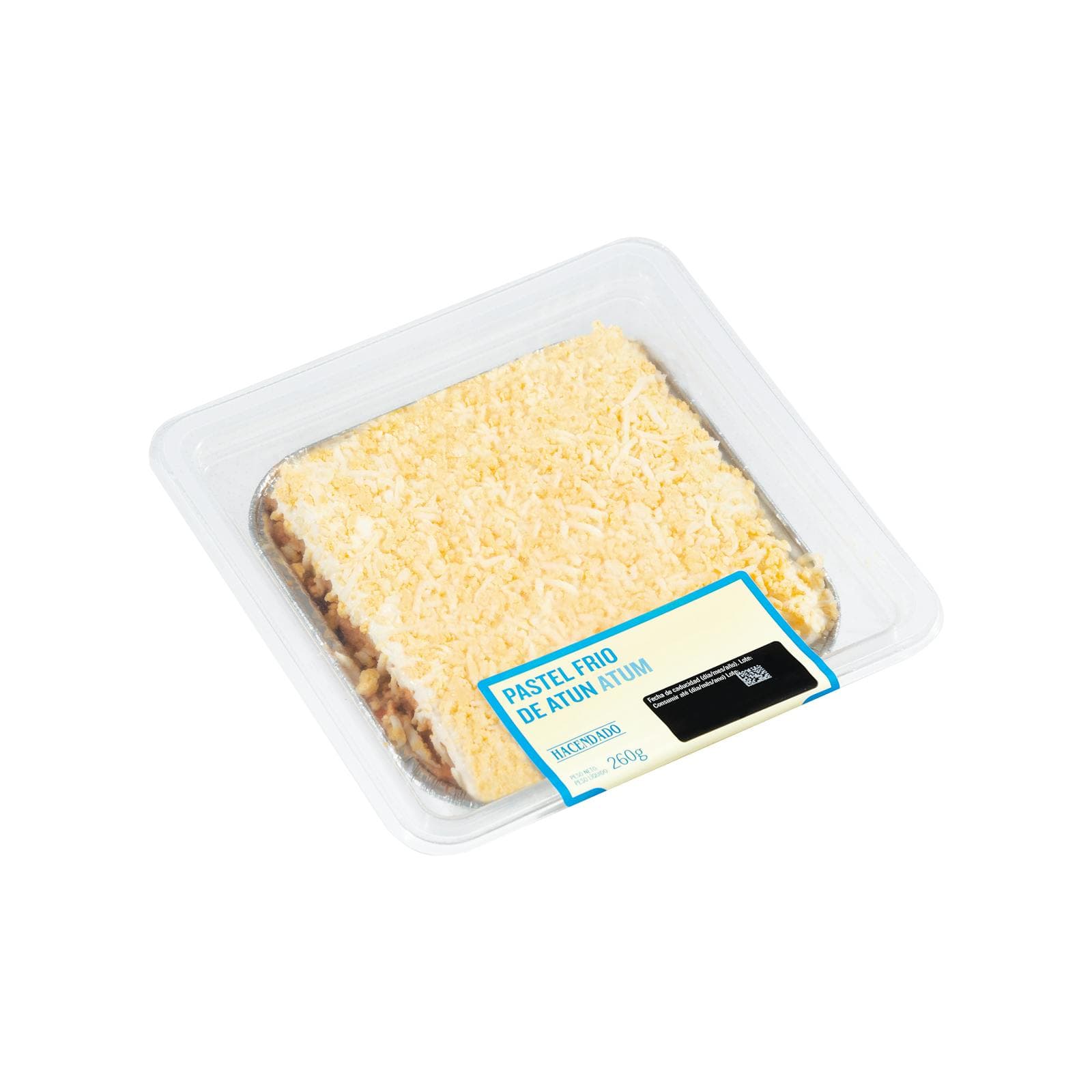 €2.90
€2.90Tuna Pie
Hacendado · 260 g · Mercadona
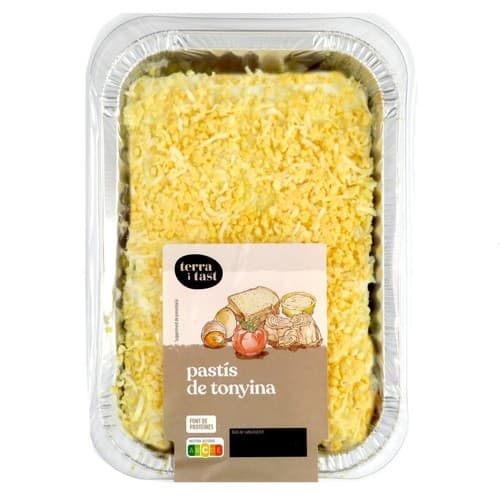 €4.99
€4.99Tuna Pie
TERRA I TAST · kg · Bonpreu
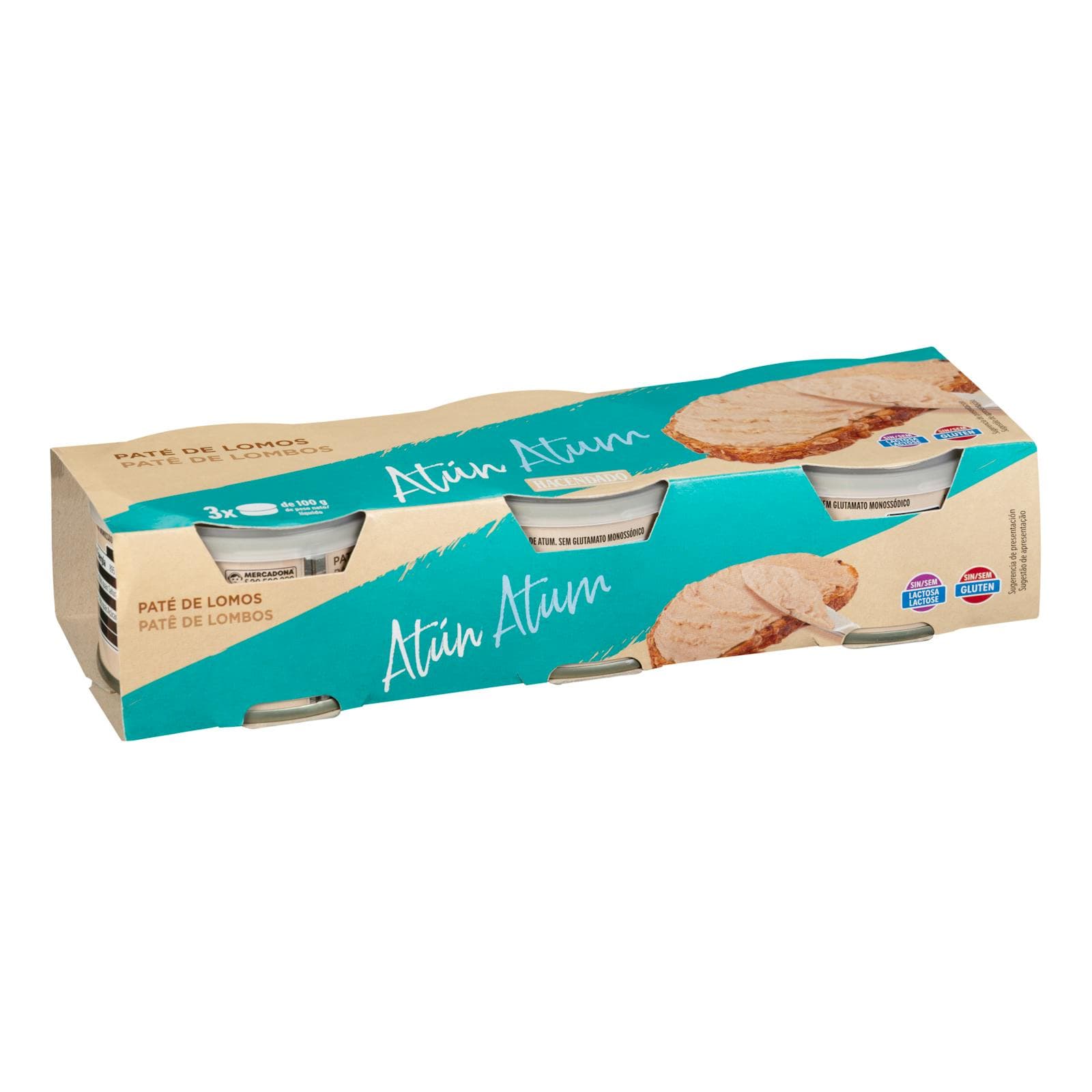 €2.30
€2.30Tuna Loin Paté
Hacendado · 300 g · Mercadona
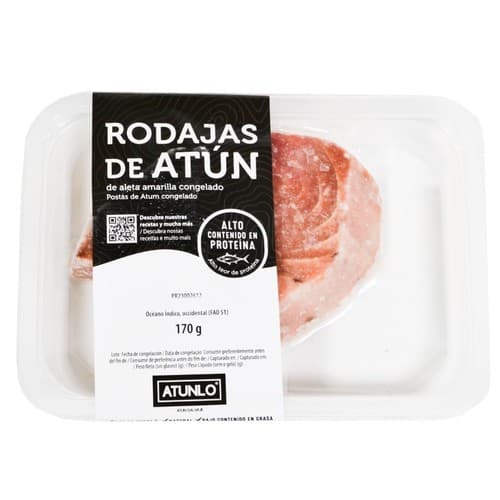 €3.25
€3.25Natural Tuna Rondanxa
ATUNLO · kg · Bonpreu
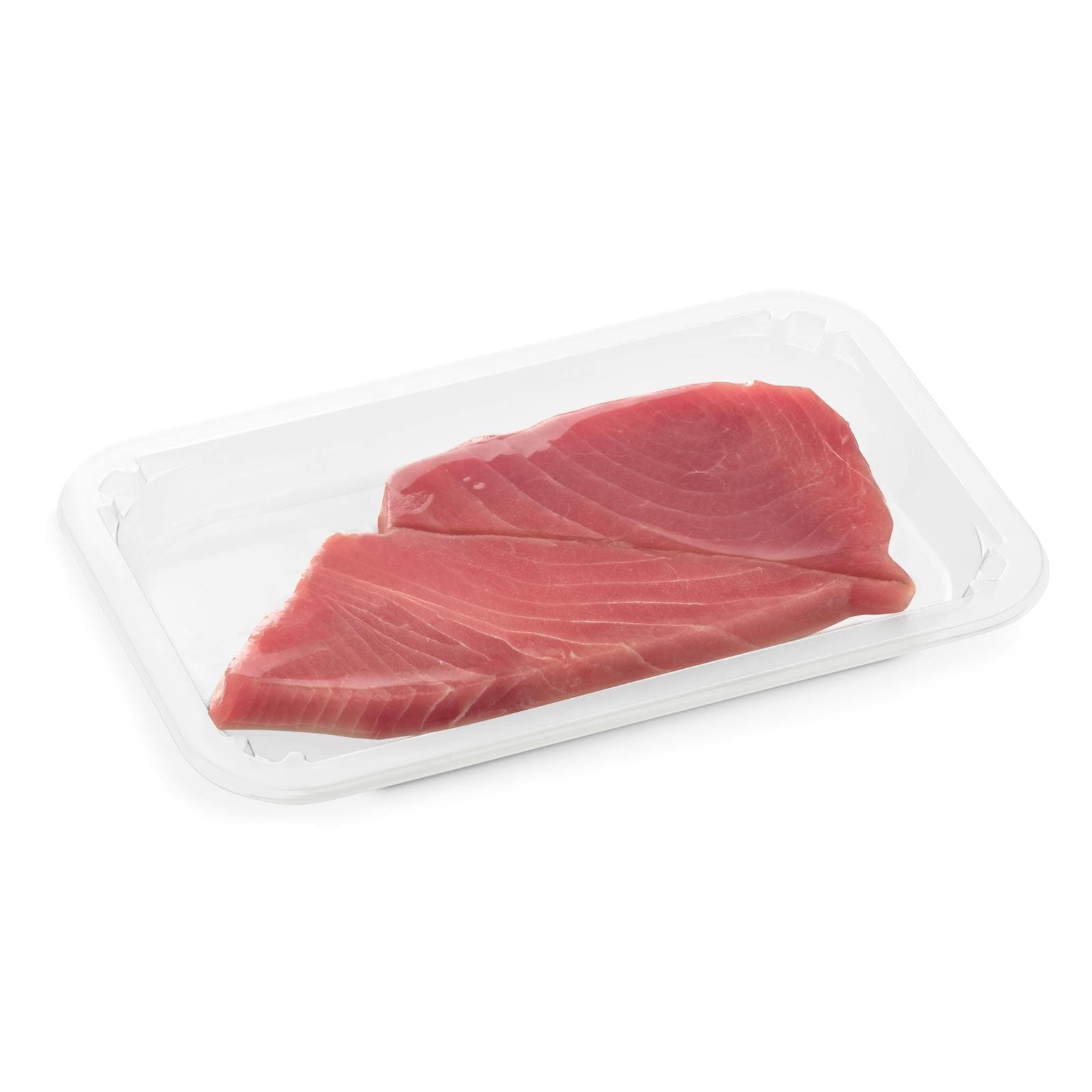 €5.37
€5.37Yellowfin Tuna Slices
235 g · Mercadona
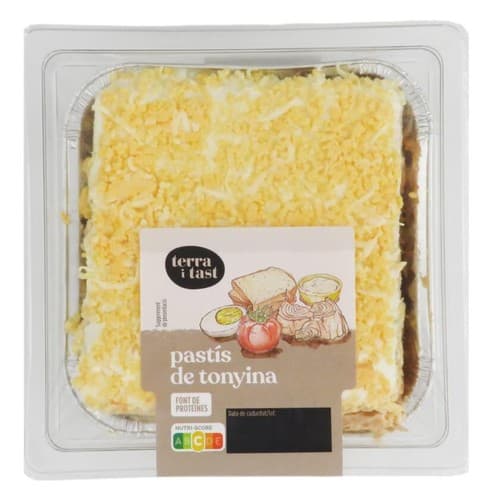 €2.99
€2.99Terra i Tast Tuna Cake
TERRA I TAST · kg · Bonpreu
Good to know
- Scientific name
- Katsuwonus pelamis
- Family
- Scombridae (mackerel family)
- Average size
- 20–30 inches (50–80 cm); 8–40 lbs (3.5–18 kg)
- Catch volume
- Most abundant tuna species; ~60% of global tuna catch
- Habitat
- Tropical and temperate oceanic waters worldwide
- Flesh color
- Dark red when raw; turns grayish-brown when cooked
- Texture
- Firm, dense; can become dry if overcooked
- Flavor
- Strong, bold, full-bodied; richer and more assertive than albacore or yellowfin
- Mercury level
- Lower than bluefin or bigeye; moderate among tunas
- Edible yield
- ~50–55% after heading, gutting, and filleting
Substitutes
- Yellowfin tuna (ahi) — Similar texture, milder flavor; reduce seasoning slightly; best for raw applications like sashimi and poke
- Bluefin tuna — Richer, fattier, more prized; use in same preparations; will be more expensive and slightly more delicate
- Albacore — Milder, lighter, and more delicate; not ideal for bold preparations; avoid in strongly seasoned dishes meant for skipjack
- Dogtooth tuna (giant tremolina) — Comparable intensity; denser texture; excellent for searing; availability varies regionally
- For katsuobushi: dashi powder or instant dashi granules — Convenience substitute; true bonito flakes offer fresher, more aromatic results
- Smoked herring or dried cod — For traditional European preparations calling for 'bonito'; similar smoky, umami depth
Pairs with
Also called
Kandumas · Bonito · Katsuo
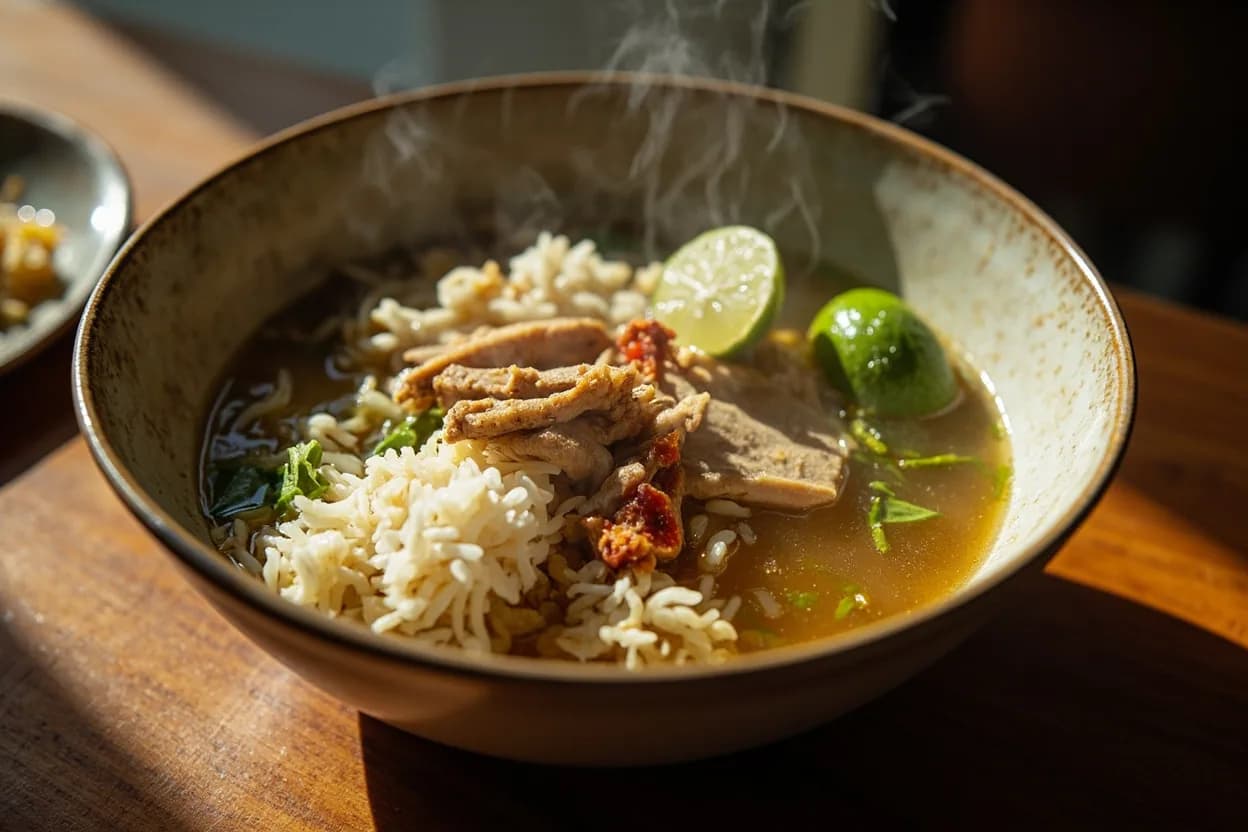
Appears in these dishes
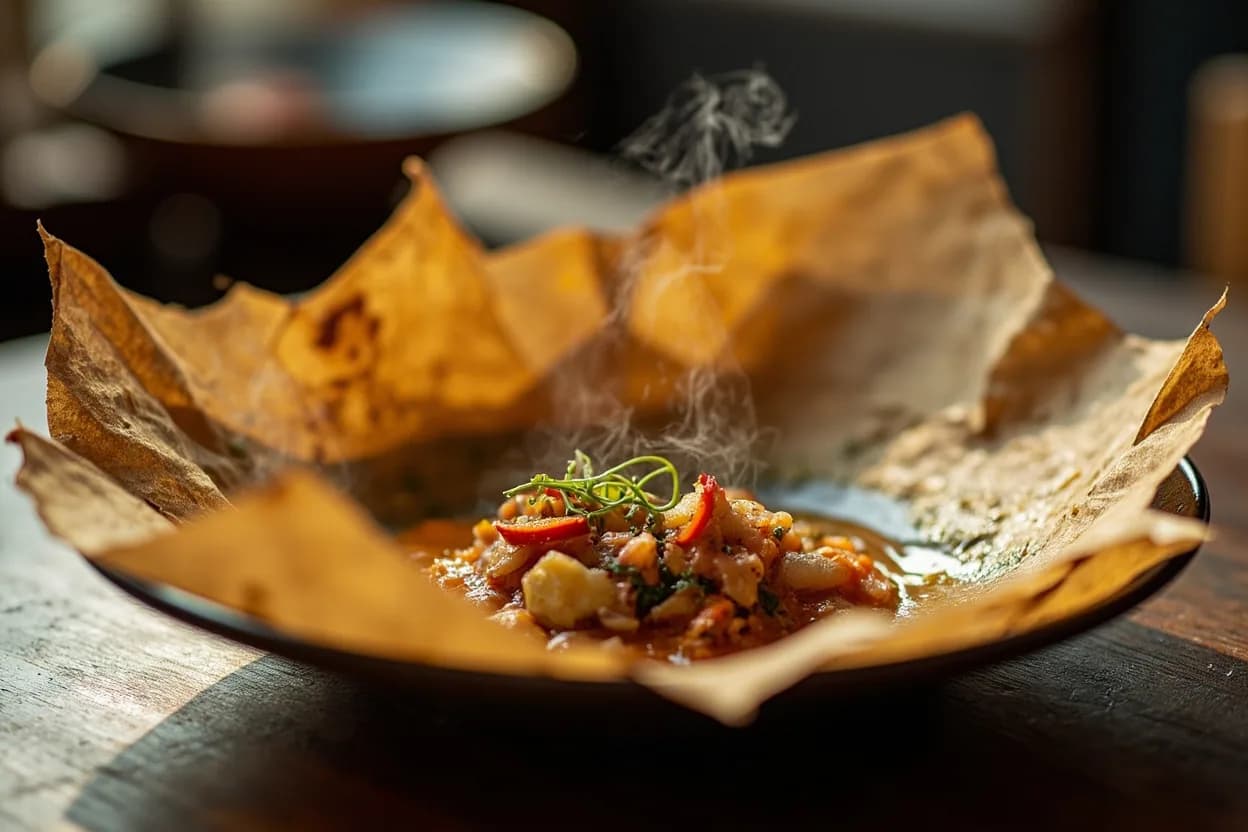
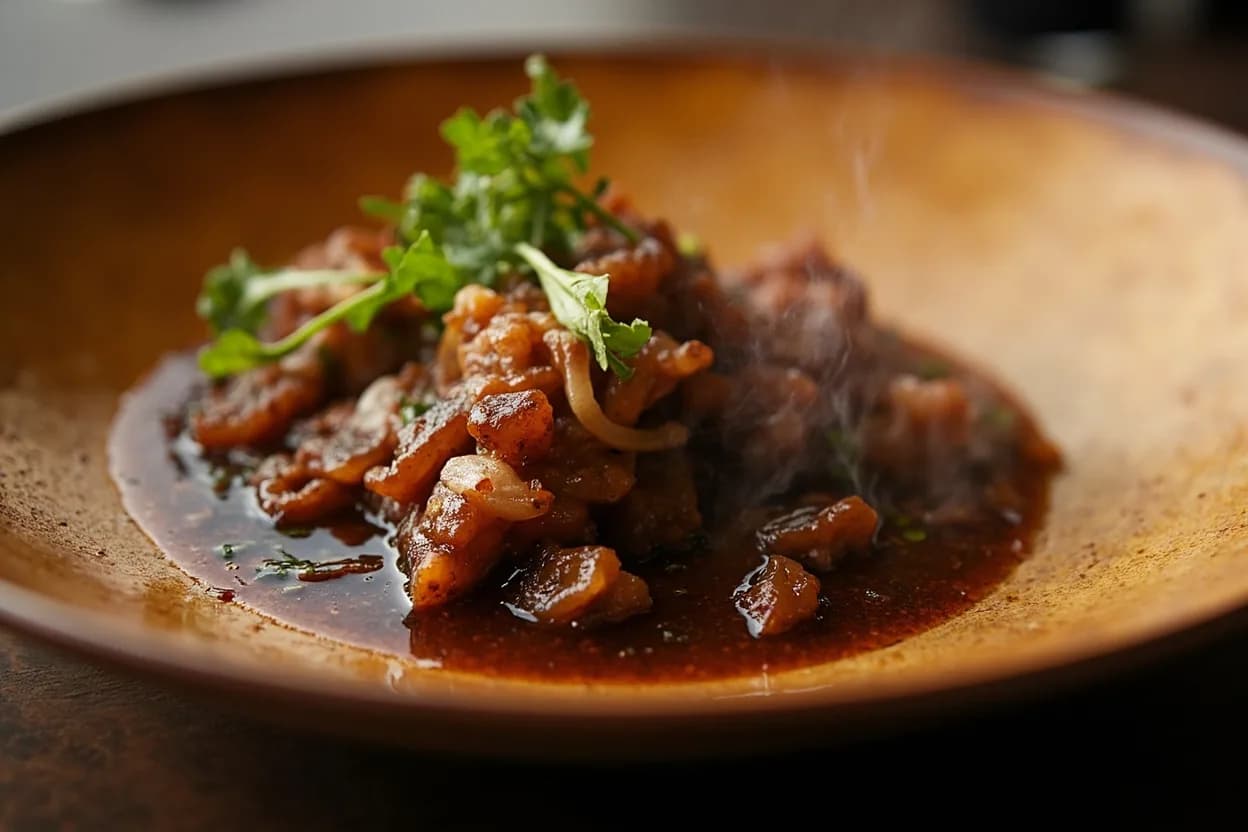
Related
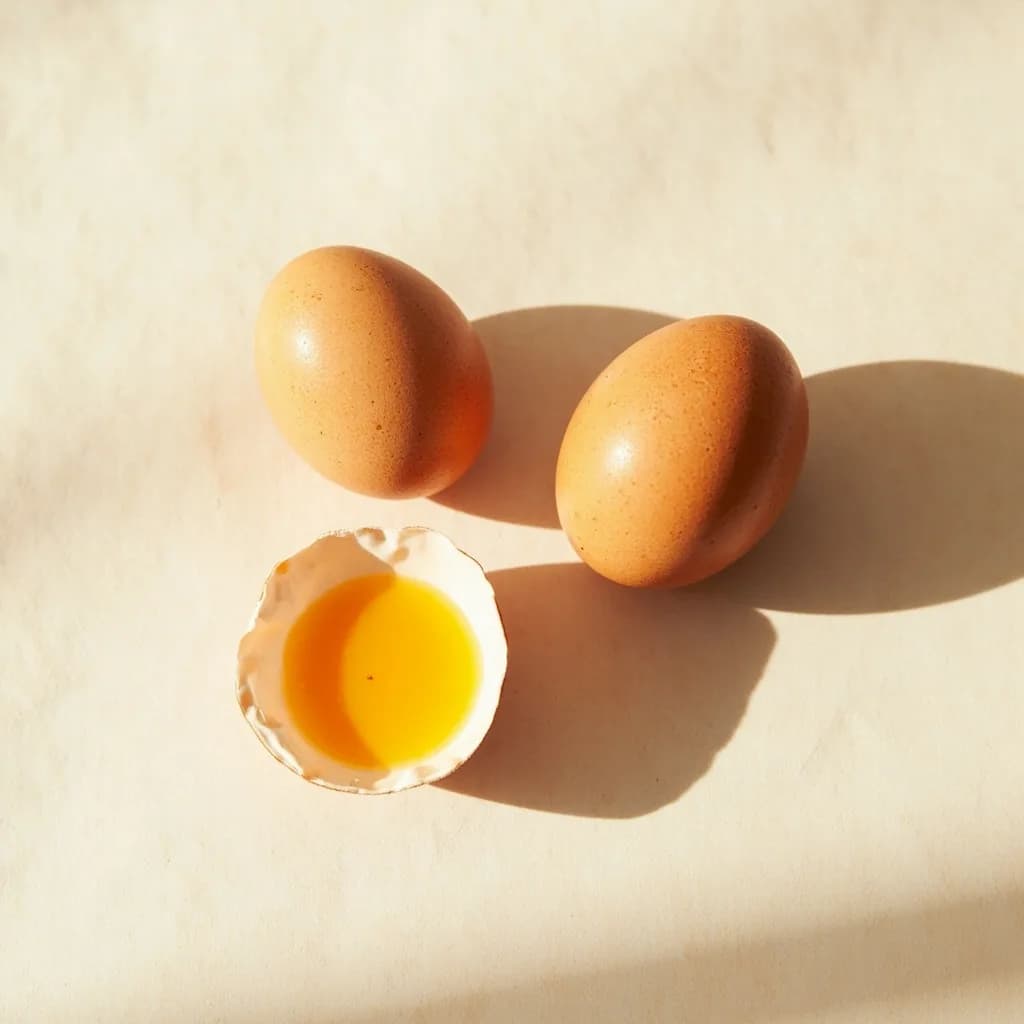
Egg
The kitchen's everything ingredient — bind, leaven, enrich, or fry
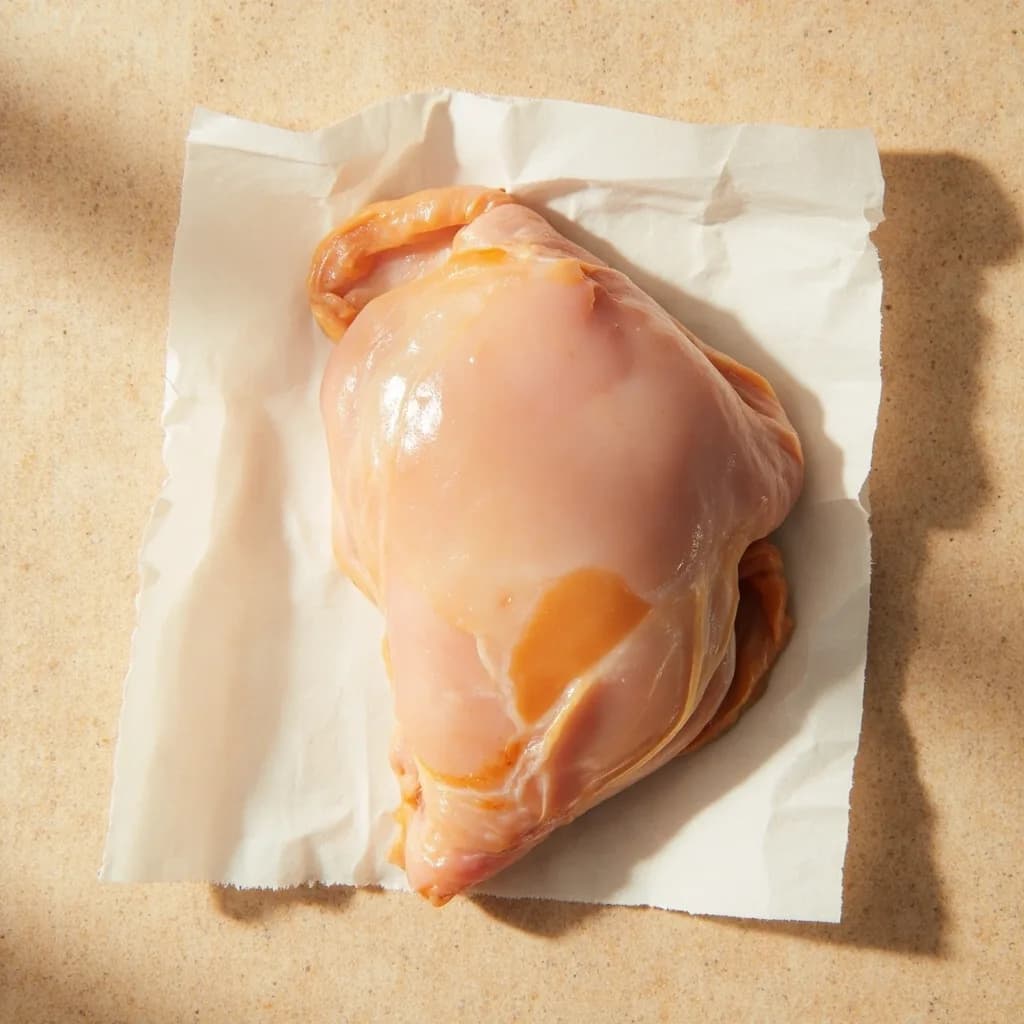
Chicken Breast
Lean, quick-cooking white meat for everyday dinners

Ground Beef
Versatile minced beef for burgers, ragù, tacos, and meatballs
Pork Loin
Lean, tender roasting cut that stays juicy with care
Salmon
Rich, rosy fish that roasts, grills, or cures beautifully

Egg White
Pure protein that whips to airy peaks for meringue and more
Egg Yolk
Rich, golden yolk for custards, mayonnaise, and pasta

Quail Egg
Tiny, speckled eggs for garnishing and elegant bites