Proteins
Ahi Tuna
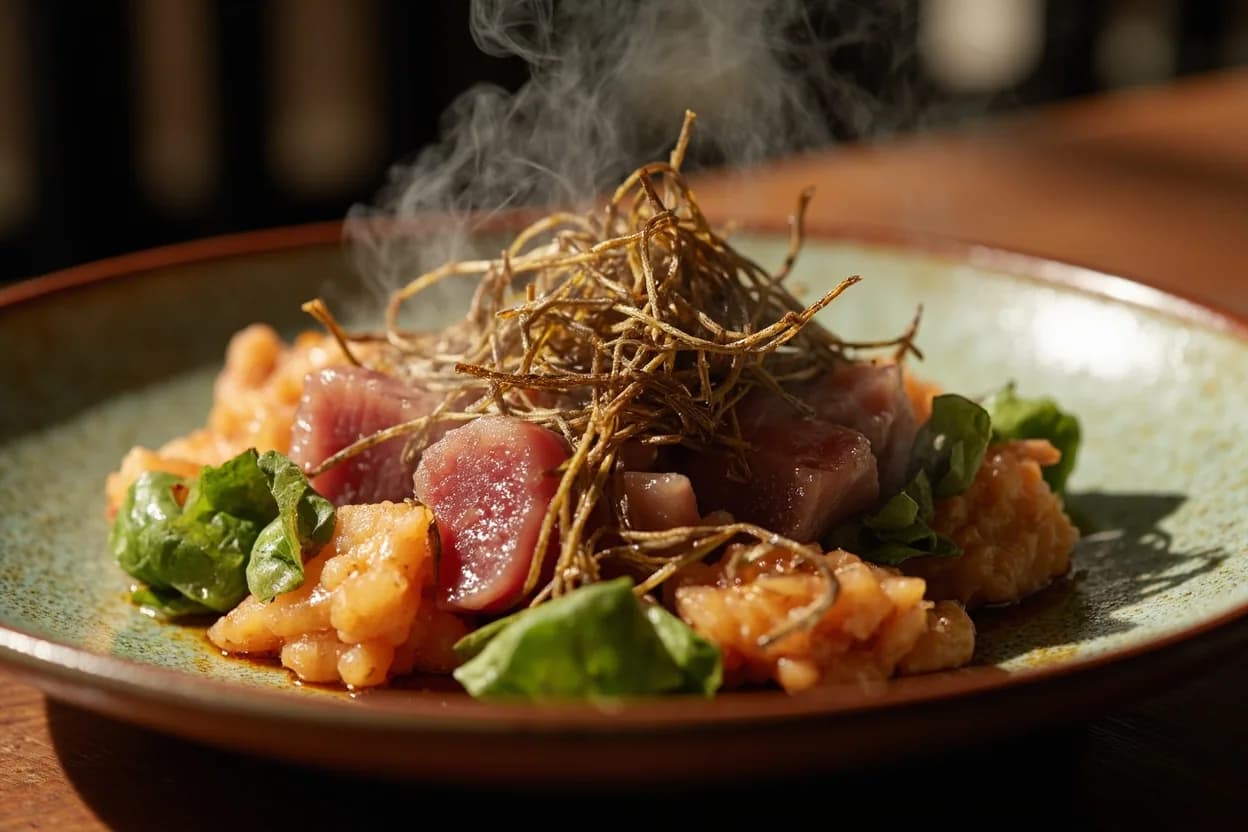
Lean yellowfin/bigeye tuna seared rare or cubed raw for poke and sashimi.
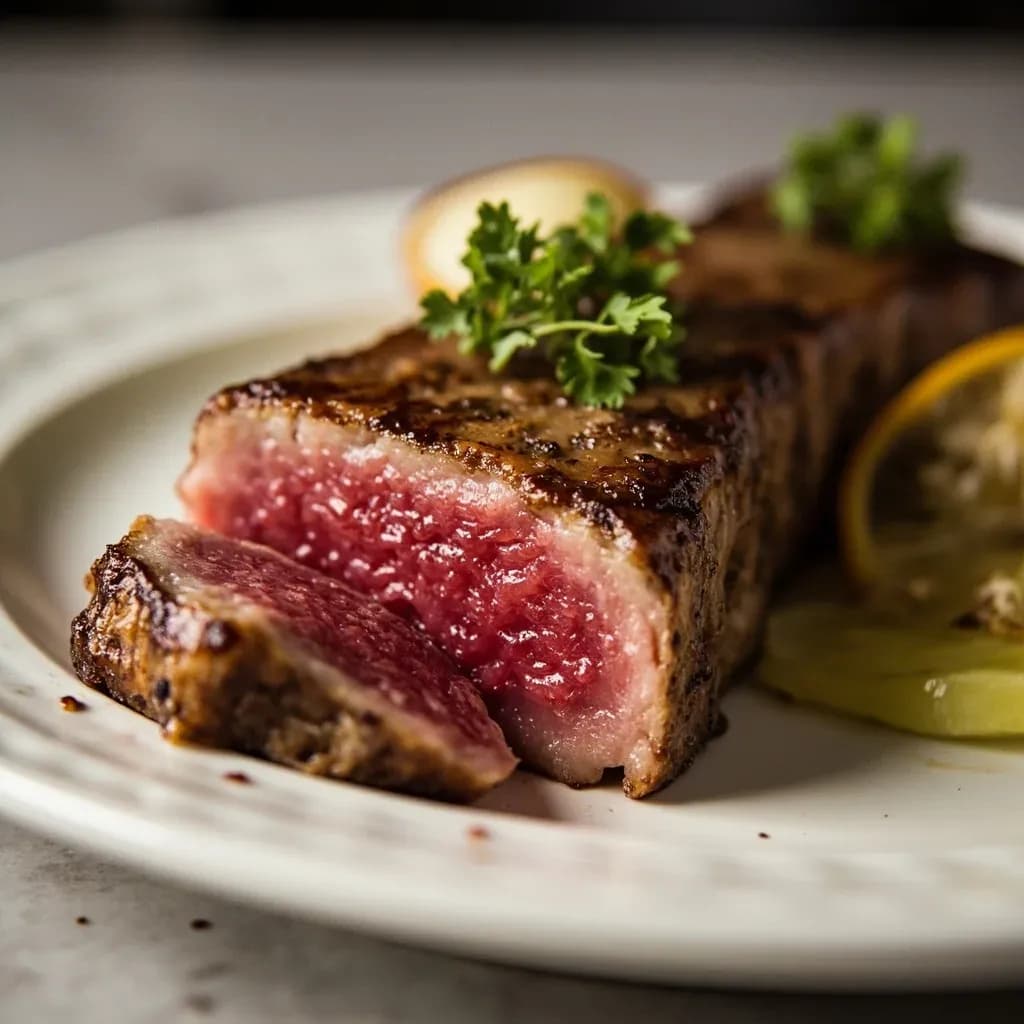
Ahi is the Hawaiian name for yellowfin and bigeye tuna, with firm, deep-pink, lean flesh. It is the classic fish for poke bowls, sliced for sashimi, or quickly seared on the outside while left rare in the center. Its mild, meaty flavor pairs well with soy, sesame and citrus.
Ahi is the Hawaiian term that became the standard culinary name for yellowfin (Thunnus albacares) and bigeye (Thunnus obesus) tuna throughout North America. These are large, fast-swimming pelagic fish prized for their firm, meaty flesh and clean, mildly sweet oceanic flavor. Unlike bluefin, which is celebrated for its high fat content, ahi is a lean fish—yellowfin typically contains less than 1 gram of fat per 100 grams—making it the preferred choice for preparations where a clean, bright tuna flavor is desired rather than richness. The flesh ranges from deep ruby red to pink, far more vibrant than bluefin, and it grays to an opaque brown when cooked through, which is precisely why it is best treated as a rare or raw ingredient.
The loin is the most prized cut, yielding clean portions with minimal trim loss. Steaks work well for grilling, while uniformly cubed cuts are essential for poke. Ahi's firm texture holds up to high-heat searing and absorbs marinades quickly, yet it can dry out and turn chalky if overcooked. For raw service—sashimi, poke, tartare—quality and proper handling are non-negotiable. Sushi-grade ahi must be flash-frozen at -35°F (-37°C) for a minimum of 15 hours to destroy parasites, or you must freeze it yourself at home at -4°F (-20°C) for at least seven days before serving raw.
- Measured in
- g
- Storage
- Fridge
Allergens
Types & varieties
Most common variety; leaner and slightly smaller than bigeye; bright ruby flesh; ideal for seared preparations and raw dishes where a clean, lean flavor is desired
Slightly higher fat content; named for its proportionally larger eye; can grow larger than yellowfin; preferred by some chefs for its richer mouthfeel in sashimi and commands a premium price
Sourcing and Quality for Raw Use
The distinction between 'sushi grade' and 'sashimi grade' is not legally regulated, but reputable suppliers use these terms to indicate the fish has been flash-frozen to parasite-killing temperatures. Always verify this designation before serving raw. Quality indicators include bright, even coloration without browning at the edges, a clean ocean smell (never fishy or ammonia-like), and firm flesh that springs back when pressed. Bigeye generally commands a premium over yellowfin due to its higher fat content and larger average size, though both offer excellent quality at different price points.
- Look for MSC certification or check Monterey Bay Aquarium Seafood Watch for current sustainability ratings by region and fishing method
- Avoid any loin with brownish edges, a strong fishy odor, or flesh that leaves an indentation when pressed
- Ask your fishmonger for the catch date and source; freshness degrades rapidly
Temperature and Doneness
Ahi is fundamentally a rare-meat fish. The interior should remain cool red or pink when properly seared. Cooking past medium-rare causes the flesh to tighten, dry out, and develop a chalky, metallic flavor that overwhelms the natural sweetness. This is not a case of undercooking—it is the intended preparation.
- Sear at 450°F (232°C) or higher for 30–60 seconds per side only
- Use a probe thermometer if uncertain: 115°F (46°C) is rare, 125°F (52°C) is medium-rare; do not exceed 130°F (54°C)
- Let the fish rest briefly after searing to allow the crust to set
Common uses
Tips & pitfalls
- Always pat the loin completely dry before searing—surface moisture is the primary cause of steaming instead of searing and prevents proper crust formation
- Use the absolute hottest pan possible, 450°F (232°C) or higher; add a thin film of high-smoke-point oil such as grapeseed or avocado
- Sear only 30–60 seconds per side; the interior should remain cool red. Ahi is meant to be served rare, medium-rare at most
- For raw applications, verify the fish is labeled 'sushi grade' or 'sashimi grade'—this confirms it was flash-frozen for parasite destruction
- If not commercially frozen, freeze at -4°F (-20°C) for at least 7 days before serving raw
- Let ahi sit at room temperature 15–20 minutes before cooking for more even results throughout the cut
- Bigeye has slightly more fat, making it marginally more forgiving on the grill; yellowfin is preferred for dishes where a cleaner, leaner flavor shines
- Store in the coldest part of the refrigerator (32–34°F / 0–1°C); wrap tightly in plastic wrap then foil to prevent oxidation and off-odors from absorbing
- When slicing raw for sashimi, use a sharp, long-bladed knife (yanagiba or sujihiki) and cut perpendicular to the muscle fibers in one confident stroke—sawling tears the flesh
- Season seared ahi simply; the flavor is best appreciated with minimal interference from heavy marinades or sauces
Nutrition
Energy
456 kJ · per 100 g
Where the calories come from
Protein
24.4g
49% DV
Carbs
0g
0% DV
Fat
0.5g
1% DV
Fiber
0g
0% DV
Sugars
0g
of which
Sodium
45mg
2% DV
Source · USDA FoodData Central · approx. Fish, tuna, fresh, yellowfin, raw
View on FDC →In the shops
Matched grocery products
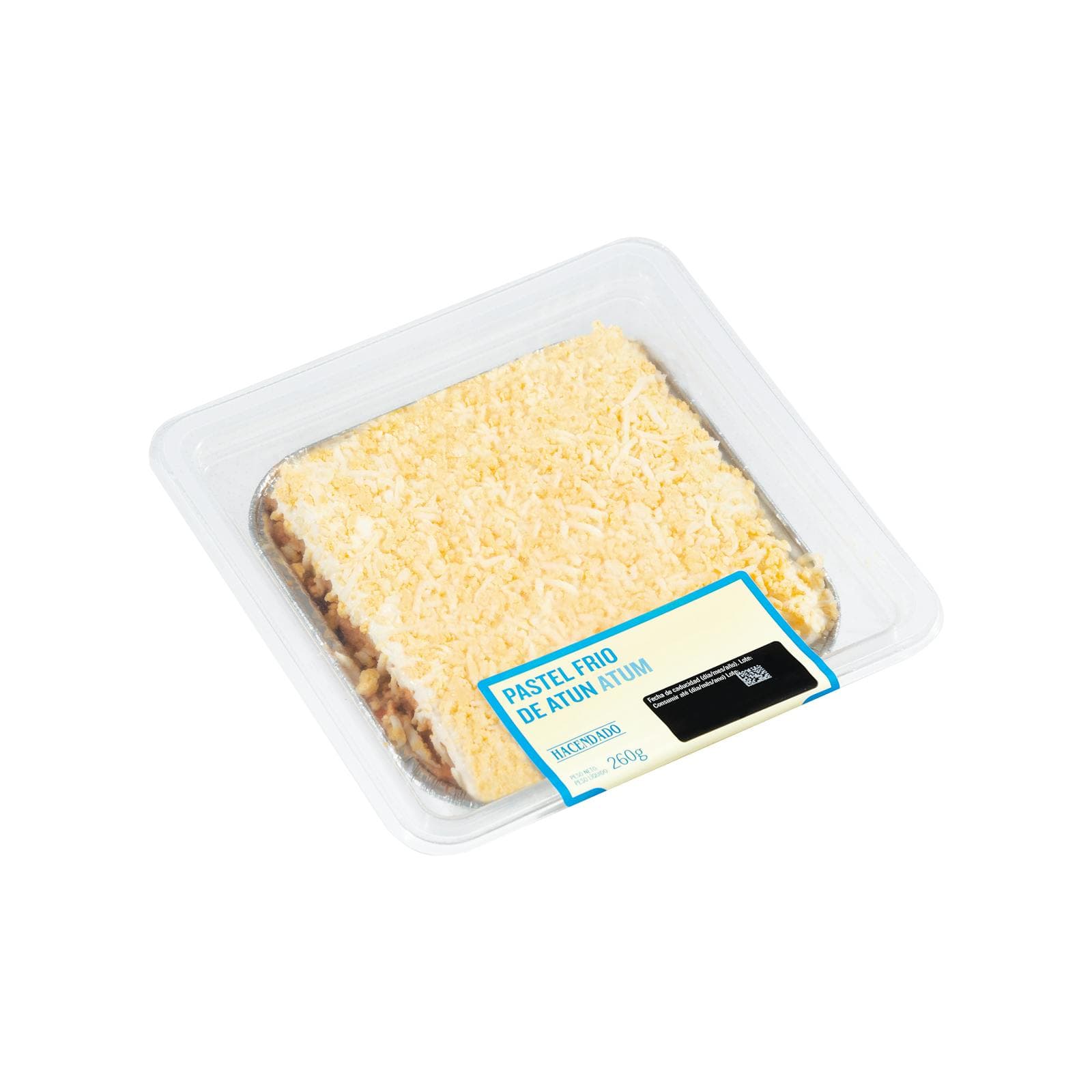 €2.90
€2.90Tuna Pie
Hacendado · 260 g · Mercadona
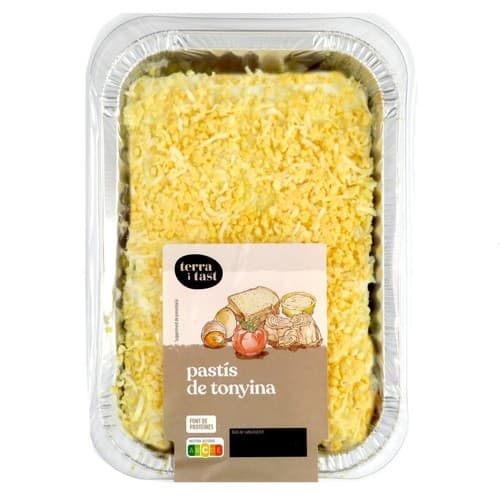 €4.99
€4.99Tuna Pie
TERRA I TAST · kg · Bonpreu
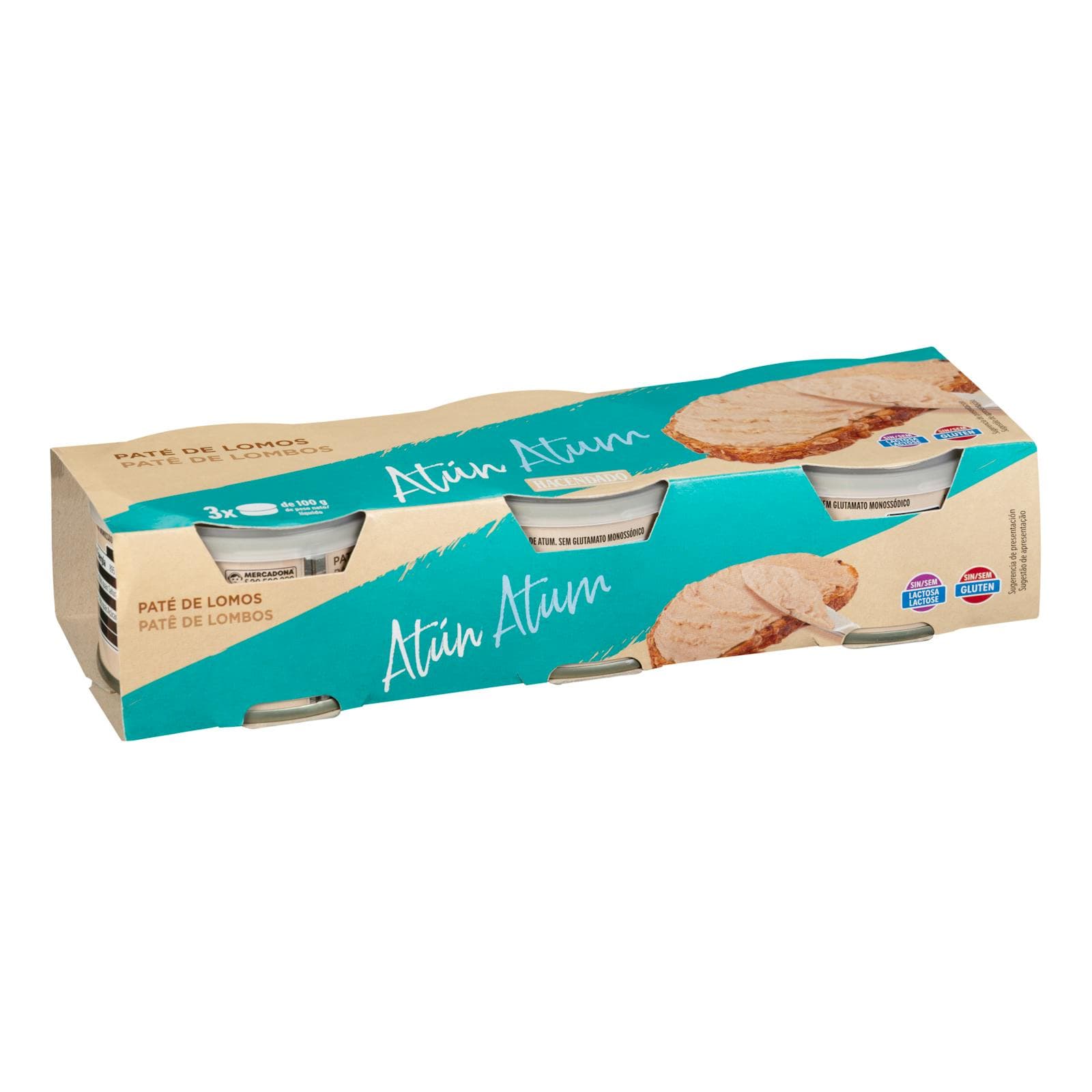 €2.30
€2.30Tuna Loin Paté
Hacendado · 300 g · Mercadona
 €3.25
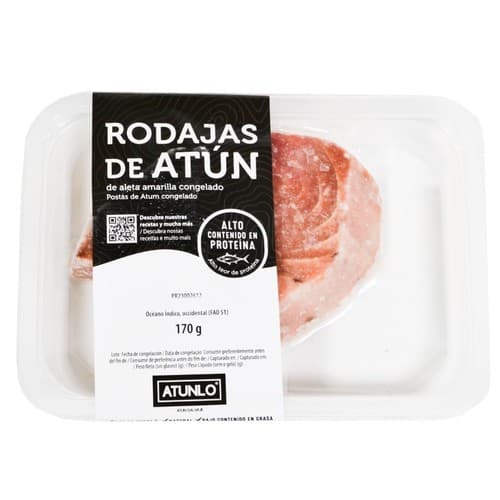
€3.25Natural Tuna Rondanxa
ATUNLO · kg · Bonpreu
 €5.37
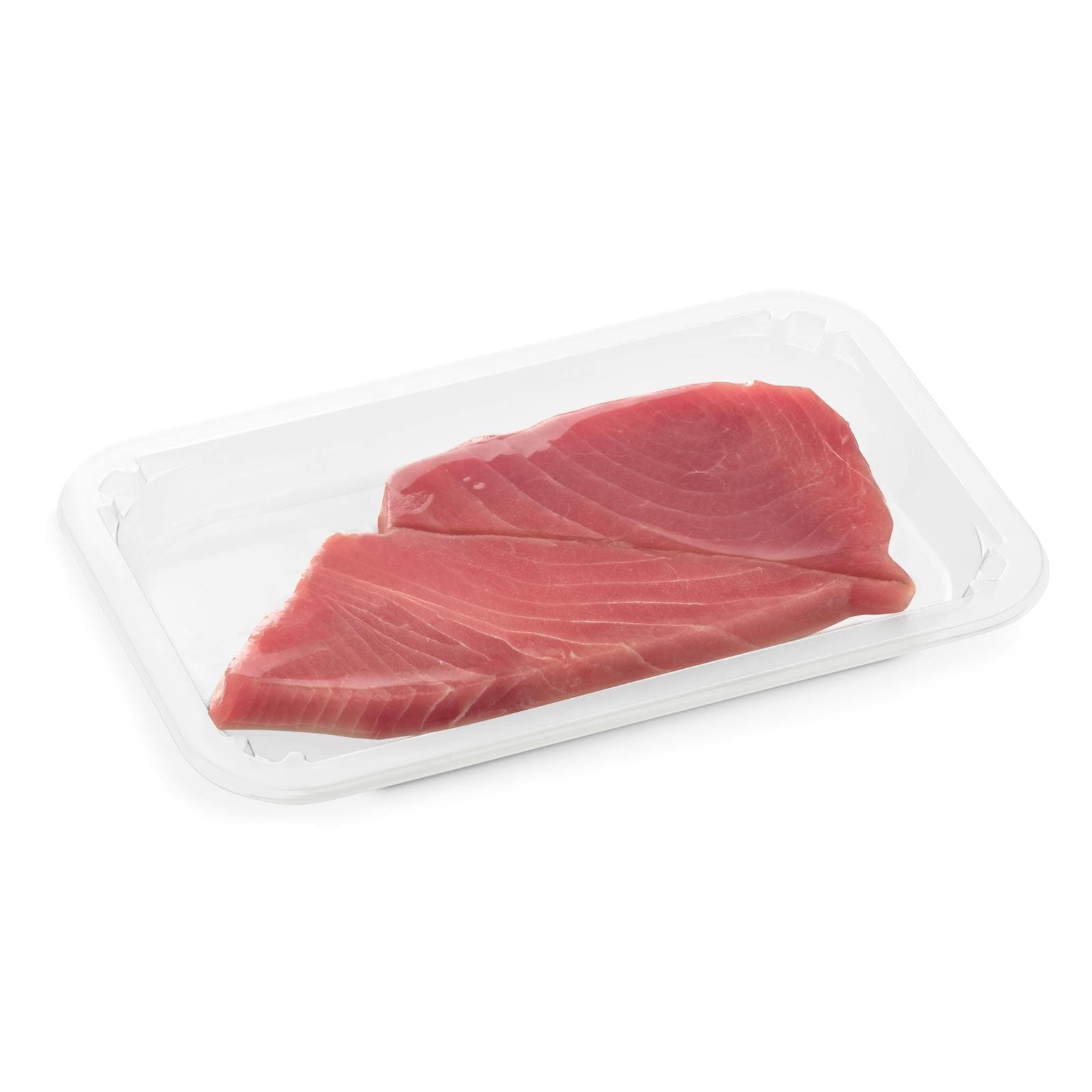
€5.37Yellowfin Tuna Slices
235 g · Mercadona
 €2.99
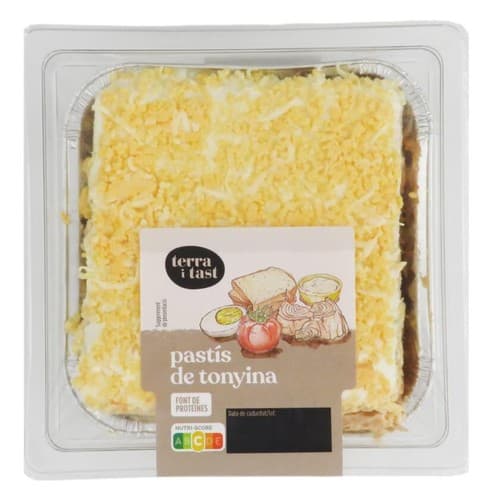
€2.99Terra i Tast Tuna Cake
TERRA I TAST · kg · Bonpreu
Good to know
- Scientific Name
- Thunnus albacares (yellowfin); Thunnus obesus (bigeye)
- Origin
- Pacific and Indian Oceans; Hawaiian term adopted into mainstream culinary vocabulary
- Flavor Profile
- Meaty, mildly sweet, clean oceanic taste; lean flesh with firm texture
- Color Raw
- Deep red to ruby pink, brighter than bluefin tuna
- Color Cooked
- Turns opaque grayish-brown when fully cooked
- Fat Content
- Lean; yellowfin leaner than bigeye; approximately 0.2–1g per 100g
- Protein
- 23–30g per 100g serving, making it an excellent lean protein source
- Mercury Level
- Moderate to high; FDA advises limiting consumption for sensitive populations including pregnant women and young children
- Typical Cut
- Loin (most prized), loin tail, steaks, and cubes for poke
- Prime Season
- Year-round availability; best quality typically spring through early fall
- Shelf Life
- 1–2 days refrigerated raw; 2–3 months frozen
- Sushi Grade Requirement
- Flash-frozen at -35°F (-37°C) for 15+ hours for raw service
- Yield
- Minimal trim loss on clean loin cuts; sold as portioned cuts
Substitutes
- Yellowtail (Hamachi) — Fattier and more buttery; acceptable for raw and seared preparations; different flavor but similar firm texture
- Bluefin Tuna — Richer with higher fat content; best substitute for raw applications; significantly more expensive
- Mahi-Mahi — Similar meaty texture and firm flesh; works well grilled or seared but has a distinct flavor; suitable for cooked dishes only
- Albacore Tuna (Fresh, not canned) — Leaner and milder; a budget alternative for seared preparations; not ideal for raw applications
- Wahoo (Ono) — Dense, lean, and mild; holds up well to high-heat searing; Hawaiian cousin to ahi; good cooked substitute
Pairs with
Also called
Yellowfin Tuna · Bigeye Tuna · Poke Tuna
Appears in these dishes
Related
Egg
The kitchen's everything ingredient — bind, leaven, enrich, or fry
Chicken Breast
Lean, quick-cooking white meat for everyday dinners

Ground Beef
Versatile minced beef for burgers, ragù, tacos, and meatballs
Pork Loin
Lean, tender roasting cut that stays juicy with care
Salmon
Rich, rosy fish that roasts, grills, or cures beautifully

Egg White
Pure protein that whips to airy peaks for meringue and more
Egg Yolk
Rich, golden yolk for custards, mayonnaise, and pasta

Quail Egg
Tiny, speckled eggs for garnishing and elegant bites