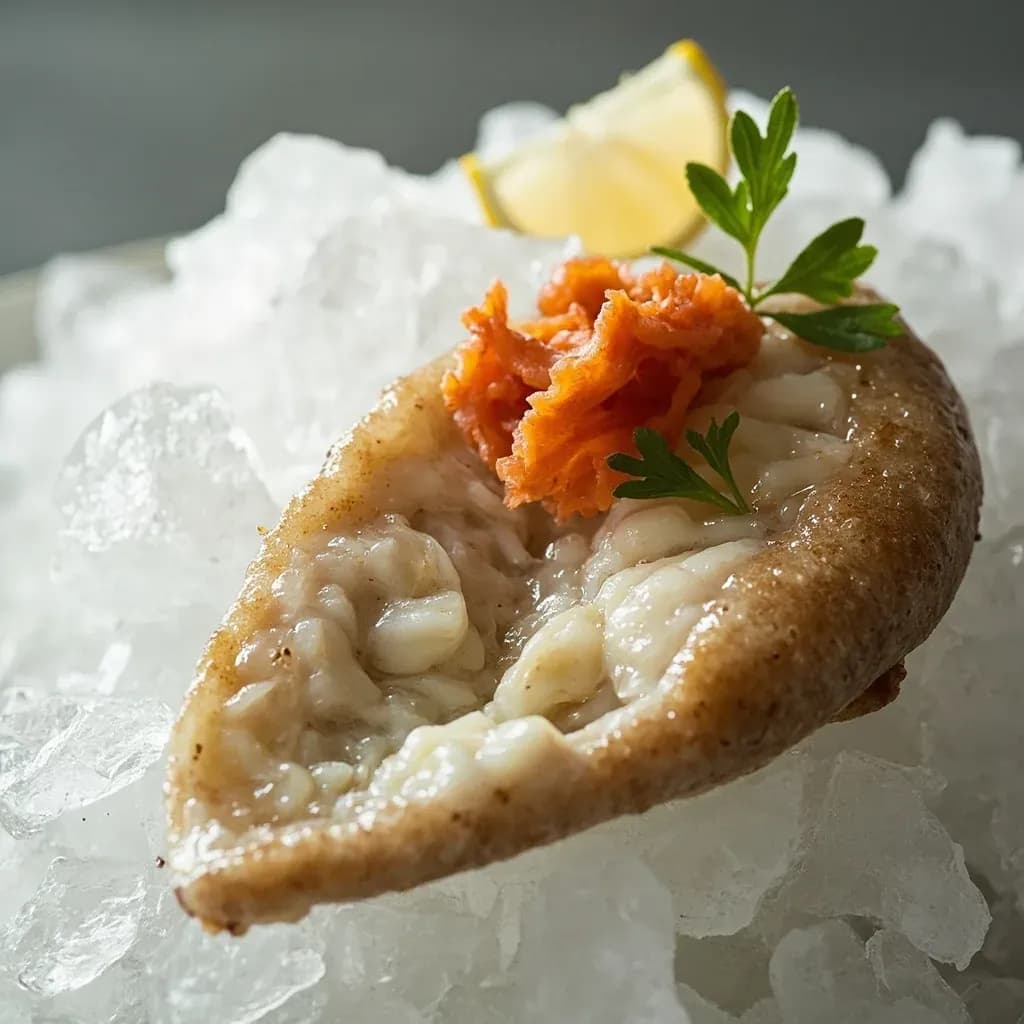
Proteins
Lampuki (Mahi-Mahi)
Maltese name for dorado/mahi-mahi, a firm seasonal fish baked into the classic lampuki pie.
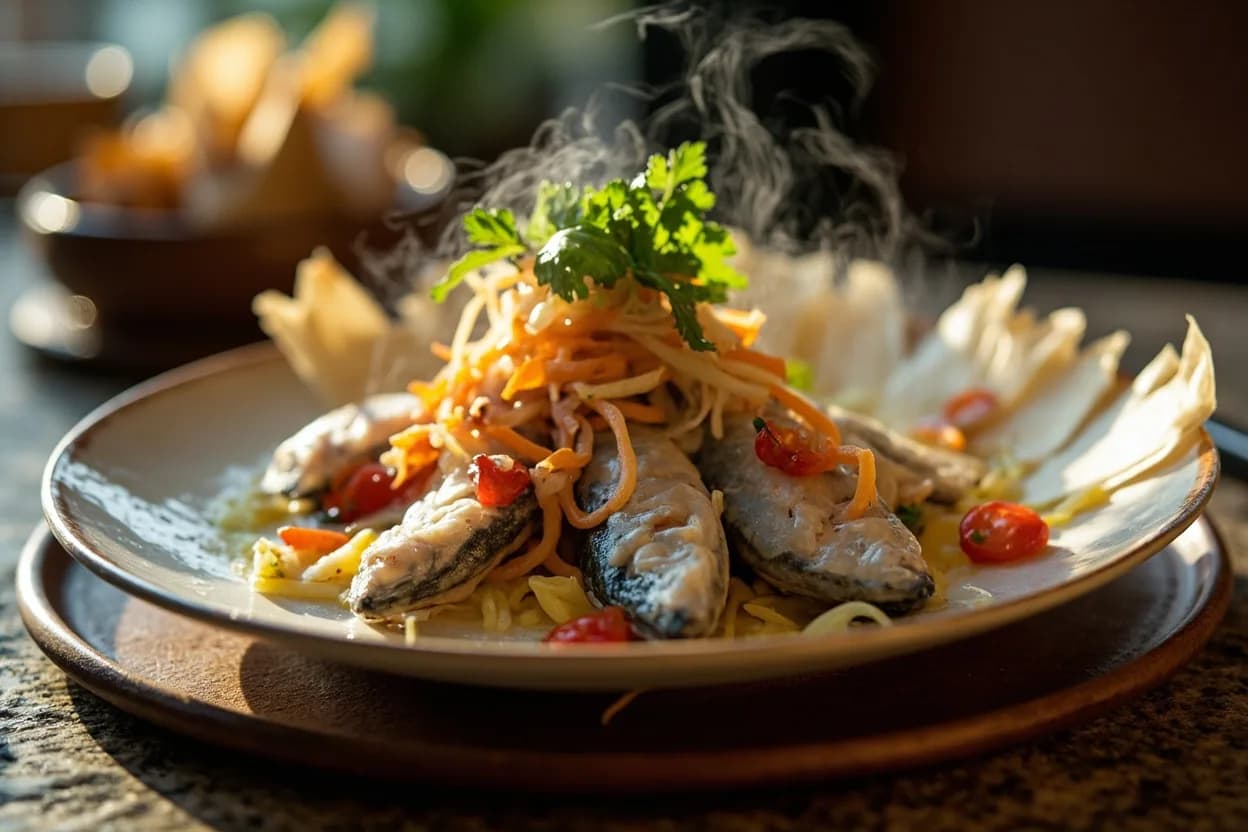
Lampuki is the Maltese name for dorado or mahi-mahi, a fast-growing fish with firm, mildly sweet white flesh caught in late summer and autumn. It is the star of the traditional Maltese lampuki pie, baked with tomatoes, capers, olives and spinach. It is also simply fried or grilled.
Lampuki is the Maltese name for mahi-mahi, also called dorado or Coryphaena hippurus — a firm, meaty fish that migrates through Mediterranean waters each year, arriving off the Maltese islands from late summer through autumn. This seasonal appearance is such a cultural event that the Maltese simply refer to the fishing season as "lampuki season." The flesh is notable for its large flakes, mild sweetness, and clean taste that holds together well during cooking — qualities that made it the natural choice for Malta's most celebrated fish preparation, the lampuki pie (torta tal-lampuki). Outside the Mediterranean, mahi-mahi is a staple of tropical and Latin American kitchens, prized for the same firm texture and its ability to stand up to bold marinades and grilling. Freshness is critical: lampuki oxidizes rapidly once cut, so buy whole fish with clear, bulging eyes and bright red gills, and cook it within a day or two.
- Measured in
- g
- Storage
- Fridge
Allergens
Types & varieties
The traditional lampuki; seasonal migration through Maltese waters from August onward, caught by local fishermen during the annual run
Global mahi-mahi stocks fished in tropical and subtropical waters; available year-round outside Malta
Buying and Selecting Lampuki
When purchasing whole lampuki, the freshness indicators are unmistakable. Press the flesh — it should spring back immediately. The eyes must be clear and slightly bulging, never sunken or cloudy. Gills should be bright red, not brown or slimy. If buying fillets, look for moist, translucent flesh with no brownish discoloration at the edges, which signals oxidation. Avoid any fish with a strong "fishy" smell, which indicates the meat is past its prime. Lampuki is not commonly sold live or whole in most markets outside Malta, so you will more likely encounter it as skin-on fillets or steaks — examine these cuts carefully for the same freshness markers.
- Clear, bulging eyes indicate a recently caught fish
- Bright red gills are a reliable freshness indicator
- Fillets should be moist without discoloration at the edges
- Avoid any strong ammonia or fishy odor
The Lampuki Pie Tradition
No discussion of lampuki is complete without the iconic torta tal-lampuki, the Maltese savory pie that defines how this fish is eaten in its home culture. The filling combines flaked lampuki with wilted spinach or other greens, onions, capers, and sometimes olives, all bound in a simple shortcrust pastry shell and topped with a lid that is often decorated with a lattice or simple fork pattern. The key to a successful pie is removing every trace of moisture from the cooked greens before mixing them with the fish — residual water turns the filling soggy and breaks down the pastry. The fish itself should be barely seasoned within the filling, as the toppings and aromatic vegetables carry most of the flavor profile. This dish is not a weeknight assembly; it requires planning (the filling must cool before it goes into the pastry), but it rewards patience with a pie that is simultaneously comforting and deeply savory.
- Squeeze cooked spinach absolutely dry — use a clean kitchen towel, not just a colander
- Cool the filling completely before placing it in the pastry shell
- Season the filling conservatively; the capers and onions provide significant saltiness
- The pie can be assembled ahead and refrigerated before baking, making it suitable for entertaining
Common uses
Tips & pitfalls
- When buying whole lampuki, look for clear, bulging eyes and bright red gills — signs of absolute freshness
- The flesh oxidizes quickly once cut; cook immediately or rub with lemon juice if storing briefly
- Do not overcook — lampuki becomes dry and stringy if cooked beyond medium; it is done when flesh turns opaque throughout but still feels slightly yielding
- Let the fish rest at room temperature for 15 minutes before cooking to ensure even heat distribution
- When making Lampuki Pie, squeeze out all excess moisture from the cooked spinach or greens to prevent a soggy filling
- If substituting another fish, choose a firm-textured variety — soft, flaky fish will disintegrate in the pie filling
- Season lampuki simply; its appeal lies in its clean, mild flavor that is easily overwhelmed by heavy spice
- Freeze only fresh, high-quality fish — frozen fish will never match the texture of properly cooked fresh lampuki
Nutrition
Nutrition
No USDA FoodData Central match for Lampuki (Mahi-Mahi) yet. We surface a per-100 g profile once a generic whole-food entry is matched and verified.
In the shops
Matched grocery products
No matched grocery products for Lampuki (Mahi-Mahi) yet.
Good to know
- Scientific Name
- Coryphaena hippurus
- Also Known As
- Mahi-mahi, Dorado, Dolphin fish (not a mammal)
- Origin
- Mediterranean, particularly Malta and surrounding islands
- Season
- Late summer through autumn (typically August to November in Maltese waters)
- Texture
- Firm, meaty with large flakes
- Flavor
- Mild, slightly sweet, clean taste
- Yield
- Approximately 40–50% edible meat after filleting
- Best Cooking Methods
- Baking, pan-searing, grilling, poaching
- Storage
- Use within 1–2 days when fresh; can be frozen for up to 3 months for best quality
- Key Region
- Malta — the fish is so tied to the islands that the fishing season is simply called "lampuki season"
Substitutes
- Sea Bream (Orata) — Similar firm texture and mild flavor; widely available in Mediterranean markets and behaves nearly identically in baked preparations
- Sea Bass (Branzino) — Comparable meatiness and clean taste; works well in baked dishes and when grilling whole
- Cod — Firmer texture, slightly less flavorful; good for pies and baked dishes where the fish is combined with bold seasonings
Also called
Mahi-Mahi · Dorado · Dolphinfish
Appears in these dishes
Related
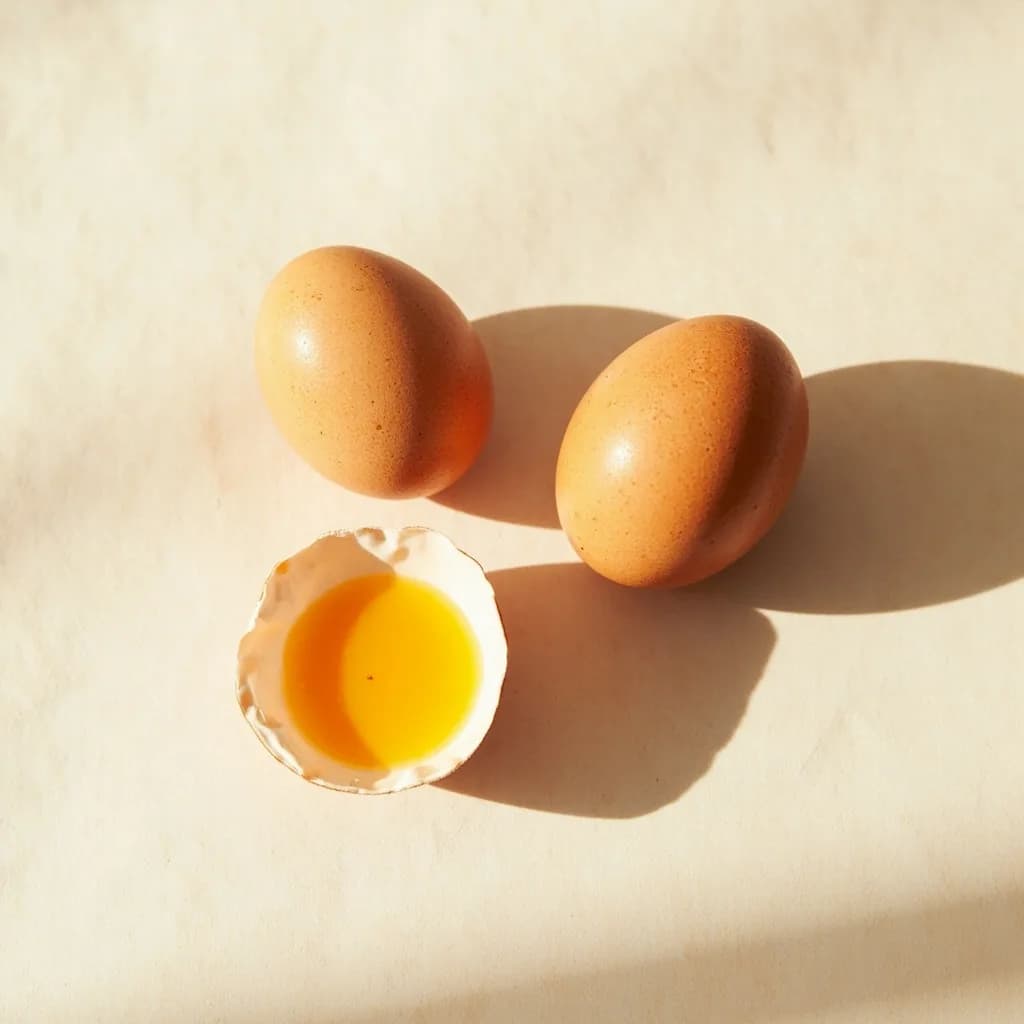
Egg
The kitchen's everything ingredient — bind, leaven, enrich, or fry
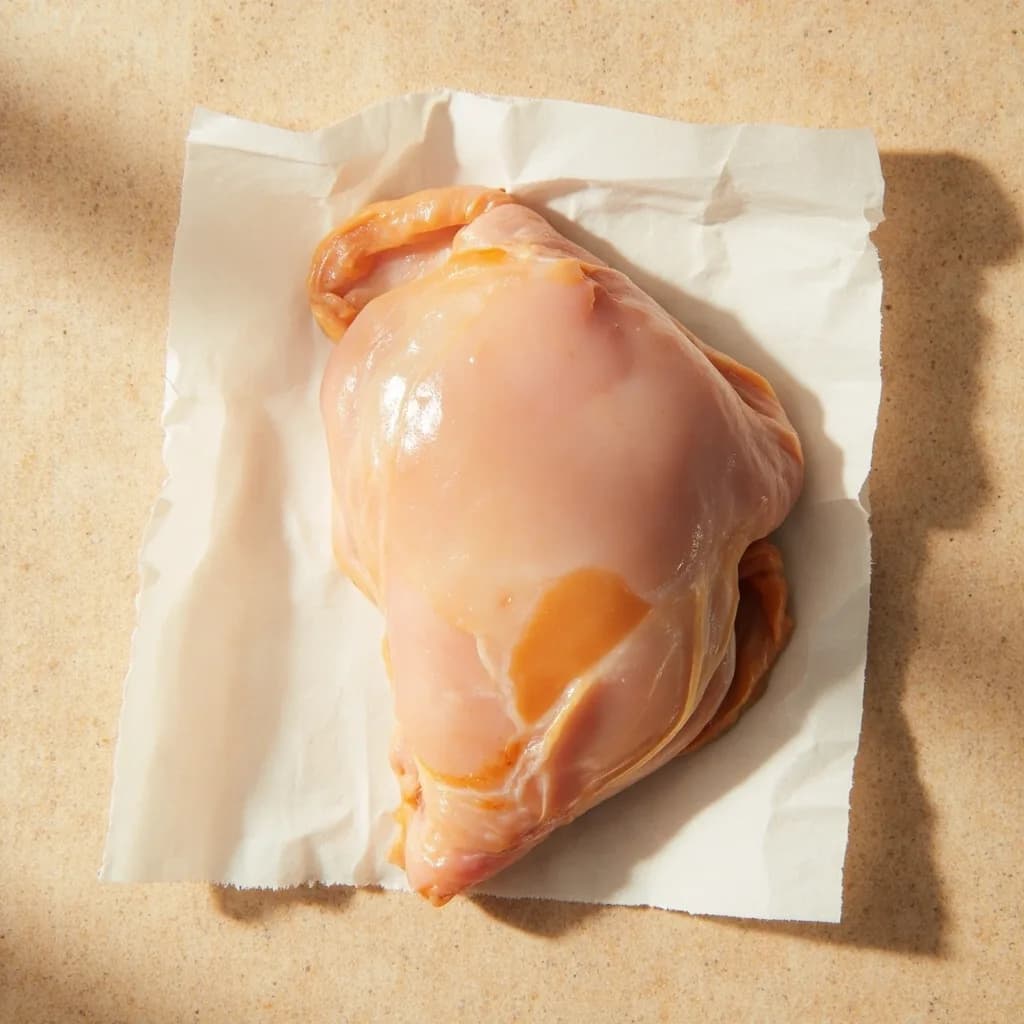
Chicken Breast
Lean, quick-cooking white meat for everyday dinners

Ground Beef
Versatile minced beef for burgers, ragù, tacos, and meatballs
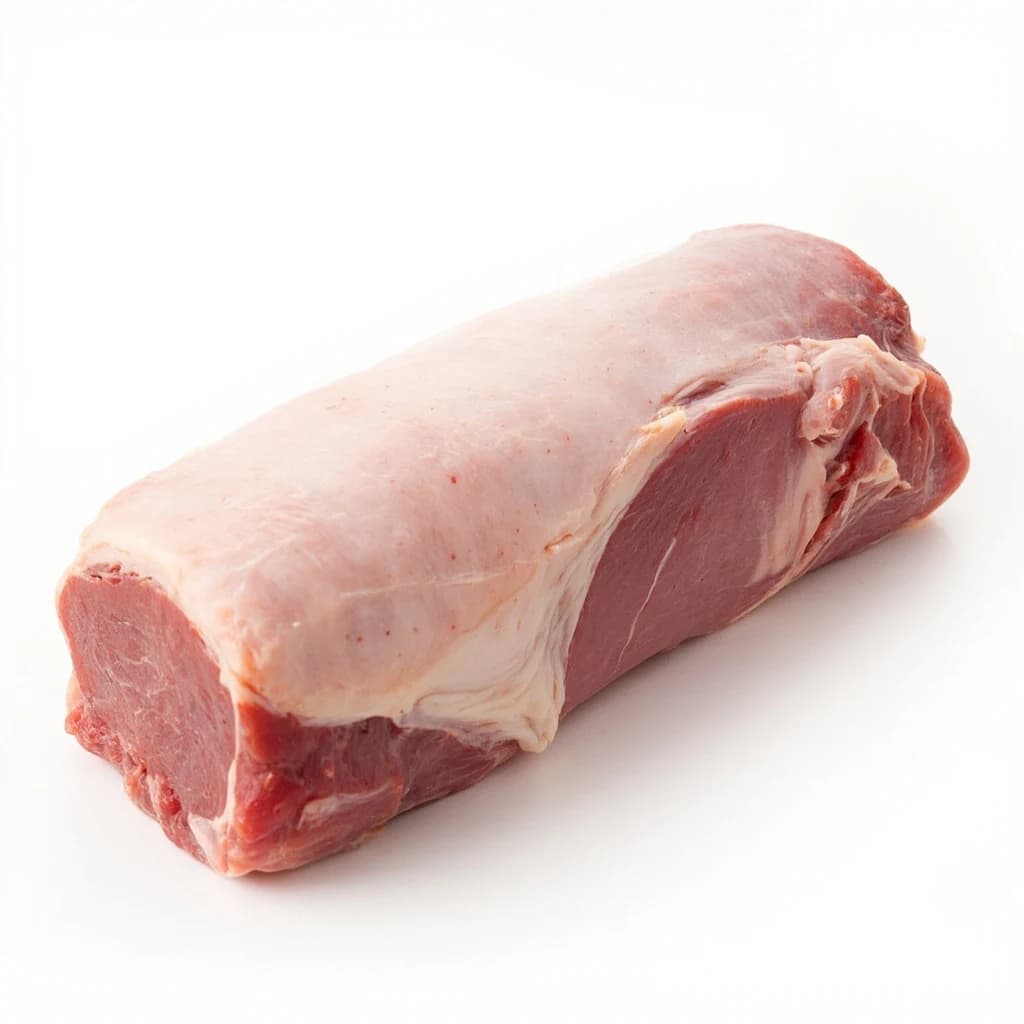
Pork Loin
Lean, tender roasting cut that stays juicy with care
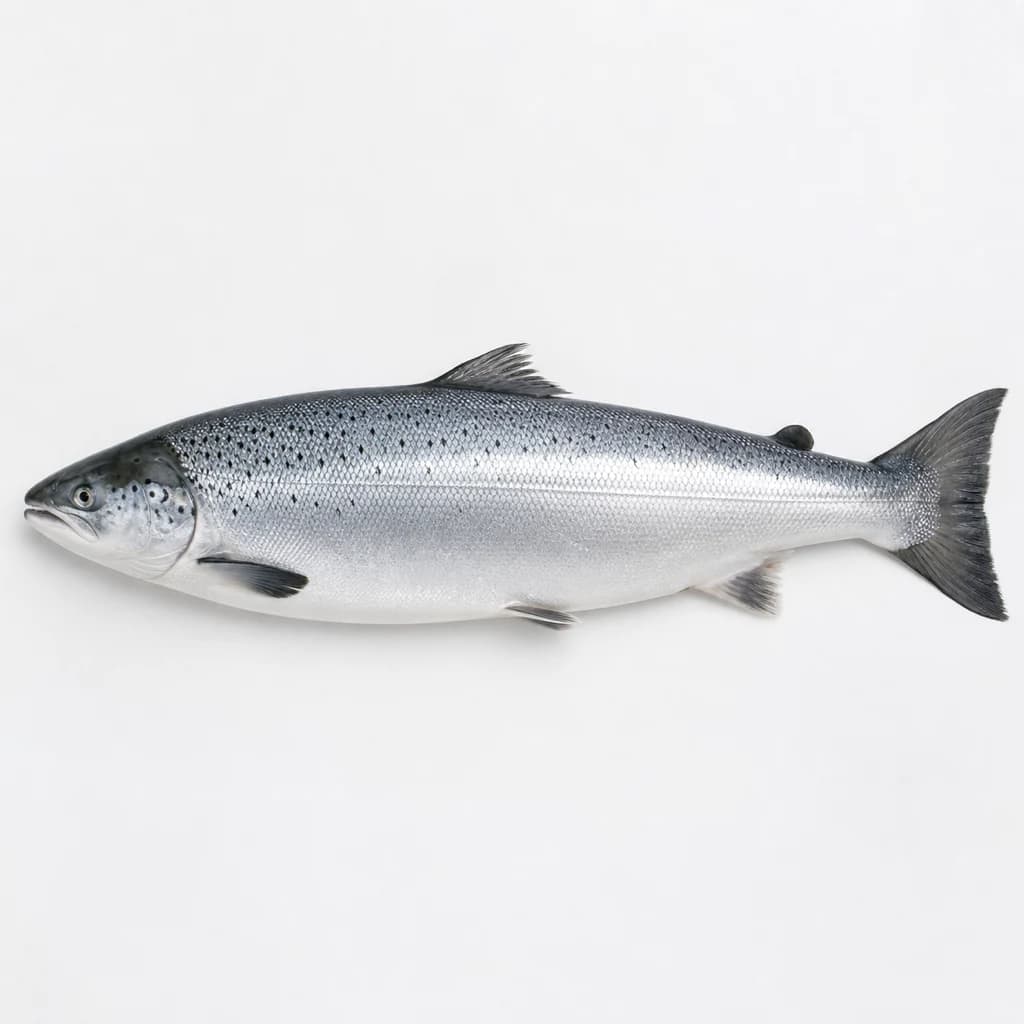
Salmon
Rich, rosy fish that roasts, grills, or cures beautifully

Egg White
Pure protein that whips to airy peaks for meringue and more
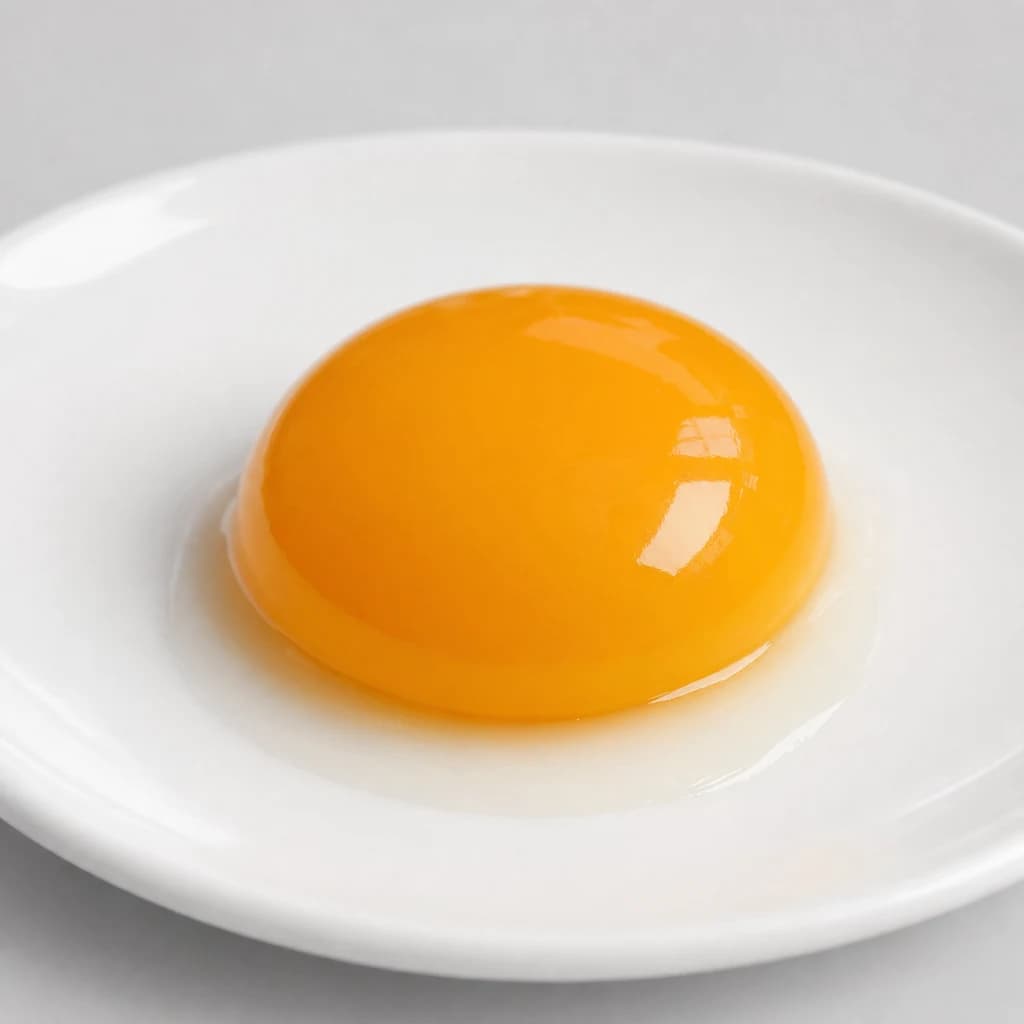
Egg Yolk
Rich, golden yolk for custards, mayonnaise, and pasta

Quail Egg
Tiny, speckled eggs for garnishing and elegant bites