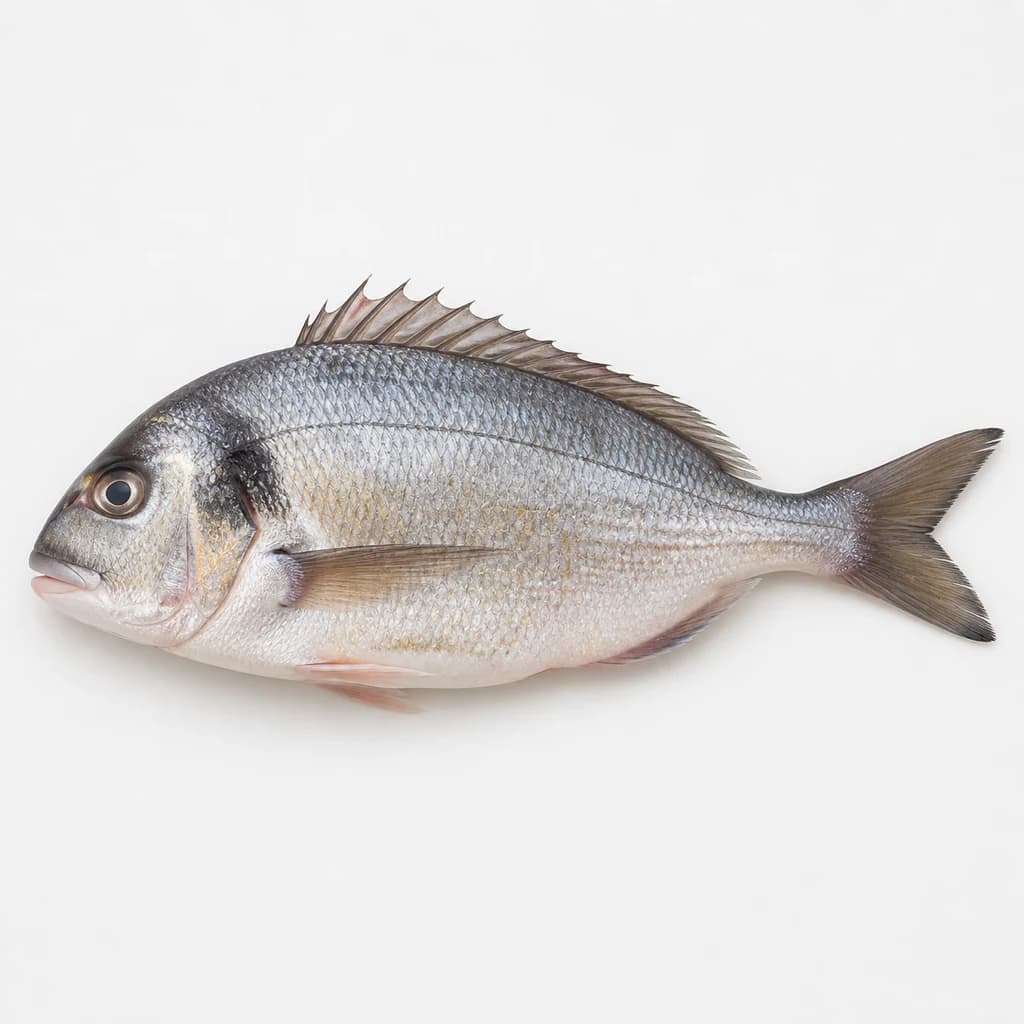
Natural form
A whole raw sea bream showing its silvery scales, compact oval body, and distinctive profile.
Teaches the reader to recognize the whole fish by its shape, scale color, and body proportions before any preparation.
Proteins
Sea Bream
Firm, sweet Mediterranean fish — grilled or roasted whole, or baked in salt crust.
Sea bream is a firm, white-fleshed fish with a mild, sweet flavor popular across the Mediterranean. It is most often grilled or roasted whole, baked in a salt crust, or filleted for pan-frying. Its clean taste shines with simple treatments of olive oil, lemon, and herbs.
Sea Bream belongs to the Sparidae family, with Gilthead Sea Bream (Sparus aurata) as the most celebrated species. Native to the Mediterranean and eastern Atlantic, this fish has been a cornerstone of Mediterranean cuisine for centuries, prized by Greek, Italian, Spanish, and Turkish cooks alike. Its firm, dense flesh with medium flakes holds together exceptionally well during cooking, making it more forgiving than many delicate white fish—yet its sweetness remains unmistakable, with a clean, briny edge that speaks clearly of the sea.
The fish's moderate fat content (3–8%) strikes an ideal balance: enough richness to develop beautiful caramelization and golden skin under high heat, yet not so much that preparations feel heavy. This fat also carries aromatics beautifully, whether tucked into the cavity of a whole fish or pan-fried alongside garlic and herbs. Sea Bream responds best to dry, high-heat methods—grilling, roasting, or pan-searing—that reward its firm texture with crisp skin and a juicy interior. The flesh turns from translucent to opaque when cooked, with clear visual cues that make timing straightforward for cooks willing to watch closely.
- Measured in
- g
- Storage
- Fridge
Allergens
Types & varieties
Most prized variety; distinctive gold stripe between eyes; native to Mediterranean; superior sweetness and texture
Wider Atlantic range; copper-pink coloration; slightly firmer flesh; excellent for grilling
Smaller species; dark lateral line; good flavor but less expensive; common in Portuguese and Spanish markets
Common uses
Tips & pitfalls
- Score the fish 2–3 times on each side down to the bone for even heat penetration and crispier, more textured skin
- Scale just before cooking unless salt-crusting—the scales protect the flesh during that specific method
- Leave the head on when roasting or grilling whole; it adds moisture during cooking and presents dramatically at the table
- Rest whole fish 5 minutes after cooking before filleting to allow juices to redistribute throughout the flesh
- Test doneness at the thickest point near the bone—the flesh should turn fully opaque and just begin to pull from the bone
- For fillets, remove pin bones with needle-nose pliers or tweezers before cooking to avoid an unpleasant textural surprise
- When grilling, oil both the fish and the grate to prevent sticking; a well-oiled grate is non-negotiable
- Common mistake: overcooking—the flesh turns dry and mealy within seconds past done, losing its signature sweetness
- Common mistake: not patting fillets completely dry before searing, which prevents browning and caramelization
Nutrition
Nutrition
No USDA FoodData Central match for Sea Bream yet. We surface a per-100 g profile once a generic whole-food entry is matched and verified.
In the shops
Matched grocery products
No matched grocery products for Sea Bream yet.
Good to know
- Scientific Family
- Sparidae (Gilthead: Sparus aurata)
- Origin
- Northeast Atlantic and Mediterranean Sea; farmed extensively in Greece, Turkey, Spain, and Croatia
- Peak Season
- Late summer through early winter (August–December)
- Flavor Profile
- Sweet, clean, delicate; low oiliness; slight briny note
- Typical Yield
- 45–50% usable meat from whole fish (1–3 lbs)
- Fat Content
- Low to moderate (3–8%)
- Texture
- Firm, dense, with medium-sized flakes
Substitutes
- Mediterranean Sea Bass (Branzino) — Nearly identical texture and mild flavor; slightly larger flakes; most direct substitute
- Red Snapper — Similar firmness and sweetness; slightly more pronounced flavor; good Atlantic alternative
- Dover Sole or other Flatfish — Comparable delicate sweetness; different shape but similar cooking behavior
- Atlantic Salmon (for flakiness) — Not a flavor match but similar cooking technique; much higher fat content
Pairs with
Also called
Sea Bream (Orada) · Orada · Gilt-Head Bream
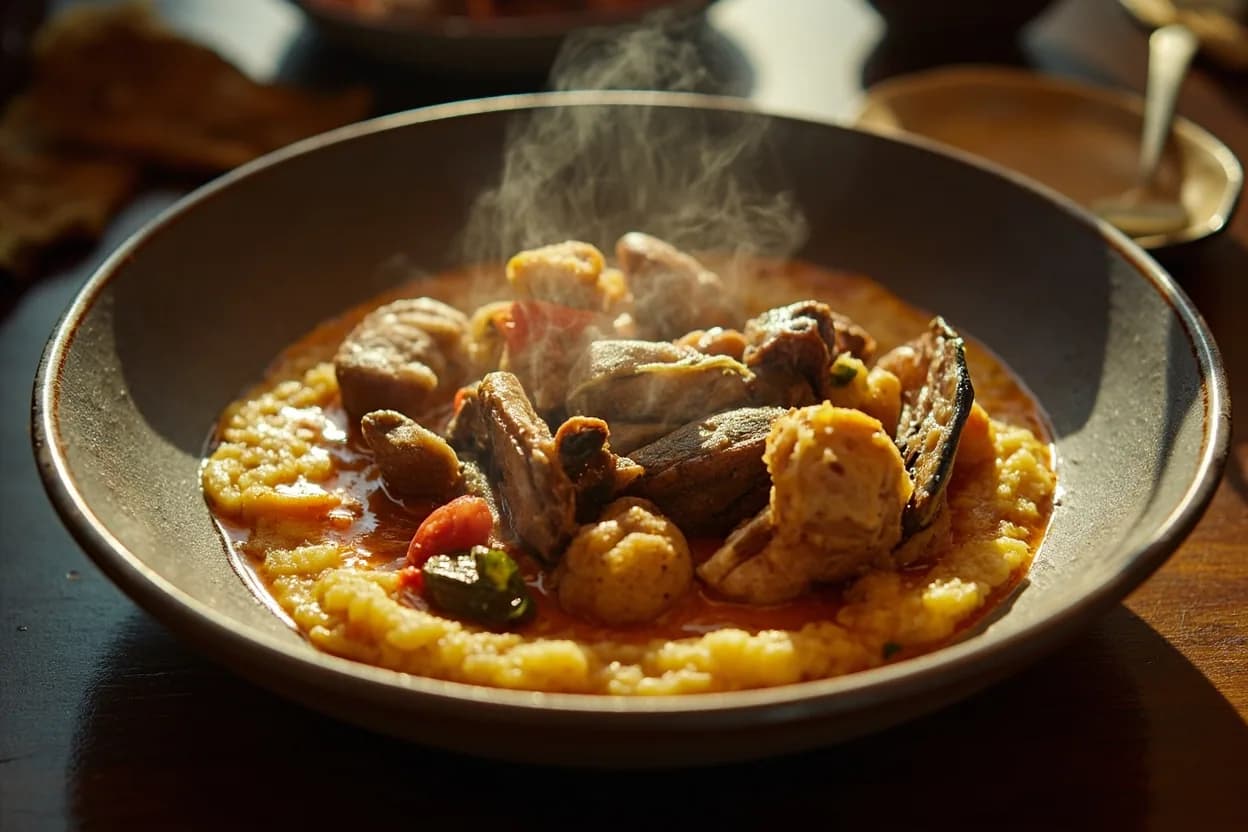
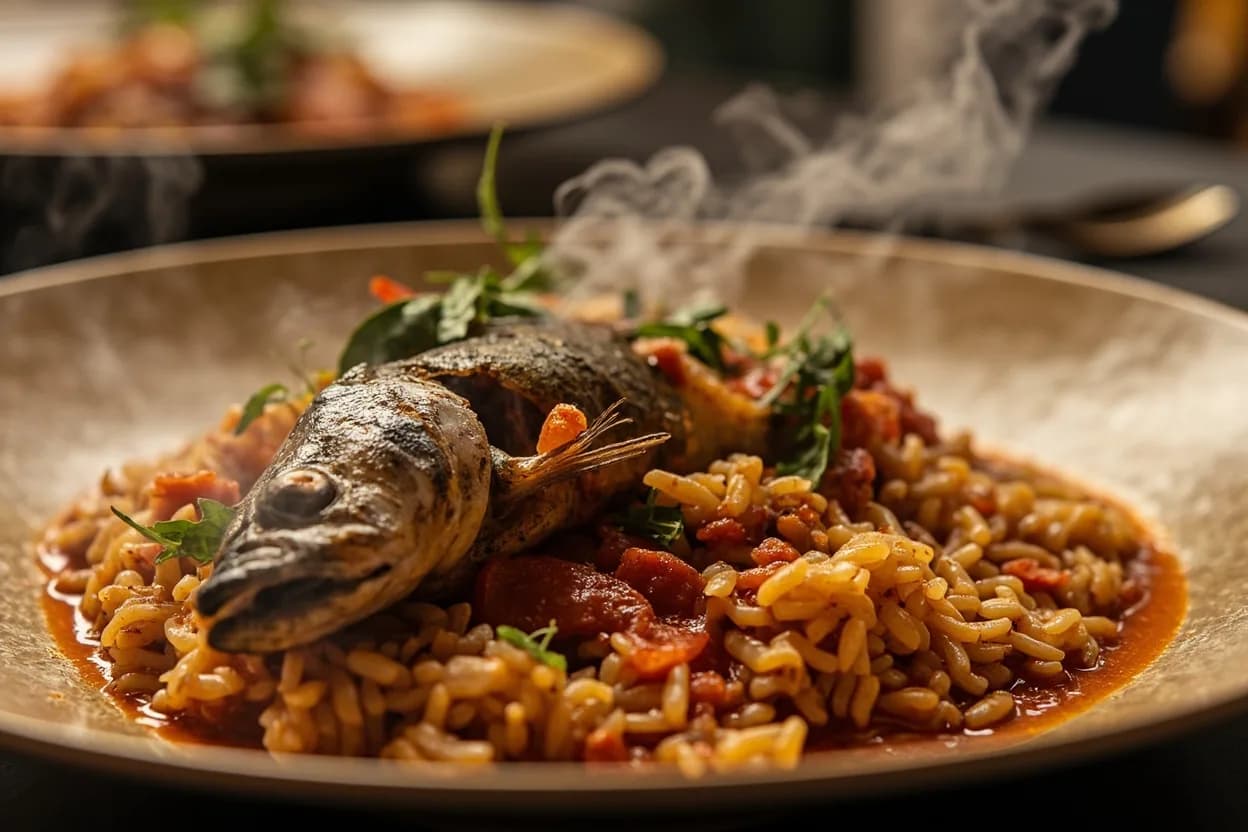
Appears in these dishes
Related
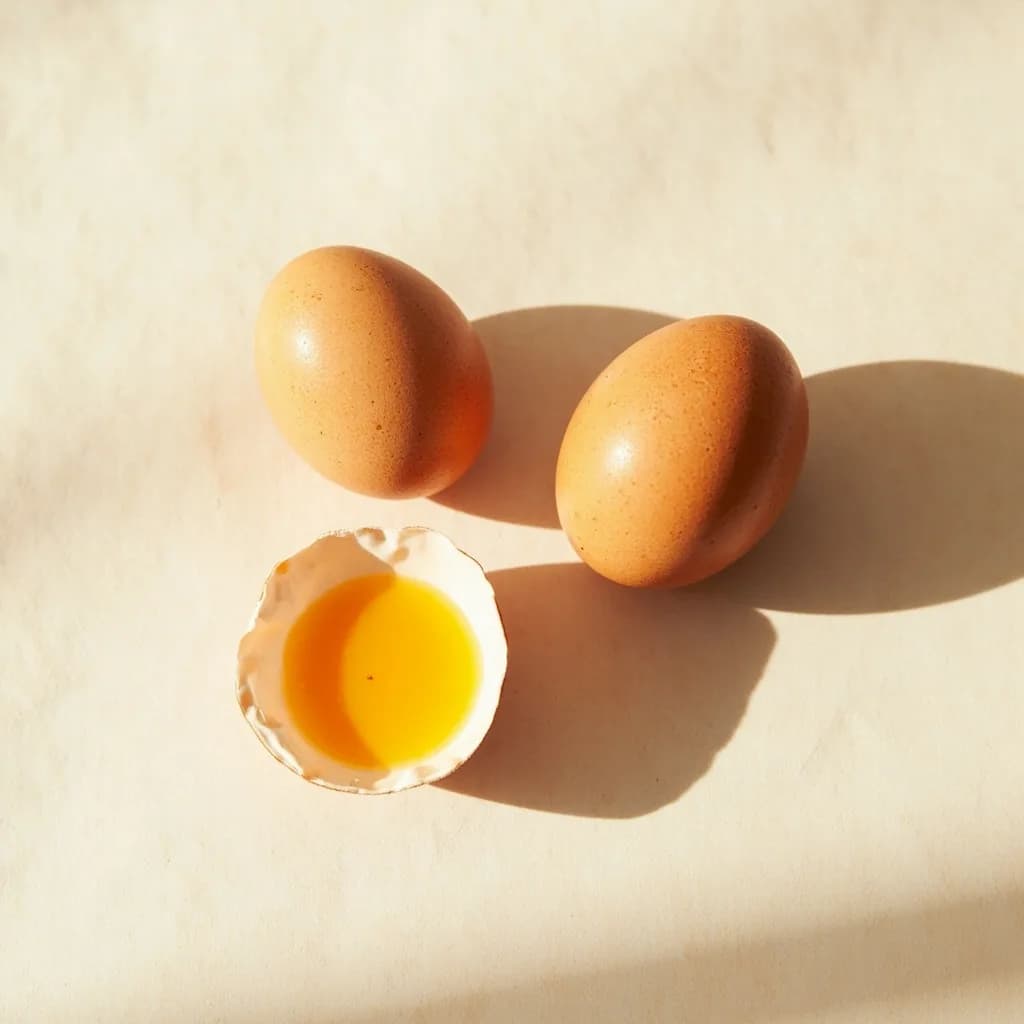
Egg
The kitchen's everything ingredient — bind, leaven, enrich, or fry
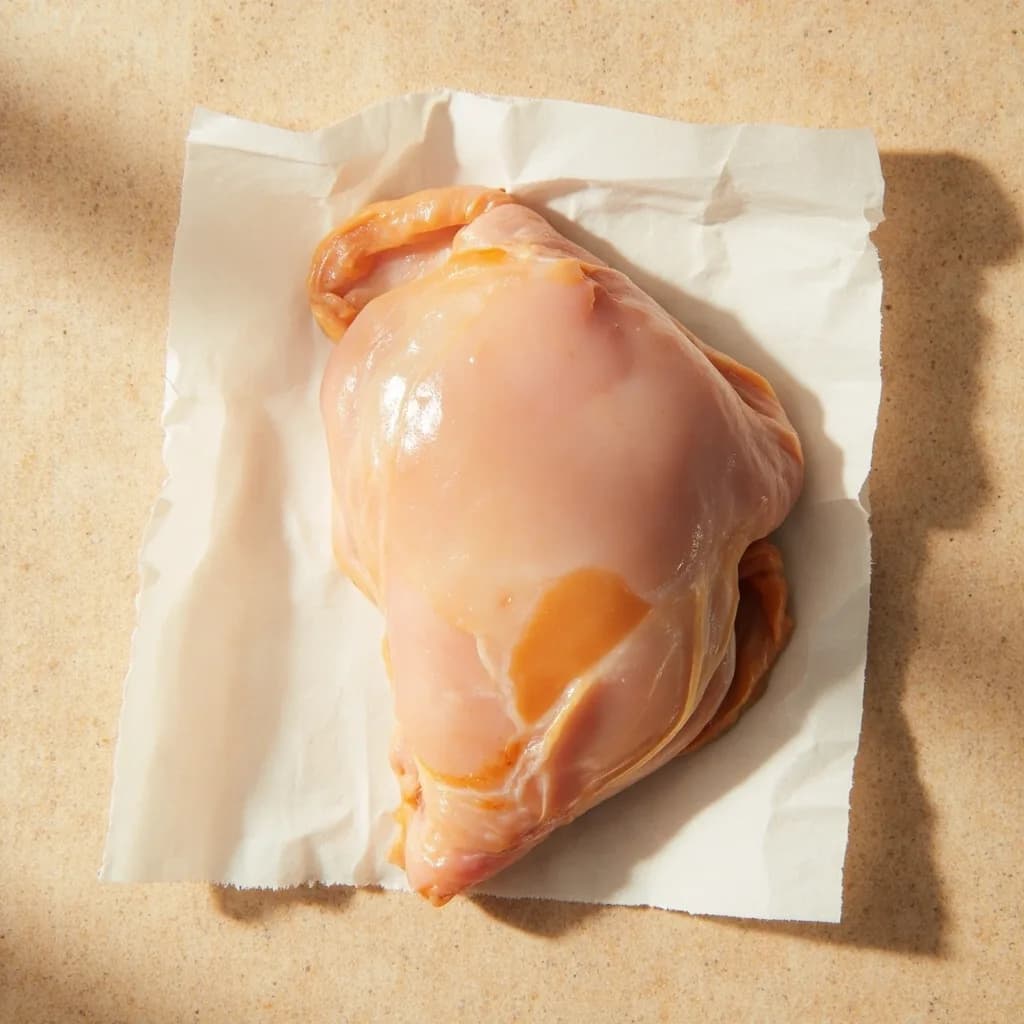
Chicken Breast
Lean, quick-cooking white meat for everyday dinners

Ground Beef
Versatile minced beef for burgers, ragù, tacos, and meatballs
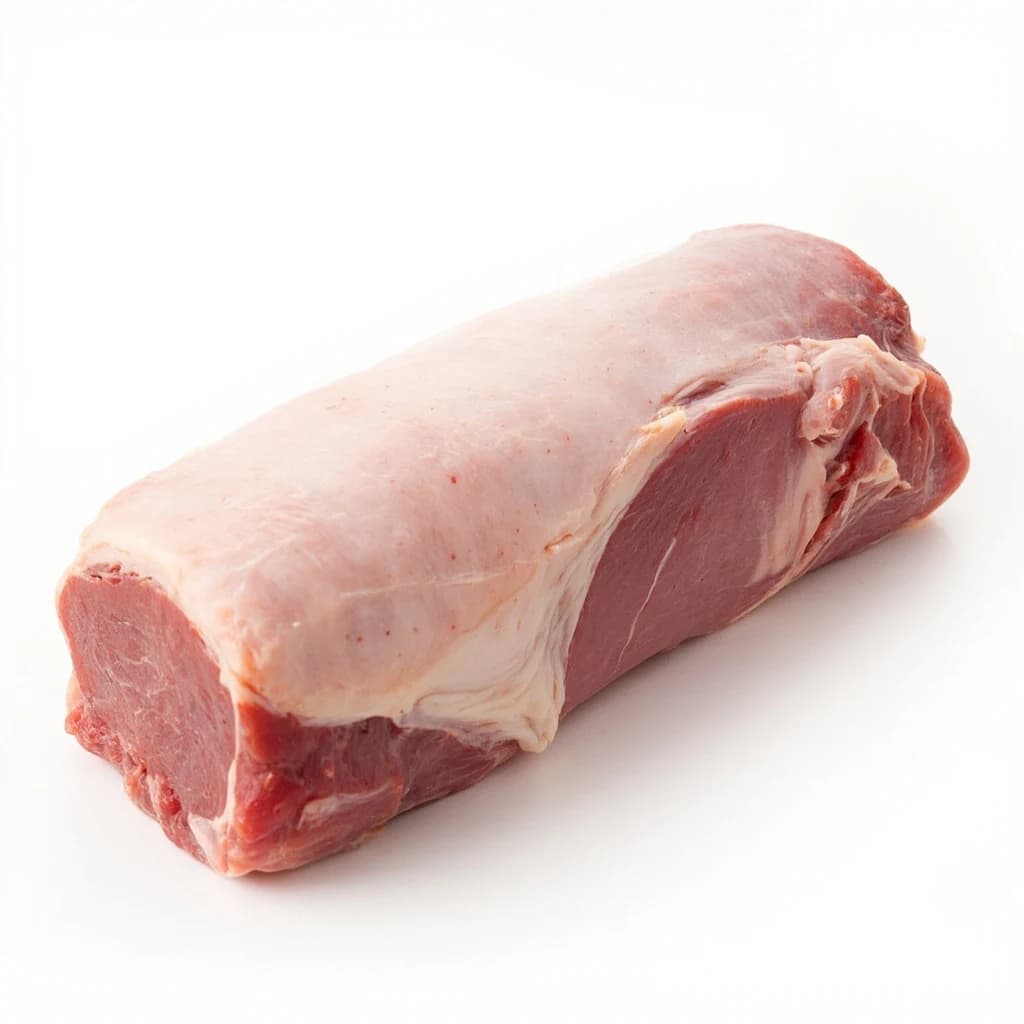
Pork Loin
Lean, tender roasting cut that stays juicy with care
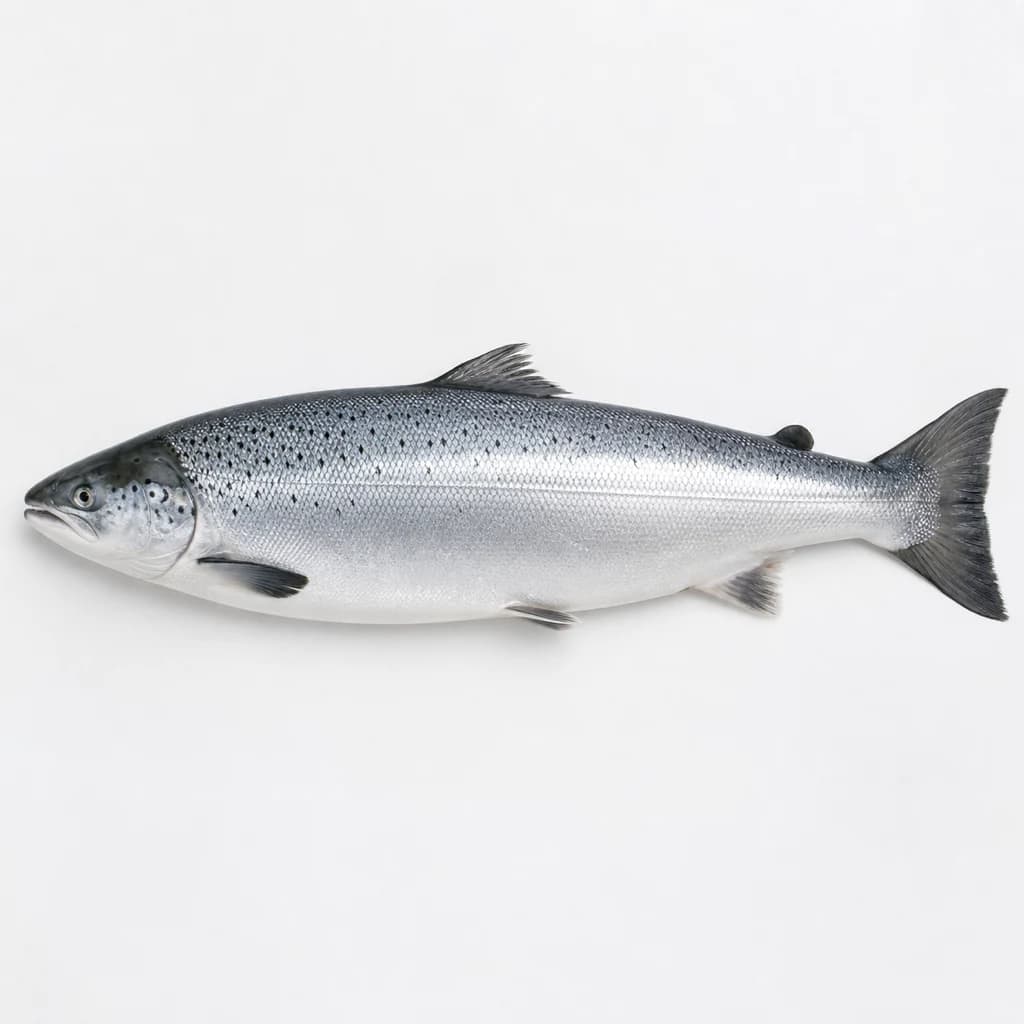
Salmon
Rich, rosy fish that roasts, grills, or cures beautifully

Egg White
Pure protein that whips to airy peaks for meringue and more

Egg Yolk
Rich, golden yolk for custards, mayonnaise, and pasta

Quail Egg
Tiny, speckled eggs for garnishing and elegant bites