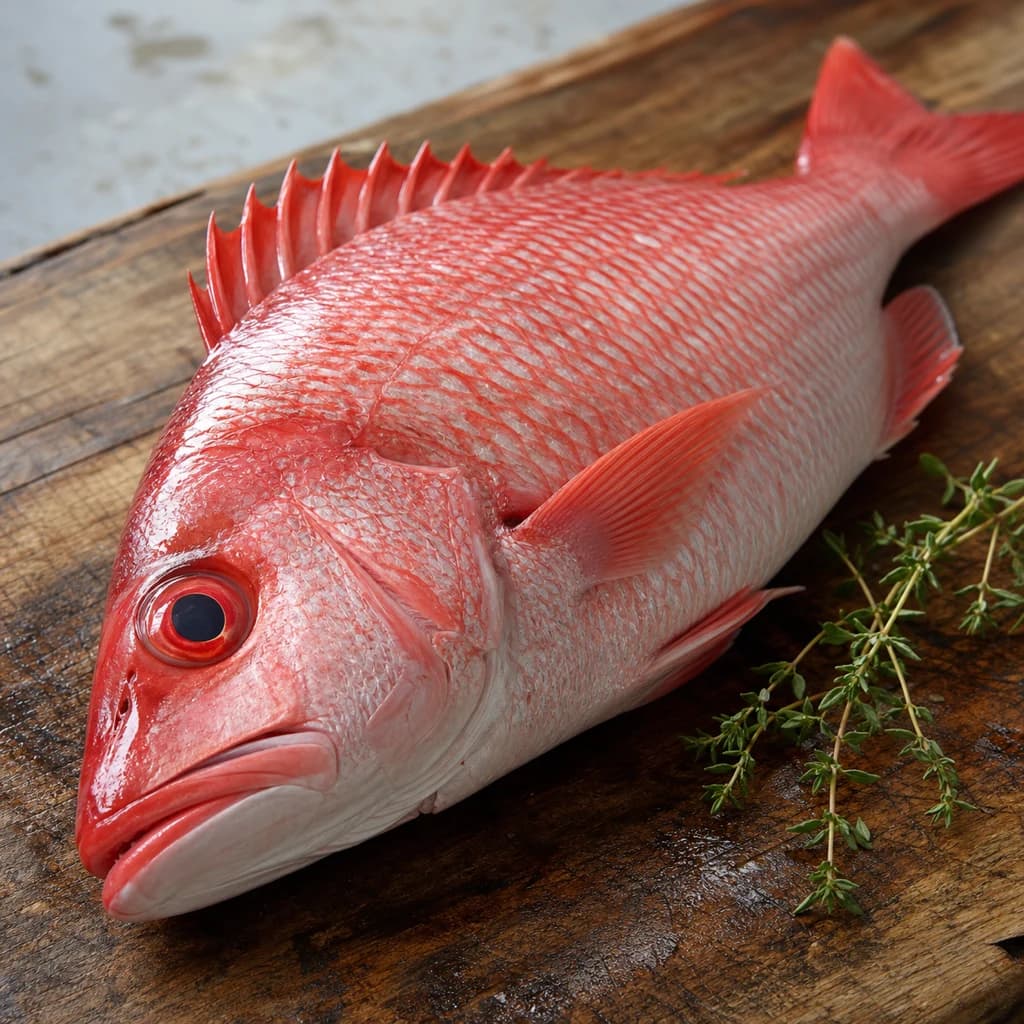
Natural form
A whole fresh red snapper displaying its vivid rosy skin and distinctive reef-fish profile.
Shows the complete fish as a shopper or fisher would encounter it, making the species instantly identifiable by color, shape, and scale pattern.
Proteins
Red Snapper
Firm, sweet white-fleshed reef fish prized for whole-roasting, grilling, and frying.
Red snapper is a saltwater fish with rosy skin and lean, mildly sweet white flesh that holds its shape when cooked. It is commonly grilled, pan-fried, baked whole, or steamed across Caribbean, Mexican, Southeast Asian, and Mediterranean kitchens. The skin crisps beautifully, and the firm fillets stand up to bold marinades and acidic sauces.
Red snapper is a premium white-fleshed reef fish prized in kitchens across the Gulf Coast and Caribbean. Its firm, lean flesh flakes into large, tender pieces with a mild, slightly sweet flavor accented by a subtle nutty backbone—qualities that make it equally at home with delicate citrus preparations and bold Cajun blackening. The fish is one of the most commercially important reef species in the Gulf of Mexico, though decades of overfishing have led to strict quotas and seasonal closures, making sustainable sourcing essential. In markets, red snapper is frequently mislabeled; lane snapper, vermilion snapper, and even tilapia are sometimes sold under its name. True red snapper has a uniformly bright red-orange skin and a distinctive dark spot at the base of the pectoral fin that sets it apart from look-alikes. Its leanness demands attention during cooking—the flesh turns opaque white and firms significantly but can go from perfectly cooked to dry in under a minute, so monitoring closely is essential.
- Measured in
- g
- Storage
- Fridge
Allergens
Types & varieties
The benchmark variety; bright red-orange skin, white flesh, mild flavor. Most commonly sold as 'red snapper' in U.S. markets.
Includes several species (L. peru, L. auroguttatus); slightly firmer texture, found from Baja California to Peru.
Ocyurus chrysurus; lighter flavor, lower fat content, excellent for ceviche. Distinct yellow stripe along lateral line.
L. synagris; smaller, softer flesh than true red snapper; often mislabeled. Has characteristic vertical stripes.
L. griseus; darker flesh, stronger flavor, excellent grilled. Found in both Atlantic and Pacific waters.
Rhomboplites aurorubens; smaller with pinkish flesh; marketed as 'red snapper' in some regions but has a different texture.
Common uses
Tips & pitfalls
- Select whole fish with bright, clear, bulging eyes and bright red or pink gills; avoid fish with sunken eyes or brown gills.
- Fresh whole red snapper should smell of the sea, not fishy or sour—the flesh should have a clean, briny scent.
- The skin shrinks significantly during high-heat cooking; score the skin in a diamond pattern at 1-inch intervals before roasting or pan-searing to prevent curling and ensure even cooking.
- Red snapper has a row of pin bones (Y-bones) running along the fillet—remove them with pin-bone pliers or tweezers before cooking, working from the head end toward the tail.
- For crispy skin, pat the fish completely dry, score the skin, and start in a hot pan skin-side down without moving for 3–4 minutes to render the fat beneath.
- A light dry brine (1 tsp salt per 2 lbs, 20 minutes) firms the flesh and improves texture without drawing out moisture unnecessarily.
- When grilling whole, place fish in a fish basket or on a well-oiled grate; cook 8–10 minutes per side for a 3-lb fish, or until the flesh near the spine flakes easily and turns opaque throughout.
- Avoid overcooking—red snapper is lean and dries out quickly; remove from heat when the flesh turns opaque and just begins to flake at the thickest point; carryover cooking will continue for 2–3 minutes.
Nutrition
Energy
418 kJ · per 100 g
Where the calories come from
Protein
20.5g
41% DV
Carbs
0g
0% DV
Fat
1.3g
2% DV
Fiber
0g
0% DV
Sugars
0g
of which
Sodium
64mg
3% DV
Source · USDA FoodData Central · approx. Fish, snapper, mixed species, raw
View on FDC →In the shops
Matched grocery products
No matched grocery products for Red Snapper yet.
Good to know
- Scientific Name
- Lutjanus campechanus (Gulf/Atlantic); Lutjanus peru (Pacific)
- Origin
- Western Atlantic from Massachusetts to Brazil, including Gulf of Mexico; Pacific stocks from Baja California to Peru
- Flavor Profile
- Mild, slightly sweet with subtle nutty backbone; not fishy when fresh
- Texture
- Firm, lean flesh with large, tender flakes; thin but resilient skin
- Peak Season
- Year-round; best quality June–October in Gulf stocks
- Yield
- Approximately 50% from whole fish to skin-on fillet
- Mercury Level
- Moderate—2–3 servings per week maximum for adults (FDA advisory)
- Shelf Life
- 1–2 days fresh on ice; up to 6 months frozen at 0°F
Substitutes
- Sea Bream (Dorade) — Closest texture and mild flavor; can often be cooked identically. Mediterranean in origin, similar price point.
- Sea Bass (Chilean or Black) — Firm texture, mild flavor; slightly buttery. A reliable all-purpose substitute.
- Grouper — Similar flaky firmness; holds up well to grilling and roasting. Stronger flavor but compatible.
- Redfish (Ocean Perch) — Firm, white-fleshed; excellent for pan-searing. Widely available and affordable.
- Halibut — Very firm, lean, mild; slightly sweeter. Works for most preparations.
Pairs with
Also called
Snapper
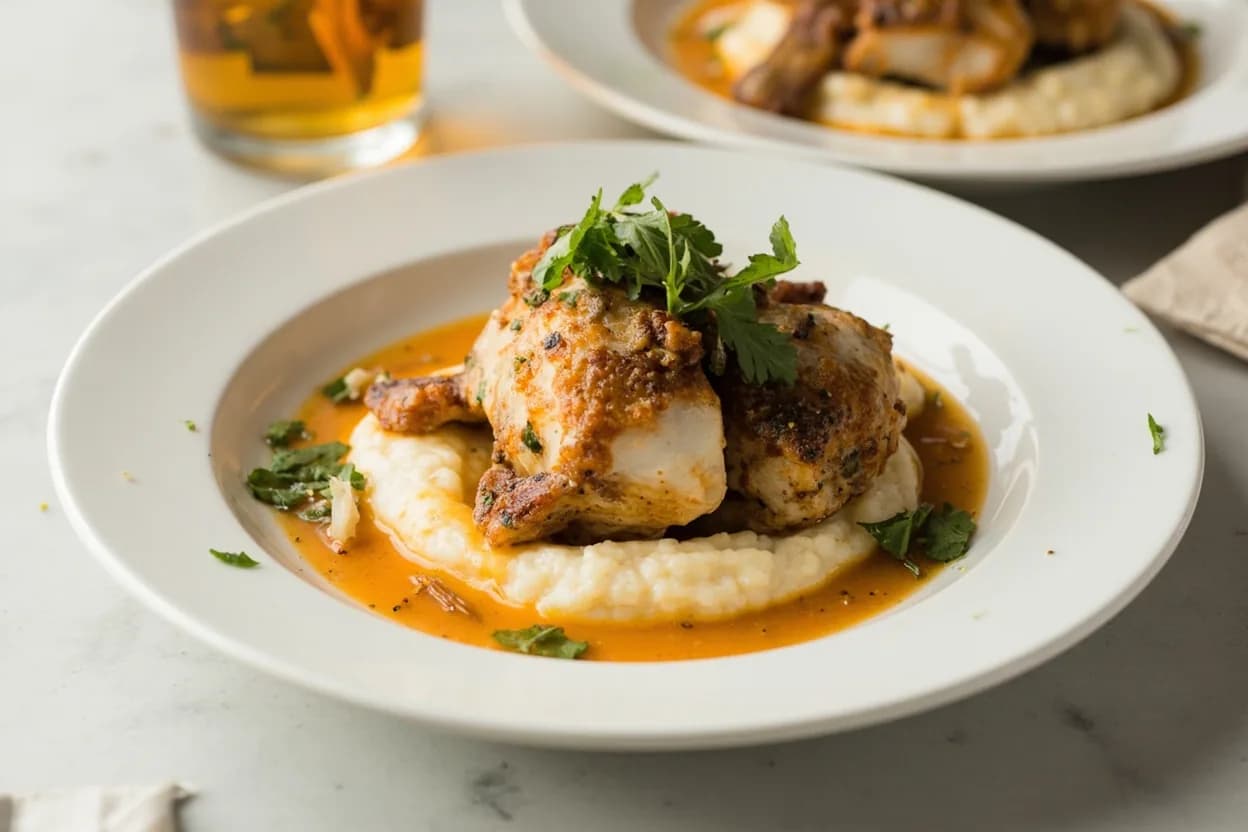
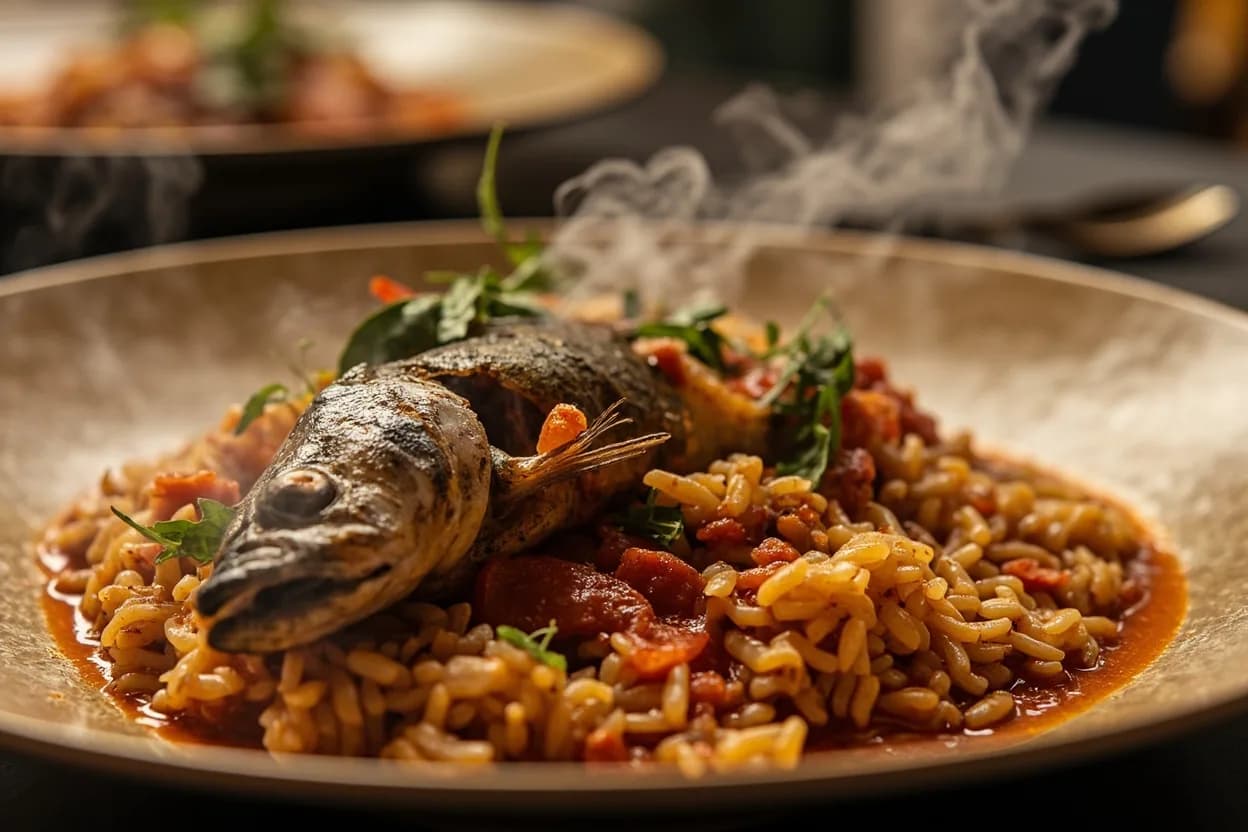
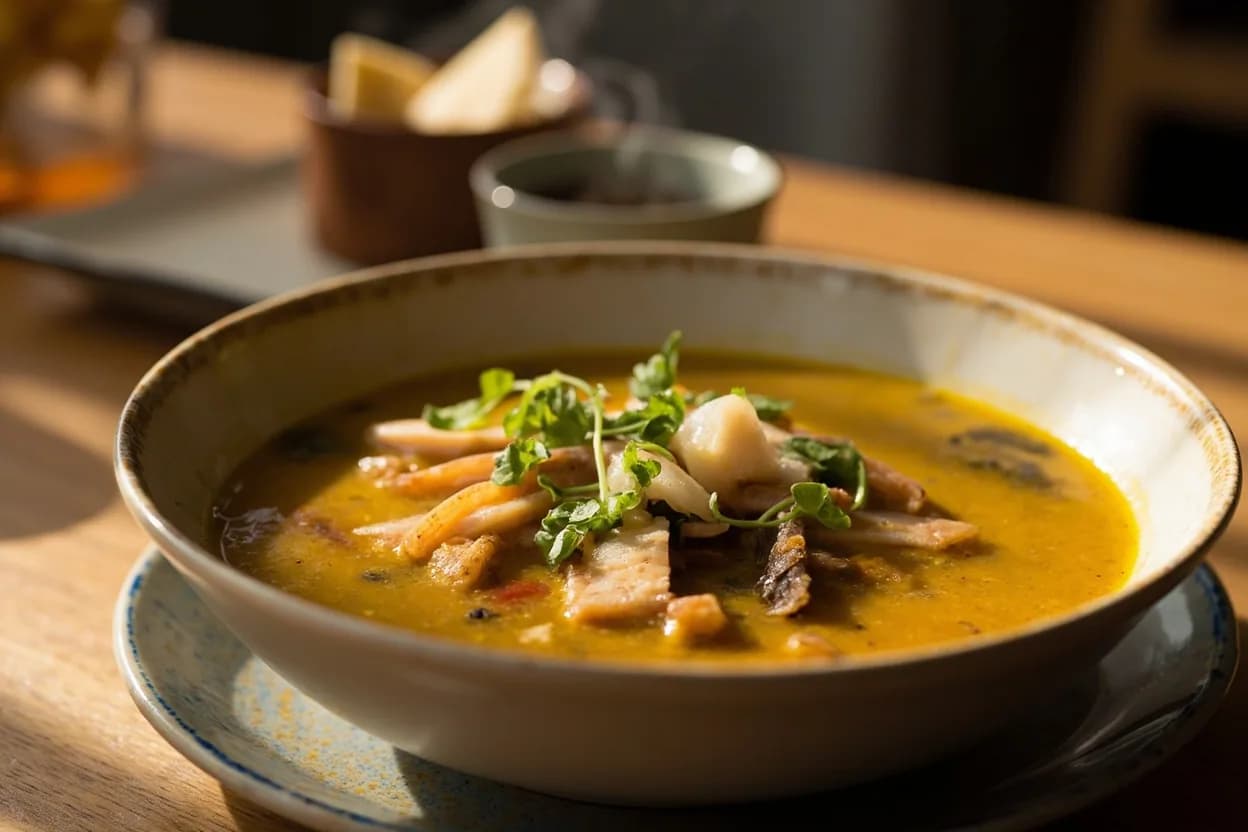
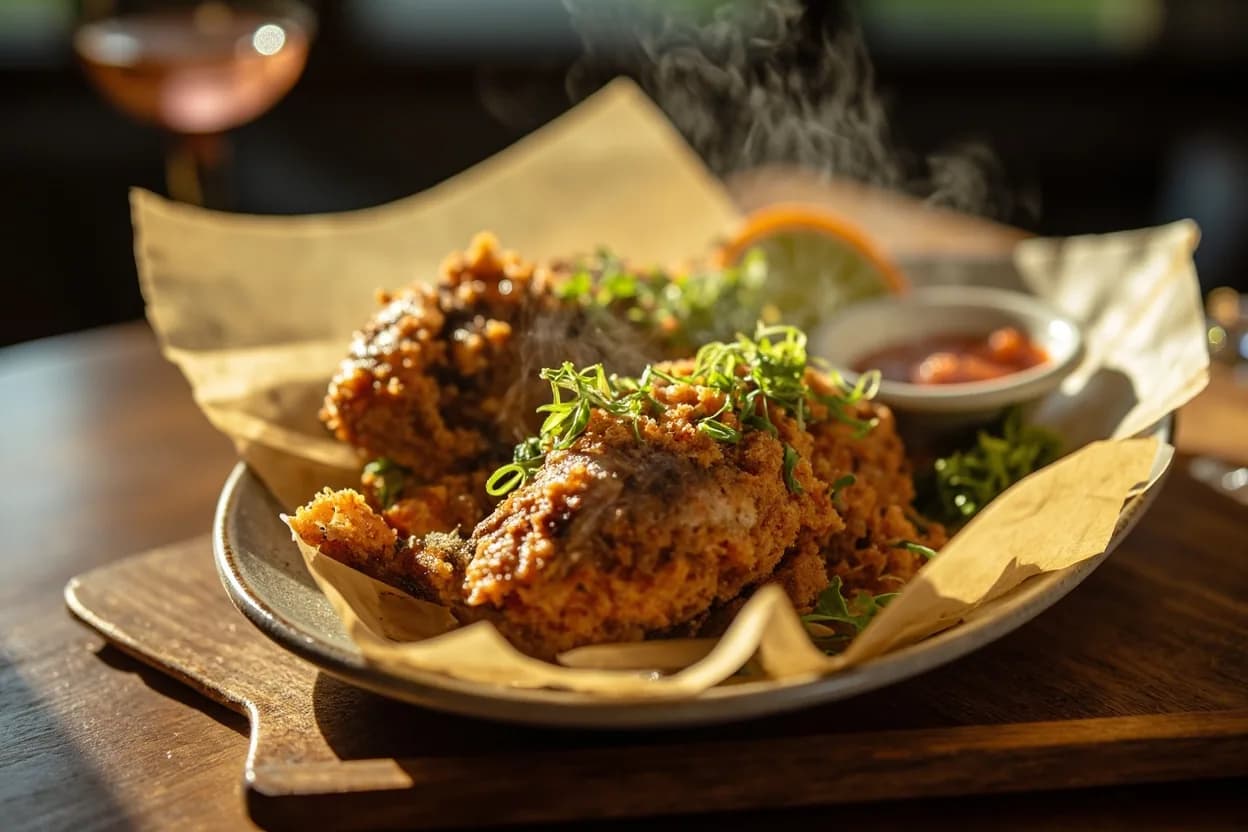
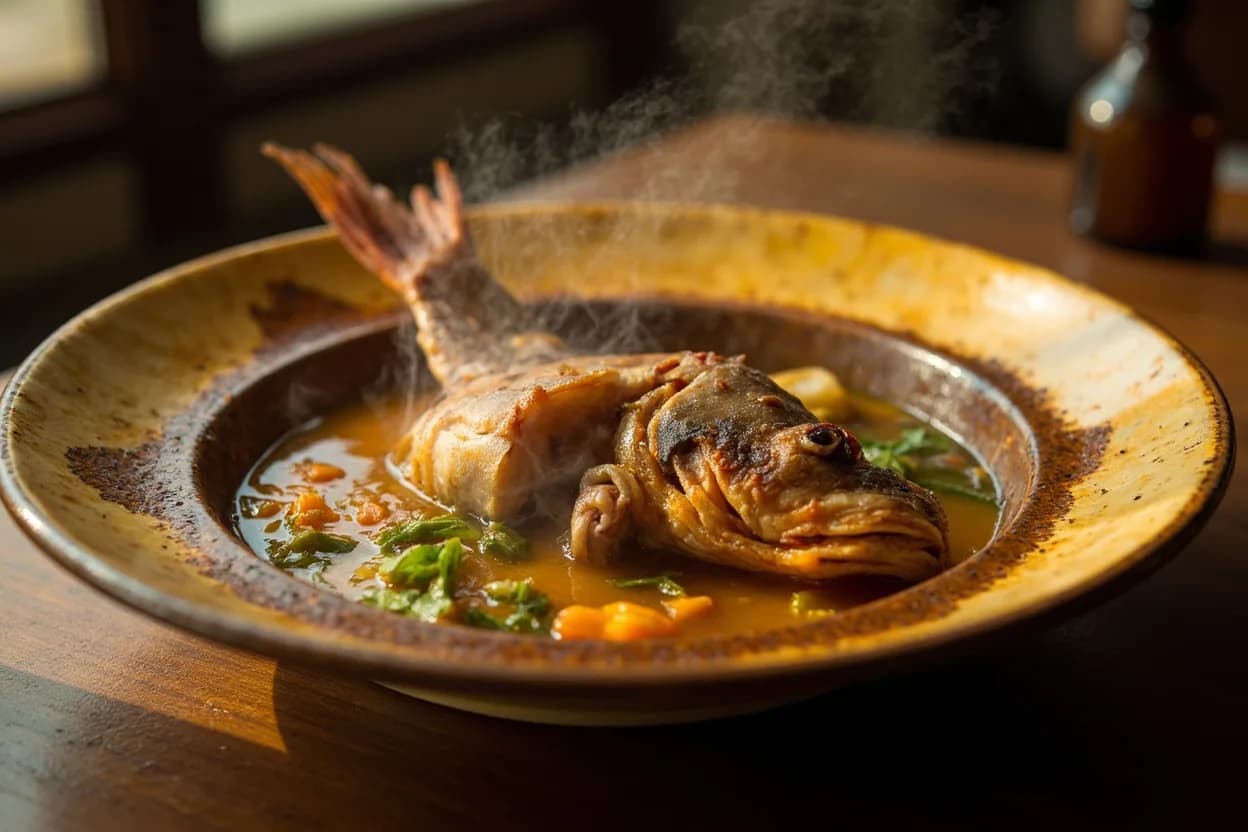
Appears in these dishes
Related
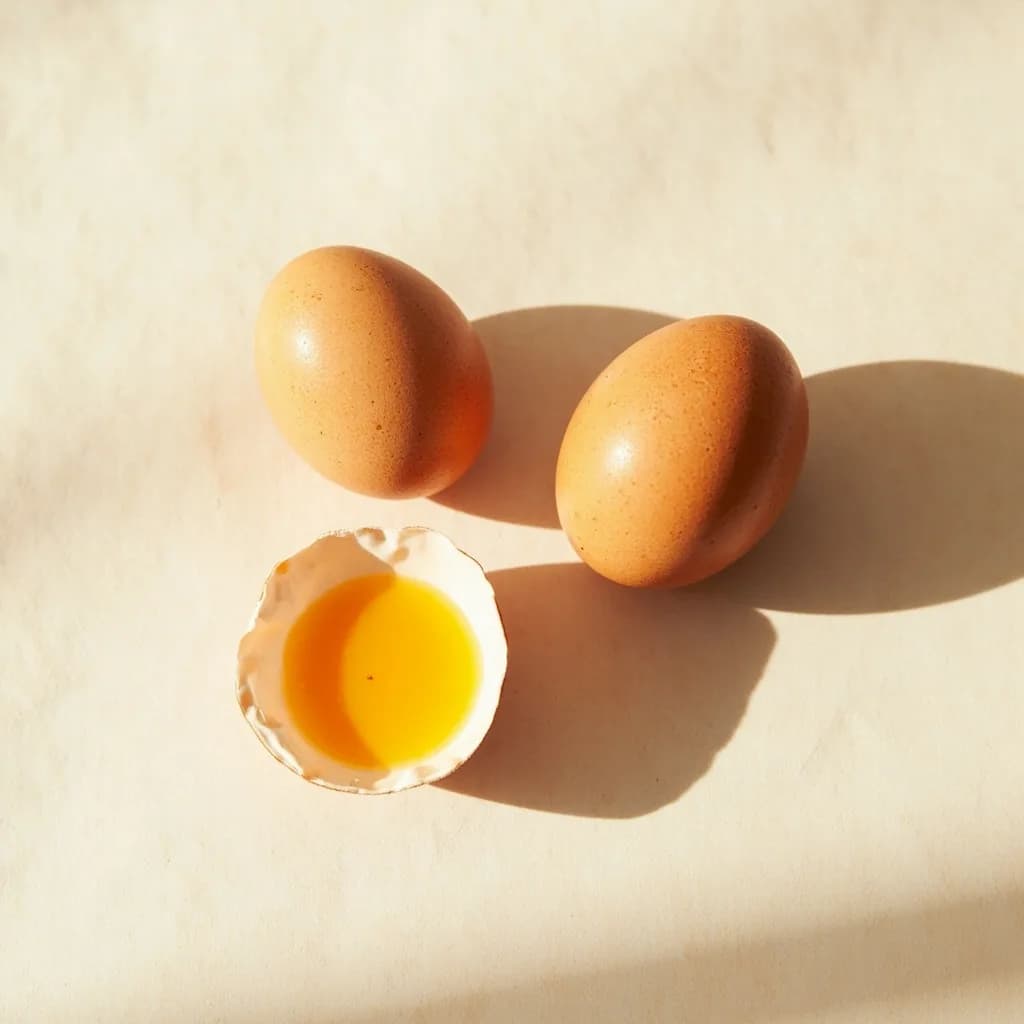
Egg
The kitchen's everything ingredient — bind, leaven, enrich, or fry
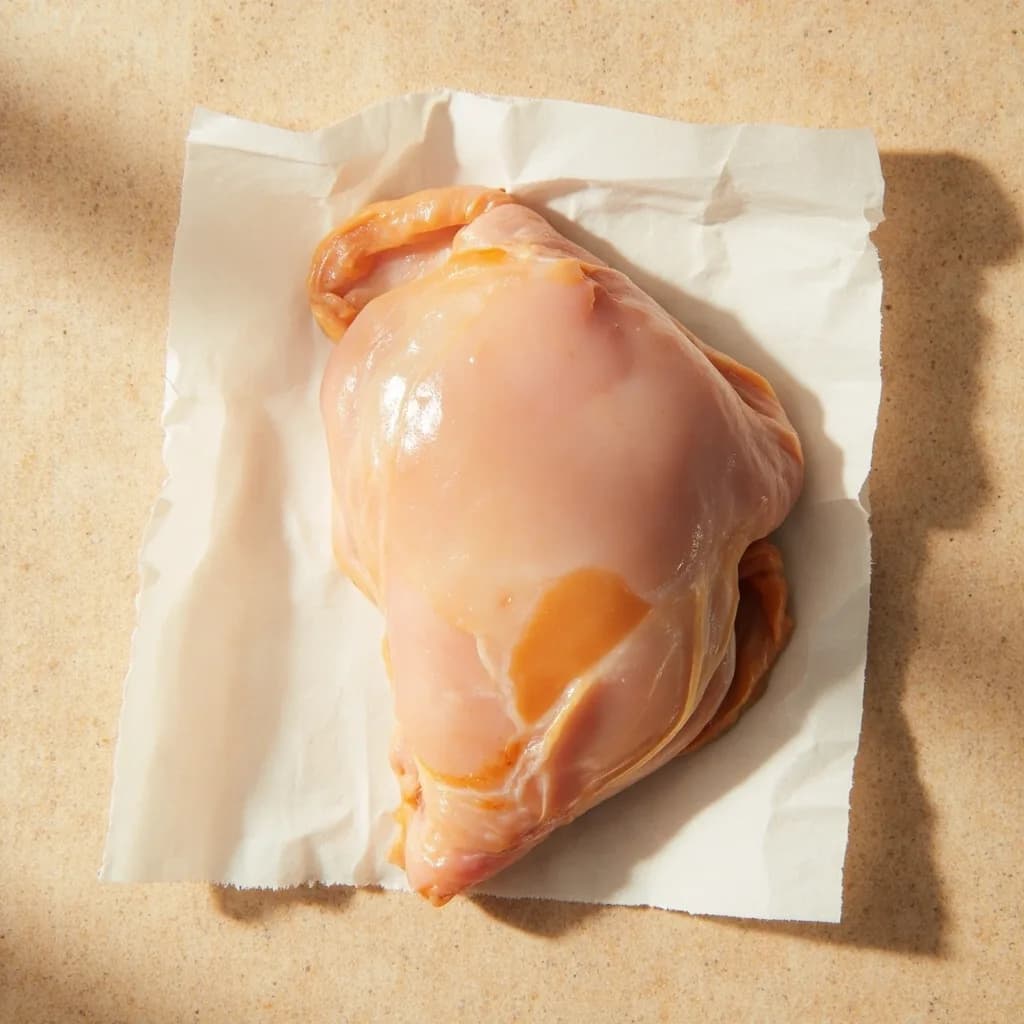
Chicken Breast
Lean, quick-cooking white meat for everyday dinners

Ground Beef
Versatile minced beef for burgers, ragù, tacos, and meatballs
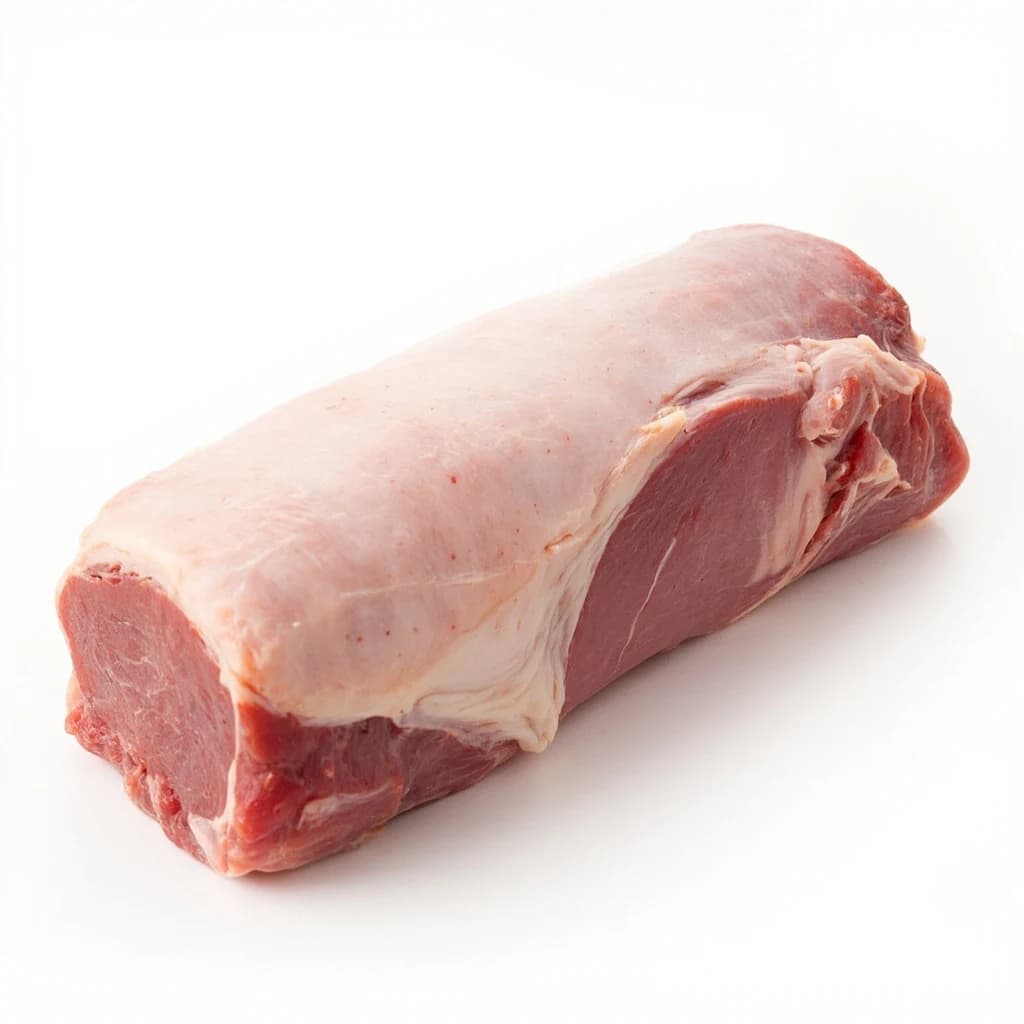
Pork Loin
Lean, tender roasting cut that stays juicy with care
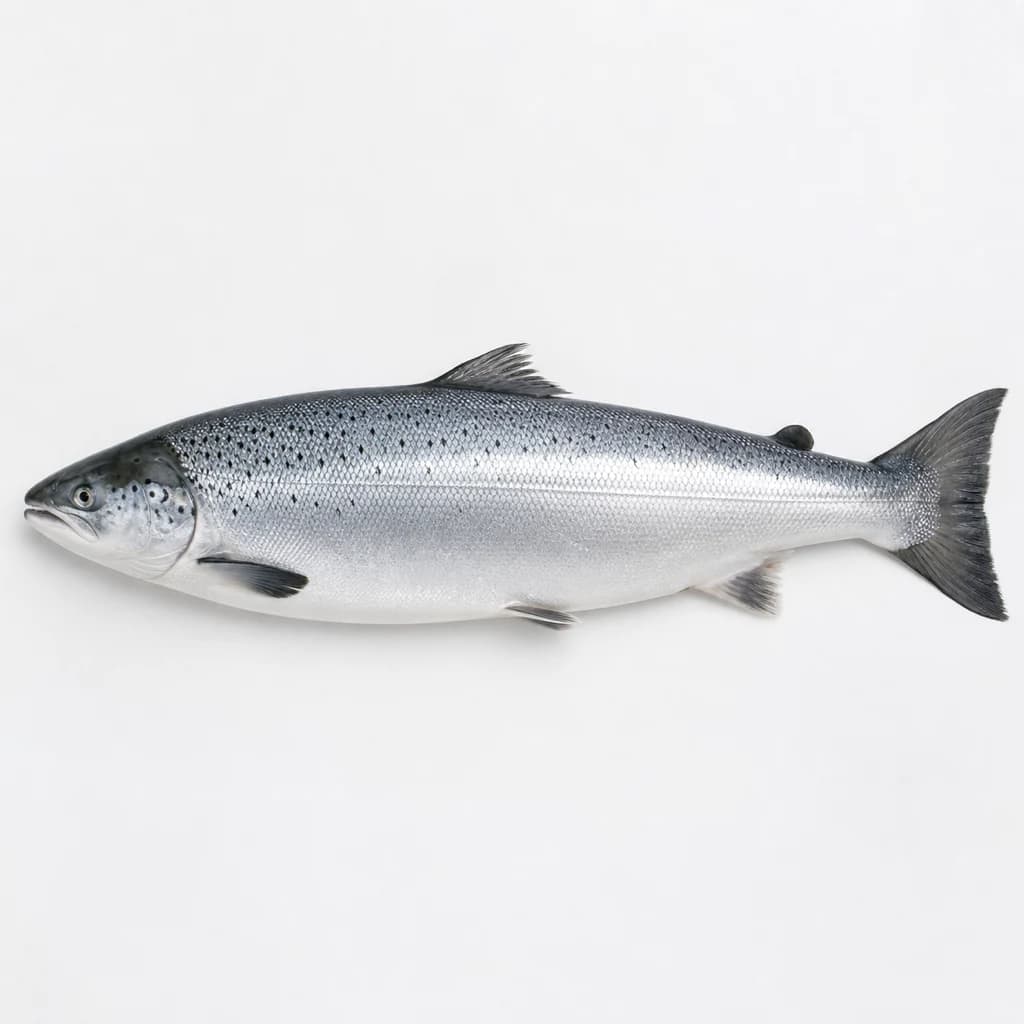
Salmon
Rich, rosy fish that roasts, grills, or cures beautifully

Egg White
Pure protein that whips to airy peaks for meringue and more

Egg Yolk
Rich, golden yolk for custards, mayonnaise, and pasta

Quail Egg
Tiny, speckled eggs for garnishing and elegant bites