
Natural form
A whole fresh sea bass showing its silvery skin, streamlined body, and spiny dorsal fin.
Teaches readers to recognize sea bass in its whole, unprocessed state at a market or fishmonger.
Proteins
Sea Bass (Levrek)
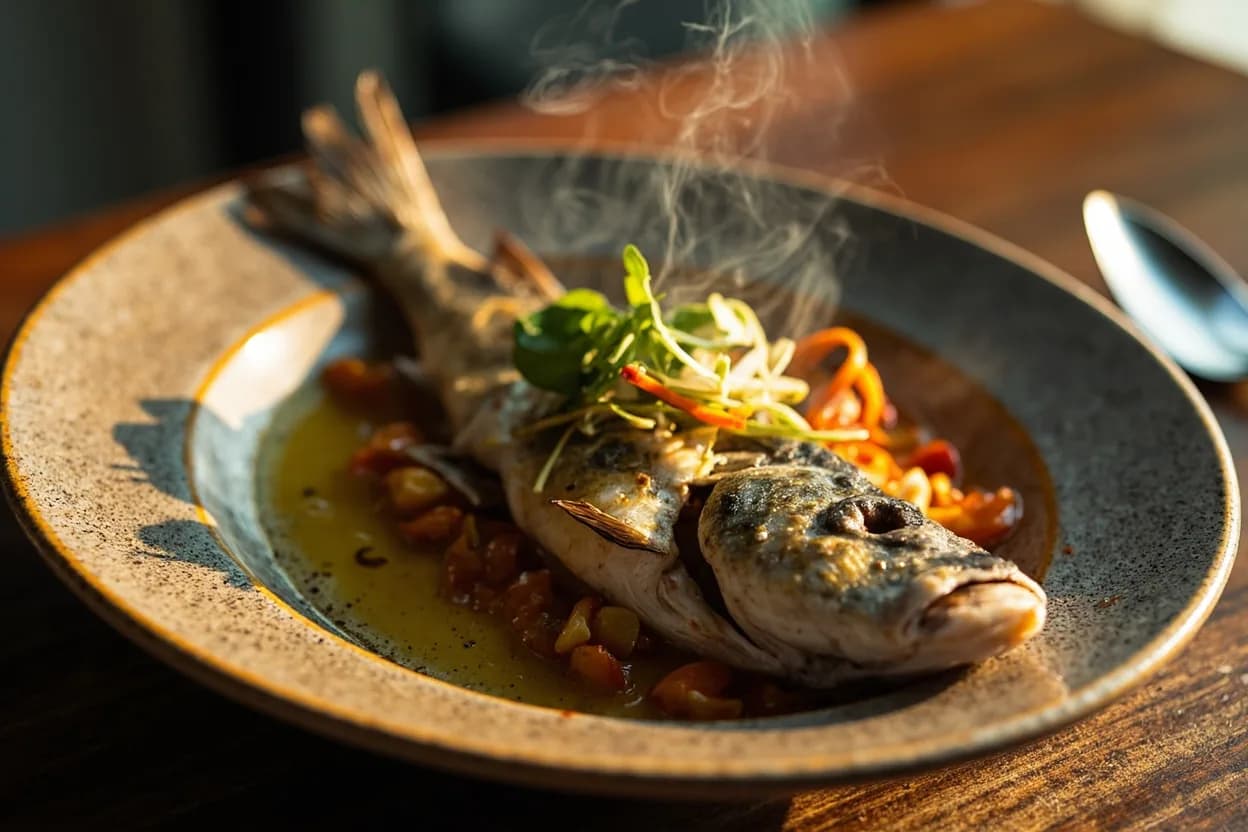
Delicate white-fleshed fish ideal for roasting whole, grilling, or pan-searing skin-on.
Sea bass is a lean saltwater fish with tender, flaky white flesh and a mild, clean flavor. It is roasted whole, grilled, steamed, or pan-seared skin-on across Mediterranean and Turkish cooking, where it is known as levrek. Its delicate taste pairs well with citrus, herbs, and olive oil.
Sea bass (Dicentrarchus labrax), called levrek in Turkish, is the defining white fish of Mediterranean and Aegean cuisine. Its flesh is prized for a delicate, slightly sweet flavor with a clean, briny marine note when wild-caught, and a milder, more consistent taste when farmed. The texture is medium-firm, moist, and fine-flaked, holding together well during cooking while remaining tender. This combination of subtle flavor and reliable texture makes sea bass extraordinarily versatile—it can stand up to bold accompaniments like capers and anchovies or recede gracefully behind simply roasted fennel and lemon.
Turkey's Aegean coast is the world's leading producer of farmed sea bass, using net-cage aquaculture in the open sea, which produces consistent, year-round fish. Wild sea bass from the Bosphorus or Aegean has a more complex, briny character and firmer texture due to a varied diet and constant swimming. The difference is noticeable: farmed fish is milder and fattier; wild fish has deeper flavor and leaner, more resilient flesh. When sourcing, look for ASC or Global GAP certification on farmed fish to ensure sustainable practices.
In Turkish kitchens, levrek is treated with deep respect for its natural flavor. Grilled whole with tomato and pepper paste, or baked slowly with onions and olive oil, are the classic preparations. The Turkish approach—minimal seasoning, letting the fish speak for itself—reflects the same philosophy that makes sea bass beloved across Mediterranean cuisines: it is a vehicle for quality ingredients, not a blank canvas demanding heavy treatment.
- Measured in
- g
- Storage
- Fridge
Allergens
Types & varieties
The standard species; wild-caught has deeper flavor, farmed is milder and slightly fattier
North American cousin (Morone saxatilis); similar texture, slightly firmer, stronger flavor
Smaller Atlantic species; sweeter, more pronounced flavor; excellent but underutilized
Wild vs. Farmed: Making the Choice
The origin matters profoundly for both flavor and cooking approach. Wild sea bass from cold, deep waters has a firmer texture and complex, briny flavor that benefits from straightforward preparations—grilling, roasting—that honor its character. Farmed sea bass is milder and slightly fattier, which makes it more forgiving in the pan but also means it can handle richer accompaniments like beurre blanc or creamy sauces without being overwhelmed. For raw preparations like ceviche or carpaccio, seek sushi-grade wild-caught fish from a trusted source; farmed fish is generally adequate for cooked applications where slight textural differences matter less.
- Wild: firmer texture, deeper flavor, leaner flesh, best for grilling and raw preparations
- Farmed: milder flavor, consistent fat content, more forgiving in pan-searing, available year-round
Buying and Storage
Fresh whole sea bass should have clear, bulging eyes and bright, tightly adherent scales. Press the flesh behind the gills—it should spring back firmly. The gills should be bright red or pink-red, not brown or slimy. Freshness deteriorates rapidly: use within 1–2 days on crushed ice, or freeze immediately for up to 6 months at −18°C. For fillets, look for moist, translucent flesh without any browning or drying at the edges. If buying skin-on fillets, ensure the skin is intact and undamaged—it is your best indicator of proper handling and will crisp beautifully when cooked.
- Buy skin-on whenever possible; the skin protects the flesh and crisps when seared
- Ask your fishmonger to scale and gut but leave the head on for roasting presentations
- Avoid fish with cloudy eyes, slimy gills, or flesh that leaves an indentation when pressed
Cooking Temperature and Doneness
Sea bass is unforgiving of overcooking. The flesh's delicate protein structure turns chalky and dry quickly past the optimal temperature. For medium doneness, target an internal temperature of 130–135°F (54–57°C). At this point, the flesh will be opaque at the surface but still translucent at the very center—it will seem underdone by some standards, but carryover cooking will bring it to perfect doneness during the 5-minute rest. The flesh should still feel slightly resistant when probed and will continue to flake slightly as it rests. A reliable instant-read thermometer is the best investment for consistently cooked sea bass; visual cues alone are unreliable with such a lean fish.
- Use an instant-read thermometer; target 130–135°F (54–57°C) for medium
- Carryover cooking raises temperature 5–10°F during resting
- Test 1–2 minutes before you think the fish is done—it cooks faster than expected
Common uses
Tips & pitfalls
- Buy skin-on whenever possible; the skin protects the flesh during cooking and crisps beautifully when seared or grilled
- Ask your fishmonger to scale and gut but leave the head on for impressive whole-roasted presentations
- Test freshness by pressing the flesh—it should spring back immediately; cloudy eyes indicate the fish is past its prime
- Bring fish to room temperature 20 minutes before cooking to ensure even heat penetration throughout the flesh
- Pat fish completely dry with paper towels before searing—moisture is the enemy of crisp skin
- Score the thickest part of the flesh before roasting whole to allow heat to penetrate the center evenly
- Rest whole roasted fish 5 minutes before serving; carryover cooking continues off heat
- Use high, steady heat and resist moving the fish while cooking—flip only once if pan-searing
- Season simply; sea bass is subtle and does not need heavy seasoning to shine
- Common mistake: overcooking. Sea bass is done at 130–135°F (54–57°C) internal temperature for medium; it will continue cooking off heat
- Common mistake: cooking too cold. Start with high heat to set the skin and create the Maillard reaction; low heat produces steamed, mushy flesh
Nutrition
Energy
406 kJ · per 100 g
Where the calories come from
Protein
18.4g
37% DV
Carbs
0g
0% DV
Fat
2g
3% DV
Fiber
0g
0% DV
Sugars
0g
of which
Sodium
68mg
3% DV
Source · USDA FoodData Central · approx. Fish, sea bass, mixed species, raw
View on FDC →In the shops
Matched grocery products
No matched grocery products for Sea Bass (Levrek) yet.
Good to know
- Scientific name
- Dicentrarchus labrax
- Origin
- Eastern Atlantic (Norway to Senegal) and Mediterranean Sea
- Farming leader
- Turkey (Aegean region) is the world's largest producer via aquaculture
- Wild season
- Autumn through early spring
- Farmed availability
- Year-round
- Flavor profile
- Mild, slightly sweet, clean; briny marine note when wild
- Texture
- Medium-firm, moist, fine flakes; resilient when cooked
- Typical market size
- Whole: 1–3 lbs (400g–1.4kg); fillets: 6–10 oz (170–280g)
- Yield (whole to fillet)
- Approximately 45–50%
- Shelf life (fresh)
- 1–2 days on ice or crushed ice
- Shelf life (frozen)
- Up to 6 months at −18°C/0°F
- Fat content
- Low to moderate (1.5–4% depending on season and diet)
Substitutes
- Branzino (Italian Sea Bass) — The Italian name for the same species; essentially interchangeable in any preparation
- Sea Bream (Çupra) — Slightly sweeter flesh with a similar texture; cook identically to sea bass
- Red Snapper — Mild and flaky with comparable texture and versatility; excellent alternative when available
- Cod (Taban balığı) — Firmer texture and blander flavor; works well for baking, poaching, and fish cakes
- Halibut — Similar delicate flavor with a slightly denser texture; a worthy substitute for most preparations
Pairs with
Also called
Levrek · Branzino
Appears in these dishes
Related
Egg
The kitchen's everything ingredient — bind, leaven, enrich, or fry
Chicken Breast
Lean, quick-cooking white meat for everyday dinners

Ground Beef
Versatile minced beef for burgers, ragù, tacos, and meatballs
Pork Loin
Lean, tender roasting cut that stays juicy with care
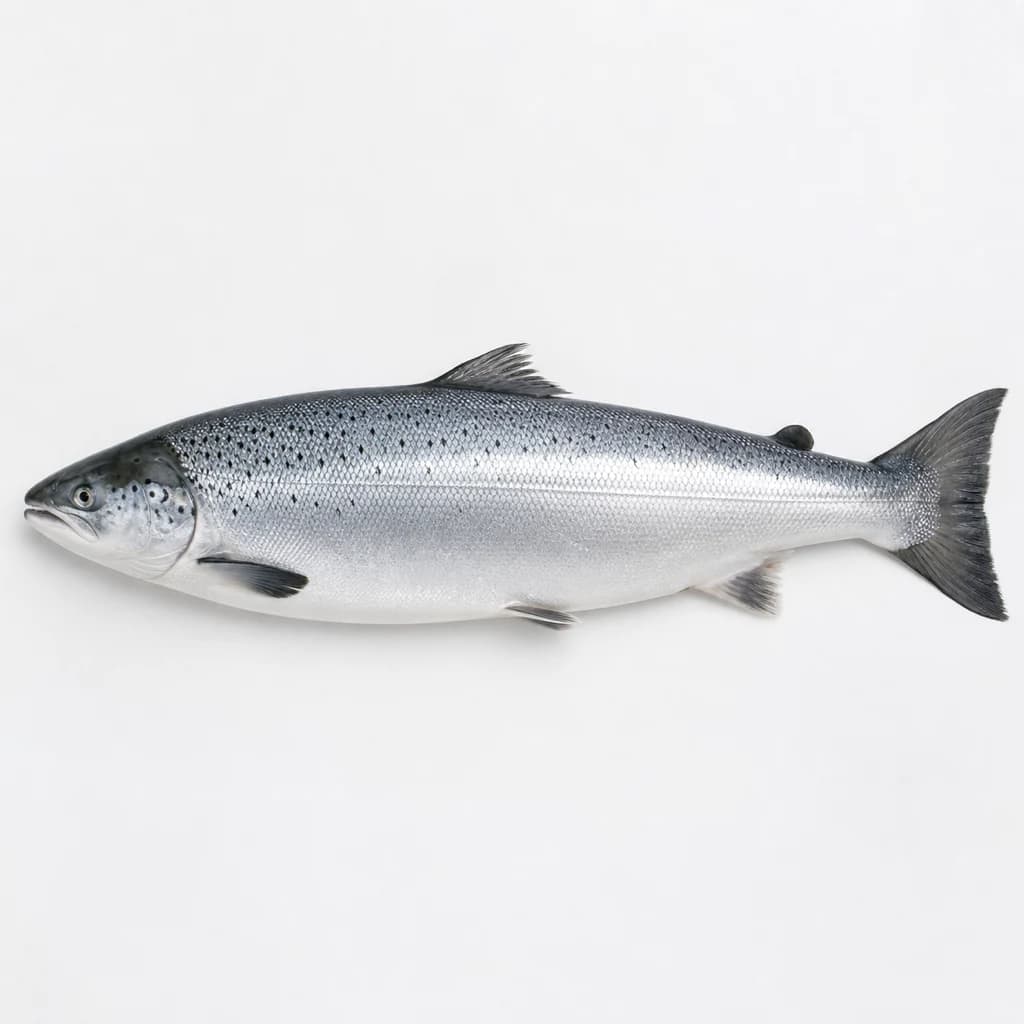
Salmon
Rich, rosy fish that roasts, grills, or cures beautifully

Egg White
Pure protein that whips to airy peaks for meringue and more
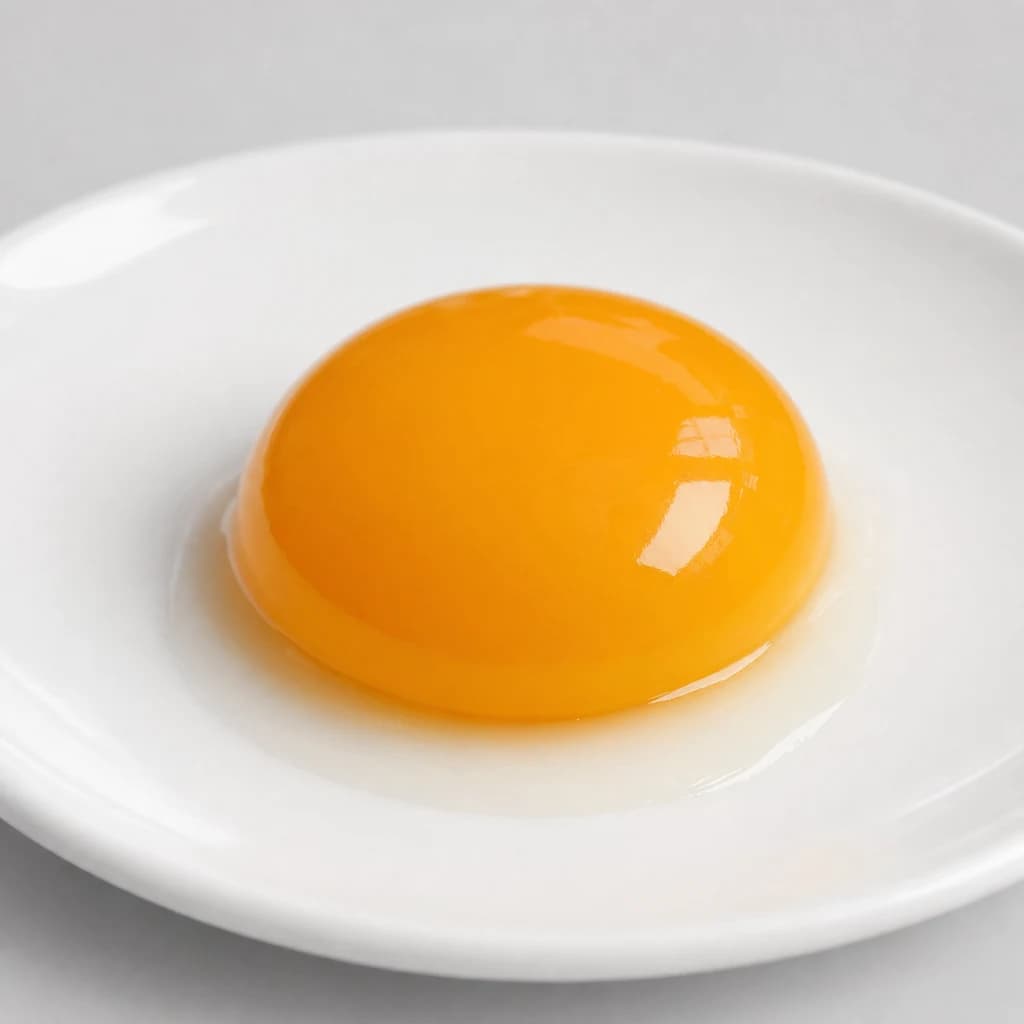
Egg Yolk
Rich, golden yolk for custards, mayonnaise, and pasta

Quail Egg
Tiny, speckled eggs for garnishing and elegant bites