
Natural form
Whole fresh branzino showing its silver-grey skin, streamlined body, and intact fins.
Shows the reader exactly what a whole, unprocessed branzino looks like so they can identify it at a fish counter.
Proteins
Whole Sea Bass (Branzino)
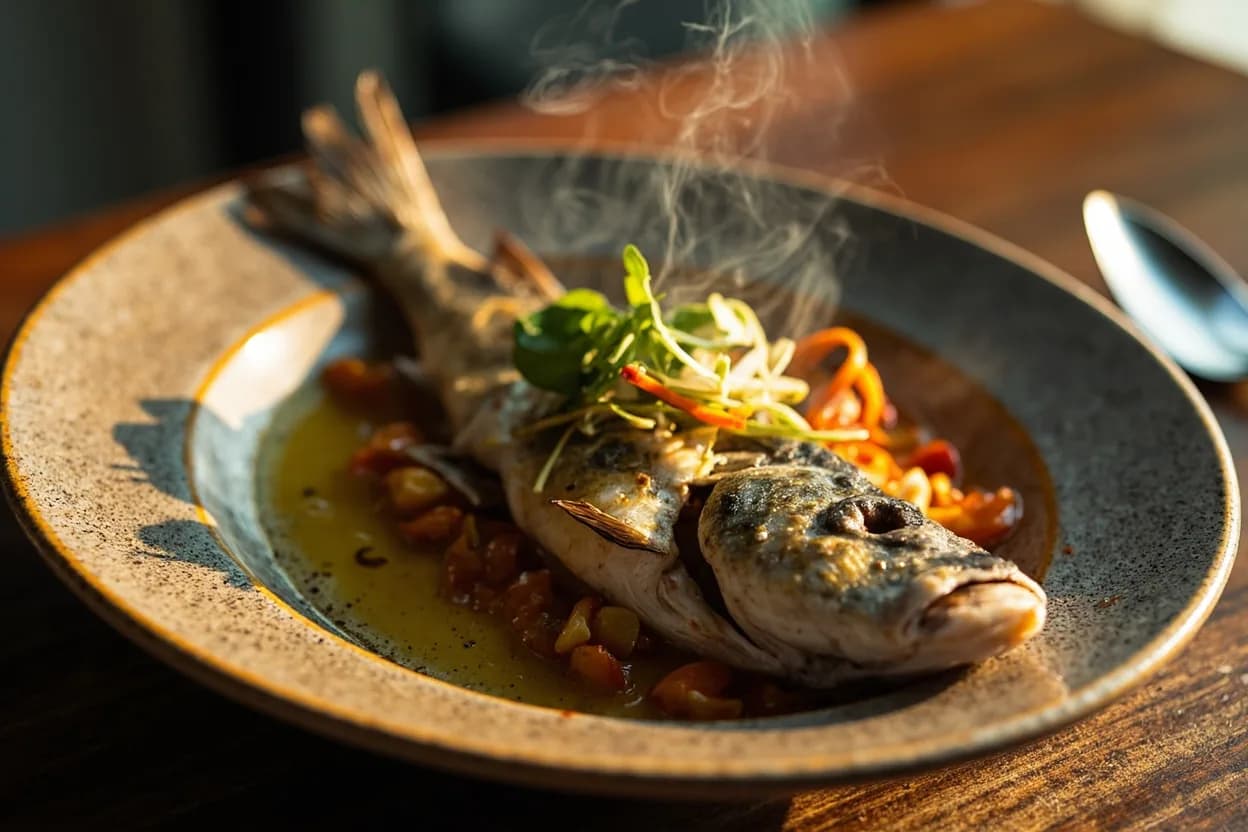
Whole Mediterranean sea bass with delicate white flesh, roasted, grilled or baked in salt.
Branzino is a Mediterranean sea bass with tender, flaky, mild white flesh and few bones, cooked whole to keep it moist. It is roasted, grilled, or baked in a salt crust, often stuffed with lemon and herbs. Its clean, sweet flavor makes it a restaurant favorite across Italy and Greece.
Branzino, or European sea bass (Dicentrarchus labrax), is the premier whole-fish preparation of Mediterranean cuisine—prized for its clean, slightly sweet flesh that turns buttery and delicate under high heat. Unlike denser fish, branzino cooks quickly and responds dramatically to technique: a few minutes too long at high heat turns its silky texture to dry, chalky flakes. This sensitivity makes it both forgiving for skilled cooks and instructive for beginners learning heat control. The fish is native to the Mediterranean Sea and Eastern Atlantic, though the vast majority reaching American markets today is farm-raised in Turkey, Greece, and Italy—producing consistently mild, well-marbled specimens available year-round. Whole branzino delivers theatrical table presence that fillets cannot match: the crisp, golden skin, the gleaming eyes, the herb-scented cavity. Chefs treasure the cheeks and jaw meat as particular delicacies, protected and moistened by the head during roasting.
- Measured in
- piece
- Storage
- Freezer
Allergens
Types & varieties
Caught in the Mediterranean; slightly firmer flesh, more pronounced flavor; seasonal availability limited
Primary commercial source; consistent quality, mild flavor; available year-round
North American cousin; similar mild flavor and texture; substitute 1:1
Selecting Your Branzino
Freshness is everything with whole fish. Press the flesh—it should spring back immediately and not retain a fingerprint. Eyes must be clear and bulging, not sunken or cloudy. Gills should be bright red, not brown or slimy. Smell the fish: it should smell of the sea, not fishy or ammonia-like. Even pre-scaled fish often retain patches of scales along the belly and near the fins—run your fingertips firmly against the grain of the skin to check. For roasting, request head-on: the head shields the delicate cheek and jaw meat from direct heat, keeping these prized cuts moist and intact. Ask your fishmonger to scale and clean the fish but leave it whole—this gives you the most control over cooking and presentation.
- 1.5–2 lbs per person for a generous main course portion
- Request head-on for roasting; head-off works for pan-searing or filleting
- Check for residual scales along belly and fins even if pre-scaled
- Fresh fish should smell clean and oceanic, not overpowering
The Salt-Crust Technique
Encrusting branzino in a thick layer of coarse salt is a classic Italian preparation that achieves remarkably even cooking and flavor infusion. The salt forms a protective shell that traps steam, cooking the fish gently in its own moisture while the interior stays buttery and perfectly timed. The exterior flesh nearest the crust becomes lightly cured and slightly salty—removed before serving, the skin remains intact and the meat underneath is pristine. This method is forgiving: the crust regulates temperature automatically, reducing the risk of overcooking.
- Use 2–3 lbs coarse sea salt per pound of fish for adequate coverage
- Wet the salt slightly so it adheres and forms a solid crust when baked
- Roast at 400°F (200°C); check doneness with thermometer at thickest point rather than relying on time
- Let rest 5 minutes before cracking the crust at the table
Common uses
Tips & pitfalls
- Request head-on from your fishmonger—the head protects the delicate cheeks and jaw meat during roasting and makes an impressive presentation
- Score the skin 3–4 times on each side before cooking at an angle through the skin only; this prevents curling, allows fat to render, and ensures even cooking
- Bring fish to room temperature 20–30 minutes before cooking—cold fish steams rather than roasts
- Salt the cavity and outside 30 minutes before cooking to draw surface moisture; pat dry thoroughly before roasting
- Roast at 400–425°F (200–220°C); high heat crisps skin while keeping flesh moist
- Insert thermometer horizontally into the thickest part near the bone; remove from oven at 130°F and rest 5 minutes
- Check for residual scales even if pre-scaled—run your hand against the grain
- Rest cooked fish 5 minutes before serving to allow carryover cooking and juices to settle
- Avoid overlapping fish when roasting multiple pieces—use two pans if necessary for proper browning
- Season conservatively inside the cavity; the flesh seasons itself as it cooks
Nutrition
Nutrition
No USDA FoodData Central match for Whole Sea Bass (Branzino) yet. We surface a per-100 g profile once a generic whole-food entry is matched and verified.
In the shops
Matched grocery products
No matched grocery products for Whole Sea Bass (Branzino) yet.
Good to know
- Scientific Name
- Dicentrarchus labrax
- Origin
- Mediterranean Sea and Eastern Atlantic; farmed extensively in Turkey, Greece, and Italy
- Season
- Peak season October–March; farmed available year-round
- Flavor
- Delicate, slightly sweet, clean oceanic taste; buttery when cooked; mild without being bland
- Texture
- Medium-firm, fine-grained white flesh; flakes easily; few small bones along the pin bones
- Typical Size
- 1–3 lbs (450g–1.4kg) whole; restaurant portions usually 1.5–2 lbs per person
- Yield
- Approximately 50% usable meat after filleting; head-on roasting preserves moisture
- Storage (Fresh)
- Cook within 1–2 days of purchase; store on ice in refrigerator
- Storage (Frozen)
- Up to 3 months; wrap tightly to prevent freezer burn
- Doneness Indicator
- 135°F (57°C) internal temperature at thickest point; flesh turns opaque and flakes easily
- Aquaculture Status
- Majority of US market branzino is farm-raised; wild-caught available but pricier
Substitutes
- Red Snapper — Similar delicate white flesh; slightly firmer texture; cook at same temperatures and times
- Sea Bream (Dorade) — Comparable size and flavor profile; excellent 1:1 substitute; similar bone structure
- Striped Bass — North American wild or farmed variety; nearly identical mild flavor; cook identically
- Halibut — Firmer texture but similar mild flavor; reduce cooking time slightly; excellent for fillets
- Arctic Char — Delicate like branzino; slightly pinker flesh; cook at same temperatures
Pairs with
Also called
Branzino · European Sea Bass · Loup de Mer
Appears in these dishes
Related

Egg
The kitchen's everything ingredient — bind, leaven, enrich, or fry
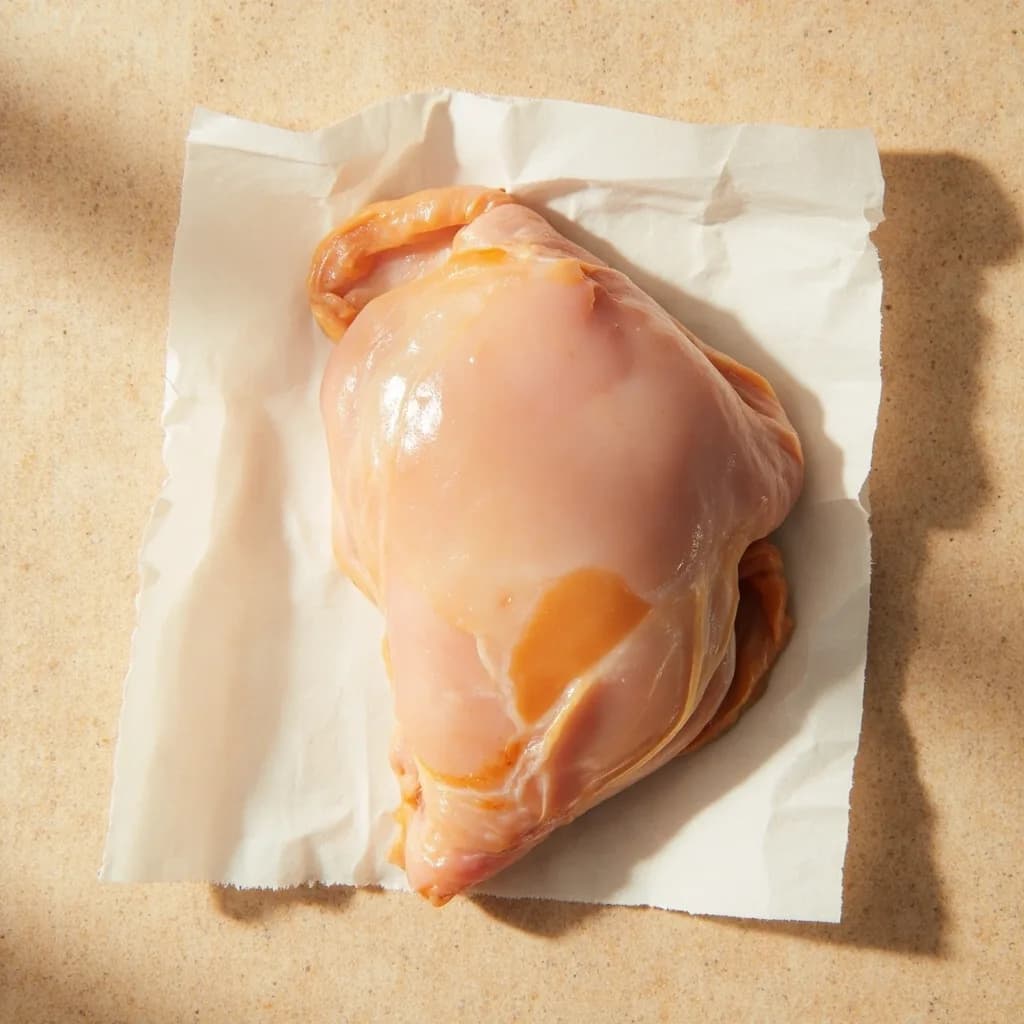
Chicken Breast
Lean, quick-cooking white meat for everyday dinners

Ground Beef
Versatile minced beef for burgers, ragù, tacos, and meatballs
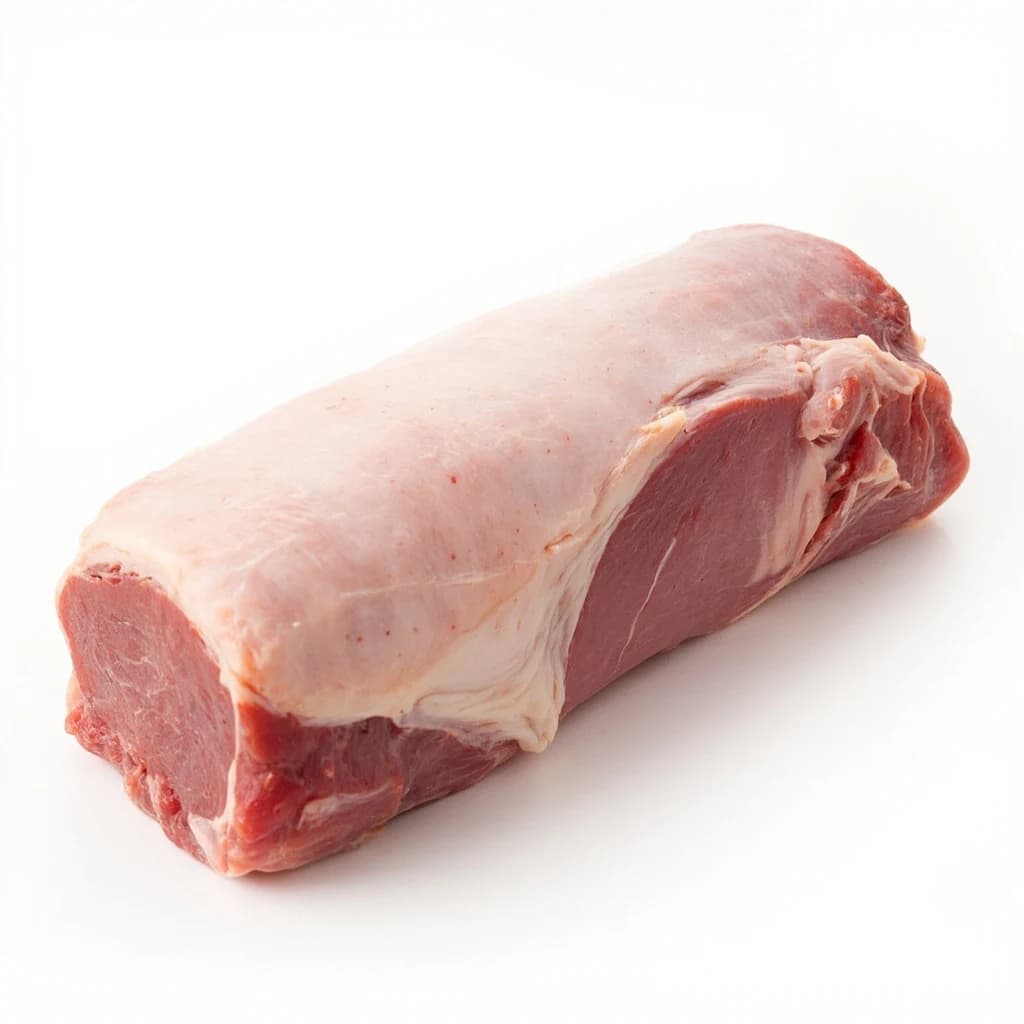
Pork Loin
Lean, tender roasting cut that stays juicy with care
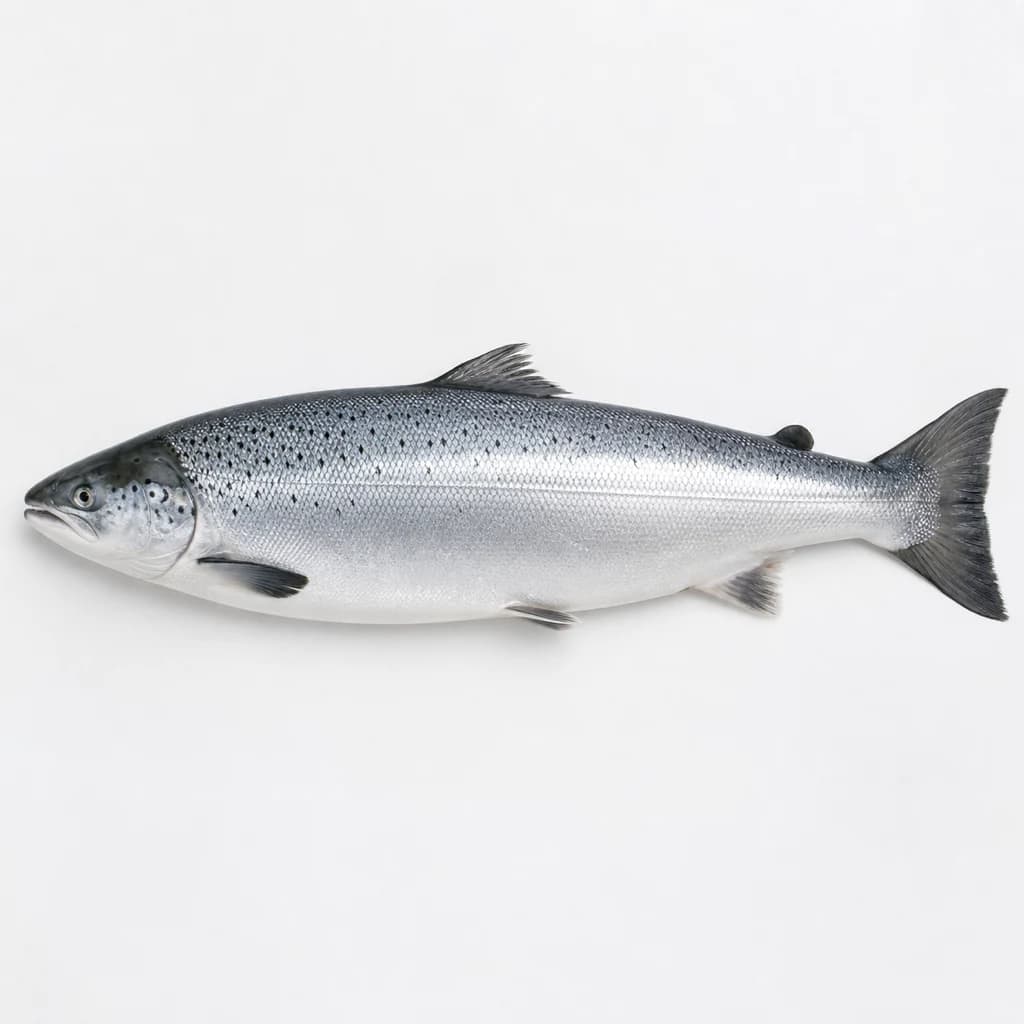
Salmon
Rich, rosy fish that roasts, grills, or cures beautifully

Egg White
Pure protein that whips to airy peaks for meringue and more

Egg Yolk
Rich, golden yolk for custards, mayonnaise, and pasta

Quail Egg
Tiny, speckled eggs for garnishing and elegant bites