Proteins
Arctic Char
Cold-water fish between salmon and trout, roasted, cured or pan-seared skin-on.
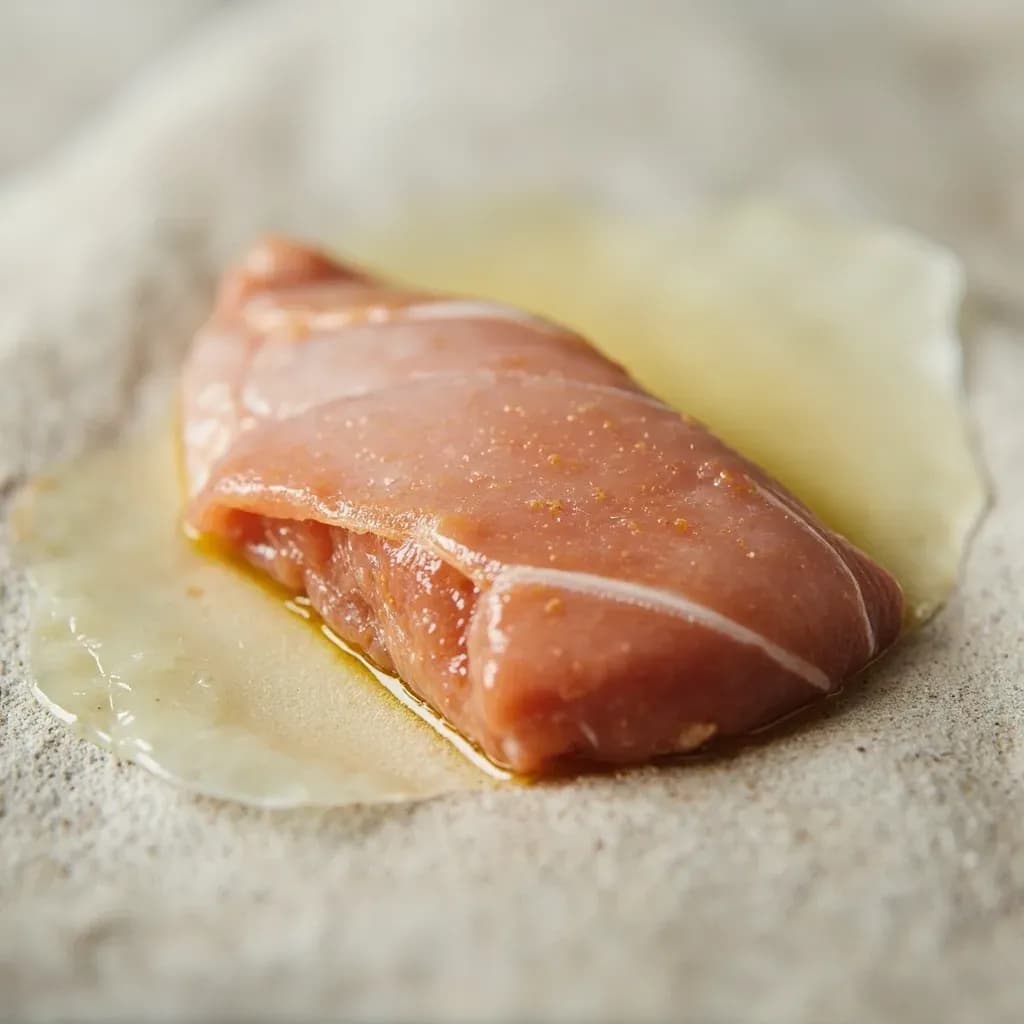
Arctic char is a cold-water fish related to salmon and trout, with pink-orange flesh and a flavor milder than salmon but richer than trout. It is roasted, cured into gravlax, or pan-seared skin-on until crisp, and is a staple in Nordic and Icelandic kitchens. Its tender flesh cooks quickly and stays moist.
Arctic Char holds a distinctive place in the cold-water fish hierarchy—closer to salmon in flesh color and richness than to its trout relatives, yet with a subtler, more refined flavor that appeals to cooks and diners who find salmon too assertive. A member of the Salmonidae family, it thrives in frigid Arctic and subarctic waters, a biological heritage that gives the fish its clean, almost mineral freshness and firm, medium-flaked texture. The flesh ranges from pale pink to deep coral depending on diet and astaxanthin content, and crucially, it holds together better than trout when turned on the grill or pan, making it more forgiving for cooks still building confidence with delicate proteins.
The fish's journey from obscure subsistence species to mainstream availability is largely the story of Icelandic aquaculture. In the 1980s, Icelandic farmers developed techniques to replicate the cold, stable water temperatures the species demands—below 50°F, or the fish stress and die. Today, farmed Icelandic Arctic Char, raised in cold geothermal water, provides consistent, year-round supply with a slightly buttery quality. This is a sustainable alternative to overfished wild salmon populations, and unlike most farmed fish, it benefits from a relatively small-scale production model without the environmental baggage of tropical aquaculture.
For the kitchen, the fish's natural oil content—higher than trout, lower than salmon—means it doesn't require basting during roasting; high heat alone suffices. The thin skin, while delicate, crisps remarkably well and is the defining textural element of properly seared preparations. A 6-ounce skin-on fillet is the standard restaurant portion; plan one fillet per person for a generous main course. For dinner parties, roast two large fillets whole (about 1.5 pounds each) and present tableside for visual impact.
- Measured in
- g
- Storage
- Fridge
Allergens
Types & varieties
Most common in markets; consistent quality, year-round; slightly buttery; raised in cold geothermal water
Primarily from land-based recirculating systems in Quebec and Manitoba; firm texture
Seasonal (July–October); deeper red flesh; more pronounced flavor; smaller supply
Nunavut and Northwest Territories; similar to Alaskan strain; intensely colored flesh
The Curing Process
Arctic Char responds exceptionally well to salt curing, yielding a gravlax-like appetizer with cleaner, more delicate flavor than salmon. The process is straightforward: combine salt and sugar in a 1:1 ratio by weight—approximately 2 ounces of each per pound of fillet—along with crushed dill and a scattering of white or green peppercorns. Generously coat the flesh side, cover the fish in plastic wrap, and refrigerate for 24 to 48 hours, depending on fillet thickness. The cure draws moisture from the flesh while the sugar balances the mineral notes and adds sweetness. When ready, scrape off the cure, rinse briefly, pat completely dry, and slice paper-thin on a sharp bias. The result is a silky, cured texture with bright coral color and a finish that lingers cleanly on the palate. Store cured fish refrigerated, tightly wrapped, for up to one week.
- Use a 1:1 salt-to-sugar ratio by weight for balanced curing
- Allow 24 hours for thin fillets (under 1 inch), 48 hours for thicker cuts
- Rinse after curing to remove excess surface salt, then dry thoroughly before slicing
- Slicing on a bias with a sharp, long knife yields the thinnest, most elegant cuts
Raw Service: Sourcing and Safety
Arctic Char's delicate flavor translates beautifully to raw preparations—sashimi, ceviche, or tartare—but only with proper sourcing. For raw service, always use farmed fish specifically certified for raw consumption. Look for labeling indicating sushi-grade designation from reputable suppliers who maintain strict cold-chain handling. Icelandic farmed Arctic Char is the most reliable choice due to controlled raising conditions and regular health monitoring in facilities designed for raw-service markets. Avoid using wild-caught fish for raw preparations unless you can verify the source and handling with certainty. When in doubt, sear or poach instead.
- Only use farmed fish certified for raw consumption, typically from Iceland or Norway
- Verify the fishmonger maintains unbroken cold storage from harvest to purchase
- The flesh should smell of the sea, not overpoweringly fishy, and flesh should spring back when pressed
- Sushi-grade certification indicates the fish has been frozen at specific temperatures to kill parasites, required by health regulations for raw service
Common uses
Tips & pitfalls
- Pat fillets completely dry with paper towels 15–20 minutes before cooking to ensure skin crisps properly
- Score the skin lightly with a knife or fork at 1-inch intervals to prevent curling and allow fat to render
- Salt the flesh side lightly 5 minutes before cooking to improve flavor penetration and surface texture
- Start skin-side down in a hot, oiled pan (400°F+) and do not move until the skin releases naturally, 4–5 minutes
- Flip just once; finish the flesh side 1–2 minutes for medium doneness (internal 125°F for medium-rare)
- Rest cooked fish on a wire rack, never on a plate, to prevent steam from making the skin soggy
- Avoid overcooking—Arctic Char dries out faster than salmon when exposed to high heat
- Use a flexible metal spatula to lift fillets cleanly without breaking the flesh
- If skin sticks, slide a thin spatula under the fillet from the edge; never force it
- Do not marinate raw fish in acid for ceviche longer than 30–40 minutes or the texture turns mushy
- Bring fillets to room temperature 15 minutes before cooking for more even heat penetration
Nutrition
Nutrition
No USDA FoodData Central match for Arctic Char yet. We surface a per-100 g profile once a generic whole-food entry is matched and verified.
In the shops
Matched grocery products
No matched grocery products for Arctic Char yet.
Good to know
- Family
- Salmonidae (salmon and trout family)
- Scientific Name
- Salvelinus alpinus
- Origin
- Arctic and subarctic waters; farmed primarily in Iceland, Canada, and Norway
- Flavor Profile
- Mild, delicate; slightly sweet; less gamey than salmon; clean finish
- Flesh Color
- Ranges from pale pink to deep coral, depending on diet and astaxanthin content
- Texture
- Fine, medium-flaky; tender but holds together better than trout
- Season
- Farmed available year-round; wild caught late summer through fall
- Typical Size
- Whole fish 2–5 lbs; fillets 6–10 oz each
- Shelf Life
- 2 days refrigerated (whole); 1–2 days (fillets); freeze for up to 3 months
- Mercury Level
- Low (low on the food chain)
- Omega-3 Content
- Comparable to salmon, approximately 1–1.5 g per 3-oz serving
- Water Temperature
- Thrives in 38–50°F water; stress and die if water warms above 57°F
- Yield
- Approximately 45–50% of whole fish weight as skin-on fillet
Substitutes
- Salmon (Atlantic or Sockeye) — Closest flavor and texture; more pronounced fishiness; cook slightly longer as salmon is denser
- Brook Trout — Similar delicate flavor and flaky texture; comparable cooking behavior; slightly earthier
- Rainbow Trout — Good substitute for milder preparations; cook 1–2 minutes less per side
- Sea Trout — Nearly identical texture and flavor; excellent for raw applications
- Dolly Varden — Related char species; very similar mild, sweet flavor; same cooking techniques
Pairs with
Also called
Bleikja · Char
Appears in these dishes

Related

Egg
The kitchen's everything ingredient — bind, leaven, enrich, or fry

Chicken Breast
Lean, quick-cooking white meat for everyday dinners

Ground Beef
Versatile minced beef for burgers, ragù, tacos, and meatballs

Pork Loin
Lean, tender roasting cut that stays juicy with care

Salmon
Rich, rosy fish that roasts, grills, or cures beautifully

Egg White
Pure protein that whips to airy peaks for meringue and more

Egg Yolk
Rich, golden yolk for custards, mayonnaise, and pasta

Quail Egg
Tiny, speckled eggs for garnishing and elegant bites