Proteins
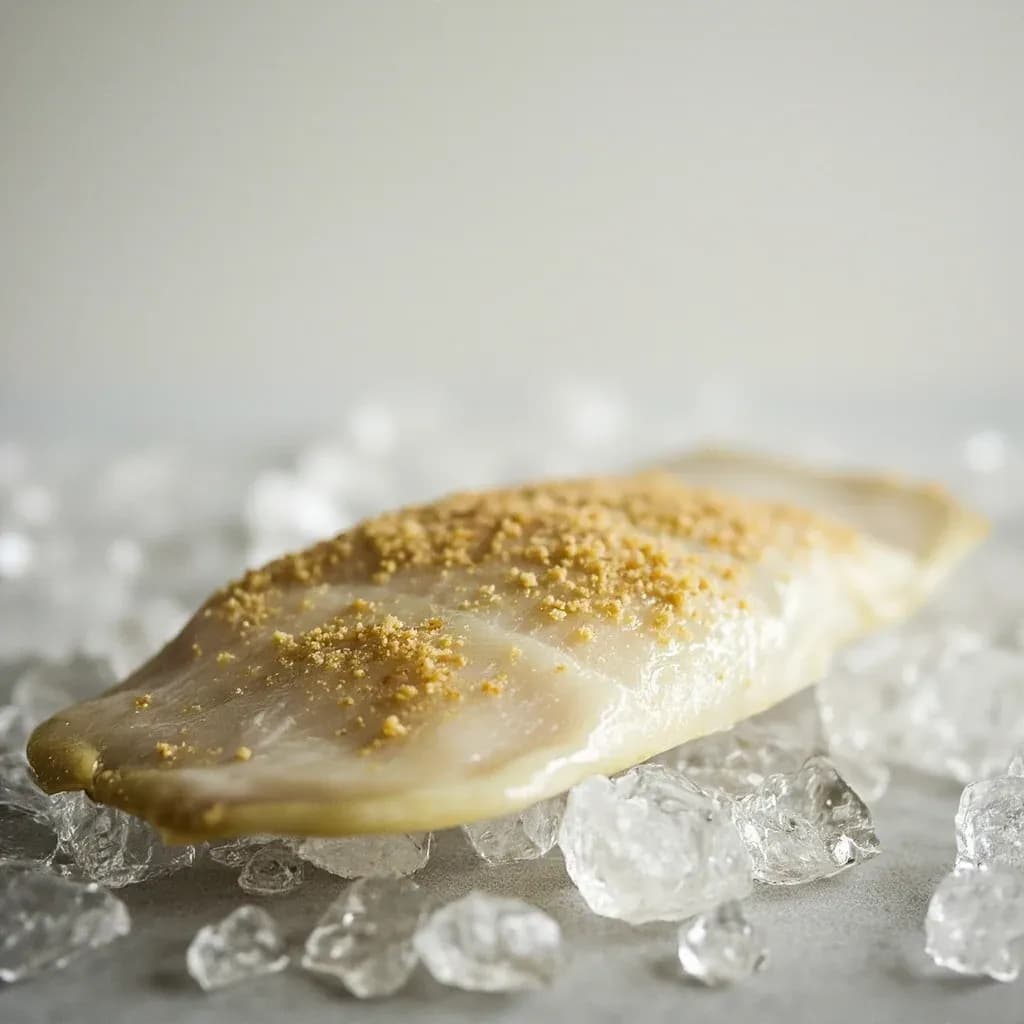
Halibut
Large flatfish with firm, meaty white flesh, great grilled, baked, or pan-seared.
Halibut is a large flatfish with dense, firm white flesh and a mild, slightly sweet flavor. Its meaty steaks and fillets hold together well on the grill, in the oven, or pan-seared, making it a versatile premium fish. Because it is lean, it is easy to overcook and dry out, so it is best cooked just to flaking.
Halibut is the largest member of the flatfish family, with adults routinely reaching 50 pounds or more and the potential to grow to 600 pounds in the wild. Unlike rounder fish that swim upright, halibut lie on their right side as adults—both eyes migrate to the upper surface during development, a remarkable transformation that takes place as the fish matures. This flatfish inhabits the cold waters of the North Atlantic and North Pacific, preferring the sandy or gravelly bottoms where it ambushes prey. The flesh is firm and dense, with large, even flakes and a clean, mildly sweet flavor that carries a subtle briny note without any fishy aftertaste. Its low fat content—one of the leanest of any finfish—makes it forgiving for portioning and storage but demanding in execution; overcooking dries it out almost instantly, while a properly cooked piece remains juicy and produces clean, substantial flakes that hold together under aggressive cooking methods. This combination of firm texture and mild flavor makes halibut the most versatile flatfish in the kitchen, equally suited to high-heat searing, gentle poaching, and raw applications when exceptionally fresh. The most prized portions are the cheeks—the rich, ivory-colored meat near the jaw—considered a delicacy in Japanese cuisine and fine European restaurants, while the dense, meaty body fillets and cross-cut steaks provide the workhorse cuts for most preparations.
- Measured in
- g
- Storage
- Fridge
Allergens
Types & varieties
Hippoglossus stenolepis from Alaskan and Canadian waters; considered the premium variety; firm white flesh with high yield and strict catch limits maintained by the International Pacific Halibut Commission
Hippoglossus hippoglossus; wild stocks commercially extirpated from most of their range by early 20th-century overfishing; most market supply now farm-raised in Norway, Iceland, and Chile; slightly softer texture than Pacific
Reinhardtius hippoglossoides; smaller flatfish sometimes labeled turbot in Europe; more delicate texture and higher fat content than true halibut
Common uses
Tips & pitfalls
- Buy from a trusted fishmonger and examine the fish before purchasing — smell the flesh: it should smell of cold ocean, not fishy or ammonia-like; press the flesh: it should spring back immediately and not leave an indent
- Bring fish to room temperature 15–20 minutes before cooking — ensures even cooking through the dense flesh and prevents a cold center from causing the exterior to overcook
- Use a probe thermometer without exception — pull from heat at 125–130°F for medium doneness; carryover cooking raises final temperature 5–10 degrees
- Do not overcook — halibut's low fat content means it dries out quickly and becomes chalky; always err toward underdone rather than well-done
- Season immediately before cooking — salt draws moisture to the surface; waiting too long after seasoning causes the fish to steam in its own liquid rather than sear
- Score thick fillets — make shallow cuts through the center before cooking to allow heat penetration more even for thick cuts; prevents outer edges from overcooking before center is done
- Rest briefly after cooking — allows juices to redistribute; 2–3 minutes is sufficient for fillets; steaks benefit from slightly longer resting
- Store properly — wrap tightly in plastic wrap, then place on ice in the refrigerator; do not store directly on ice as ice burn damages the delicate texture and causes mushiness
- For grilling, use fish baskets or a well-oiled grate — prevents the firm but still delicate flesh from falling apart during the flip; let the fish release naturally before attempting to move it
- Avoid thick gloppy sauces that mask the clean flavor — halibut's virtue is its mildness and the way it picks up complementary notes; heavy sauces overwhelm rather than enhance
Nutrition
Energy
778 kJ · per 100 g
Where the calories come from
Protein
14.4g
29% DV
Carbs
0g
0% DV
Fat
13.8g
18% DV
Fiber
0g
0% DV
Sugars
0g
of which
Sodium
80mg
3% DV
Source · USDA FoodData Central · approx. Fish, halibut, Greenland, raw
View on FDC →In the shops
Matched grocery products
No matched grocery products for Halibut yet.
Good to know
- Scientific Name
- Hippoglossus hippoglossus (Atlantic); Hippoglossus stenolepis (Pacific)
- Family
- Pleuronectidae (Righteye flounder family)
- Origin
- Cold North Atlantic and North Pacific waters
- Average Market Size
- 10–50 lbs (steaks and fillets); whole fish can exceed 600 lbs
- Flavor Profile
- Mild, slightly sweet, clean; subtle briny note; no fishy aftertaste
- Texture
- Firm, dense, meaty; large, even flakes; approximately 2% fat
- Peak Season
- Spring through early autumn; available year-round from sustainable fisheries
- Yield
- Approximately 40–50% from whole fish to edible product
- Shelf Life
- 1–2 days fresh; 3–4 months frozen at 0°F
- Sustainability
- Pacific halibut well-managed (IPHC); Atlantic halibut largely farm-raised
Substitutes
- Sea Bass (Chilean) — Comparable firm texture and mild flavor; similar cooking behavior; slightly richer taste and readily available year-round
- Turbot (true European) — Butchered similarly; slightly more delicate flesh and higher fat content; excellent pan-roasted and considered a premium flatfish in French cuisine
- Swordfish Steak — Firm, meaty texture; richer flavor but similar cooking properties; stands up to high heat and aggressive grilling methods
- Monkfish — Dense, low-fat flesh; holds up to roasting and braising without falling apart; more pronounced shellfish sweetness
- Sturgeon — Firm, large flakes; mild flavor; excellent for grilling and pan-searing; similar density makes it a direct substitution in most preparations
Pairs with
Related
Egg
The kitchen's everything ingredient — bind, leaven, enrich, or fry
Chicken Breast
Lean, quick-cooking white meat for everyday dinners

Ground Beef
Versatile minced beef for burgers, ragù, tacos, and meatballs
Pork Loin
Lean, tender roasting cut that stays juicy with care
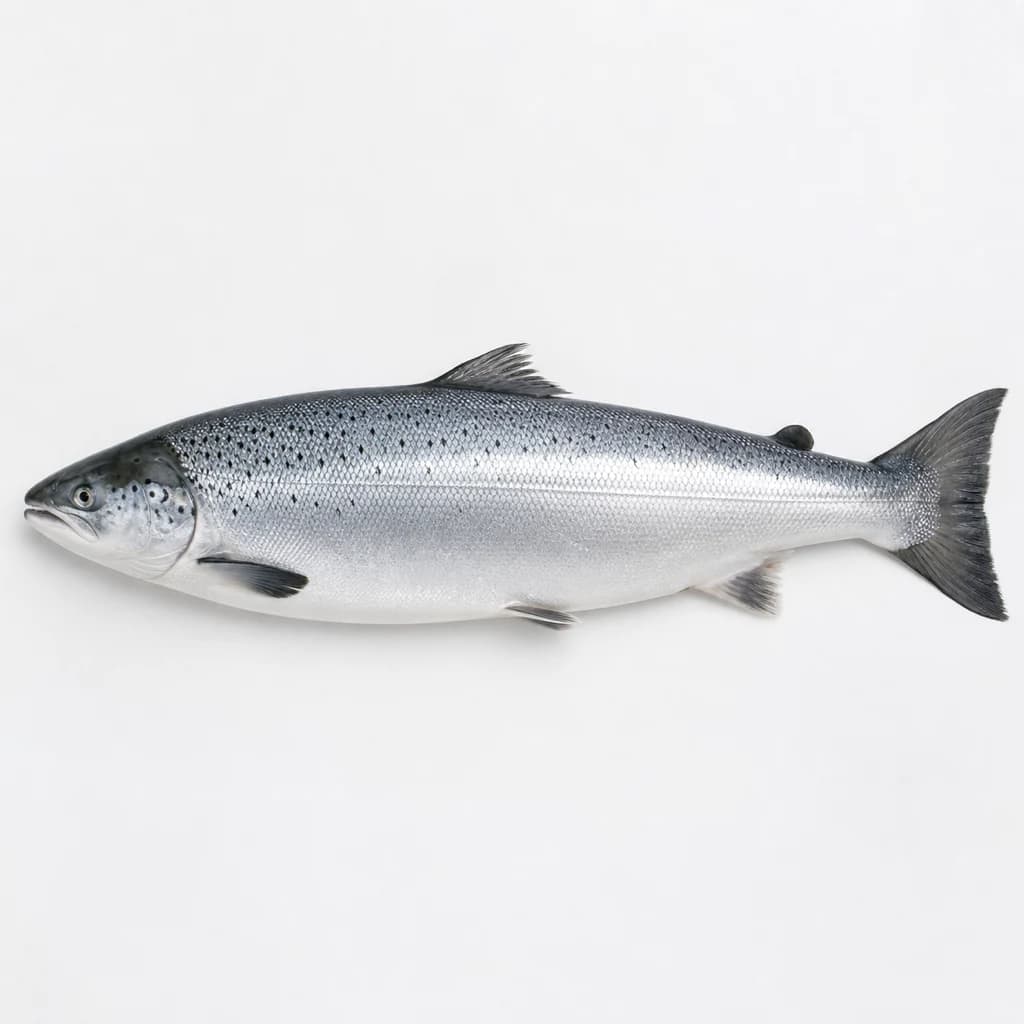
Salmon
Rich, rosy fish that roasts, grills, or cures beautifully

Egg White
Pure protein that whips to airy peaks for meringue and more

Egg Yolk
Rich, golden yolk for custards, mayonnaise, and pasta

Quail Egg
Tiny, speckled eggs for garnishing and elegant bites