Proteins
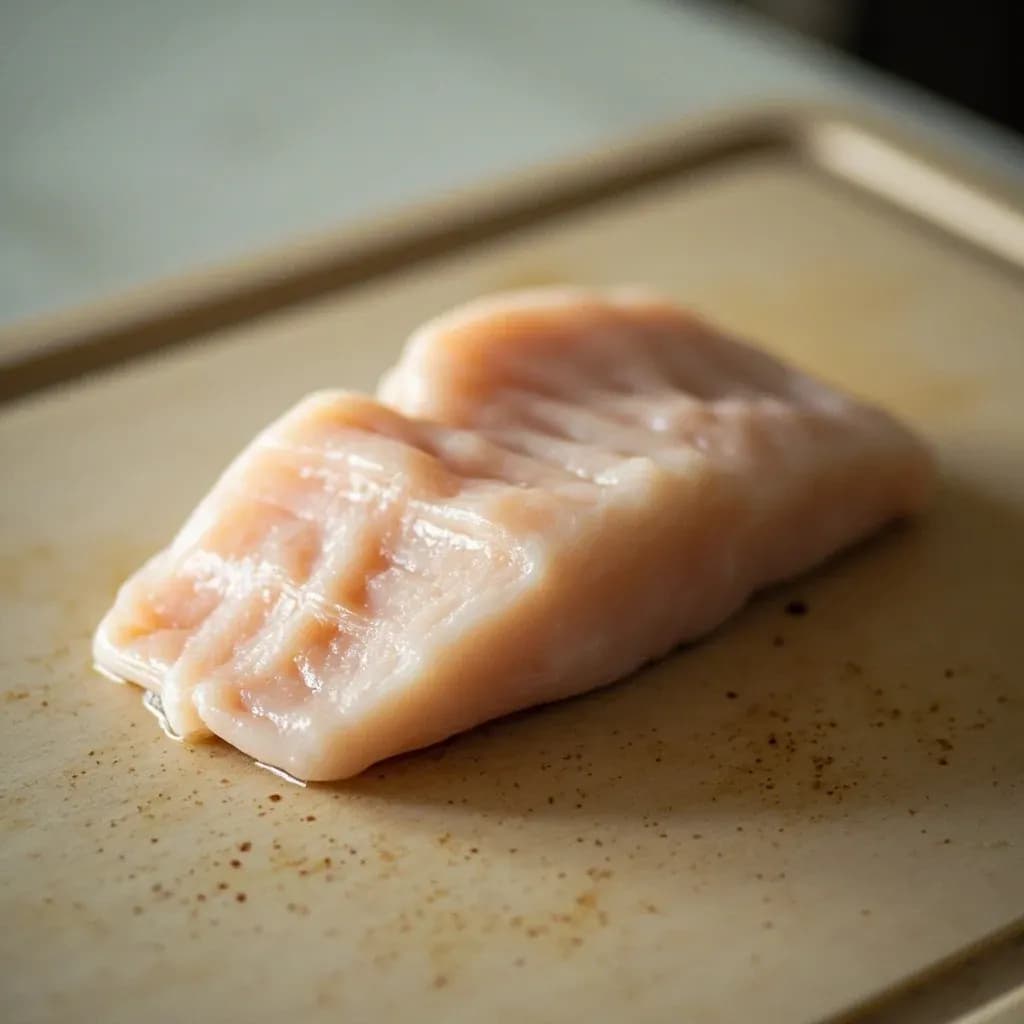
Monkfish
Firm, meaty white fish dubbed 'poor man's lobster,' great roasted, in stews, or pan-seared.
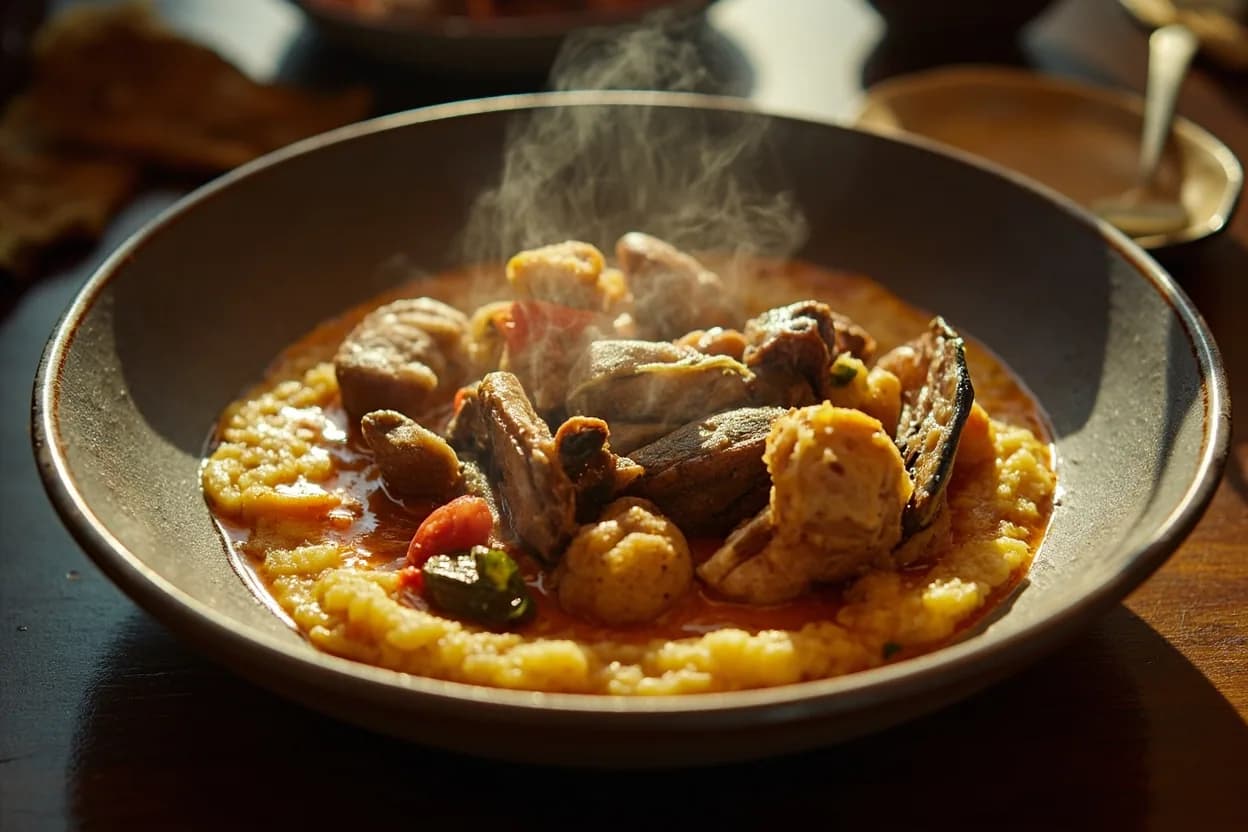
Monkfish is a deep-sea fish prized for its dense, firm, lobster-like tail meat, earning the nickname 'poor man's lobster.' Its lean flesh holds together well, making it ideal for roasting, grilling, pan-searing, and hearty stews like bouillabaisse and Spanish suquet. The mild, slightly sweet flavor and meaty texture also stand up to bold sauces and braising.
Monkfish belongs to the anglerfish family and is one of the ugliest creatures in the sea—its enormous head, gaping mouth, and drab coloring give no hint of the pristine, lobster-like tail meat hidden within. The tail section, which constitutes the primary commercial product, yields dense, firm, boneless fillets that flake in large, satisfying pieces. This unusual anatomy means monkfish behaves more like a firm steak or premium lobster tail than a typical white fish, making it approachable for cooks accustomed to meaty proteins yet unfamiliar enough to intimidate others. Its firm texture holds together beautifully in soups, stews, and braises where delicate fish would disintegrate, yet it develops a golden crust under high heat that rivals halibut or Chilean sea bass.
The fish is remarkably sustainable—US Atlantic stocks are well-managed and underutilized—yet it remains mysterious to many home cooks. Part of the reluctance stems from its appearance in whole form: the massive head with its wide mouth and jagged teeth looks almost prehistoric. But once trimmed, monkfish reveals snow-white meat of exceptional quality. The flesh has a mild, sweet, clean taste with a briny ocean note that many compare to lobster, which explains its 'poor man's lobster' nickname. What distinguishes monkfish commercially is its lack of small bones—only a central cartilage runs through the tail, which is easily removed—making it exceptionally easy to eat and cook with confidence.
Success with monkfish comes down to understanding its protein density. Because the flesh is so firm and low in fat, it lacks the natural protection against overcooking that fattier fish enjoy. High heat, confident seasoning, and restraint in cooking time are non-negotiable. The reward for careful handling is a succulent, almost meaty bite that absorbs bold flavors while holding its own on the plate. Common failures—rubbery texture, dried-out flesh, bitterness—almost always trace back to overcooking or leaving the papery membrane intact. Treat monkfish with the respect you'd give a premium steak, and it will deliver lobster-quality satisfaction at a fraction of the cost.
- Measured in
- g
- Storage
- Fridge
Allergens
Types & varieties
Landed from the Gulf of Maine to the Carolinas; the primary US commercial supply
Caught in Northeast Atlantic and North Sea waters; widely used in French, Spanish, and British cuisines
A prized delicacy in Japan; often served as sashimi or Napoléon-style pâté; sold separately from the tail
Buying and selecting monkfish
Monkfish spoils quickly once landed, so sourcing from a trusted fishmonger is essential. Fresh monkfish should smell clean and ocean-like—never fishy, sour, or ammonia-like. The flesh should appear white, firm, and moist without any browning or drying at the edges. If buying whole, the eyes should be clear and bright, not sunken. Ask your fishmonger to skin and clean the fish, or be prepared to remove the tough outer membrane yourself. The cheeks are the most tender cut and are often overlooked—request them specifically if available. For frozen monkfish, look for individually quick-frozen (IQF) pieces to ensure even thawing and minimal ice crystals.
- Buy from trusted fishmongers with high fish turnover
- Fresh monkfish smells clean and ocean-like, never fishy or ammonia-like
- Flesh should be white, firm, and moist
- Request the cheeks from your fishmonger—they're the most tender cut
- IQF frozen monkfish ensures better quality than bulk-frozen
Preparation: the membrane matters
The single most important preparation step is removing the thin, papery membrane that covers monkfish fillets. This membrane, if left on, turns rubbery during cooking and can impart a bitter note to the flesh. Using a sharp knife and a paper towel for grip, peel the membrane away from the flesh in strips. It should come off relatively easily if the fish is fresh. If it resists significantly, the fish may be past its prime. Once skinned, monkfish can be cut into steaks, medallions, or chunks depending on your intended preparation. When cutting into steaks, use a serrated bread knife or a sturdy chef's knife to saw through the cartilage between vertebrae for clean medallions.
- Always remove the papery membrane before cooking
- Use a paper towel for grip when peeling the membrane
- Serrated knives work best for cutting through cartilage
- Cut into portions suited to your cooking method
Common uses
Tips & pitfalls
- Remove the thin, papery membrane before cooking—it turns rubbery and can impart a bitter note
- Sear over high heat to develop a golden crust before finishing in the oven; this prevents the dense flesh from drying out
- Monitor internal temperature closely—monkfish is done at 130–135°F; carryover cooking will push it to 140°F where proteins tighten excessively
- Do not overcook: the firm texture can become tough and spongy; aim for a slight resistance when pressed
- Season generously; the mild flavor needs assertive seasoning to shine
- When cutting into steaks, saw through the cartilage between vertebrae to get clean medallions
- Save trimmings and bones for fumet or fish stock—the flavor is rich and oceanic
- Buy from trusted fishmongers; monkfish spoils quickly once landed, and quality varies widely
- The cheeks are the most tender cut—ask your fishmonger to pull them for you if available
- If using frozen monkfish, thaw slowly in the refrigerator overnight; avoid shocking the flesh with rapid temperature changes
Nutrition
Energy
318 kJ · per 100 g
Where the calories come from
Protein
14.5g
29% DV
Carbs
0g
0% DV
Fat
1.5g
2% DV
Fiber
0g
0% DV
Sodium
18mg
1% DV
Source · USDA FoodData Central · Fish, monkfish, raw
View on FDC →In the shops
Matched grocery products
No matched grocery products for Monkfish yet.
Good to know
- Scientific name
- Lophius americanus (Atlantic); Lophius piscatorius (European)
- Also called
- Anglerfish, goosefish, allmouth, lotte (France), frogfish, sea-devil
- Primary cut
- Tail meat (the main commercial product); cheeks are a prized but lesser-known cut
- Flavor profile
- Mild, sweet, clean taste with a briny ocean note; some describe it as resembling lobster
- Texture
- Dense, firm, and meaty with a large flake; contains no small bones
- Seasonality
- Peak availability fall through early spring; landed year-round in most markets
- Sustainability
- US Atlantic stocks are well-managed; check Monterey Bay Aquarium Seafood Watch for regional updates
- Mercury
- Moderate levels; FDA advises limited consumption for pregnant women and young children
- Fresh storage
- 1–2 days refrigerated, wrapped tightly
- Frozen storage
- 6–9 months at 0°F or below
- Quality indicator
- Fresh monkfish smells clean and ocean-like, never fishy or ammonia-like; flesh should be white, firm, and moist
Substitutes
- Halibut — Similar firm texture and mild flavor; best for roasting or grilling; slightly more expensive
- Hake or whiting — More delicate, best quick-cooked; good budget substitute for pan-searing
- Sturgeon — Dense, meaty, and mild; responds to the same high-heat searing and braising methods
- Cod — Flakier but still firm; works in stews and braises; not ideal for dry-heat methods alone
- Chilean sea bass — Rich, buttery, and firm; excellent for roasting; premium-priced but closest in luxurious mouthfeel
Pairs with
Also called
Rap · Anglerfish · Monk Fish
Appears in these dishes
Related
Egg
The kitchen's everything ingredient — bind, leaven, enrich, or fry
Chicken Breast
Lean, quick-cooking white meat for everyday dinners

Ground Beef
Versatile minced beef for burgers, ragù, tacos, and meatballs
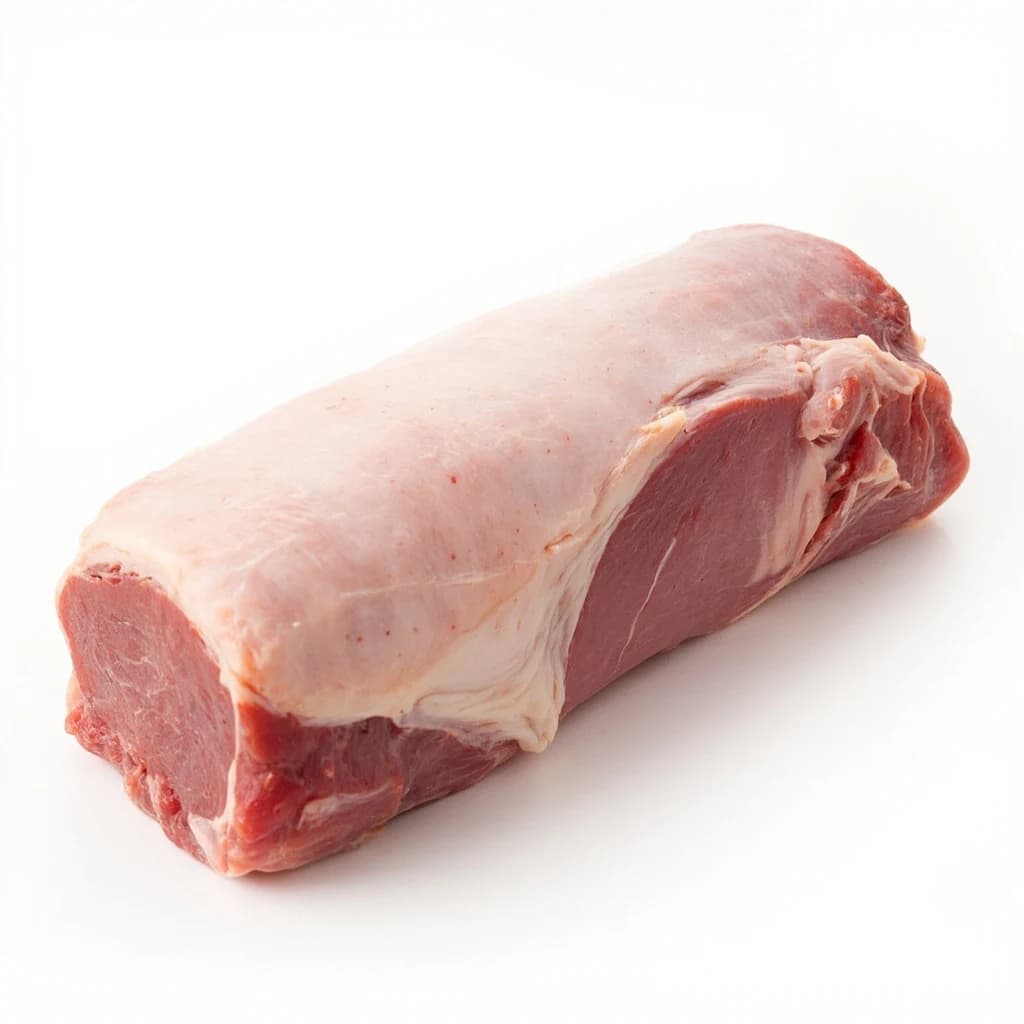
Pork Loin
Lean, tender roasting cut that stays juicy with care
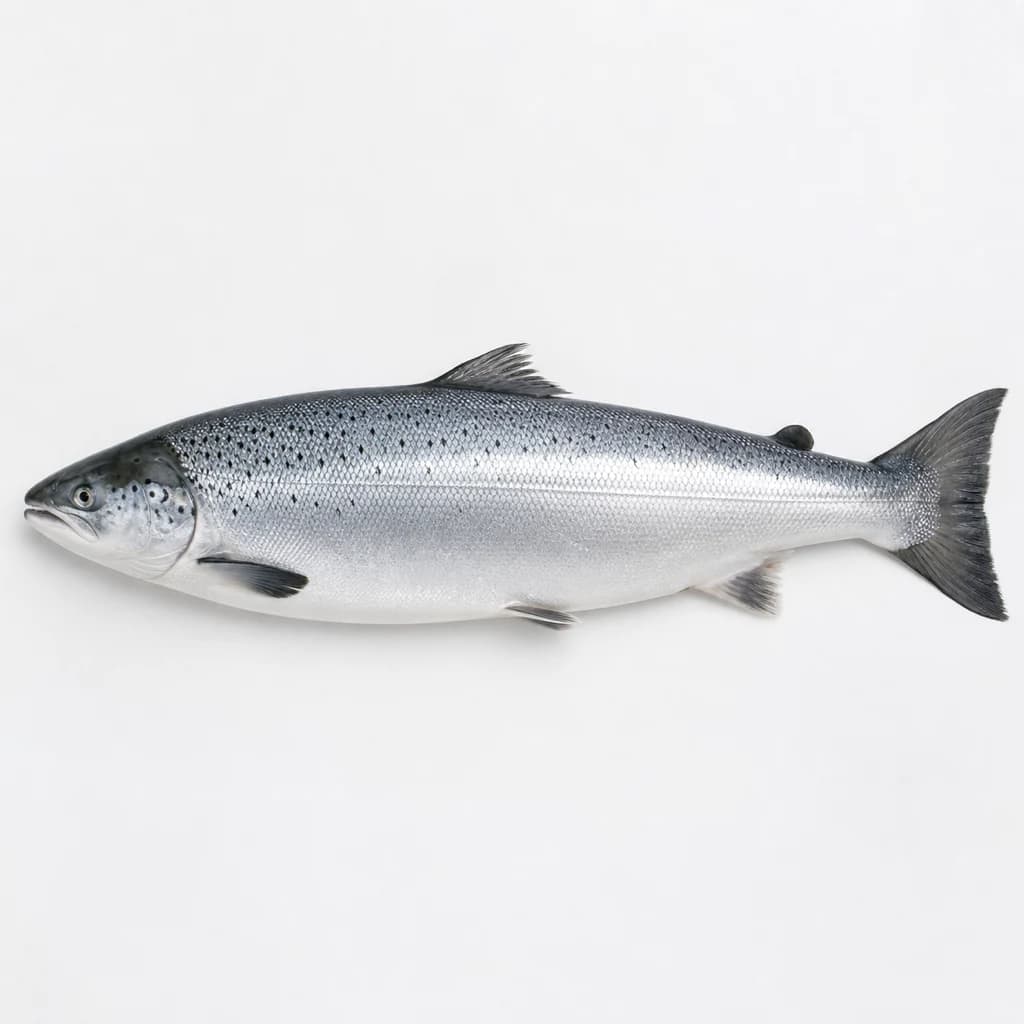
Salmon
Rich, rosy fish that roasts, grills, or cures beautifully

Egg White
Pure protein that whips to airy peaks for meringue and more
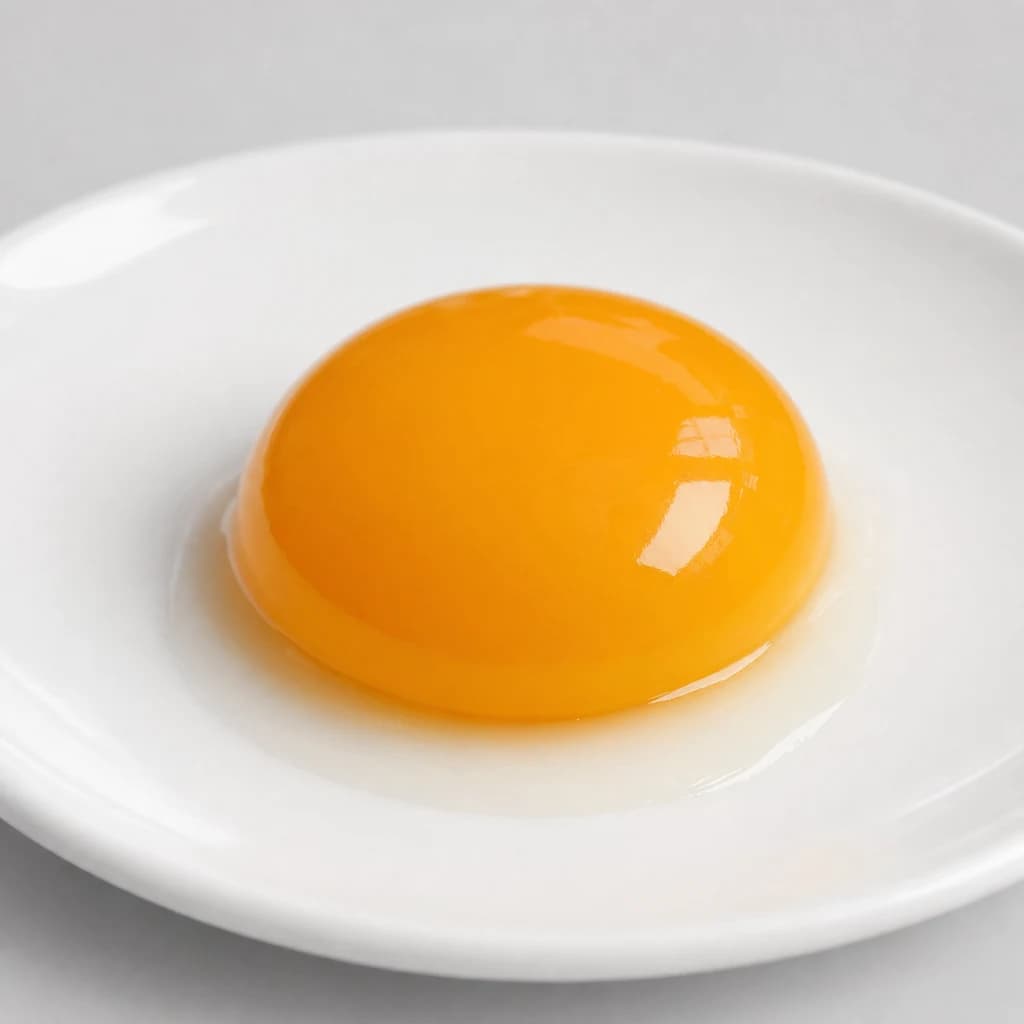
Egg Yolk
Rich, golden yolk for custards, mayonnaise, and pasta

Quail Egg
Tiny, speckled eggs for garnishing and elegant bites