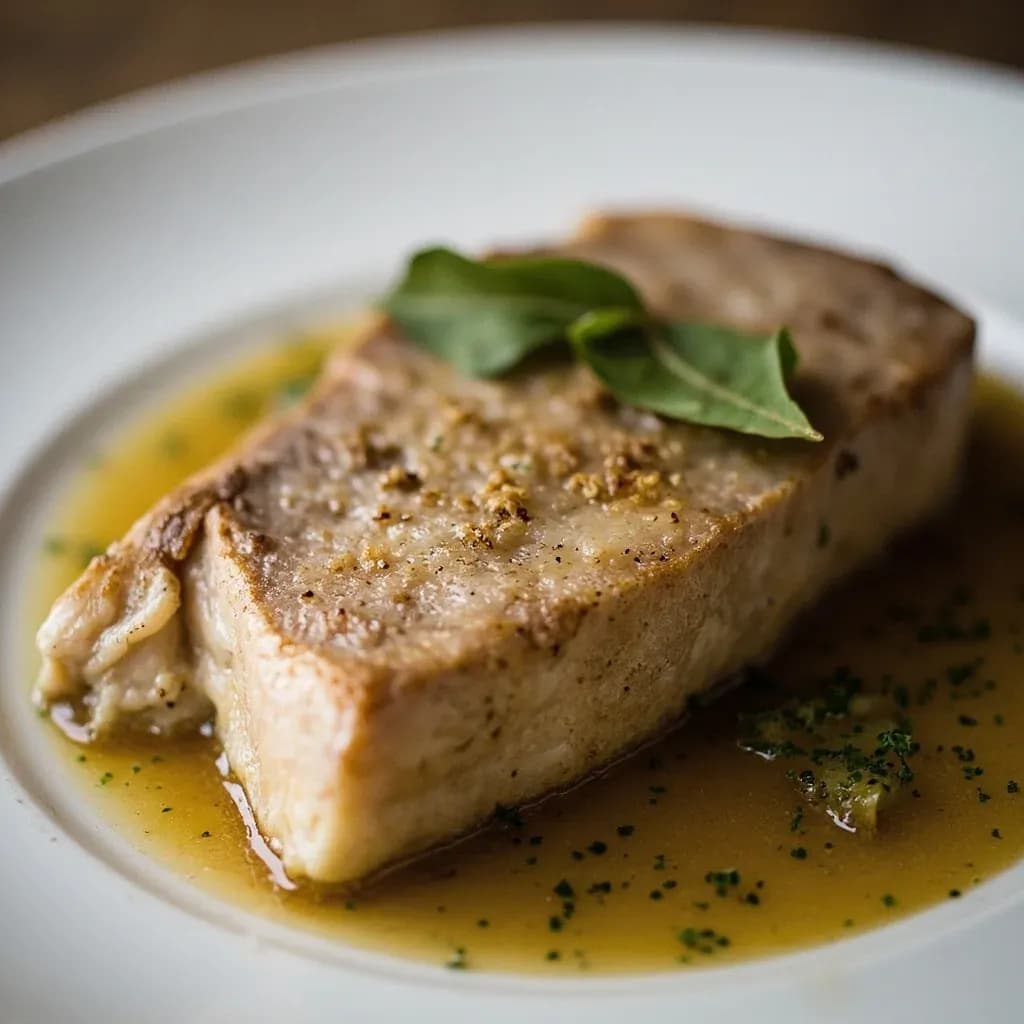
Proteins
Sturgeon
A firm, meaty freshwater fish (and source of caviar), excellent grilled, smoked, or roasted.
Sturgeon is an ancient, large fish found in the Caspian and other northern waters, famed as the source of true caviar. Its flesh is dense, firm, and almost meaty with a mild flavor that holds up to grilling, smoking, and roasting. In regions like the Caspian (kütüm) it is a celebrated table fish in its own right.
Sturgeon is among the most ancient and prized fish in culinary tradition, belonging to the Acipenseridae family whose ancestors swam alongside the dinosaurs. Its firm, dense, meaty flesh separates into large, satisfying flakes and carries a mild, slightly sweet flavor that suggests both shellfish and mild swordfish—a blank canvas that welcomes bold accompaniments. Unlike oily fish, sturgeon is remarkably lean, which makes it uniquely suited to high-heat cooking methods that would cause flakier, less-dense fish to fall apart, yet also creates its central cooking challenge: the meat dries out rapidly when overcooked. Beyond its meat, sturgeon holds an almost mythological status as the source of caviar—its roe is often more valuable than the flesh itself, a testament to the fish's dual importance. Most commercial sturgeon today is farm-raised in China, Italy, France, and the United States, though wild populations in the Caspian Sea and North American rivers remain severely depleted and heavily regulated. The fish yields approximately 50–55% usable meat after filleting and skinning, and is sold as fillets, thick steaks, or whole. Its dense texture and mild flavor make sturgeon exceptionally versatile—able to stand up to grilling, smoking, and roasting—while the absence of small bones in the fillet makes it approachable for home cooks working with whole fish.
- Measured in
- g
- Storage
- Fridge
Allergens
Types & varieties
Largest species (up to 20 ft, 3,000+ lbs); produces beluga caviar; meat is buttery and prized
Native to North America (Pacific Northwest); most common farmed species; produces white sturgeon caviar
Caspian Sea native; produces golden ossetra and classic ossetra caviar
Widely farmed in Europe; produces Siberian caviar; mild, clean flavor
Smaller species (up to 3 ft); considered finest eating in Russia; produces small, dark caviar
Atlantic coast species; mostly wild-caught; firm, flavorful meat
Mississippi River basin; rare and protected; not commercially harvested
Sourcing and Sustainability
Wild sturgeon populations have been decimated by overfishing and habitat loss, particularly in the Caspian Sea basin where they were once abundant. Several species are now protected under international treaties, and wild-caught sturgeon is strictly regulated with limited commercial harvest. Farm-raised sturgeon now dominates the market and offers consistent quality, flavor, and texture. When purchasing, seek reputable suppliers who can identify the source—farm-raised sturgeon from the United States, Italy, and France typically offers the best traceability and environmental practices.
- Look for firm, glistening flesh with a mild, fresh scent—no fishy or ammonia notes
- Farm-raised sturgeon has more consistent flavor; wild sturgeon tends toward a deeper, more complex taste
- Ask your fishmonger about origin and farming method if unsure
- Fresh sturgeon should be used within 2 days; freeze for longer storage
Cooking Sturgeon Steaks
Sturgeon steaks—cross-sectional cuts through the spine—are ideal for grilling and roasting. The thick cross-section stands up to high heat without falling apart and provides an impressive presentation. Steaks benefit from scoring the skin in a crosshatch pattern before cooking to prevent curling and promote even heat distribution. Because the meat is so lean, a 30–60 minute brine or acidic marinade (buttermilk, lemon juice, or wine) significantly improves moisture retention and helps the exterior develop a better crust. Always oil the fish itself before grilling rather than oiling the grill grates.
- Score skin deeply but avoid cutting into the flesh
- Season immediately before cooking to avoid drawing out moisture
- Bring to room temperature 20–30 minutes before cooking for even results
- Use a meat thermometer—pull at 125°F and rest; carryover heat brings it to 130–140°F
Common uses
Tips & pitfalls
- Never overcook: sturgeon's low fat content makes it dry out rapidly; pull from heat just before reaching target temperature
- Score the skin before cooking to prevent curling and ensure even heat penetration
- Brine or marinate in acid (lemon, buttermilk) for 30–60 minutes before grilling to improve moisture retention
- Use a meat thermometer; remove at 125°F and rest—it will carry over to 130–140°F
- When grilling, oil the fish, not the grill, to prevent sticking
- Farm-raised sturgeon has consistent flavor and texture; wild sturgeon has a more pronounced, complex taste
- Let sturgeon come to room temperature 20–30 minutes before cooking for even results
- Smoke at 200–225°F for hot smoking; cold smoke at 75–90°F for 8–24 hours
Nutrition
Energy
439 kJ · per 100 g
Where the calories come from
Protein
16.1g
32% DV
Carbs
0g
0% DV
Fat
4g
5% DV
Fiber
0g
0% DV
Sugars
0g
of which
Sodium
54mg
2% DV
Source · USDA FoodData Central · Fish, sturgeon, mixed species, raw
View on FDC →In the shops
Matched grocery products
No matched grocery products for Sturgeon yet.
Good to know
- Family
- Acipenseridae (sturgeon family)
- Flavor
- Mild, slightly sweet, clean; reminiscent of shellfish and mild swordfish
- Texture
- Firm, dense, meaty with large flakes; low in fat
- Origin
- Northern hemisphere freshwater and coastal waters; Caspian/Black Sea regions historically dominant
- Season
- Spring and fall peak; farm-raised available year-round
- Shelf life
- 2–3 days fresh on ice; 6–9 months properly vacuum-sealed frozen
- Doneness
- Best at 130–140°F internal; becomes dry and stringy if overcooked
- Key challenge
- Extremely easy to overcook; lean meat dries out quickly
- Yield
- Approximately 50–55% usable meat after filleting and skinning
Substitutes
- Swordfish — Similar firm, meaty texture and mild flavor; cook identically, though swordfish is slightly richer
- Halibut — Comparable density and clean flavor; may require slightly less cooking time
- Mahi-mahi — Firm texture works for grilling and pan-searing; flavor is slightly sweeter
- Monkfish — Dense, meaty texture that holds up to grilling and roasting; flavor is more pronounced
- Shark — Similar texture and low-fat content; requires proper bleeding and soaking to remove urea
Pairs with
Also called
Caspian Fish (Kütüm) · Sturgeon Fish
Appears in these dishes
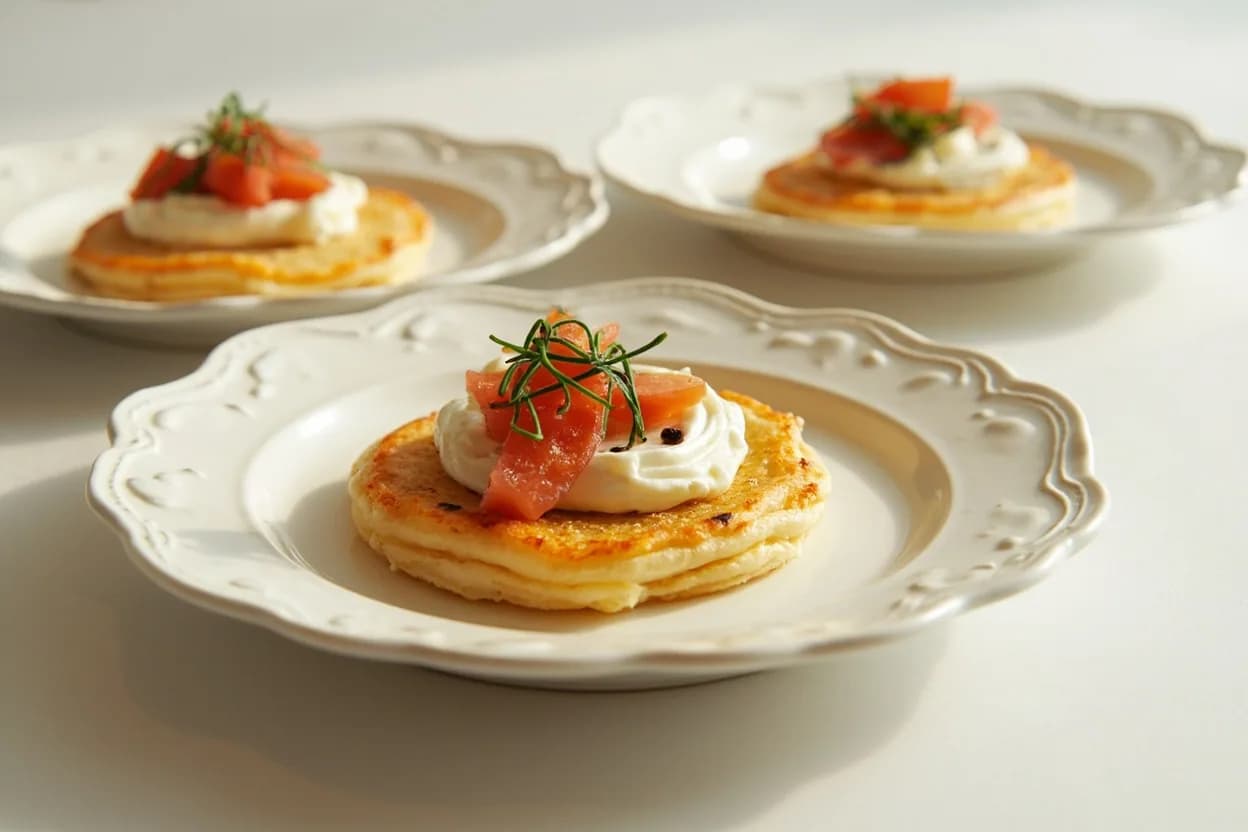
Related
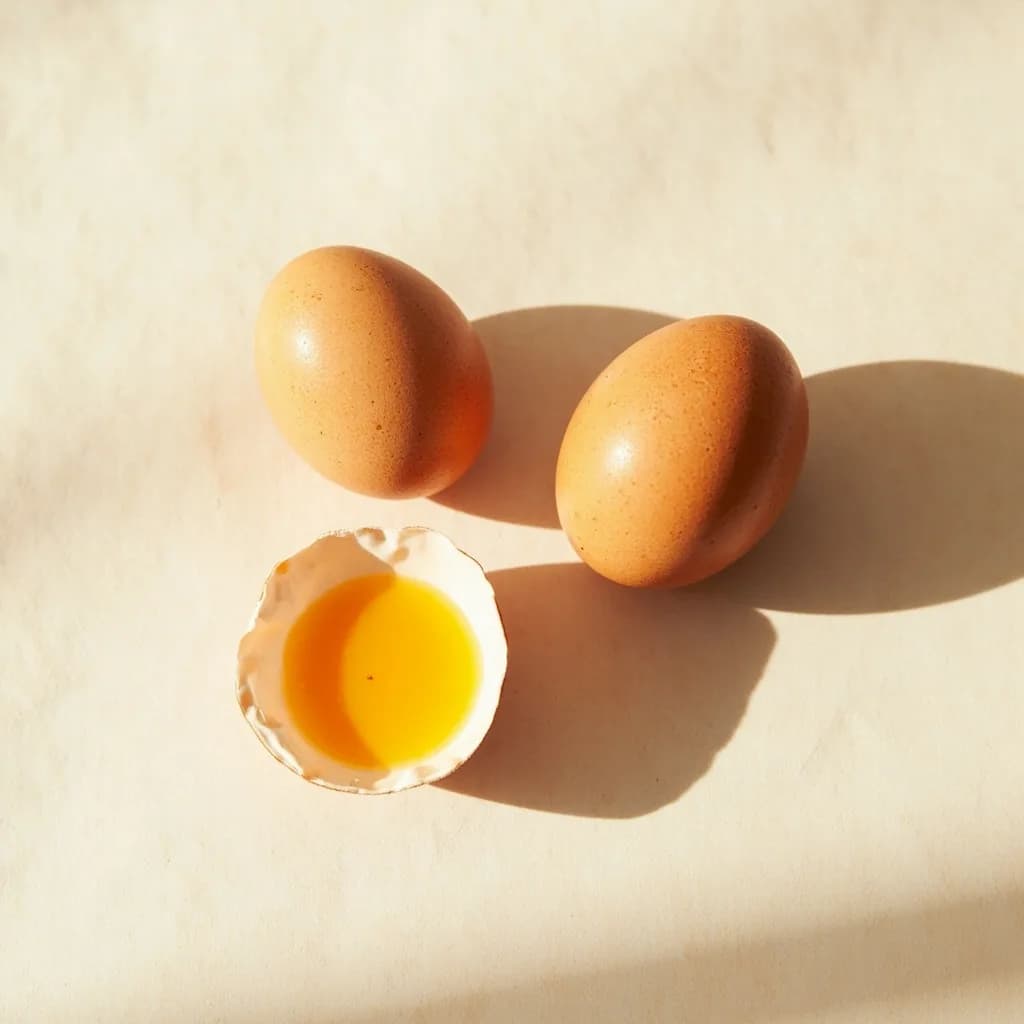
Egg
The kitchen's everything ingredient — bind, leaven, enrich, or fry
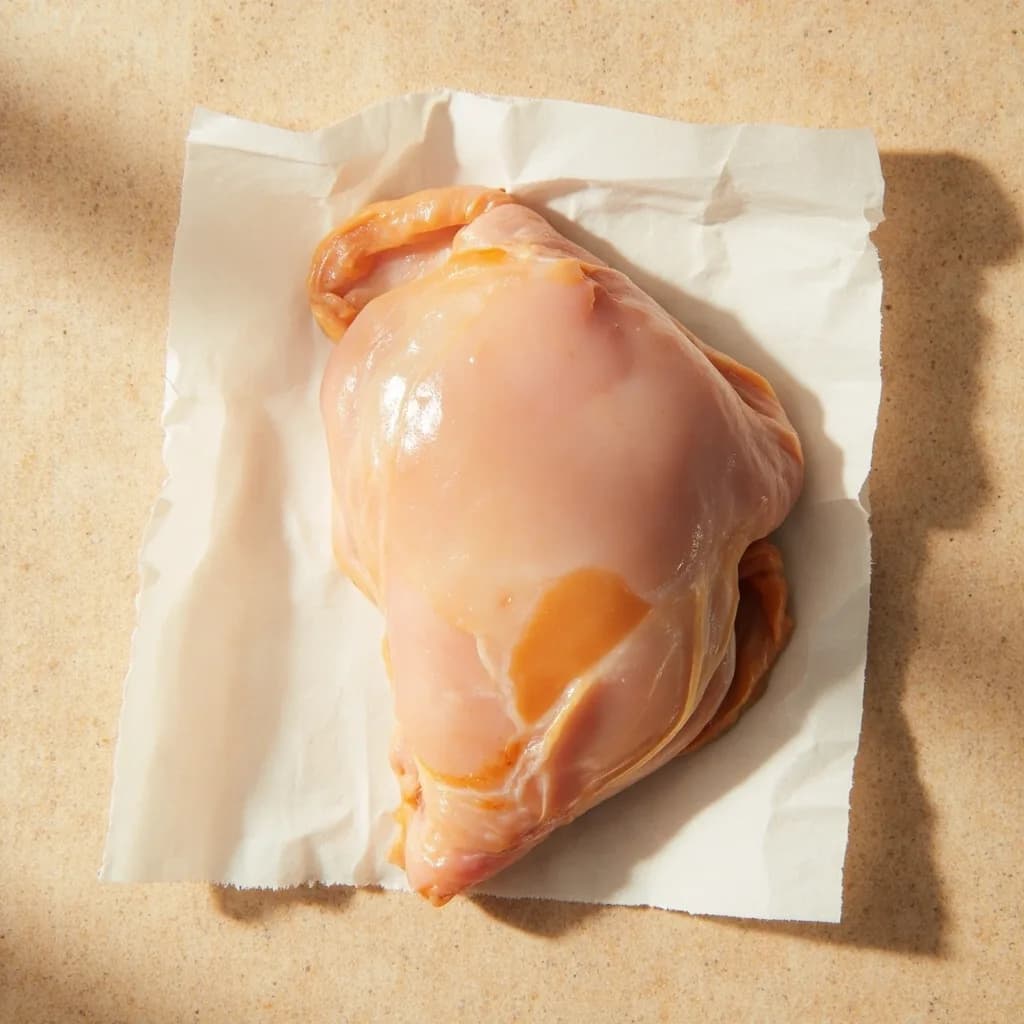
Chicken Breast
Lean, quick-cooking white meat for everyday dinners

Ground Beef
Versatile minced beef for burgers, ragù, tacos, and meatballs
Pork Loin
Lean, tender roasting cut that stays juicy with care
Salmon
Rich, rosy fish that roasts, grills, or cures beautifully

Egg White
Pure protein that whips to airy peaks for meringue and more
Egg Yolk
Rich, golden yolk for custards, mayonnaise, and pasta

Quail Egg
Tiny, speckled eggs for garnishing and elegant bites