Proteins
Shark
Firm, meaty fish grilled or fried as steaks; also fermented into Icelandic hákarl.
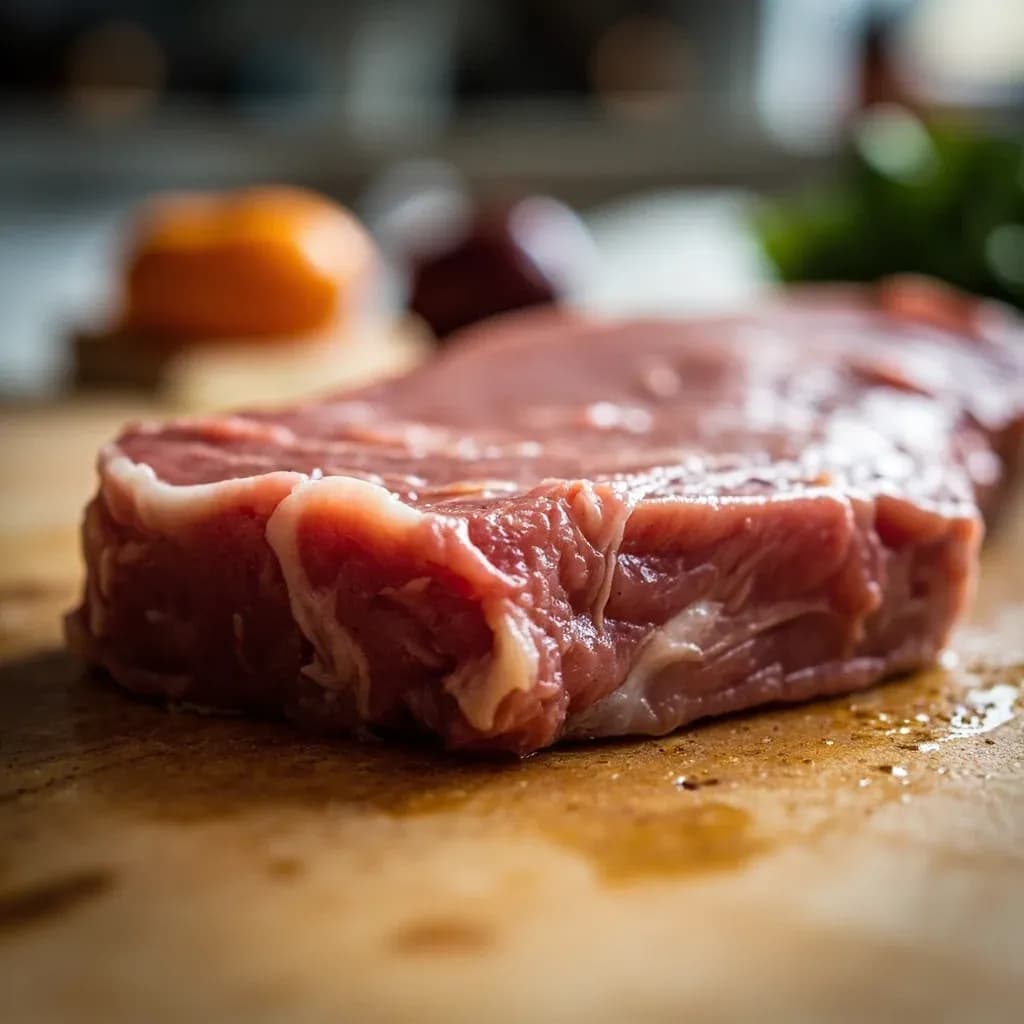
Shark meat is dense and meaty with a mild flavor, eaten as steaks that grill or fry well in many coastal cuisines. In Iceland, Greenland shark is fermented and dried into hákarl, a famously pungent delicacy. The flesh should be soaked before cooking to remove ammonia notes from its urea content.
Shark is a dense, meaty fish with flesh that behaves more like a firm steak than most white fish—the texture holds together under high heat and takes on a light char without falling apart. Its flavor is mild and slightly sweet, often compared to swordfish or lean beef, which makes it versatile for bold marinades and simple preparations alike. Coastal cultures have consumed shark for millennia, from ancient Greece to Polynesian islands to indigenous Americas, and it remains a staple in Caribbean, Mediterranean, and Nordic cuisines.
The critical culinary challenge with shark is its blood chemistry. Like other elasmobranchs, sharks excrete waste through their blood as urea and trimethylamine oxide (TMAO), which break down into ammonia after death and produce a strong, unpleasant odor and flavor if not addressed. Commercially sold shark is typically bled immediately after catch and often brined, but when preparing fresh-caught shark, you must bleed it right away and soak the fillets in heavily salted ice water for 2–4 hours to purge these compounds. Once properly prepared, shark steaks grill, sear, broil, and fry with excellent results—just know that the meat becomes dry and tough if overcooked beyond medium-rare.
Shark appears in forms ranging from simple grilled steaks to the notorious Icelandic hákarl, a traditional delicacy made by fermenting Greenland shark for months to concentrate its flavor and allow the ammonia to mellow into something characterful. Whether you encounter it at a fishmonger as Mako, Thresher, or an unidentified steak, the same principles apply: verify the source for sustainability, ensure proper preparation, and treat it as the meaty, resilient fish it is.
- Measured in
- g
- Storage
- Fridge
Allergens
Types & varieties
Considered one of the finest eating sharks; firm, mild, and widely available in markets
Sweet, delicate flavor; prized in Mediterranean and Asian cuisines
Small shark used in British fish and chips; not to be confused with the Greenland shark used for hákarl
Popular in the southeastern US and Caribbean; mild flavor with firm texture
Eaten in Japan and Mediterranean; requires careful preparation to remove strong flavors
Common in French and Italian cuisine; mild and flaky
Common uses
Tips & pitfalls
- Buy from reputable fishmongers who bleed and properly store the fish—never purchase whole sharks that appear neglected or have a strong ammonia smell
- If preparing fresh-caught shark, bleed it immediately and soak fillets in heavily salted ice water for 2–4 hours to purge urea before cooking
- Cut steaks at least 1 inch thick to prevent overcooking and drying out; thinner cuts will toughen quickly
- Cook to medium-rare (130–135°F internal temperature); the meat becomes chalky and dry when cooked past this point
- Let shark rest for 5 minutes after cooking, loosely tented with foil, to allow juices to redistribute before cutting
- Bring refrigerated shark to room temperature for about 20 minutes before cooking to ensure even heat penetration
- Limit acidic marinades to 30 minutes or less—longer exposure breaks down the meat's texture into mush
- Check local fishing regulations before purchasing; many shark species are protected or have catch limits, and conservation status varies significantly by region
Nutrition
Energy
544 kJ · per 100 g
Where the calories come from
Protein
21g
42% DV
Carbs
0g
0% DV
Fat
4.5g
6% DV
Fiber
0g
0% DV
Sugars
0g
of which
Sodium
79mg
3% DV
Source · USDA FoodData Central · approx. Fish, shark, mixed species, raw
View on FDC →In the shops
Matched grocery products
No matched grocery products for Shark yet.
Good to know
- Flavor
- Mild, slightly sweet; often compared to swordfish or lean beef
- Texture
- Dense, meaty, and flakey; holds up exceptionally well to high-heat cooking
- Primary Cooking Methods
- Grilling, pan-searing, broiling, and deep-frying as steaks
- Key Preparation
- Must be bled immediately after catch; soak in salted ice water to remove urea compounds that cause ammonia odors
- Shelf Life
- 2–3 days refrigerated at 32–34°F; freeze for up to 3 months
- Yield
- Approximately 60–70% edible meat from whole fish
- Nutritional Profile
- High in protein, low in fat; rich in selenium, vitamin B12, and omega-3 fatty acids
- Sustainability
- Many species are overfished or protected; always verify source and species before purchasing
Substitutes
- Swordfish — Similar firm, meaty texture and mild flavor; easier to find and more consistently available
- Halibut — Firm white fish with mild flavor; best for grilling and pan-searing applications
- Monkfish — Dense, meaty texture comparable to shark; excellent for grilling and roasting
- Mahi-mahi — Similar firm texture and mild sweetness; widely available and sustainably sourced
Pairs with
Also called
Reken · Shark Steak
Appears in these dishes


Related
Egg
The kitchen's everything ingredient — bind, leaven, enrich, or fry
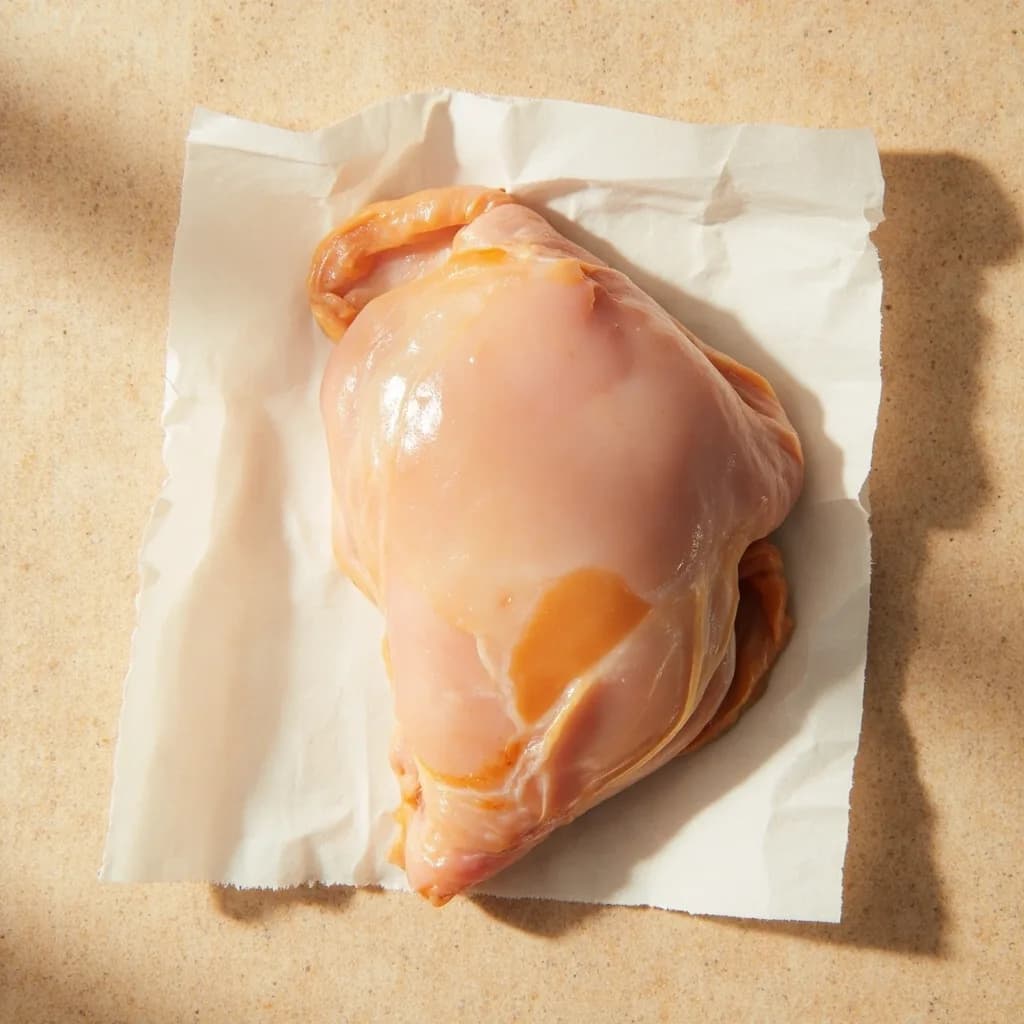
Chicken Breast
Lean, quick-cooking white meat for everyday dinners

Ground Beef
Versatile minced beef for burgers, ragù, tacos, and meatballs
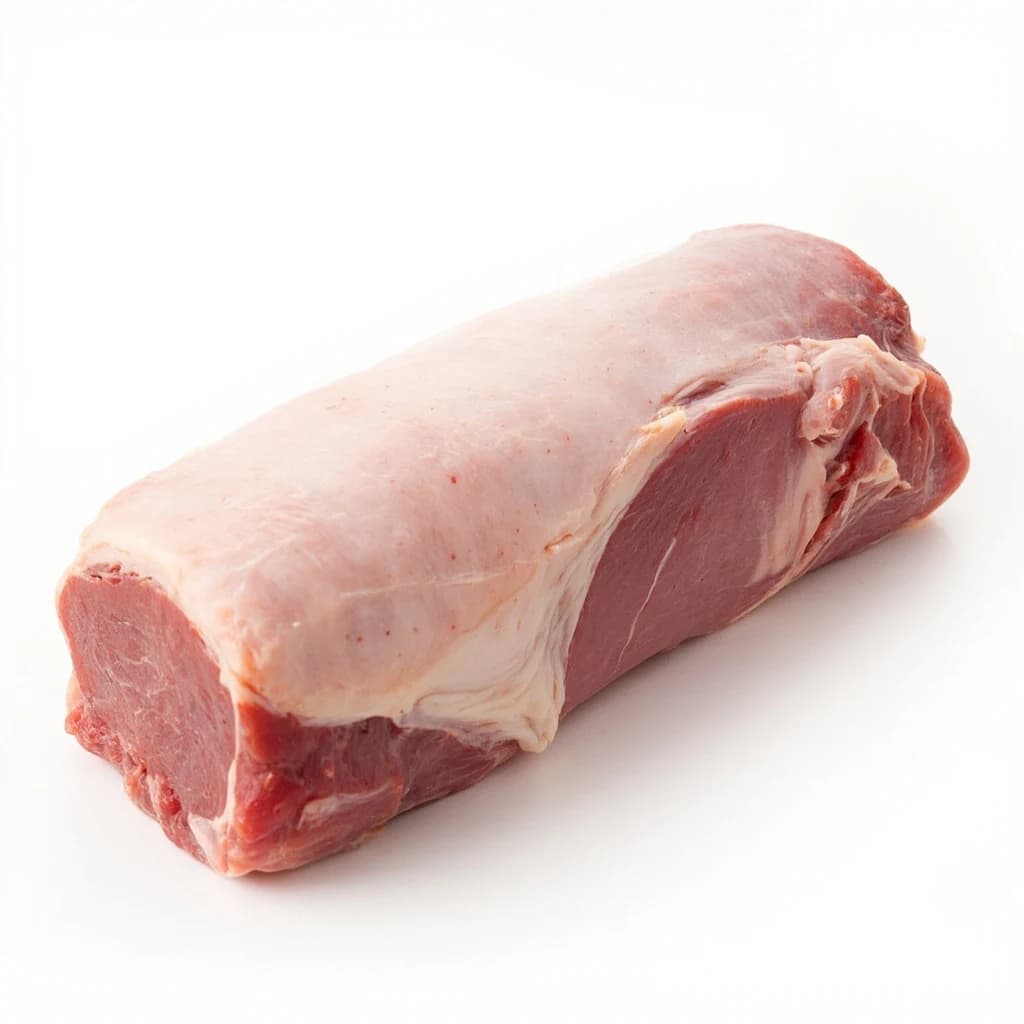
Pork Loin
Lean, tender roasting cut that stays juicy with care
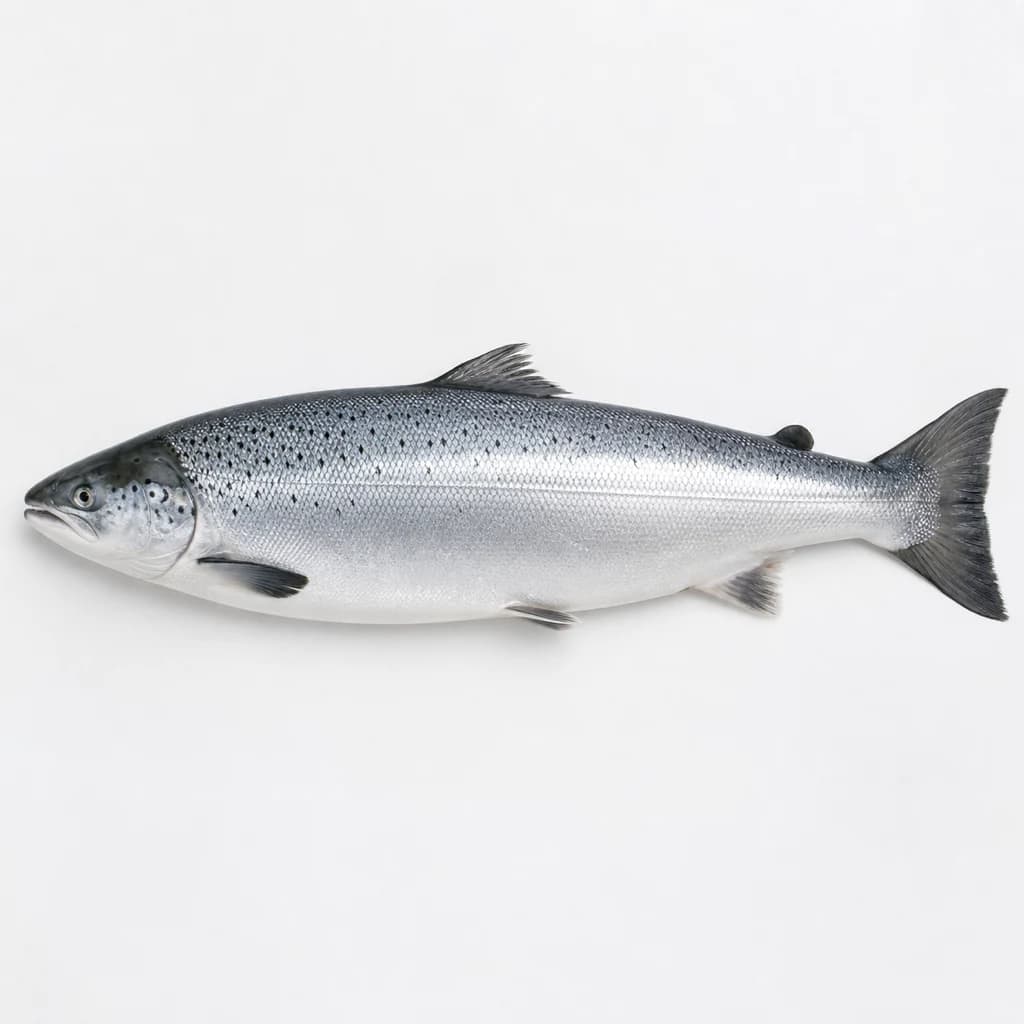
Salmon
Rich, rosy fish that roasts, grills, or cures beautifully

Egg White
Pure protein that whips to airy peaks for meringue and more

Egg Yolk
Rich, golden yolk for custards, mayonnaise, and pasta

Quail Egg
Tiny, speckled eggs for garnishing and elegant bites