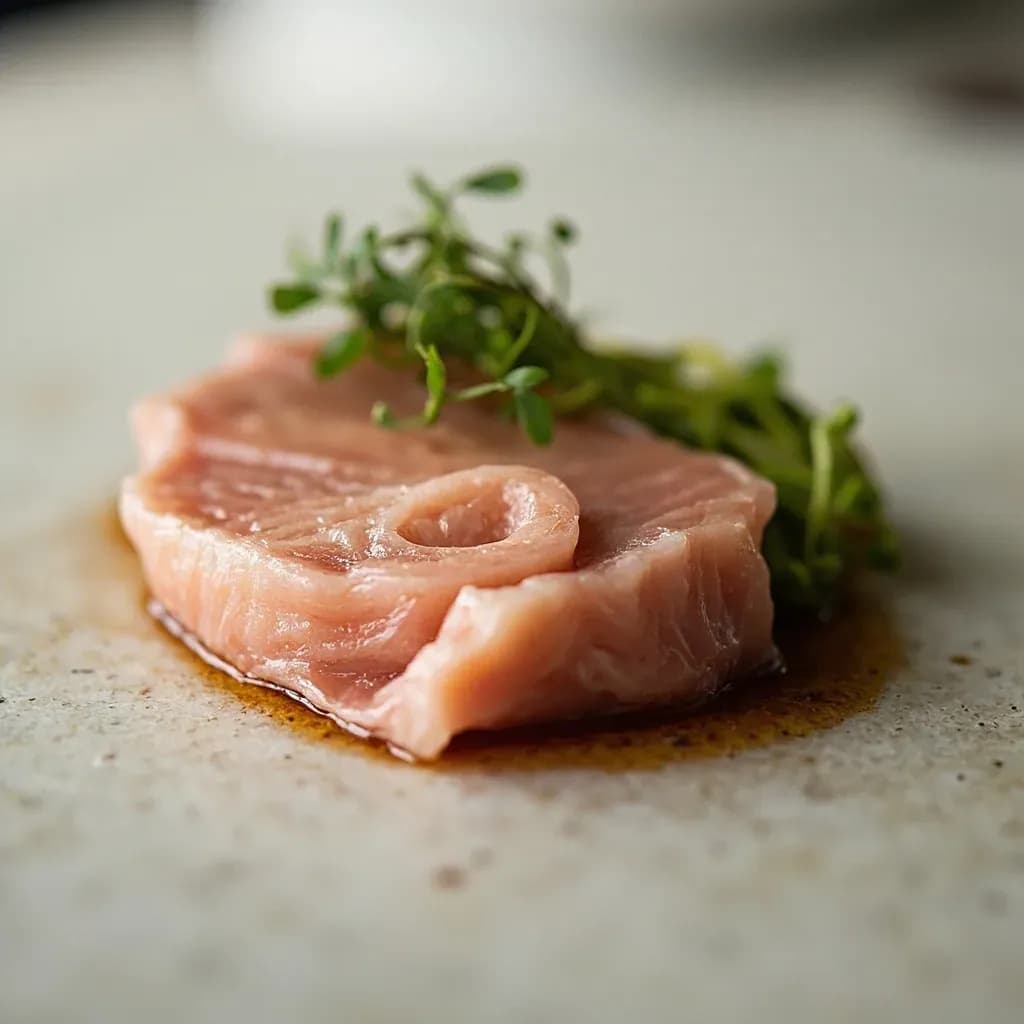
Proteins
Swordfish
Firm, meaty, steak-like fish ideal for grilling and skewering; mild with a slightly sweet flavor.
Swordfish is a large ocean fish whose dense, meaty flesh is cut into thick steaks, holding together exceptionally well on the grill or skewer. Its mild, slightly sweet flavor and firm texture make it a Mediterranean and Sicilian favorite, often grilled with lemon and herbs or braised (pesce spada). Because it is meaty rather than flaky, it suits high-heat and bold preparations.
Swordfish (Xiphias gladius) is a large predatory ocean fish, one of the few warm-blooded species in the sea, which contributes to its exceptional ability to maintain firm muscle structure. Its flesh is dense, ivory to pinkish-white when raw, turning opaque when cooked, with a meaty, steak-like texture that separates into substantial flakes rather than delicate fragments when properly prepared. This combination of firmness and moderate fat content (5–15%, varying by season and source) makes swordfish uniquely forgiving compared to other fish—it holds together on grills and skewers, tolerates higher heat, and resists drying out better than delicate white fish. The flavor is mild and slightly sweet with a clean finish, making it approachable for cooks accustomed to working with meat while remaining distinctly oceanic.
The appeal of swordfish lies in its versatility and robustness. Unlike fragile fish that demand precise timing and careful handling, swordfish steaks can stand up to aggressive grilling, bold marinades, and even aggressive searing without falling apart. This forgiving nature, however, can breed overconfidence: the difference between a juicy, mahogany-crusted steak and a tough, gray hockey puck often comes down to 5–10 degrees of internal temperature. The species has a compelling conservation story—severely overfished in the 1970s–80s, it rebounded significantly under international management, particularly ICCAT quotas for Atlantic stocks, and now stands as a success story in sustainable fisheries—though sourcing matters enormously, and regional stocks vary. Always ask your fishmonger about catch origin and current stock status.
- Measured in
- g
- Storage
- Fridge
Allergens
Types & varieties
Primary source for most U.S. and European markets; managed under ICCAT quotas; peak season spring through early fall
Increasingly available in Western markets; often marketed as 'Hawaiian swordfish' when from that region
Highly prized; short season (typically May–October) with strict quotas; sold fresh throughout Italy, Spain, and France
Marketed as school (under 50 lbs), medium (50–100 lbs), large (100–200 lbs), and giant (200+ lbs); smaller grades tend toward greater tenderness
The Temperature Imperative
Swordfish's firm texture and forgiving nature can mislead cooks into believing it is indestructible. It is not. The proteins in swordfish tighten irreversibly when heated beyond 150°F (65°C), squeezing out moisture and creating a rubbery, dry texture. Invest in an instant-read thermometer and use it. Pull the steak from heat at 130°F (54°C) and let residual carryover heat raise it to 140°F (60°C) for medium-rare to medium. This is not optional precision—it is the difference between a memorable steak and an edible mistake. If you have been overcooking swordfish without realizing it, this single change will transform your results.
- Target 130°F at removal for medium-rare; 140°F for medium; never exceed 150°F
- Residual heat will add 5–10°F after pulling from the grill or pan
- Allow fish to rest 3–5 minutes after cooking to let juices redistribute and texture firm up
The Membrane: A Critical Prep Step
Before cooking any swordfish steak, locate and remove the dark intramuscular membrane—a vertical band of darker flesh running through the center of each steak. This tissue has a distinctly metallic flavor and tough, rubbery texture that survives cooking intact. It does not soften, pickle, or disappear; it remains a chewy, off-putting band in the middle of your steak. Professional fishmongers often trim this, but not always. Run your finger along the center of the steak before cooking; if you feel a tougher band, trim it out with a sharp knife.
- The membrane is the dark vertical strip through the steak's center
- It has a metallic taste and never softens with cooking
- Trim it before seasoning; your guests will thank you
Common uses
Tips & pitfalls
- Bring swordfish to room temperature 20–30 minutes before cooking—cold fish cooks unevenly with a tough, undercooked center
- Pat steaks completely dry before cooking—surface moisture creates steam instead of the sear you want
- Season simply: coarse salt, cracked black pepper, and olive oil let the natural flavor shine; heavy seasoning overwhelms its mild character
- Never cook past 150°F—beyond this, proteins tighten irreversibly and the steak becomes rubbery and dry
- Trim the dark intramuscular membrane running through the center of each steak before cooking; it has an off-putting metallic flavor and never softens
- Let the fish rest 3–5 minutes after cooking; this allows juices to redistribute and the texture to firm up properly
- Avoid long acidic marinades (longer than 2 hours) with citrus or vinegar—they denature the surface proteins and create a mealy texture
- Cut against the grain when serving—swordfish has visible muscle bands; cross-cutting produces more tender bites
- If grilling over charcoal, let the fire burn down to hot coals rather than cooking over open flames to avoid charring the exterior before the interior is done
- Buy from reputable fishmongers who can tell you the catch source—quality varies enormously with freshness and handling
- Use an instant-read thermometer and pull from heat at 130°F; residual heat will carry it to 140°F—this is the single most important step
Nutrition
Energy
602 kJ · per 100 g
Where the calories come from
Protein
19.7g
39% DV
Carbs
0g
0% DV
Fat
6.7g
9% DV
Fiber
0g
0% DV
Sugars
0g
of which
Sodium
81mg
4% DV
Source · USDA FoodData Central · Fish, swordfish, raw
View on FDC →In the shops
Matched grocery products
No matched grocery products for Swordfish yet.
Good to know
- Scientific Name
- Xiphias gladius
- Type
- Large predatory ocean fish; one of the few warm-blooded fish species
- Flavor
- Mild and slightly sweet; meaty and steak-like with a clean finish
- Texture
- Dense, firm, and moisture-retaining; separates into substantial flakes when properly cooked
- Flesh Color
- Ivory to pinkish-white when raw; turns opaque white when cooked
- Doneness Target
- 130°F–140°F (54°C–60°C) for medium-rare to medium; flesh should be slightly translucent at center when removed from heat
- Fat Content
- Moderate to high (5–15% depending on season and location); contributes to moistness
- Peak Season
- Spring through early fall in the North Atlantic; year-round availability with peaks varying by region
- Typical Market Size
- Steaks cut from fish weighing 50–200 lbs; individual steaks typically 8–16 oz each
- Shelf Life
- 2–3 days refrigerated; freeze for up to 3 months
- Mercury Advisory
- Higher on the food chain—FDA recommends limiting consumption, especially for pregnant women and young children; check regional catch advisories
- Sustainability
- Variable by source; look for MSC-certified, line-caught, or regional assessments such as NOAA Fisheries status for Atlantic stocks
Substitutes
- Mako Shark — Often sold as 'fresh shark' at fish markets; virtually identical cooking properties—firm, meaty, and neutral-flavored; takes marinades well; look for sustainable sources
- Tuna Steaks — Similar dense, steak-like texture and mild flavor; cooks slightly faster due to lower fat content; best results at the same low internal temperature range
- Wahoo (Ono) — Firm, clean-flavored fish from tropical waters; slightly more delicate than swordfish—watch cooking times closely and do not overcook
- Sturgeon — Dense, meaty texture with a mild, slightly nutty flavor; excellent on the grill; more commonly available in freshwater regions
- Shark (Lemon Shark or approved species) — Closest texture match—firm, meaty, and steak-like; leaner than swordfish and may need additional oil during cooking; ensure from sustainable sources
Pairs with
Also called
Swordfish (Pixxispad) · Pixxispad · Pesce Spada
Related
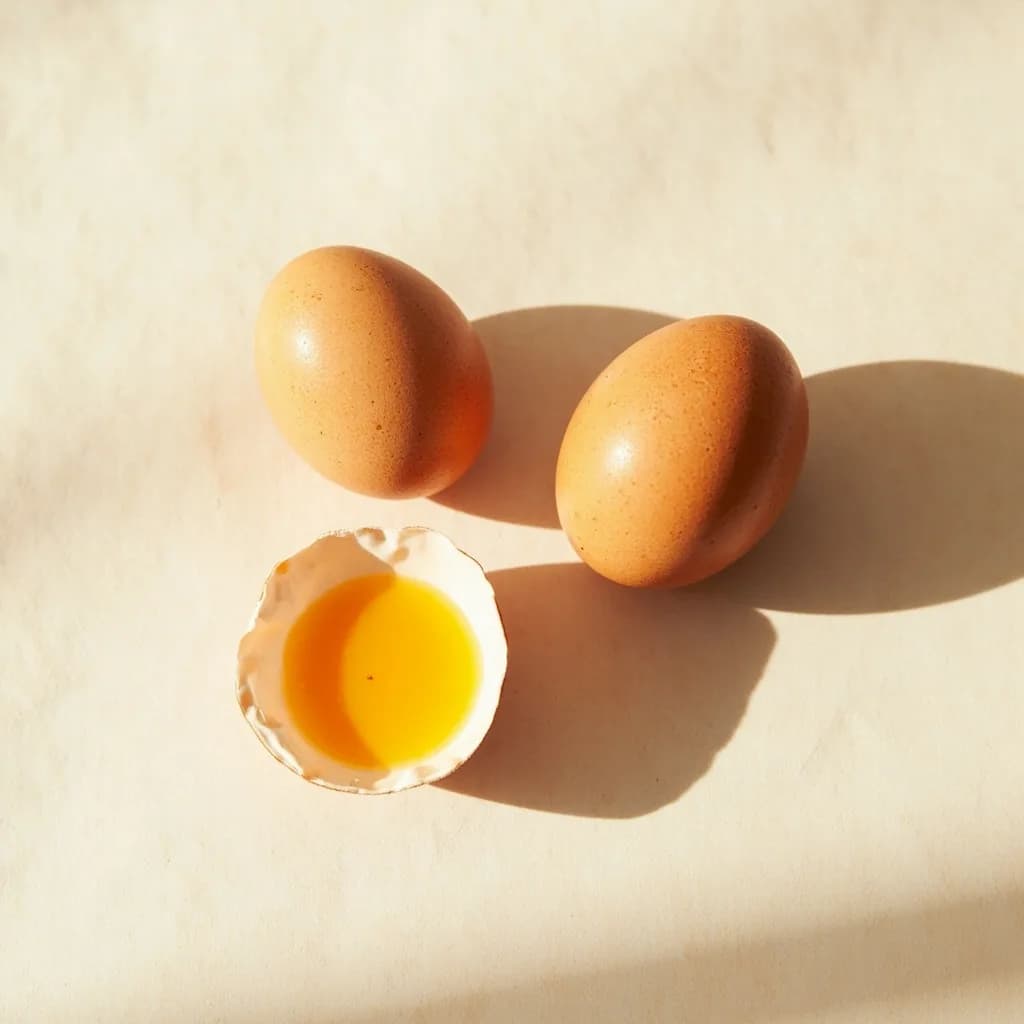
Egg
The kitchen's everything ingredient — bind, leaven, enrich, or fry
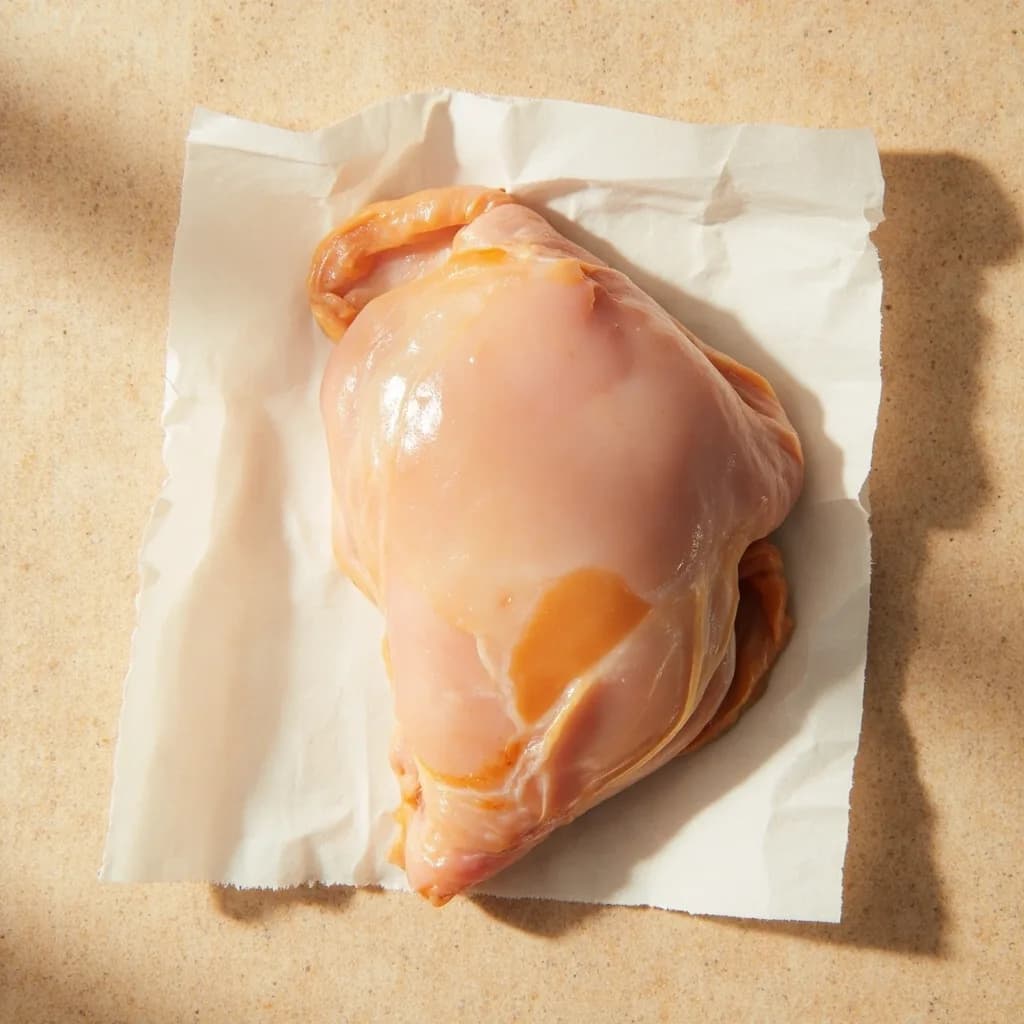
Chicken Breast
Lean, quick-cooking white meat for everyday dinners

Ground Beef
Versatile minced beef for burgers, ragù, tacos, and meatballs
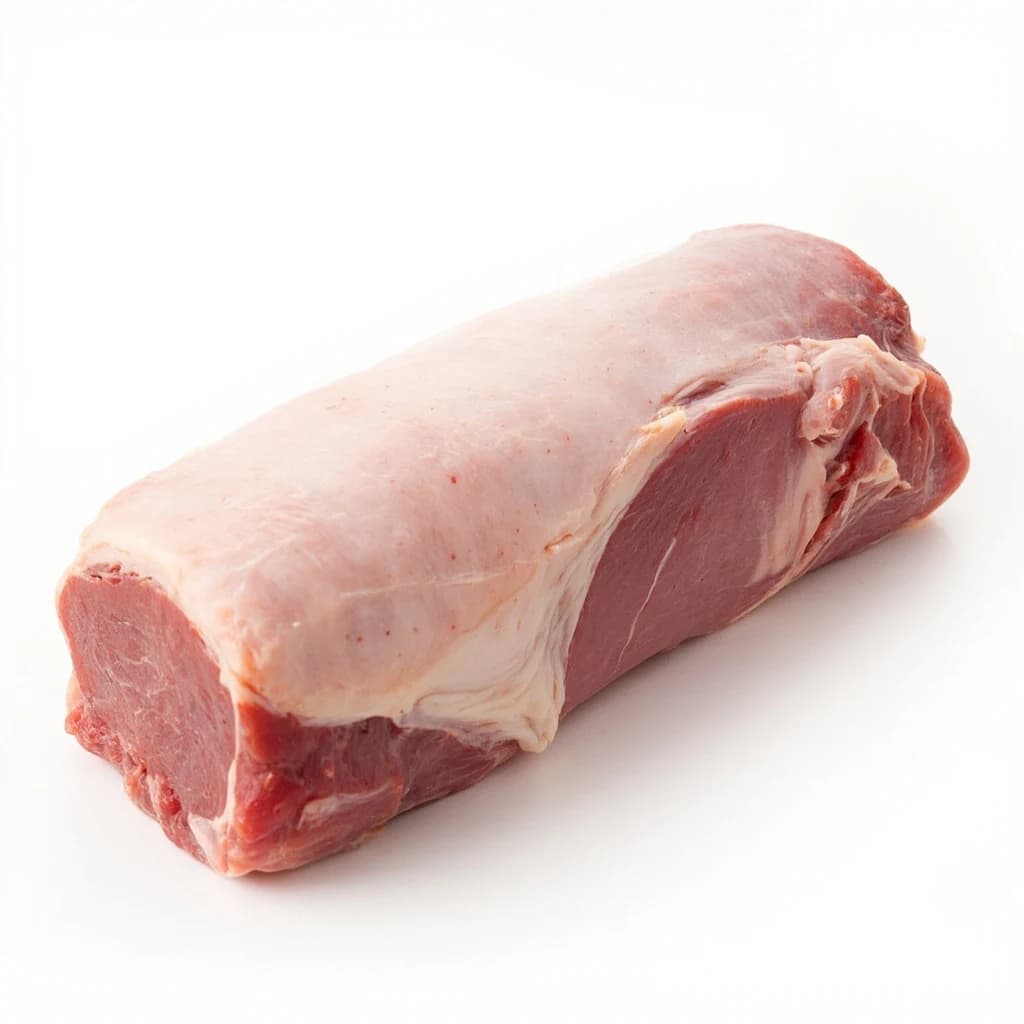
Pork Loin
Lean, tender roasting cut that stays juicy with care
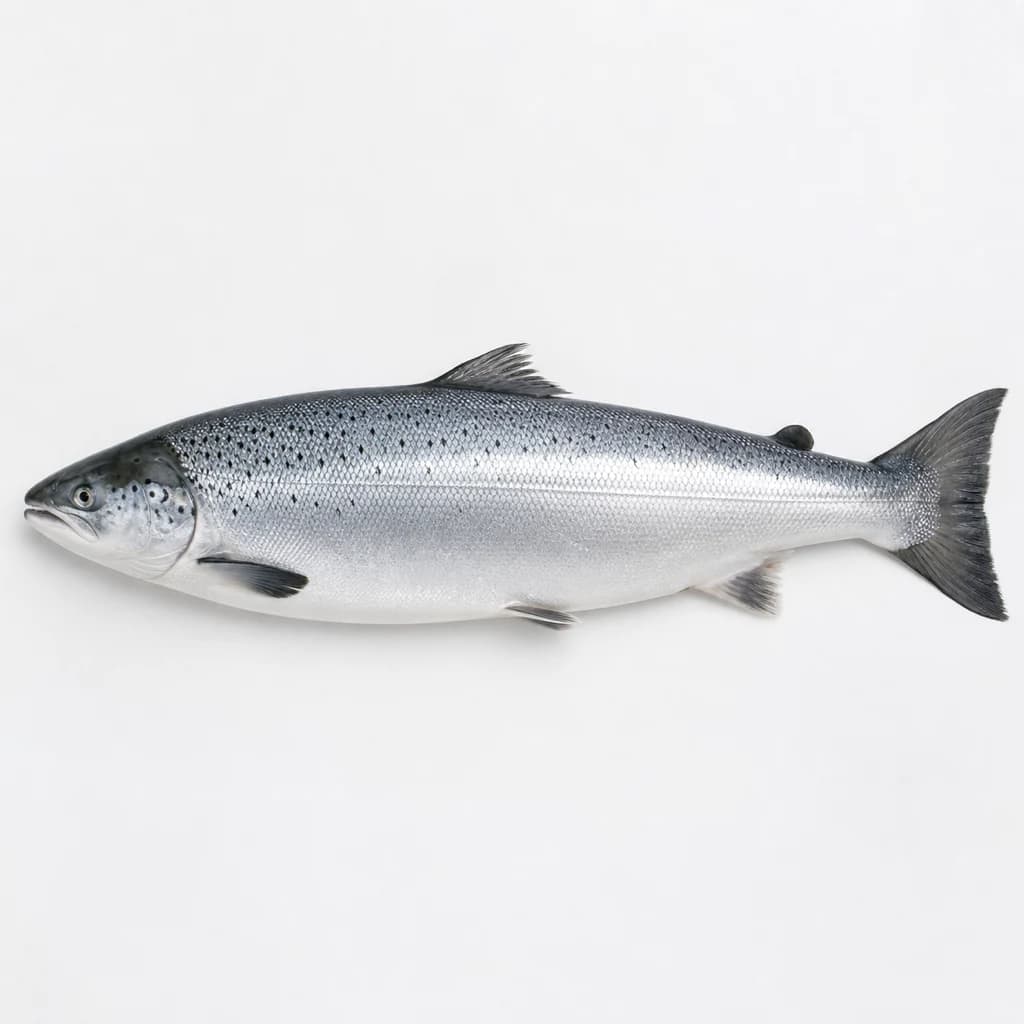
Salmon
Rich, rosy fish that roasts, grills, or cures beautifully

Egg White
Pure protein that whips to airy peaks for meringue and more
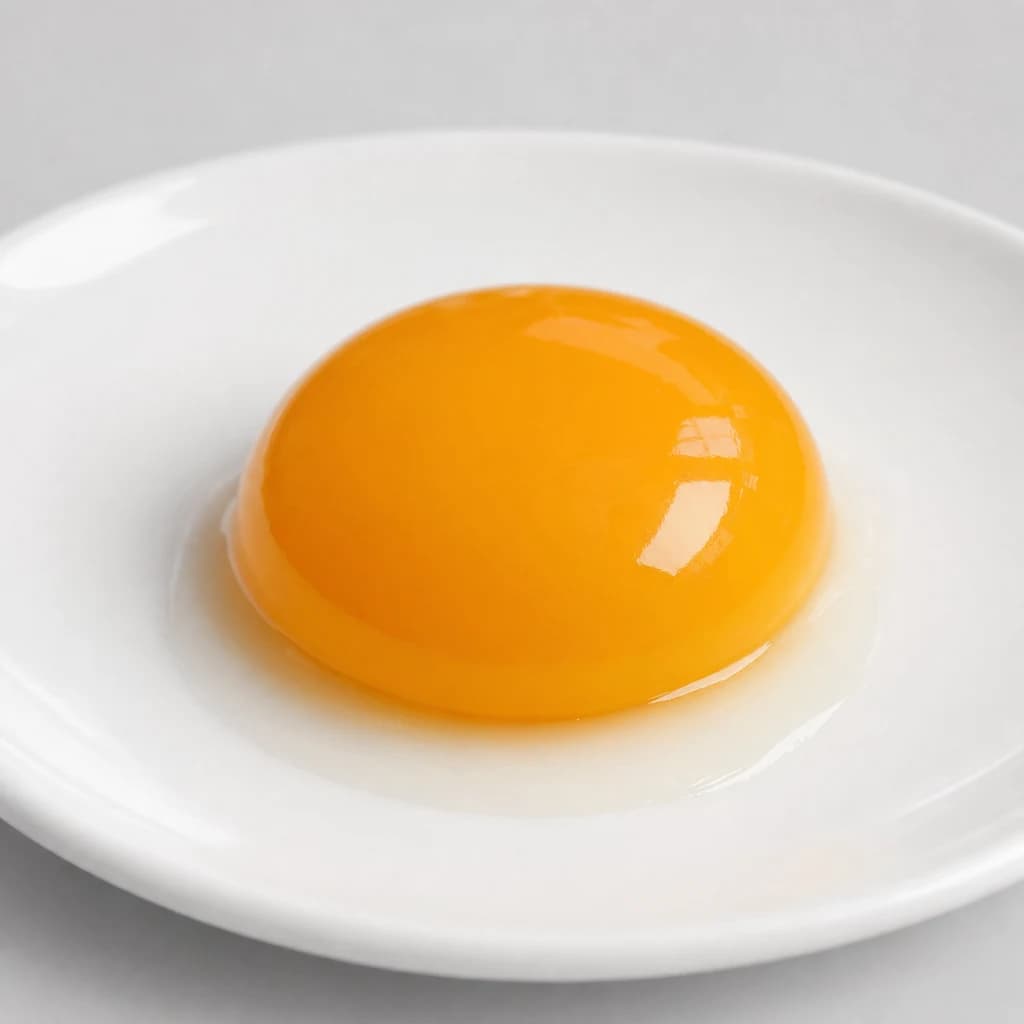
Egg Yolk
Rich, golden yolk for custards, mayonnaise, and pasta

Quail Egg
Tiny, speckled eggs for garnishing and elegant bites