Proteins
Caviar
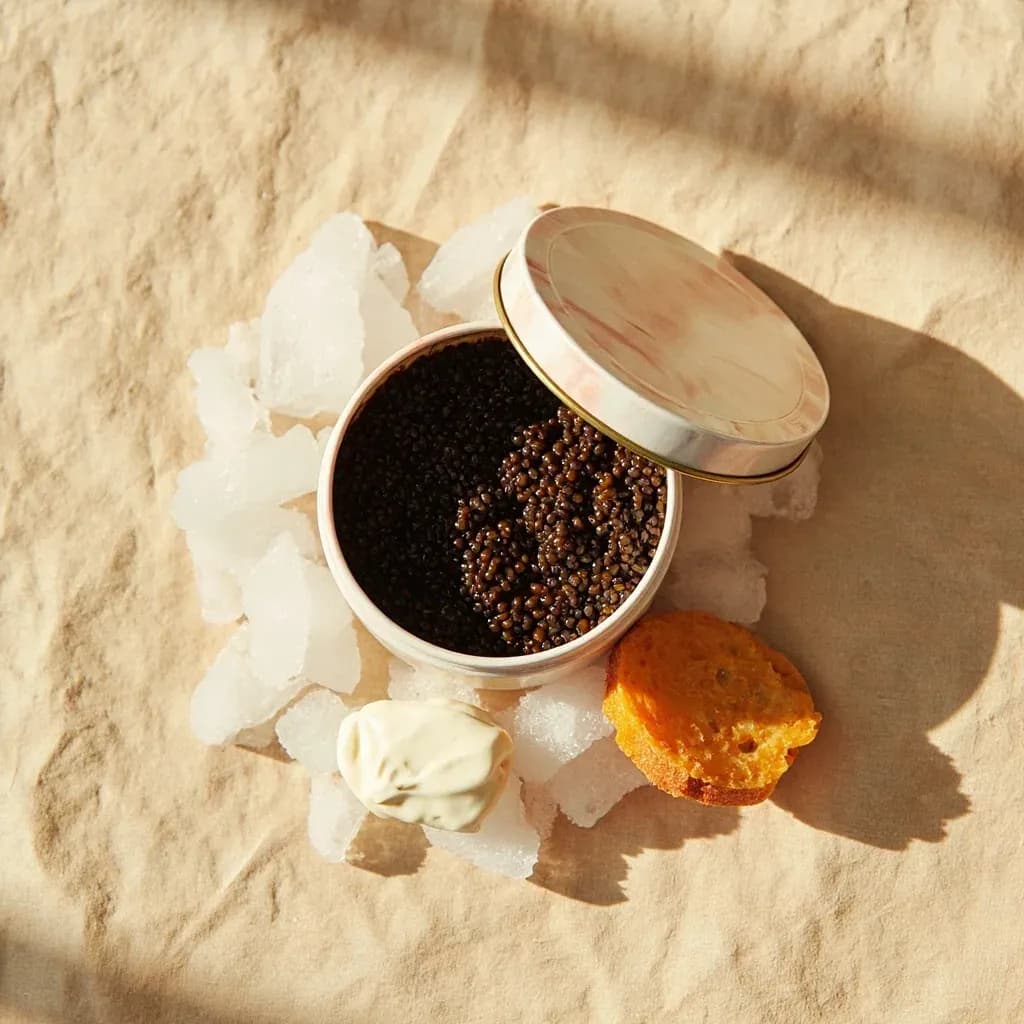
Salt-cured sturgeon roe with glossy, briny pearls that burst on the tongue; served chilled and unadorned with blini and creme fraiche, never cooked or overhandled.
Caviar is the salt-cured roe of sturgeon — large, glossy, individual eggs that pop cleanly on the palate and deliver a wave of cool, oceanic brine. The cure is deliberately light, traditionally malossol (Russian for 'little salt,' usually 3–5% by weight), so the eggs remain distinct and the flavor reads as fresh rather than preserved. Caviar is farmed almost exclusively today, harvested from mature females, sieved from the skeins, salted briefly, and packed in tins where it continues to cure gently until opened.
In the kitchen, caviar behaves like a finishing ingredient, not a cooking one. Heat ruptures the membrane and turns the pearls into a fishy paste; metal tarnishes the flavor with a metallic edge. The right way to think about it is the way you think about a great olive oil or a flake of Maldon: a small amount, served cold, on something neutral that frames the brine. Once you understand that — non-metal spoon, tin on ice, blini and crème fraîche within reach — caviar is one of the simplest, most forgiving luxuries you can put on a table.
The real benchmark is texture. Each egg should be whole, glossy, and firm enough to roll across the tongue before releasing its liquid. Size signals the species (Beluga largest, Sevruga smallest), but the clean, briny-not-fishy aroma and the snap of the burst are the truer indicators of quality than color or pedigree.
- Measured in
- g
- Storage
- Refrigerate
Allergens
Find it in
Types & varieties
Largest, softest pearls (2.5–3.5 mm), gray to black; buttery, mellow, least salty. Huso huso, critically endangered in the wild; virtually all supply is farmed.
Medium eggs (2–2.5 mm), pale gold to deep brown; firm texture and a nutty, complex flavor. The classic choice for tasting menus.
Smallest pearls (1–1.5 mm), gray-black, with a bolder, brinier, slightly mineral flavor. Often the most affordable of the three classics.
Cross of Kaluga (Huso dauricus) and Amur sturgeon; large eggs with a buttery, slightly sweet profile, often marketed as a 'Beluga-style' caviar.
Acipenser baerii; medium-dark eggs, clean and mildly nutty. Widely farmed in Europe and Asia, good value.
Acipenser transmontanus from the North American Pacific coast; eggs range black to brown with a clean, slightly sweet brine.
Scaphirhynchus platorynchus, the American shovelnose sturgeon. Small, glossy black eggs, earthy and robust; a dependable everyday caviar.
Polyodon spathula; large gray eggs with a mellow, slightly sweet flavor, sometimes called 'American sevruga.'
Lower-grade eggs gently pressed into a glossy black paste, sliced and served. A distinct Russian tradition, not whole-egg caviar.
Reading quality at the tin
Egg size and color are not the primary indicators of quality — they tell you the species, not the care. What separates excellent caviar from mediocre is the integrity of the egg and the cleanliness of the cure.
- Eggs should be uniform in size and clearly separated; clumping or cloudiness in the liquid suggests broken membranes.
- The aroma should be clean, cool, and briny — never fishy, ammoniated, or sour. Trust your nose first.
- Press a single pearl to the roof of your mouth: it should hold its shape, then burst and dissolve cleanly, leaving a long, fresh finish.
- Color variation within a tin is normal across species (Osetra especially) and reflects diet and fish age, not grading.
- Pasteurized caviar is more shelf-stable but the heat softens the membrane and dulls the burst — only worth it if you cannot source fresh.
The service ritual
Almost every rule around caviar exists to protect two things: the membrane of the egg and the delicate flavor inside it. Metal, heat, and strong aromatics are the enemies; chill, neutral base, and gentle handling are the allies.
- Set the unopened tin on crushed ice for 10–15 minutes before service, but nest the tin on a small dish or folded napkin so meltwater cannot seep in.
- Open the tin as close to service as possible — once exposed, the eggs begin to lose snap and aroma within minutes.
- Use a mother-of-pearl, bone, glass, or plastic spoon. A stainless spoon will not poison the caviar but it does leave a faint metallic edge.
- Offer accompaniments in small dishes so diners compose their own bite; never pre-spoon caviar onto a platter and let it sit.
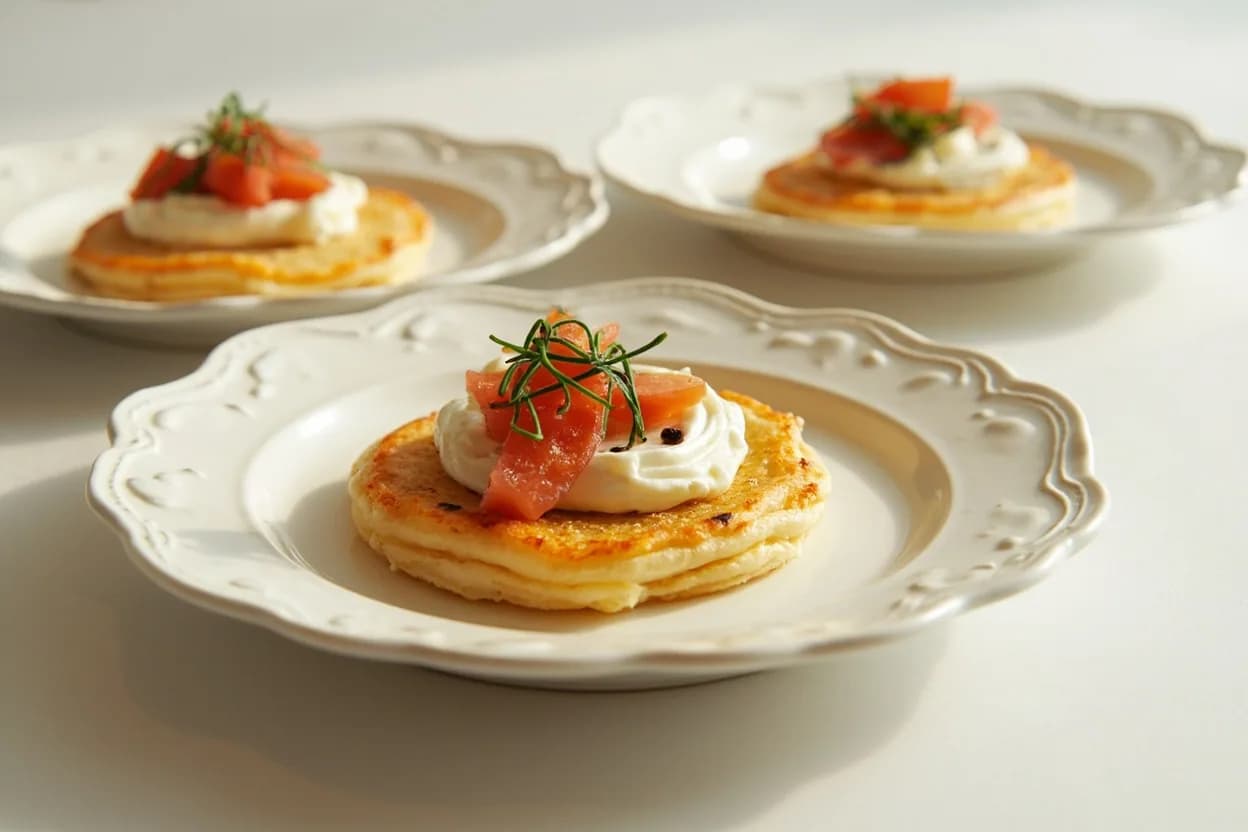
- For a 30 g starter portion, plan on 3–4 small blini per person; for a tin of 50 g, expect 8–10 canapés.
Common uses
Tips & pitfalls
- Never serve caviar in a metal bowl or with a metal spoon — use mother-of-pearl, bone, glass, or plastic to avoid a metallic edge on the eggs.
- Open the tin as close to service as possible; once exposed, the eggs begin to lose their snap and aroma within minutes.
- Skip pasteurized caviar when you have the choice — heat softens the membrane and dulls the burst that defines the experience.
- Taste a single pearl before seasoning or pairing anything else; fine caviar is already balanced and usually needs only a blini and a dab of crème fraîche.
- Set the tin on a small dish inside the ice bowl so meltwater cannot dilute or contaminate the eggs.
- Keep strong companions — raw onion, garlic, smoked fish, horseradish in quantity — off the same plate; they overwhelm the flavor.
- Press plastic wrap directly onto any leftover caviar before resealing to limit air contact; use within 24–48 hours and never refreeze.
- If a recipe calls for cooking caviar, you almost certainly want roe (salmon or tobiko) instead — sturgeon caviar should not see heat.
Nutrition
Energy
598 kJ · per 100 g
Where the calories come from
Protein
22.3g
45% DV
Carbs
1.5g
1% DV
Fat
6.4g
8% DV
Fiber
0g
0% DV
Sugars
0g
of which
Sodium
91mg
4% DV
Source · USDA FoodData Central · Fish, roe, mixed species, raw
View on FDC →In the shops
Matched grocery products
No matched grocery products for Caviar yet.
Good to know
- Definition
- Salt-cured unfertilized eggs (roe) of sturgeon, family Acipenseridae
- Cure
- Traditionally malossol ('little salt'), typically 3–5% salt by weight
- Classic species
- Beluga (Huso huso), Osetra (Acipenser gueldenstaedtii), Sevruga (Acipenser stellatus)
- Serving temperature
- Chilled, ideally rested 5–10 minutes out of the fridge to release aromatics
- Portion guide
- 30 g per person as a starter; 50 g tin yields about 8–10 canapés
- Storage (unopened)
- 28–32°F / −1 to 0°C in the coldest part of the refrigerator; avoid the freezer if possible
- Storage (opened)
- Press plastic wrap directly onto the surface, reseal, use within 24–48 hours
- Sustainability & law
- Wild Caspian beluga is restricted under CITES; nearly all commercial caviar is farm-raised; U.S. bans import of Caspian beluga
Substitutes
- Salmon roe (ikra) — Larger, firmer orange pearls with a clean ocean brine; the closest visual match for a Beluga-style garnish.
- Trout roe — Small, glossy orange eggs with a gentle pop; works well on blini or with crème fraîche.
- Tobiko — Flying-fish roe; very small and crunchy, often dyed yellow, orange, or black. Standard in Japanese cuisine.
- Masago — Capelin roe, smaller and softer than tobiko, usually dyed and seasoned; the budget option for sushi service.
- Lumpfish roe — Inexpensive, often dyed black to imitate caviar; mild flavor and soft texture, best used as a garnish rather than a centerpiece.
Pairs with
Also called
sturgeon roe · ossetra · beluga · fish roe
Appears in these dishes
Related
Egg
The kitchen's everything ingredient — bind, leaven, enrich, or fry
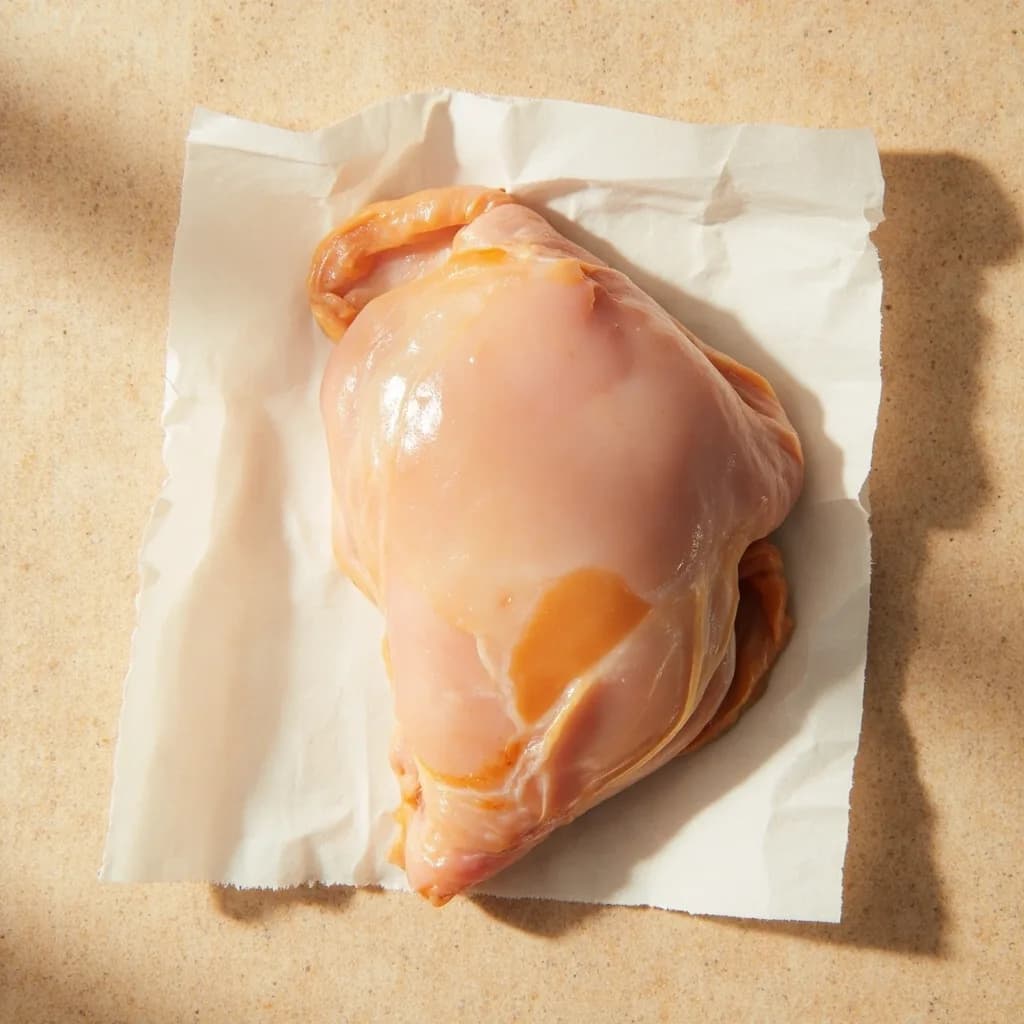
Chicken Breast
Lean, quick-cooking white meat for everyday dinners

Ground Beef
Versatile minced beef for burgers, ragù, tacos, and meatballs
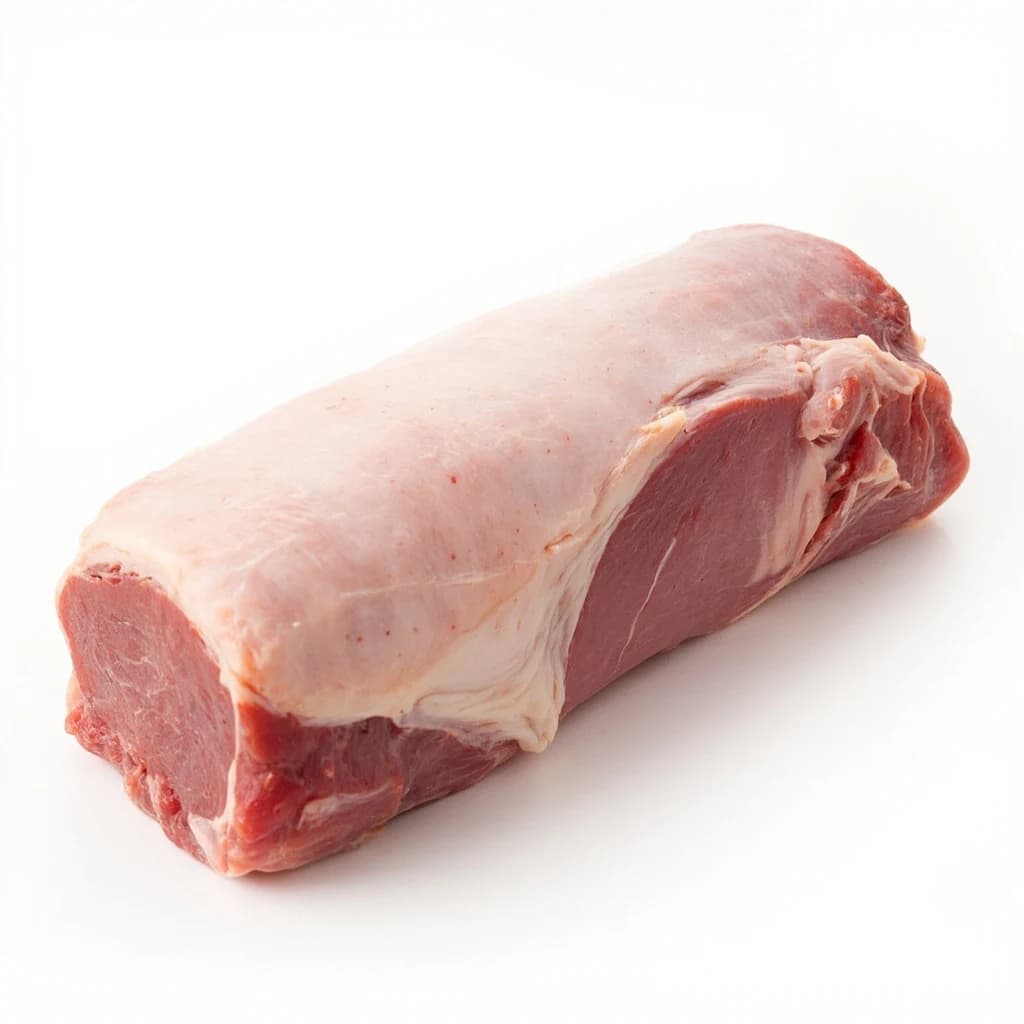
Pork Loin
Lean, tender roasting cut that stays juicy with care
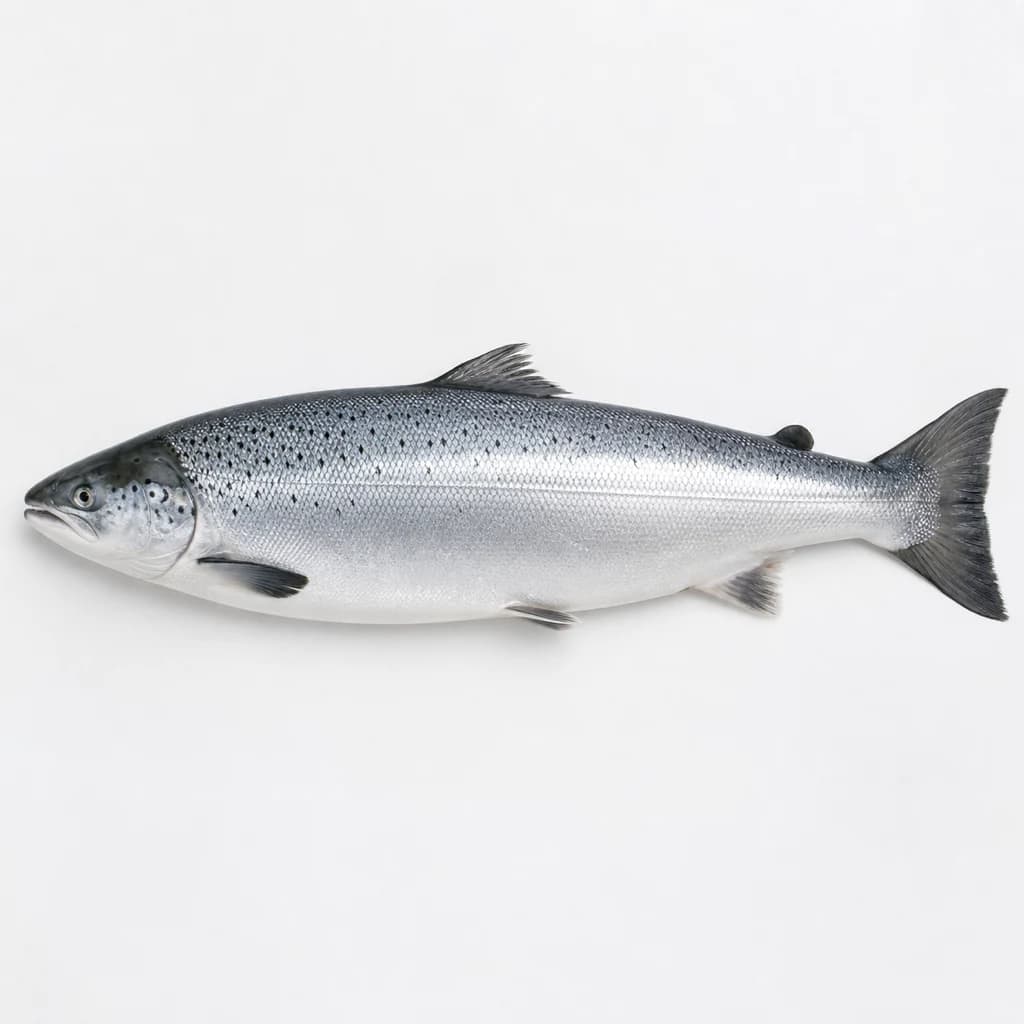
Salmon
Rich, rosy fish that roasts, grills, or cures beautifully

Egg White
Pure protein that whips to airy peaks for meringue and more
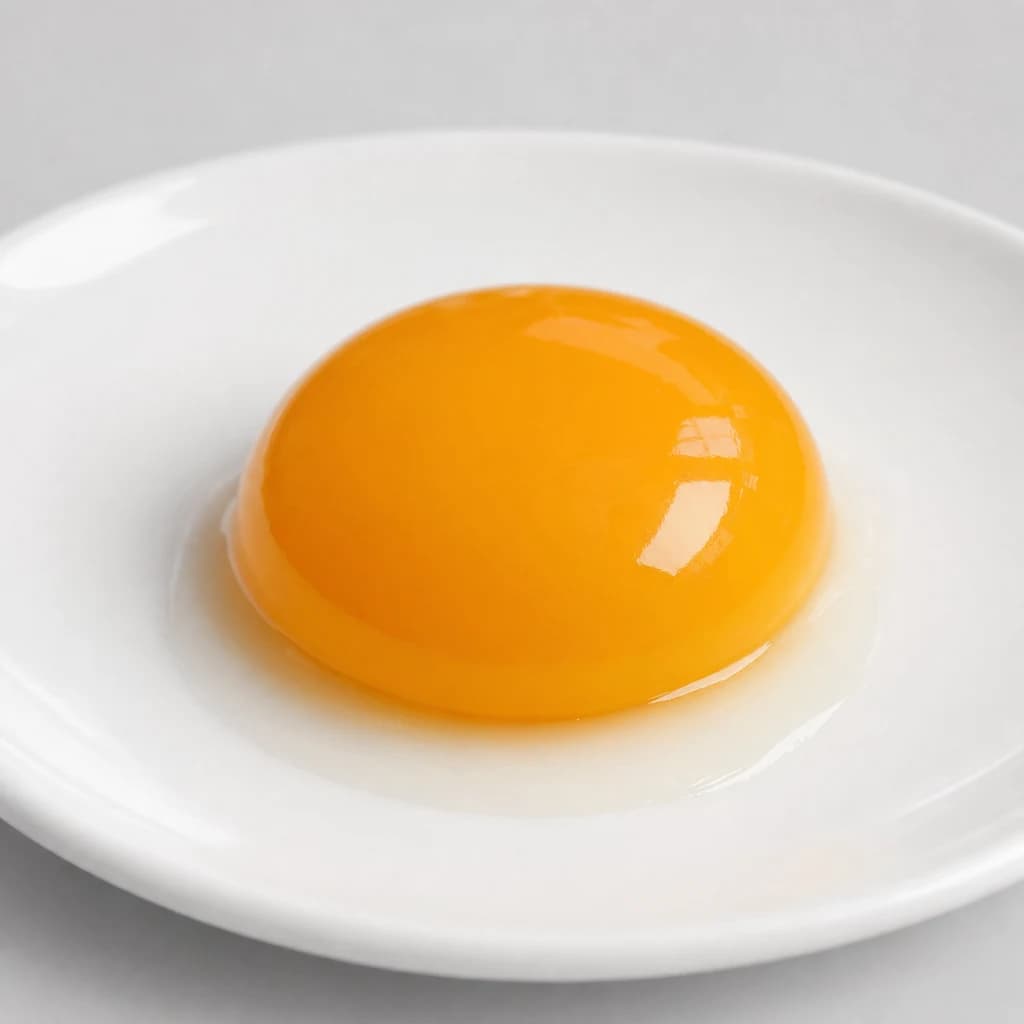
Egg Yolk
Rich, golden yolk for custards, mayonnaise, and pasta

Quail Egg
Tiny, speckled eggs for garnishing and elegant bites