Proteins
Capelin Roe (Masago)
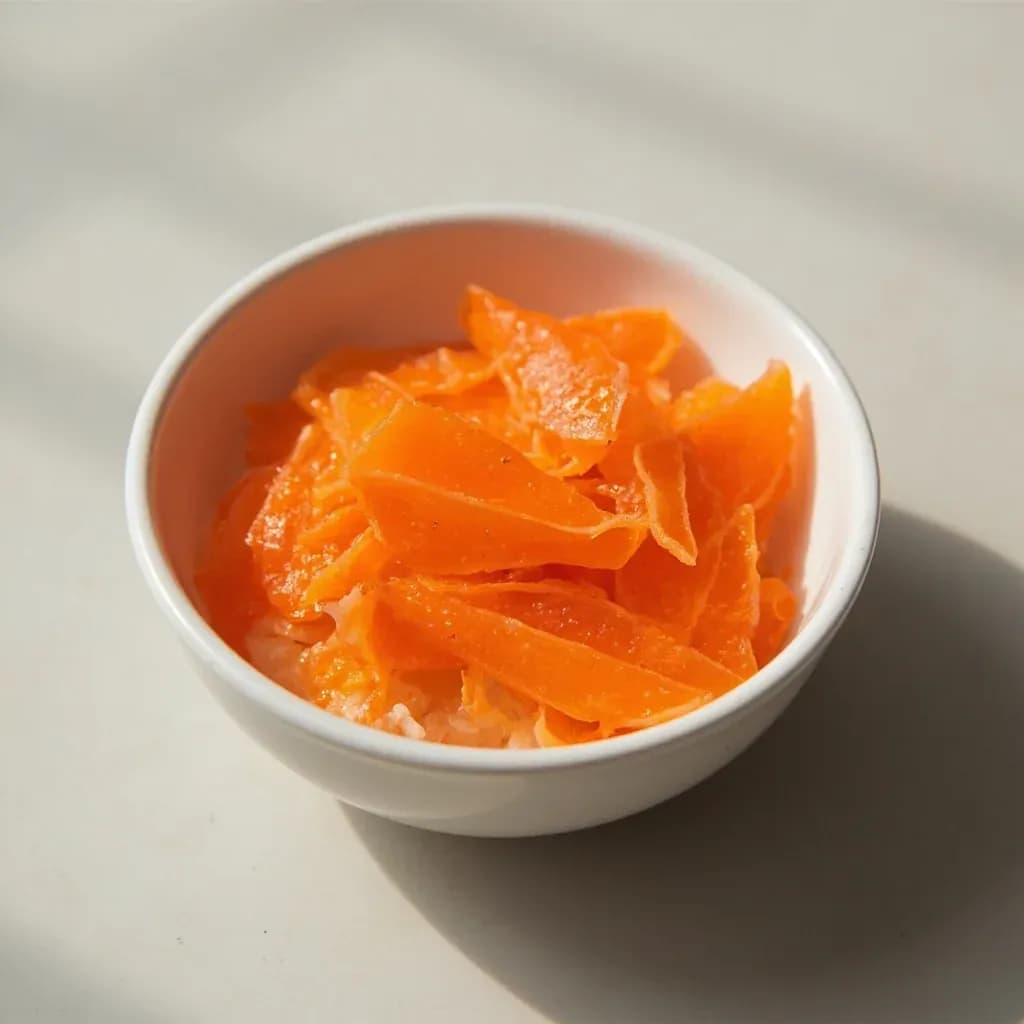
Tiny crunchy orange fish eggs that garnish sushi rolls and add briny pop.
Capelin roe, sold as masago, are the small eggs of the capelin smelt, naturally pale and usually dyed bright orange. They have a subtle briny flavor and a fine crunchy texture, used to coat and garnish sushi rolls and top rice bowls. Smaller and crunchier than tobiko, they are an affordable sushi-counter staple.
Masago is the roe of the capelin fish (Mallotus villosus), a small smelt relative harvested during spring spawning runs in cold Atlantic, Pacific, and Arctic waters. At 0.5–1.0 mm in diameter, these are among the smallest fish eggs used in cuisine, giving masago its characteristic slippery coating and barely-there crunch—distinctly softer and less distinct than tobiko. The natural orange-to-reddish hue comes from carotenoids in the capelin's diet, though most commercial masago is artificially colored for the wasabi (green) and spicy (red) varieties.
Masago is almost always pasteurized in brine and sold in small jars or tubs; once opened, use it within five to seven days. Japan dominates commercial production for sushi use, but Scandinavia has its own tradition where capelin roe appears more plainly on sourdough or blinis with crème fraîche—a stark contrast to the heavily adorned Japanese preparation. A practical note: North American sushi bars frequently confuse masago with the larger, crunchier tobiko from flying fish; the price difference usually reflects the genuine article.
- Measured in
- g
- Storage
- Fridge
Allergens
Types & varieties
Uncolored orange roe; most authentic and minimally processed option
Green-colored with wasabi powder or artificial dye; spicy heat without wasabi burn
Red or orange-red, colored with paprika or chili; often includes chili extract for genuine heat
Colored with squid ink; used for visual contrast in decorative sushi rolls
Milder cure, sometimes brined rather than pasteurized; traditional Nordic preparation
Masago vs. Tobiko: Knowing the Difference
The two roes are often conflated on sushi bar menus, but they differ significantly in source, size, and sensory profile. Masago comes from capelin (a smelt relative) and measures 0.5–1.0 mm; tobiko comes from flying fish and measures 1.0–1.5 mm. On the palate, masago is softer and almost melts, while tobiko provides a more pronounced snap. Tobiko also carries a faintly smokier flavor. If a sushi roll lists 'masago' but the eggs have a distinct crunch and larger size, you're likely eating tobiko—common in establishments that use the names interchangeably.
- Masago: smaller, softer, smoother finish; capelin source
- Tobiko: larger, crunchier, smokier notes; flying fish source
- Price typically reflects the distinction, with masago being the more economical choice
The Scandinavian Tradition
Outside Japanese cuisine, capelin roe occupies a distinct culinary niche in Nordic countries. There, the roe is often prepared with minimal intervention—a light cure or brine—and served on dark bread, blinis, or crackers with crème fraîche, chives, or dill. This preparation foregrounds the roe's delicate marine sweetness rather than masking it with colorants or heavy seasoning. If you encounter Scandinavian capelin roe, expect a milder, cleaner flavor profile and a texture that holds up better as a spreadable garnish than as a crunchy topping.
- Served on sourdough or blinis with crème fraîche
- Minimal seasoning; roe's natural flavor takes center stage
- Whole-egg preparations more common than separated roe
Common uses
Tips & pitfalls
- Apply masago from a squeeze bottle or small spoon for controlled, even distribution—no need to overwork it
- If the roe appears dry, toss gently with a single drop of sesame oil or mirin to restore moisture and sheen
- For sushi rolls, garnish with masago after cutting; the knife crushes and scatters eggs applied beforehand
- Avoid high-heat cooking: masago is already cooked and turns rubbery if sautéed, pan-fried, or baked
- Store the container upright in the refrigerator's coldest zone, not in the door where temperature fluctuates
- When mixing masago into rice or mayonnaise-based sauces, fold it in just before serving to keep the eggs intact
- Check ingredient labels for artificial dyes if natural coloring matters to you—many green and red varieties are synthetic
- For a quick flavor boost, let wasabi masago steep with a splash of ponzu for 10 minutes before using
Nutrition
Nutrition
No USDA FoodData Central match for Capelin Roe (Masago) yet. We surface a per-100 g profile once a generic whole-food entry is matched and verified.
In the shops
Matched grocery products
No matched grocery products for Capelin Roe (Masago) yet.
Good to know
- Source
- Capelin fish (Mallotus villosus), member of the smelt family, cold Atlantic/Pacific/Arctic waters
- Roe Size
- 0.5–1.0 mm diameter — among the smallest culinary fish eggs
- Natural Color
- Orange to reddish-orange from dietary carotenoids
- Flavor
- Mildly briny with oceanic depth and subtle seafood sweetness; faint fishiness present
- Texture
- Slippery coating; eggs burst with slight crunch; softer and less distinct than tobiko
- Form Sold
- Pasteurized in brine, sold in jars or tubs; occasional frozen product
- Harvest Season
- Spring and early summer during capelin spawning runs
- Shelf Life
- Refrigerated, unopened: 2–3 months; opened: use within 5–7 days
- Country of Origin
- Japan dominates commercial sushi production; also Norway, Iceland, Canada
Substitutes
- Tobiko (Flying Fish Roe) — Larger eggs (1–1.5 mm), more distinct crunch, slightly smokier flavor; use 1:1 but plate presentation differs noticeably
- Ikura (Salmon Roe) — Significantly larger, juicier eggs; works as a garnish on its own but not as a textural mixed-in substitute
- Sujiko (Salmon Roe in Roe Sac) — Whole egg sacs with softer texture; must be sliced or broken; unsuitable as a direct textural replacement
- Mentaiko (Spicy Pollock Roe) — Larger, oblong eggs with firmer casing; distinctly spicier and more pungent; chop finely for similar applications
Pairs with
Also called
Masago · Smelt Roe
Related
Egg
The kitchen's everything ingredient — bind, leaven, enrich, or fry
Chicken Breast
Lean, quick-cooking white meat for everyday dinners

Ground Beef
Versatile minced beef for burgers, ragù, tacos, and meatballs
Pork Loin
Lean, tender roasting cut that stays juicy with care
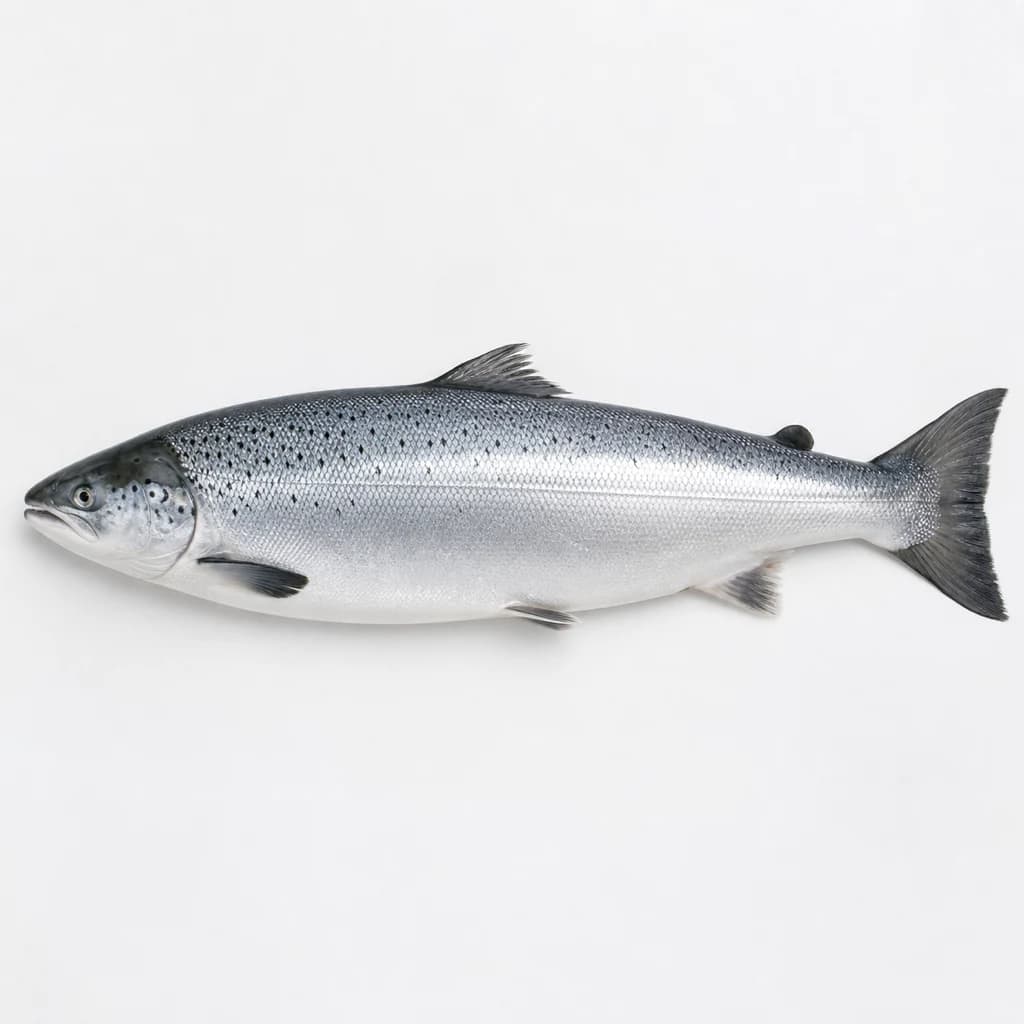
Salmon
Rich, rosy fish that roasts, grills, or cures beautifully

Egg White
Pure protein that whips to airy peaks for meringue and more
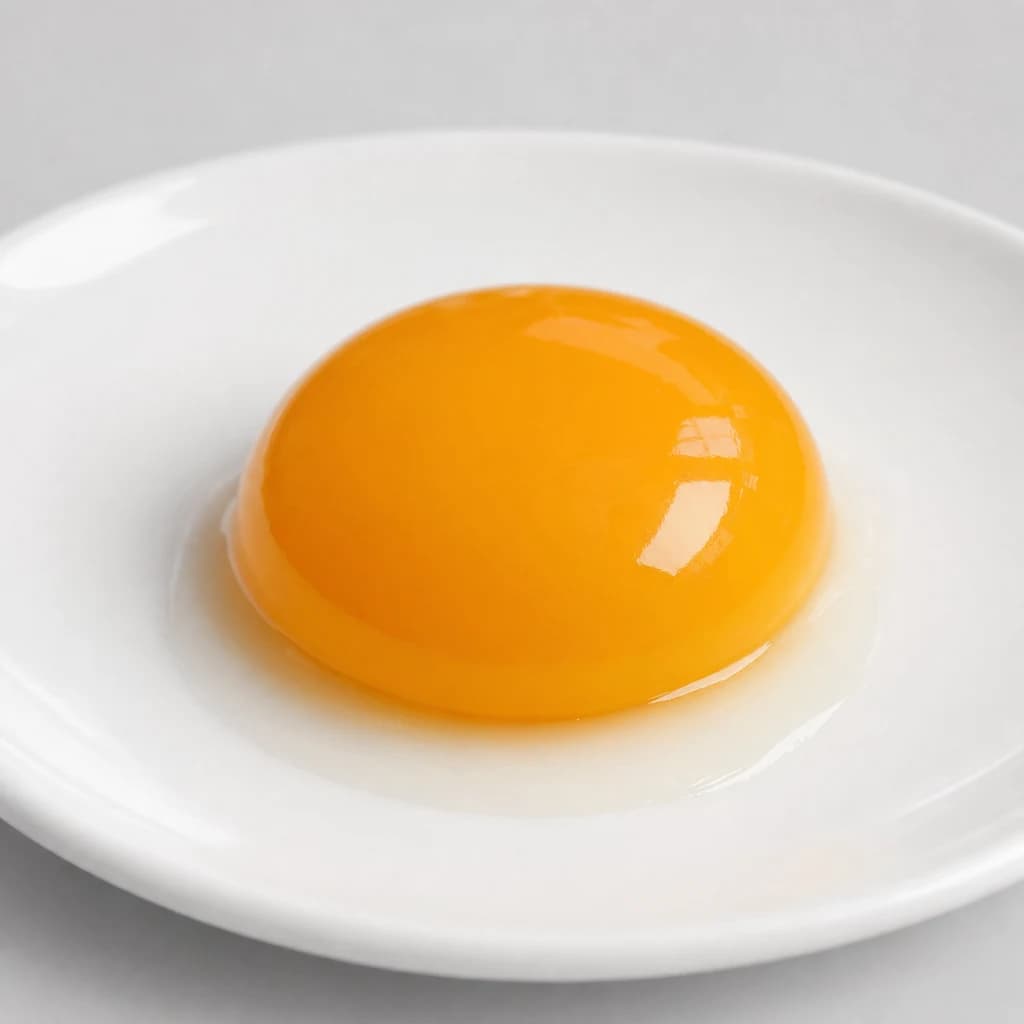
Egg Yolk
Rich, golden yolk for custards, mayonnaise, and pasta

Quail Egg
Tiny, speckled eggs for garnishing and elegant bites