Proteins
Flying Fish Roe (Tobiko)
Tiny crunchy orange fish eggs that garnish sushi with pop and color.
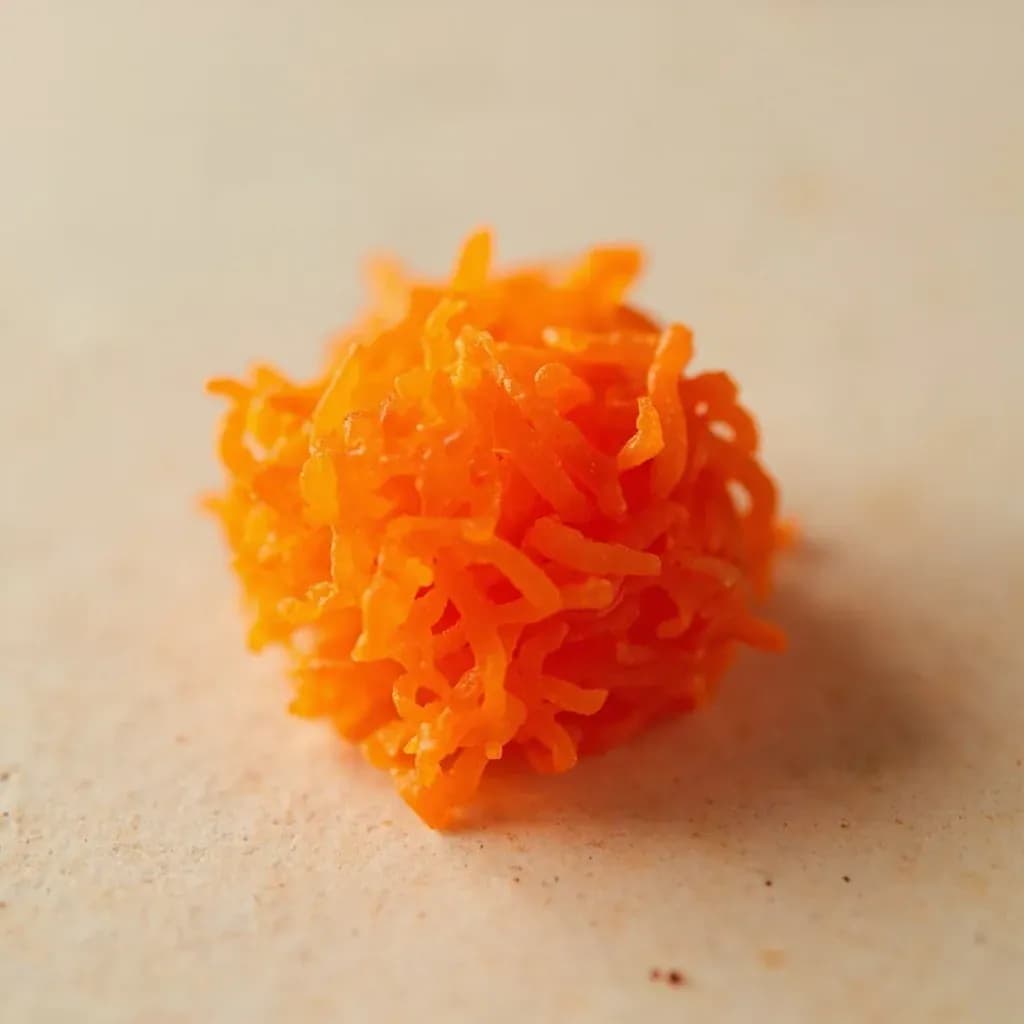
Tobiko is the small, crisp roe of flying fish, naturally orange but often tinted with wasabi, squid ink, or yuzu. It garnishes sushi rolls and rice bowls, adding a salty, slightly sweet flavor and a signature crackling pop. Its tiny beads are smaller and crunchier than salmon roe.
Flying fish roe—known as Tobiko (飛子) from the Japanese for "flying child"—is the harvested eggs of flying fish, primarily Cheilopogon agoo from the seas around Japan and Taiwan. The eggs measure 0.5–1.0 mm in diameter, giving them a satisfying, distinct crunch when bitten that sets them apart from the softer burst of ikura or the finer texture of masago. Natural Tobiko ranges from bright orange to orange-red, its color derived from astaxanthin in the flying fish diet. The roe is typically pasteurized and sold in brine or lightly seasoned, with dyed varieties (red, black, green, yellow) created for visual variety in sushi presentations. Its defining appeal lies in the clean, snappy crunch and subtly briny, ocean-fresh flavor that adds both texture and visual pop without overwhelming other ingredients—a combination that makes it a prized garnish in Japanese cuisine and modern fusion rolls alike.
- Measured in
- g
- Storage
- Freezer
Allergens
Types & varieties
Undyed; bright orange with clean, true flying fish flavor; most common variety
Dyed with natural or synthetic food dyes; slightly sweeter note; popular in Western sushi rolls
Colored with squid ink; dramatic contrast with mild umami undertone
Colored with wasabi or matcha; delivers gentle heat or vegetal flavor
Dyed with turmeric; buttery appearance; used for visual variety
Tiny crunchy flying-fish eggs with a mild salty-sweet brine; used as a popping garnish on sushi, rice bowls, and deviled eggs, often dyed in colored varieties.
Common uses
Tips & pitfalls
- Add Tobiko as a final garnish just before serving to preserve its crunch—heat causes the shells to toughen and lose texture
- Use a damp finger or squeeze bottle to portion small amounts cleanly without crushing the eggs
- Mix into prepared sushi rice sparingly—1–2 teaspoons per cup is sufficient for flavor and texture without overwhelming
- Rinse briefly in cold water if using dyed varieties to reduce color transfer to fingers or surrounding ingredients
- Store in the coldest part of the refrigerator, not the door, for maximum freshness
- Place Tobiko in small piles or lines for presentation rather than scattered randomly for a polished look
- If Tobiko smells overly fishy or has a slimy texture, discard it—the eggs should smell clean and ocean-fresh
- Once opened, use within 5–7 days for best quality
Nutrition
Energy
598 kJ · per 100 g
Where the calories come from
Protein
22.3g
45% DV
Carbs
1.5g
1% DV
Fat
6.4g
8% DV
Fiber
0g
0% DV
Sugars
0g
of which
Sodium
91mg
4% DV
Source · USDA FoodData Central · approx. Fish, roe, mixed species, raw
View on FDC →In the shops
Matched grocery products
No matched grocery products for Flying Fish Roe (Tobiko) yet.
Good to know
- Source
- Flying fish (Exocoetidae), primarily Cheilopogon agoo from Japanese and Taiwanese waters
- Egg Size
- 0.5–1.0 mm diameter (smaller than salmon roe; comparable to masago but slightly larger)
- Natural Color
- Bright orange-red from dietary astaxanthin
- Texture
- Firm shell with distinct crunch and slight pop when bitten
- Flavor
- Subtly briny, clean oceanic taste; not fishy
- Typical Form
- Paste or loose eggs in brine or seasoned; pasteurized
- Shelf Life
- Refrigerated 2–4 weeks sealed; 5–7 days once opened
- Storage
- Keep at or below 38°F (3°C); do not freeze dyed varieties
- Cost
- Moderate to high; more than masago, less than ikura
Substitutes
- Masago (Capelin Roe) — Smaller eggs (0.5–0.7 mm), less crunch, milder flavor, significantly cheaper; acceptable for bulk applications where cost matters
- Ikura (Salmon Roe) — Much larger eggs (2–3 mm), richer flavor, buttery texture; not a direct substitute but adds luxury when cost is secondary; costs 2–3x more
- Smoked Tobiko — Adds smoky depth; harder to source but effective in specific roll compositions
- Hackleback or Paddlefish Caviar — More expensive, earthier flavor; acceptable in sushi contexts but not a true Tobiko substitute
Pairs with
Also called
Tobiko
Related
Egg
The kitchen's everything ingredient — bind, leaven, enrich, or fry
Chicken Breast
Lean, quick-cooking white meat for everyday dinners

Ground Beef
Versatile minced beef for burgers, ragù, tacos, and meatballs
Pork Loin
Lean, tender roasting cut that stays juicy with care
Salmon
Rich, rosy fish that roasts, grills, or cures beautifully

Egg White
Pure protein that whips to airy peaks for meringue and more
Egg Yolk
Rich, golden yolk for custards, mayonnaise, and pasta

Quail Egg
Tiny, speckled eggs for garnishing and elegant bites