Proteins
Red Caviar (Salmon Roe / Ikura)
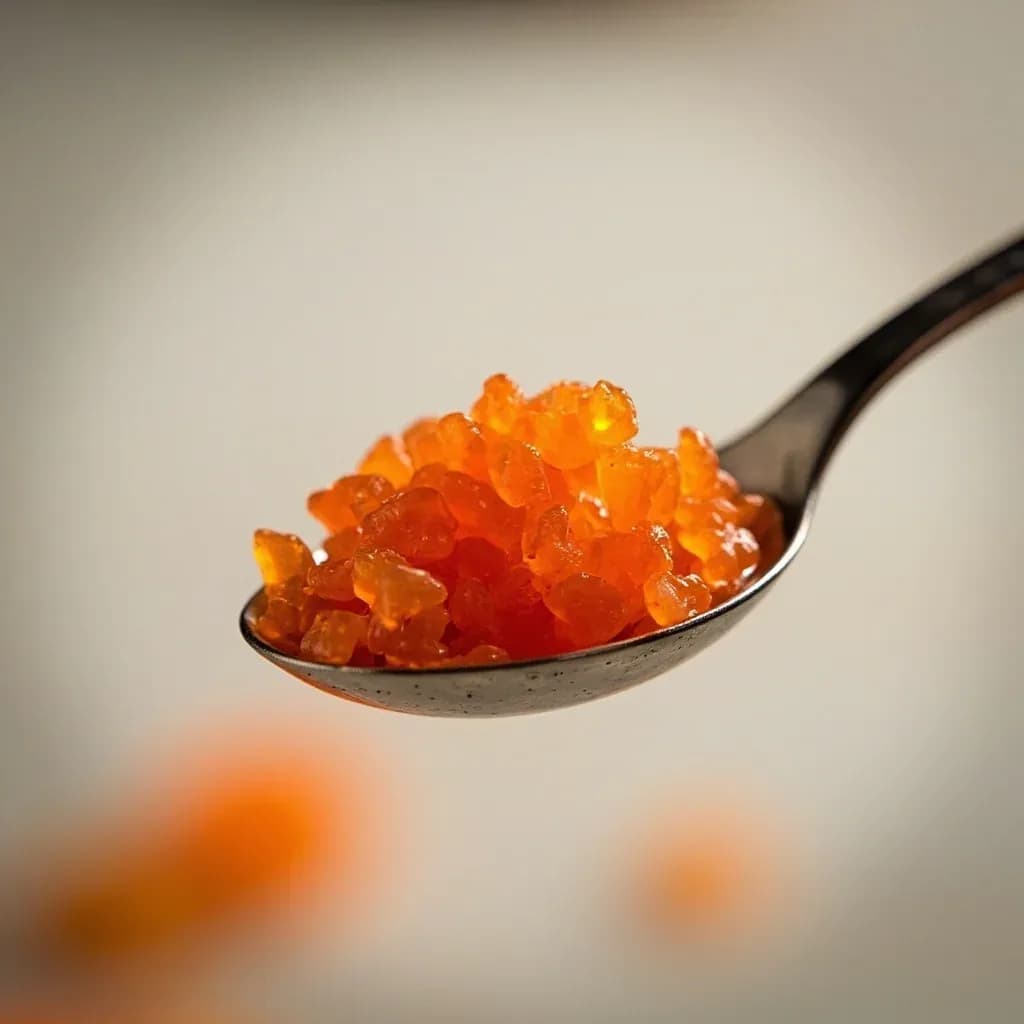
Large, glistening salmon eggs that pop with briny flavor; spooned onto blini, rice, or canapés.
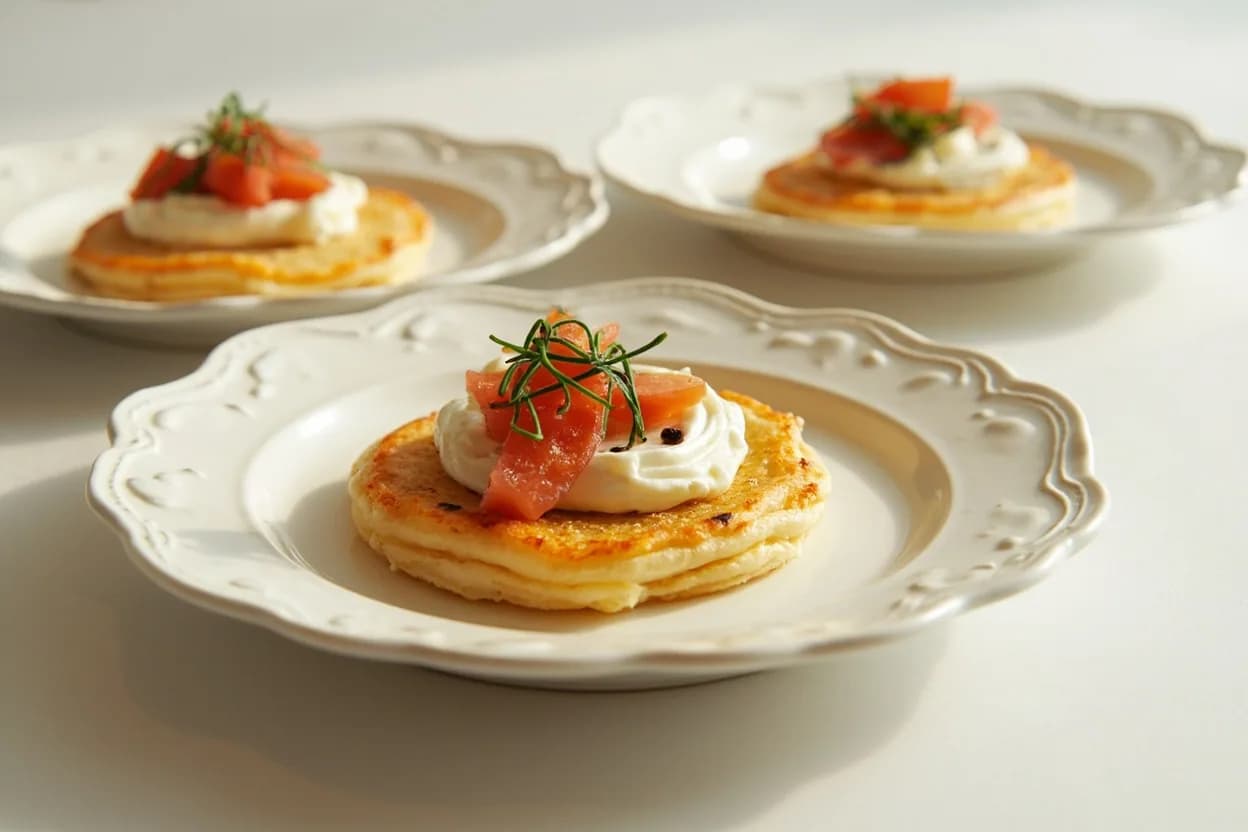
Red caviar is the cured roe of salmon, made of large, translucent orange-red eggs that burst with a briny, slightly sweet liquid. Known as ikra in Russian cuisine and ikura in Japanese, it is served atop blini with sour cream, over sushi rice, or as a garnish for canapés and deviled eggs. It adds a luxurious salty pop and vivid color to dishes.
Red caviar—known in Japan as ikura (いくら)—is the cured roe of Pacific salmon species, prized for its large, individual eggs that burst on the palate with an intensely briny, slightly sweet liquor. Unlike true caviar from sturgeon, salmon roe is harvested from species of the Oncorhynchus genus, primarily from wild runs in Alaskan, Russian, and Japanese waters. The eggs are separated from the membrane, cured briefly in salt brine (sometimes with a touch of sugar), and packed while still glistening and intact. In Japan, ikura specifically denotes this separated-egg preparation, distinct from sujiko (whole ovary with intact eggs) and tarako (cod roe). Western 'red caviar' follows similar traditions but may be cured more heavily with salt; the Japanese preparation tends toward a cleaner, lighter brine. The vivid orange-red color comes from the salmon's natural astaxanthin pigments, and the quality lives or dies by membrane integrity: properly cured roe will have a glossy, taut skin that ruptures cleanly between the teeth, releasing a concentrated seawater burst, while damaged eggs become mushy and leak their liquor into the container. This is an ingredient that demands respect for temperature and timing; treat it as the delicate luxury it is and it will reward you.
- Measured in
- g
- Storage
- Fridge
Allergens
Types & varieties
Deepest red-orange color; firmest texture; strongest, most concentrated flavor. Premium grade from Alaskan and Russian waters.
Largest eggs (up to 9mm); rich, buttery flavor with high fat content; deep orange color. Less common, higher price.
Medium-sized eggs; bright orange-red; balanced briny-sweet flavor. Good mid-tier option.
Paler orange color; larger eggs but thinner membrane; milder flavor. Often labeled 'Keta Ikura.'
Smallest eggs; pinkish-orange hue; delicate texture. More economical; tends to be softer.
Technically from rainbow/steelhead trout; smaller eggs (3–5mm); similar flavor profile; often used as lower-cost substitute.
Not salmon roe, but often compared; tiny eggs; distinctive crunch; red/orange color from added dye. Used in Japanese roll garnish.
Common uses
Tips & pitfalls
- Serve chilled but not ice-cold, which numbs the flavor; 40–45°F (4–7°C) is optimal serving temperature.
- Use a spoon made of bone, plastic, or glass — metal (especially silver) can trigger oxidation and impart a tinny flavor.
- Never rinse salmon roe unless it is excessively salty; rinsing dilutes the delicate briny flavor and can cause the membrane to soften.
- Check for 'weeping' — excess liquid in the container indicates ruptured membranes from temperature abuse or rough handling.
- Purchase from reputable specialty fishmongers or retailers with high turnover; avoid product sitting in display cases at room temperature.
- For a make-ahead appetizer, keep components separate until serving; assemble blini and garnish just before service to prevent sogginess.
- If using as a garnish, place roe last on plated dishes; its glossy appearance dulls quickly under heat lamps or bright lights.
- The membrane should 'pop' cleanly between teeth; if eggs are mushy or mealy, they have been frozen or are past peak freshness.
- To temper a large quantity quickly for service, place the unopened jar in a bowl of ice water for 10–15 minutes — faster than refrigerator alone.
- Commercial 'caviar' of salmon roe varies widely in salt content; taste before using and adjust seasoning in dishes accordingly
Nutrition
Energy
1105 kJ · per 100 g
Where the calories come from
Protein
24.6g
49% DV
Carbs
4g
1% DV
Fat
17.9g
23% DV
Fiber
0g
0% DV
Sugars
0g
of which
Sodium
1500mg
65% DV
Source · USDA FoodData Central · approx. Fish, caviar, black and red, granular
View on FDC →In the shops
Matched grocery products
No matched grocery products for Red Caviar (Salmon Roe / Ikura) yet.
Good to know
- Scientific Name
- Oncorhynchus spp. (Pacific salmon)
- Japanese Name
- Ikura (いくら) — literally 'salmon eggs'
- Egg Size
- 5–9 mm diameter depending on species
- Color Range
- Bright orange-red to deep vermilion; color from natural astaxanthin
- Primary Sources
- Wild Pacific salmon from Alaska, Russia, Japan, and Canada's British Columbia
- Peak Season
- Wild salmon runs: summer through early fall (July–October); farmed available year-round
- Primary Cure
- Salt-cured; some varieties include small amounts of sugar or msg
- Shelf Life (Unopened)
- Refrigerated at 28–32°F (-2–0°C): 4–6 weeks; vacuum-sealed jars last longer than loose-packed
- Shelf Life (Opened)
- 2–3 days under refrigeration
- Quality Indicators
- Uniform color; intact, glossy membrane; firm but yielding texture; minimal liquid in container
- Freezing
- Not recommended; ice crystals rupture egg membranes, destroying texture and causing leakage
- FDA Storage Requirement
- Must remain refrigerated at or below 40°F (4°C) at all times; temperature abuse causes rapid spoilage
Substitutes
- Lumpfish Roe — Budget alternative; very small eggs; muted flavor; often dyed bright red. Acceptable for visual garnish; poor flavor substitute.
- Whitefish Roe — Similar briny character; pale color; smaller eggs. A reasonable substitute in European preparations.
- Trout Roe — Closest flavor profile; smaller egg size. Works well in all applications; slightly less dramatic presentation.
- Tobiko (Flying Fish Roe) — Not a close flavor match but provides similar 'pop' texture. More appropriate as garnish than a primary serving.
Pairs with
Also called
Red Caviar (Ikra) · Salmon Roe · Ikura · Ikra
Appears in these dishes
Related
Egg
The kitchen's everything ingredient — bind, leaven, enrich, or fry
Chicken Breast
Lean, quick-cooking white meat for everyday dinners

Ground Beef
Versatile minced beef for burgers, ragù, tacos, and meatballs
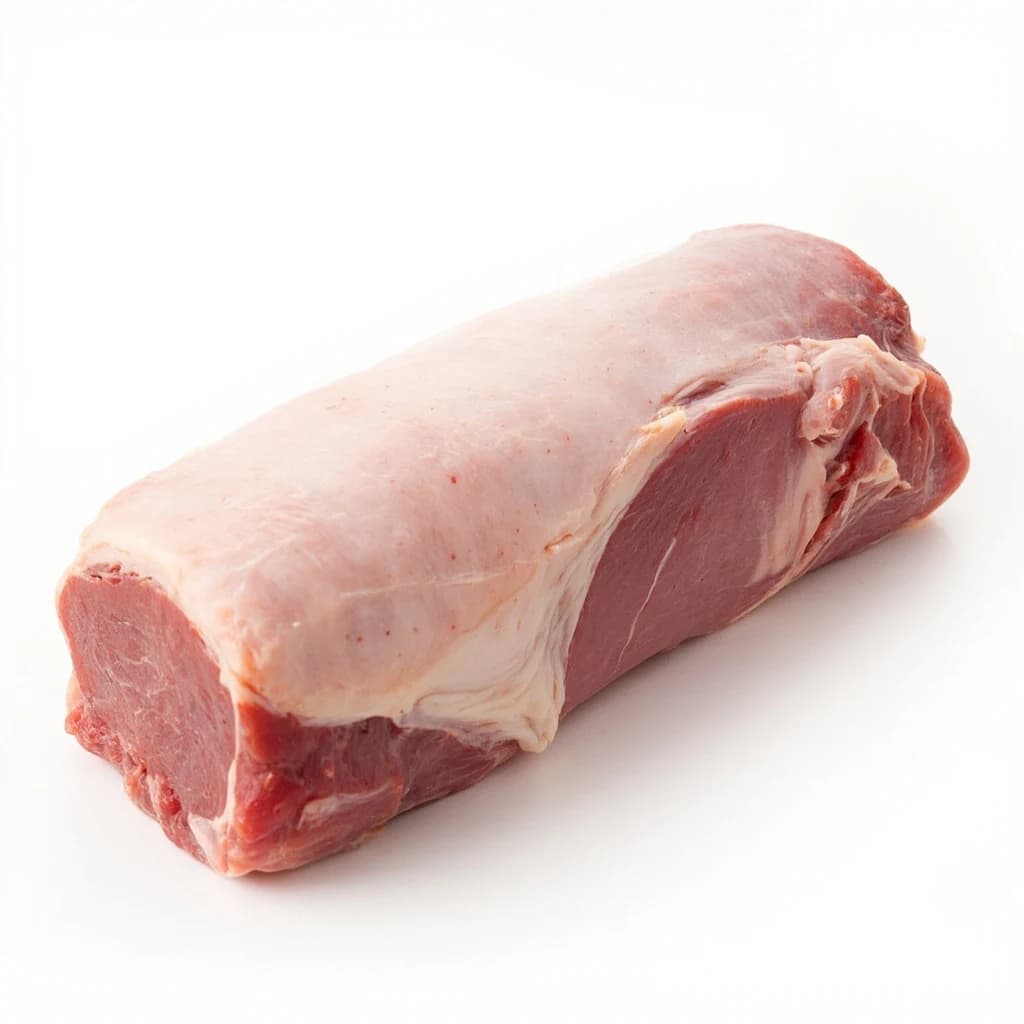
Pork Loin
Lean, tender roasting cut that stays juicy with care
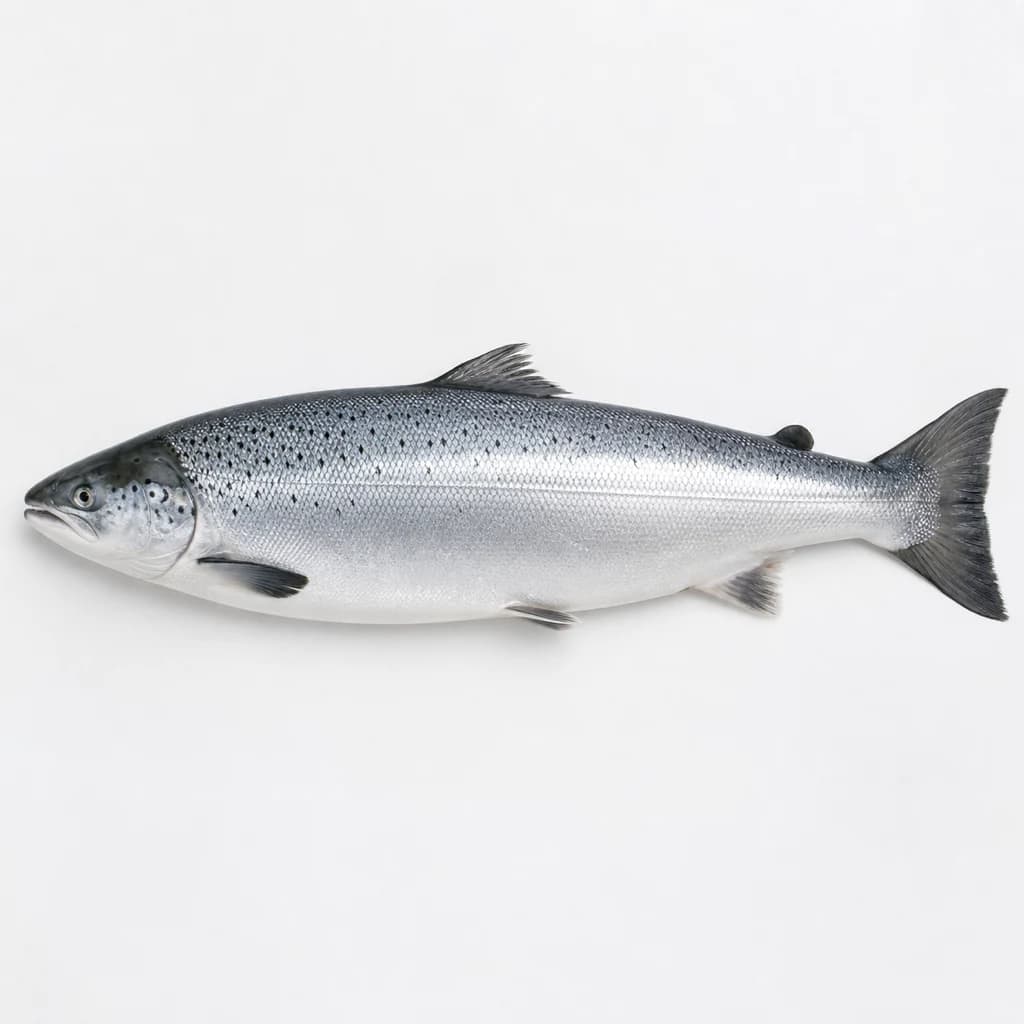
Salmon
Rich, rosy fish that roasts, grills, or cures beautifully

Egg White
Pure protein that whips to airy peaks for meringue and more
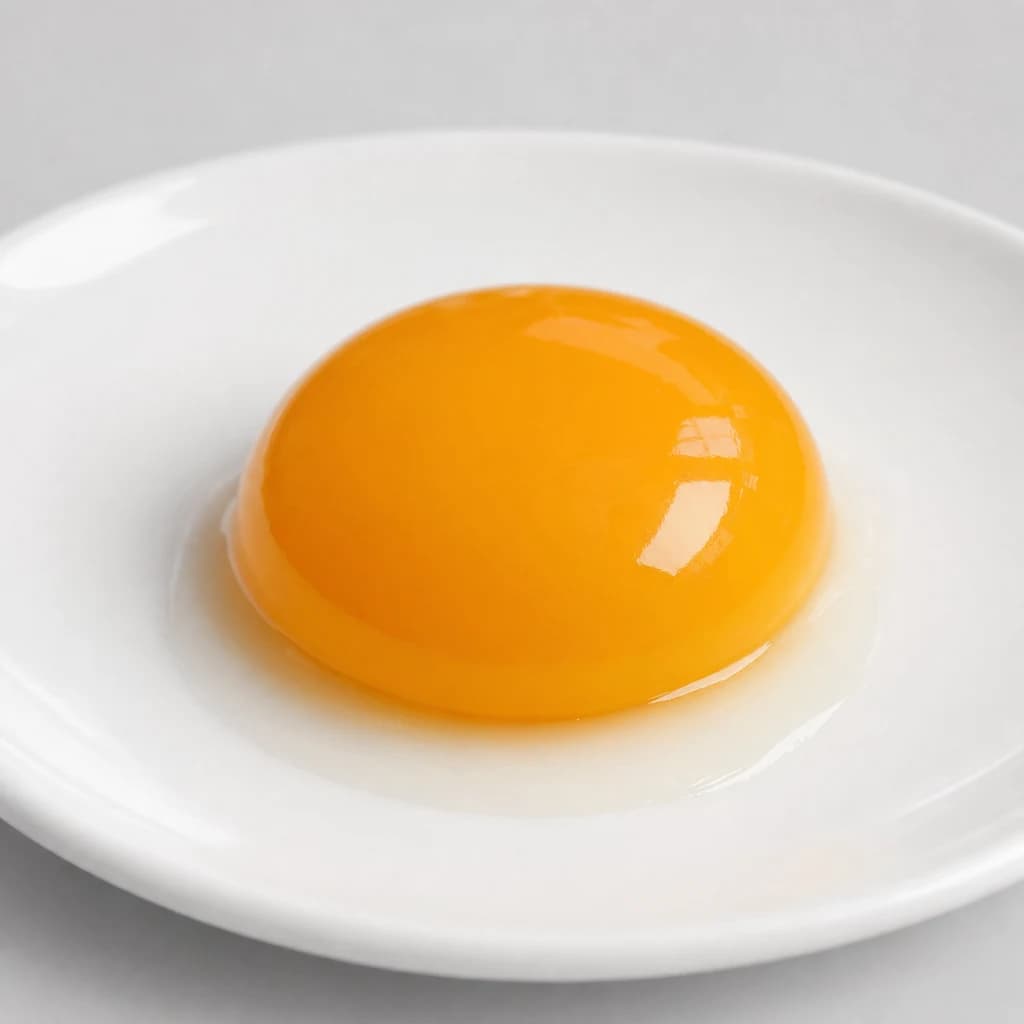
Egg Yolk
Rich, golden yolk for custards, mayonnaise, and pasta

Quail Egg
Tiny, speckled eggs for garnishing and elegant bites