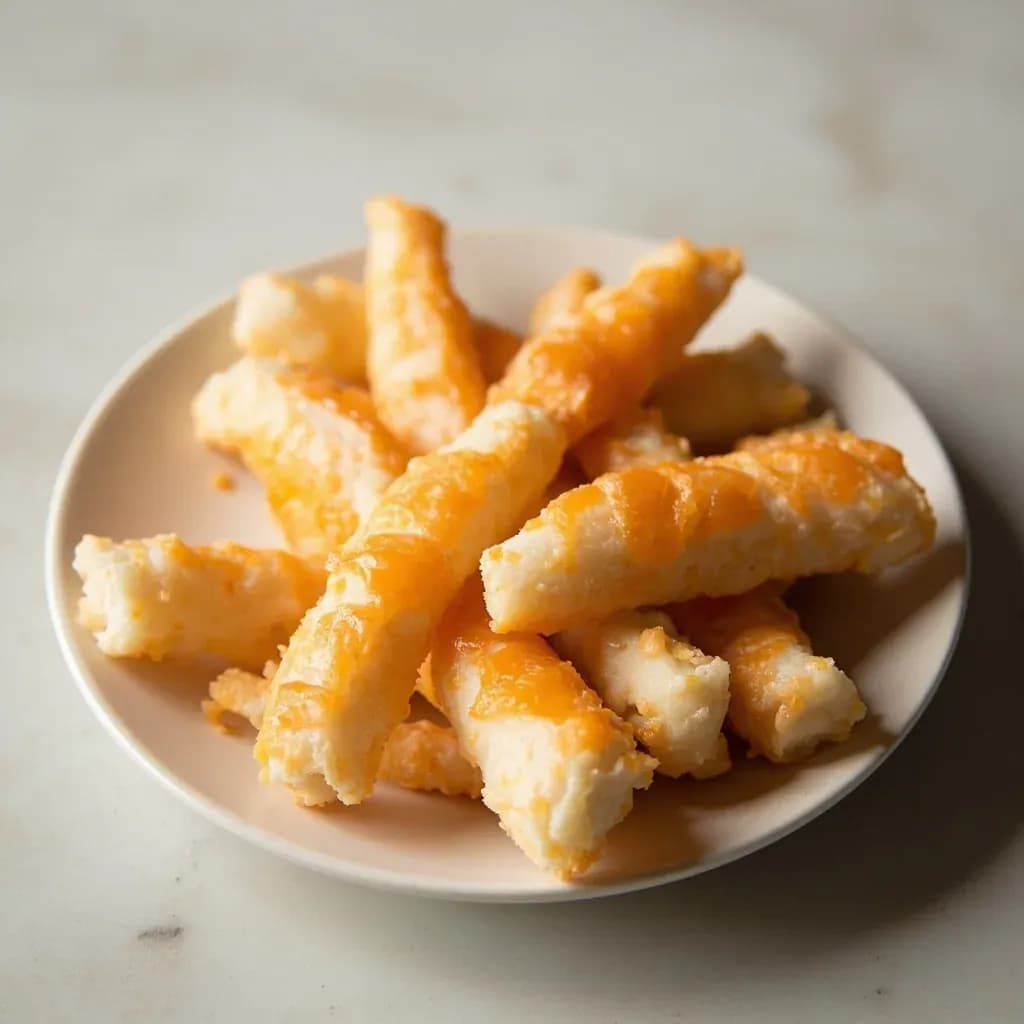
Proteins
Imitation Crab (Surimi)
Processed white-fish paste shaped and colored to mimic crab, used in sushi rolls and salads.
Imitation crab, or surimi, is made from minced white fish (often pollock) bound, flavored and formed into crab-like sticks. It is mildly sweet, soft and ready to eat, popular in California rolls, seafood salads and chowders. It is far cheaper than real crab and sold as sticks or flakes.
Imitation crab, technically called surimi crab or kani kamaboko in Japanese, is a processed seafood product made from deboned, washed, and reformed fish paste. The base is almost always Alaska pollock (walleye pollock), prized for its mild flavor, snow-white color, high protein content, and exceptional gel-forming ability. During manufacturing, the fish is mechanically deboned, then repeatedly washed to remove fat and blood before being blended with starch, egg whites, salt, sugar, cryoprotectants, and flavorings. The mixture is extruded, colored with a red coating to mimic crab shell, and thermally processed into sticks, flakes, or chunks. The result is a fully cooked product with a mildly sweet, briny flavor and a texture that approximates real crab—firm but yielding, with a subtle fibrosity when flaked. It matters because it democratizes crab flavor and usability: it is shelf-stable, inexpensive, and convenient for applications where genuine crab is either impractical or unaffordable. Its limitations are real, however—significantly lower protein, much higher sodium, and a flavor profile that satisfies only at a surface level. Understanding what surimi is and what it is not allows you to use it where it works and substitute where it matters.
- Measured in
- g
- Storage
- Fridge
Allergens
Types & varieties
The standard red-striped sticks sold in seafood sections; outer coating dyed red to mimic crab shell
Pre-shredded or chunked for salads and sushi hand-rolls; more convenient for assembly
Surimi base with added salmon flavoring and coloring (red-orange); common in sushi rolls
Shaped, breaded, and colored to resemble whole scallops; same surimi base but different formation and coating
Some Japanese brands use higher-pollock content, less starch, and real crab extract for improved flavor; cost is noticeably higher
Surimi vs. Imitation Crab: The Distinction Matters
Surimi is the broader Japanese term for any mechanically processed fish paste—neutral fish cakes, shrimp-analogs, and countless other products all fall under this umbrella. Imitation crab is a specific surimi product shaped, colored, and flavored to mimic crab. The FDA requires retail packages to be labeled "imitation crab" or "surimi crab," but restaurant menus have no such obligation—knowing this helps you ask the right questions when ordering.
- Not all surimi products are crab-imitation products
- Check retail labels; restaurant dishes may not disclose the substitution
Why Alaska Pollock
Alaska pollock dominates surimi production for good reason. Its lean, white flesh yields a clean flavor and excellent gel structure when processed. The extensive washing removes fat-soluble ocean-borne contaminants, making surimi generally cleaner than equivalent whole-fish products. Its availability as a sustainable, abundant fishery also keeps production costs predictable and low.
- High gel-forming ability creates the desired texture
- Sustainable fishery supports consistent supply and price stability
- Washing process reduces ocean-borne contaminants
Common uses
Tips & pitfalls
- Do not overcook: imitation crab is already fully cooked during processing. Excessive heat causes it to become tough, rubbery, and stringy. Gentle warming to 140°F/60°C is sufficient for hot applications.
- The red outer coating can stick to hot surfaces and burn easily when pan-frying or deep-frying. Coat lightly with a thin batter or panko before frying for crisp, even browning.
- Store unopened packages in the coldest part of the refrigerator, not the door, for maximum shelf life.
- Once opened, transfer unused portions to an airtight container, cover with cold water, and refrigerate. Change water daily to preserve texture and prevent drying.
- Rinse surimi sticks under cold water before using in salads or sushi if you want to reduce surface sodium and remove any residual packaging flavor.
- For cold applications (salads, sushi rolls), chill surimi sticks thoroughly before slicing—cold surimi cuts cleanly and holds its shape better than warm.
- Do not freeze imitation crab after thawing; ice crystal formation ruptures the protein matrix and produces a mushy, mealy texture upon thawing.
- Read labels: some higher-end brands add genuine crab extract for improved flavor; cheaper brands rely on salt and synthetic flavor compounds alone.
- For crab salad, flake the surimi by hand rather than chopping—hand-flaked pieces have a more authentic texture than machine-cut chunks.
- If the product smells overly fishy, sour, or ammonia-like, discard it—these are signs of spoilage even if within the expiration date.
- For a closer-to-crab experience in hot dishes, combine imitation crab with small amounts of real lump crab—this stretches the expensive ingredient while maintaining authentic crab texture and flavor.
Nutrition
Energy
414 kJ · per 100 g
Where the calories come from
Protein
15.2g
30% DV
Carbs
6.9g
2% DV
Fat
0.9g
1% DV
Fiber
0g
0% DV
Sugars
0g
of which
Sodium
143mg
6% DV
Source · USDA FoodData Central · approx. Fish, surimi
View on FDC →In the shops
Matched grocery products
No matched grocery products for Imitation Crab (Surimi) yet.
Good to know
- Primary Fish Source
- Alaska pollock (walleye pollock)
- Also Made From
- Pacific whiting, hoki, blue grenadier
- Processing
- Mechanically deboned, repeatedly washed, mixed with starch, egg whites, salt, sugar, cryoprotectants, flavorings, and food coloring, then thermally processed and formed into sticks, flakes, or chunks
- Form
- Reconstituted sticks (typically 7–8 inches), flakes, chunks, or shredded
- Sodium Content
- 400–700 mg per serving, varying significantly by brand
- Protein Content
- 4–6 g per 3-oz serving (vs. 18–20 g in real crab)
- Already Cooked
- Yes — fully cooked during processing; requires only reheating or can be eaten cold
- Shelf Life (Refrigerated)
- 2–3 weeks unopened; 3–5 days opened
- Shelf Life (Frozen)
- 6–9 months (texture degrades progressively)
- Gluten Status
- Contains wheat starch in most commercial brands; verify for gluten-free versions
- Origin of Term
- "Surimi" comes from Japanese (擂り身) meaning "ground meat"
Substitutes
- Real Lump Crab Meat — The best substitute for flavor and texture; use half to full quantity depending on budget. Dungeness, king, or snow crab all work. Note: significantly higher cost and shorter shelf life.
- Real Jonah Crab — Less expensive than king or Dungeness; similar sweet flavor to imitation crab's target profile; excellent for hot dishes and dips.
- Canned Jonah/King Crab — Already cooked; drain and flake. More affordable than fresh; works well in salads and hot dishes. Look for quality brands with minimal additives.
- Shrimp — Substitute in equal weight for seafood salads, rolls, and hot dishes. Chop, dice, or leave whole depending on application. Texture differs but flavor compatibility is high.
- Surimi-Only Products (Plain) — If cost is the primary concern, plain surimi (fish cake without crab coloring) is less expensive than colored imitation crab and works in the same applications where crab appearance is not needed.
- Lobster Tail Meat — More luxurious substitute; sweet and tender. Appropriate for upscale presentations where the dish's name includes 'crab' loosely.
Pairs with
Also called
Surimi · Crab Sticks · Krab
Related
Egg
The kitchen's everything ingredient — bind, leaven, enrich, or fry
Chicken Breast
Lean, quick-cooking white meat for everyday dinners

Ground Beef
Versatile minced beef for burgers, ragù, tacos, and meatballs
Pork Loin
Lean, tender roasting cut that stays juicy with care
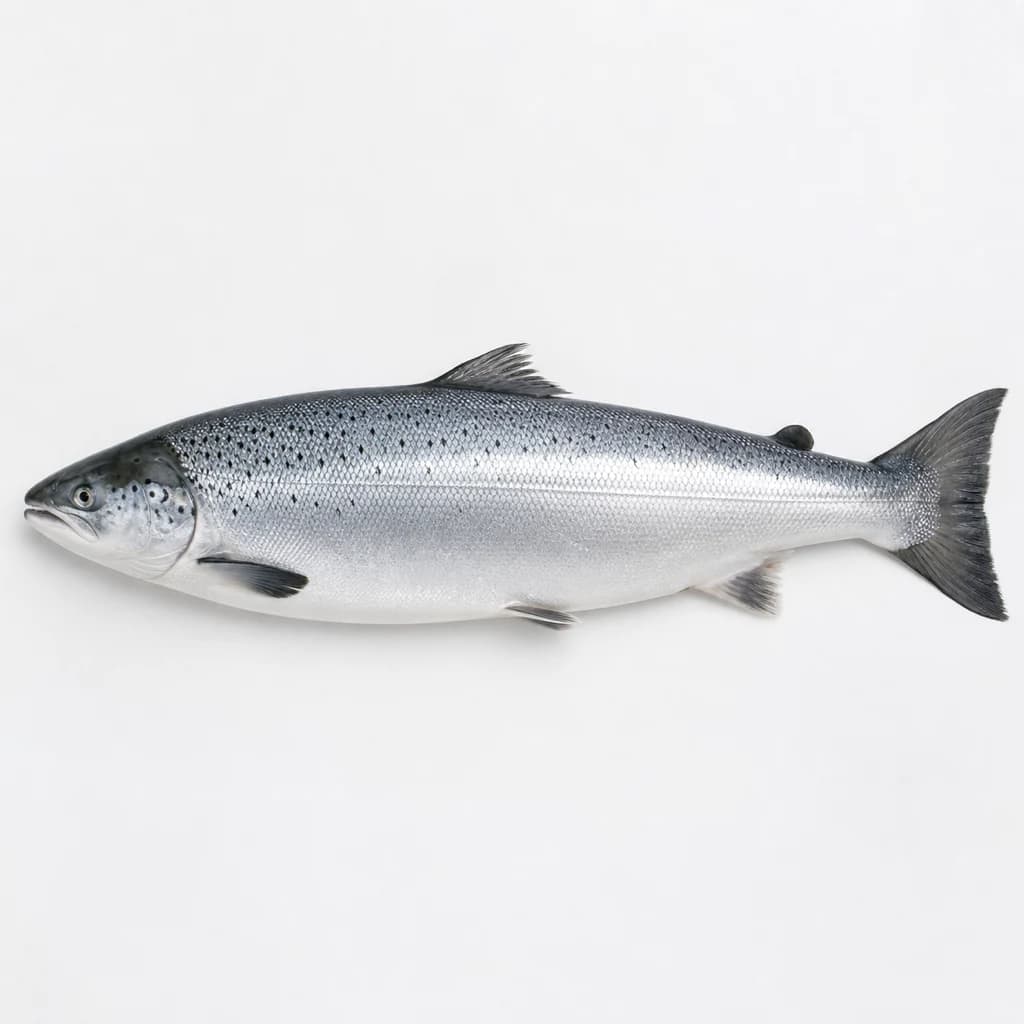
Salmon
Rich, rosy fish that roasts, grills, or cures beautifully

Egg White
Pure protein that whips to airy peaks for meringue and more
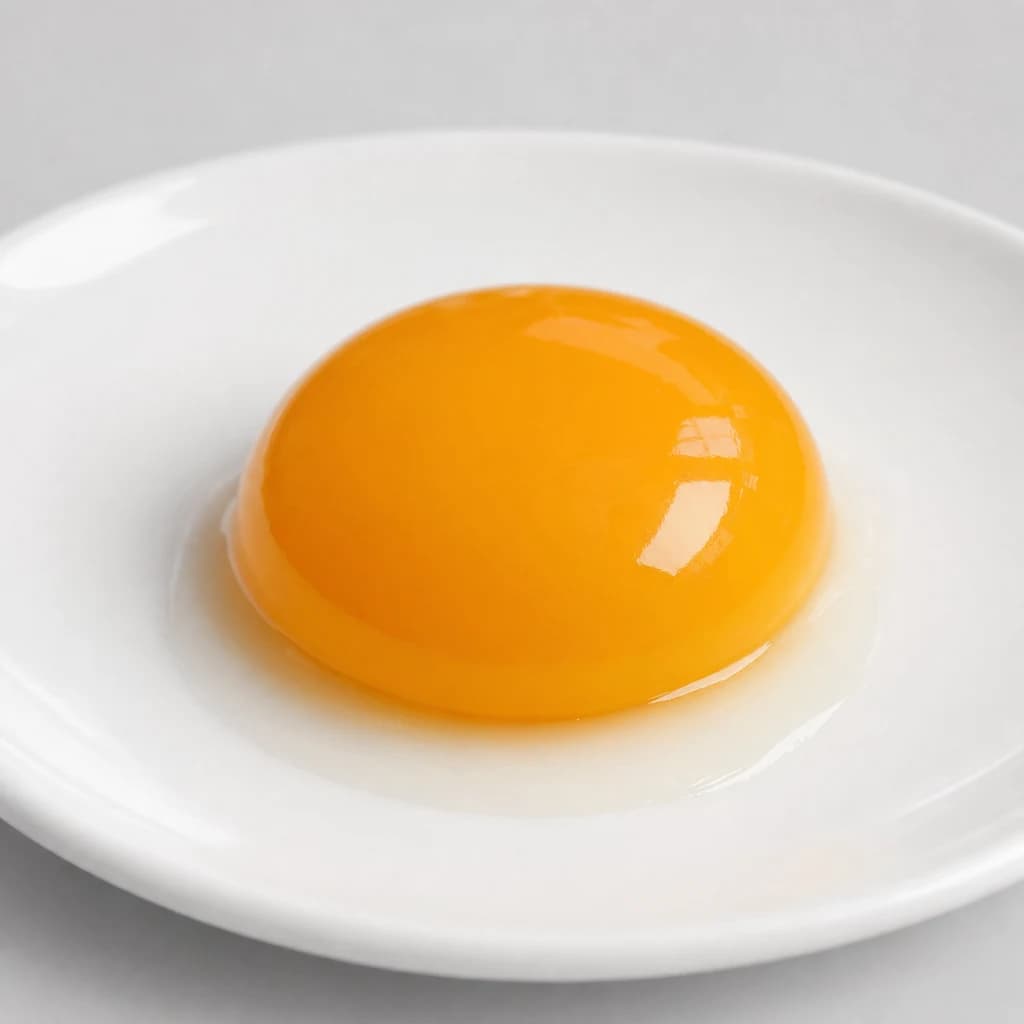
Egg Yolk
Rich, golden yolk for custards, mayonnaise, and pasta

Quail Egg
Tiny, speckled eggs for garnishing and elegant bites