Proteins
Live Grouper
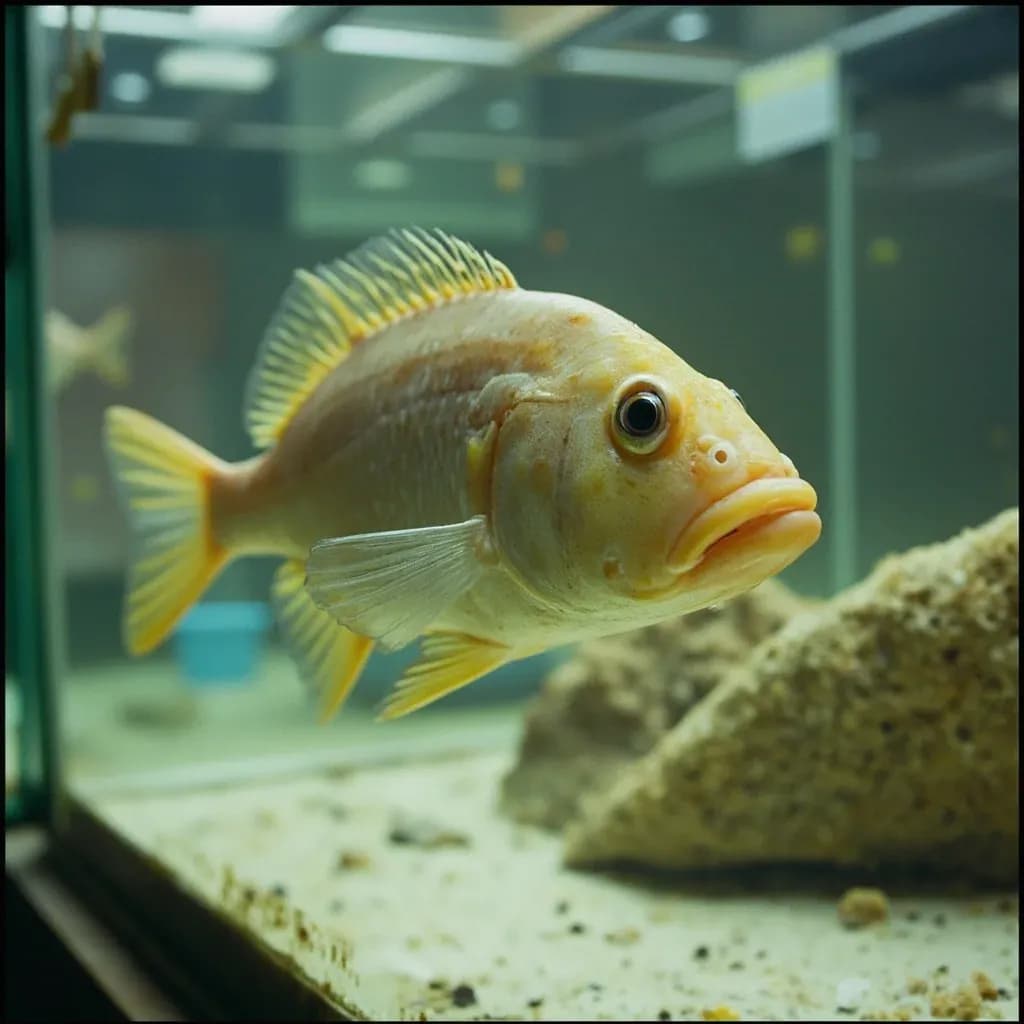
Live-tank grouper prized for sweet, firm white flesh, steamed whole in Chinese cuisine.
Live grouper is a reef fish kept alive in tanks until cooking to guarantee freshness, a hallmark of Cantonese seafood dining. Its firm, sweet white flesh is most often steamed whole with ginger, scallion, and soy to showcase its clean flavor. Choosing live fish ensures the delicate texture that quickly degrades after death.
Live grouper represents one of the most prized fish in Cantonese and broader Chinese seafood traditions, kept alive in tanks until the moment of preparation. This live-tank practice, which originated in Hong Kong and spread throughout Southern China in the mid-20th century, reflects a core Cantonese belief: the fresher and less stressed the fish, the sweeter and more succulent its flesh. Groupers (family Serranidae) are reef-dwelling tropical and subtropical fish with dense, meaty bodies that tolerate the confined environment of live tanks better than many other species—making them uniquely suited to this demanding display method. The firm, resilient texture of grouper flesh, combined with its clean, subtly sweet flavor, makes it ideal for steaming whole, the preparation that defines Cantonese fish cookery.
The flesh is characterized by its sweetness, density, and excellent moisture retention. A properly handled live grouper yields approximately 50–55% edible meat and holds together beautifully when steamed whole, even when scored deeply for even cooking. The meat has moderate fat content and low fishiness when fresh, distinguishing it clearly from previously frozen specimens, which develop a stronger fishy note and softer texture. Market-size fish typically run 2–5 kg (4–11 lbs), though in Cantonese markets the preference leans toward smaller specimens of 1–3 jin (0.6–1.8 kg) for single servings. The cheeks and collar meat are considered delicacies in traditional Cantonese cooking and cook faster than the body fillets—request your fishmonger to keep the head attached to preserve these prized cuts.
The live-tank tradition persists not merely as theater but as genuine quality assurance. Groupers destined for live-tank display must withstand transport stress and confined holding conditions while maintaining glycogen reserves that translate directly to sweetness in the cooked flesh. This resilience is why grouper became the signature live-tank fish in Chinese seafood culture, prized over more delicate species that would degrade under the same conditions. When purchasing live grouper, look for clear, slightly bulging eyes, bright red gills, and a firm body with no soft spots—the hallmarks of a well-handled specimen that will deliver the clean, sweet flavor live-tank fish are celebrated for.
- Measured in
- piece
- Storage
- Fridge
Allergens
Types & varieties
The quintessential live-tank grouper in Cantonese cuisine; prized for especially sweet, clean flavor; typically 1–3 jin (0.6–1.8 kg)
Largest grouper species; firm white flesh; prized in Hong Kong and Guangzhou live-tank markets
Common in Southeast Asian live-tank trade; good texture and sweet flavor
Brightly colored; excellent firm flesh; found in Indo-Pacific waters
Primary grouper species for US and Caribbean markets; sweet, mild flavor; available both live and fresh
Atlantic species; firm white flesh; important in Caribbean cuisine
Farm-raised; consistent quality and availability; popular in live-tank establishments
The Live-Tank Tradition
The practice of keeping fish alive in tanks at restaurants and markets stems from the Cantonese conviction that ingredient freshness directly determines final dish quality. This philosophy holds that a stressed or dying fish depletes its muscle glycogen rapidly, and this depletion manifests as diminished sweetness and mushier texture in the cooked flesh. Groupers became the signature live-tank species precisely because their firm, dense musculature tolerates confinement and transport stress better than most other white-fleshed fish. The tradition began in Hong Kong and spread throughout Guangdong province, eventually reaching live-tank seafood establishments worldwide. Today, when you select a live grouper from a tank, you participate in a tradition that prioritizes transparency—you see exactly what you are getting, from the moment of selection to the table.
- Live-tank display allows inspection of the fish's eyes (clear and bulging), gills (bright red), and body (firm, no soft spots)
- The practice ensures muscle glycogen is preserved, translating directly to sweeter, more succulent flesh
- Groupers are uniquely suited to live-tank storage due to their resilient musculature
- Hong Kong grouper is a market preference designation, not a single species—the exact fish sold under this name varies by season and supplier
Selecting Quality Live Grouper
Choosing a quality live grouper requires attention to several visual and behavioral cues. The tank water should be cold and clear; murky or warm water indicates poor maintenance and stressed fish. The fish itself should be active and responsive to stimuli—a sluggish grouper that doesn't move away from your approach has depleted its energy reserves. Eyes should be clear and slightly bulging, not sunken or cloudy. Gills must be bright red; brownish or pale gills signal poor health or stale water. Press gently on the body—the flesh should feel firm and spring back immediately, never leaving an indentation. Avoid any fish showing exposed patches of skin, unusual spots, or listless floating. These selection criteria matter because they predict the quality of the cooked flesh: a well-handled live grouper delivers the clean, sweet flavor that justifies the premium price of live-tank fish, while a compromised specimen will taste flat and possibly fishy despite its species.
- Tank water: cold, clear, well-circulated
- Fish behavior: active, responsive, alert
- Eyes: clear, bright, slightly bulging
- Gills: bright red, no mucus buildup
- Body: firm, no soft spots or sunken areas
- Avoid: fish with exposed skin, unusual spots, or lethargic behavior
Common uses
Tips & pitfalls
- When selecting live grouper, ensure the tank water is cold and clear; the fish should be active and responsive, with bright clear eyes and red, healthy-looking gills
- A stressed or sluggish live fish will have inferior flesh quality—muscle glycogen depletes quickly, affecting sweetness and texture
- After killing, let the fish bleed briefly by cutting the gill arteries under cold running water; this significantly improves the clean flavor of the white flesh
- For steaming whole, do not scale the fish—the scales protect the delicate flesh and create a more succulent result when removed at the table
- Score the fish 2–3 times on each side down to the bone before steaming; this ensures even cooking of the thickest parts
- The flesh is done when it turns completely opaque and flakes easily at the thickest point near the spine, typically 8–12 minutes depending on size
- A common mistake is overcooking—grouper flesh dries out quickly; pull it from the heat as soon as the flakes separate
- If using frozen grouper fillets, thaw slowly in the refrigerator overnight; never thaw at room temperature as this compromises texture
- The cheeks and collar meat are considered delicacies in Cantonese cooking and cook faster than the body fillets—request your fishmonger to leave the head attached
Nutrition
Energy
385 kJ · per 100 g
Where the calories come from
Protein
19.4g
39% DV
Carbs
0g
0% DV
Fat
1g
1% DV
Fiber
0g
0% DV
Sodium
53mg
2% DV
Source · USDA FoodData Central · approx. Fish, grouper, mixed species, raw
View on FDC →In the shops
Matched grocery products
No matched grocery products for Live Grouper yet.
Good to know
- Family
- Serranidae (sea basses and groupers)
- Typical Market Weight
- 2–5 kg (4–11 lbs); Cantonese preference is 1–3 jin (0.6–1.8 kg)
- Flesh Character
- Sweet, firm, white, flaky; moderate fat, low fishiness when fresh
- Edible Yield
- Approximately 50–55% from whole fish
- Peak Season
- Year-round; best quality in cooler months
- Storage After Kill
- Gilled and gutted; use within 24–48 hours refrigerated
- Cultural Origin
- Cantonese live-tank tradition; Hong Kong and Southern China, mid-20th century onward
Substitutes
- Sea Bass (澳洲星鲈 or 七星鲈) — Similar mild, sweet flavor and firm texture; cook time may need adjustment as sea bass is slightly more delicate
- Red Snapper (紅鰽) — Comparable firm white flesh; slightly sweeter flavor; excellent for steaming and pan-frying
- Sea Bream (鯛魚, especially Red Sea Bream) — Sweet, clean flavor and good texture; widely available in Chinese markets
- Yellow Croaker (黃花魚) — Traditional Cantonese steamed fish; smaller size, slightly softer texture, excellent flavor
- Mud Carp (土鯪) — Traditional Cantonese fish; firmer, slightly denser flesh; excellent for steaming but distinct flavor
Pairs with
Also called
石斑 · Grouper
Appears in these dishes
Related
Egg
The kitchen's everything ingredient — bind, leaven, enrich, or fry
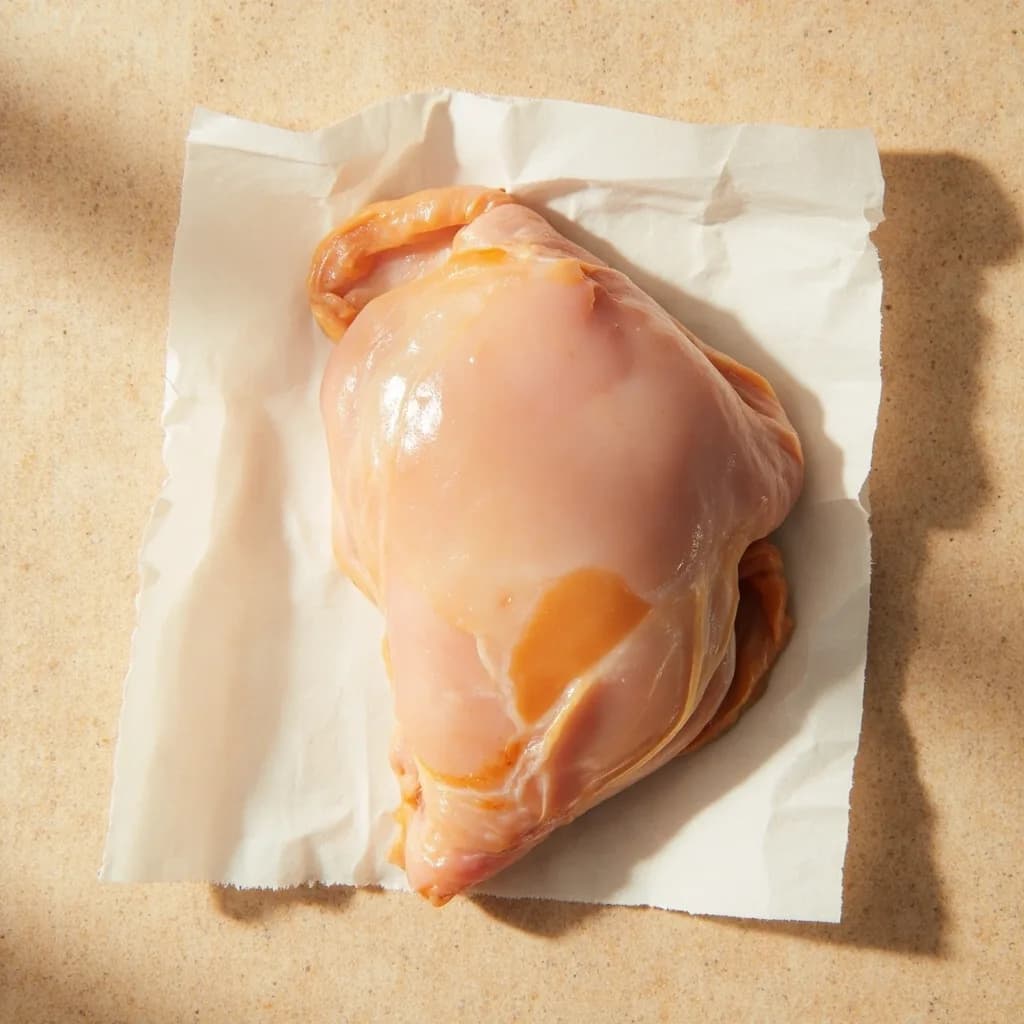
Chicken Breast
Lean, quick-cooking white meat for everyday dinners

Ground Beef
Versatile minced beef for burgers, ragù, tacos, and meatballs
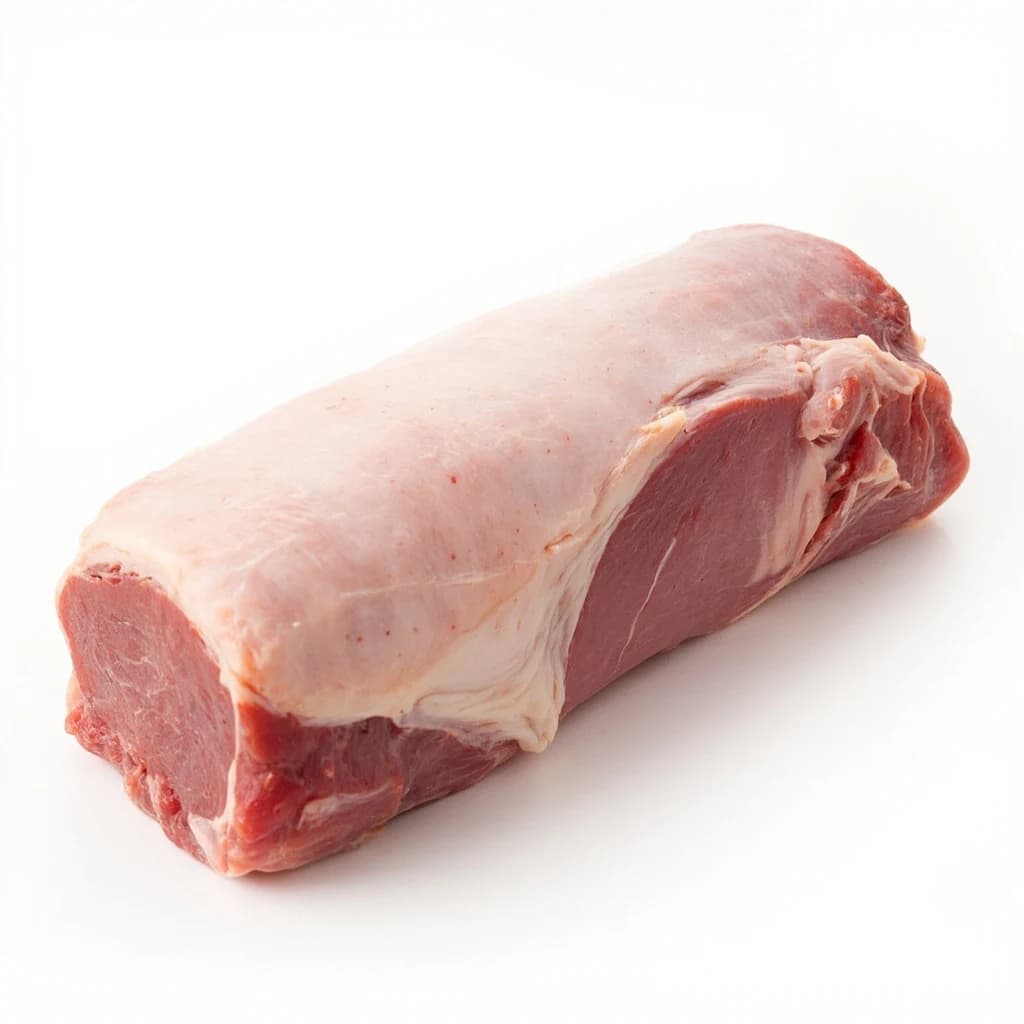
Pork Loin
Lean, tender roasting cut that stays juicy with care
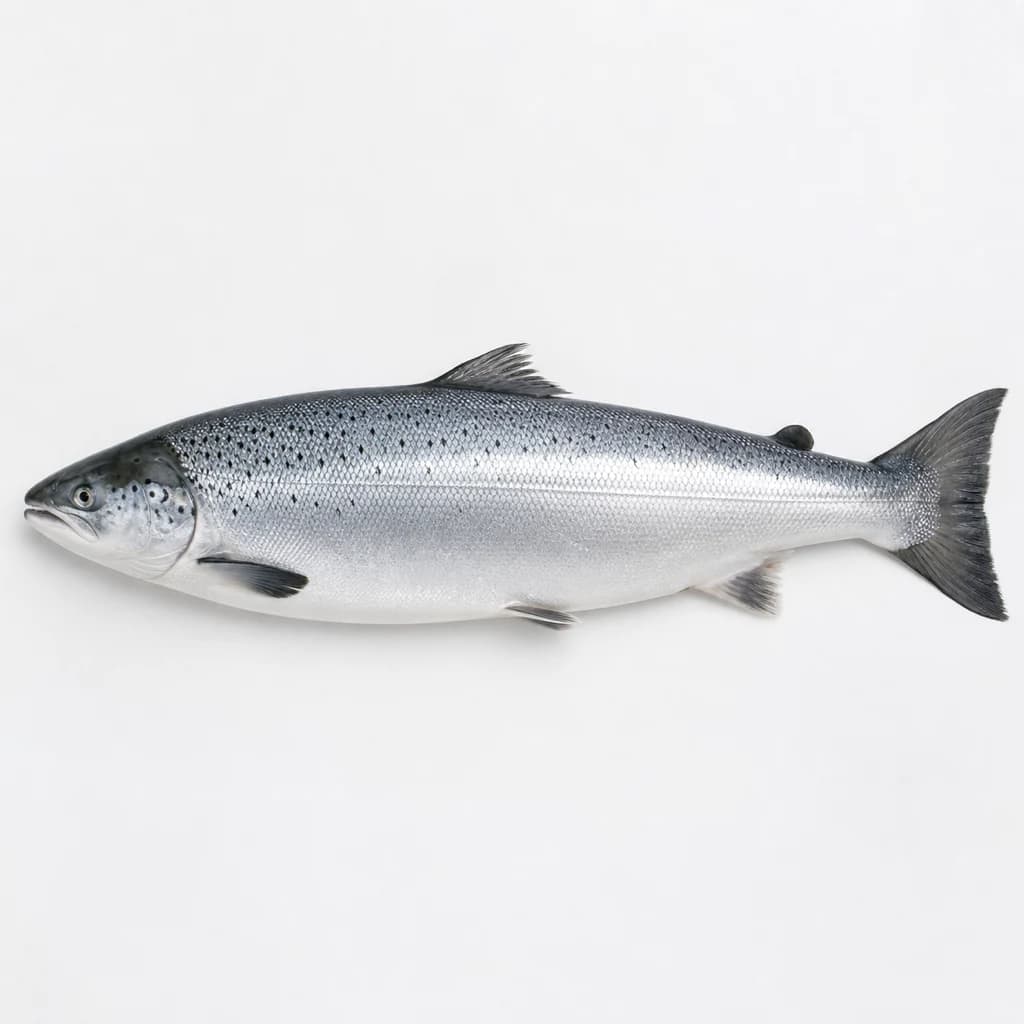
Salmon
Rich, rosy fish that roasts, grills, or cures beautifully

Egg White
Pure protein that whips to airy peaks for meringue and more
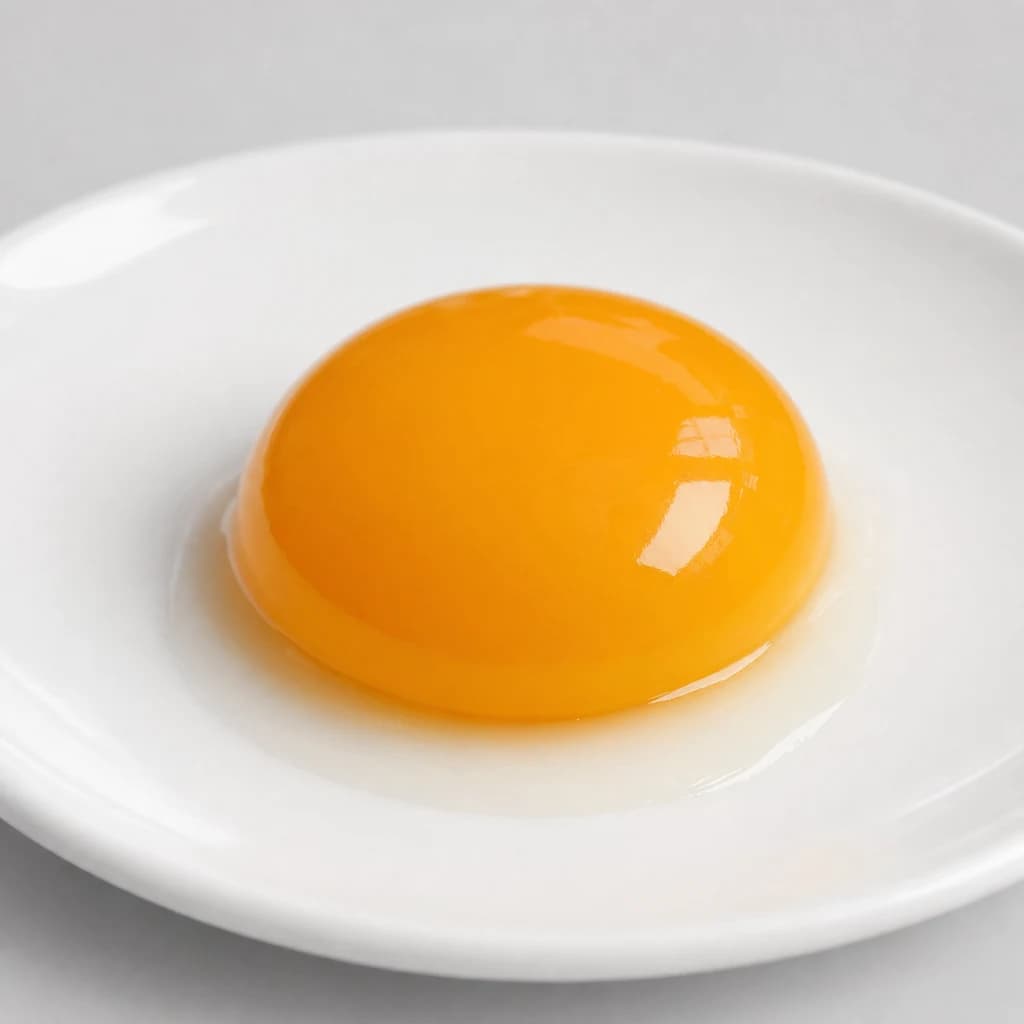
Egg Yolk
Rich, golden yolk for custards, mayonnaise, and pasta

Quail Egg
Tiny, speckled eggs for garnishing and elegant bites