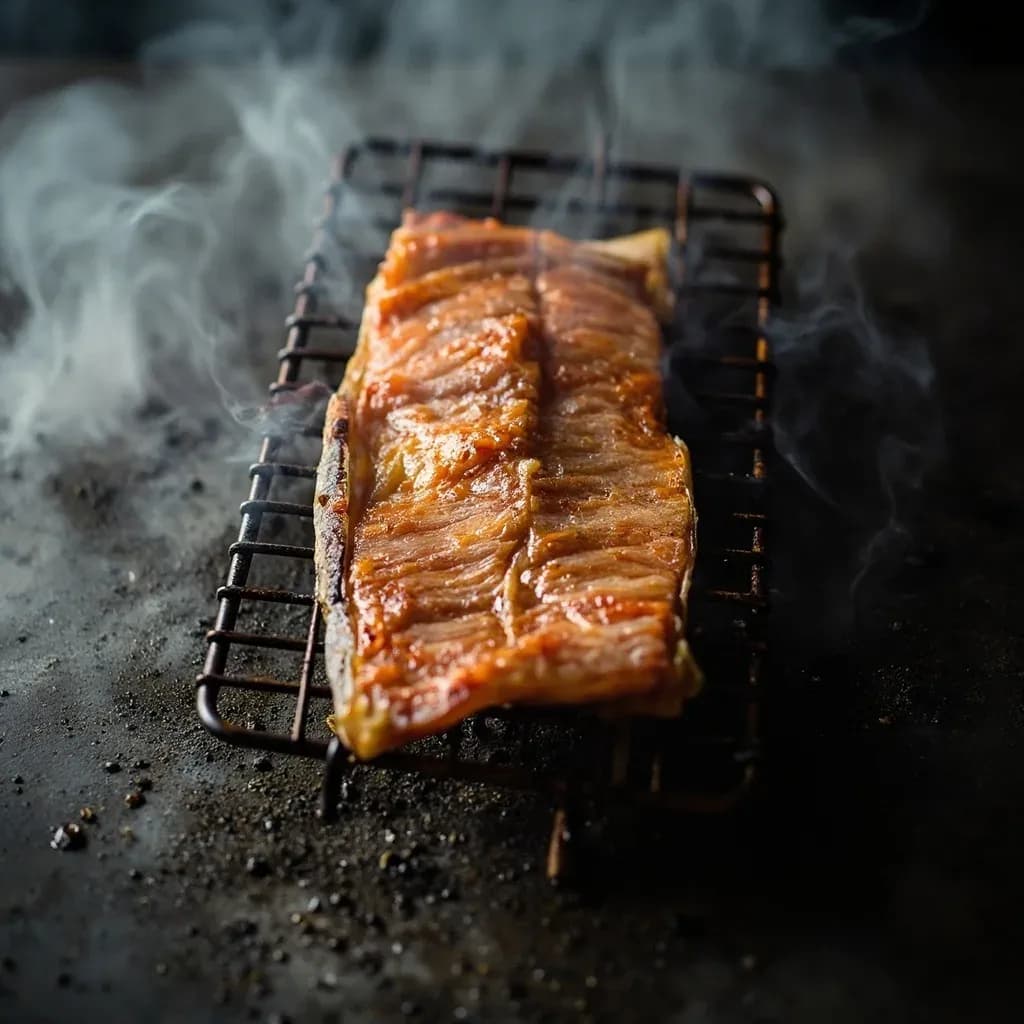
Transform & Preserve
Smoking
Flavoring and preserving food with wood or aromatic smoke over low heat.
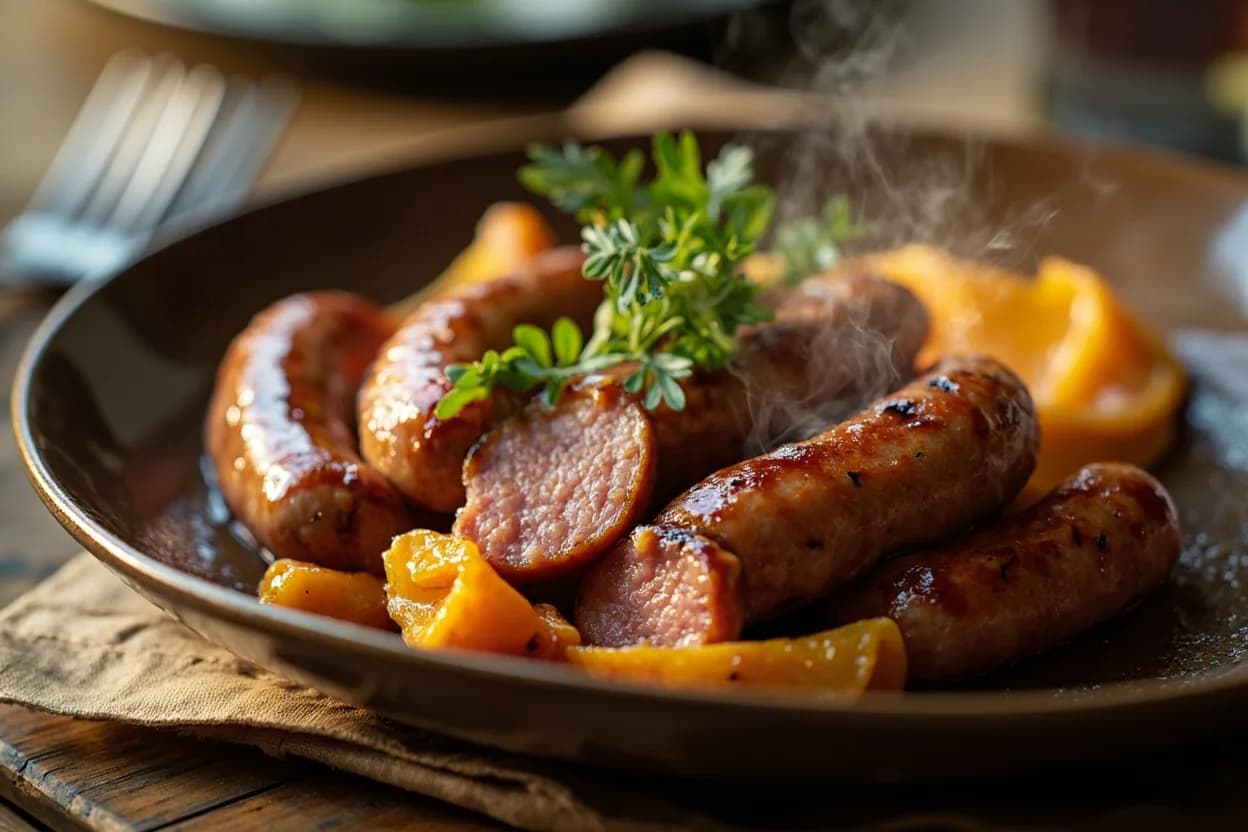
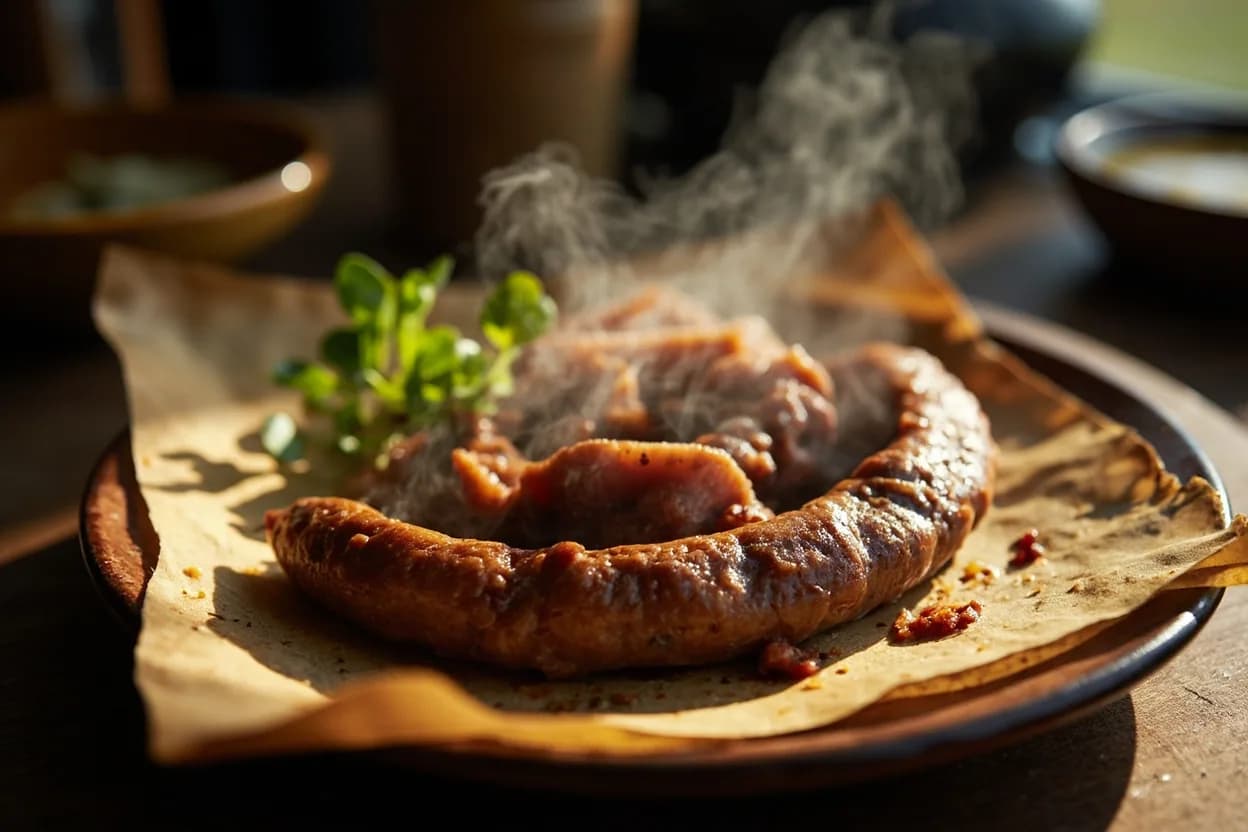
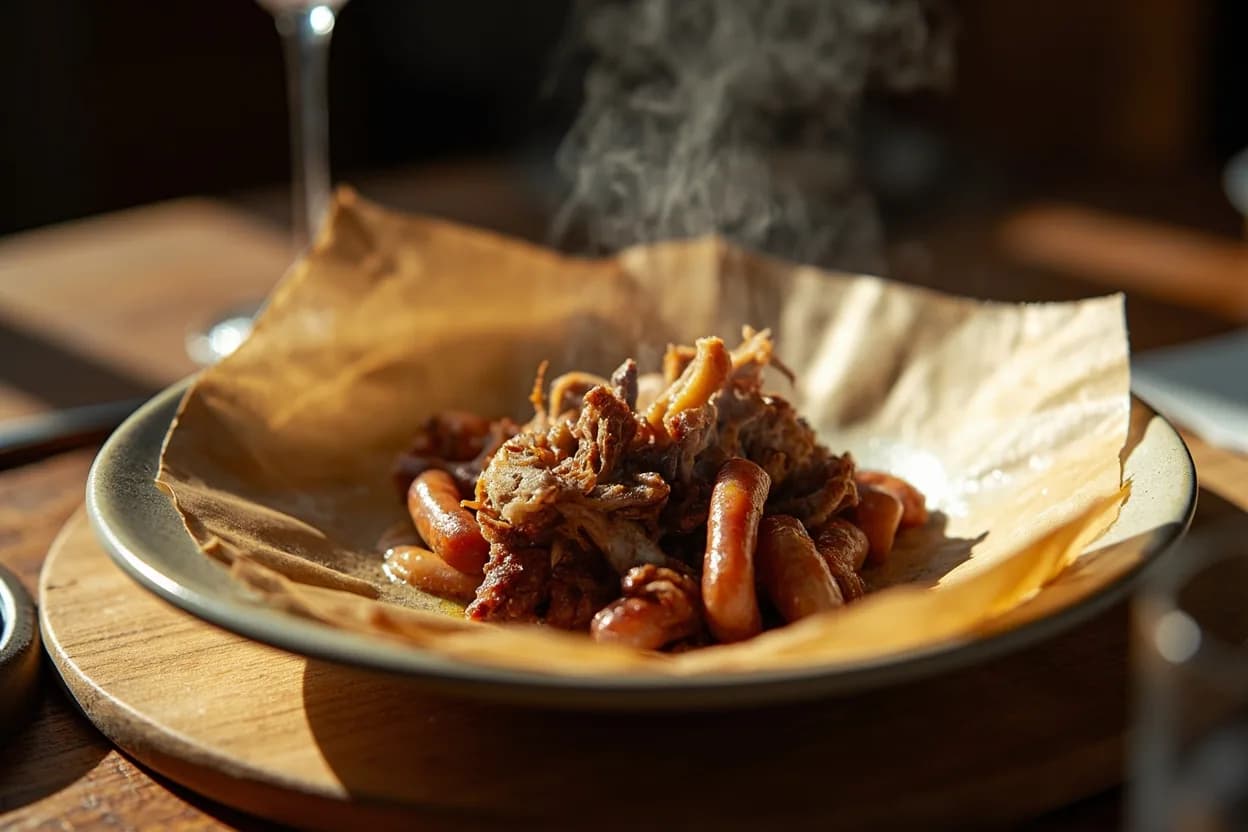
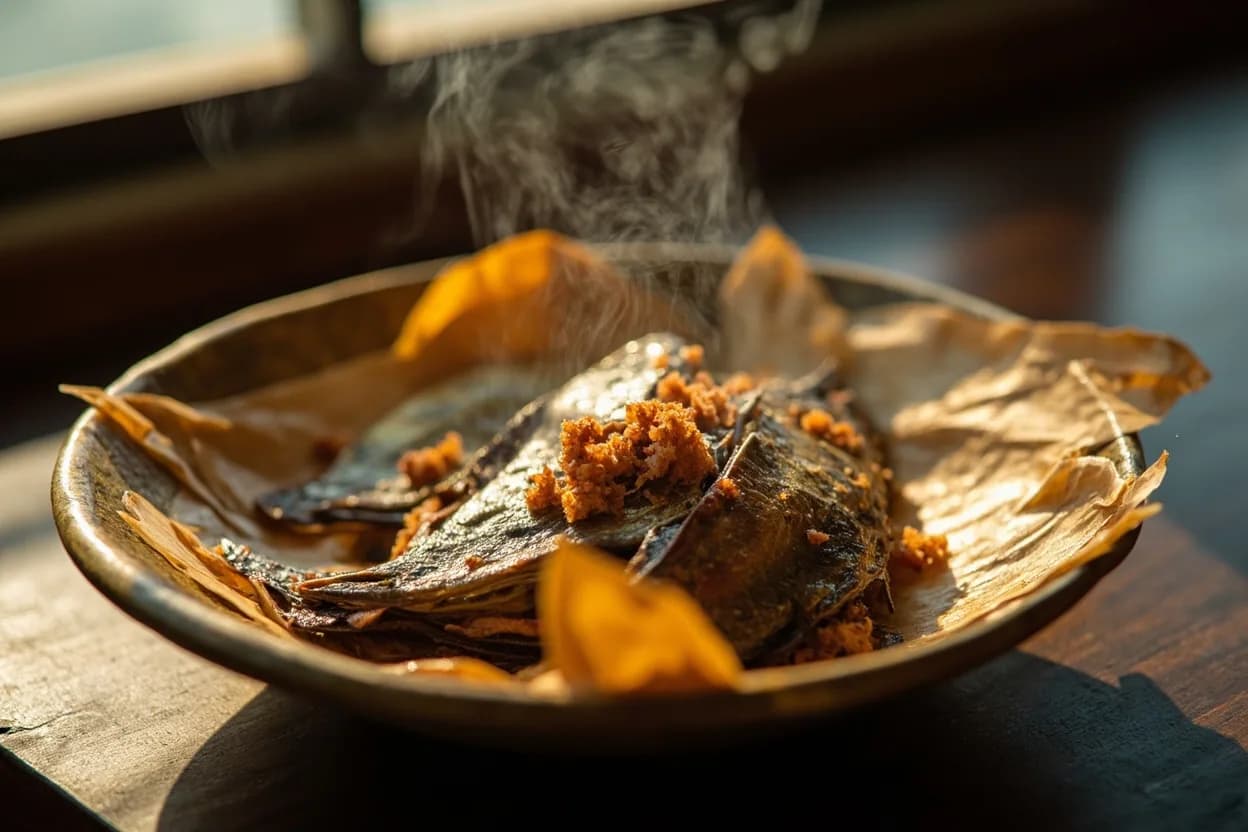
Smoking exposes food to smoke from smoldering wood, embers, or aromatics to add deep flavor and, with hot smoke, slowly cook it. It is used for meats, fish, and the Indian dhungar method that infuses dishes with charcoal-and-ghee smoke. Smoke also lays down antimicrobial compounds that help preserve foods like cured fish and sausage.
Smoking is the controlled exposure of food to wood combustion gases, a process that simultaneously flavors the surface, lightly preserves it, and — in the hot styles — cooks it from end to end. The flavor comes from phenolic compounds released when lignin in hardwood breaks down at temperature: syringol and guaiacol give smoke its characteristic aroma, while carbonyls and short-chain organic acids round out the profile. The same compounds act as surface antimicrobials and antioxidants, which is why smoked foods kept for centuries before refrigeration and why a smoked ham still outlasts its fresh counterpart on the counter.
Smoking is really a family of techniques defined by temperature. Hot smoking (165–300°F) cooks the food as it smokes and is the basis of American barbecue, hot-smoked salmon, and most sausages. Cold smoking (below 85°F) is a purely surface treatment — flavor and preservation chemistry without heat — so it requires a prior cure with salt and curing salt to be safe. Warm smoking and smoke roasting sit between, while tea smoking and hay smoking are regional traditions that swap wood for other smoldering aromatics.
The practical compass in any smoker is the smoke itself. Thin, almost-invisible blue smoke is the sign of clean combustion around 600°F with plenty of oxygen; thick white billows mean unburnt vapor, tars, and a bitter finish. Holding a steady temperature within about 10°F and matching the right wood to the food are the two decisions that separate good smoking from great smoking.
- Difficulty
- Medium
Types & varieties
Combines smoke with cooking heat at 165–300°F; produces fully cooked food with smoke flavor. Brisket, ribs, pulled pork, sausage, hot-smoked salmon, chicken.
Smoke at temperatures below 85°F; flavor and surface preservation without cooking. Requires prior cure with salt and curing salt. Smoked salmon, country hams, kippered herring, smoked cheese.
Around 100–130°F — a middle ground giving a light cook with some preservation. Used for some sausages and fish.
Higher-temperature smoke (300–500°F) for faster cooks; popular on kamado grills and modified offsets.
Chinese technique: black tea, uncooked rice, and brown sugar tossed onto hot coals or a dry wok beneath the food, covered tightly. Classic for tea-smoked duck, chicken, and eggs.
Mediterranean tradition — cured hay smolders beneath or around the food to impart a grassy, floral note.
Japanese hearth cooking over binchotan charcoal with smoke flavor; skewered foods held close to glowing embers.
Electric or cartridge-fed generators feed a thin stream of smoke into a chamber at ambient temperature — for smoking cheeses, butter, salts, nuts, and cocktails indoors.
Condensed smoke distillate added to brines, marinades, sauces, and rubs; not a true cooking method but a flavor shortcut.
How to do it
- 1
Choose wood and equipment
Pick a hardwood matched to the food: mild fruit woods (apple, cherry, plum) for poultry, fish, and pork; medium oak and hickory for beef, ribs, and shoulder; bold mesquite used briefly for short, hot cooks of steak or fajitas. Match equipment to method — offset stick-burner or vertical water smoker for traditional flavor, kamado for hot smoke-roasting, electric or pellet smoker for set-and-forget convenience, stovetop smoker or wok-and-foil rig for small indoor batches and tea smoking.
- 2
Prepare the food
Trim excess fat and silverskin, then apply a dry rub, brine, or marinade. Salt the surface and refrigerate uncovered for 8–24 hours so the exterior dries into a tacky pellicle — essential for fish, helpful for bark on meat. For cold smoking, fully cure the food with salt and curing salt (sodium nitrite) following a tested recipe and timeline. Never cold-smoke uncured food.
- 3
Light and stabilize the fire
Build a clean fire of hardwood lump charcoal or split wood. Allow the initial flame and acrid starter gases to burn off, then add smoking wood — chunks, splits, chips in a foil pouch with holes, or pellets. Close the dampers and bring the chamber to its target: 225–275°F for classic barbecue, 175–200°F for low-and-slow fish, 300°F+ for smoke roasting, and below 85°F for cold smoking using a separate generator. Watch for thin blue smoke before loading food.
- 4
Load food and maintain temperature
Place food on cool grates or the upper rack, away from the heat source. Keep the lid closed and adjust airflow and fuel to hold a steady ±10°F. Thick white smoke means incomplete combustion — give the fire more oxygen and time to settle. Add small amounts of fuel and wood at a time rather than reloading all at once. Mop, spritz, or baste only after the bark has set, usually after the first hour or two.
- 5
Monitor and finish
Track internal temperature with a leave-in probe. Target ranges: pork shoulder 195–205°F, brisket probe-tender at 203°F, ribs tender with a clean bend at 195–203°F, fish flaking at 140–145°F, fresh pork or beef sausage to 160°F and poultry sausage to 165°F. When color and bark are right, wrap in butcher paper or foil to push through the stall (around 150–170°F for large cuts) and protect the surface from acrid soot near the end of the cook.
- 6
Rest and serve
Transfer meat to a cooler, insulated holding box, or warm oven at 170°F. Rest 30 minutes for ribs and pork shoulder, 1–2 hours for brisket, 10–15 minutes for fish and small cuts. Resting redistributes juices, lets carryover heat finish the cook gently, and mellows the smoke. Slice across the grain and serve.
The science of smoke
Smoke is not one thing — it is a complex mixture of gases, vapors, and tiny droplets, and only some of it tastes good. The desirable compounds come from lignin and cellulose in hardwood breaking down between roughly 500°F and 800°F in plenty of oxygen. Lignin yields the phenols (syringol, guaiacol) that give smoke its savory, slightly medicinal, almost bacon-like character; cellulose and hemicellulose contribute carbonyls and acids that round out the profile. When combustion is starved of oxygen or temperature drops, the mixture shifts toward heavier tars and unburnt particles — the bitter, sooty compounds that ruin a cook. This is why the fire's appearance is a more reliable guide than the clock.
- Phenols are both flavor and preservative: they inhibit surface bacteria and slow lipid oxidation, which is the real reason smoked foods keep.
- Acidic smoke (pH around 3–4 from acetic and formic acid) helps tighten the protein surface and improves bark formation on meat.
- Smoke is deposited mostly in the first 4–6 hours of exposure; beyond that, the surface is already saturated and you are adding darkness, not flavor.
- Maillard browning and smoke deposition are separate reactions — they happen together in hot smoking and produce bark; in cold smoking you get flavor and color without browning.
Choosing wood
Wood is the single most important flavor decision in smoking, and the working rule is to match intensity to the protein. Delicate foods — poultry, white fish, vegetables, cheese — want mild fruit woods (apple, cherry, plum, alder) that contribute aroma without dominating. Pork and ribs take a medium wood beautifully: hickory, pecan, and oak are the workhorses of American barbecue. Beef, especially short, hot cooks of steak or fajitas, can stand up to bold mesquite, though it is best used sparingly because its cresol content goes acrid fast.
- Apple, cherry, plum, and alder — mild, sweet, slightly fruity. Default for fish, poultry, pork loin, and cheese.
- Oak and pecan — medium, neutral, classic. The backbone of Texas brisket and competition ribs.
- Hickory — medium-strong, bacon-like. Pairs naturally with pork shoulder and bacon; can overwhelm fish.
- Mesquite — bold, earthy, almost sharp. Use for short hot cooks only; do not run a mesquite-only low-and-slow brisket.
- Maple — mild with a hint of sweetness. Excellent with ham, poultry, and vegetables.
- Avoid all softwoods (pine, spruce, fir) and any treated, painted, or glued lumber — the resins and chemicals will ruin the food and the cook. (Cedar planks are a different matter: they are used as a cooking surface, not as fuel.)
Hot smoking versus cold smoking
The two styles share chemistry but behave very differently at the grill. Hot smoking is effectively a long, low convection cook combined with surface smoke deposition. The food reaches safe internal temperatures, water evaporates, fat renders, and the surface dries into bark. Moisture loss of 20–40% is normal for a brisket or shoulder. Cold smoking is purely a surface treatment: the chamber never gets warm enough to cook, so the food must already be safe to eat or, more commonly, fully cured. This is why traditional cold-smoked salmon, prosciutto-style hams, and kippered herring are all cured with salt (and curing salt for meats) before they ever see smoke.
- Hot smoking: 165–300°F, hours to half a day, food is fully cooked. Most barbecue falls here.
- Cold smoking: below 85°F, hours to several days, food is uncooked and must be cured first.
- Warm smoking: 100–130°F, a compromise used for some sausages and fish where a gentle cook is desired.
- Smoke roasting: 300–500°F, a high-heat cousin used on kamados and offsets for faster, deeply browned cooks.
Common uses
Tips & pitfalls
- Use only hardwoods. Softwoods like pine, spruce, fir, and any treated or painted lumber release toxic terpenes that taste of turpentine and are unsafe to eat.
- Match wood intensity to the protein: alder, apple, or cherry for delicate fish and poultry; oak, hickory, or pecan for pork and ribs; mesquite sparingly for short, hot cooks of beef.
- Aim for thin blue smoke. If the fire is billowing white, give it more oxygen and let it settle before putting food on — the cook will taste the difference immediately.
- Soaking wood chips in water is largely cosmetic; it delays ignition and cools the fire. Use dry wood for cleaner smoke.
- Cold smoking is not safe without curing. Always use a tested cure with curing salt (sodium nitrite or Prague powder) for fish, meat, or game before cold smoking.
- Don't oversmoke. Most smoke flavor lands in the first 4–6 hours; after that, longer smoke darkens the surface more than it adds flavor.
- Dry the surface. An overnight uncovered rest in the fridge forms a pellicle that grabs smoke evenly and helps bark form on meat.
- Stop peeking and rest properly. Each lid opening costs 10–15 minutes of cook time and disrupts smoke flow; rested meat (30 minutes for ribs and shoulder, 1–2 hours for brisket) holds its juices and finishes gently.
Good to know
- Origin
- Prehistoric — one of the oldest preservation methods, used across every inhabited continent long before refrigeration
- Active flavor agents
- Phenols (syringol, guaiacol), carbonyls, and organic acids deposited from wood combustion; also surface antimicrobials and antioxidants
- Hot smoke range
- 165–300°F (74–150°C); classic low-and-slow barbecue runs 225–275°F
- Warm smoke range
- Roughly 100–130°F (38–55°C); a partial cook with light smoke and some preservation
- Cold smoke range
- Below 85°F (30°C); flavoring and surface preservation without cooking
- Smoke roasting
- Roughly 300–500°F (149–260°C) with heavy smoke; faster than traditional hot smoking, common on kamados and offset rigs
- Woods allowed
- Hardwoods only; softwoods (pine, spruce, fir) and any treated or painted lumber release toxic resins and turpentine-like off-flavors
- Smoke quality
- Thin blue smoke indicates clean combustion and the best flavor; thick white smoke is unburnt vapor and tastes acrid
- Moisture loss
- Hot smoking typically removes 20–40% of meat weight through rendering and evaporation
- Time
- Hours for hot smoking; 1–7 days for cold smoking of meats, fish, or cheese
- Diminishing returns
- Most smoke flavor deposits within the first 4–6 hours; longer cooks add color and bark more than flavor
- Food safety
- Cold smoking does not pasteurize — curing with salt and curing salt (sodium nitrite) is mandatory for fish, meat, and game
Also called
Smoking Meat · Dhungar · Uzení
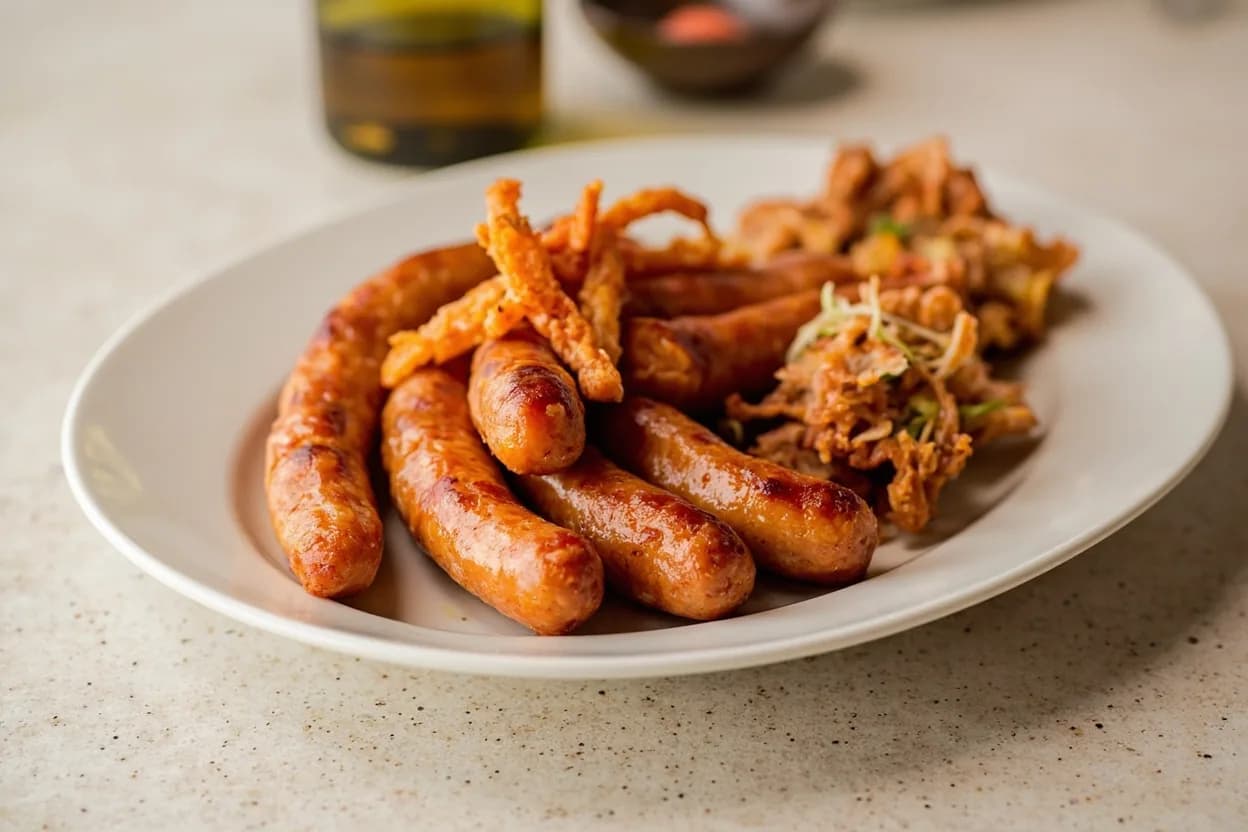
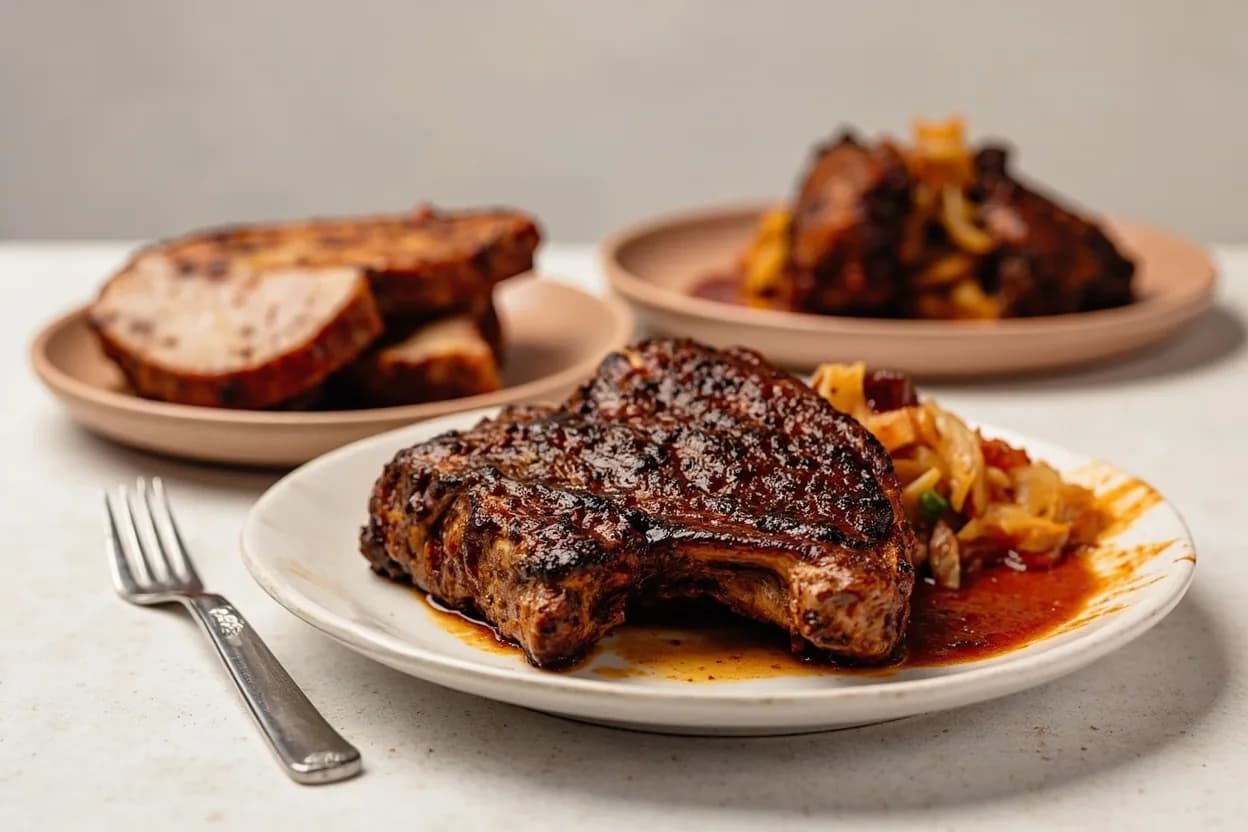
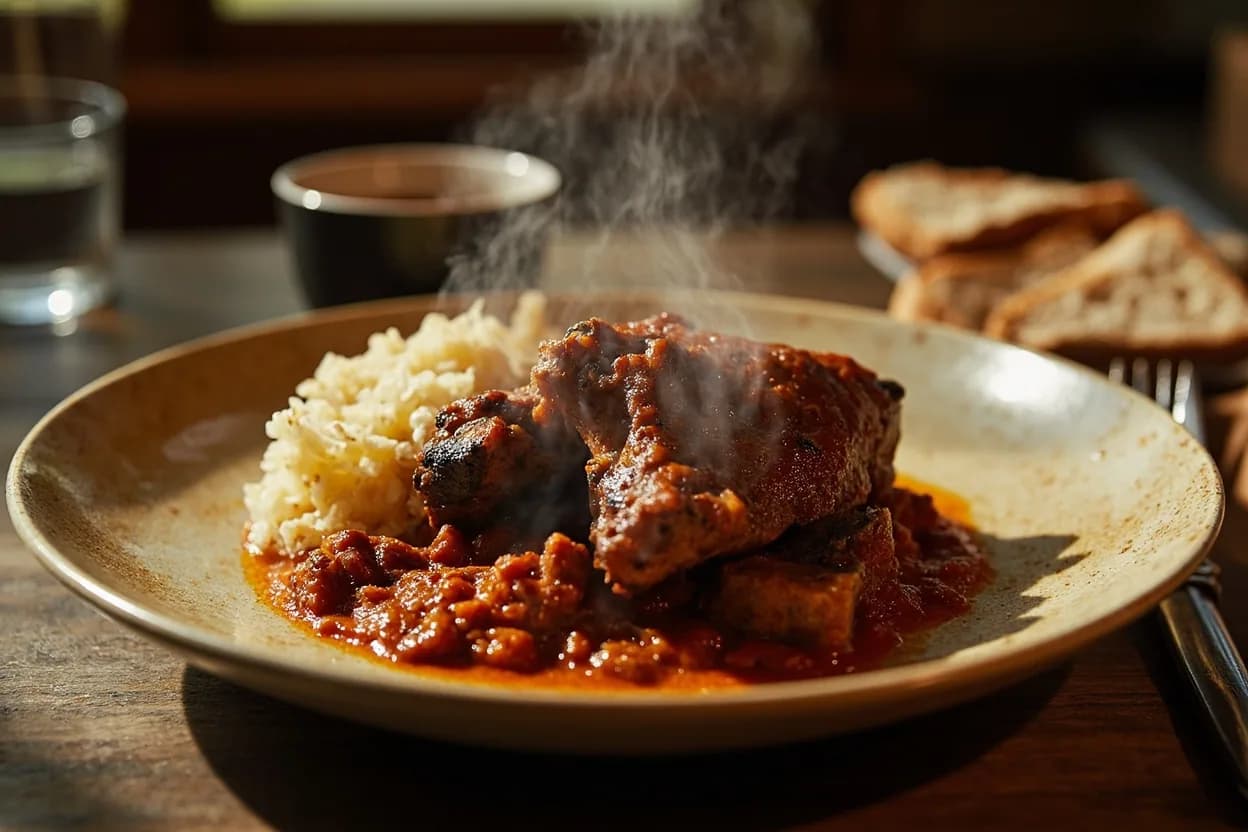
Dishes that rely on it
Related

Confit
Cook slowly submerged in fat for silky tenderness and keeping

Cure
Draw out moisture with salt and time to preserve and concentrate

Pickle
Steep in acidic brine for bright, tangy, crunchy preservation

Ferment
Let friendly microbes transform food into tangy, complex flavor

Marinate
Soak in a seasoned mix to flavor and tenderize before cooking

Brine
Soak in salt water so meat stays juicy and seasoned throughout

Dehydrate
Slowly dry out moisture to concentrate flavor and extend shelf life

Cold-Smoke
Perfume cured food with smoke without cooking it through