Natural form
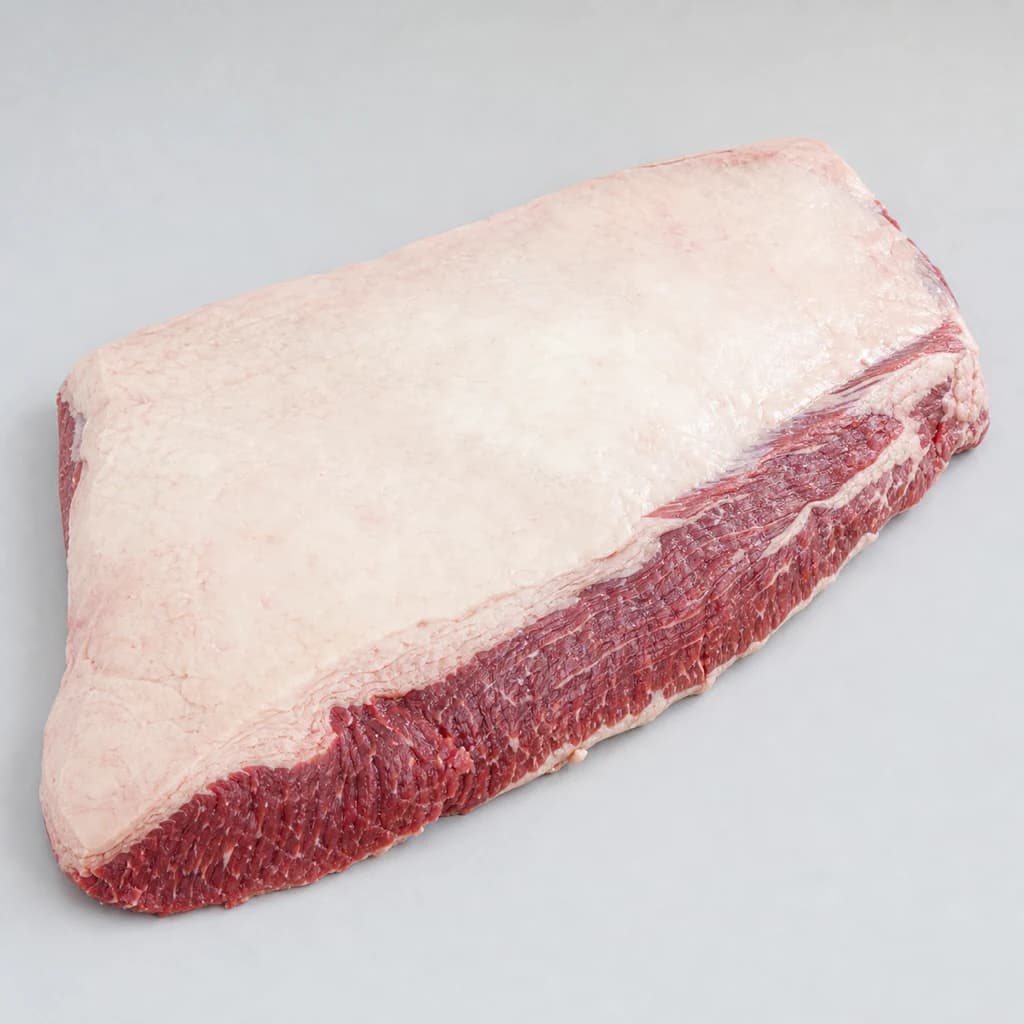
Whole raw beef brisket flat showing thick fat cap and deep red muscle.
Shows the cut's distinctive size, fat cap thickness, and collagen-rich muscle structure that define brisket before cooking.
Proteins
Beef Brisket
Tough, fatty front-chest cut that turns meltingly tender with long, slow cooking — for broths, barbecue, and braises.
Beef brisket is a large, collagen-rich cut from the cow's lower chest that is tough when cooked quickly but becomes meltingly tender with long, slow heat. It is simmered for Korean soups, smoked low-and-slow for barbecue, braised, or used as the base of rich beef broths. The marbled fat keeps the meat moist over hours of cooking.
Beef brisket comes from the lower chest of the cow, a working muscle that supports roughly 60% of the animal's body weight. This constant use makes the meat exceptionally tough and heavily laced with connective tissue — collagen accounts for 10–15% of the cut's weight. That collagen is the key to brisket's magic: when cooked low and slow, it converts to silky gelatin, transforming a chewy hunk of muscle into meat that yields cleanly to a fork and practically melts on the tongue. The brisket also carries a thick fat cap on one face and is composed of two distinct muscles — the lean, flat section and the fattier point (or deckle) — that behave differently during cooking.
The cut's anatomy matters in the kitchen. The flat muscle does the heavy lifting in most retail cuts; it's leaner and slices beautifully but dries out easily if overcooked. The point, with its generous marbling and intermingled fibers, stays moist and delivers deeper beefy flavor — this is the source of the prized burnt ends in barbecue. Whole packer briskets, which retain both muscles, offer the best fat distribution and are the standard for serious low-and-slow cooking.
Brisket rewards patience above all else. It demands time at low temperature — 3–4 hours minimum for braising, 12–20 hours for proper barbecue — and it will punish rushing. The payoff is a centerpiece that can feed a crowd, keeps well, and improves as leftovers. Understanding the cut's structure, managing the fat cap strategically, and respecting the rest period before slicing are the practical skills that separate successful brisket cookery from disappointment.
- Measured in
- g
- Storage
- Fridge
Types & varieties
Both flat and point joined; standard for Texas-style barbecue; yields best fat distribution and bark development from the deckle
Leaner, rectangular muscle; slices neatly and uniformly; ideal for corned beef and leaner braises; needs careful moisture management
Fattier, trapezoidal end with intermingled fibers; more flavorful and forgiving; source of burnt ends; often sold separately at specialty shops
Brined with salt, sodium nitrate, and pickling spices (bay, peppercorn, mustard seed, coriander); traditionally simmered or slow-roasted, sliced thin
Made from corned beef brisket, coated in crushed peppercorn and coriander, then smoked; Rueben sandwich staple
From forequarter of kosher-slaughtered steer; larger and coarser-grained than USDA cuts; requires longer cooking; traditional for Jewish holidays
The Stall and How to Handle It
Every brisket encounters the stall — a period during low-and-slow cooking (typically between 150–170°F internal temperature) where the meat's internal temperature plateaus or even drops. This happens because evaporative cooling from the surface equals the heat penetrating the interior. The stall can last an hour or more and is the point where many cooks lose confidence.
- Resist the urge to raise the temperature; this only dries the exterior while the interior catches up unevenly
- The 'Texas crutch': wrap the brisket tightly in butcher paper (not foil) after the stall begins — this traps some steam, pushes through the plateau faster, and preserves bark better than foil
- Spritzing with water or diluted apple cider vinegar every 45–60 minutes during the stall helps maintain surface moisture
- Professional barbecuers plan for the stall and schedule accordingly
The All-Important Rest
Resting is not optional — it is structural to the cooking process. Slicing too soon causes 20–30% moisture loss in the first cuts as the juices, still under pressure from the hot interior, gush out. A minimum 30–60 minute rest, loosely wrapped in butcher paper or foil and left in a faux Cambro or cool place, allows the fibers to relax and redistribute juices evenly throughout the meat. The brisket will continue cooking slightly (carryover), so factor that into your target temp.
- Never skip the rest, even when time is tight
- Wrap loosely, not tightly — too much insulation can continue cooking and push past optimal texture
- During the rest, the internal temperature typically rises 5–10°F
Common uses
Tips & pitfalls
- Trim fat to 1/4–1/2 inch before smoking to allow smoke penetration; leave it on for braising as it bastes the meat internally and melts into the sauce
- Season simply for barbecue: coarse kosher salt and black pepper are sufficient — the meat's flavor needs room to speak
- Spritz or baste with water or diluted apple cider vinegar every 45–60 minutes during cooking to prevent the surface from drying out before the stall
- Wrap in butcher paper (not foil) after the stall to push through the plateau faster and preserve bark texture — foil softens the crust significantly
- Rest at least 30 minutes, loosely wrapped, before slicing — skipping this step causes substantial moisture loss in the first cuts
- Slice perpendicular to the grain of the flat for short muscle fibers and tenderness; the point can be cut in any direction since its fibers intermingle
- For burnt ends: cube the point after slicing the flat, toss with BBQ sauce and a bit of rendered fat, return to smoker or oven at 350°F for 45–60 minutes until caramelized
- Sear brisket first in a hot pan for braises to develop fond, then deglaze before adding the rest of the liquid — this builds complex flavor in the sauce
- Common mistake: slicing with the grain — always cut across the grain for short fibers and tenderness
- Common mistake: using heat above 350°F in a braise, which renders fat unevenly and overcooks the exterior before the interior is done
- Common mistake: pulling brisket by time alone — use an instant-read thermometer to judge doneness by internal temperature, not hours elapsed
- Common mistake: choosing Select-grade brisket for barbecue without compensating with a wet brine or marinade — it will taste dried out compared to Choice or Prime
Nutrition
Energy
828 kJ · per 100 g
Where the calories come from
Protein
14.7g
29% DV
Carbs
0.1g
0% DV
Fat
14.9g
19% DV
Fiber
0g
0% DV
Sodium
1217mg
53% DV
Source · USDA FoodData Central · Beef, cured, corned beef, brisket, raw
View on FDC →In the shops
Matched grocery products
No matched grocery products for Beef Brisket yet.
Good to know
- Cut location
- Lower chest/forequarter, in front of the ribs; the primary working muscle of the front body
- Primal
- Forequarter (along with Chuck)
- Typical weight
- Whole packer: 8–20 lbs wholesale; retail cuts: 3–8 lbs
- Cooked yield
- Approximately 50–55% of raw weight after trimming and extended cooking
- Fat cap
- Typically 1/4–1 inch on one face; strategic trimming depends on cooking method
- Two muscles
- Flat (lean, rectangular) and Point/Deckle (fattier, trapezoidal)
- USDA grades
- Prime (heavy marbling), Choice (standard barbecue), Select (leaner, requires more care)
- Internal temp (finished)
- 195–205°F for pull-apart tenderness in low-and-slow; 145°F minimum for food safety
- Shelf life
- Refrigerate 3–5 days; freeze up to 4 months in airtight wrapping
Substitutes
- Beef Chuck Roast — Similar collagen content and behavior; cut from the shoulder, it will braise similarly but lacks the iconic flat-and-point structure; best for pot roasts and shredded beef
- Beef Short Ribs — Bone-in and rich with intermuscular fat; excellent for braising but cook differently — fall-apart tender in 3–4 hours at 300°F; not a direct substitute for sliced brisket
- Pork Shoulder — Comparable fat-to-meat ratio and collagen content; works for low-and-slow pulled applications; the flavor profile shifts from beef to pork
Pairs with
Also called
Yangjimeori · 양지머리 · Soup Beef · Beef Suadero · Brisket
Appears in these dishes
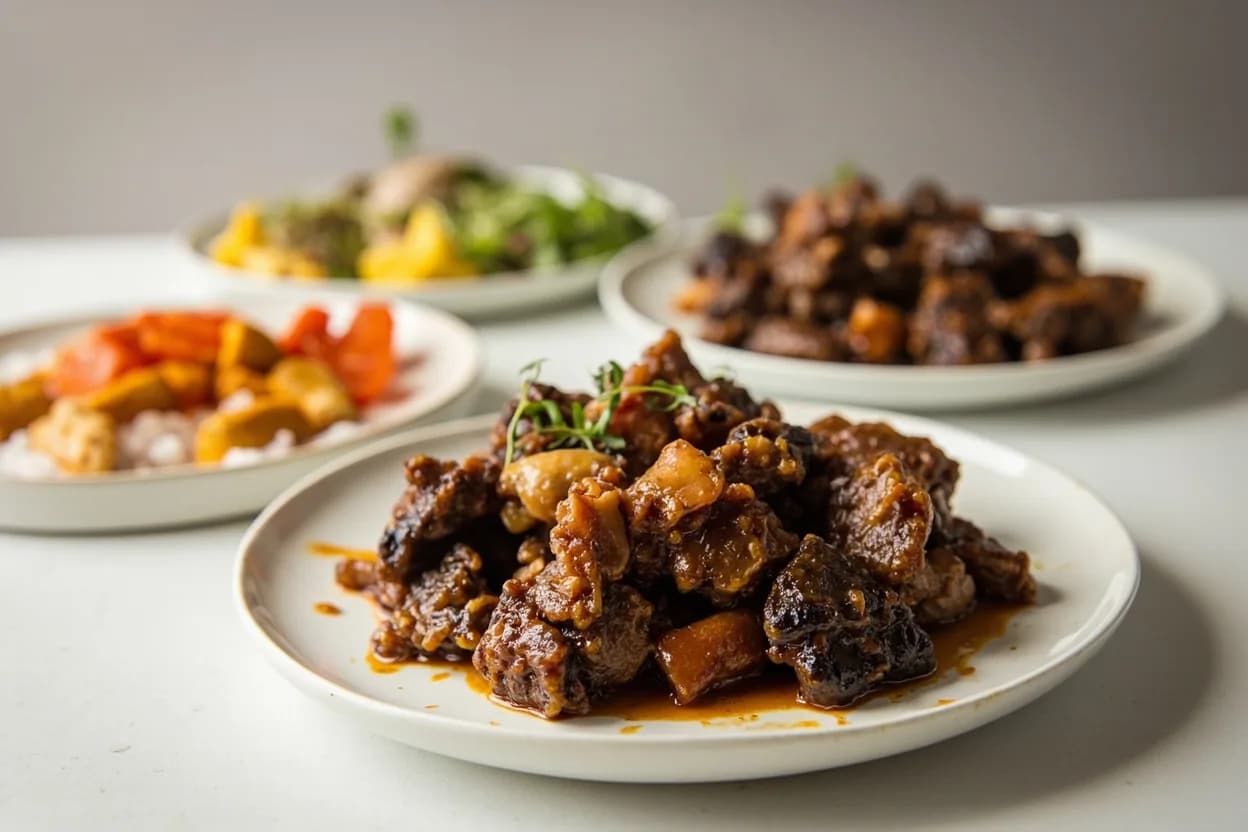
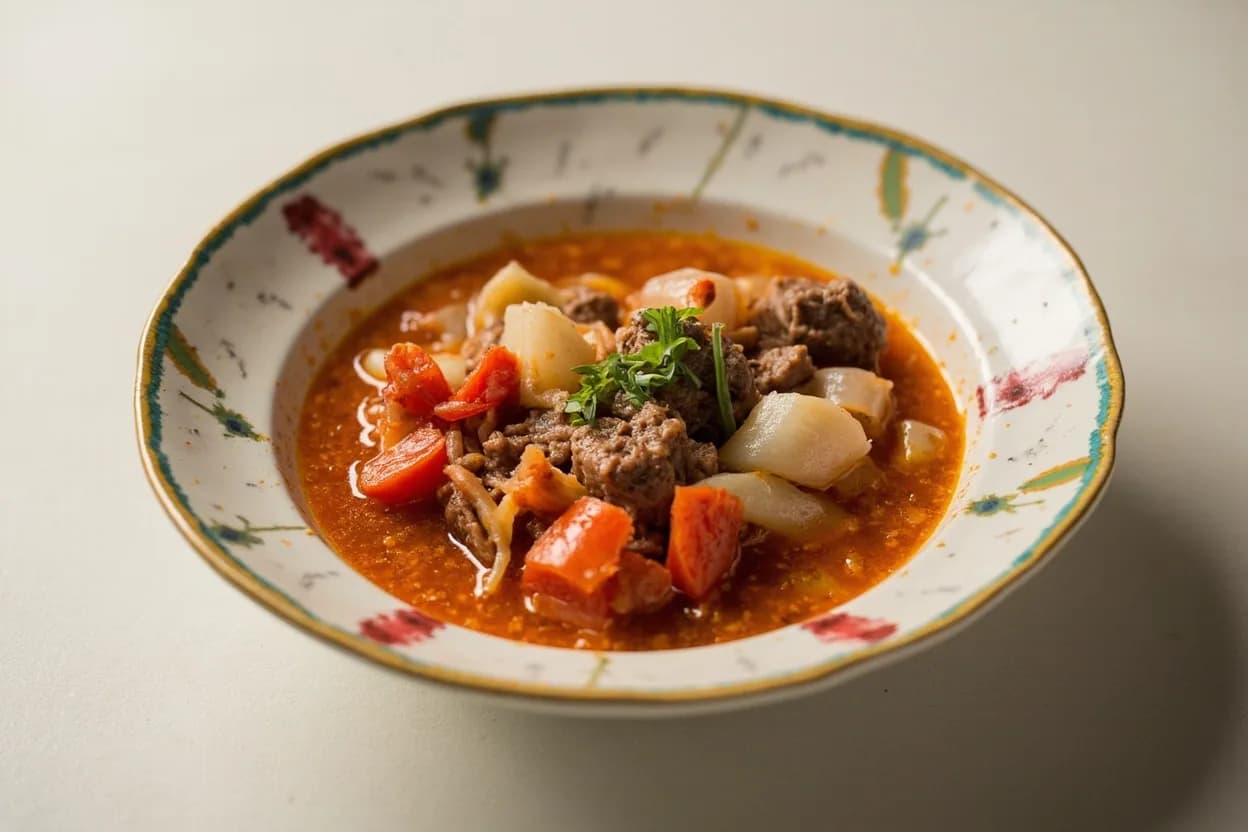
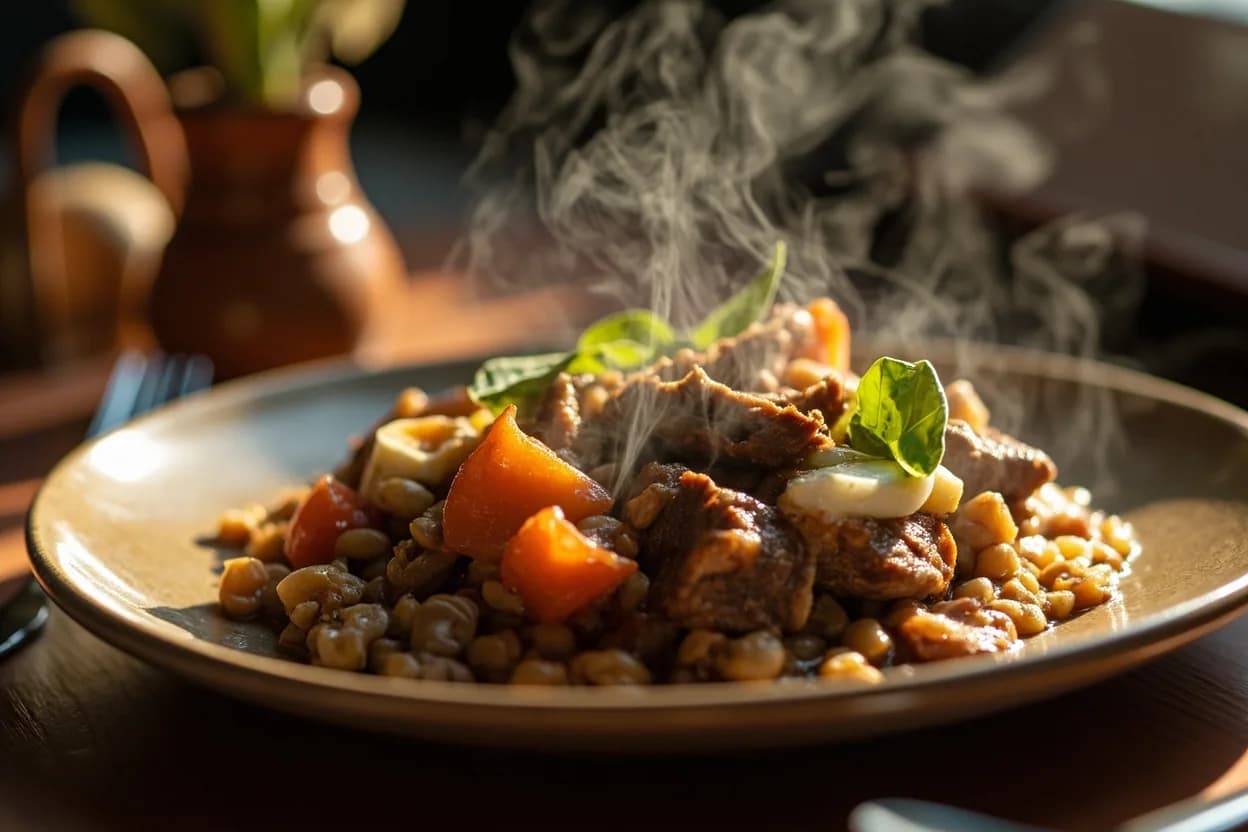
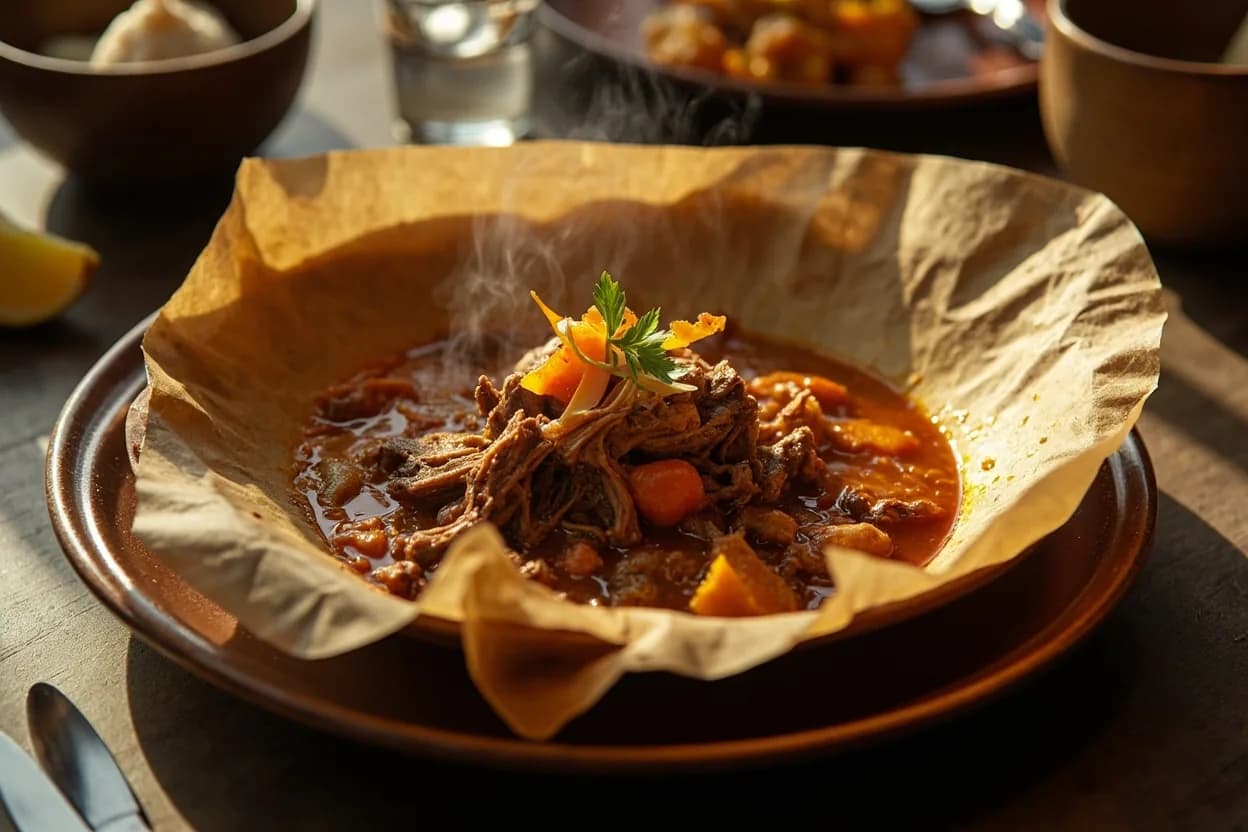
Related

Egg
The kitchen's everything ingredient — bind, leaven, enrich, or fry
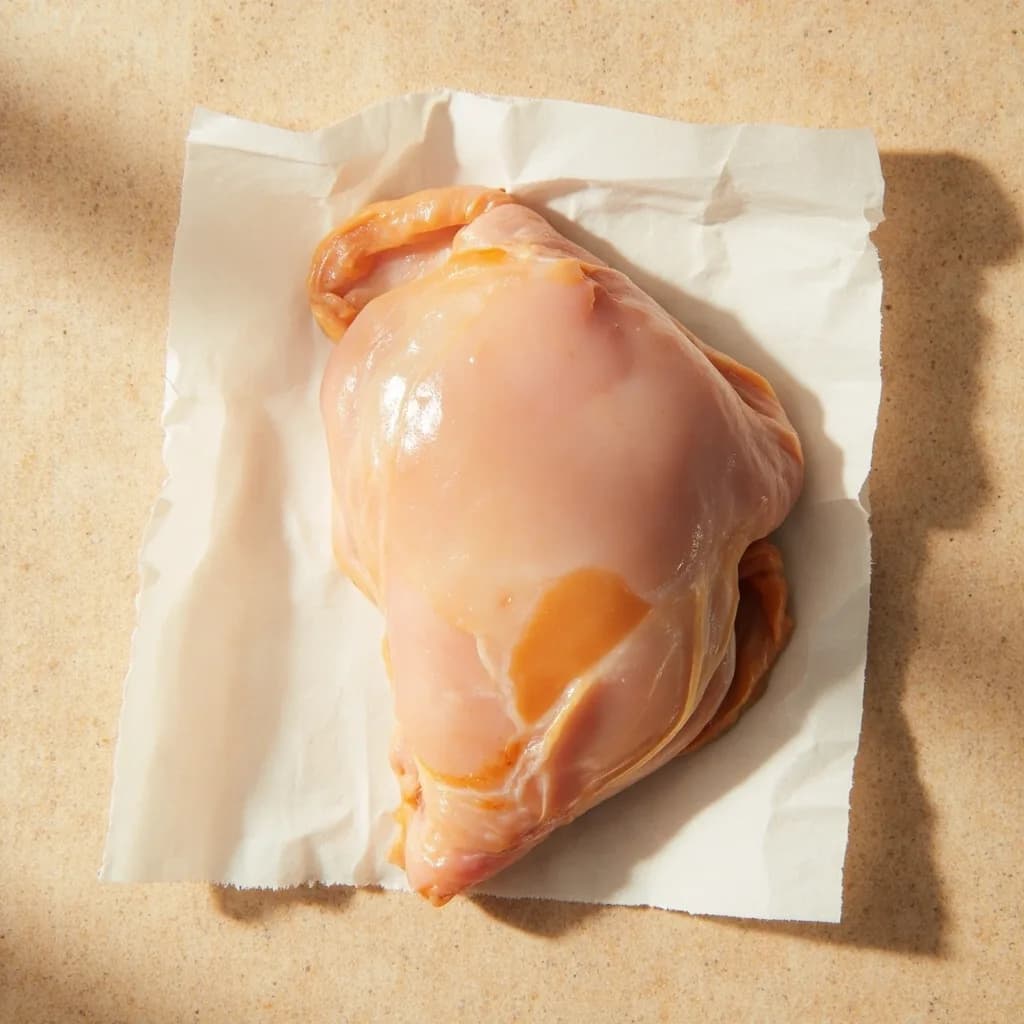
Chicken Breast
Lean, quick-cooking white meat for everyday dinners

Ground Beef
Versatile minced beef for burgers, ragù, tacos, and meatballs
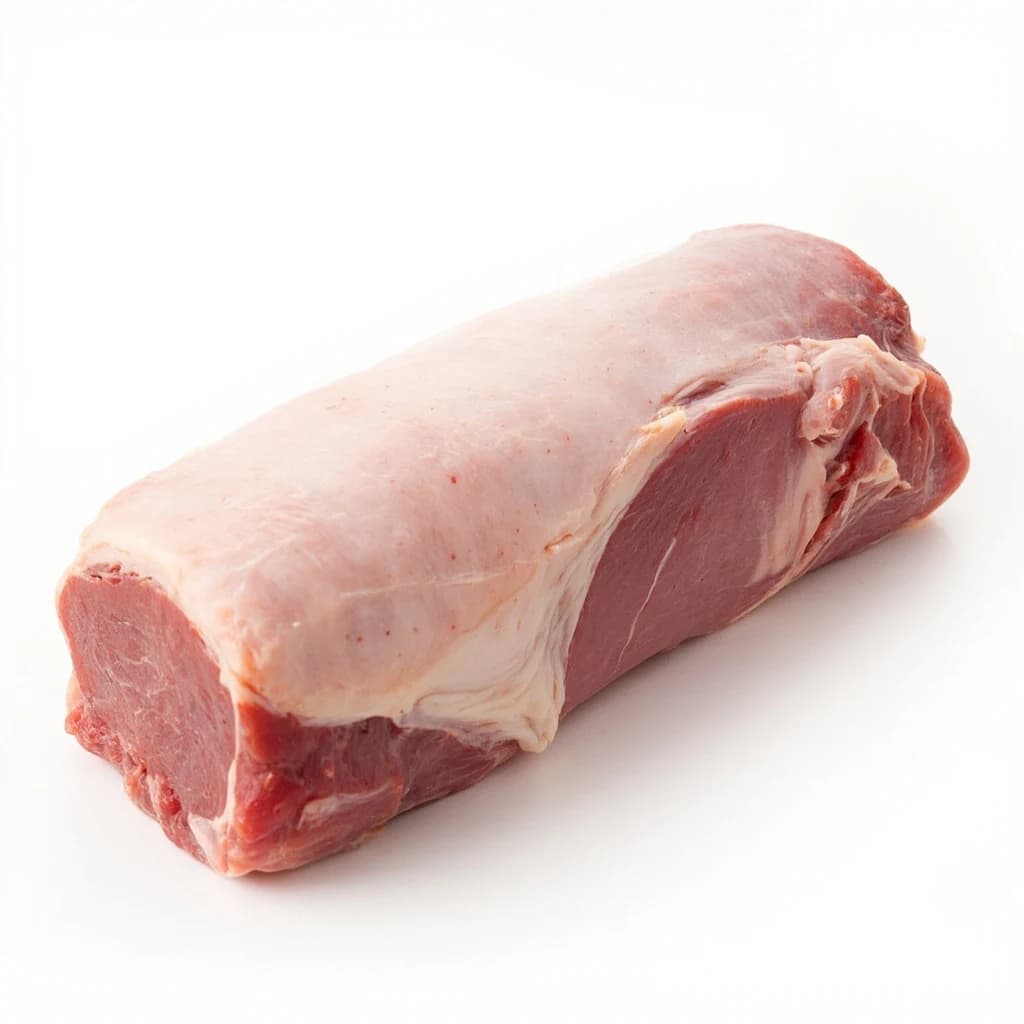
Pork Loin
Lean, tender roasting cut that stays juicy with care
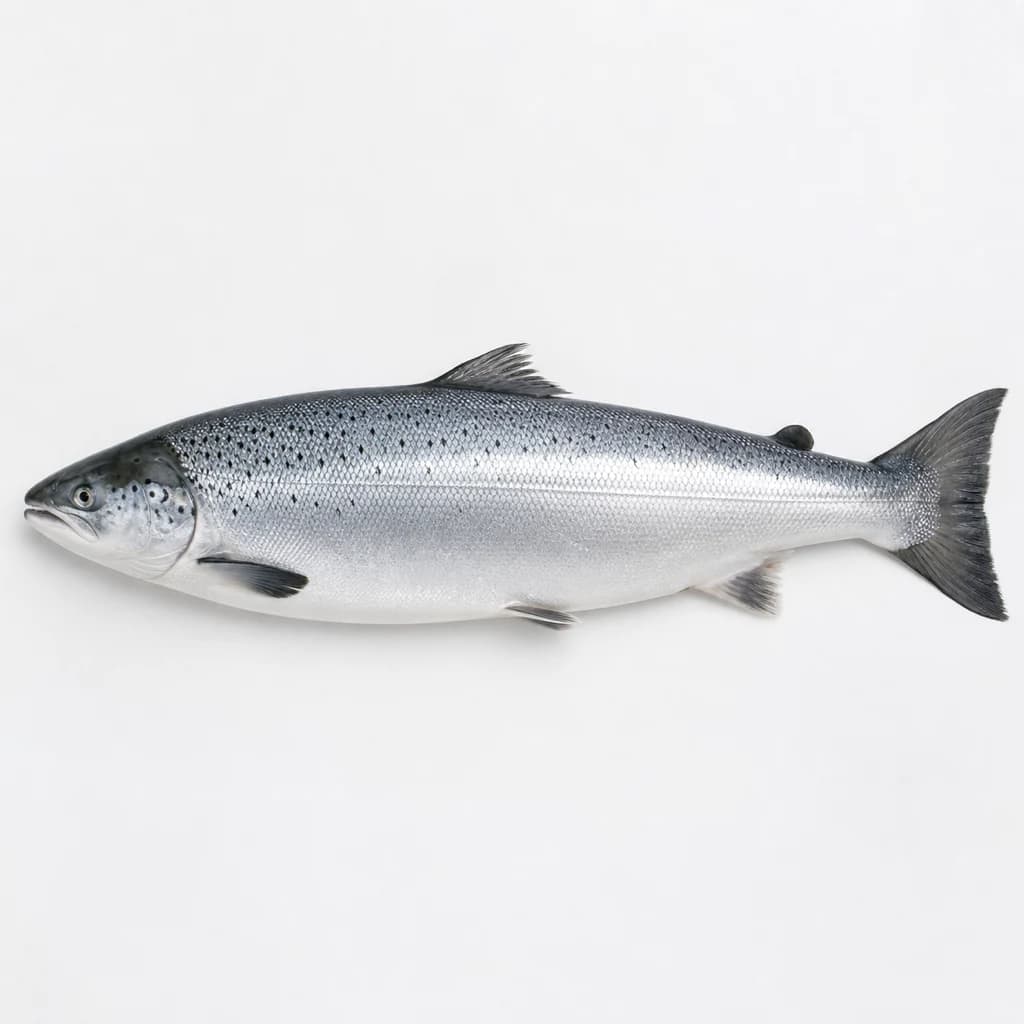
Salmon
Rich, rosy fish that roasts, grills, or cures beautifully

Egg White
Pure protein that whips to airy peaks for meringue and more

Egg Yolk
Rich, golden yolk for custards, mayonnaise, and pasta

Quail Egg
Tiny, speckled eggs for garnishing and elegant bites