Proteins
Beef Short Ribs (Asado de Tira)
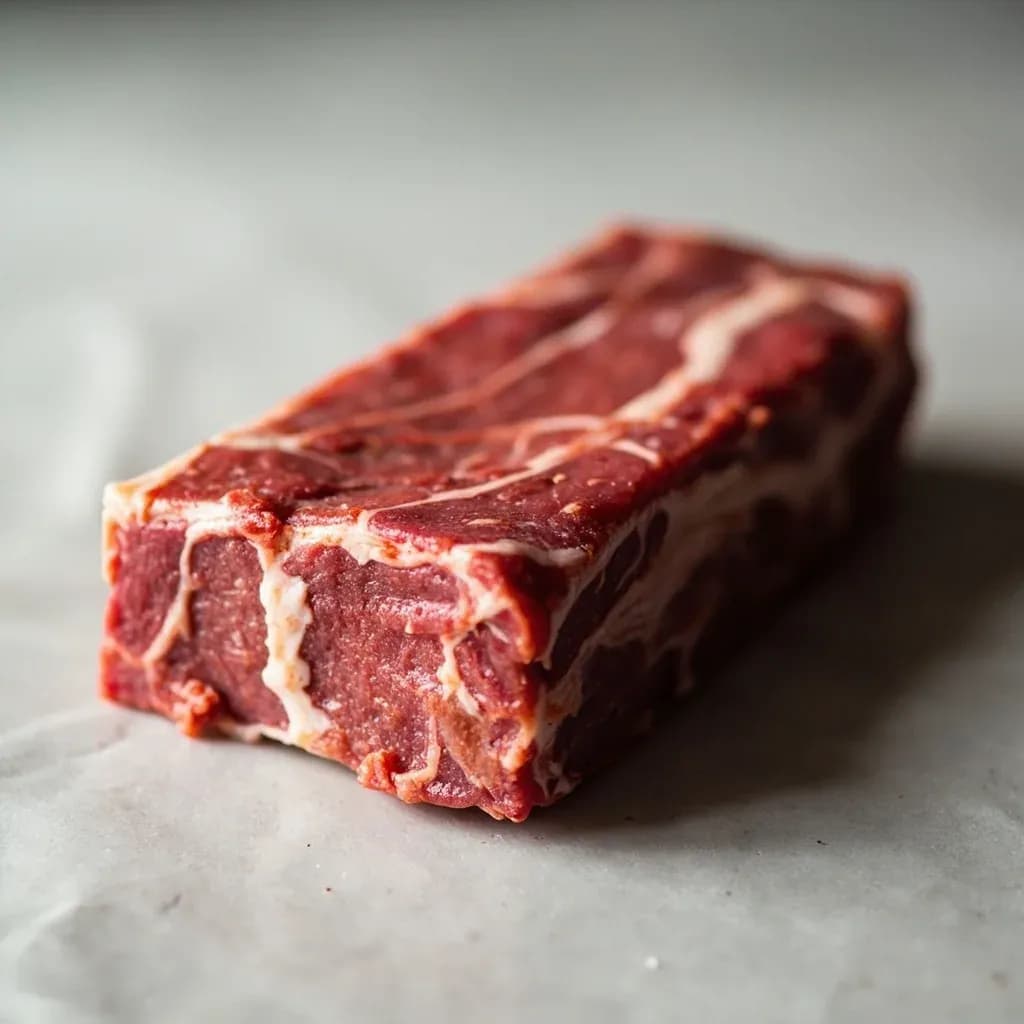
Meaty, well-marbled ribs cut across the bone — braised tender or grilled Argentine-style.
Beef short ribs come from the lower rib and plate, layered with meat and fat over short bone sections. Cut thick across the bones they are braised until meltingly tender (Korean galbi-jjim, Western braises); cut thin across the bones (asado de tira) they are grilled fast over coals in Argentina. The marbling and connective tissue give deep, beefy richness.
Beef short ribs are cut from the junction of the beef chuck and rib primals, spanning ribs 6 through 8 and the chuck end. The cut divides into two fundamentally different preparations: English-cut (parallel to the bone, producing 2–4 inch segments) and flanken-cut or cross-cut (sliced across the bones into thin strips, ½–1 inch wide). This distinction is not merely cosmetic — it determines the entire cooking approach. English-cut ribs are thick and dense, requiring low-and-slow moisture to dissolve their heavy collagen into silky gelatin. Flanken-cut ribs cook quickly over high heat, caramelizing in minutes. Throughout Argentina, Uruguay, Chile, and Mexico, the flanken style is called Asado de Tira and forms the backbone of the parrillada tradition.
The short rib's defining characteristic is its extraordinary marbling and connective tissue. Intermuscular fat runs through the meat in visible streaks, while thick collagen sheaths surround muscle fibers. This composition makes short ribs punishing to the impatient cook — served rare like a steak, they are tough and chewy. But given sufficient time at low temperature with moisture present, the collagen hydrolyzes into rich, unctuous gelatin that enriches the braising liquid into a natural jus. The result is fork-tender meat that shreds cleanly and a sauce that coats the back of a spoon. No other cut delivers such dramatic transformation with relatively modest technique.
Argentine asado tradition demonstrates that short ribs need not always be braised. When cut thin (flanken-style) and grilled over wood or charcoal at high heat, the same primal produces a completely different result — charred at the edges, smoky, and intensely beefy in minutes rather than hours. Both approaches are valid; both are delicious. The cook's choice depends on the time available and the desired outcome.
- Measured in
- g
- Storage
- Fridge
Types & varieties
Cut parallel to the bone into 2–4 inch segments; most common in US supermarkets; ideal for braising, smoking, and slow roasting
Cut across the bones into thin strips (½–1 inch wide); the style called Asado de Tira; fast to cook on the grill; also used for Korean galbi and Mexican costillas
Cut from the Denver steak portion of the chuck; boneless, well-marbled; gaining popularity for grilling; comparable in tenderness to bone-in English cuts with more convenient portioning
Specifically the cross-cut, flanken-style ribs common throughout Argentina, Uruguay, Chile, and Mexico; usually sold with more meat left on the bone than Korean-style cuts
Chuck short ribs have more connective tissue and deeper beefy flavor; rib short ribs (from ribs 6–8) are slightly more tender with finer marbling
Braising vs. Grilling: Choosing Your Approach
The cooking method must match the cut thickness. English-cut ribs (2–4 inches thick) need 2½–4 hours of moist, low-temperature heat to break down collagen. Attempting to grill them produces a charred exterior with a raw, chewy interior. Conversely, flanken-cut ribs (½–1 inch thick) cook through in minutes on high heat — braising them turns them to mush. Choose your cut based on your available time and equipment: plan ahead for braised English ribs, or buy flanken-cut if you want the grill to do the work.
- Braised English-cut: plan 3+ hours start to finish
- Grilled flanken-cut: ready in under 15 minutes
- Never attempt to interchange the two cuts across cooking methods
Building the Braising Liquid
The braising liquid does more than prevent burning — it carries flavor into the meat and becomes your sauce. A well-built braising liquid starts with aromatic vegetables (onion, carrot, celery), tomato paste for body and umami, and a liquid foundation of wine, stock, or beer. Add acid (a splash of vinegar or wine) to help dissolve collagen more efficiently. The liquid should reach only halfway up the ribs; they cook partially in steam, which promotes better color development and texture than full submersion.
- Sauté aromatics until caramelized before adding liquid
- Deglaze with wine and reduce by one-third for concentrated flavor
- Skim fat from cooled braising liquid before reducing to jus
Common uses
Tips & pitfalls
- Pat ribs completely dry before searing — surface moisture prevents browning and produces steamed meat instead of caramelized crust
- Sear in a hot Dutch oven with high-smoke-point oil (avocado or grapeseed) until deeply browned on all sides before adding braising liquid
- Season generously with kosher salt 45 minutes before cooking — dry-brining improves moisture retention and deep flavor penetration
- Do not fill braising liquid above the meat's halfway point — ribs should cook partially in steam for better texture and color retention
- Rest braised ribs in their cooking liquid for at least 20 minutes before serving — this allows fibers to reabsorb moisture and prevents dry, overcooked meat
- For grilled flanken-cut ribs: marinate for at least 2 hours in acidic mixture (lime or orange juice with oil and spices) to tenderize and prevent excessive charring
- When pressure braising, allow natural pressure release for 15–20 minutes — quick release causes meat to seize and become tough
- The meat is done when a skewer or thermometer probe inserted into the center meets no resistance — cook past the chewy stage, not just to warm-through
- Reduce braising liquid to a glossy jus after cooking; fat-skim first for a clean, intense sauce to serve alongside or spoon over sliced ribs
Nutrition
Energy
732 kJ · per 100 g
Where the calories come from
Protein
19.1g
38% DV
Carbs
0.4g
0% DV
Fat
10.2g
13% DV
Fiber
0g
0% DV
Sodium
65mg
3% DV
Source · USDA FoodData Central · approx. Beef, rib, shortribs, separable lean only, choice, raw
View on FDC →In the shops
Matched grocery products
No matched grocery products for Beef Short Ribs (Asado de Tira) yet.
Good to know
- Cut source
- Beef chuck and rib primal, from ribs 6–8 and the chuck end
- Cut type
- Cross-cut (flanken) or English-cut (parallel to bone)
- Asado de Tira origin
- Argentina and broader Latin America; the defining short rib cut for asado and parrillada
- Typical serving
- 2–4 ribs per portion (bone-in English cut); 3–5 oz per person (flanken cut)
- Marbling
- Well-marbled with heavy intermuscular fat and collagen-rich connective tissue
- Braising time
- 2.5–4 hours (oven) or 60–90 minutes (pressure cooker) at 300–325°F
- Grilling time
- 4–6 minutes per side for flanken-cut over high heat until caramelized
- Yield (cooked)
- Approximately 60% of raw weight as collagen converts to gelatin
- Storage (raw)
- Refrigerate below 40°F for 1–2 days; freeze at 0°F for up to 6 months
- Storage (cooked)
- Refrigerate in braising liquid up to 5 days; freeze up to 3 months
Substitutes
- Flanken-Cut Short Ribs — English and flanken cuts are interchangeable with adjustment; flanken is already thin and suitable for quick grilling, while English needs braising to reach tenderness
- Boneless Short Ribs (Denver Cut) — Cook identically to bone-in English-cut ribs; slightly more convenient for portioning and serving, with comparable collagen content and resulting gelatin texture
- Beef Chuck Roast — Cut into 2-inch cubes and braise the same way; similar collagen content and resulting gelatin texture, though lacks the visual presentation of bone-in ribs
- Oxtails — Braise in the same manner as short ribs; richer, more concentrated beef flavor with higher bone-to-meat ratio; an excellent substitute when short ribs are unavailable
- Short Plate Ribs (Korean LA Galbi Style) — Essentially the same cut (flanken) but typically more aggressively trimmed of exterior fat; can substitute directly for Asado de Tira on the grill
Pairs with
Also called
Asado de Tira · Galbi · Short Ribs
Appears in these dishes
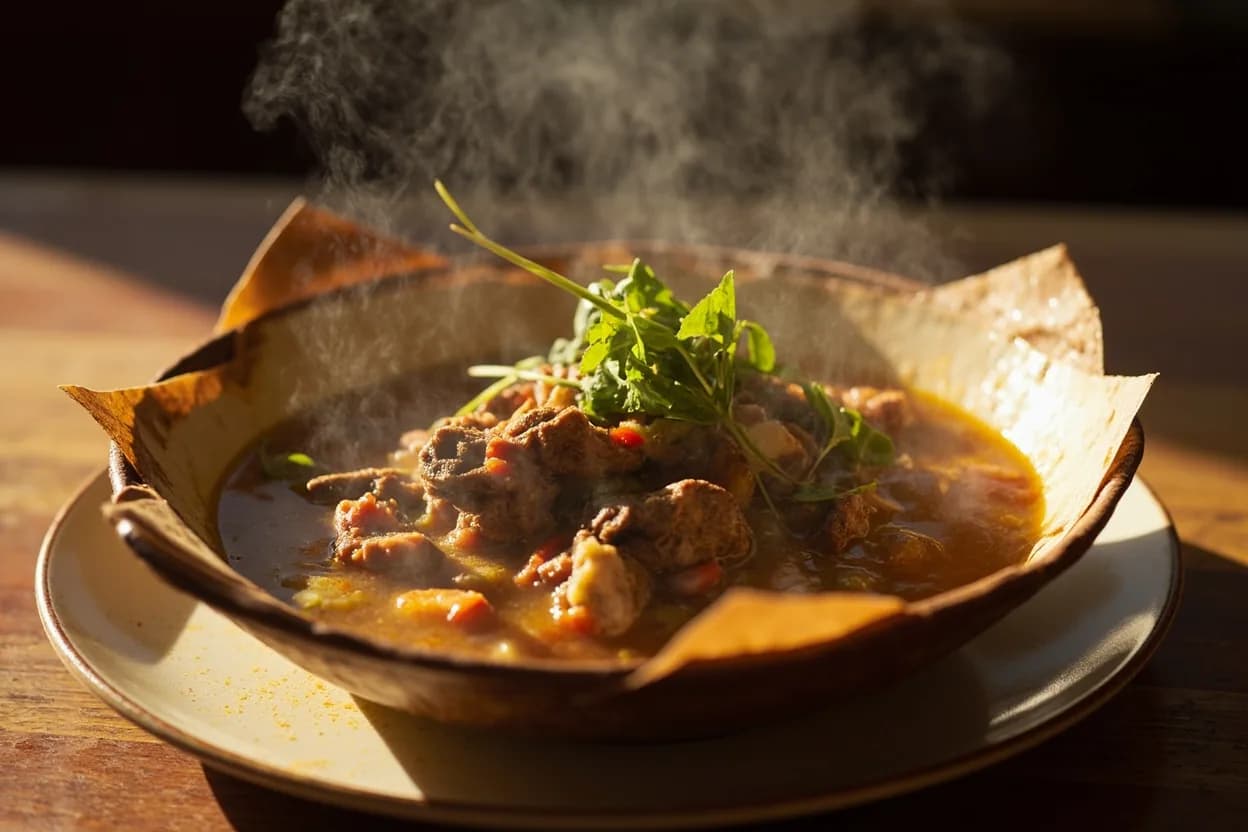
Related

Egg
The kitchen's everything ingredient — bind, leaven, enrich, or fry
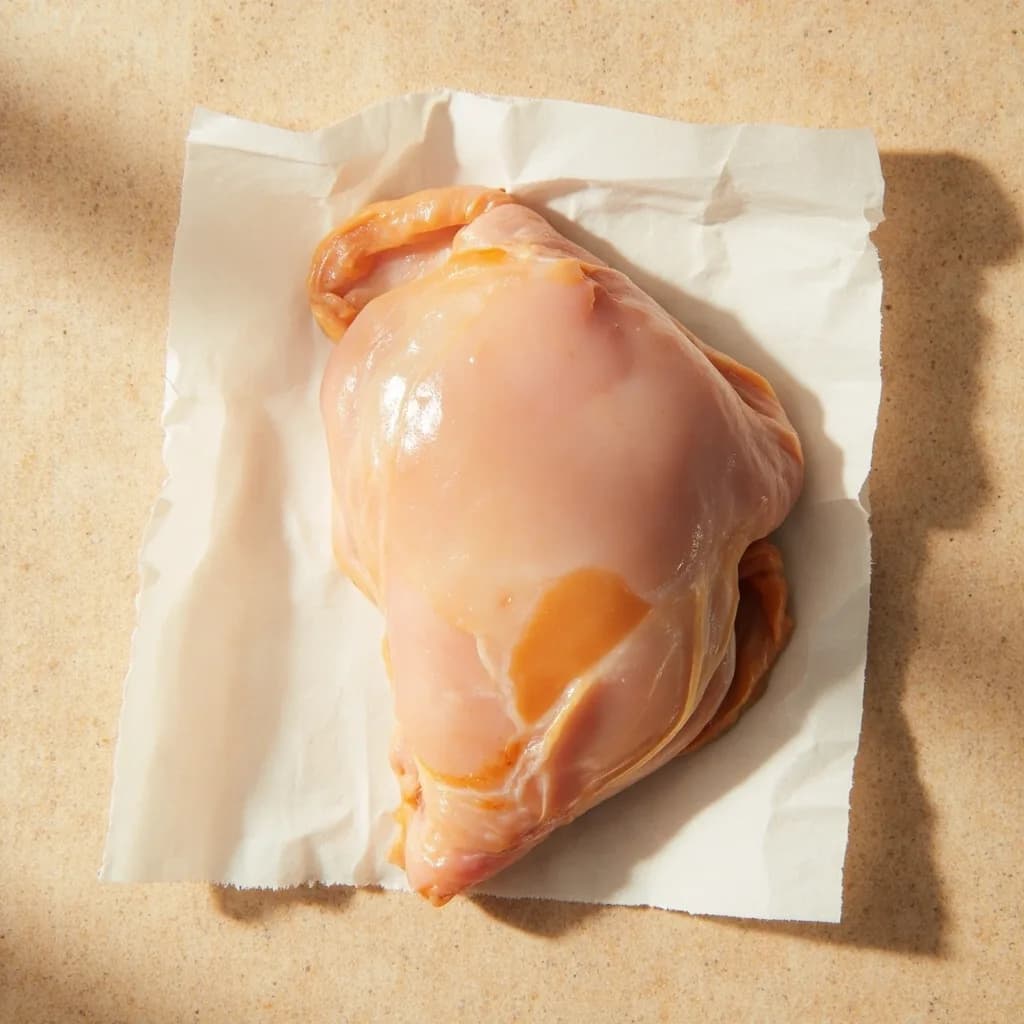
Chicken Breast
Lean, quick-cooking white meat for everyday dinners

Ground Beef
Versatile minced beef for burgers, ragù, tacos, and meatballs
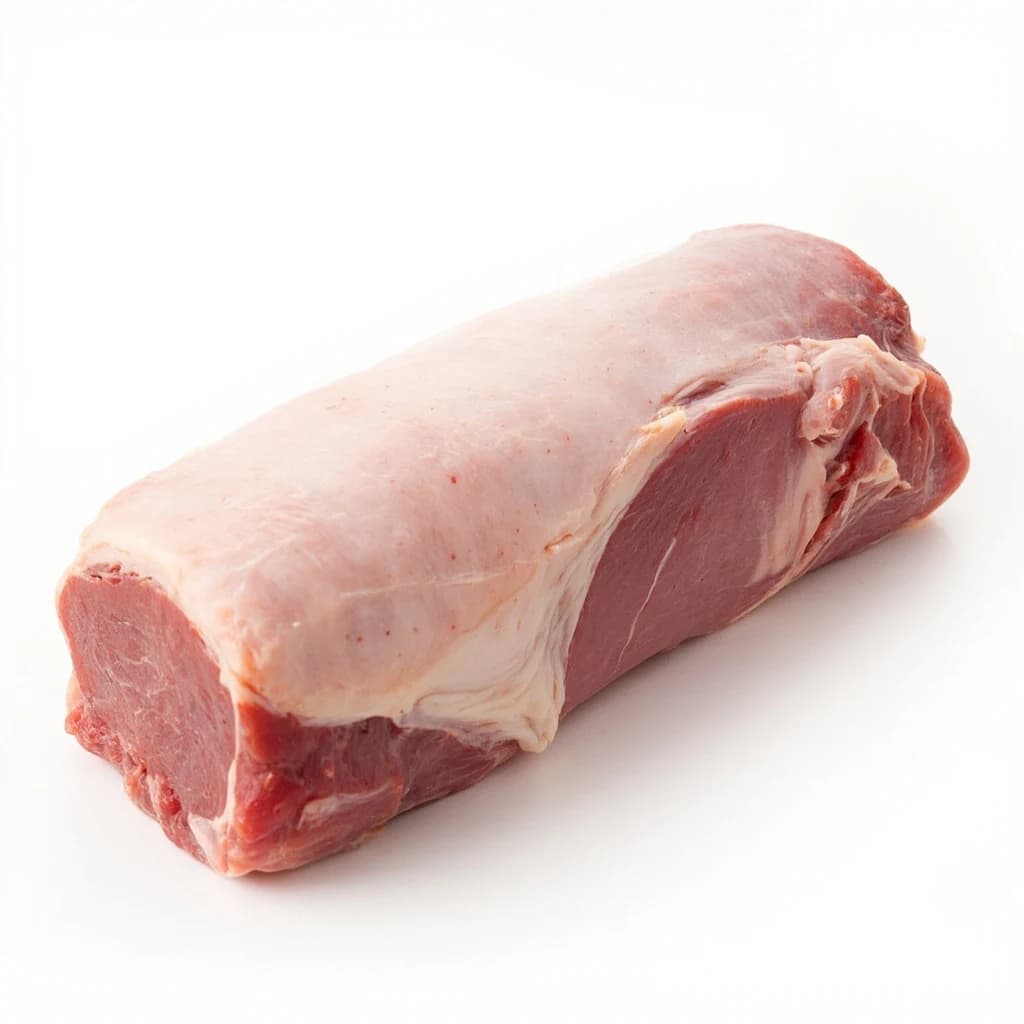
Pork Loin
Lean, tender roasting cut that stays juicy with care
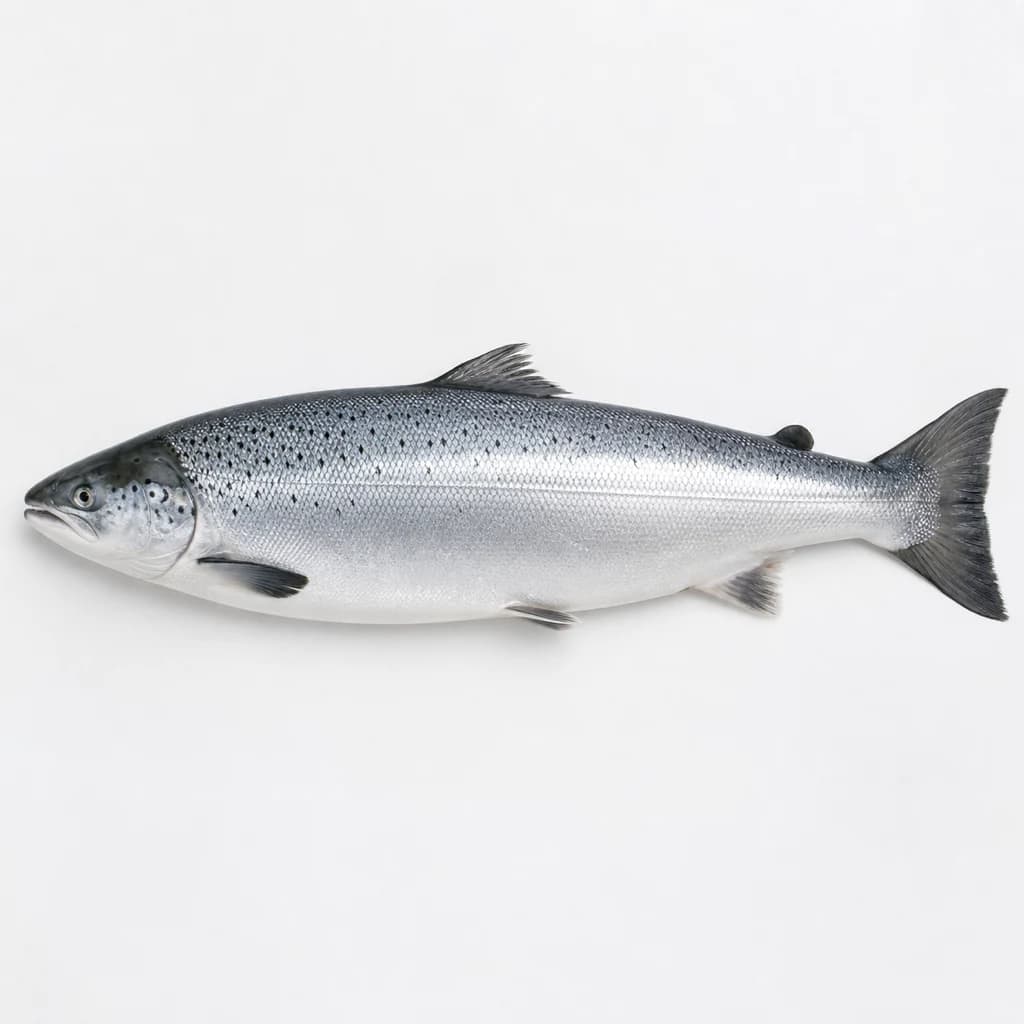
Salmon
Rich, rosy fish that roasts, grills, or cures beautifully

Egg White
Pure protein that whips to airy peaks for meringue and more
Egg Yolk
Rich, golden yolk for custards, mayonnaise, and pasta

Quail Egg
Tiny, speckled eggs for garnishing and elegant bites